Beef Gelatin Powder 200 Bloom
Homemade Gelatin Gummy Bears: Ratios and How to Get Them Firm
Updated Oct 8, 2026
Homemade gelatin gummy bears turn out firm when you use 15–20 g of 200 Bloom powdered gelatin per 100 ml of liquid, add sugar and syrup, avoid boiling the mixture, and let the finished pieces air-dry for a day or two. Here you'll find the ratios in grams, why gummies can end up soft or sticky, and what to do if you want them sour, fruity, or extra chewy.
For firm gummy bears, use 15–20 g of 200 Bloom powdered gelatin per 100 ml of liquid. Less gives a soft jelly, more gives a firm, chewy bear. Here are three levels to work from (always per 100 ml of juice or water, using 200 Bloom gelatin):
8–10 g – a soft, wobbly jelly that melts in the mouth and softens quickly outside the fridge.
15–20 g – a proper gummy bear that holds its shape at room temperature and cuts cleanly.
22–25 g – a very chewy, \"store-bought\" style bear, especially once air-dried afterward.
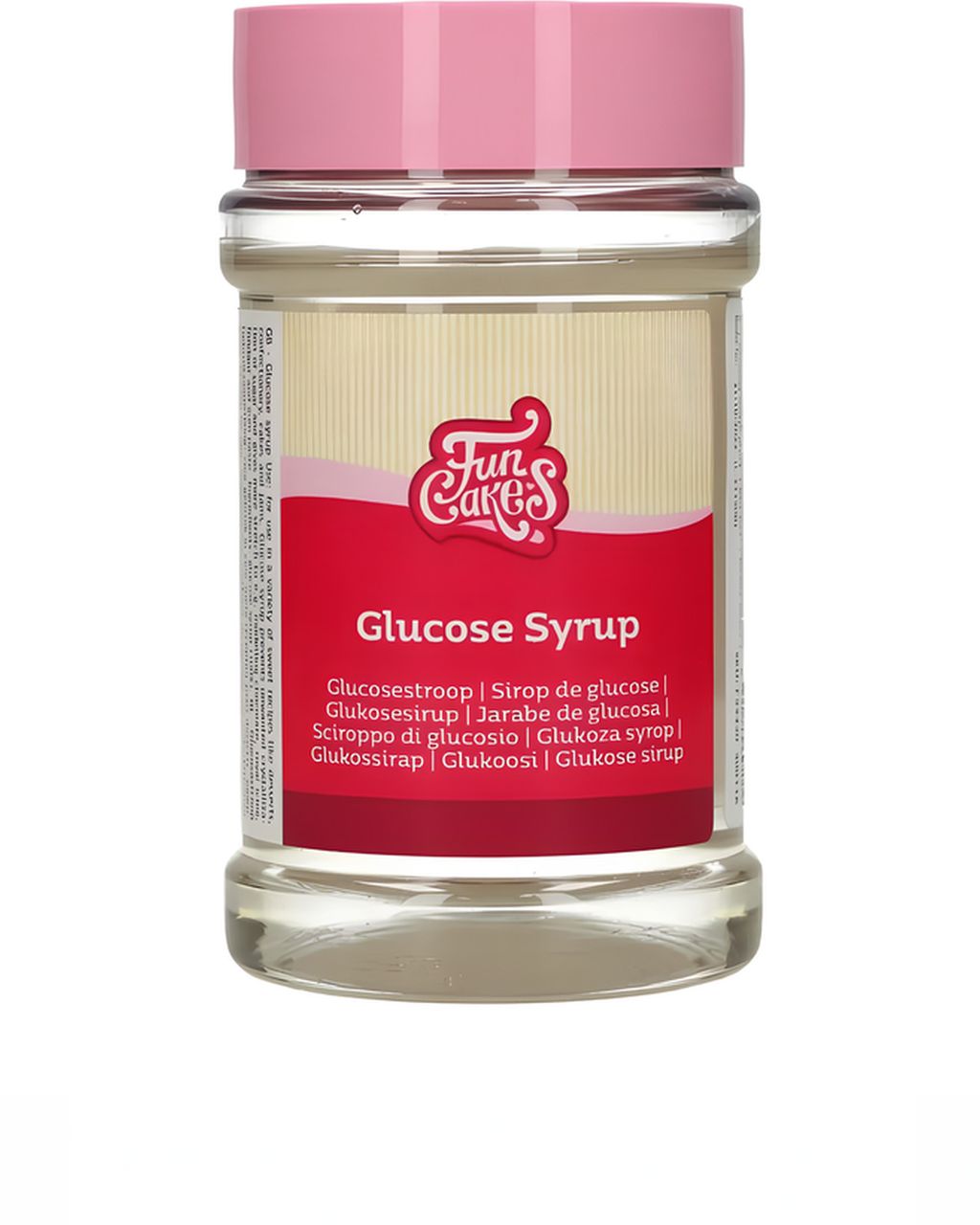
Gelatin alone doesn't make a gummy bear, though. Besides gelatin, store-bought bears mainly contain sugar and glucose syrup — these bind water, add chewiness, and keep the pieces from turning rock-hard in the air. At home, a reliable formula is 50 g sugar and 50 g glucose syrup per 100 ml of liquid. It works without sugar too, but you'll get jelly cubes rather than true gummies, and they won't keep as long.
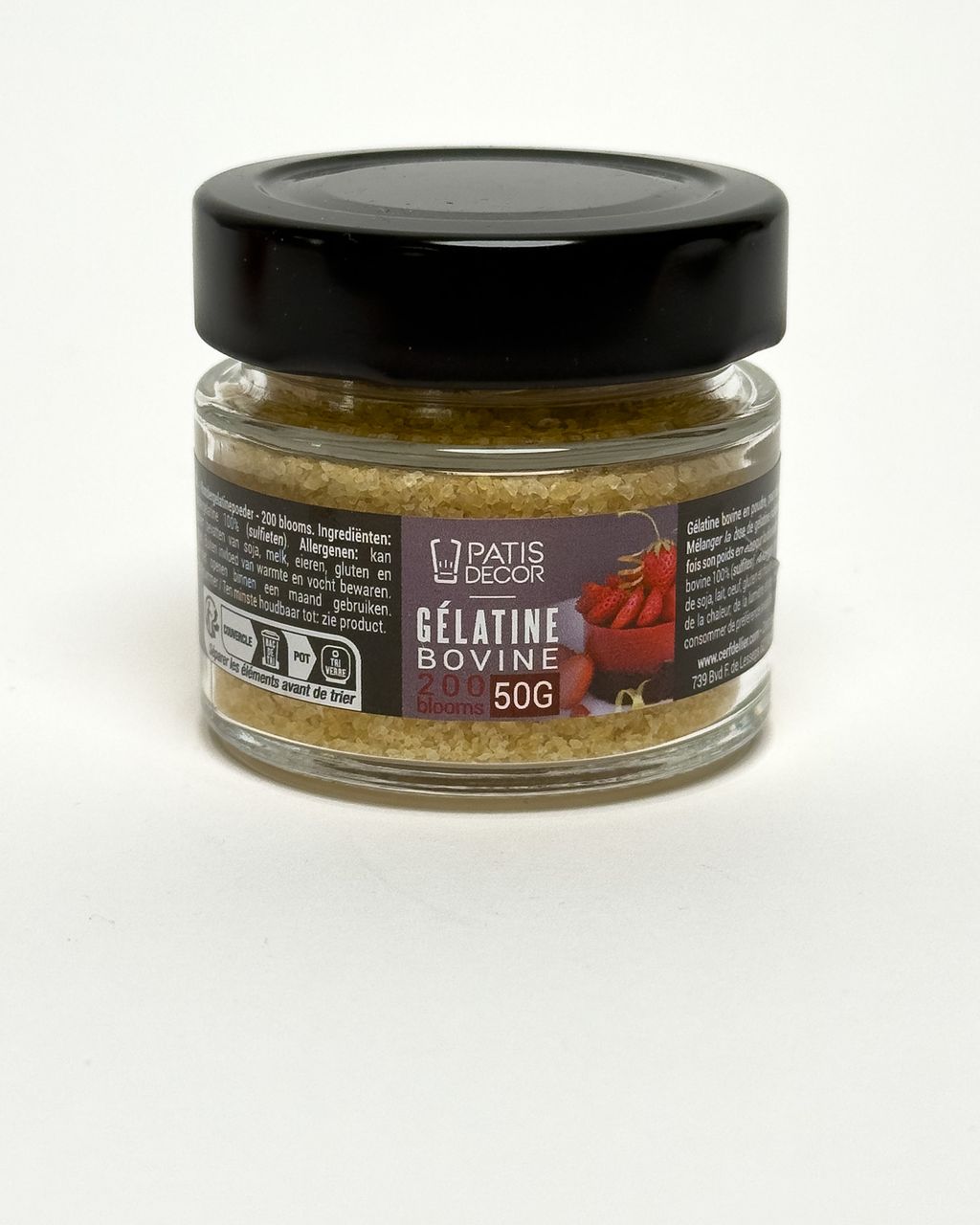
Bloom is the number that tells you how strongly a gelatin sets — the higher it is, the firmer the gel from the same amount. For gummy bears, manufacturers generally recommend a range of about 200–250 Bloom: it gives a firm, springy mixture that releases cleanly from the mold.
All the ratios in this article are based on 200 Bloom powdered gelatin. If you're using a different strength, don't simply swap it 1:1 — gel strength doesn't scale linearly with the amount used. In practice:
going from 200 to 250 Bloom, use roughly 10% less,
going from 200 to 160 Bloom, use roughly 10–12% more.
You'll find the full conversion method in our article on what the Bloom number means and how to convert gelatin strength.
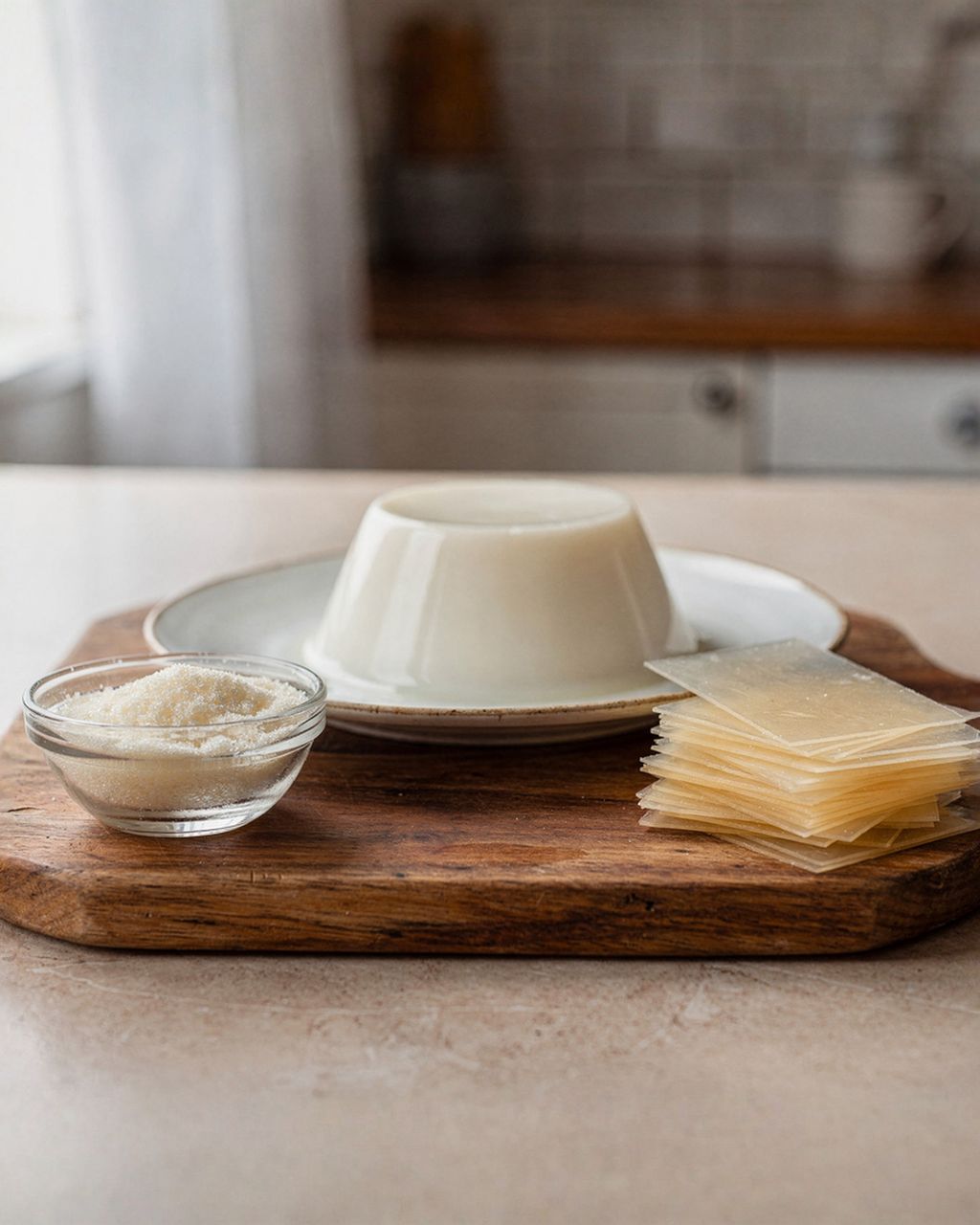
Powdered gelatin with a stated Bloom value is the better choice for gummies, since you know exactly how much strength you're adding and can weigh it to the gram. Sheet gelatin works too, but it has two drawbacks:
Bloom strength often isn't listed on sheets sold in regular shops. As a rough guide, \"silver\" sheets are around 160 Bloom, \"gold\" around 200, and \"platinum\" roughly 235–250 — but you usually won't find this on the packaging.
Sheets carry extra water from soaking. That's not an issue in a jelly cake, but in gummies, where every gram of water matters, it pushes the result toward softer.
A couple of other options exist, but they're not quite the same thing:
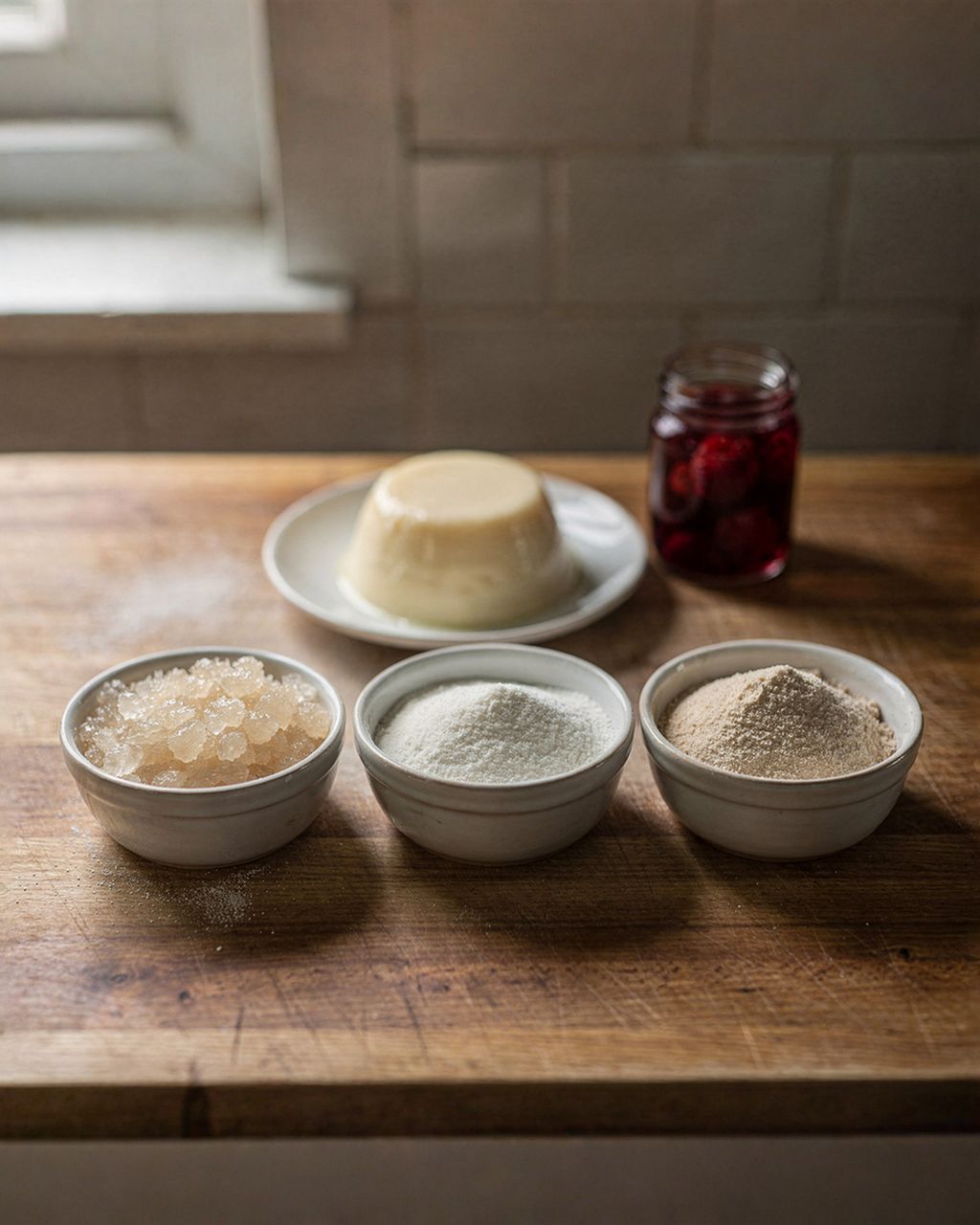
Agar – plant-based, sets even at room temperature, but it's brittle and snaps. You can't make a chewy gummy bear out of it.
Pectin – used for fruit jelly candies (the sugar-coated kind). It needs plenty of sugar, acid, and the mixture cooked to roughly 106–107°C (223–225°F); it's a different kind of sweet with a different texture altogether.
The differences between them are covered in our article on pectin, agar and gelatin and how to use them. You'll find gelatin and other setting agents all in one place in our gelling agents and binders section.
The process has five steps: bloom the gelatin, dissolve it without boiling, flavor it, pour it into molds, let it set, and air-dry it. Out of 100 ml of liquid, use 60 ml to bloom the gelatin and 40 ml for the sugar and syrup.
Let the gelatin bloom. Sprinkle the powder over 60 ml of cold liquid (not the other way around), stir briefly, and leave it for 5–10 minutes. Every granule needs to soak up water, or you'll end up with hard lumps in the mixture. At the higher dose (20 g), you'll get a thick, almost solid mass — that's normal.
Dissolve it gently. In the remaining 40 ml of liquid, warm 50 g sugar and 50 g syrup until the sugar dissolves, take it off the heat, and let it cool to around 60–70°C (140–158°F). Only then stir in the bloomed gelatin, mixing until it's fully dissolved. Don't boil it, and don't keep it above 60–70°C (140–158°F) for long — heat weakens gelatin, and boiling is the worst offender.
Flavor and color it. Only once the mixture is off the heat. Add any acid right at the very end (more on that below).
Pour into molds. A pipette or a measuring cup with a spout works best. If foam forms on the surface, skim it off with a spoon or let the mixture sit for 5 minutes — bubbles would otherwise end up trapped in the finished pieces.
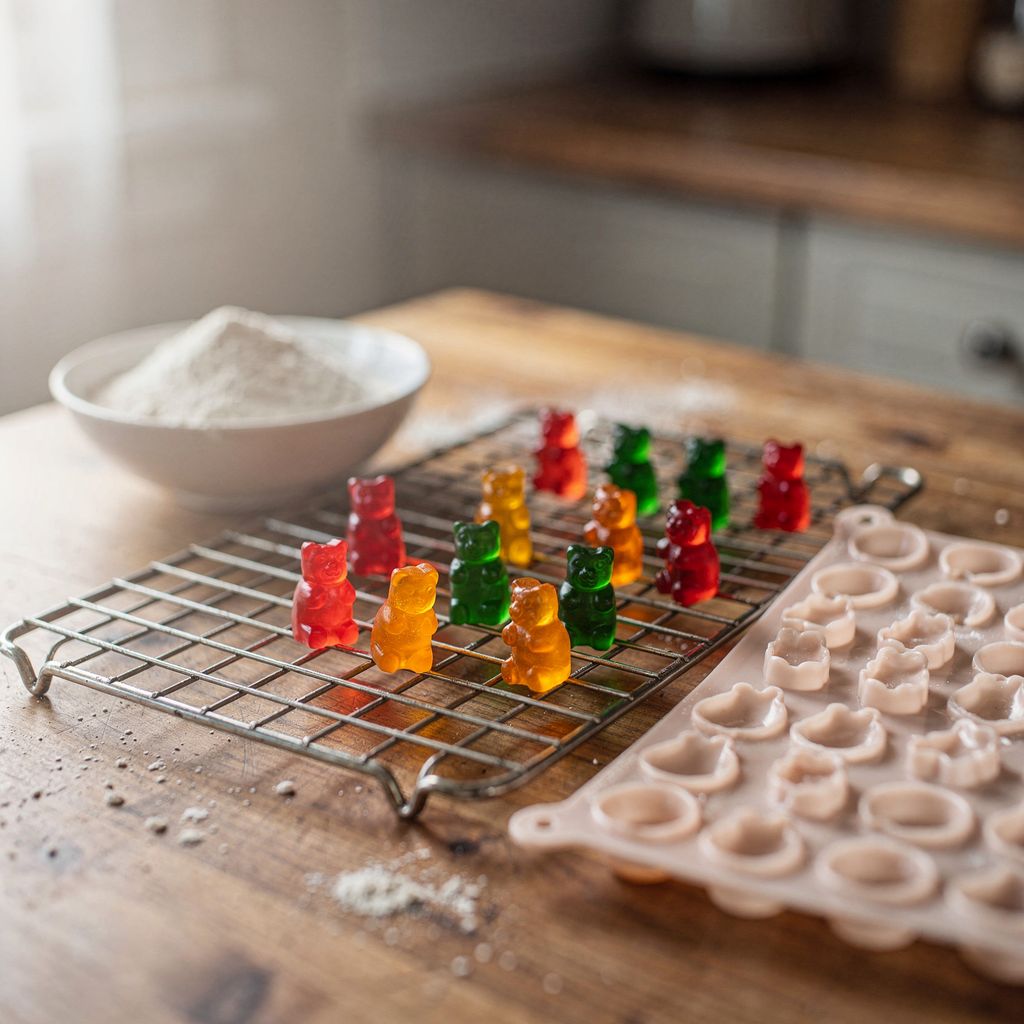
Let it set, then air-dry. Chill for 2–3 hours in the fridge, then turn the pieces out onto a rack or baking paper and leave them uncovered for 24–48 hours at room temperature. This is the step that turns jelly into a true gummy.
Gummies usually turn out soft for five reasons: too little gelatin, overheated gelatin, too much acid, enzymes from raw fruit (pineapple, kiwi, papaya, figs, ginger), or skipped air-drying. Let's go through them one by one:
Not enough gelatin relative to the liquid. Below 15 g per 100 ml (at 200 Bloom), don't expect a firm gummy. Also watch out for \"extra\" liquid — water from soaked sheets, fruit juice, liquid flavoring.
The mixture was boiled. Gelatin that's boiled or held at high heat for too long loses strength. Only heat it enough to dissolve.
Acid added while the mixture is hot. Citric acid weakens the gelatin network, and heat makes this worse. Add acid just before pouring, or introduce sourness through a coating instead.
Raw pineapple, kiwi, papaya, figs, or ginger. These contain enzymes that break down gelatin's protein structure — the mixture won't set at all. Juice from them is only safe once it's been boiled or comes from a can.
The gummies weren't air-dried. Fresh out of the mold, they're still basically jelly. A day or two in the air lets some water evaporate, firms up the surface, and shifts the texture inside toward springy and chewy. For something firmer still, leave them for a full three days.
Juice gives a natural flavor, while flavoring paste gives a stronger flavor and color without adding extra water. Both work, each with its own trade-off:
Fruit juice – the flavor ends up milder than you'd expect, since it gets diluted by the sugar and gelatin. Sour juices (lemon, redcurrant) weaken the gel, so push the gelatin toward the upper end for these — around 20 g per 100 ml.
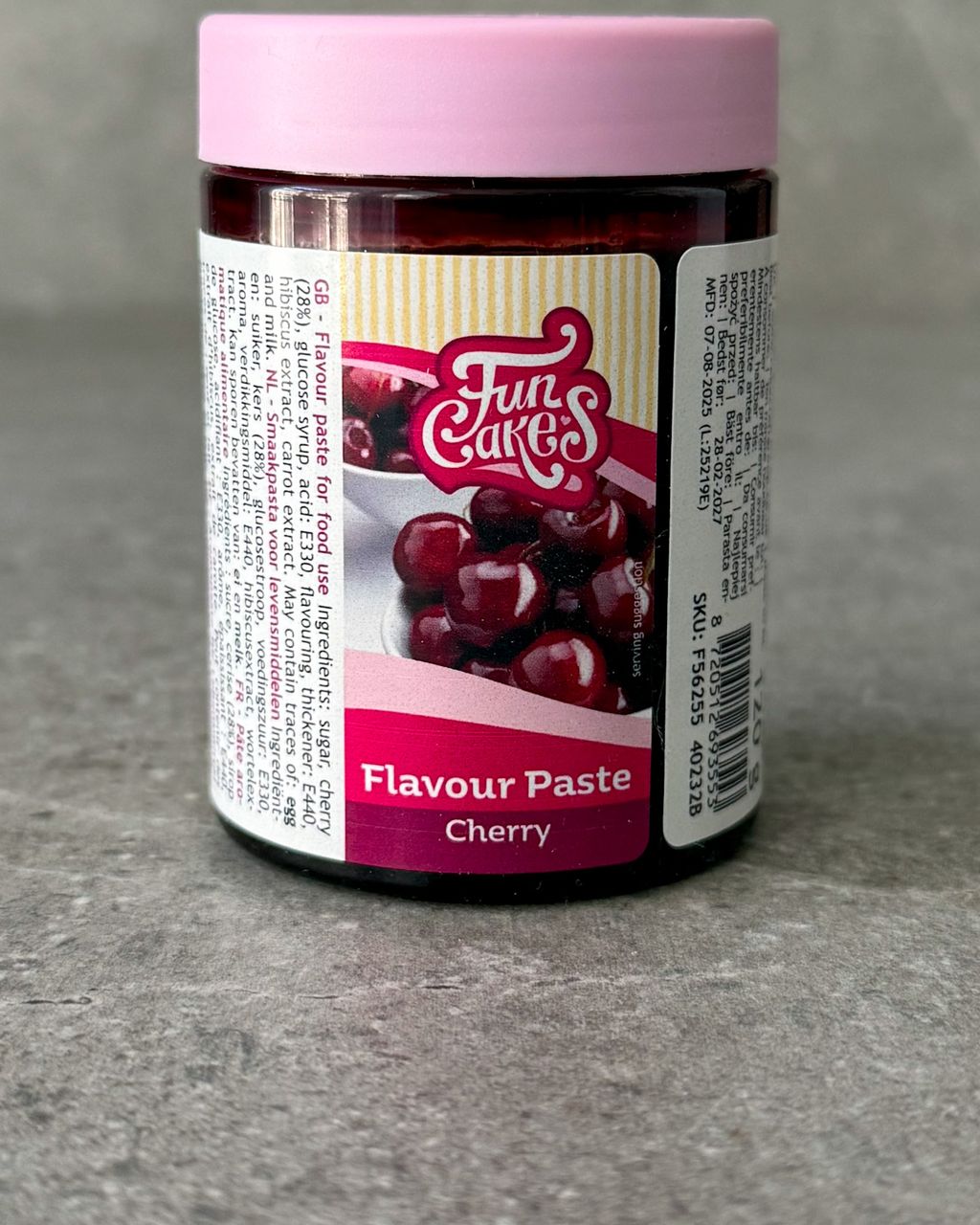
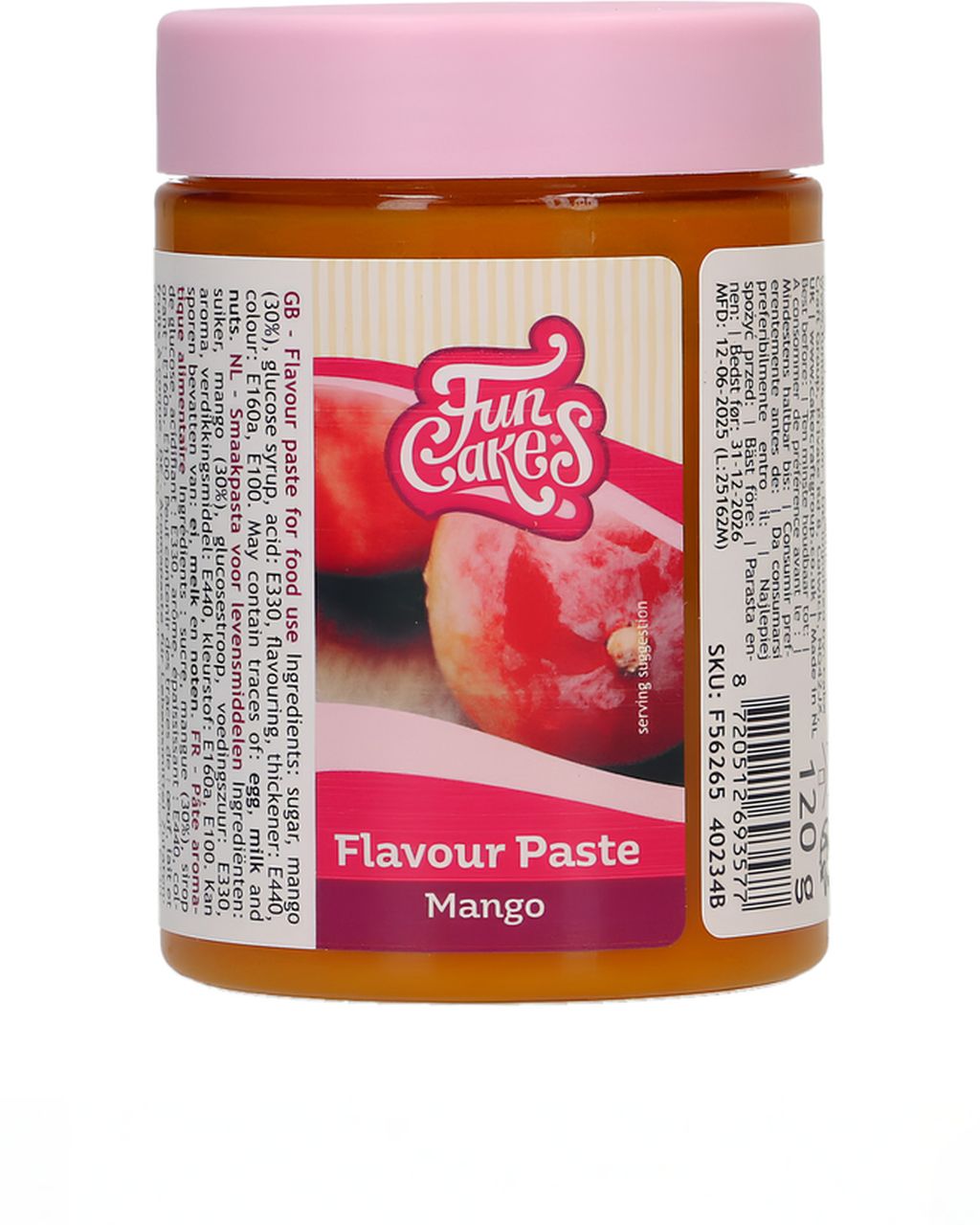
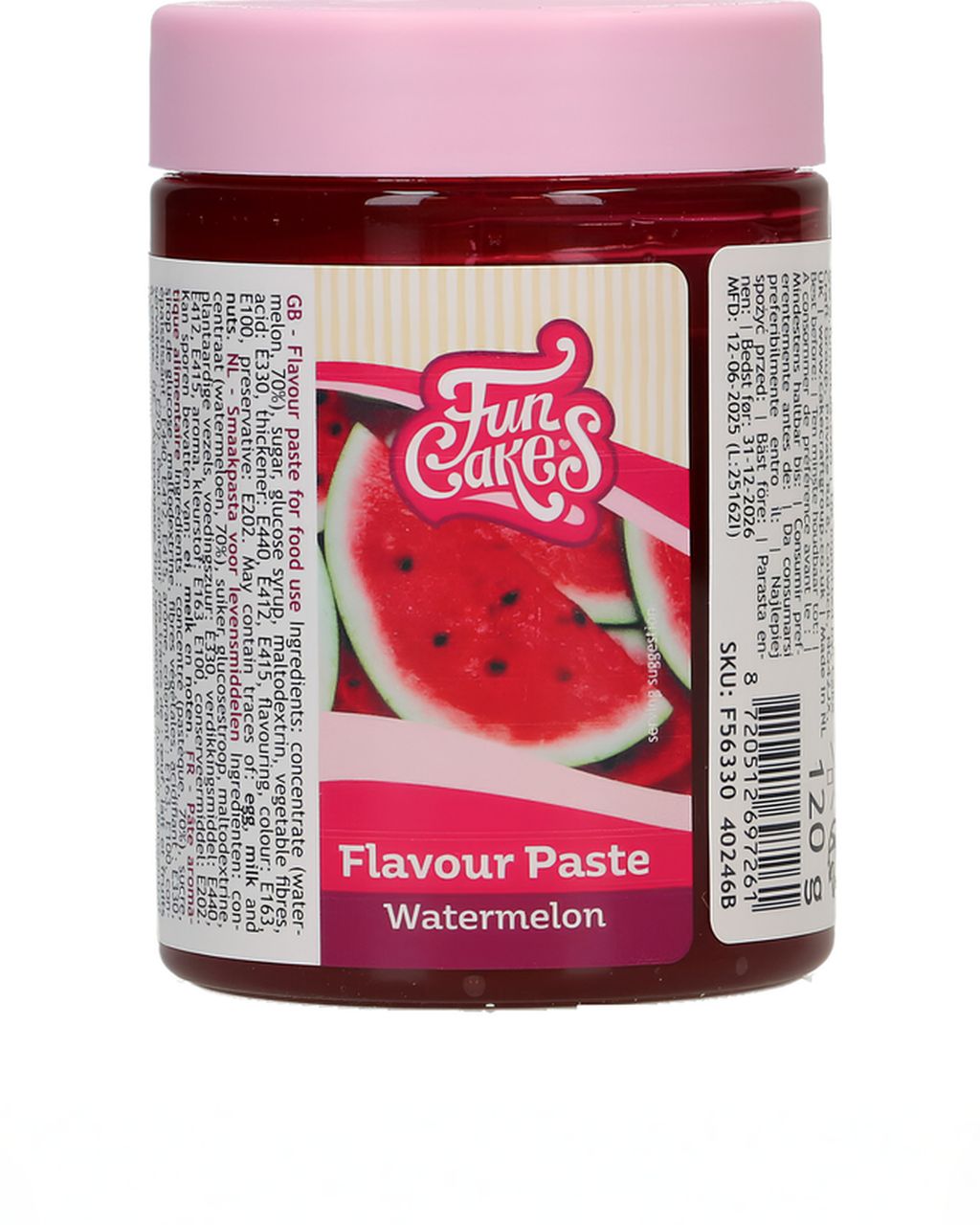
Flavoring paste – concentrated flavor and color in a small dose. For 100 ml of liquid, roughly 5–10 g (1–2 teaspoons) is enough, so the water ratio barely changes and the gummy stays firm. Plain water works fine as the base. Among our own flavoring pastes, cherry, mango, or watermelon work especially well here. Stir it into the mixture off the heat and taste as you go — the flavor mellows slightly once set.
Flavoring extracts and gel colors – the cheapest option, though the flavor tends to be flatter than with a paste, and you'll need to add color separately.
Add citric acid right at the end, or just use it in the coating. Coating is the more reliable method: toss the finished, air-dried gummies in a mix of sugar and citric acid at roughly a 5:1 ratio (e.g. 50 g sugar to 10 g acid). The sourness hits the tongue immediately, and the gel inside stays firm.
If you want sourness running through the whole gummy, stir no more than 1–2 g of acid dissolved in a teaspoon of water into the mixture (per 100 ml) once it's cooled below 60°C (140°F), then pour right away. Coating fresh, undried pieces is pointless — the damp surface will dissolve the sugar and the gummies will start to weep.
A silicone mold and a thoroughly chilled mixture are the key — after 2–3 hours in the fridge, the pieces should pop out easily by pushing from underneath. If they're tearing, put the mold back in the fridge for another hour.
Before pouring, wipe the mold with a thin layer of neutral oil and blot off the excess with a paper towel. This helps most with detailed shapes.
After unmolding, gummies will stick together as long as the surface is damp. Air-drying solves this on its own; for extra insurance, you can lightly dust them with cornstarch and shake off the excess once dry.
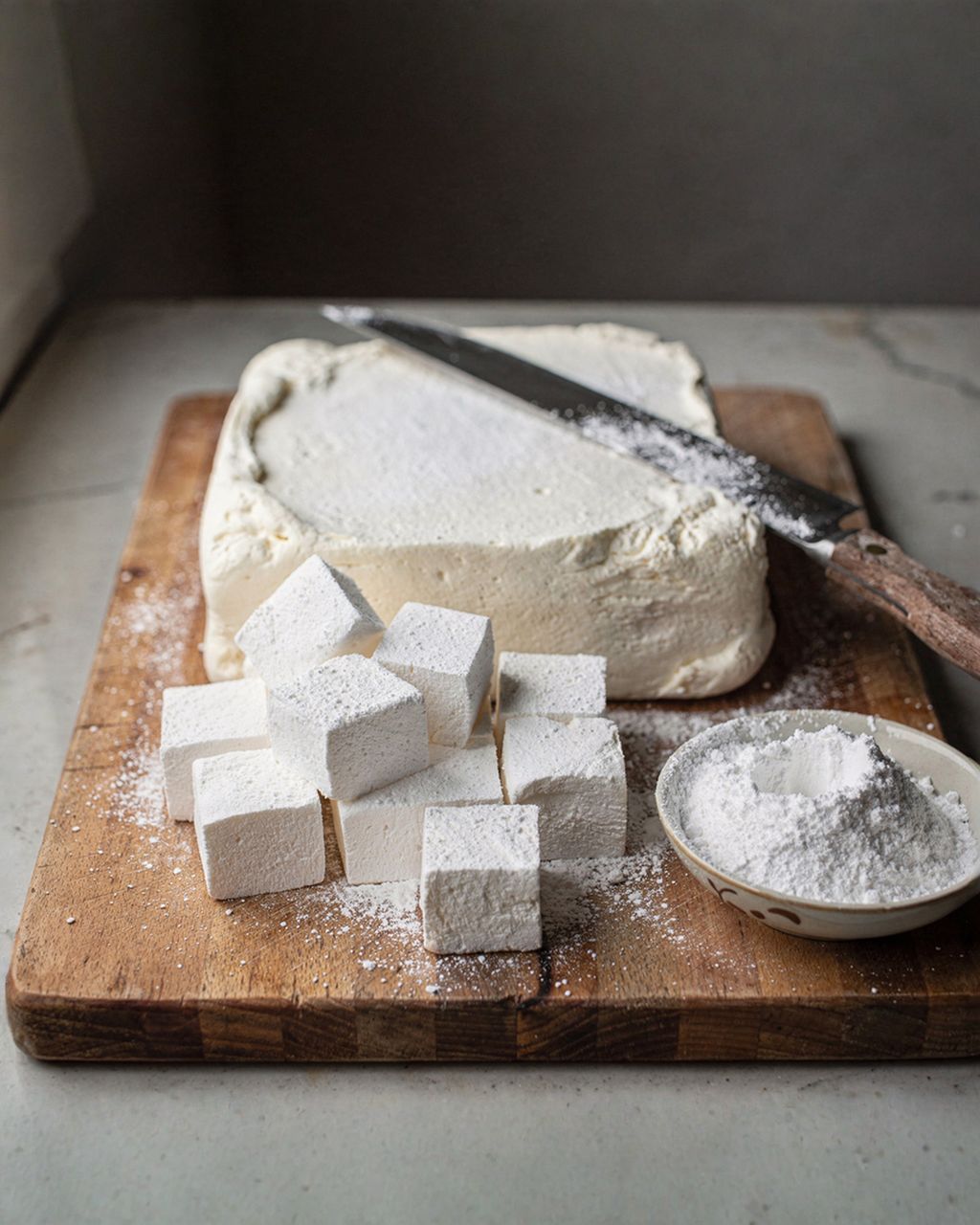
No mold? Pour the mixture into a baking dish lined with cling film, about 1–1.5 cm deep, let it set, then cut into cubes with a knife dipped in hot water.
Air-dried gummies made with sugar and syrup keep for about 1–2 weeks in a sealed container somewhere cool and dry. A version made with just fruit juice and no sugar should be kept in the fridge and eaten within a few days — it holds more free water and spoils faster.
Layer them with baking paper in the container, or they'll stick together.
In the fridge, gummies stay firm but can pick up moisture and get sticky, so the container needs to seal well.
In a warm spot (near a radiator, in the sun), gelatin starts to soften at around 30–35°C (86–95°F) — best not to bring these on a summer picnic.
Gelatin gummy bears aren't vegetarian, because gelatin is an animal product (most often pork or beef, more rarely fish). Vegetarian alternatives are agar or pectin, but neither gives quite the same chewy texture; agar makes brittle little cubes, while pectin makes fruit jelly candies.
Yes, gelatin sets fine without sugar, but you'll end up with firm jelly cubes rather than stretchy gummy bears. Sugar and glucose syrup bind water, add chewiness, and extend shelf life, so keep the no-sugar version in the fridge and eat it within a few days.
Gummies weep when there's free water sitting on the surface — usually because they weren't dried enough, or because they were coated in sugar and acid while still fresh. Let them sit uncovered on a rack for 24–48 hours and only coat them afterward; storing them somewhere dry rather than in a humid fridge helps too.
Freezing isn't recommended: ice crystals disrupt the gelatin network as it thaws, so the gummies release water and go soft. It's better to make a smaller batch and keep it in a sealed container in the fridge for 1–2 weeks.
To make layered gummies, pour the first color, let it set in the fridge for 10–15 minutes until just the surface firms up, then pour the second, still-warm layer (around 35–40°C/95–104°F) on top. If the first layer sets completely before you add the second, the layers won't bond and the gummy will fall apart.
One recipe worth heating the oven for, one tip, and one deal from the shop. Nothing else.