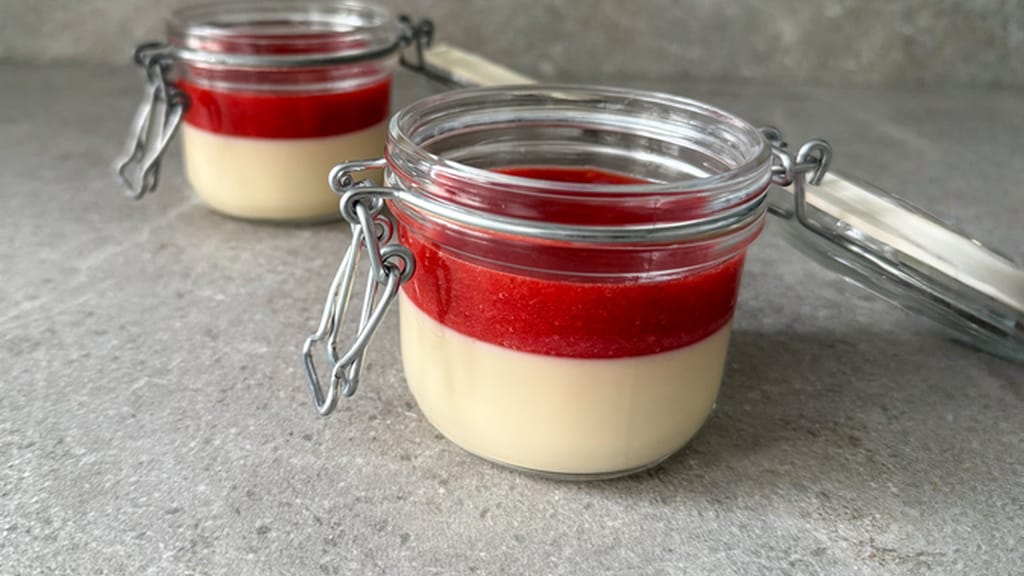
Panna cotta: a simple italian dessert ready in no time
How to Decorate French Desserts: Chocolate, Isomalt, Gold & More

Updated Aug 15, 2026
There are five main ways to decorate French desserts: tempered chocolate, pulled sugar or isomalt, edible flowers, real edible gold, and shimmering lustre dusts. Each has its own rules — temperature, timing and the surface it needs to set on. Here you'll find a step-by-step method for each technique, exact temperatures and the mistakes to avoid, so your plate of macarons or your cake looks like it came straight from a Parisian pâtisserie.
The most durable, glossiest chocolate decorations all come down to tempering — a controlled process of heating, cooling and gently rewarming that encourages the cocoa butter to form stable Type V crystals. Skip tempering and the chocolate turns grey once set (so-called fat bloom), breaks unevenly, and smears on your fingers.
According to Valrhona and other pastry sources, each type of chocolate follows its own temperature curve:
Dark chocolate: melt to 50–55°C (122–131°F), cool to 28–29°C (82–84°F) and work at 31–32°C (88–90°F).
Milk chocolate: work at 29–30°C (84–86°F) — it has more milk fat and tolerates less heat.
White chocolate: work at 28–29°C (82–84°F) and watch it most closely — it scorches the fastest.
A difference of just a few degrees decides whether a decoration snaps cleanly or simply bends. Get yourself a cheap instant-read baking thermometer — guesswork doesn't cut it here.
Curls come from a thin layer of tempered chocolate spread onto a cold, smooth surface (marble or the back of a baking sheet). Let it set until it looks matte but is still pliable, then scrape it off with the blade of a large bench scraper or a knife held almost flat — the sharper the angle, the tighter the curl.
Chocolate that's too cold crumbles; too warm and it smears — expect a few tries before you get it right.
Draw the blade along the full length of the surface for wide shavings, or use short strokes for tight little curls.
Lift the finished curls with tweezers or a fork — the warmth of your fingers will melt them instantly.
Pipe lattices and lace from a paper cone or a piping bag with the tip snipped off, onto baking paper or acetate sheet, then peel away once set. Acetate gives a mirror-glossy underside; paper leaves it matte.
Chocolate leaves are made by brushing a thin layer of chocolate onto a washed, non-toxic leaf (rose leaves or bay leaves are classic), letting it set in the cold, then carefully peeling the real leaf away — it leaves every vein imprinted. Always pipe onto a cold, clean surface, and work on your decorations in a cool room.
Let the flavour and colour of the dessert guide you: dark chocolate holds its shape best and balances out sweet bases, milk chocolate is softer and sweeter, and white chocolate works as a blank canvas — it takes oil-based colours well and carries shimmer and gold better than any other type. For colour effects like marbling or ombré, reach for white chocolate or coloured candy melts, which skip tempering entirely when colour matters more than a flawless shine.
We cover glossy mirror glaze as a base for decorations separately in our article on mirror glazes.
Both caramel and isomalt produce glassy, translucent decorations, but they behave quite differently. Caramel is melted, caramelised sugar — amber-coloured, brittle, full of flavour, but it draws in moisture fast and turns tacky by the next day. Isomalt is a sugar alcohol (polyol) made from beet sucrose; it stays glass-clear, resists humidity far better, and gives you more working time, which is why professionals reach for it when making bubbles, "glass" shards and intricate shapes.
Caramel and isomalt differ in five ways: flavour, clarity, resistance to moisture, working time, and availability.
Flavour: caramel has its own distinct caramel taste, isomalt is practically neutral.
Clarity: isomalt stays glass-clear, caramel always has an amber tint.
Moisture: isomalt absorbs humidity far more slowly, so decorations stay crisp for longer.
Working time: isomalt sets more slowly, giving you more time to shape it; caramel is in a hurry.
Availability: sugar for caramel is cheap and sitting in your cupboard; isomalt has to be sourced from a specialist shop.
Cook sugar or isomalt without stirring to the right temperature: around 155–165°C (311–329°F) for caramel ribbons and threads, and roughly 170°C (338°F) for pulled or blown isomalt shapes (160–180°C/320–356°F depending on what you're making). Then let the batch settle briefly, tint it with gel colour, and pour or pull it into shape.
Glass/shards: pour a thin layer onto a silicone mat and, once set, break it into sharp shards.
Bubbles: drop onto the mat and cover with another piece, or pull a membrane and blow it up.
Ribbons and spirals: wind the still-warm, pliable mixture around an oiled rolling pin or wooden spoon handle.
Unlike sugar, isomalt doesn't need glucose or acid to stop it crystallising when cooked — it simply doesn't crystallise easily.
Edible flowers double as decoration and a flavour accent — but only use varieties that are genuinely edible and grown without pesticides. Classics include violets (delicately sweet), roses (intensely fragrant), marigold (lightly peppery, sometimes called "poor man's saffron") and lavender (honeyed and strong — use sparingly). Flowers from a florist are off-limits for eating; only use ones from a trusted source or your own garden.
Don't wash flowers until right before you need them — rinse under cold water, pat dry, and remove the bitter pistils, stamens and the white base of the petals. Use them fresh just before serving, or candy them (brush with beaten egg white and coat in fine sugar) to turn them into a crisp, long-lasting decoration.
Match the flavour to the dessert: violets suit delicate panna cotta and crème brûlée, roses pair beautifully with macarons, and lavender works well with chocolate, such as a fondant au chocolat. We don't yet have crème brûlée or macaron recipes on Yumsto — until then, treat the flower as a garnish for a finished dessert.
Panna cotta: a simple italian dessert ready in no time
Silky panna cotta as a base for edible flowers
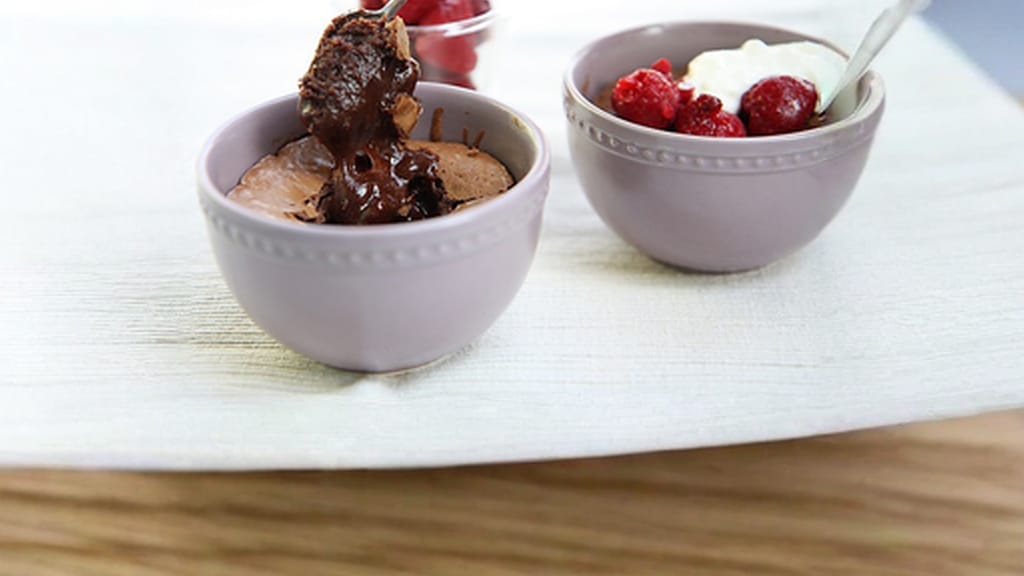
Chocolate fondant – aka sinfully good chocolate pots
Chocolate fondant au chocolat that pairs beautifully with lavender and gold
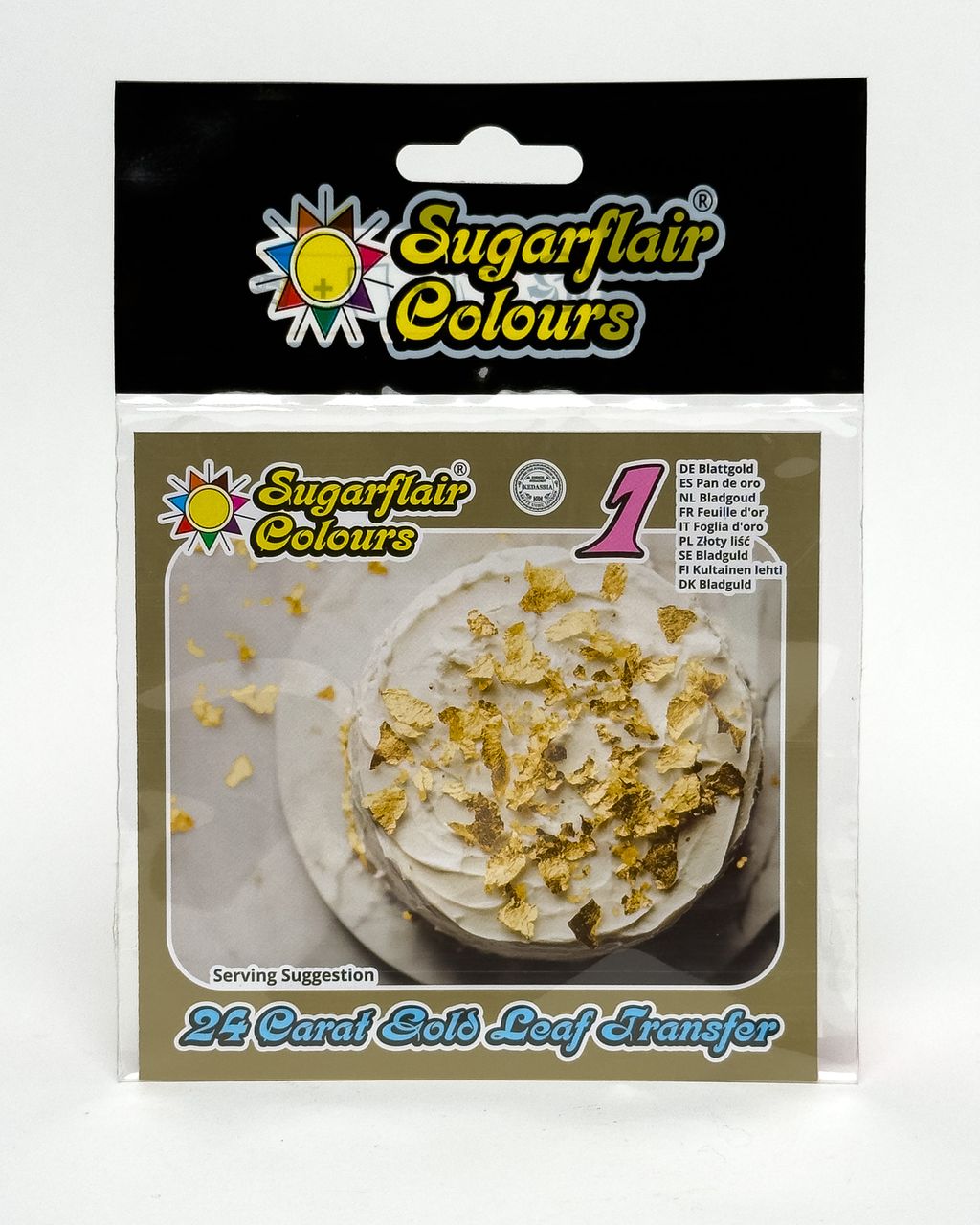
Add real edible gold (the additive E175) and lustre dust right at the very end, onto a dry, chilled surface. They're purely visual flourishes — they don't change flavour or texture, just add shine and a touch of luxury. Work in a draught-free spot; even your breath can blow them away.
Gold leaf is extremely thin and sticks to anything damp or greasy. Make sure the surface is dry and cold (chill cream or glaze well first). Lift it with dry tweezers or a soft brush, lay it in place and press gently — never scrunch it between your fingers. For small accents, tear off a piece straight from the sheet with the tip of your brush.
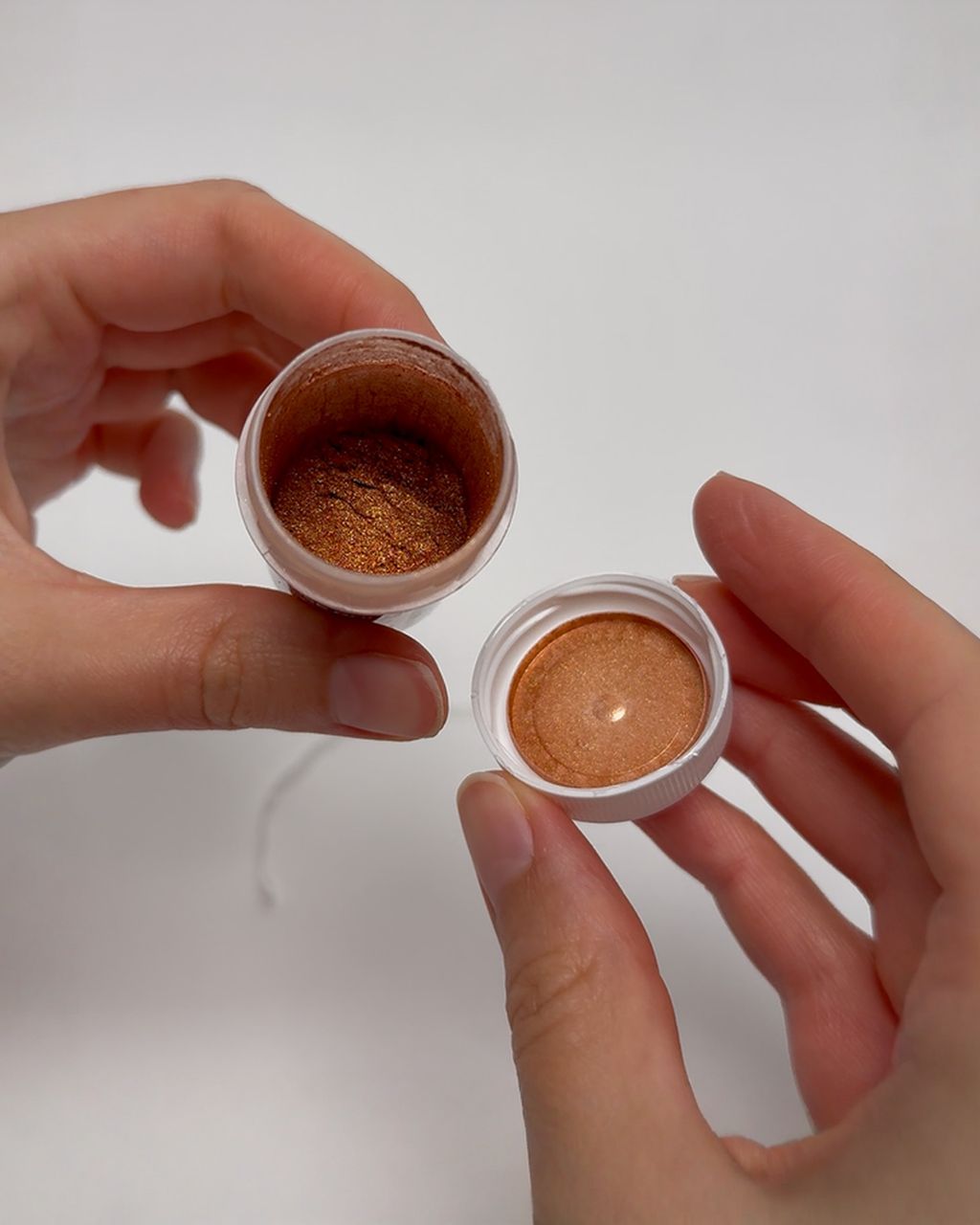
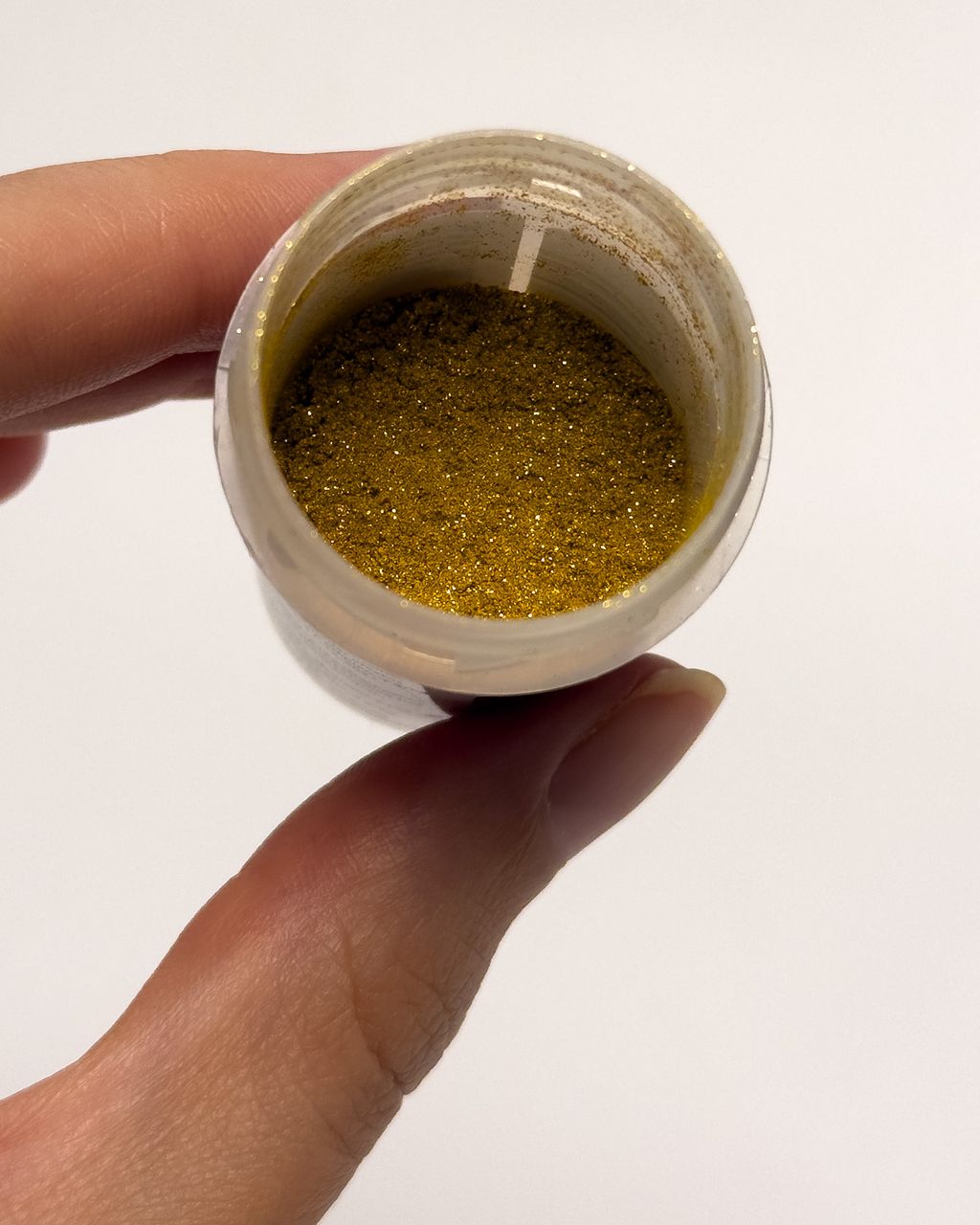
Apply edible lustre dust in two ways: dust it on dry with a soft brush for a subtle sheen, or mix it with a drop of clear alcohol (vodka) to make a liquid "paint" for detailing edges and fine lines. The alcohol evaporates, leaving just the shimmer behind. Dry dust clings best to a fatty surface, such as chocolate or buttercream.
Keep gold leaf and lustre dust somewhere dry, in a sealed container, away from direct light — moisture will make gold leaf clump and turn lustre dust into lumps. Stored dry and dark, they last practically indefinitely, so feel free to stock up.
3D printing can shape edible materials — chocolate, marzipan, sugar paste — into forms that are almost impossible by hand: lace, latticework, even personalised figures accurate to the millimetre. For now it's mostly the domain of large operations and pastry studios; it's making its way into home kitchens slowly, held back by the cost and upkeep of the printers. For more on where the craft is heading, see our article on modern pastry techniques.
For the home baker, the takeaway is simple: the techniques in this article — tempering, pulled sugar, flowers, gold — deliver professional results without a machine costing thousands.
Five techniques, five levels of showstopper: tempered chocolate for curls and lattices, caramel or isomalt for glassy shapes, edible flowers for colour and scent, edible gold and lustre dust for the final shine. Start with chocolate — it's the cheapest and most forgiving — and work up to the trickier materials as your confidence grows. The key is always the same: a clean, cold surface, precise temperature, and patience.
Not necessarily — if you're not after a perfect shine and snap, candy melts will do; they don't need tempering, just melting. But for durable, glossy decorations made from real chocolate that won't melt in your hand, tempering is essential — skip it and the decoration turns grey (fat bloom) and melts on contact.
Isomalt decorations can last several weeks if kept dry, while caramel ones usually only make it to the next day before they start drawing in moisture and turning sticky. Store both airtight with a silica gel sachet, well away from steam and the fridge.
Yes — genuine 22-24 carat gold leaf is classified in the EU as the food colourant E175 and is completely safe; it passes through the body unchanged. Only buy products explicitly labelled as edible, since decorative "gold" sold for crafts is not meant for eating.
Steer clear of common toxic ornamental flowers such as oleander, foxglove, lily of the valley, datura, anemone, daffodil or tulip. Only use varieties you know for certain are edible, and never flowers from a florist — they're typically treated with pesticides.
Make a classic caramel from sugar with a touch of glucose syrup or a splash of lemon juice to stop it crystallising. Keep in mind the result will have an amber tint and the decorations will turn sticky sooner, so make them on the day you plan to serve.
One recipe worth heating the oven for, one tip, and one deal from the shop. Nothing else.