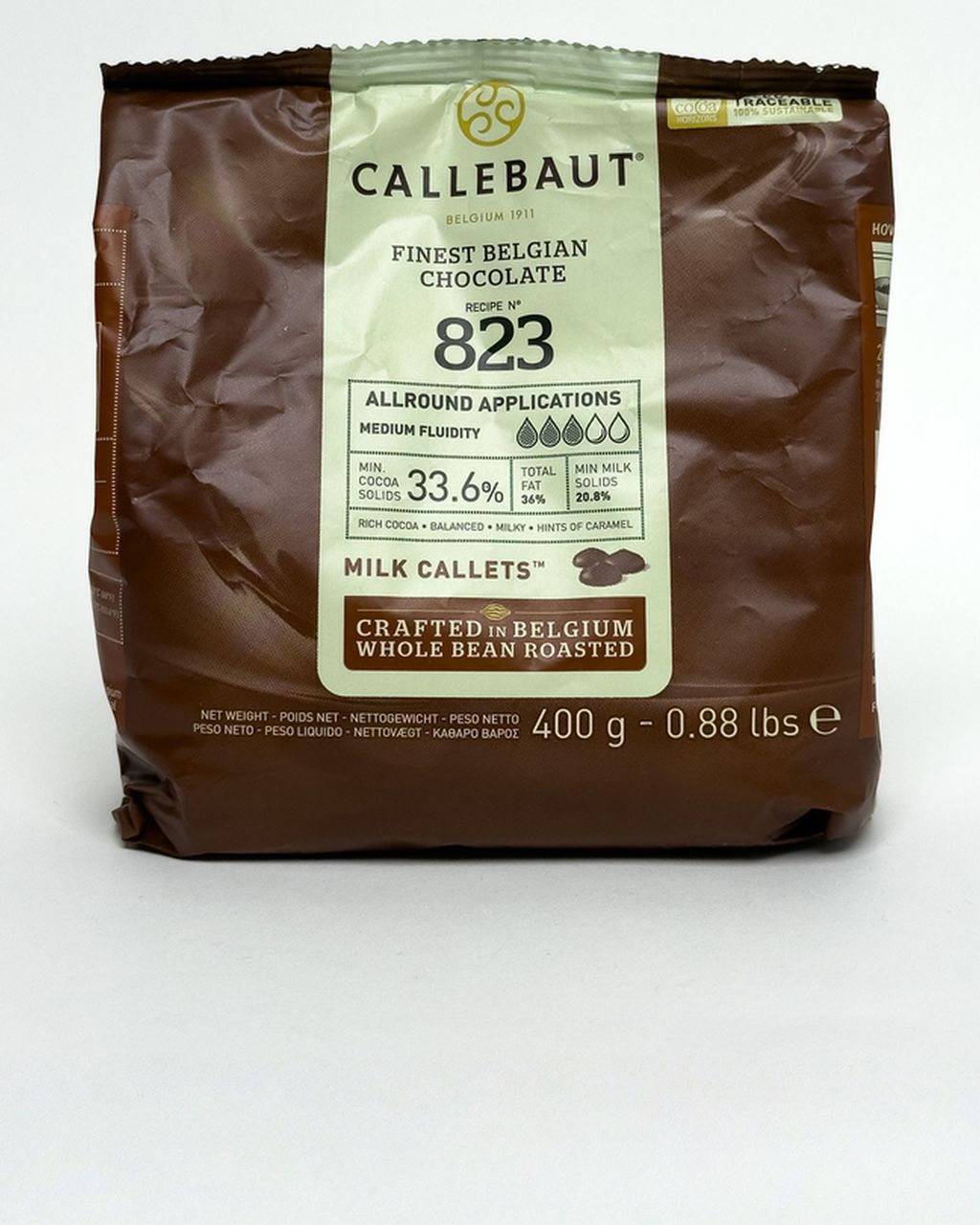
Callebaut Dark Chocolate Callets (811) 400g
Chocolate Chips That Melt in Batter: Why It Happens and What to Use Instead
Updated Oct 8, 2026
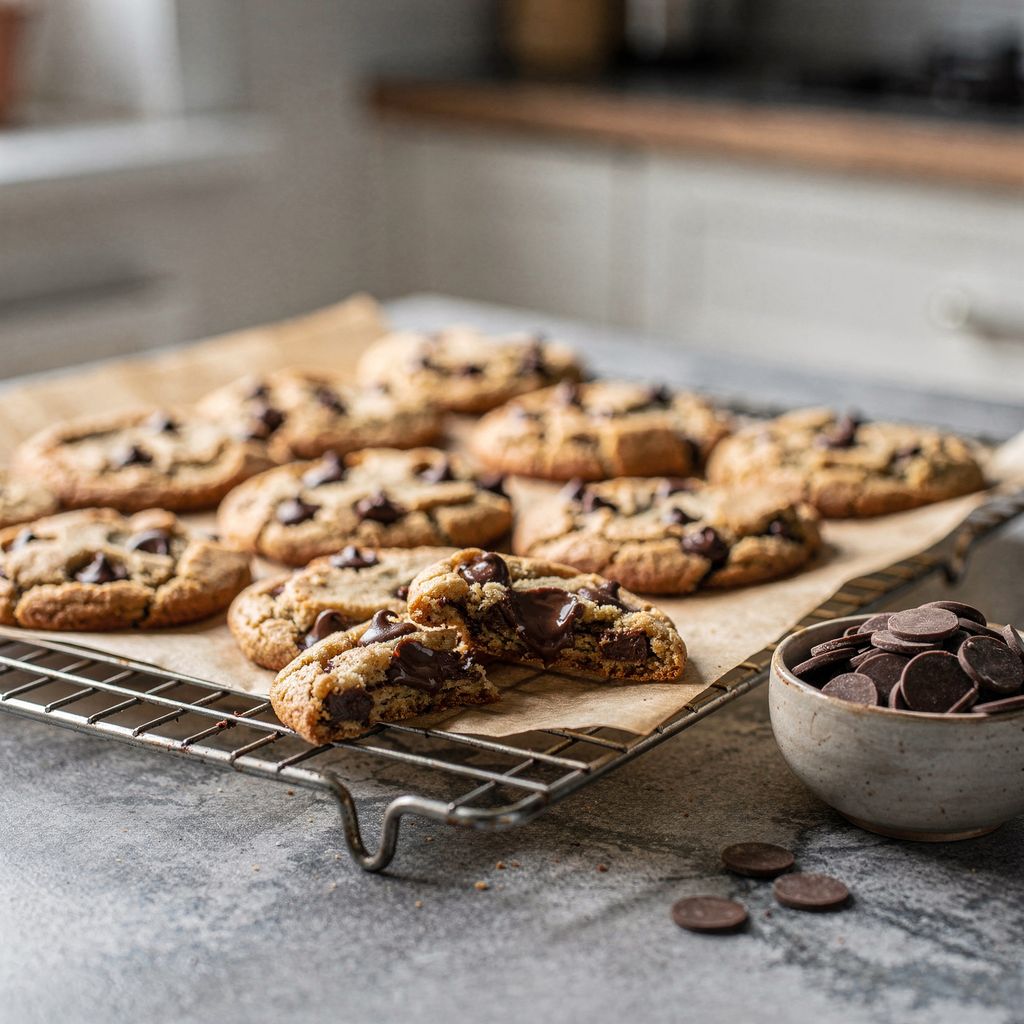
Chocolate chips melt in the oven because they're couverture made specifically to melt: they're high in cocoa butter, which starts softening below 30°C/86°F and fully liquefies around 34°C/93°F, with nothing to hold it in shape. That's not a flaw — it's just what they're designed to do. We'll show you when that's exactly what you want (think gooey pools of chocolate in cookies), when it isn't (chocolate sinking to the bottom of a bundt cake), and what to use instead when you need neat, intact pieces.
Chocolate chips melt in batter because the cocoa butter inside them starts softening below 30°C/86°F and fully liquefies around 34°C/93°F, while your oven runs at 170–200°C/340–390°F. Every chocolate softens in the oven — the only question is whether it sets back into a chunk once it cools, or spreads into a puddle.
Chips (Callebaut calls them callets) are couverture — a chocolate with a high cocoa butter content, engineered to melt, temper and flow easily. That's exactly why it's great for ganache, glazes and dipping. In batter it behaves the same way: once it softens, there's nothing holding it together, and if the batter is thin or spreads on its own, the chocolate spreads right along with it.
By contrast, Callebaut's heat-resistant chocolate chips (what Americans just call baking chips) contain less cocoa butter so they can withstand temperatures up to around 200°C/390°F. Store-bought chips often contain emulsifiers too. When they're made with vegetable fats instead of cocoa butter, they legally can't be called chocolate chips, and you'll find them labeled as "chocolate-flavored" or "cocoa coating" chips instead. They soften in the oven too — they just don't spread, because they're denser and the batter around them holds their shape. Once cooled, they firm back up, so it looks as if they never melted at all.
Fat from the batter plays a role too. The butter in cookie dough partly blends with and softens the cocoa butter in the chocolate, which is why the chocolate stays soft even well after baking. For more on why couverture melts differently from regular cooking chocolate, see Couverture chocolate: how it differs from everyday chocolate and baking chocolate.
Chips melt into puddles, heat-resistant chips hold their shape, a chopped bar does a bit of both, and crushed cacao nibs don't melt at all. Pick based on the result you're after:
Chocolate chips (couverture, e.g. Callebaut 811, 823, W2): high in cocoa butter, with a bold flavor. They melt in the oven into glossy puddles and streaks. Great for cookies with that "melted" chocolate look, for brownies, and for batters that envelop the chocolate.
Heat-resistant chocolate chips (US-style "chocolate chips"): lower in cocoa butter, often with emulsifiers. They hold their chip shape, but the flavor is flatter and the texture waxier. We don't sell these, but if you want neat little dots in a muffin, they're your best bet.
Chopped chocolate bar: pieces of various sizes, from fine shavings to 1.5 cm/0.6 in chunks. The fine bits streak and marble the batter, while bigger chunks melt into puddles. This gives cookies that classic "bakery-style" look.
Crushed cacao nibs: not chocolate at all — no sugar, and they won't melt in the slightest. They're crunchy and bitter. Great when you want texture rather than sweet chocolate.
Honestly, there's no single "best" chocolate for baking. Chips give you the best flavor, heat-resistant chips give you the neatest shape. If you want one chocolate for baking and everything else (creams, glazes, ganache), chips are the better buy, since one bag covers it all.
If you need the chocolate in your batter to stay in distinct pieces, you have five options: heat-resistant chocolate chips, larger chopped chunks of a bar, frozen chips, crushed cacao nibs, or swapping the chocolate for nuts and dried fruit altogether.
Heat-resistant chocolate chips: the surest route to neat little dots, especially in muffins and thinner batters.
Bigger bar chunks (1–1.5 cm/0.4–0.6 in): a large piece melts more slowly than a small chip and holds its shape in the middle. The outside will soften, but it won't spread nearly as much.
Chips frozen for 30 minutes: cold chocolate starts melting a few minutes later. This helps in quick-baked cookies (8–12 minutes), but barely makes a difference in a bundt cake that bakes for 50 minutes.
Crushed cacao nibs: these won't melt at all. Use 30–50g instead of 150g of chocolate, since they're distinctly bitter.
Nuts, dried cherries, cranberries: good when you mainly want something to bite into and the chocolate doesn't need to be visible.
If you love your chips too much to swap them out, try changing your method instead — that's what the next section covers.
Melted chips are a plus anywhere you want chocolate in streaks and puddles rather than neat dots: in cookies, brownies, chocolate biscuits, and in batters that wrap around the chocolate and keep it contained.
Cookies: big glossy pools of chocolate that stretch when you break the cookie apart are exactly why people bake cookies with couverture in the first place. Chocolate chip cookies with fleur de sel, for instance, rely on the contrast between melted dark chocolate and salt.
Brownies: here the chocolate is meant to merge with the batter anyway. Chips in the mix also leave behind extra-moist, fudgy pockets.
Dense batters (shortbread, crumbly cookie dough): the dough wraps around the chocolate, so even melted chocolate can't escape. Once cooled, it sets into a smooth layer rather than a greasy patch.
If your cookies are spreading all over the baking sheet, chocolate and all, the problem usually isn't the chips — it's the dough. It's probably too warm, made with melted butter, or baked at too low a temperature. More on fixing that in the method below.
You can keep chips intact in five steps: fold them into fresh dough last, chill the dough, bake at 180–190°C/350–375°F, press a few extra chips on top, and let the cookies cool on the baking sheet. Here's how:
Fold the chips in last, right after mixing the dough: the butter should be softened, not melted or warm. In warm butter, the chips will smear right in the bowl and turn the dough grey.
Chill the dough with the chips already in: at least 30 minutes, ideally 12–24 hours in the fridge. Cold butter and chocolate start melting later, giving the dough time to firm up before the chocolate has a chance to spread.
Bake at 180–190°C/350–375°F, not lower: at a low temperature, the cookie spreads for a long time, and the chocolate spreads right along with it. For whether to use the fan or conventional setting for cookies, see Fan or conventional oven for baking: what to use and when.
Press a few chips onto the top: right after pulling the cookies out of the oven, while they're still hot. They'll soften, go glossy, and hold their shape — that's how you get cookies that look picture-perfect.
Let them cool on the baking sheet for 5–10 minutes: the chocolate firms back up during this time. Move the cookies too soon and the pools of chocolate will tear and smear.
Chocolate chips sink to the bottom of bundt cakes and muffins because they're heavier than thin batter, and once the heat thins the batter further during baking, nothing stops them from sinking. The melted chip then forms a dark, sticky layer at the bottom.
What to do about it:
Use smaller pieces: halve the chips or use chocolate chopped to about 0.5cm/0.2in. Smaller pieces sink more slowly.
Go with a thicker batter: in a thick batter (bundt cake with sour cream, muffins with yogurt), chocolate stays put better than in a thin, milk-based batter.
Layer it in: pour a third of the plain batter into the tin first, then the rest with the chocolate mixed in, and scatter a few extra chips on top.
Coat in flour: this is often recommended, but it only helps a little, since flour doesn't change the chip's weight. It can't hurt, though — a tablespoon of flour per 150g of chocolate is plenty.
For inspiration, try our raspberry bundt cake with white chocolate and sour cream, which relies on exactly this kind of thick, sour-cream-based batter.
Dark chocolate chips work best in batter, since their flavor holds up through baking without making things too sweet. Milk and white chocolate are milder and brown easily on the surface of baked goods.
Dark Callebaut 811 (54.5% cocoa): the most versatile choice for cookies, brownies and bundt cakes. It has enough cocoa to still come through next to all the sugar in the batter.
Milk Callebaut 823 (33.6% cocoa): sweeter and creamier, and a favorite with kids especially. In an already sweet batter, use less of it — say 100g instead of 150g — or mix it half-and-half with dark chocolate.
White Callebaut W2 (28% cocoa butter): contains milk and sugar, so on the surface of a cookie it browns, even scorches, quickly at 180°C/350°F. Inside the dough, though, it works beautifully, especially paired with tart fruit. Press any surface chips down into the dough instead.
Ruby: its color is sensitive to heat and moisture and can turn brownish in batter. It's better used on top after baking. More in our article Ruby chocolate: what it actually is, how it tastes, and how to work with it.
For more on how dark, milk and white chocolate differ in composition and how they melt outside of baking, see Dark, milk and white chocolate: differences in composition, melting and use. Looking for a different cocoa percentage or brand? Browse our full range of baking chocolate.
For 250g of flour, 150–300g of chocolate chips is the usual range. At 150g, you'll get chocolate in every bite; at 250–300g, it turns into continuous pools. Lean toward the lower end with milk or white chips, since they can make the dough overly sweet.
Chocolate chips turn pale in baked cookies due to fat bloom: the cocoa butter that melted in the oven rises to the surface and sets into a greyish-white film. It's harmless and barely affects the flavor. Prevent it by storing cookies in a sealed container at room temperature, not in the fridge and not somewhere warm, like near the oven.
You can add chocolate chips to yeasted dough, but only at the end of kneading, and only once they're cold. Added to warm dough during kneading, they'll smear and turn the dough grey. Chips stay solid during proofing up to about 28°C/82°F, but couverture starts softening around 30°C/86°F, so it's best to let the dough rise somewhere cooler for longer. For a braided loaf, it's better to tuck the chips into individual strands rather than mix them through the whole dough.
Chocolate chip cookie dough keeps for 2–3 days in the fridge and about 3 months in the freezer. To freeze it, shape it into balls first, freeze them loose on a tray, then transfer to a bag. You can bake straight from frozen — just add 1–2 extra minutes. Freezing doesn't affect the chips at all.
One recipe worth heating the oven for, one tip, and one deal from the shop. Nothing else.