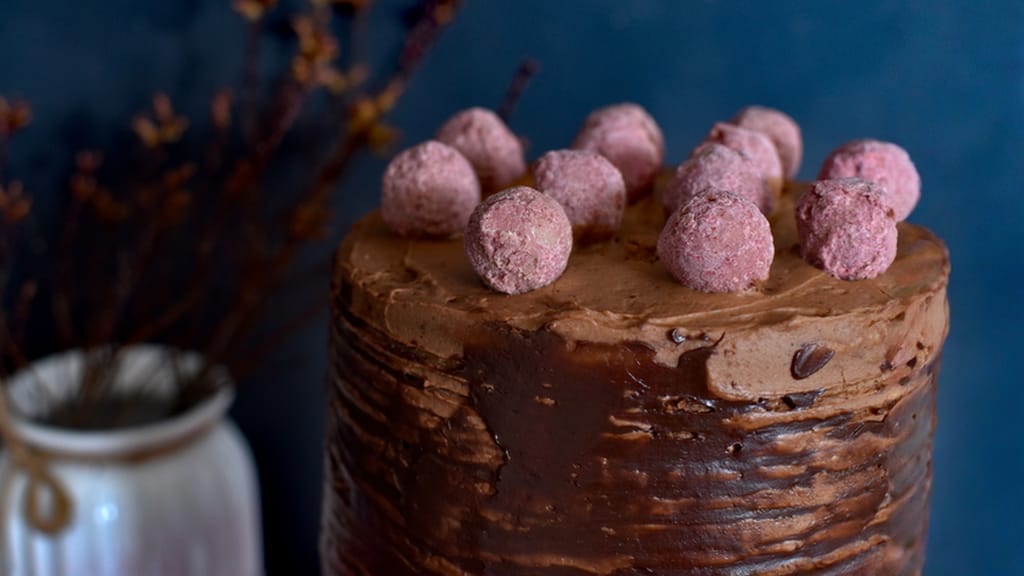
Chocolate cake with chocolate and raspberry pralines
Chocolate Ganache: Ratios, Method and How to Use It in Desserts

Updated Aug 16, 2026
Chocolate ganache is a silky emulsion made from just two ingredients — chocolate and cream — and it's also the most versatile trick you'll ever learn in the kitchen. The ratio between the two decides everything: 1:1 gives you a glossy glaze, while 2:1 makes a rich filling or the base for truffles. In this guide you'll find the exact ratios, the right cream temperature, fixes for the most common mishaps, and specific desserts that ganache is perfect for. No science required — just a handful of rules that work every single time.
Chocolate ganache is simply an emulsion of chocolate and cream — nothing more. The ratio of the two ingredients determines the final texture: the more chocolate, the thicker the mixture.
Glaze – a 1:1 ratio (chocolate to cream) sets with a glossy shine, perfect for pouring over a cake.
Filling for cakes and pralines – a 2:1 ratio favouring chocolate, which firms up to a creamy set once cooled.
Light sauce or muffin glaze – more cream than chocolate, staying pourable.
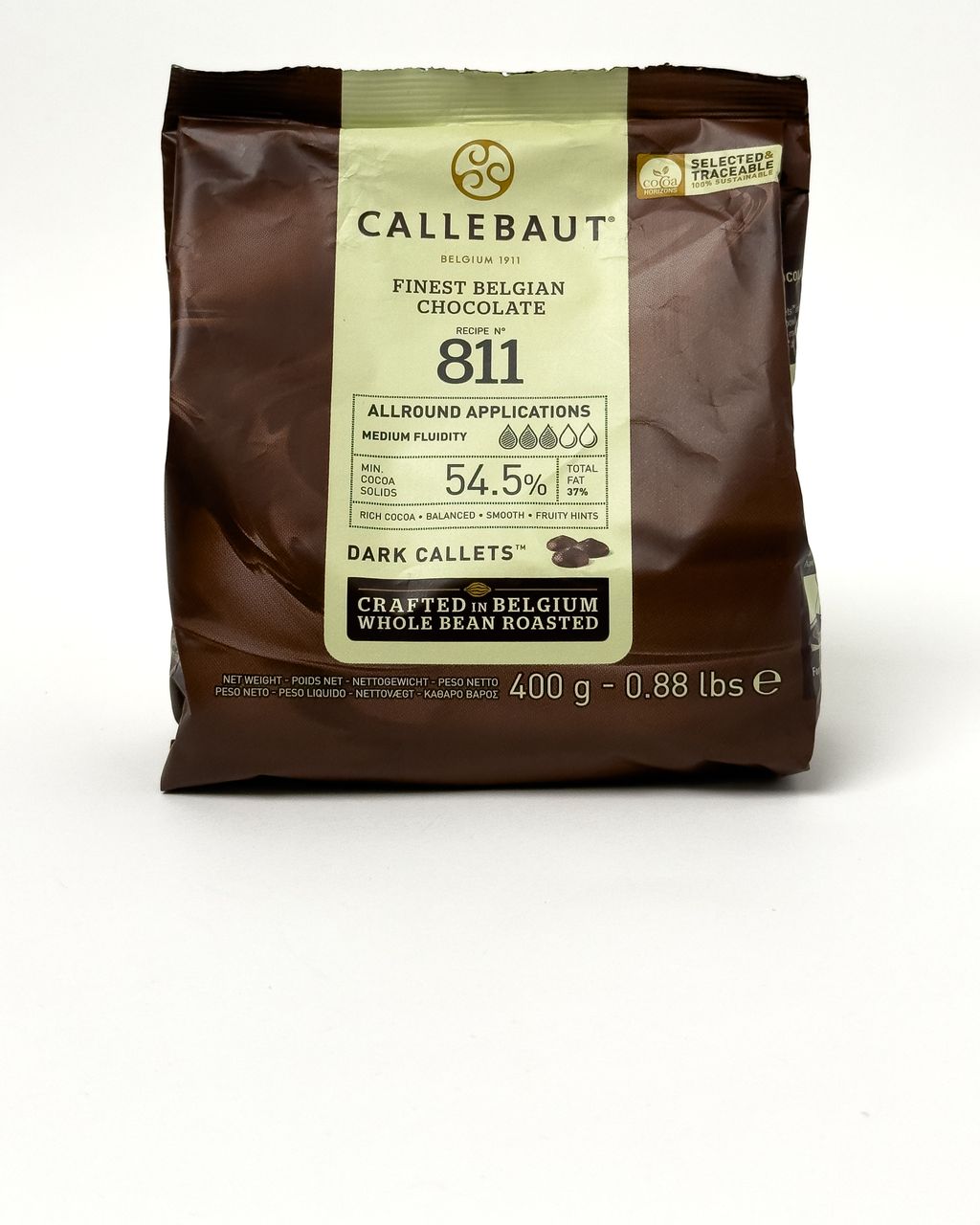
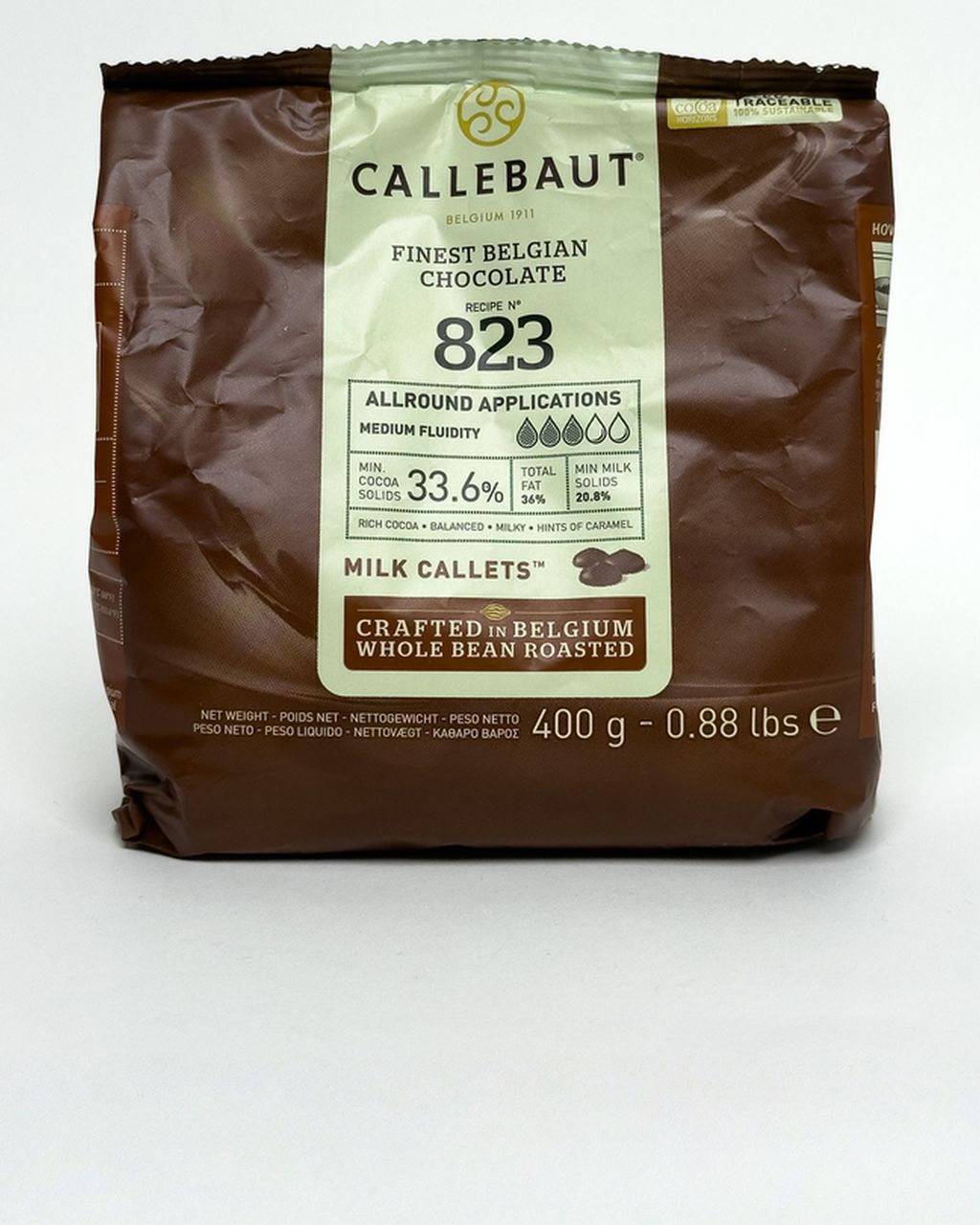
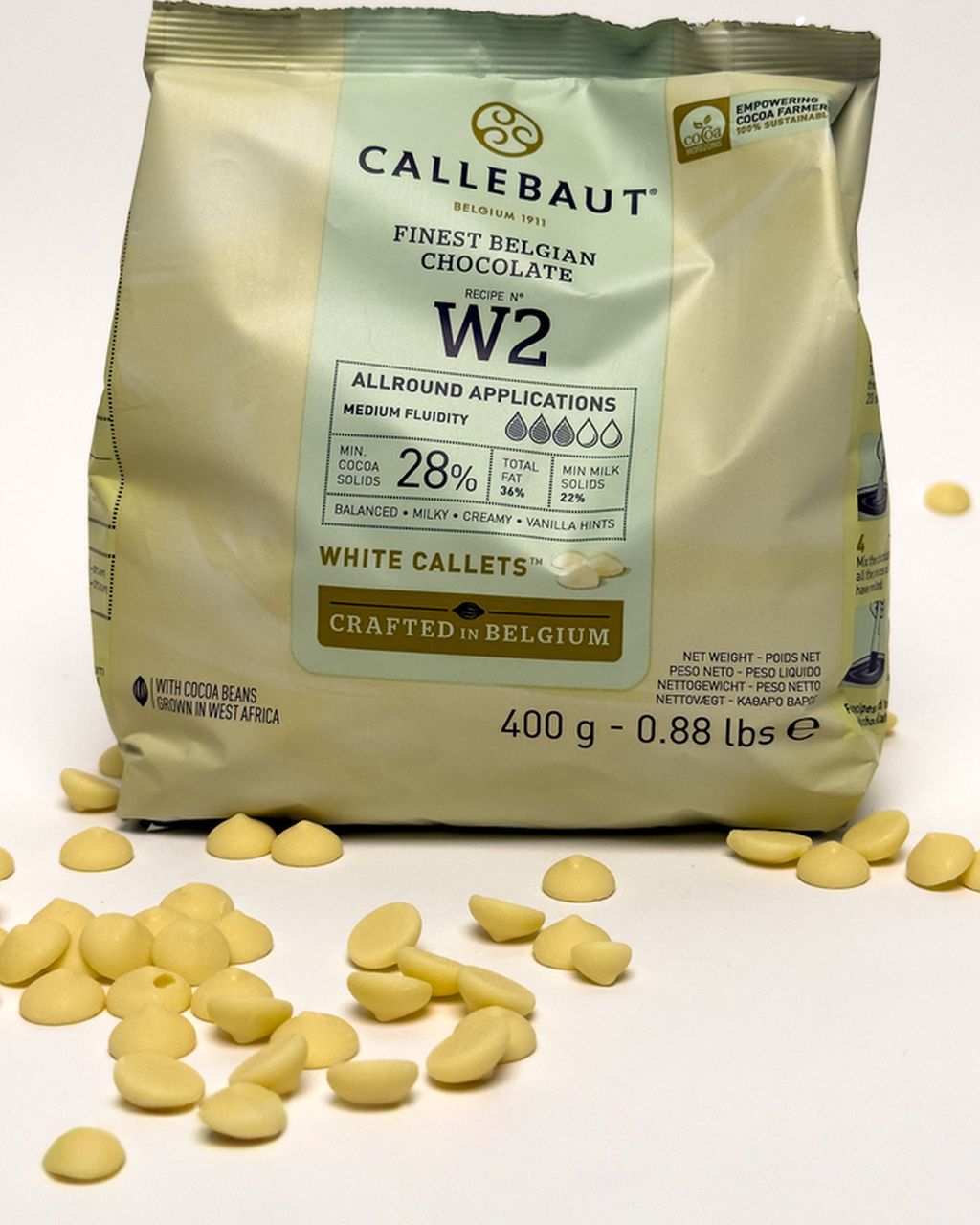
The type of chocolate you use changes both the flavour and how much cream you'll need. Dark ganache has bold cocoa notes, milk ganache is sweeter and creamier, and white ganache is the mildest, with a hint of vanilla. Because white and milk chocolate contain more fat and sugar and less cocoa solids, they need less cream — for white chocolate, a 3:1 ratio works well. If you're unsure which to pick, check out the differences between dark, milk and white chocolate.
Ganache is said to have been born from a happy accident: legend has it that around 1850, at the Parisian confectioner Siraudin, an apprentice accidentally splashed hot cream over chopped chocolate — and was called a ganache ("blockhead" or "fool" in French) by his master for the mistake. But the result tasted so good that the insult stuck as the name.
Perfect ganache comes down to two things: the right ratio and cream heated to just below boiling point (around 90°C/194°F). Here's how to nail it in five steps:
Finely chop the chocolate and place it in a bowl. Smaller pieces melt evenly, while larger chunks stay stubbornly cold in the centre.
Heat heavy cream (at least 30% fat) until small bubbles just start to form around the edge of the pan. Don't let it boil.
Pour the hot cream over the chocolate, making sure it's fully covered.
Let the mixture sit for 1–2 minutes without stirring — the chocolate will warm through on its own and start to melt.
Stir from the centre outward until you get a smooth, glossy, uniform mixture. For extra shine and silkiness, finish by stirring in a spoonful of softened butter.
Even a beginner can master this base recipe, and it's easy to tweak — butter adds gloss, while a splash of liqueur brings a whole new dimension of flavour.
Temperature is what decides whether your ganache turns out glossy or dull and grainy. Cream that's too hot (above boiling point) will break the emulsion — the fat separates from the cocoa mass and the surface turns matte. Cream that's too cool won't fully melt the chocolate, leaving lumps in the mixture.
That's why you should only heat the cream until the first bubbles appear, and once you pour it over the chocolate, let the mixture rest for a minute before stirring. Stir slowly and as little as possible — over-stirring whips air and bubbles into the ganache.
You control the consistency of ganache through the ratio: 1:1 for a glaze, 2:1 for a filling, and 3:1 or higher for a thinner sauce. The same basic recipe can serve as a cake glaze, a macaron filling, or a praline centre — all that changes is the ratio and the temperature at which you work with it.
For a glossy glaze, use a 1:1 ratio and let the ganache cool slightly before pouring. A good glaze should be pourable, yet thick enough to hold its shape once set and drip down the sides in smooth, even waves. Work quickly and smooth the surface with an offset spatula or by tilting the cake — the less you interfere with the glaze, the smoother it will stay.
Chocolate cake with chocolate and raspberry pralines
Chocolate cake with raspberry pralines — ganache glaze in action
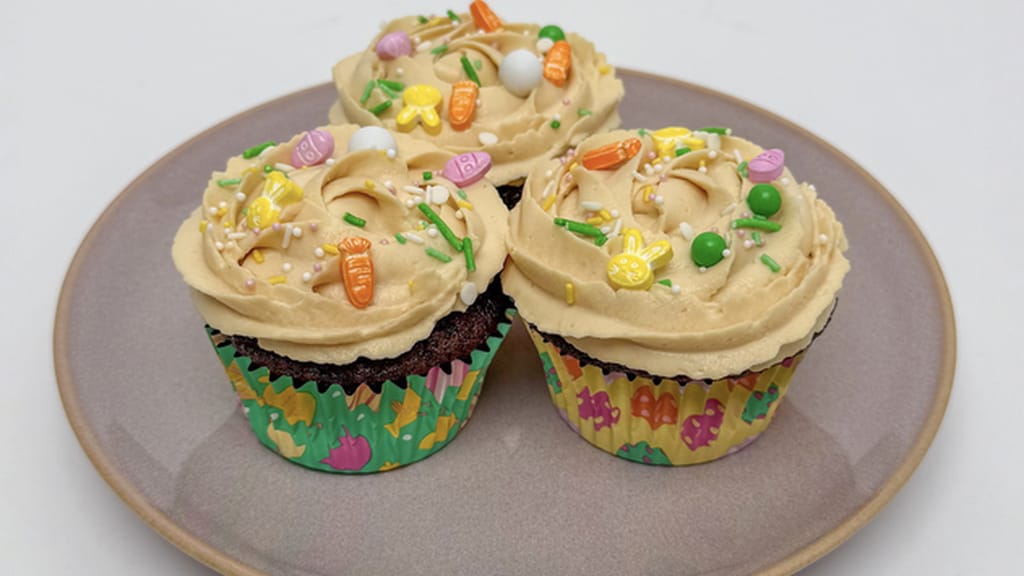
Chocolate cupcakes with salted caramel cream
Chocolate cupcakes with caramel buttercream
For a filling, go with a 2:1 ratio favouring chocolate — once chilled, it firms up nicely while staying creamy with every bite. Pipe it into macarons using a piping bag only after it has cooled, so it holds its shape between the shells without soaking through. For pralines and truffles, let the ganache set in the fridge, then roll it into balls.
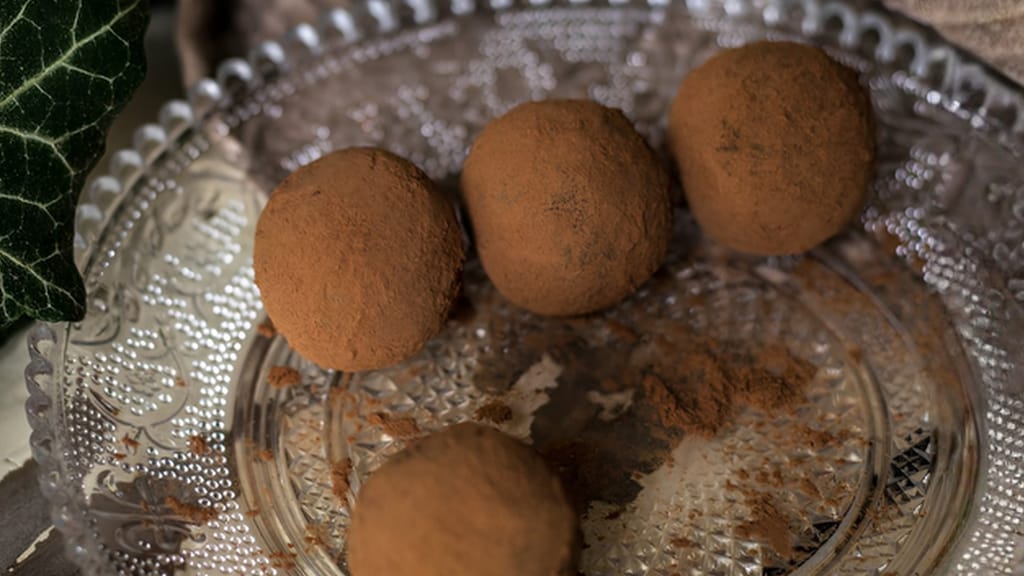
Chocolate peanut butter truffles
Chocolate truffles made with peanut butter ganache
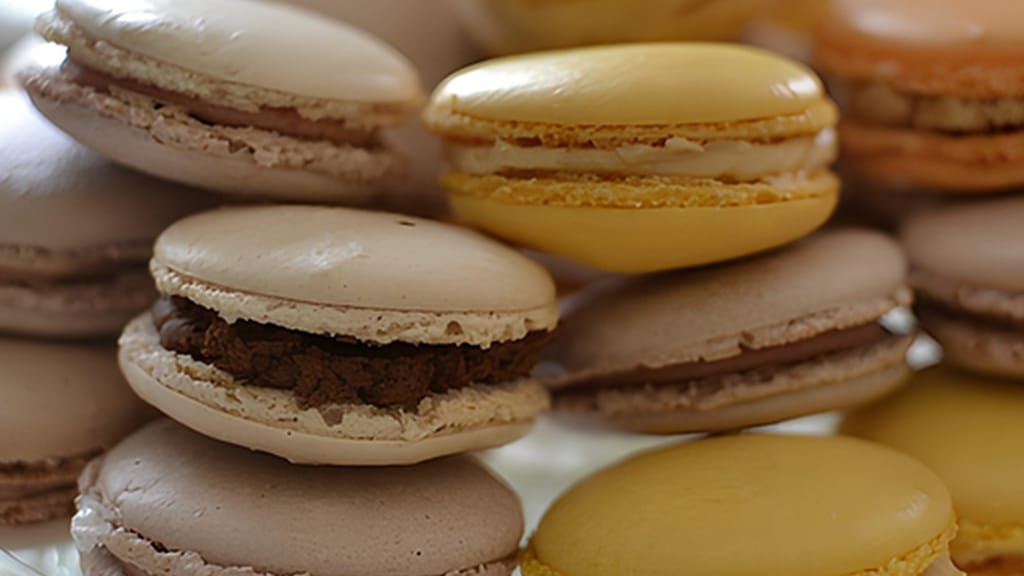
White chocolate and coffee cream - great in macarons and beyond
White chocolate and coffee cream — a delicate alternative macaron filling
Ganache isn't just a cake glaze — it's the backbone of tartlets, eclairs and truffles, and takes flavour tweaks beautifully. Stir a little orange zest or a pinch of chilli into the warm mixture, sprinkle in flaky sea salt to bring out the cocoa notes, or finish the dessert with toasted hazelnuts and pistachios for a contrast in texture.
Pour a thicker ganache (2:1) into a crisp pastry shell, let it set in the fridge, and top with seasonal fruit — raspberries or blueberries cut through the chocolate's sweetness with a touch of acidity. Here, ganache works as a smooth, sliceable filling that holds its shape even once cut.
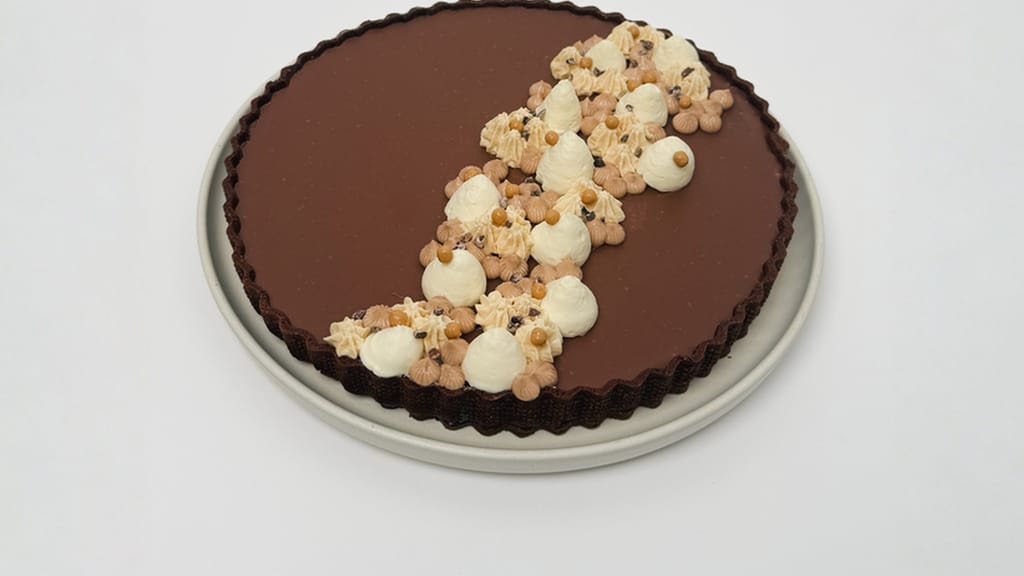
Chocolate tart with salted caramel
Chocolate tart with salted caramel
Eclairs don't have to be filled with vanilla cream — try them with a rich chocolate ganache instead, topped with a layer of white chocolate for contrast in both look and flavour. A pinch of flaky sea salt on top turns every bite into a little surprise.
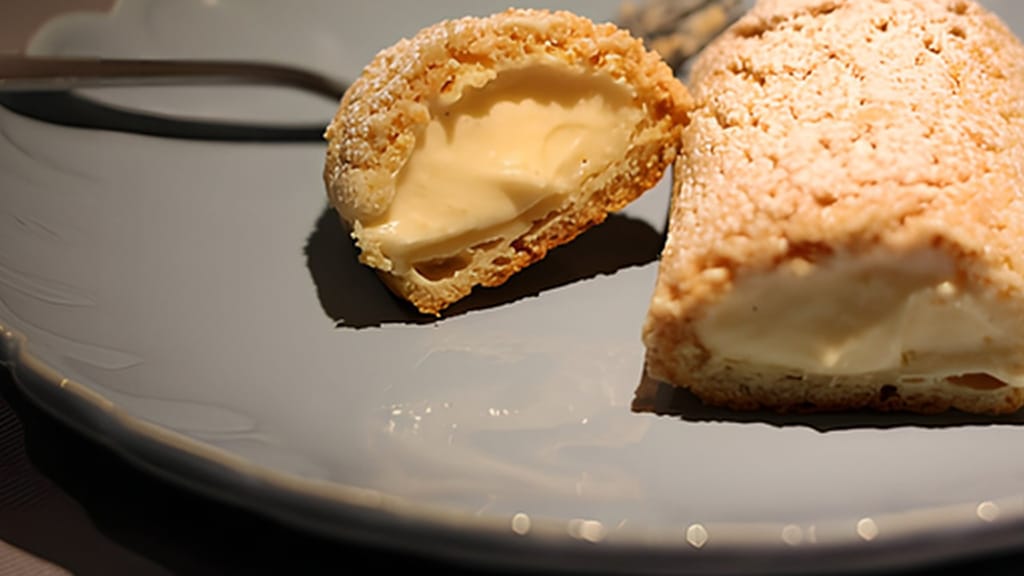
Eclairs à la ladurée – irresistibly delicious pastries
Ladurée-style eclairs — a classic base that ganache takes to the next level
Most ganache mishaps have a simple fix — you can adjust the wrong consistency by tweaking the chocolate-to-cream ratio, leftovers store and freeze perfectly well, and you can always flavour the finished mixture with salt, vanilla, or a splash of liqueur. Let's look at these three common situations below.
Adjust thickness by changing the ratio: if the ganache is too thin, add more melted chocolate; if it's too thick, stir in a drop of warm cream. Always add a little at a time and let the mixture rest for a moment — ganache continues to thicken as it cools, so warm ganache will look thinner than it will end up being.
Ganache keeps in an airtight container in the fridge for up to a week, or in the freezer for up to three months. Before using it again, let it come to room temperature or gently warm it in a water bath, stirring until smooth. Thaw frozen ganache slowly in the fridge to avoid breaking the emulsion.
Adjust the flavour with a pinch of salt to bring out the chocolate or a touch of vanilla extract for a softer aroma. A spoonful of liqueur per batch adds a touch of elegance — stir in Grand Marnier, rum, or Baileys once the ganache is finished and slightly cooled, so the alcohol doesn't evaporate.
Use heavy cream with at least 30% fat for chocolate ganache. A higher fat content gives a smoother, more stable emulsion; lower-fat cream is more likely to split, leaving the ganache thinner and less glossy.
Yes — whip chilled 2:1 ganache with a whisk until it turns pale and airy, and you'll get a firm, pipeable cream perfect for filling and decorating cakes. Whip only until it thickens; over-whipping makes it grainy and causes it to break.
For covering a 20 cm (8-inch) cake, plan on roughly 400–500g of ganache (that's about 250g chocolate and 250g cream at a 1:1 ratio). Half that amount is enough just for a top drip, and add another 200g if you're using it as a filling between layers too.
Yes, you can swap cream for full-fat coconut milk in a 1:1 ratio for a dairy-free ganache with a subtle coconut flavour. Use only the thick, high-fat portion of the coconut milk can, or the mixture will end up too runny.
One recipe worth heating the oven for, one tip, and one deal from the shop. Nothing else.