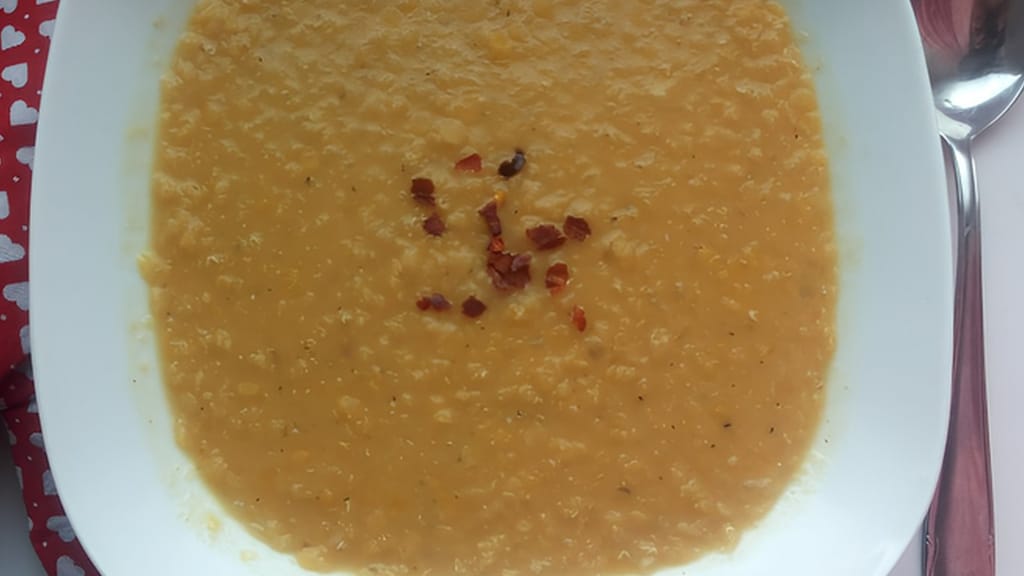
Red lentil soup with coconut milk and chilli
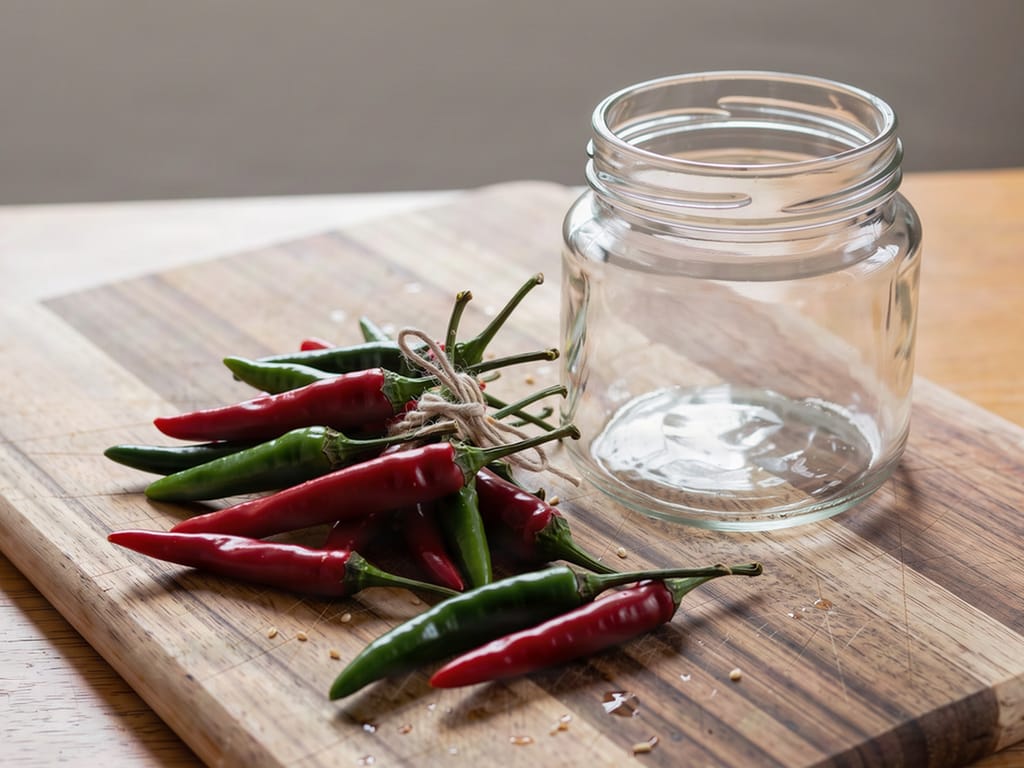
Chili Peppers: How to Store, Freeze and Dry Them Without Losing the Heat
Updated Nov 17, 2026
Fresh chili peppers keep in the fridge for roughly 4–14 days, in the freezer for six months or longer, and dried for several months. They also don't lose their heat as easily as people say. The freezer preserves it best, while drying with heat can dull it a little. The only method that can be truly dangerous is leaving fresh chili covered in oil at room temperature. Below you'll find how to do each method and exactly how long it lasts. For times and temperatures, we always say where they come from.
Fresh chili peppers keep in the fridge for roughly 4–14 days. That comes from Virginia Cooperative Extension (Virginia Tech), whose storage charts cover peppers in the fridge at 1–4°C (34–39°F). Feferonky (Czech hot peppers) are also hot peppers and are stored the same way. The range is wide because a lot depends on how you put the peppers in the fridge.
To make them last as long as possible:
Don't wash them ahead of time. Moisture on the skin is the fastest route to mold. Wash them just before using.
Leave the stems on. A torn-off stem leaves a wound in the pepper and they start to go soft there.
Paper towel and a loose bag or container. The towel soaks up condensation, and loose packaging lets them breathe. A closed, damp container is the worst option.
Vegetable drawer, not the door. The temperature in the door fluctuates most when you open the fridge.
Check them regularly. One softening pepper will spoil its neighbors. If the skin wrinkles but is still firm, use the pepper right away or freeze it. If it goes limp, turns black or has fuzzy mold, throw it out.
Don't keep cut chili in the fridge for later. Freeze whatever you don't use right away from sliced peppers.
Seasonal baking plans, tested recipes and kitchen tricks that save you time. Unsubscribe in one click.
Chili peppers can be frozen raw, with no blanching. According to the National Center for Home Food Preservation (USA), you just wash them, remove the stems, pack them airtight and put them in the freezer. They keep in the freezer for 6–8 months (Virginia Cooperative Extension, freezer at −18°C/0°F or colder).
Whole peppers: wash, dry thoroughly and put them in a freezer bag. Press the air out before you seal the bag. Whole peppers are best for goulash, soups and sauces, where you can add them straight from frozen.
Sliced peppers: slice into rings or chop finely, spread them out in a single layer on a baking sheet lined with parchment paper and leave to freeze. Then tip them into a bag. The rings won't clump into one lump, and you can pour out exactly as much as you need. The same sheet-pan trick works for berries, and there's more in our article on how to freeze fruit so it stays loose.
Cooking cubes: pack chopped chili into an ice cube tray, top with a little oil and freeze. The finished cube goes straight into the pan. Oil with fresh chili is fine in the freezer. It only becomes dangerous when it's left to stand somewhere warm (more in the oil section below).
After thawing, chili will be soft, because ice breaks down the structure of the cells. It's no longer good for a raw salad, but for cooking it's just as good as fresh. Frozen peppers can be grated on a fine grater straight into the pot. One pepper like that is enough for, say, a red lentil soup with coconut milk and chili:
Red lentil soup with coconut milk and chilli
Red lentil soup with coconut milk and chili
Chili peppers can be dried three ways: on a string in the open air (3–4 weeks), in a dehydrator (8–12 hours) and in the oven at 60°C (140°F) (16–24 hours). The times and temperatures come from University of California Agriculture and Natural Resources (UC ANR).
On a string (room temperature). Thread strong thread or twine through the stems of the peppers with a needle, leaving gaps between the peppers so air can flow around them. Hang them in a dry, well-ventilated room out of direct sun. According to UC ANR, they dry in about three to four weeks. Thin-walled peppers (cayenne, Thai, bird's eye) dry best this way. Meaty peppers, such as jalapeños or large feferonky, dry more slowly in the air and are at risk of mold.
In a dehydrator. Halve the peppers lengthwise so the moisture escapes faster. According to UC ANR, they dry in 8–12 hours, depending on the thickness of the flesh. Set the temperature according to your dehydrator's instructions.
In the oven. Set the oven to 60°C (140°F). UC ANR explicitly warns that at a higher temperature the peppers start to cook and stop drying. Leave the door ajar so steam can escape. Count on 16–24 hours. If your oven doesn't go that low, better not to use it.
Peppers are dry when they are brittle and snap when bent, rather than being pliable. The principle is the same as for mushrooms: low temperature and plenty of air. If you've already dried mushrooms at home, you can handle chili too.
Store dried peppers in a glass jar or freezer container that keeps out moisture, and put them in a cool, dark place. According to UC ANR, they keep there for several months. For how to keep as much aroma as possible in dried spices, including ground chili, see our article on how to store spices so they keep their aroma.
Fresh chili in oil belongs only in the fridge, for no more than 4 days, or in the freezer. This comes from Oregon State University Extension Service. The reason is botulism. Oil keeps air out, and fresh vegetables from the soil can carry spores of the bacterium Clostridium botulinum, which thrive in exactly this kind of low-oxygen, low-acid environment. The toxin has no taste or smell, and the oil looks completely normal.
What this means in practice:
Hot oil made from fresh chili: make it in a small amount, keep it in the fridge and use it within 4 days (Oregon State University Extension). Freeze it for longer storage.
Never leave it standing at room temperature as a decorative bottle on the counter.
Vinegar is a different case. In vinegar, peppers are preserved by acid. For pickled peppers, Colorado State University Extension requires vinegar with 5% acidity and explicitly forbids changing the ratio of vinegar to water, because a diluted brine may not be acidic enough. Their tested pickled peppers without canning need 6–8 weeks in the fridge to mellow fully, and you should use them within 6 months, still in the fridge.
The same rules apply to anything fresh that you preserve in oil: garlic, herbs and sun-dried tomatoes too.
When cutting a larger amount of chili, put on rubber or disposable gloves. Colorado State University Extension warns that the juice of hot peppers can irritate skin and eyes. Capsaicin doesn't wash off with water alone, because it dissolves in fat. If your hands burn, first rub them with oil and then wash with soap. After cutting, don't touch your eyes or face, and wash the cutting board and knife too.
The heat in a pepper isn't spread evenly. According to New Mexico State University, home of the Chile Pepper Institute, in most chilies the capsaicinoids form in glands in the white pith (the placenta) inside the fruit. In super-hot varieties they form in the wall of the fruit too. The seeds burn mainly because they sit right next to the pith. If you want frozen or dried chili to be as hot as possible, leave the pith in. If you want to tone the heat down, scrape it out along with the seeds before freezing.
Turn a surplus of chili into jam, a spicy dip or goulash.
Chili jam is preserved by sugar and acid, and it suits grilled meat or cheeses all winter long:

Chilli marmalade
Chili jam made with fresh chili peppers
You'll use up fresh peppers quickly in a dip that suits grilling as well as vegetables:
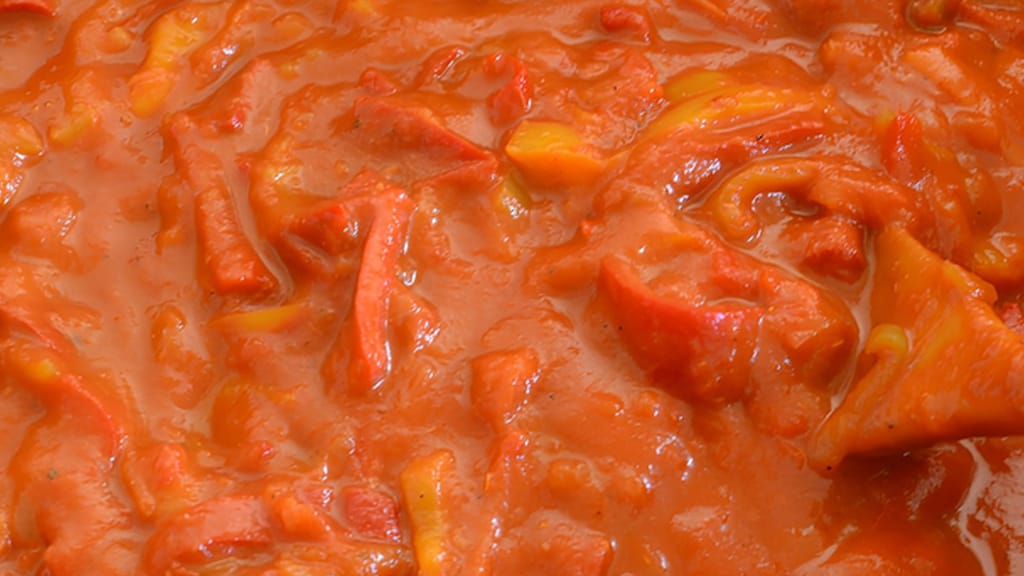
Spicy pepper and chilli dip
Spicy dip with bell peppers and chili
Put frozen chili peppers into goulash straight from the freezer, whole or grated. To start, 1–2 peppers per pot is enough, then adjust the heat to taste:
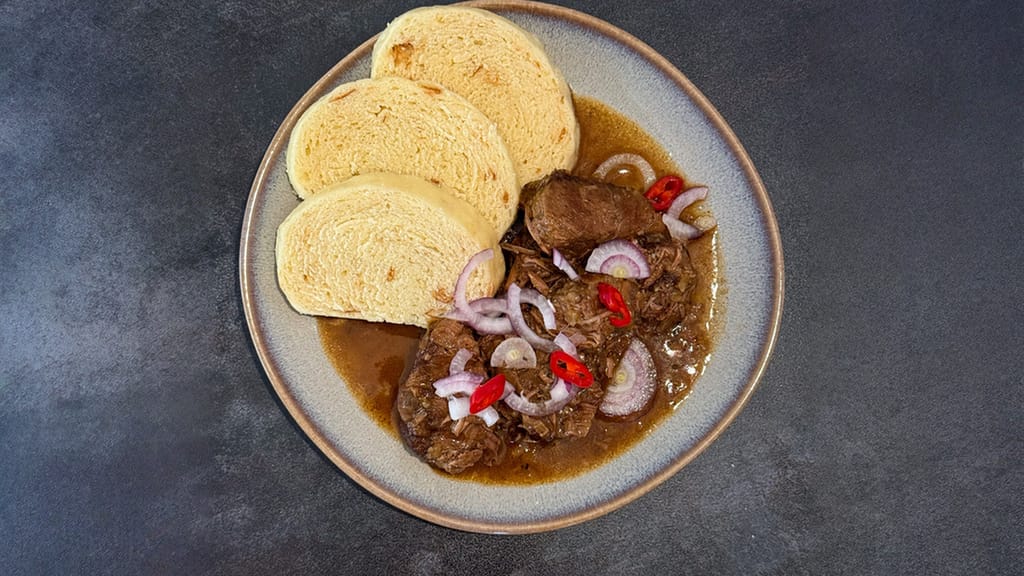
Classic czech beef goulash with chilli and bread dumplings
Classic beef goulash with chili and bread dumplings
You don't need to thaw chili peppers for cooking. Drop them into the pot or pan straight from frozen. You can also grate a frozen pepper on a fine grater right into the dish. Once thawed, chili is soft, so it suits cooking, not a raw salad.
The freezer hardly takes any heat from chili peppers. Capsaicin is a stable compound, and freezing mainly changes the structure of the flesh, which turns soft after thawing. Drying with heat can dull the heat a little, so dry at a low temperature and control the heat by how much of the white pith you leave in the pepper.
Keep an opened jar of pickled chili peppers (feferonky) in the fridge and use them within the time the manufacturer gives on the label. The peppers must stay submerged in the brine, so take them out with a clean fork, not your fingers. According to Colorado State University Extension, homemade peppers pickled in vinegar without canning keep in the fridge for up to 6 months.
Don't store fresh chili peppers at room temperature. They belong in the fridge at 1–4°C (34–39°F). Only peppers drying on a string, and already dried peppers in a sealed jar in a cool, dark place, can be kept at room temperature.
Throw out dried chili peppers if they are damp, bendy or stuck together in the jar, have mold on them, or smell musty. Moisture has probably got into the jar, so check the rest of the contents too. Frozen chili with white, dry patches is just freezer burned. According to the USDA, such food is safe, it just loses flavor and texture, so cut off the dry spots and use the pepper for cooking.
One recipe worth heating the oven for, one tip, and one deal from the shop. Nothing else.