Easy redcurrant yogurt muffins
Baking with Kids: What They Can Do at Every Age
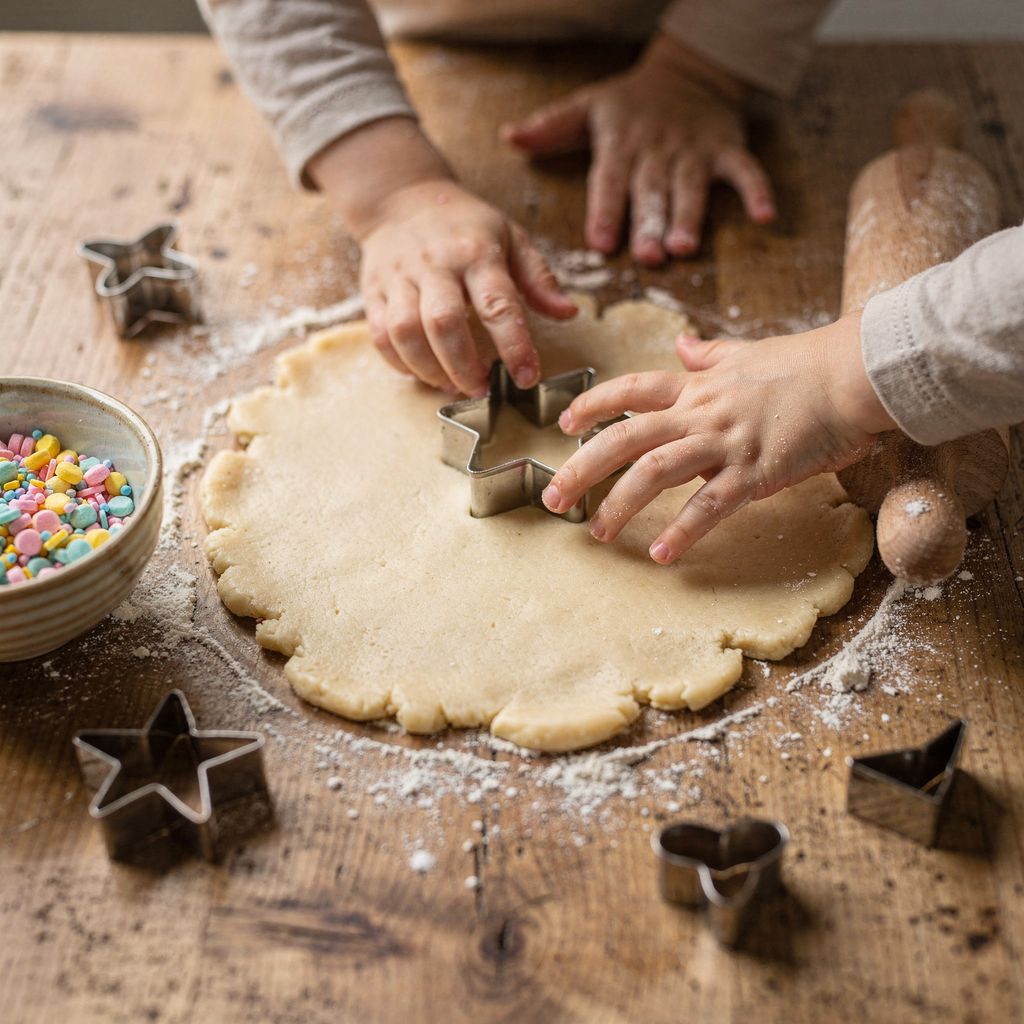
Updated Oct 6, 2026
Baking with kids works when you give each child a task they can genuinely manage **on their own** – a two-year-old pours and stirs, a preschooler cracks eggs and cuts out shapes, an eight-year-old weighs ingredients from a recipe, and a ten-year-old can bake muffins with barely any help at all. Below you'll find age-by-age tasks, when it's safe to let kids near a knife or the oven, how to set up your kitchen so it doesn't turn into chaos, and what to bake first – including Christmas treats to make with kids.
Here's the quick rule of thumb for baking with kids: 2–3 year olds pour and stir, 4–5 year olds crack eggs and cut out shapes, 6–8 year olds measure ingredients from a recipe, and 9–12 year olds can bake a simple recipe on their own.
2–3 years: pouring pre-measured ingredients, stirring, mashing banana, decorating with sprinkles.
4–5 years: cracking eggs, cutting out shapes, rolling dough, spreading, filling muffin cases with a spoon.
6–8 years: weighing and measuring from a recipe, reading steps, cutting soft ingredients, whisking by hand.
9–12 years: baking a simple recipe start to finish, using the oven and a hand mixer under supervision.
These ages are just a guide. What really matters is fine motor skills and how long a child can follow instructions — a capable four-year-old can often do more than a distracted six-year-old. Whenever you introduce a new task, show them first, then step back and let them do it while you watch.
At 2–3 years old, kids can handle anything involving pouring, stirring and squishing — as long as you've measured the ingredients out ahead of time.
Pouring pre-measured flour, sugar or oats from a small bowl into the mixing bowl. Use a shallow bowl for them to pour from — a cup is more likely to spill.
Stirring thick batter with a wooden spoon in a heavy bowl that won't slide around (sit it on a damp tea towel to keep it steady).
Mashing a ripe banana with a fork — the base for yoghurt-banana cupcakes or banana loaf.
Tearing herbs and arranging toppings on pizza.
Decorating finished biscuits with sprinkles. This is where a two-year-old has the most fun — and where you'll have the smallest mess to clean up, as long as they're sprinkling over the baking tray.
At this age, attention spans run around 4–8 minutes, maybe a bit longer for something they really enjoy. Expect them to wander off halfway through — that's completely normal. Pick a recipe where their contribution happens right at the start.
Preschoolers can manage tasks that need two hands working together: cracking eggs, cutting out shapes, rolling and spreading.
Cracking eggs into a separate small bowl, not straight into the batter — it's much easier to fish out shell fragments from a bowl.
Rolling and cutting out dough. Let the dough soften a little first; straight from the fridge it will just crack. Cutters with big, simple shapes and no fine details work best.
Spreading jam or filling with a blunt butter knife.
Filling muffin cases with batter using two spoons or an ice cream scoop (give them a target: fill the case about two-thirds full).
Counting and sorting — ten cases in the tray, three raisins on each biscuit.
This is also the age to introduce the rule "only grown-ups touch the oven" — kids can watch through the glass and keep an eye on the timer instead.
School-age kids can follow a recipe: reading a step, weighing out ingredients on the kitchen scale, and keeping track of the order.
Weighing and measuring in grams and spoonfuls. A digital scale with a tare function is easier for kids than measuring cups — they can see the number and know exactly when to stop.
Reading the recipe aloud and ticking off steps.
Cutting soft ingredients — banana, strawberries, butter — with a small, round-tipped knife, under supervision.
Whisking by hand cream or egg whites just for the fun of it (getting them really stiff by hand can easily take 10 minutes, so finish off with a mixer).
Piping simple shapes with a piping bag: dots, lines, outlines.
At this age, kids can manage a whole simple recipe as long as it takes under 45 minutes including baking time. Muffins and cupcakes are ideal — quick, individually portioned, and everyone gets their own.
Between 9 and 12, kids can bake a simple recipe from start to finish on their own — you're just there as a safety net.
A whole recipe: muffins, tray-baked gingerbread, linzer biscuits, quick-dough pizza.
The oven — setting the temperature, putting the tray in and taking it out with oven gloves. Stay close by for the first few attempts.
A hand mixer with whisk attachments, as long as they know the rule "unplug first, then take off the beaters."
Cutting with a regular kitchen knife on a non-slip board — fruit, vegetables for pizza, nuts.
Planning — reading the recipe ahead of time, checking what's missing from the cupboard, and cleaning up afterwards.
From age twelve, it really comes down to experience rather than age. A kid who's been baking regularly since five will happily tackle yeasted dough by twelve.
Let kids near the oven from roughly age 8–9, with supervision, and give them a proper sharp kitchen knife from age 9, once they've practised — younger children have their own safe versions of both tools.
Let kids near the oven from age 8–9, and only with supervision; younger kids should just watch.
Up to age 7: kids watch through the glass and keep an eye on the timer, but you open the door. Oven door glass gets hot enough during baking to burn skin, so explain clearly that it's not to be touched.
From 8–9: they can put the tray in and take it out, always with dry oven gloves (a damp one lets heat through instantly).
Always set the hot tray down in the same fixed spot — a board at the edge of the counter works well — never balanced on an edge.
Mixers and food processors can be operated by kids using the button, but hands only go into the bowl once it's unplugged. That rule applies at every age.
Give kids a regular sharp kitchen knife from age 9, once they've mastered the "claw grip"; younger children should use blunter knives.
Ages 3–5: a table knife or plastic knife for banana, boiled potatoes, butter; a crinkle cutter.
Ages 6–8: a small, round-tipped knife for soft fruit, under supervision.
From age 9: a regular kitchen knife, but first teach the "claw grip" — fingers holding the food curl inward, and the blade runs alongside the knuckles.
The biggest help is to prep everything ahead of time and choose a recipe where the child does most of the steps — not just one.
Prep your ingredients in advance (mise en place) — weighed out in bowls before your child even arrives in the kitchen. Little kids won't wait patiently while you hunt for the baking powder.
A step stool or sturdy chair so the worktop sits at waist height. Stirring is nearly impossible from chin height.
A tray or baking sheet under the bowl — it catches spilled flour and sprinkles.
Budget double the time. A 30-minute recipe will take an hour with a three-year-old.
Cleaning up is part of baking — kids enjoy wiping the table and washing the spoons more than you'd expect.
Let the result be theirs. Wonky biscuits and an overfilled muffin case are the price of letting a child do it themselves.
For a first baking session, pick a recipe with under 10 ingredients, no proving, and a result within the hour — muffins, cupcakes, pizza or simple biscuits.
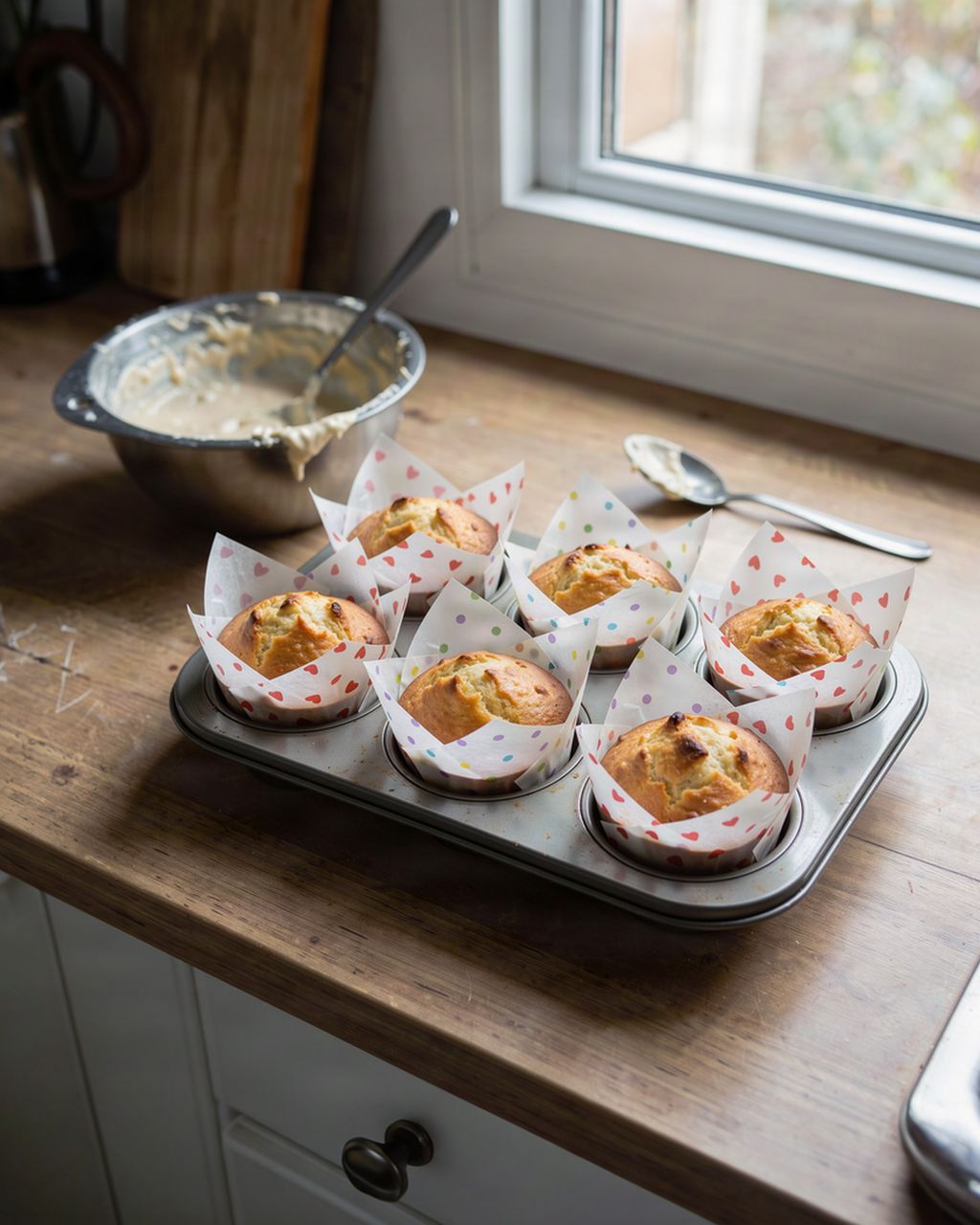
Muffins — mixed in one bowl, kids fill the cases, and they're done in 25 minutes. Try these easy redcurrant yoghurt muffins.
Cupcakes — the same base as muffins, plus the decorating with icing and sprinkles that kids love most. Yoghurt-banana cupcakes work even for a two-year-old, who gets to mash the banana. For topping ideas — from crumble to icing — check out our separate guide to decorating muffins and cupcakes.
Pizza — rolling, spreading, arranging toppings. Yoghurt-dough pizza needs no proving, so there's no waiting around.
Tray-baked gingerbread — one bowl, pour, bake. Great for a school-age kid who wants to bake solo.
Easy redcurrant yogurt muffins
Easy redcurrant yoghurt muffins — a quick first bake with kids
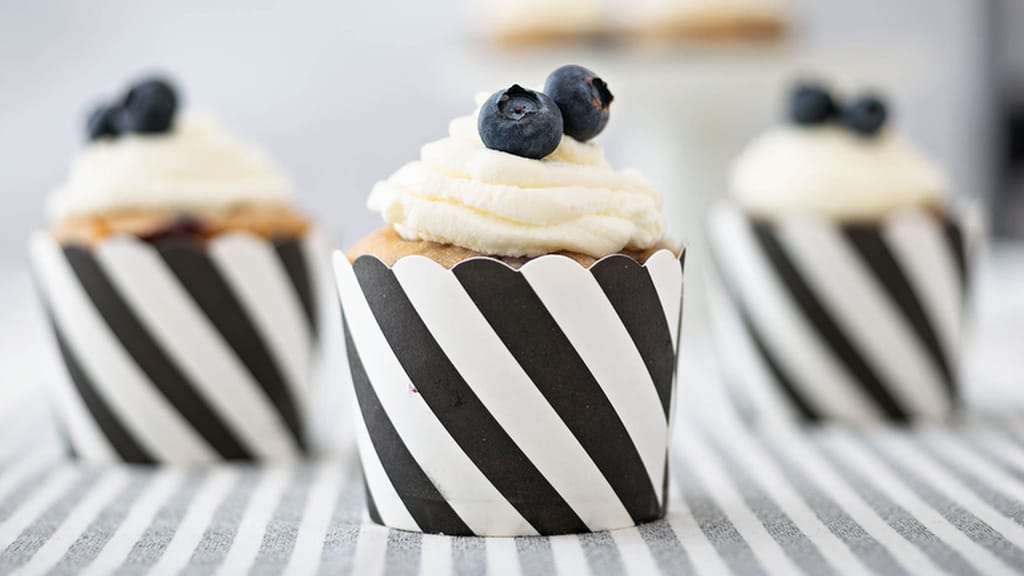
Yogurt & banana cupcakes
Yoghurt-banana cupcakes — a first bake for kids from age two
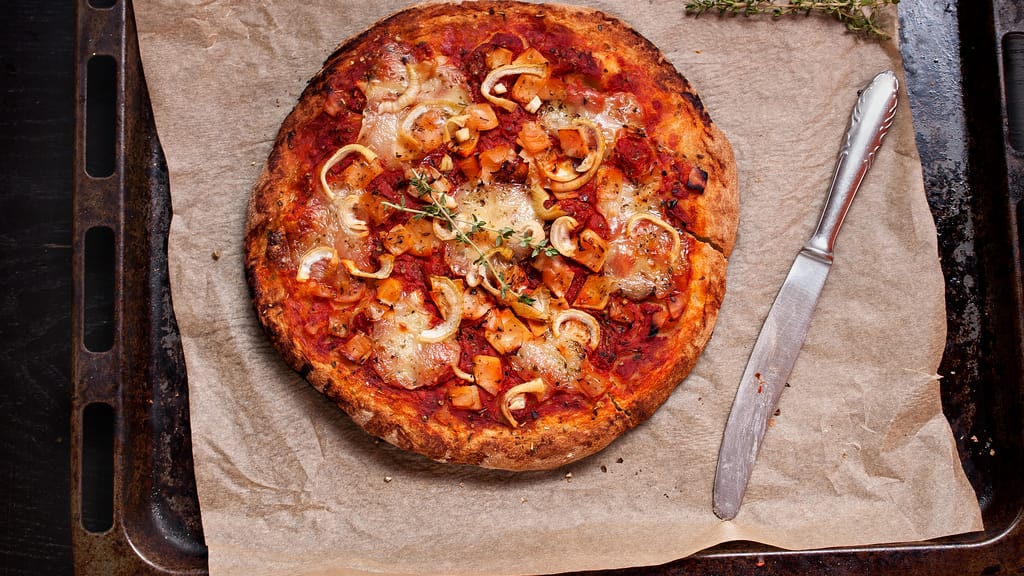
Yogurt dough pizza
Yoghurt-dough pizza — no proving needed, perfect for baking with kids
For Christmas baking with kids, the best options are cut-out biscuits — linzer biscuits and gingerbread — and no-bake treats; leave the fiddly, shaped ones (vanilla crescent cookies, "pracinky") to the grown-ups.
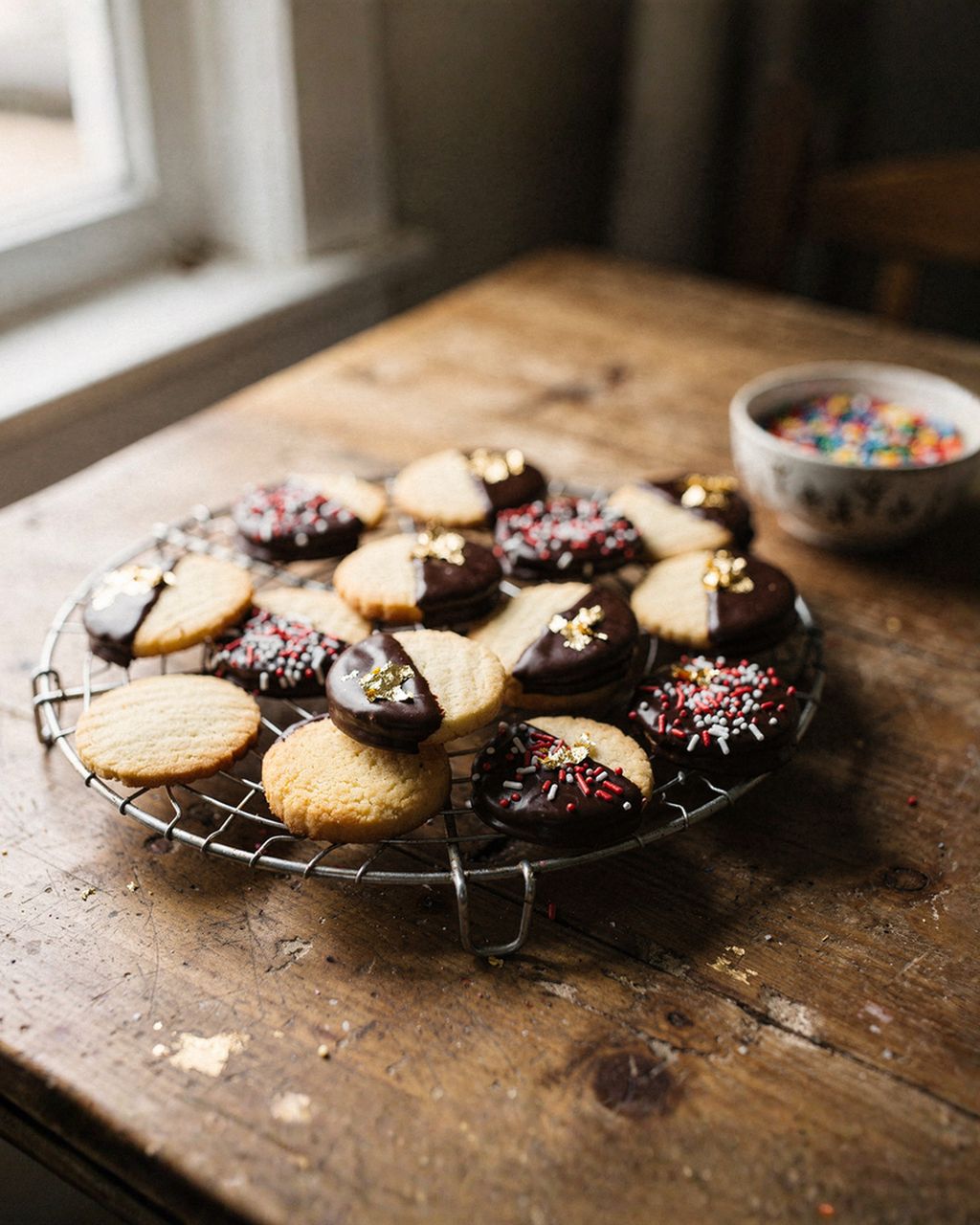
Linzer biscuits — kids from age 4 can cut out shapes, while school-age kids can sandwich them with jam and dust with icing sugar. This recipe for classic crumbly linzer biscuits uses a dough that rolls out nicely.
Gingerbread — cutting out shapes, and especially decorating. Piping royal icing from a bag with a small tip is doable from around age 6; younger kids can scatter sprinkles onto fresh icing instead. Try these soft gingerbread biscuits, which don't need a week to soften.
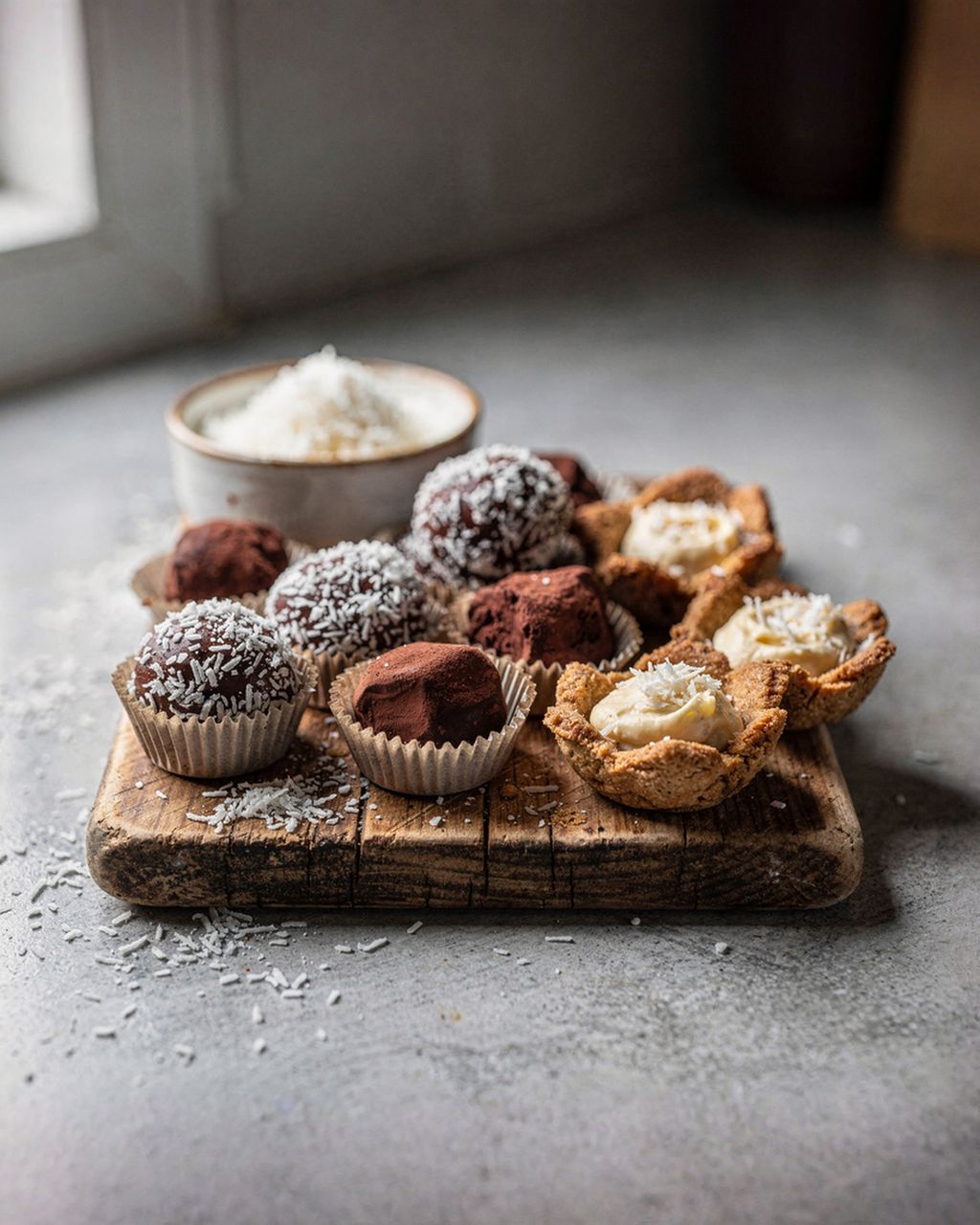
No-bake treats — truffle balls, especially coconut and cocoa ones, can be rolled even by a three-year-old. No oven, no waiting.
Add sprinkles while the icing is still fresh and glossy — within a few minutes a skin forms and sprinkles won't stick anymore. Pour coloured sugar sprinkles into a small bowl for kids to use, rather than letting them shake straight from the jar, or the whole lot will end up on one biscuit.
Split Christmas baking with kids over two days: dough and cutting out on day one, decorating on day two. Doing it all in one go is too much for little ones.
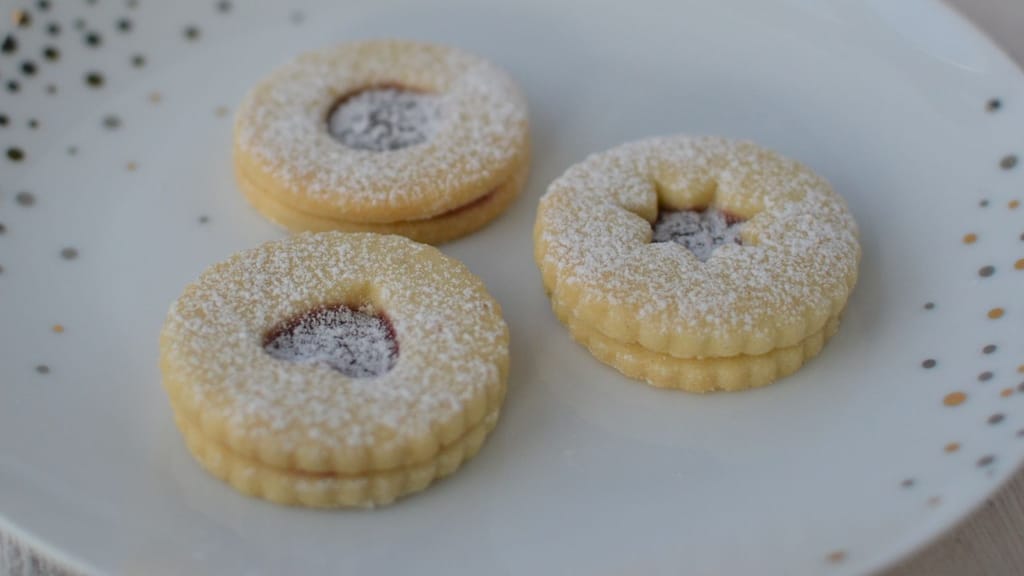
Classic christmas cookies: delicate linzer cookies
Classic crumbly linzer biscuits — Christmas cut-out treats to bake with kids
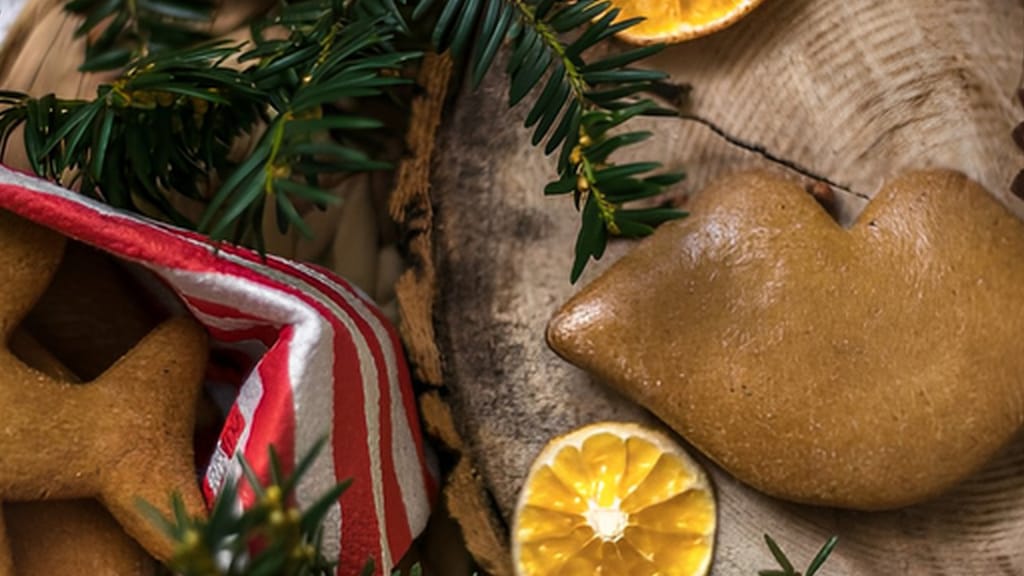
Soft gingerbread cookies
Soft gingerbread biscuits — Christmas treats for kids to decorate
When baking with kids of different ages, split the recipe by age: younger ones pour and stir, older ones weigh ingredients and read the recipe. Muffins or cupcakes work best – a school-age kid makes the batter, a preschooler fills the cases, and the youngest decorates with sprinkles. That way every child has their own job and nobody's left waiting around.
If baking with kids doesn't turn out well, eat the result together anyway and talk through what to try differently next time. Trim off a burnt edge, or crumble a squashed muffin into yoghurt. For a child, the fact that they baked it themselves matters far more than how it looks – and they'll learn more from a mistake than from a picture-perfect cake.
Baking with kids builds number skills and reading practice naturally, as they weigh ingredients, count items and read the recipe aloud themselves. A preschooler counts eggs and muffin cases, while a school-age child adds up grams on the scale or doubles a recipe. Baking with kids is hands-on maths – they see and taste the result straight away.
Kids can start cooking at the same age as baking, just with different tasks. A two-year-old can wash vegetables and tear lettuce, a preschooler can peel boiled potatoes and whisk eggs, and a school-age child can cook pasta. The same safety rules apply at the stove as at the oven – an adult should supervise hot pots until around age 9.
One recipe worth heating the oven for, one tip, and one deal from the shop. Nothing else.