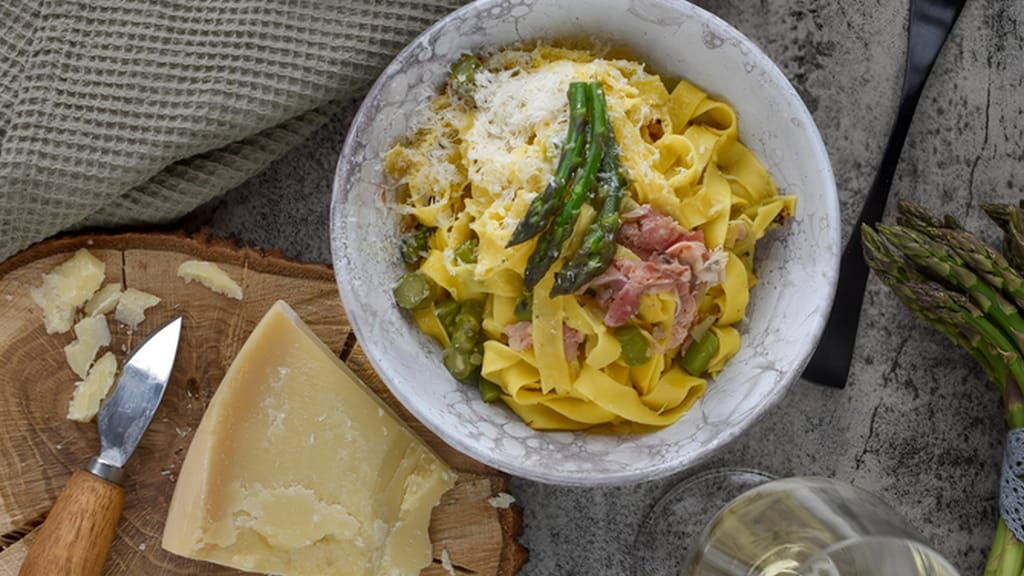
Pappardelle with asparagus
Asparagus Recipes: How to Pick It, Prep It, and What to Cook

Updated Jul 18, 2026
Asparagus is the king of spring — delicate, quick to cook, and just as good in a five-minute pasta as in a creamy soup. In this guide you'll find how to choose between white and green, how to trim and prep it, what to make with it, and when to buy it at its freshest. No fluff — just what's actually worth knowing about asparagus.
Green asparagus has a more pronounced flavour and just needs a rinse; white asparagus is more delicate and sweeter, but you'll need to peel it. The difference starts in the field — green grows in sunlight above ground, while white grows underground with no light, so it never turns green and stays mild in flavour.
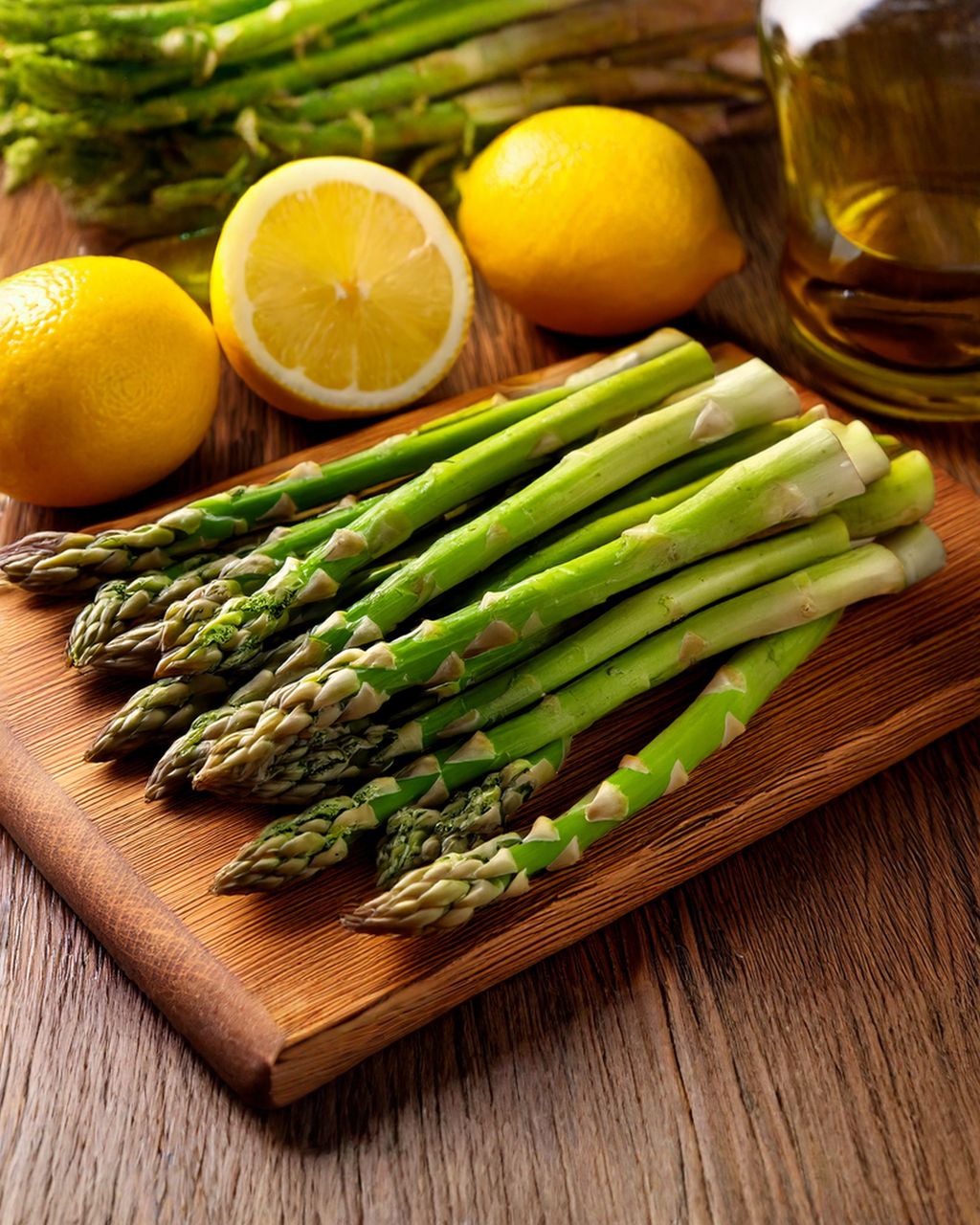
Green asparagus: bold, nutty-grassy flavour, no peeling needed, shorter cooking time. Best grilled or roasted.
White asparagus: delicate and slightly sweet, with a tougher skin that must be peeled; needs a few extra minutes to cook. A classic paired with butter, new potatoes, and hollandaise sauce.
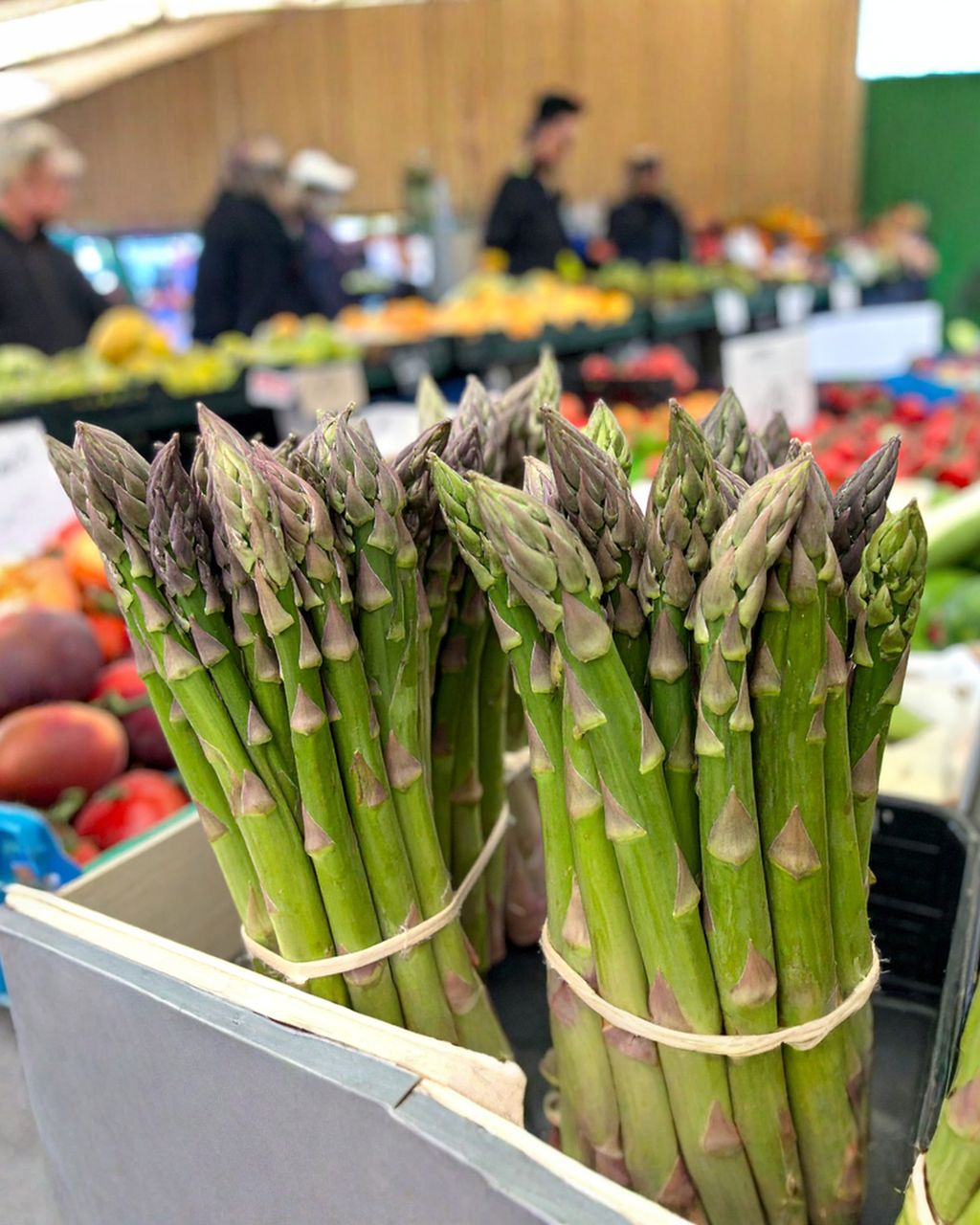
Purple asparagus: sweeter than green and rich in anthocyanins, which fade with heat — so it's best kept nearly raw in salads.
The recipe decides which one to pick: green for salads and the grill, white for an elegant, delicate plate. We dig deeper into how to choose in our article on how to pick the best asparagus.
Seasonal baking plans, tested recipes and kitchen tricks that save you time. Unsubscribe in one click.
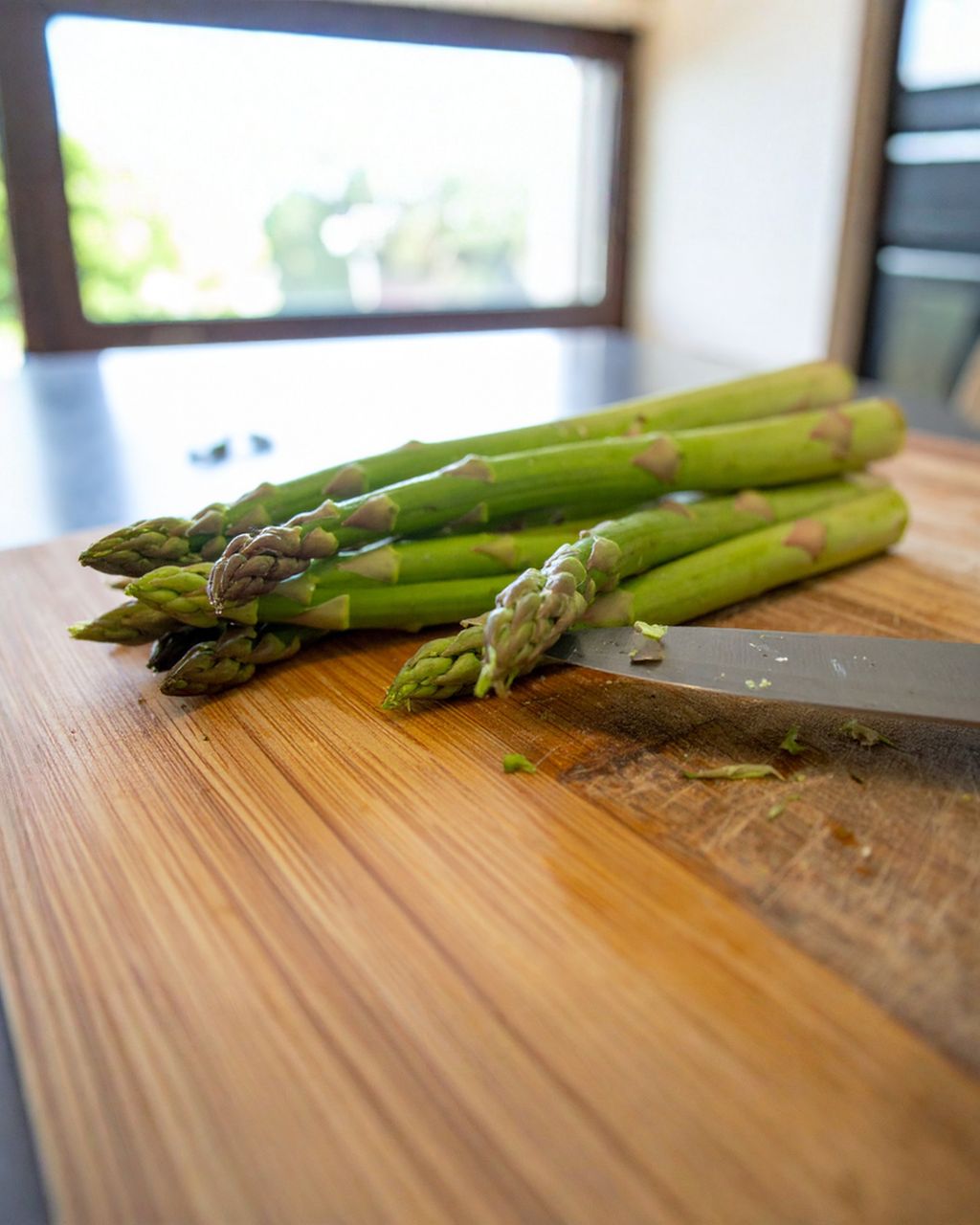
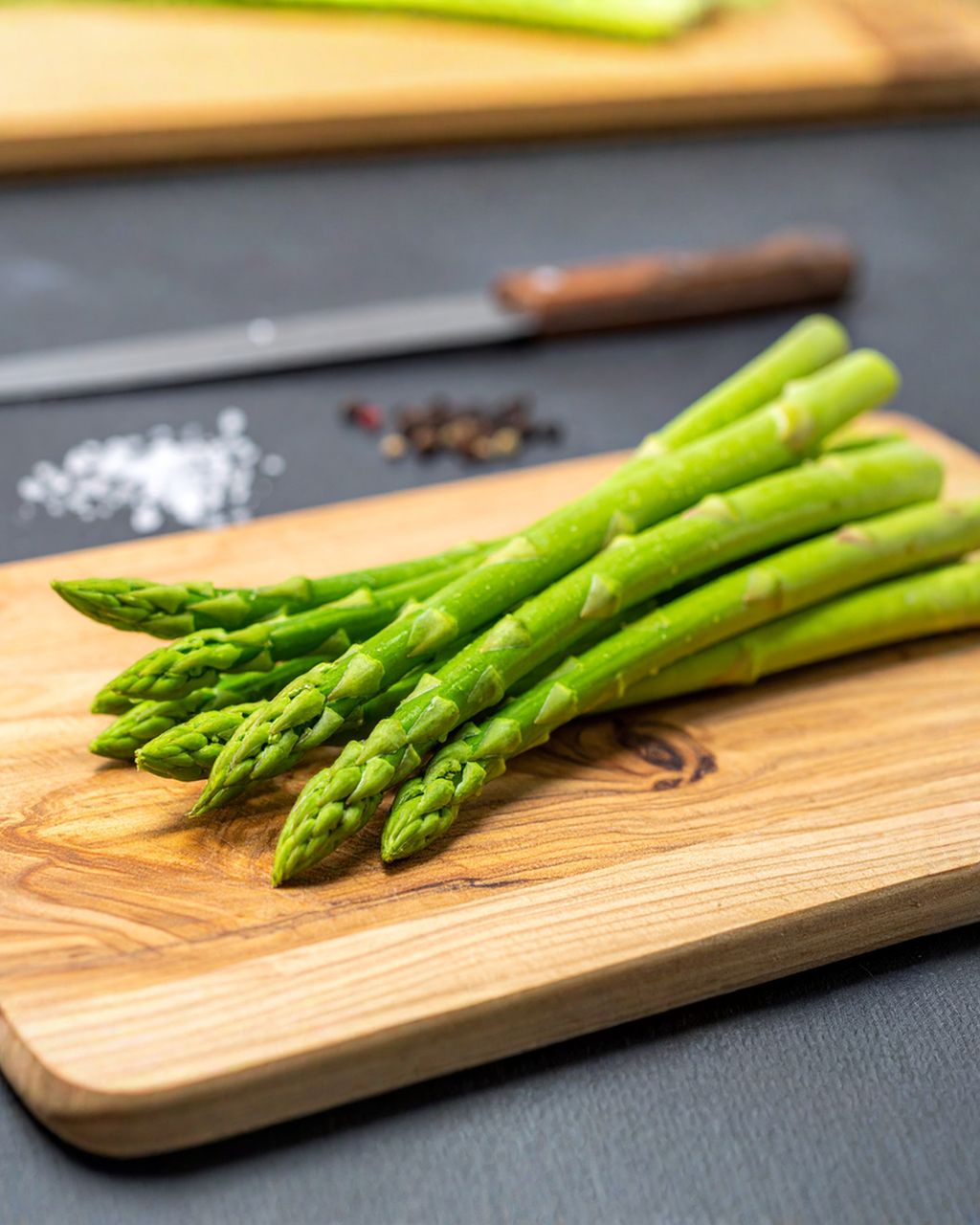
Just rinse green asparagus and snap off the woody ends; peel white asparagus with a peeler from the tip downward and trim off the bottom 2–3 cm. No need to guess where the tough part starts — simply bend the stalk and it will snap naturally right where it begins to soften.
With white asparagus, peel the whole length — even going over it twice, since the skin is bitter and would spoil the flavour if left on during cooking. Don't toss the peelings and trimmed ends: simmer them into a quick stock, which makes the perfect base for asparagus soup or risotto. You'll find the full step-by-step method in our article on how to properly trim asparagus.
There are five go-to methods for cooking asparagus: blanching, steaming, roasting, grilling, and quickly sautéing. The rule of thumb is simple — the shorter and drier the cooking method, the more colour, crunch, and water-soluble vitamins it retains.
Blanching: 2–3 minutes in boiling salted water, then straight into an ice bath — this locks in the vibrant green colour and crisp texture.
Steaming: 4–6 minutes, the gentlest method for preserving vitamins, since nothing leaches out into the water.
Roasting: 200°C (400°F), 10–15 minutes with olive oil and salt — caramelisation deepens the flavour.
Grilling: 5–8 minutes on a hot grill or griddle pan, adding a smoky flavour that's perfect for summer.
Sautéing: 3–4 minutes in a wok or frying pan, with the asparagus sliced thinly on the diagonal.
It's ready when a light poke with a skewer at the thickest part meets soft resistance — it should be tender but still have a slightly springy, "al dente" centre. Overcooked asparagus turns mushy and loses its colour, so it's always better to undercook slightly than overdo it.
For a weeknight dinner, asparagus works beautifully in pasta, omelettes, savoury tarts, or simply sautéed as a side for meat or fish — ready in under 20 minutes. The method is always the same: slice on the diagonal, cook quickly, and don't overdo it.
Sauté diagonally sliced asparagus in olive oil with a clove of garlic, toss with al dente pasta, add a ladleful of pasta cooking water, and a handful of grated parmesan. The starch in the water binds the cheese and oil into a silky sauce that coats every strand beautifully — no cream needed. Find the full recipe in our pappardelle with asparagus.
Pappardelle with asparagus
Pappardelle with Asparagus – Creamy Spring Pasta Ready in 20 Minutes
Asparagus and eggs are a classic pairing. For an omelette, chop a few stalks into smaller pieces, briefly sauté them in butter, add slices of ham, and pour over beaten eggs; let the bottom set, fold, and finish cooking. If you've got more time, bake a savoury tart — asparagus, bacon, and eggs in a crisp pastry taste just as good cold the next day.

Savory asparagus tart with bacon and yogurt
Savoury Asparagus Tart with Bacon and Yoghurt – Just as Good the Next Day
When asparagus is meant to be the star of the plate, go for risotto, a creamy soup, or roasted meat with asparagus — techniques that highlight its delicate flavour rather than overpower it.
Asparagus risotto is a sophisticated dish made from just a handful of ingredients: creamy Arborio rice slowly absorbing hot stock (ideally made from asparagus trimmings), with the asparagus stirred in right at the end so it stays crisp. We're still working on our own asparagus risotto recipe for Yumst — once it's ready, we'll link it here.
Creamy white asparagus soup makes an elegant starter: peeled asparagus gently cooked with onion, blended smooth in a stock made from the peels and trimmings, seasoned with a pinch of nutmeg, and finished with cream, topped with blanched asparagus tips for garnish. We're still preparing the recipe for this soup in our catalogue and will add the link here once it's ready.
Craving something heartier? Try roasted meat with asparagus or a more substantial side dish — both put asparagus firmly in the spotlight.
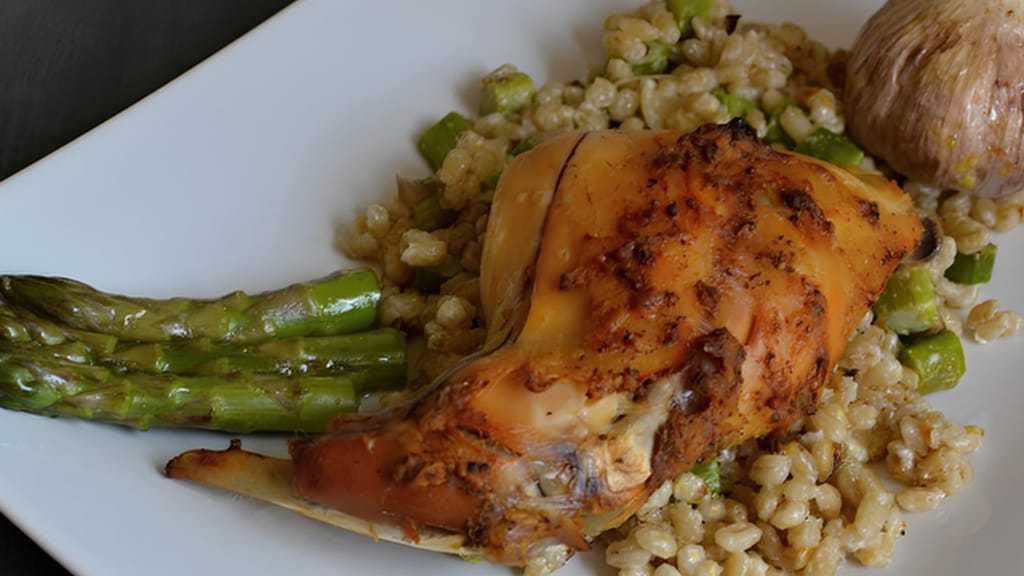
Roast rabbit with garlic and green asparagus
Roast Rabbit with Garlic and Green Asparagus – A Sunday Roast with Spring Vegetables
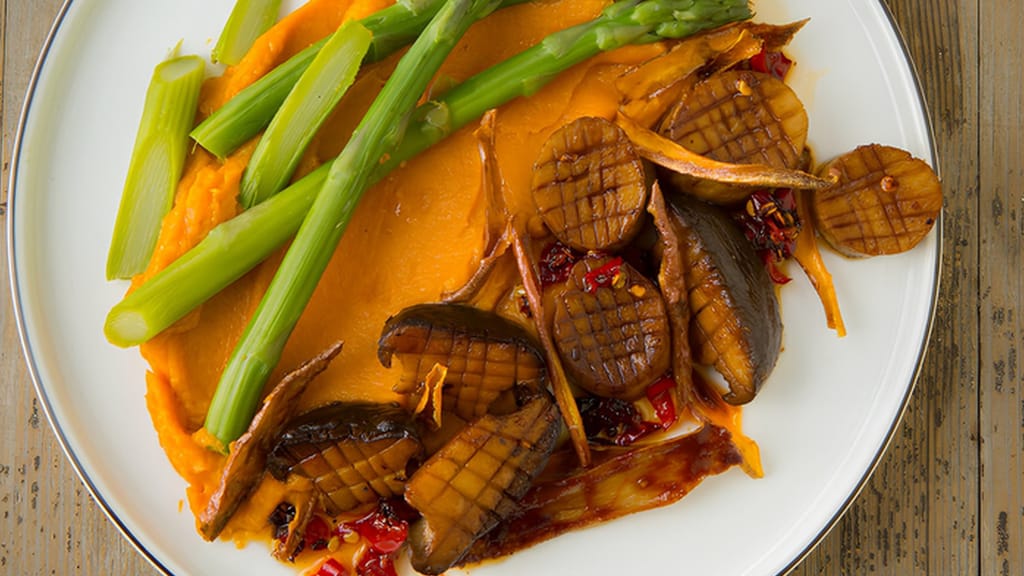
Sweet potato mash with asparagus and mushrooms
Sweet Potato Mash with Asparagus and Mushrooms – A Hearty Meat-Free Side
Yes — asparagus has around 20 kcal per 100g, is high in water and fibre, and is an excellent source of folate (vitamin B9): according to nutritional data, about 90g of cooked asparagus covers roughly a third of the recommended daily intake. That makes it a great fit for a lighter diet too.
Low in calories: around 20 kcal per 100g.
Folate (vitamin B9): key for red blood cell formation and cell division; experts particularly highlight its importance during pregnancy.
Vitamins A, C, E, and K along with minerals like iron, copper, and manganese.
Fibre and prebiotics: support digestion and the growth of beneficial gut bacteria.
Antioxidants: studies suggest compounds found in asparagus help protect cells from free radical damage (source (opens in a new tab)).
To retain as many nutrients as possible, favour quick, dry cooking methods — roasting, grilling, or steaming — over boiling for a long time.
UK asparagus season typically runs from late April to late June — that's when it's freshest, tastiest, and cheapest. White asparagus tends to hit the market slightly earlier than green. Out of season, go for frozen or good-quality jarred asparagus (check the label for the fewest added ingredients).
In the fridge: wrap the ends in a damp tea towel, or stand the bunch upright in a glass with a little water, like fresh flowers — it'll keep for about a week.
In the freezer: blanch briefly (2 minutes), pat dry, and freeze; it'll keep for months and can go straight from frozen into the pot.
When buying: look for firm stalks with tightly closed tips that snap cleanly when bent. Avoid any that look limp or woody; farmers' markets are often a great place to find organic options too.
Yes — young green asparagus, and especially sweet purple asparagus, is great raw, finely chopped or shaved into thin ribbons for a salad. Just marinate it briefly in lemon, oil, and salt to soften it up. Thicker spears and white asparagus are better cooked.
When it's out of season, frozen asparagus works best — you can add it straight to the pan while still frozen. Green beans, peas, or young courgette also work well as substitutes in recipes, since they have a similarly fresh, spring-like character.
Yes. Toss the asparagus with a little oil, air-fry at 180–200°C (350–400°F) for 7–10 minutes, and give the basket a shake halfway through. It comes out crisp and cooks faster than in the oven — just keep an eye on thinner spears so they don't burn.
During pregnancy, asparagus is generally recommended as part of a varied diet thanks to its folate content. For children, serve it well cooked and cut into smaller pieces. If you have specific health concerns, check with your doctor.
White asparagus grows underground with no exposure to light and is harvested by hand, spear by spear, with a special long knife — before it ever breaks the soil's surface. This labour-intensive hand harvest and lower yields make it pricier than green asparagus.
One recipe worth heating the oven for, one tip, and one deal from the shop. Nothing else.