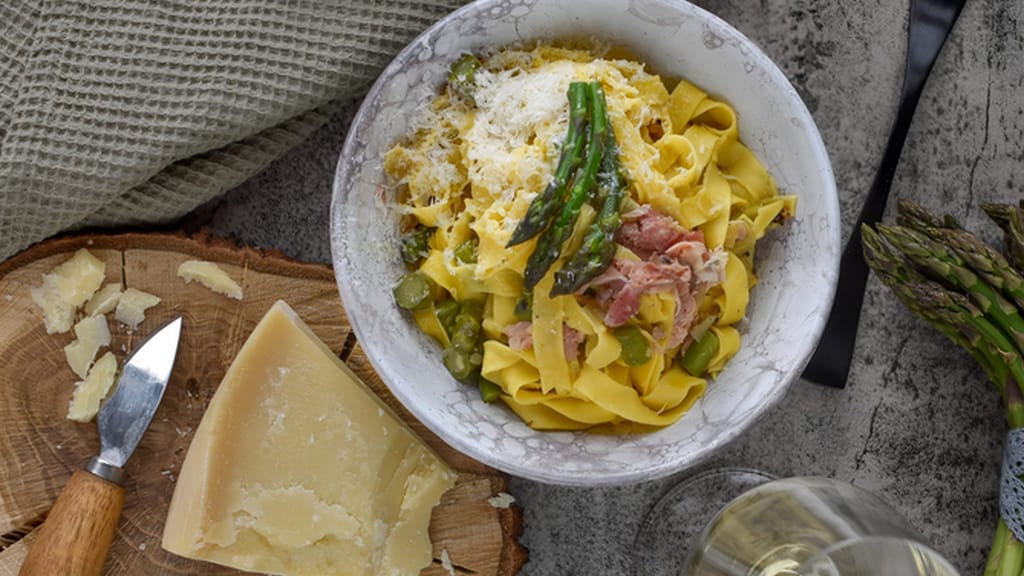
Pappardelle with asparagus

Updated Jul 19, 2026
Asparagus turns bitter mainly because of natural compounds called saponins – and white asparagus, which grows underground in the dark, has the most of them. The good news: bitterness is largely within your control. It sits mostly in the skin and the tough, woody base of the stalk, so picking the right spears, peeling them properly and not overcooking them makes all the difference. In this guide, we'll look at why asparagus turns bitter, how to spot really fresh spears, and which techniques – blanching, steaming, a pinch of sugar – bring out its sweeter, nuttier side instead.
Asparagus owes its bitterness mainly to saponins – natural defence compounds the plant stores in its skin and the lower part of the stalk. It's not a sign of spoiled asparagus or a cooking mistake: it's simply a natural feature of this vegetable, with some spears having more of it than others. And you can expect more bitterness from white asparagus than green.
Saponins aren't just about flavour, either – studies credit them with antioxidant effects and a role in the plant's natural defences. In normal amounts they're harmless to eat, so don't be afraid to tuck into slightly bitter asparagus; with a bit of care, you can get rid of that bitterness anyway.
White asparagus is more bitter than green because it grows underground in the dark and never develops chlorophyll. Research shows that levels of protodioscin – the saponin responsible for that characteristic bitterness – can be many times higher in white asparagus than in green (studies cite differences in the tens-fold range). That's why white asparagus is traditionally peeled and cooked with a little sugar, while thin green spears just need a rinse before hitting the pan.
Most of the bitterness is concentrated in the skin and the tough, woody base of the stalk. That's exactly why the two most effective anti-bitterness tricks are simply mechanical: peel the bottom two-thirds of the stalk, and cut off (or snap off) the hard end. The tip and the tender upper part don't need peeling at all.
Bitterness increases the longer asparagus sits around and the longer you cook it. An old, limp stalk tastes stronger and more bitter than a freshly picked one, and overcooking will only make that bitterness more noticeable. Your safest bet, then, is fresh asparagus and a short cooking time.
You can spot the mildest-tasting asparagus right at the shop by checking five things: vivid colour, a firm and springy stalk, tightly closed tips, a fresh green smell, and a cut end that isn't dried out. The fresher the stalk you buy, the less bitterness you'll find on your plate.
Colour: green asparagus should be a deep, vivid green, white asparagus creamy and pale – no brown spots or mould.
Firmness: the stalk should be firm and springy, not soft or limp.
Tips: closed and tight, not splayed open or dried out.
Smell: fresh, like a garden vegetable.
Cut end: moist; a dry, woody-looking end means the asparagus has been sitting around for a few days already.
Green asparagus has a milder, sweeter flavour and is less prone to bitterness, while white asparagus is bolder and more likely to turn bitter. If you want a sure bet with minimal effort, go for thin green spears. If you're in the mood for more festive white asparagus, be ready to peel it and add a pinch of sugar to the cooking water.
You can take the bitterness out of asparagus in five steps: peel the skin, cut off the woody end, blanch in salted water, don't overcook it, and add a pinch of sugar if needed. Each step tackles the bitterness in a different way – together, they turn asparagus into its sweeter, nuttier self.
Peeling and trimming the base is the single most effective step, since that's exactly where the bitter saponins sit. Use a peeler on the bottom two-thirds of the stalk (the whole thing, for white asparagus) and snap or cut off the tough end – the stalk will naturally break right where it starts turning woody. With thin green asparagus, just trim the end; there's no need to peel it.
Blanching reliably draws out that raw, bitter edge and brightens the colour. Dunk the stalks in boiling salted water for 2–3 minutes, then plunge them straight into ice water to stop the cooking. The result is crisp, vividly green asparagus without that sharp bitter aftertaste.
Steaming, roasting and grilling give the sweetest results, because the asparagus never sits soaking in water. Steam it for 4–6 minutes, until just tender to the bite; in the oven, drizzle with olive oil and roast at 200°C (400°F) for about 10–15 minutes. Boiling in a large pot of water, by contrast, dilutes the flavour and actually makes the bitterness stand out more.
A pinch of sugar in the cooking water helps partially neutralise the bitterness of white asparagus. Add salt and a knob of butter or a few drops of lemon juice too – the sweet and salty notes will mask the bitterness on your palate. With green asparagus, this usually isn't necessary.
The best way to counter bitterness is to cook asparagus into a dish where fat, salt and acid back it up – olive oil, Parmesan, butter, lemon. The simplest options are roasted asparagus with lemon zest (on a tray, olive oil, salt, 200°C/400°F, 10–15 minutes) or grilled asparagus with Parmesan (5 minutes per side, sprinkle with cheese at the end). A grilled asparagus salad with cherry tomatoes and pine nuts, finished with olive oil and lemon, also makes a lovely light summer side. Both come together in just a few minutes, letting asparagus' delicate flavour take centre stage. For something more substantial, try these tried-and-tested recipes from our kitchen:
Pappardelle with asparagus
Pappardelle with asparagus – creamy pasta where the green asparagus stays lovely and crisp

Savory asparagus tart with bacon and yogurt
Savoury asparagus and bacon tart with yoghurt
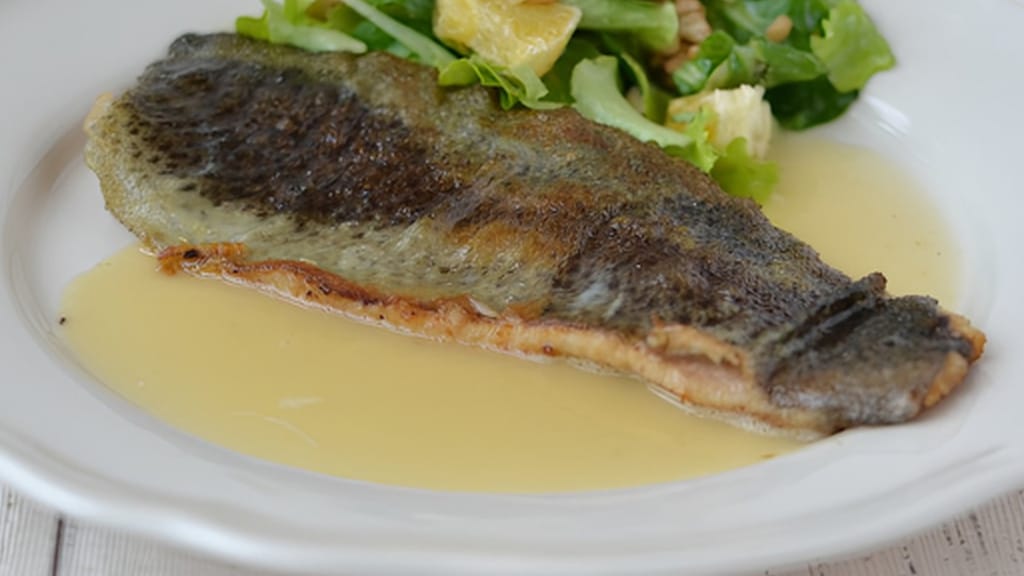
Easy & quick hollandaise sauce
Easy, quick hollandaise sauce – the classic partner for blanched asparagus
Yes, asparagus is one of the more nutritionally impressive vegetables out there – low in calories yet packed with vitamins, minerals and fibre. According to available sources, it contains vitamin K (important for blood clotting and bone health), B vitamins including folate, vitamin C, and potassium, plus fibre that supports digestion and helps you feel full. The saponins responsible for its bitterness are also linked to antioxidant effects.
Vitamins: K, C, A and folate (B9).
Minerals: potassium and iron.
Fibre: supports digestion and keeps you feeling fuller for longer.
Think of asparagus as part of a varied diet rather than a cure-all – the specific health effects will vary from person to person.
Yes, slightly bitter asparagus is perfectly safe to eat – the bitterness comes from natural saponins, not spoilage. Only toss stalks that feel slimy, show mould, or have a strongly musty smell; those really have gone too far.
Fresh asparagus is generally in season from around April to June. That's when it's at its sweetest and least bitter; outside the season, it's usually imported and older, so it tends to turn bitter more easily.
Yes, you can mask a bitter aftertaste with fat, salt and acid. Toss the asparagus in butter or olive oil, sprinkle with Parmesan and add a squeeze of lemon – or blend it into a creamy soup, where the cream will smooth out the bitterness.
You don't have to soak it, but a quick dip in cold water will perk up limp stalks and restore some crispness. More important than soaking is peeling the skin and trimming off the woody end, where most of the bitterness sits.
The distinctive smell comes from asparagusic acid, which the body breaks down into volatile sulphur compounds. It's completely harmless, and some people never notice it at all – either they don't produce the compounds, or they simply can't smell them.
One recipe worth heating the oven for, one tip, and one deal from the shop. Nothing else.