- Season
- Harvested in early autumn, with year-round availability through careful drying and storage.
- Price
- Medium
Calories and nutrition per 100 g
- 679 kcal
- 14.6 g protein
- 69.7 g fat
- 10.9 g carbs
Walnuts (unsalted)
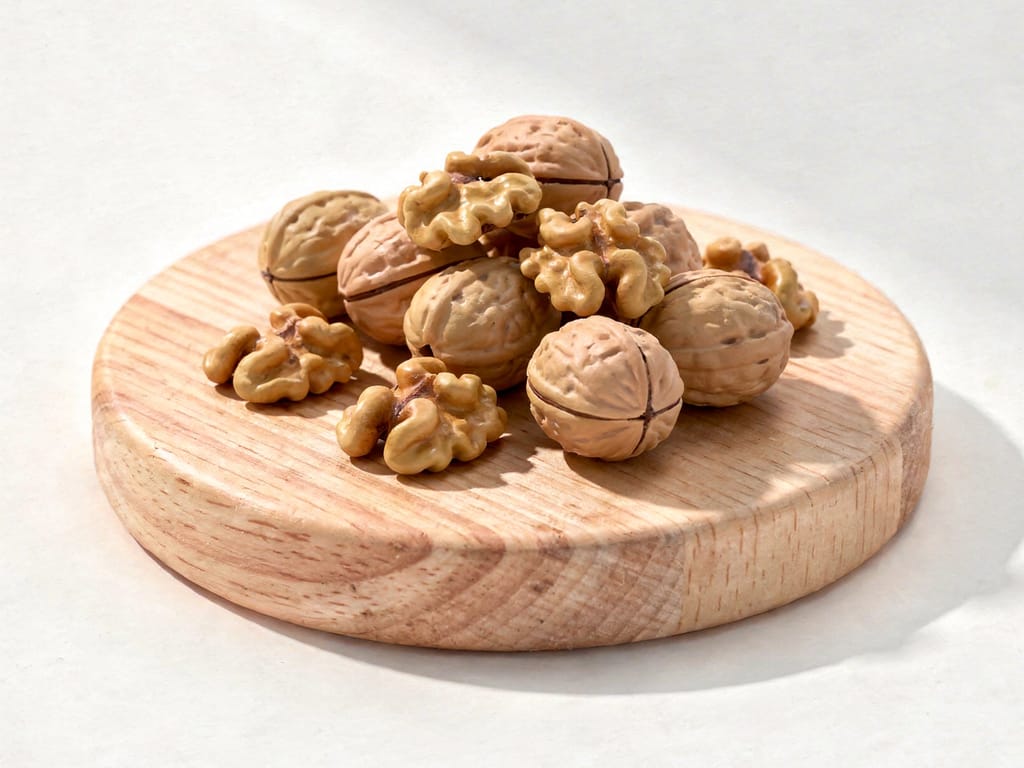
Walnuts are the edible seeds of trees in the genus Juglans, most notably Juglans regia, encased in a hard corrugated shell and protected by a green husk at harvest. When offered unsalted, the walnut presents itself in its most candid form, free from sodium’s smoothing influence and therefore truest to its varietal character, oil content, and terroir.
Store shelled walnuts in an airtight container in a cool, dark place for up to one month.
Refrigerate shelled walnuts for up to six months to slow lipid oxidation.
Freeze walnuts for up to one year, well sealed, with minimal loss of texture or flavor.
Choose walnuts with intact, pale cream-colored kernels free from excessive shriveling. Fresh unsalted walnuts should smell faintly sweet and woody, never sharp or paint-like, which indicates oxidized oil. In-shell walnuts should feel heavy for their size, a sign of a plump, well-filled kernel rather than a shrivelled one. Walnuts are a tree nut and a declarable allergen under EU Regulation 1169/2011.
Pecans, which offer similar fat content and a softer bitterness.
Hazelnuts, though sweeter and less tannic.
Walnuts benefit from light toasting, which mellows the harsh phenolic compounds of the pellicle and deepens sweetness through browning. Chop just before use to preserve aromatic oils, and avoid prolonged exposure to heat once ground.
Walnut shells can be used as a natural abrasive for cleaning cast iron cookware or polishing wooden tools; compost them only well-aged and sparingly, as black walnut residues contain juglone, which suppresses the growth of many garden plants.
Roughly what one measure weighs, scooped the way you normally would in the kitchen.
Walnuts are used raw, toasted, ground into meals, or pressed for oil. They enrich sauces such as walnut-based pestos, thicken stews in regional cuisines, and provide textural contrast in baking, particularly in yeasted breads and dense cakes.
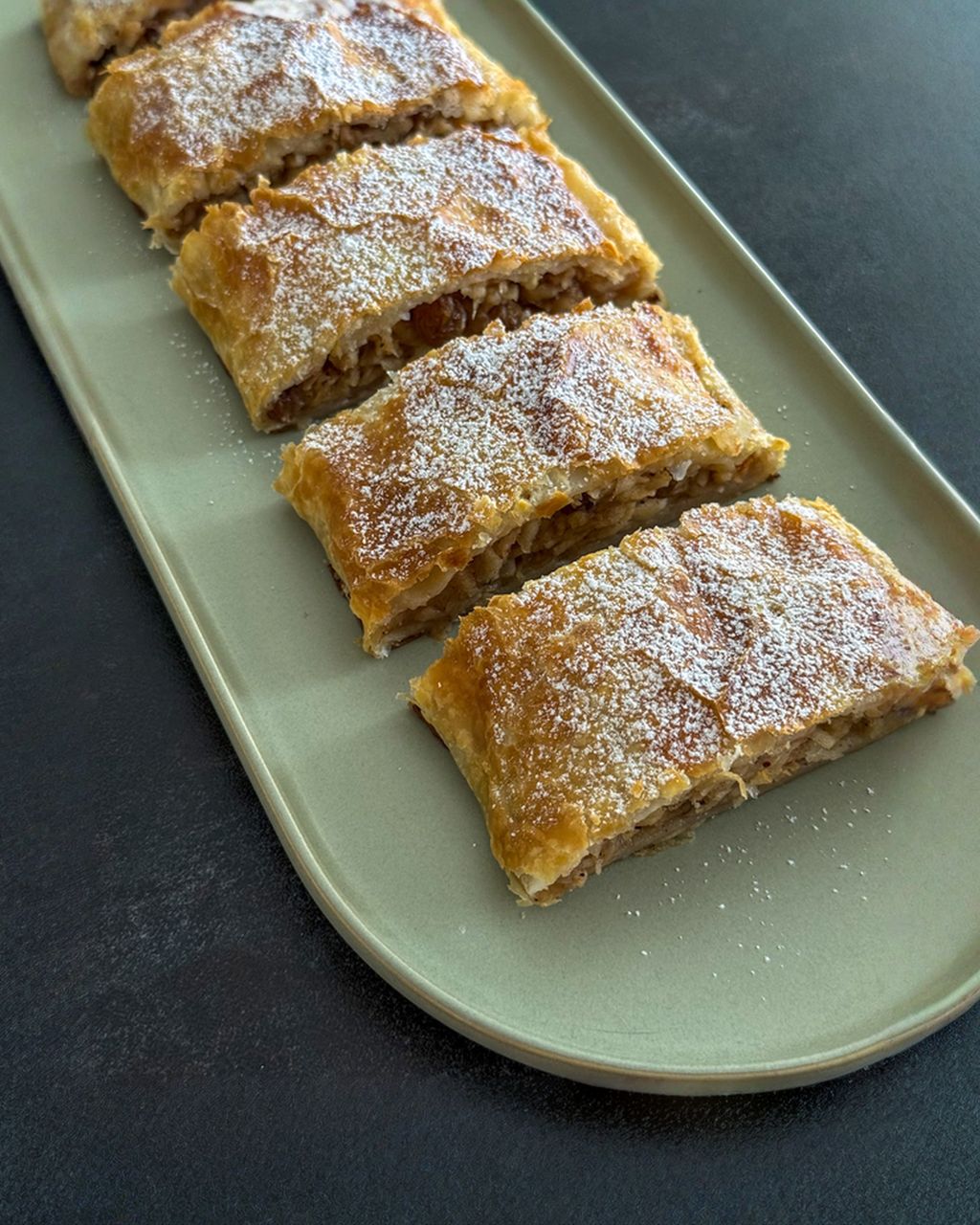
Apple strudel from puff pastry (quick version)
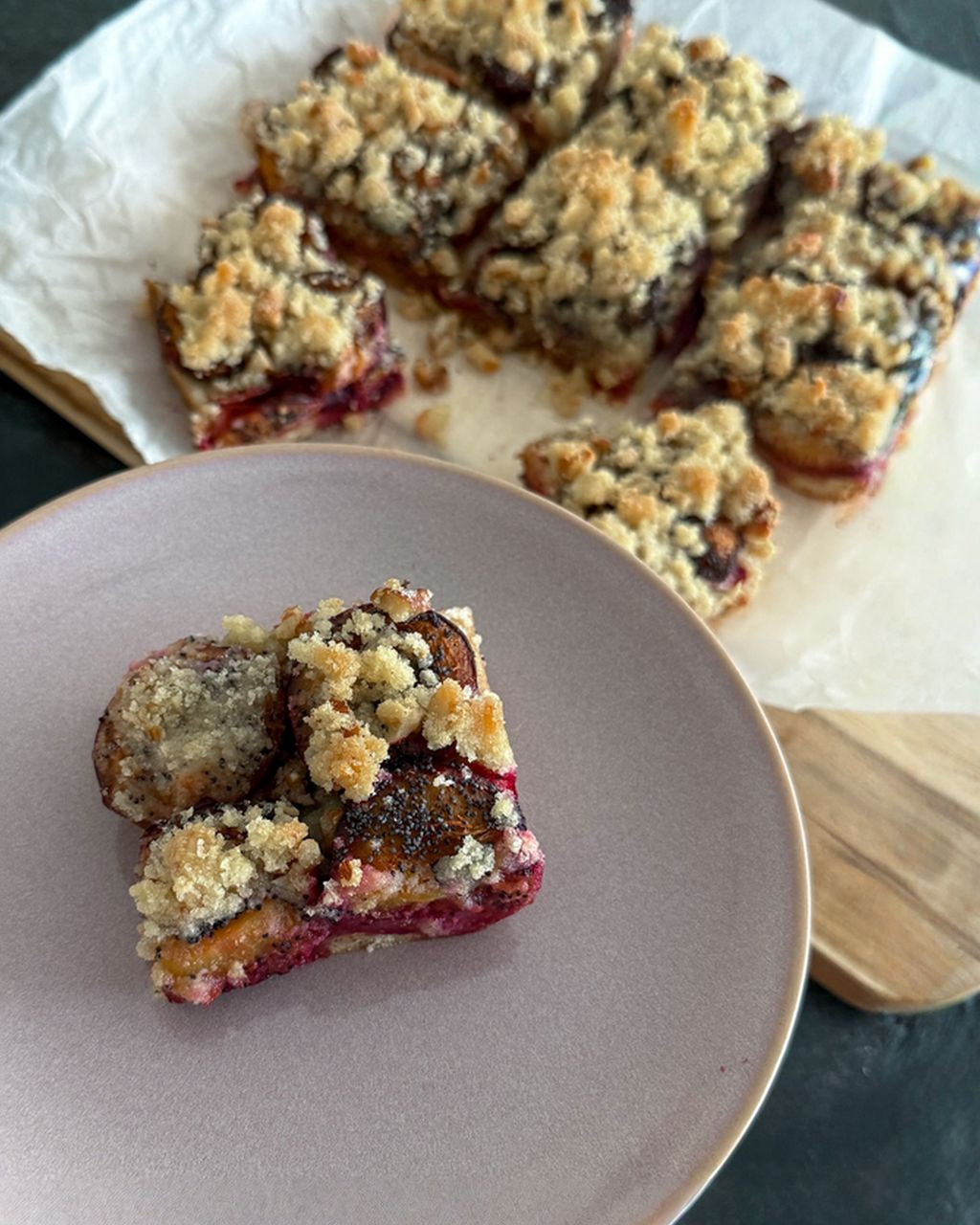
Classic yeasted plum sheet cake with crumble topping
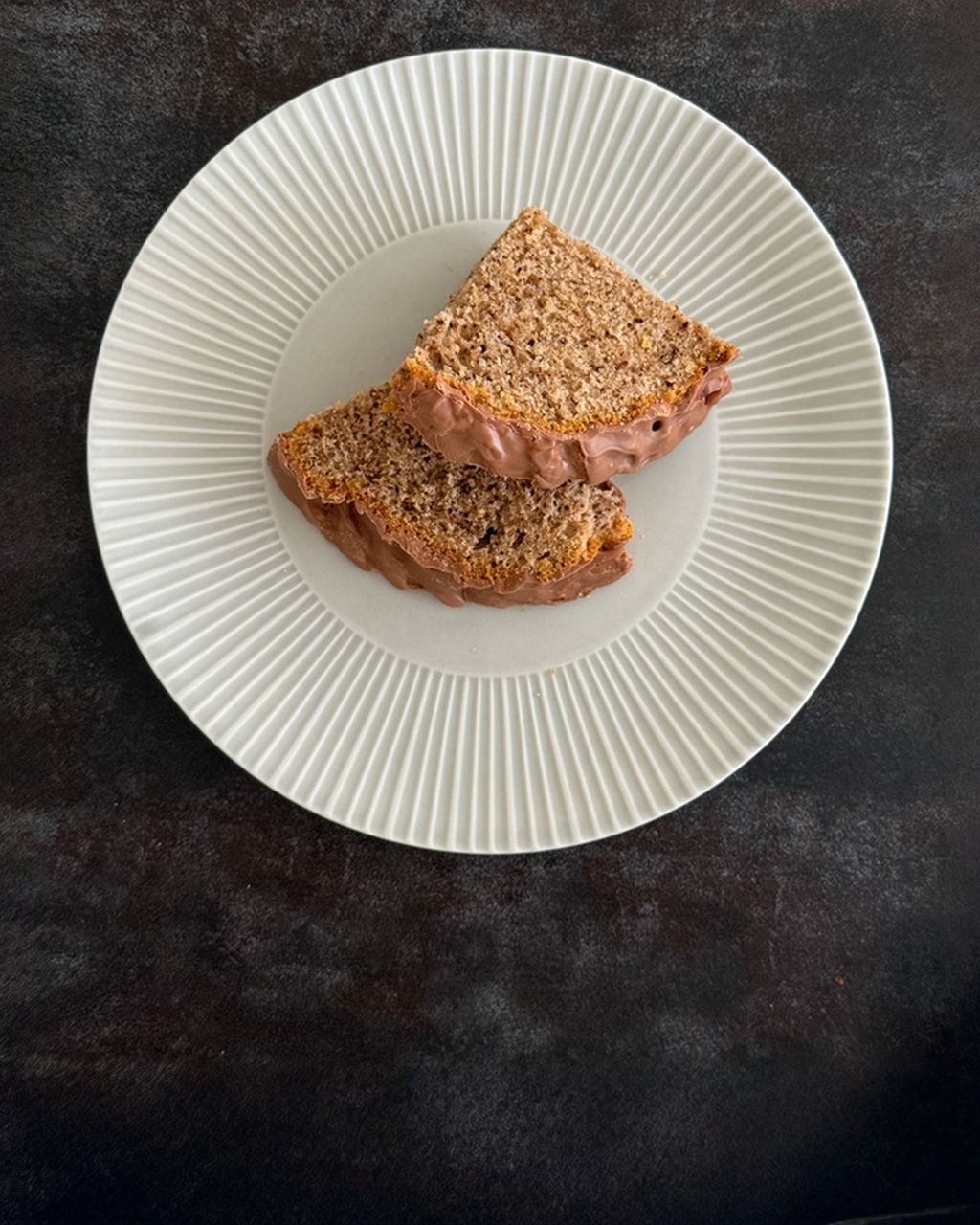
Traditional walnut easter lamb cake with chocolate glaze
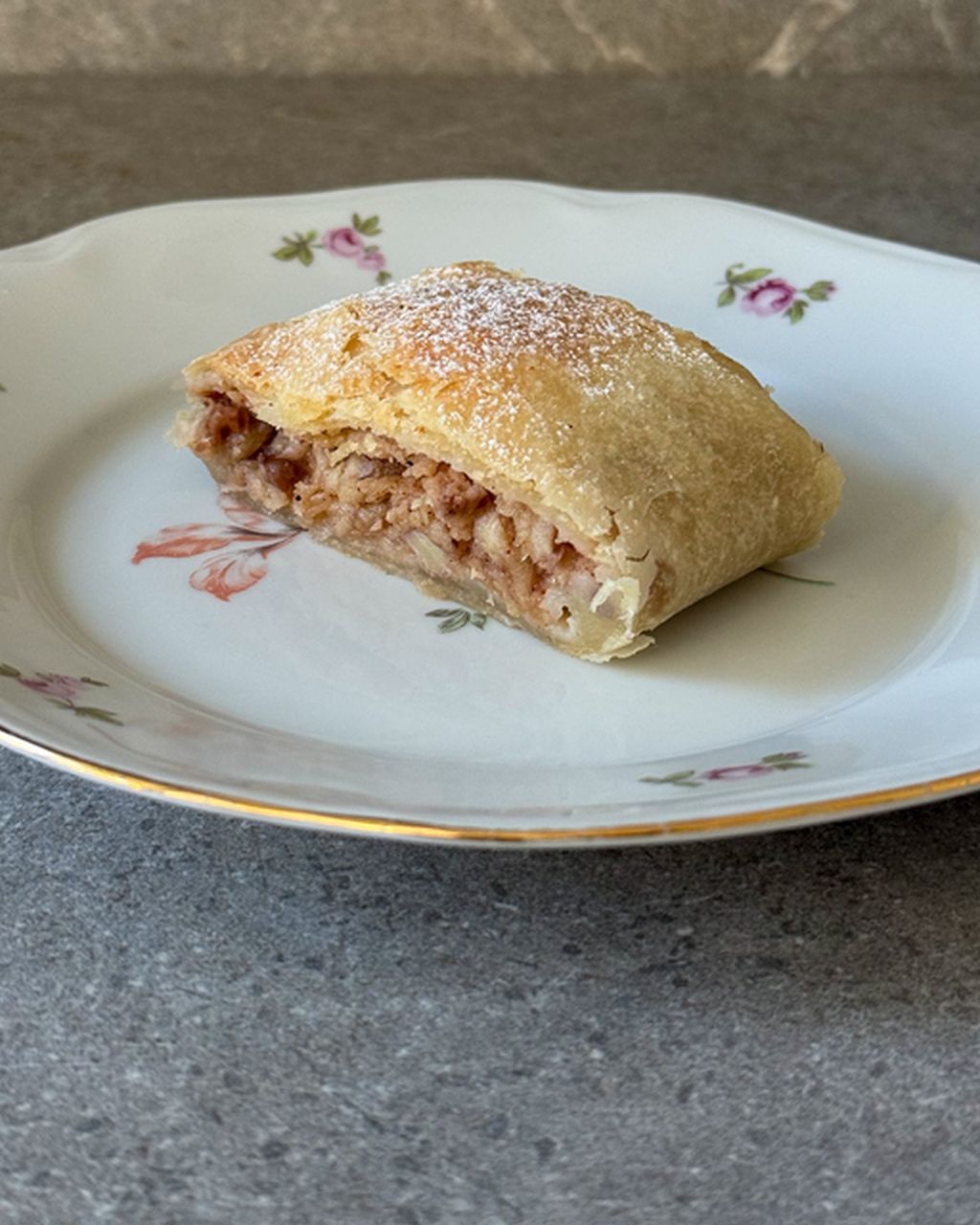
Apple strudel with homemade stretched pastry
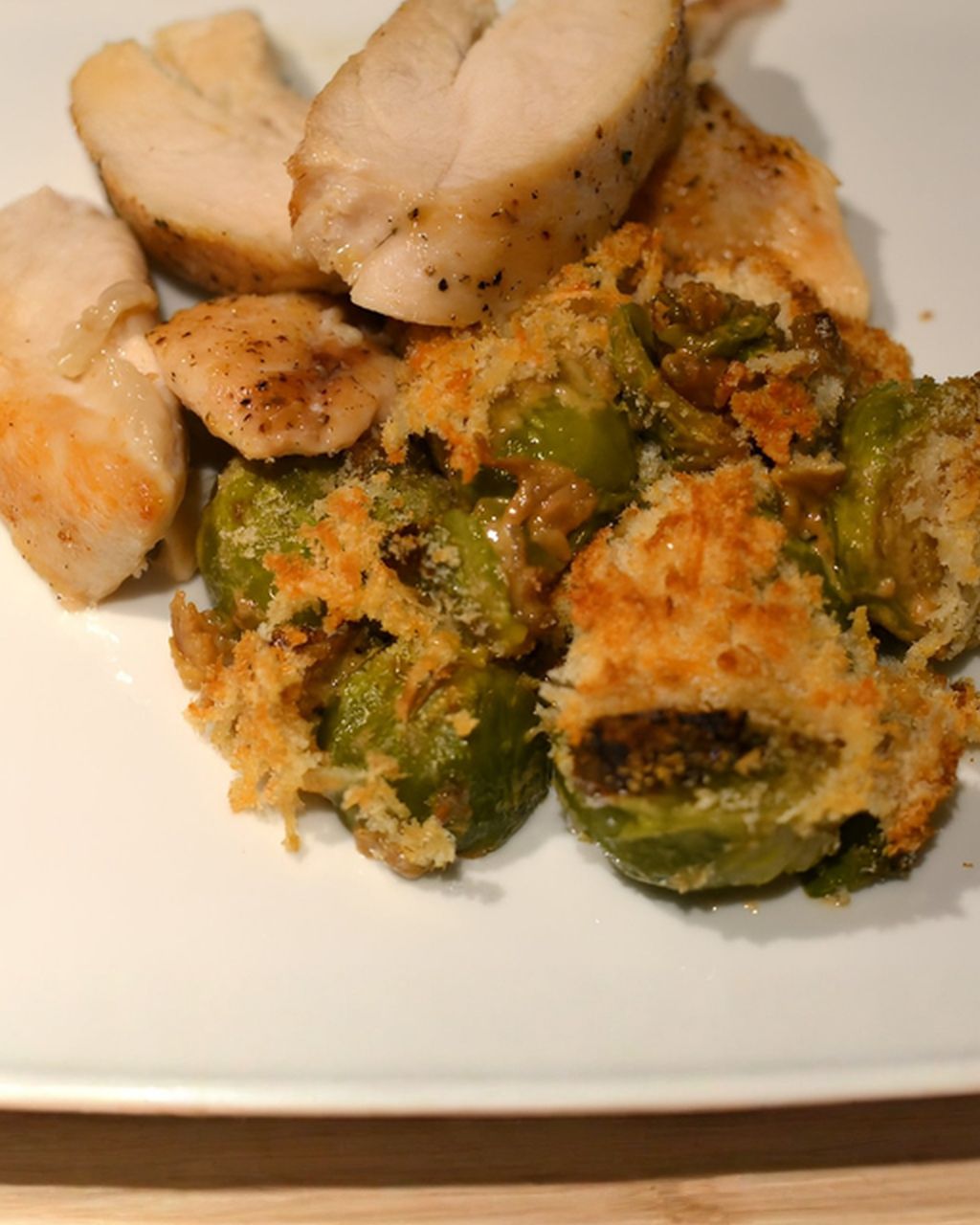
Baked brussels sprouts with walnuts
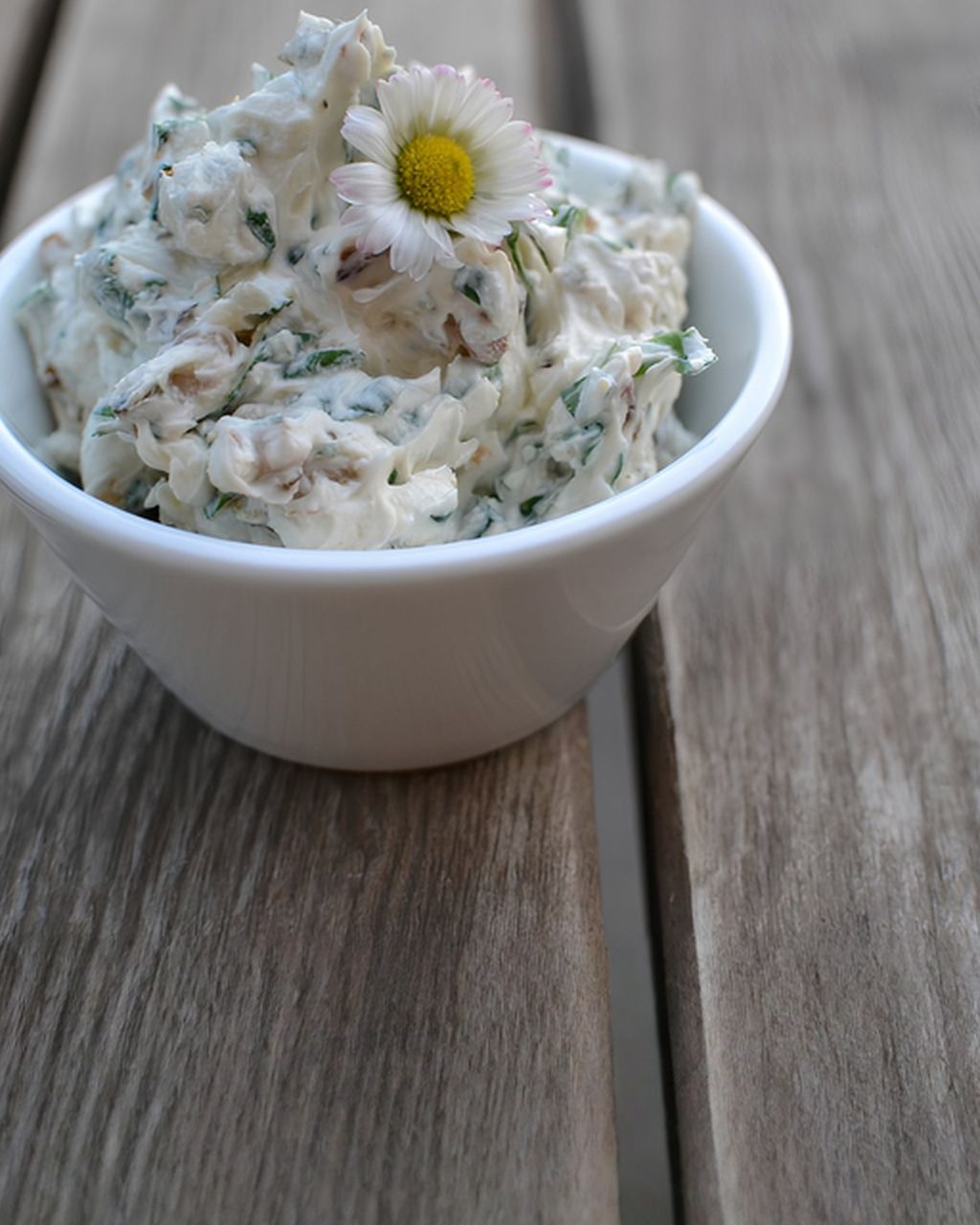
Wild garlic spread
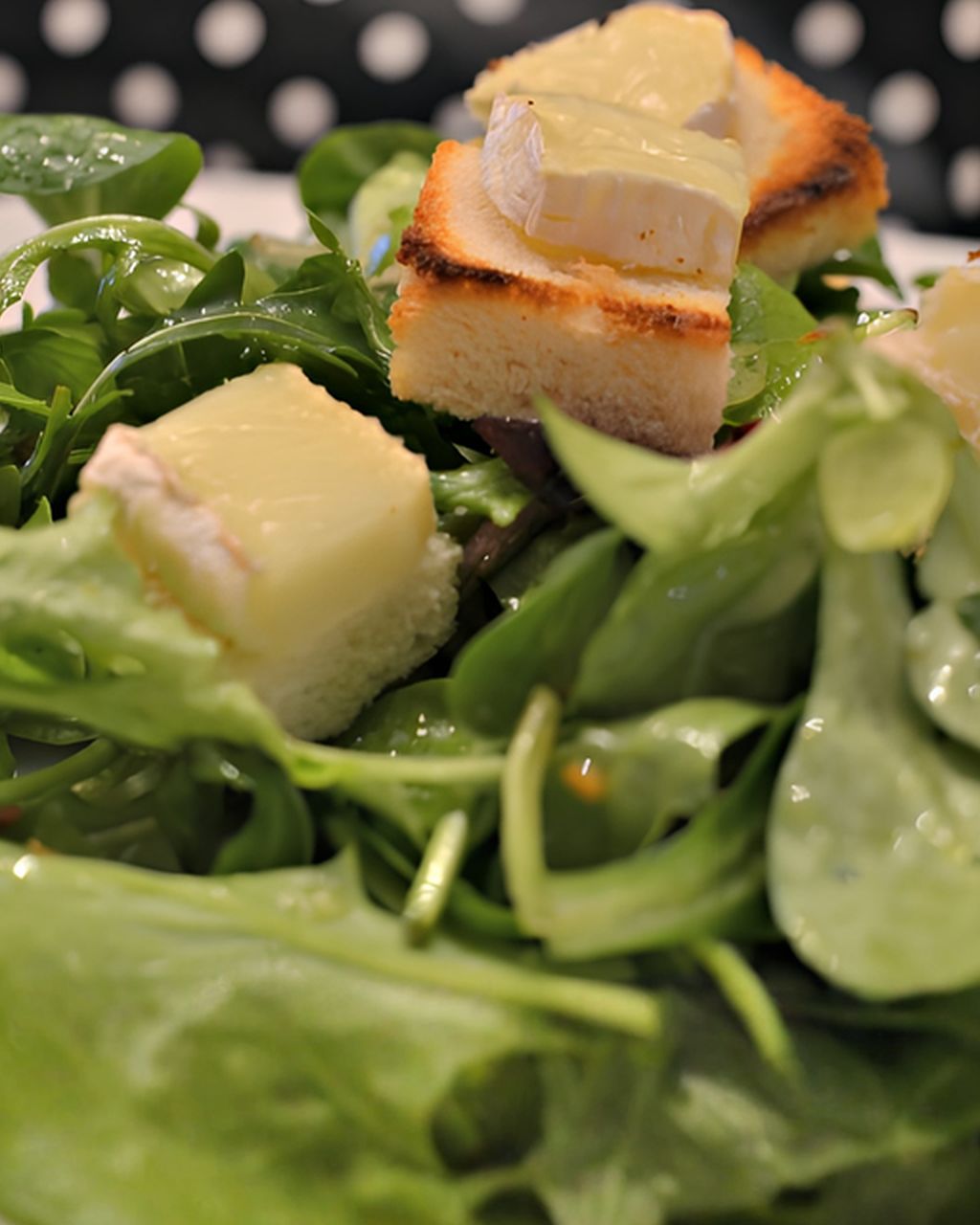
Salad with grilled goat cheese, apple and walnuts
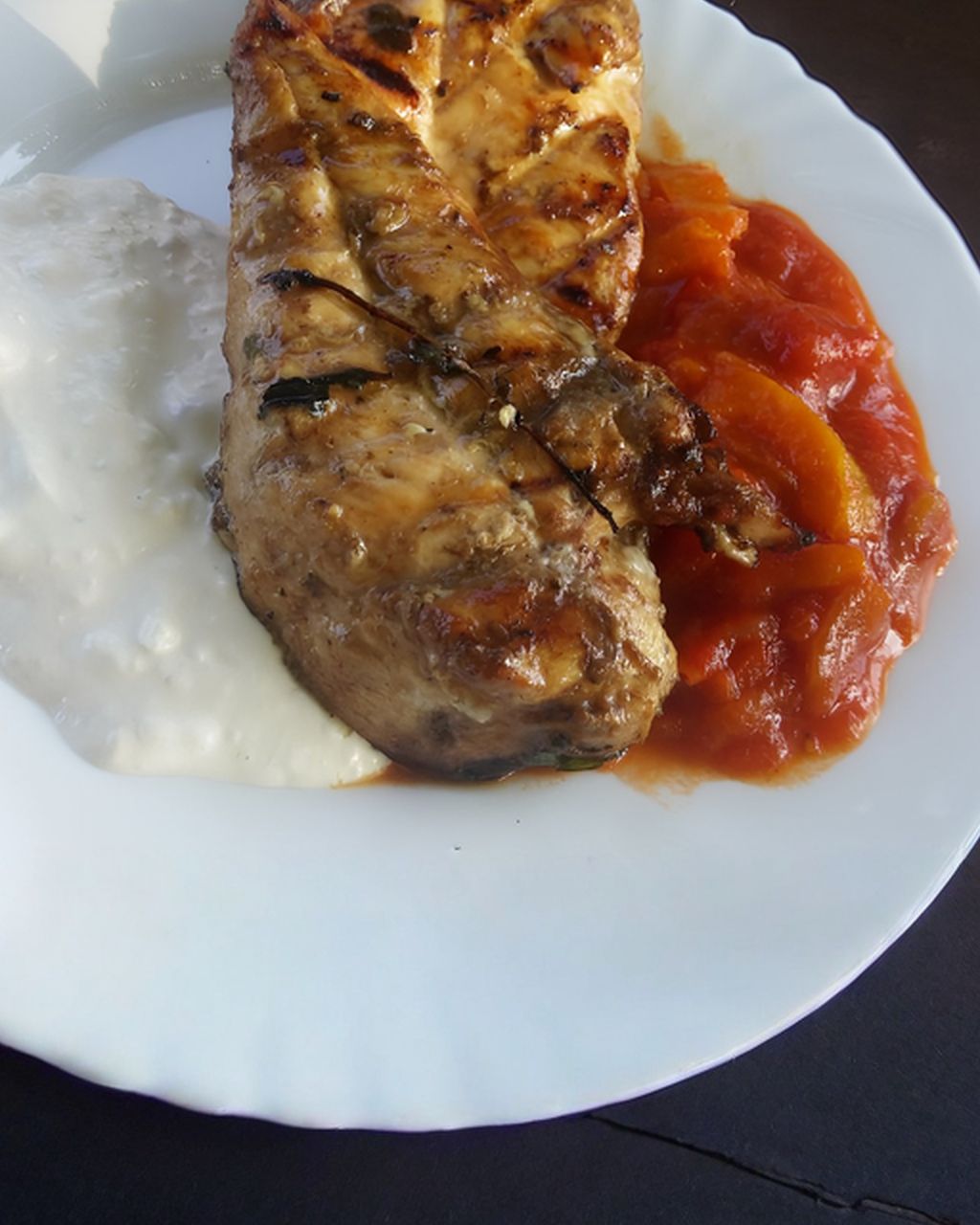
Blue cheese dip with walnuts
Walnuts are the edible seeds of trees in the genus Juglans, most notably Juglans regia, encased in a hard corrugated shell and protected by a green husk at harvest. When offered unsalted, the walnut presents itself in its most candid form, free from sodium’s smoothing influence and therefore truest to its varietal character, oil content, and terroir.
The flavor of unsalted walnuts unfolds with a soft, lactic butteriness on the attack, quickly yielding to a structured bitterness at mid-palate reminiscent of chicory root and walnut leaf. The finish is dry, faintly tannic, and persistent, leaving impressions of wood oil, fresh bark, and a restrained sweetness that emerges only after mastication.
Seasonal baking plans, tested recipes and kitchen tricks that save you time. Unsubscribe in one click.
3 min read
Walnuts express terroir with uncommon clarity for a nut, their oil acting as both flavor carrier and historical record. Persian Or English Walnut (Juglans regia): Cultivated from the Balkans through Central Asia, this variety thrives in calcareous soils and continental climates. Hand-harvested once the green husk splits, its kernels are pale and delicately bitter, with a high oil yield that borders on creamy. Black Walnut (Juglans nigra): Native to North America, often foraged rather than farmed, it grows in rich alluvial soils. The harvest is labor-intensive, requiring mechanical hulling, and the flavor is profoundly assertive, resinous, and almost wild, with a long, musky finish. Chandler Walnut: A modern Californian cultivar, machine-harvested in vast orchards, prized for uniformity and mildness, offering clean sweetness and reduced astringency.
Walnuts occupy a venerable position in culinary history. Ancient era: In classical Greece and Rome, walnuts were associated with fertility and were scattered at weddings; the reading of their brain-like form as a sign of benefit to the head belongs to the later Renaissance doctrine of signatures. Roman authors, including Pliny the Elder, recorded their cultivation and use in sauces thickened with ground nuts and wine. Medieval era: During the Middle Ages, walnuts traveled along monastic and mercantile routes, becoming staples in Lenten cookery and thickening agents in meatless stews across Europe and the Islamic world. Walnut oil was particularly valued where animal fats were forbidden during fasting, though its polyunsaturated character made it quick to turn. Modern era: From the nineteenth century onward, industrial drying and global trade transformed walnuts into a year-round commodity. California emerged as the dominant producer in the United States and a leading exporter — though China now accounts for roughly half of world production — while traditional orchards in France, Italy, and Iran preserved regional identities tied to oil content and bitterness.
The defining characteristic of walnuts is their exceptionally high polyunsaturated fat content, dominated by linoleic acid and including alpha-linolenic acid in a quantity unusual among nuts. This oil is chemically fragile, prone to oxidation when exposed to heat, light, and oxygen. The bitterness often noted in unsalted walnuts arises from phenolic compounds concentrated in the pellicle. Proper storage slows oxidative rancidity and preserves both flavour and nutritional value.
Ethical walnut sourcing increasingly centers on water use, labor practices, and biodiversity. Large-scale orchards demand significant irrigation, while traditional mixed orchards support soil health and wildlife. Choosing walnuts from producers that prioritize water efficiency and fair labor supports a more resilient nut economy.