- Season
- Year-round
- Price
- Medium
Calories and nutrition per 100 g
- 125 kcal
- 21.6 g protein
- 3.9 g fat
- 0 g carbs
Pork Tenderloin
Pork tenderloin (vepřová panenka in Czech, also called pork fillet) is a long, narrow muscle from the loin area of the pig and the most tender, leanest cut of pork. It usually weighs 250–700 g, is roasted briefly at high heat, and is done at 63 °C in the centre plus a 3-minute rest, or cooked through at 70 °C.
Do not leave it out of the fridge for more than 2 hours. Taking it out 20–30 minutes before cooking is enough.
Keep raw tenderloin at 0–4 °C on the bottom shelf, on a plate or in a closed container so it does not sit in its own juices. Cook a whole piece from the counter within 3–5 days, medallions within 2–3 days. Vacuum-packed tenderloin keeps until the use-by date, and once opened like counter meat. Cooked tenderloin keeps for 3–4 days.
Wrapped airtight, it keeps its best quality for 4–6 months at −18 °C. Freeze it as soon as you know you will not cook it in time. Thaw it in the fridge overnight and cook within 1–2 days.
Look for pale pink to pinkish-red tenderloin, moist but not wet or slimy, with fine grain and a thin silvery membrane along one side. Pick a piece of as even a thickness as possible. Vacuum-packed tenderloin is often darker and turns pink within minutes of opening, which is normal. Skip greyish pieces, any with a sour smell and packs sitting in a lot of liquid.
Boneless pork loin: a larger, wider cut from the back, also lean, but it roasts longer; check doneness with a thermometer in the same way.
Veal tenderloin is even more delicate and pricier. Chicken or turkey breast is similarly lean but must reach at least 70 °C in the centre.
Trim off the silverskin: slide a thin knife under it and run the blade along it angled slightly upwards so you do not take meat with it. Left on, it shrinks in the oven and makes the tenderloin curl. Tuck the thin end under and tie it with string so the piece has an even thickness and cooks evenly. Pat the meat dry and salt it just before searing, or several hours ahead, left uncovered in the fridge.
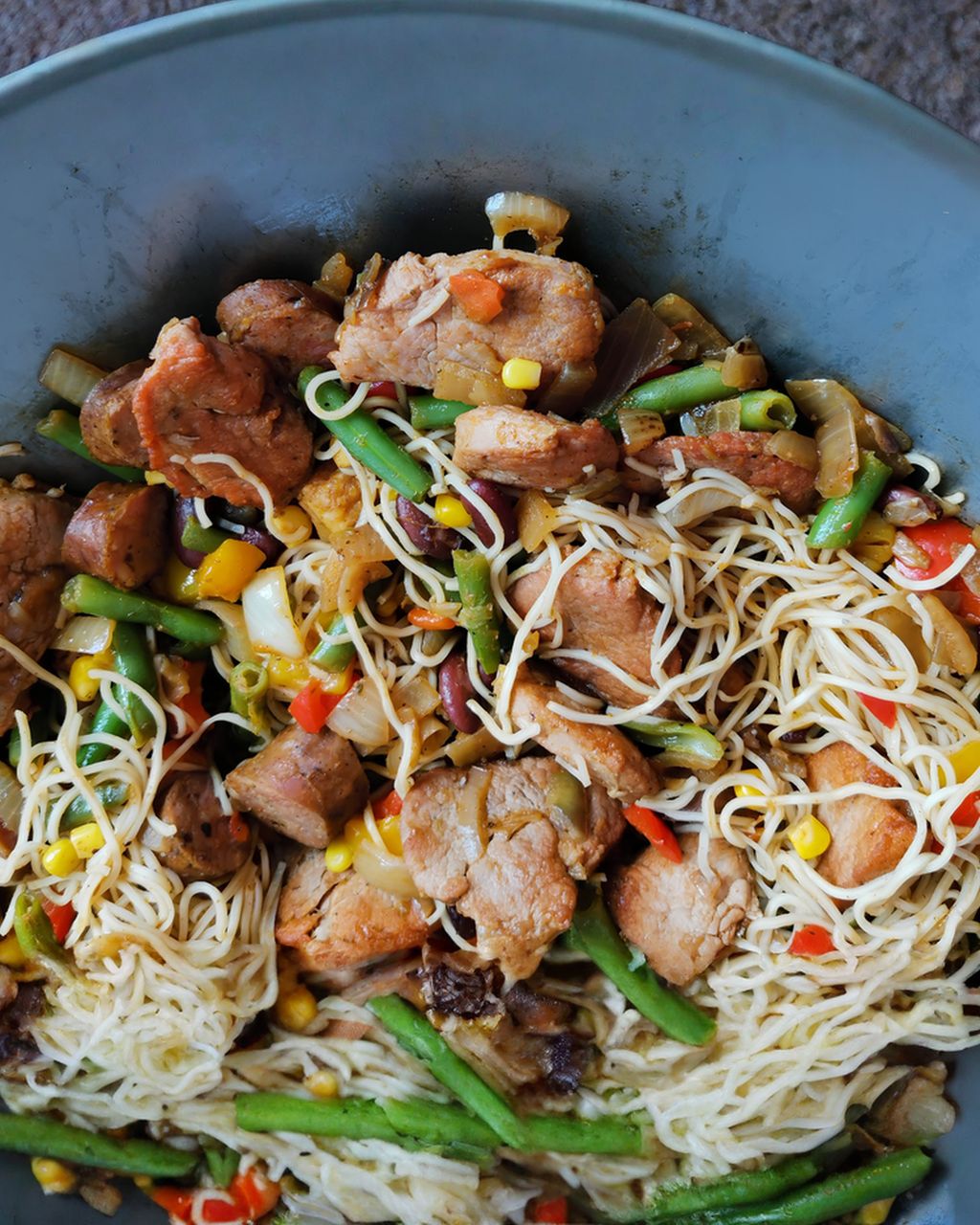
Slice the thin end and trimmings into strips for a stir-fry or a quick ragù. Slice leftover roast tenderloin thinly for sandwiches or salads; it keeps for 3–4 days in the fridge.
Roughly what one measure weighs, scooped the way you normally would in the kitchen.
In the oven: sear the tenderloin on all sides in a pan, then finish it at 220–230 °C, roughly 20–27 minutes depending on thickness. In a pan: brown medallions on both sides, then finish over lower heat to the target temperature. On the grill: over direct heat, turning until it reaches the target temperature inside. It is done at 63 °C in the centre plus a 3-minute rest (USDA/FSIS), or cooked through at 70 °C for 2 minutes, the usual Czech standard. Long braising does not suit it; the lean meat dries out.
Pork tenderloin is the psoas major muscle, which runs along the underside of the lumbar spine, below the loin. The pig barely uses it, so it has fine fibres and very little connective tissue or fat. Each pig yields two tenderloins. Czech shops also call it vepřová svíčková or panenská svíčková; the beef equivalent is beef tenderloin (fillet). It is sold whole, often vacuum-packed, or cut into medallions.
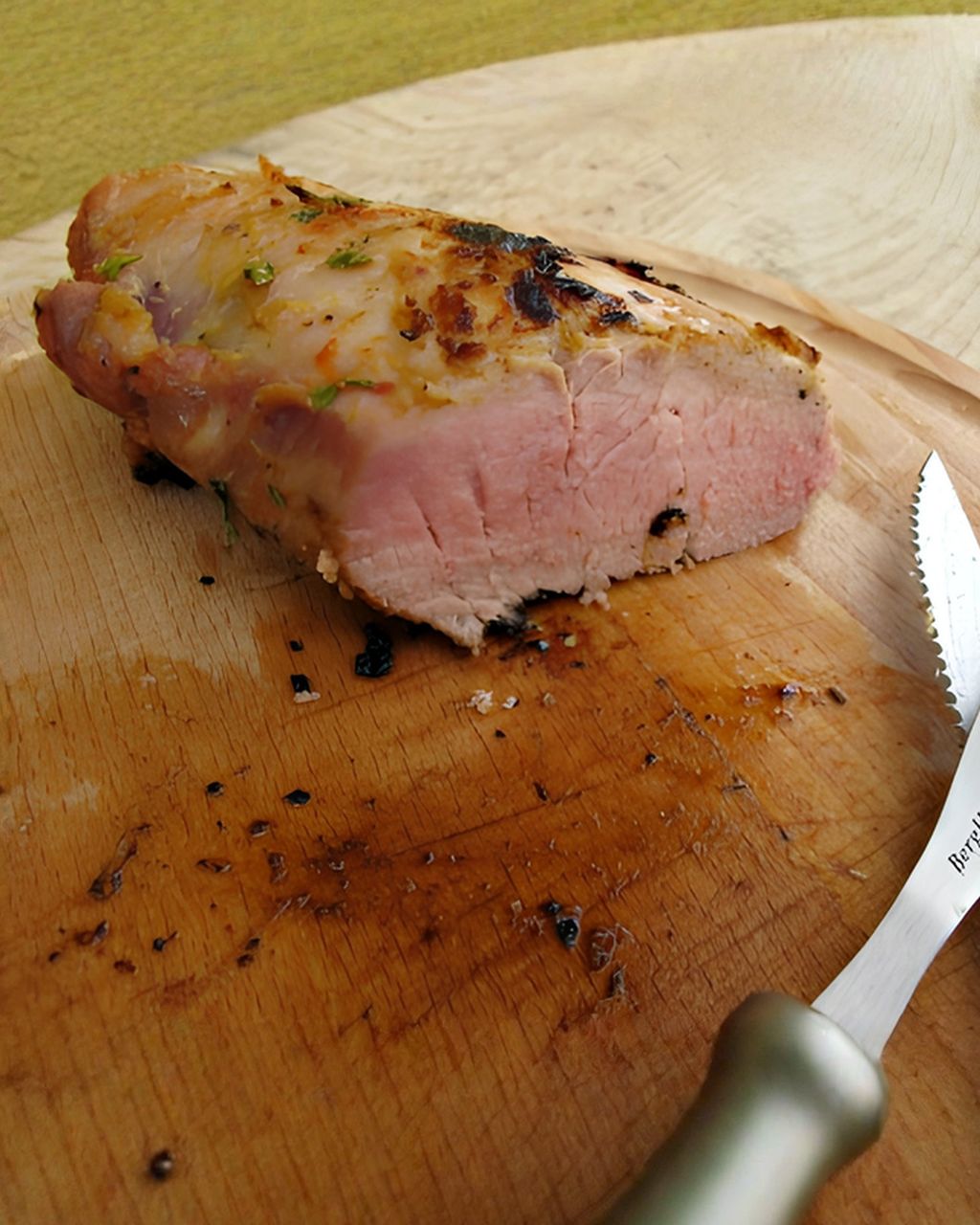
A mild, clean, slightly sweet pork flavour with little fat. At 63 °C it is juicy and faintly pink inside, at 70 °C cooked through and still tender; overcooked it dries out fast and turns stringy.
Seasonal baking plans, tested recipes and kitchen tricks that save you time. Unsubscribe in one click.
2 min read
Tenderloin is the psoas major muscle. It runs along the underside of the lumbar spine, on the opposite side of the vertebrae from the loin, and each pig has two. It is long and narrow and tapers at one end; it usually weighs 250–700 g. Because it barely works, it is the most tender of all pork cuts.
Pork loin is the large muscle on the back above the vertebrae. It is wider, weighs a kilo or more and takes longer to roast; chops and schnitzels are cut from it. Pork neck is marbled and suits slow roasting. For an overview of all the cuts, see our guide to cuts of pork.
Tenderloin is roasted briefly at high heat: according to the USDA/FSIS tables at 220–230 °C, roughly 20–27 minutes for a 250–700 g piece. Treat the time as a guide only; the core temperature decides. Push the thermometer into the middle of the thickest part.
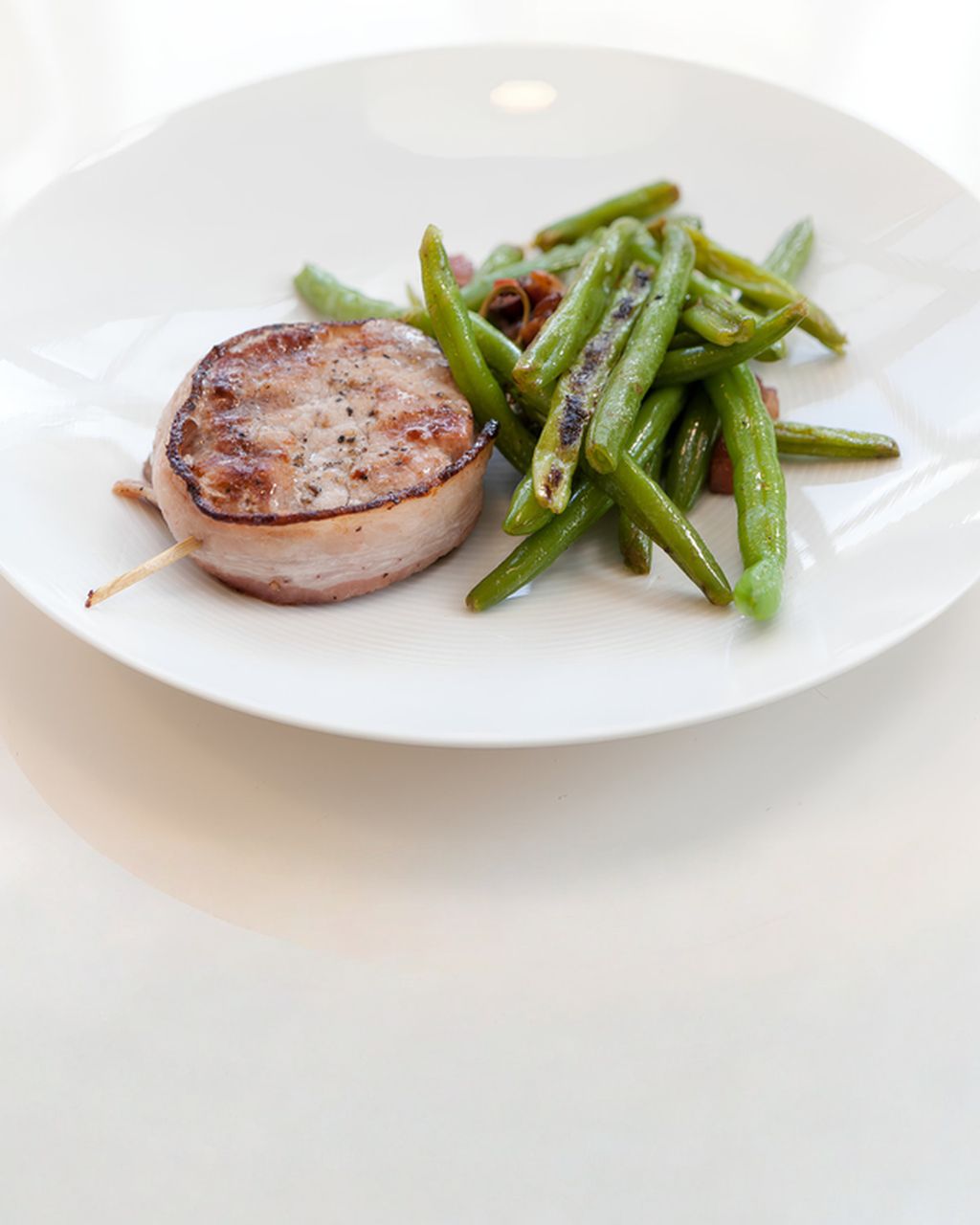
The US USDA/FSIS gives a minimum of 63 °C for whole cuts of pork followed by a 3-minute rest; the tenderloin is then faintly pink and juicy inside. In Czechia pork is usually cooked to 70 °C for 2 minutes, which is also the UK Food Standards Agency figure. Cook stuffed or rolled tenderloin until the centre of the stuffing also reaches 70 °C. Bacon-wrapped tenderloin takes longer because the bacon insulates it. More temperatures and times are in our guide to roast pork in the oven.
Tenderloin has no fat to protect it, so every extra minute dries it out. Take it out of the oven as soon as it reaches the target temperature and let it rest under loosely laid foil for 3–5 minutes; a thin piece barely carries over, so pull it right at the target. Slice it only then, across the grain.
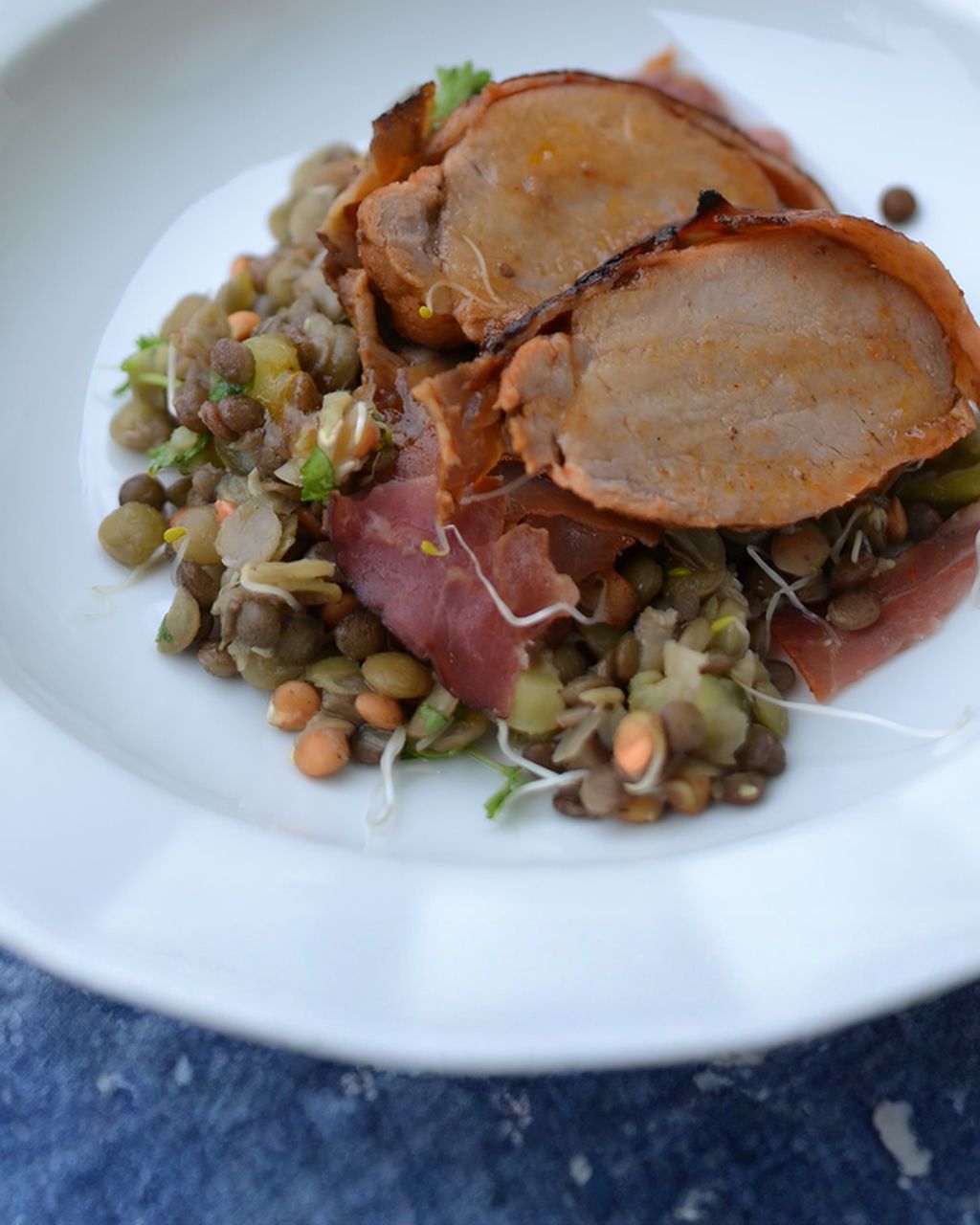
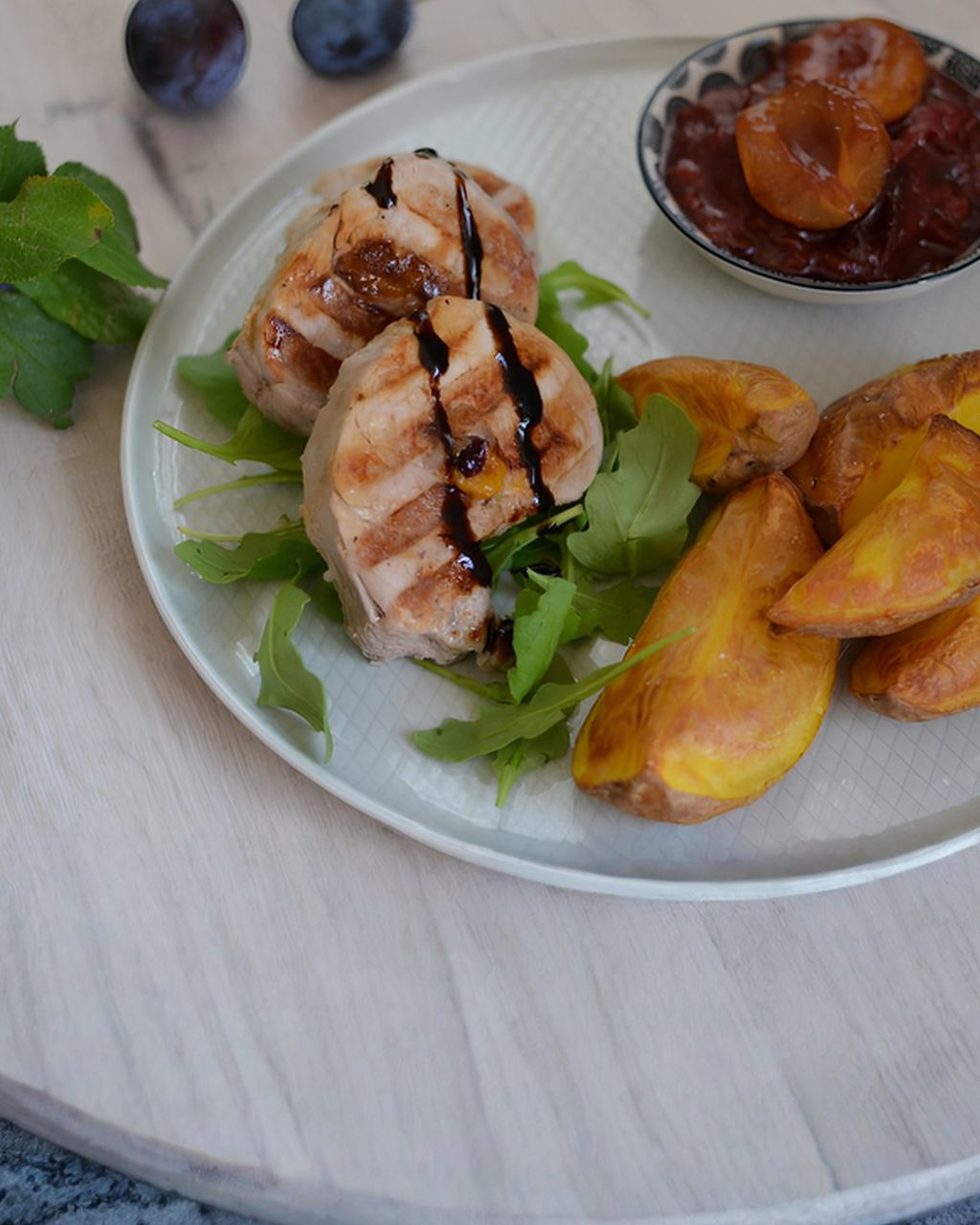
It handles a bold marinade well: try grilled pork tenderloin in mustard marinade, or pork tenderloin with plums and streaky bacon. Leftover roast tenderloin works in a lentil salad with pork tenderloin.
A whole raw tenderloin keeps for 3–5 days in the fridge at 0–4 °C, medallions for 2–3 days. Vacuum-packed tenderloin keeps until the use-by date on the pack; once opened, the same times as for counter meat apply. Frozen, it keeps its best quality for 4–6 months; thaw it in the fridge. Cooked tenderloin keeps for 3–4 days in the fridge.
According to the USDA database, raw pork tenderloin has roughly 110–120 kcal per 100 g, about 21 g protein and 2–3.5 g fat, depending on how much fat is left on. Roasted, it loses water and comes to about 145 kcal and 26 g protein per 100 g. It is one of the leanest meats, similar to skinless chicken breast.