- Season
- Year-round
- Price
- Low
Calories and nutrition per 100 g
- 139 kcal
- 9.3 g protein
- 9.8 g fat
- 3.5 g carbs
Full-Fat Curd Cheese
Full-fat tvaroh is a fresh, unripened Czech curd cheese made from cow's milk and cream and set mainly by lactic acid. It is sold as "tvaroh tučný": under Czech Decree 397/2016 it has at least 38 % fat in dry matter, which works out at about 9 g fat per 100 g of the product.
Do not keep it at room temperature. Take it out only while you work with it, and do not leave spreads or unbaked creams made from it out of the fridge for more than 2 hours.
Keep it in the fridge at 2–8 °C, as Czech rules require for dairy products, and use it by the use-by date. Makers usually print "consume immediately after opening". Wrap the rest or put it in a closed container and use it within 2 days at most. Pour off any whey that separates, or stir it back in.
It handles freezing better than any other fresh cheese. Freeze it in the unopened pack or a container and use within 2–3 months. Thaw in the fridge, pour off the water and stir. Thawed tvaroh is grainier, so use it for baking, dumplings or baked fillings, not for unbaked creams.
Look for "tvaroh tučný" and 38 % fat in dry matter on the pack. Milk, cream and a dairy culture are all it needs. A product with starch, thickeners or vegetable fat is not tvaroh and behaves differently in recipes. For fillings that must hold their shape, buy the firmer block; for creams and spreads, the smoother tub. The pack should be intact and not domed, with the latest use-by date you can find.
Another full-fat acid-set curd cheese or quark of similar fat, such as German quark with 40 % fat in dry matter or Polish twaróg tłusty. Drain softer quark before baking.
Semi-fat tvaroh with a spoonful of cream or butter per 250 g, or well-drained ricotta. Cottage cheese works if drained and blended, but it is salty.
For a filling, mash it with a fork or push it through a sieve so it is not lumpy, then mix in egg yolk, sugar, vanilla and lemon zest. Drain soft tub tvaroh for a few hours in a cloth-lined sieve, or thicken the filling with a spoonful of semolina or custard powder. For a spread, beat it with butter, salt and herbs or garlic. Always bake fillings with raw egg through.
The whey from the pack can go into bread dough, pancake batter or a smoothie. Beat a small leftover with salt and chives into a spread, or stir it into pancake batter.
Roughly what one measure weighs, scooped the way you normally would in the kitchen.
Mainly baking: fillings for yeasted buns and kolaches, frgál and strudel, curd cheese bundt cake, tarts and cheesecake. Tvaroh dough makes boiled curd cheese dumplings and fruit dumplings, and it goes into baked puddings and quick curd cheese pastry. Raw, it is eaten in spreads and creams. Bake fillings with raw egg until set and hot all the way through.
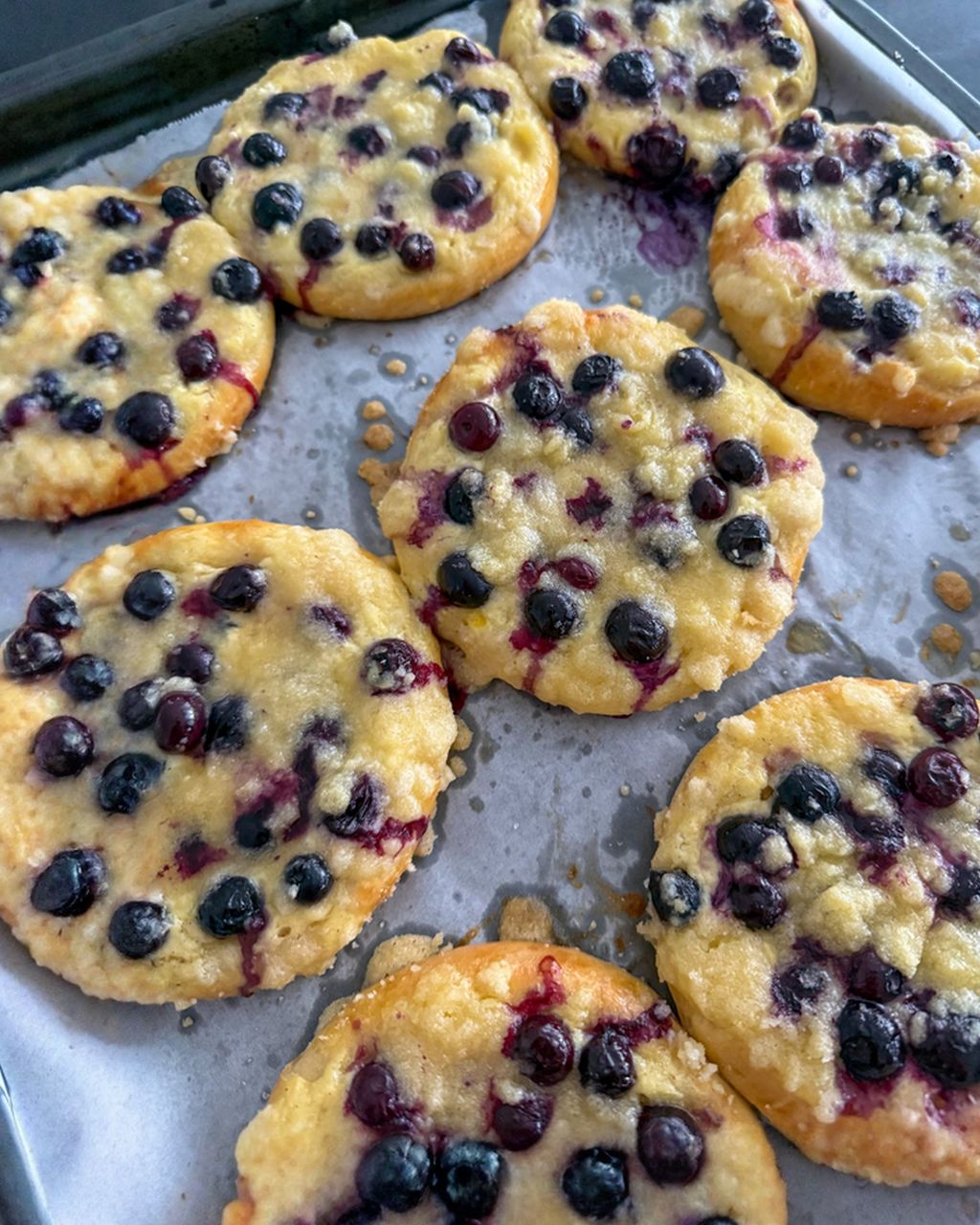
Yeasted blueberry buns with curd cheese and crumble
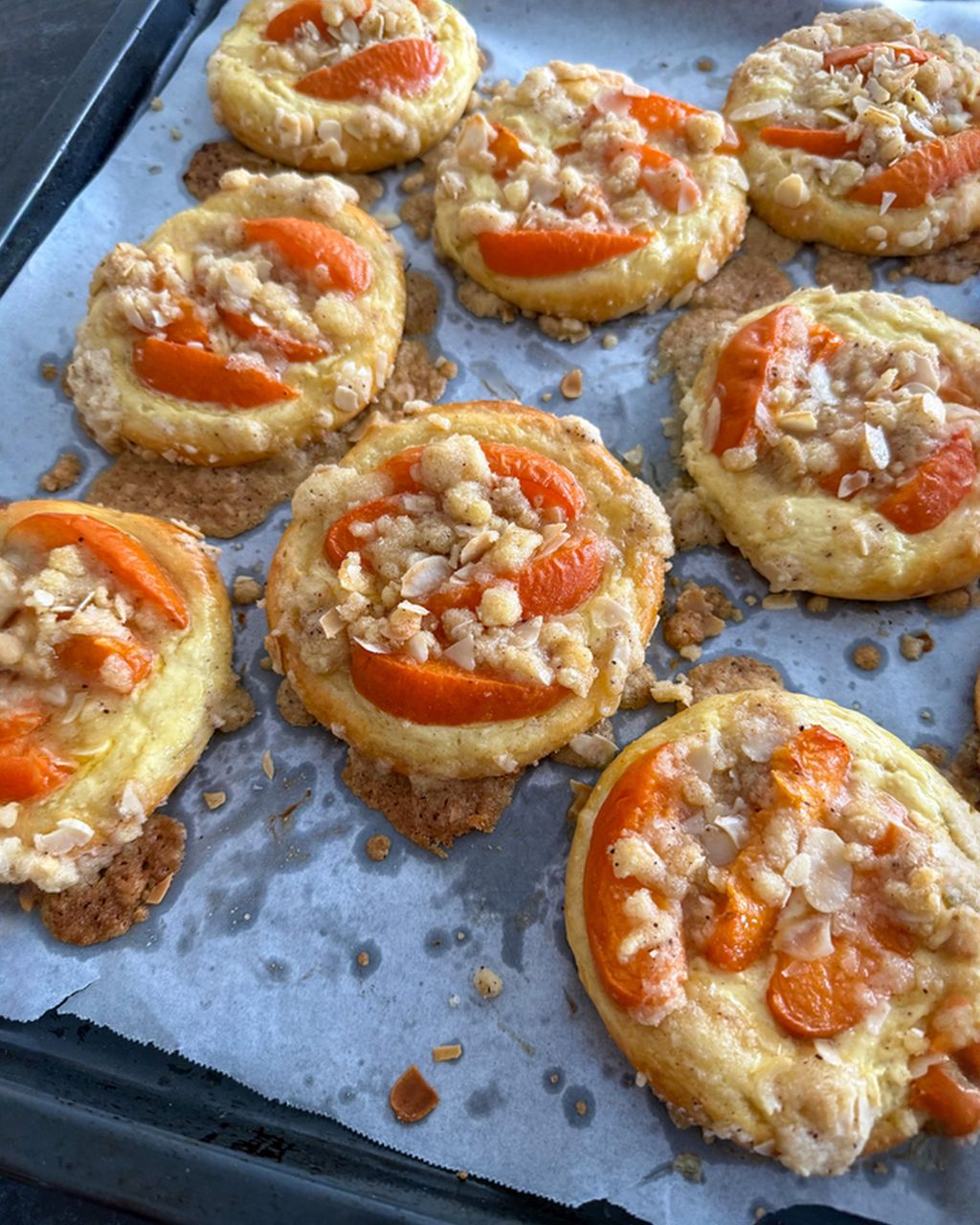
Apricot kolaches with curd cheese filling and almond crumble
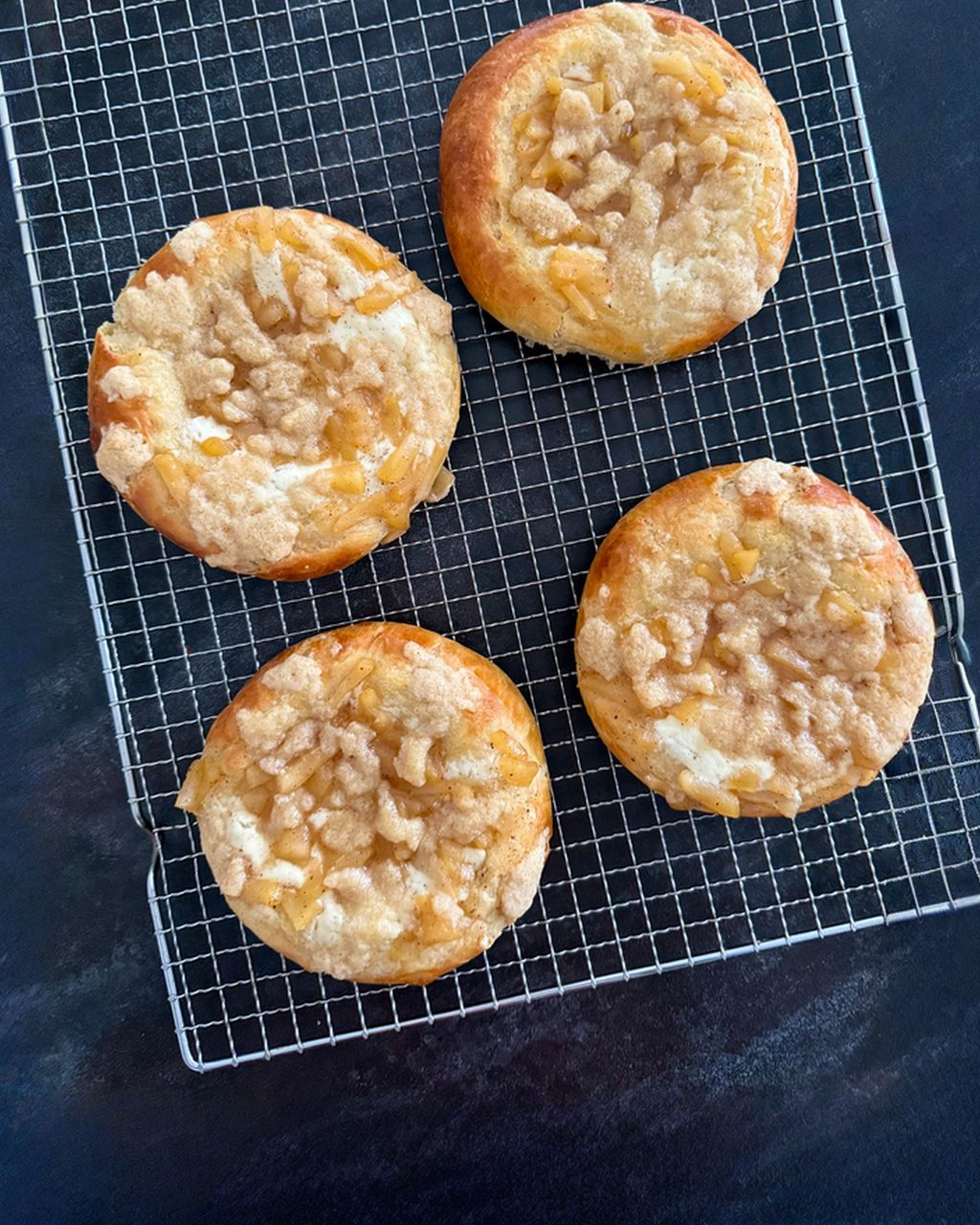
Yeasted apple buns with curd cheese and crumble topping
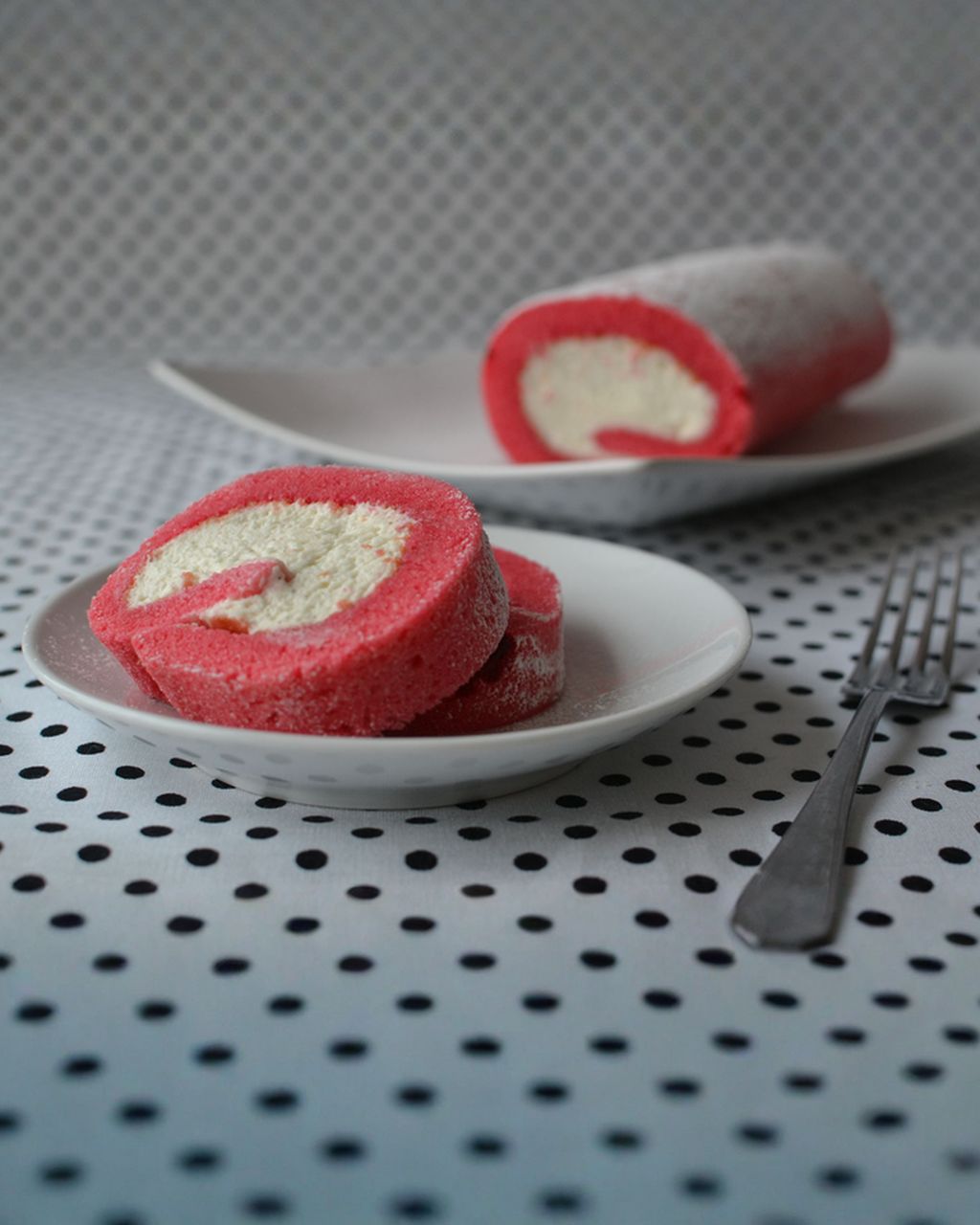
Fluffy pink swiss roll with quark cream filling
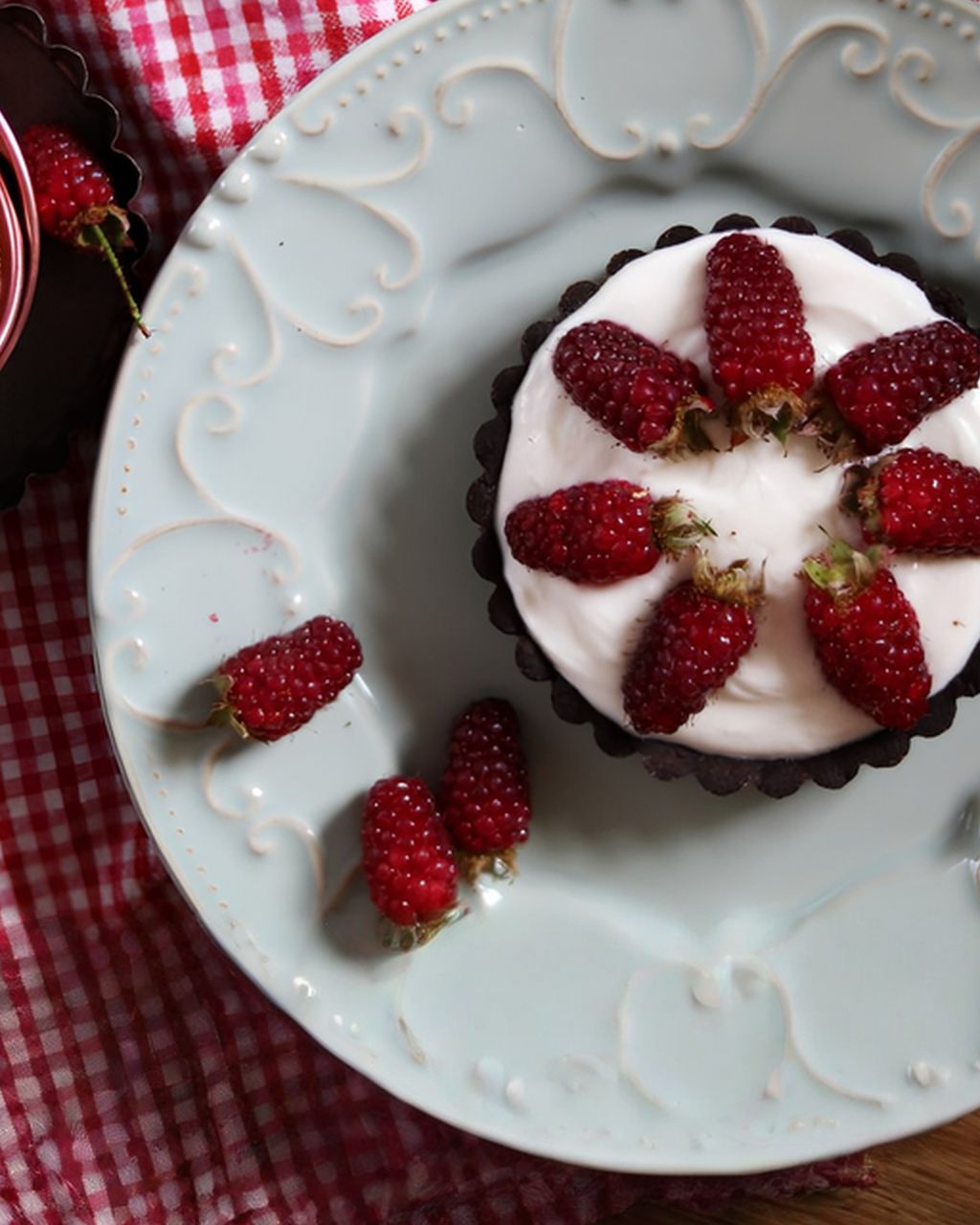
Tartlets with ricotta and curd cheese cream
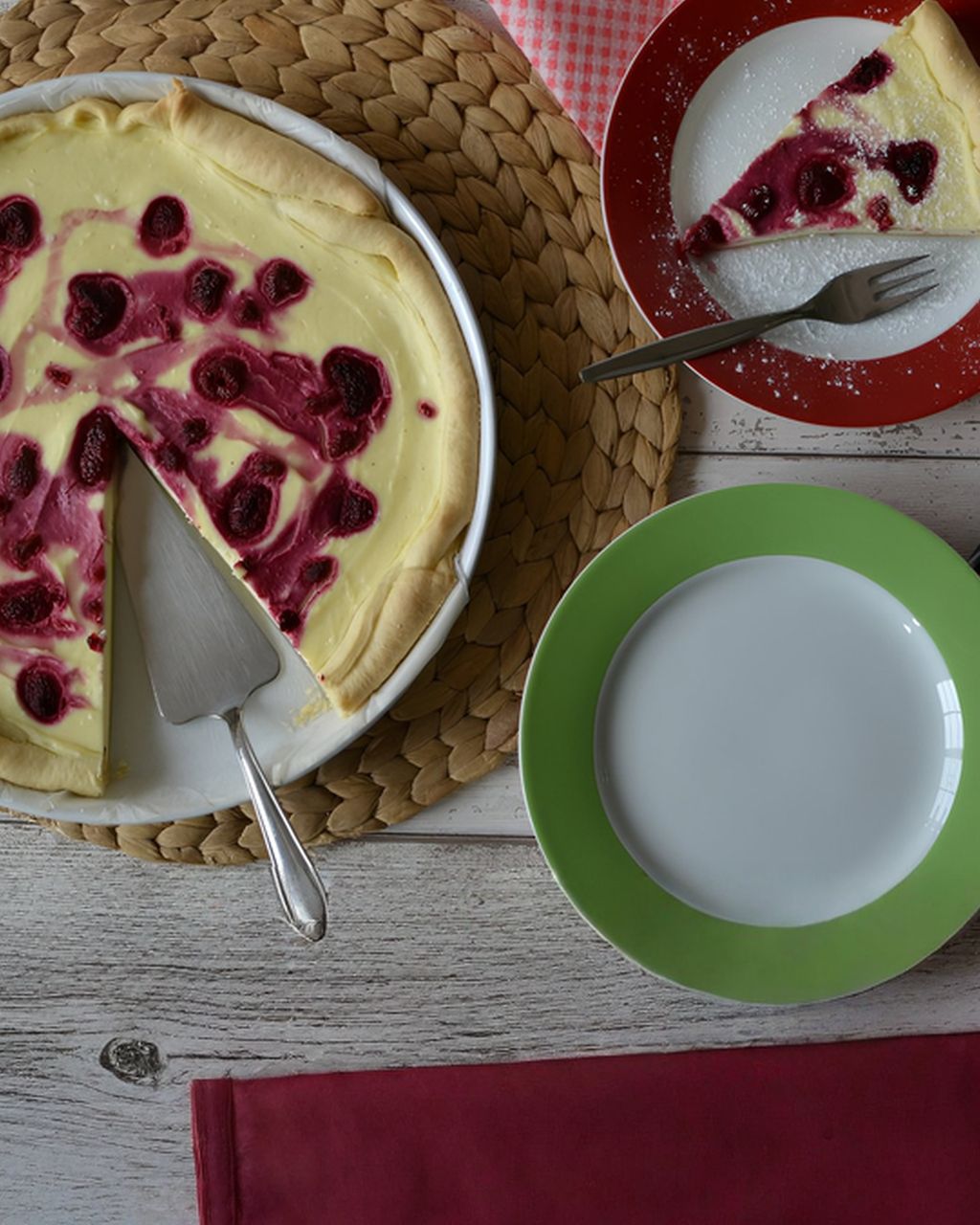
Easy & quick raspberry cheesecake tart
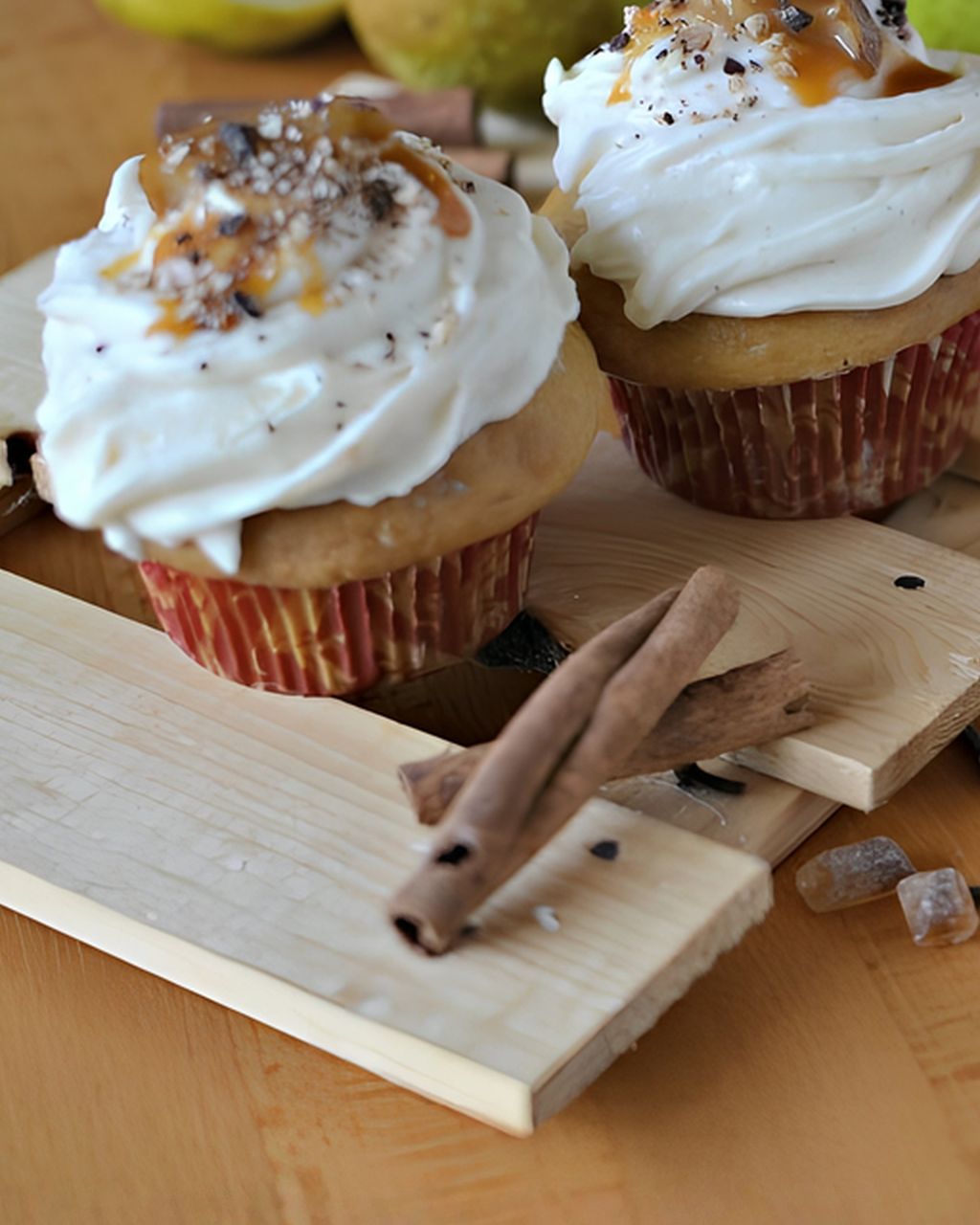
Roasted pear cupcakes with quark frosting
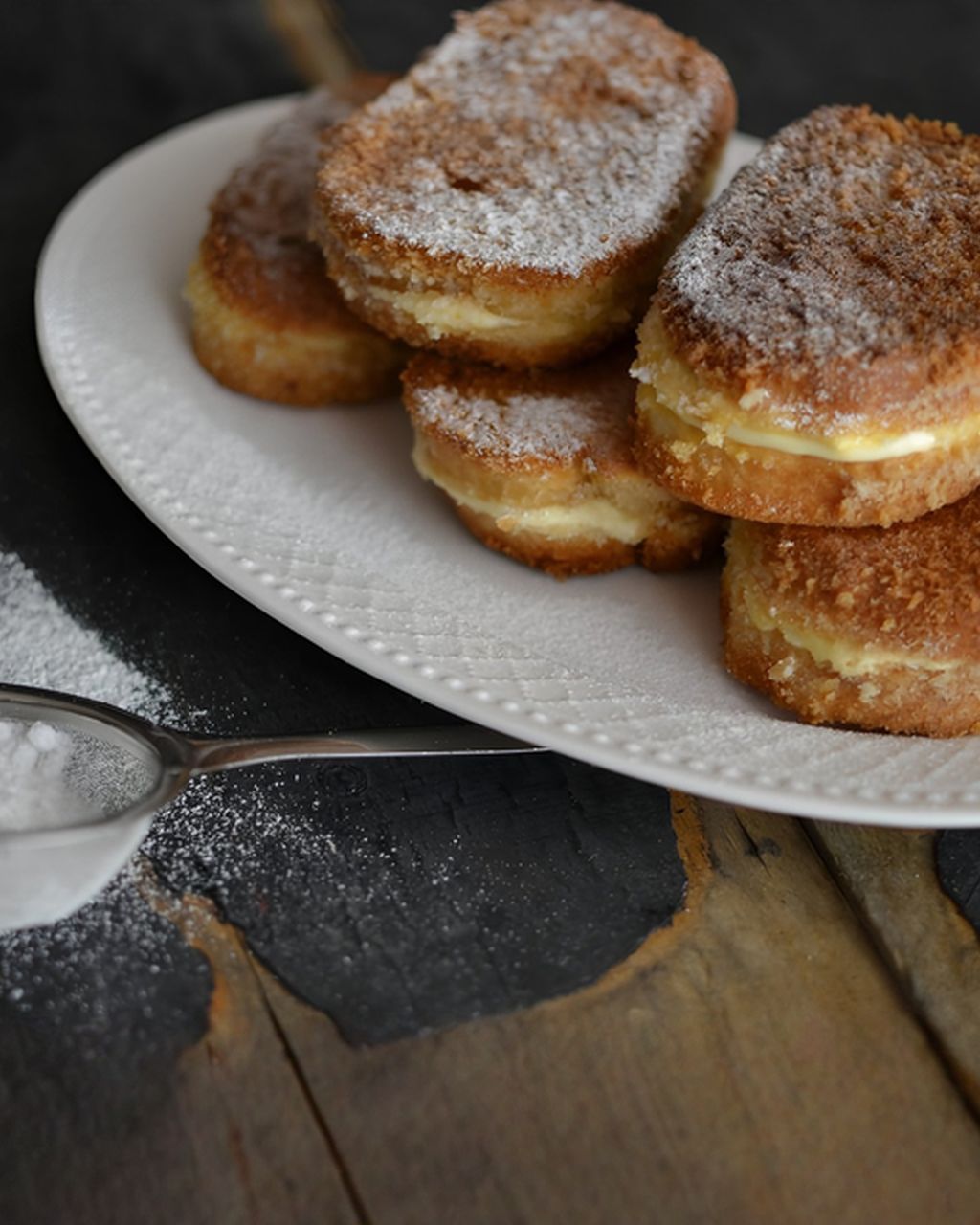
Fried bread sandwiches with sweet curd cheese
Full-fat tvaroh is a fresh, unripened Czech curd cheese made from cow's milk and cream and set mainly by lactic acid. It is sold as "tvaroh tučný": under Czech Decree 397/2016 it has at least 38 % fat in dry matter, which works out at about 9 g fat per 100 g of the product. The decree defines tvaroh as an unripened cheese obtained by acid coagulation, or one in which acid coagulation predominates over rennet. A starter culture is added to pasteurised milk, the curd is separated from the whey, and for the full-fat grade cream is mixed back in. It is sold chilled, usually in 250 g foil-wrapped blocks or tubs, and in Czech cooking it fills buns and kolaches, makes curd cheese dumplings and goes into spreads.
Clean, milky taste with a gentle tang. The cream makes it fuller and less sharp than semi-fat or skimmed tvaroh. It is unsalted and has none of the notes of a ripened cheese. Moist, crumbly and creamy in the mouth, it takes sugar, vanilla, lemon zest, garlic, chives and salt equally well.
Seasonal baking plans, tested recipes and kitchen tricks that save you time. Unsubscribe in one click.
3 min read
Czech Decree 397/2016 grades tvaroh by fat in dry matter, meaning in what is left once the water is removed. That is why the figure on the pack is higher than the actual fat in the product.
At least 38 % fat in dry matter. Shops also call it plnotučný. Madeta states 9 g fat per 100 g for its full-fat tvaroh. It is the creamiest grade and gives the moistest fillings.
15–25 % fat in dry matter, about 4–5 g fat per 100 g in the product. The most common all-round tvaroh for baking and spreads.
At most 15 % fat in dry matter.
At most 5 % fat in dry matter, so both soft and hard tvaroh count as skimmed under the decree. Hard tvaroh is pressed and drier and is grated over noodles or dumplings.
Foil-wrapped block tvaroh is firmer and drier and better for fillings. Tub tvaroh is smoother and wetter, better for creams and spreads. Flavoured tvaroh desserts are sweetened products and cannot replace tvaroh in recipes.
Tvaroh is a fine, crumbly mass with no salt and no cream dressing. Czech law defines it by predominant acid coagulation and grades it by fat in dry matter.
Cottage cheese is separate, washed curds in cream, lightly salted. It is mostly eaten as it is; in fillings it weeps and the curds need blending.
Quark is the German relative of tvaroh. It is usually smoother and spoonable and is sold by fat in dry matter, for example Magerquark (skimmed) or quark with 40 % fat in dry matter. For Czech baking recipes, quark replaces tvaroh once drained.
Full-fat tvaroh has, per the Madeta label, 127 kcal, 9 g fat, 8.5 g protein and 3.2 g carbohydrate (lactose) per 100 g. The same maker's semi-fat tvaroh has 95 kcal, 4.4 g fat and 10.2 g protein.
Tvaroh contains milk, one of the 14 allergens that must be declared in the EU, and lactose. Lactose-free versions are sold. It has only traces of salt, about 0.1 g per 100 g.
Tvaroh is a fresh cheese, so it carries a use-by date. Do not eat it after that date, even if it looks fine.
In the fridge at 2–8 °C until the date on the pack. A domed pack, a yeasty or bitter smell or mould mean it has spoiled.
Ideally use it straight away; keep the rest in a closed container for 2 days at most. Liquid on top is whey and is not a sign of spoilage in itself.
Tvaroh handles freezing better than any other fresh cheese, but after thawing it is grainier and only suits baking. The method is in Can you freeze cheese?.
Full-fat tvaroh gives a moister filling that does not dry out in the oven, as in curd cheese and poppy seed cake or yeasted blueberry buns with curd cheese. For dumpling dough, drier block tvaroh works best, as explained in Curd cheese dumplings: a traditional recipe and tips.
A cake cream that must hold its shape needs tvaroh set with gelatine, mascarpone or whipped cream. Ratios are in Quark cake filling that holds its shape.
Lactic acid bacteria turn lactose into lactic acid. When acidity reaches about pH 4.6, casein sets into a soft gel and the whey separates. Because acid setting predominates, tvaroh stays crumbly rather than springy like cheese.
Heat makes the proteins firm further and squeeze out water, which is why a filling made with wet tvaroh runs in the oven. Egg, semolina or custard powder bind that water; the cream in full-fat tvaroh softens the filling.
Tvaroh from soured milk is one of the oldest dairy foods of Central Europe, and in Czech and Moravian cooking it has long been the base of buns, kolaches, frgál and dumplings. Its current categories and labelling are set by Decree 397/2016.