- Season
- Year-round
- Price
- Low
Calories and nutrition per 100 g
- 395 kcal
- 13.4 g protein
- 5.3 g fat
- 72 g carbs
Breadcrumbs
Breadcrumbs are dried bread that has been grated or ground into crumbs, usually made from wheat rolls, white bread or loaves. They are used mainly to coat schnitzels and fish, to top baked dishes and to bind meatballs and meatloaf.
Dried shop-bought breadcrumbs: unopened, in a cool, dry place until the best-before date on the pack. Once opened, tip them into a well-sealed container or close the bag tightly and use them within about a month, while they still smell fresh. Fresh (soft) homemade crumbs from undried bread: no more than 1–2 days at room temperature.
Fresh homemade breadcrumbs keep about a week in a sealed container in the fridge. Do not refrigerate dried breadcrumbs: they pick up moisture and smells.
Fresh and dried breadcrumbs can be frozen in a freezer bag with the air pressed out for up to 6 months. They do not clump, so you can use them straight from frozen.
For a classic schnitzel, use fine regular breadcrumbs for an even, compact crust. For a lighter, crunchier coating, use panko. Choose corn or other gluten-free crumbs by the 'gluten-free' label, not by the main ingredient – even corn products can contain wheat. The ingredient list of plain breadcrumbs should read like bread (flour, water, yeast, salt), plus seasoning in flavoured types. The pack should be dry and the crumbs free-flowing, with no lumps and no stale or rancid smell.
Panko and fine breadcrumbs can be swapped 1:1; panko just gives a crunchier, lighter crust. For a gluten-free option, use corn or other crumbs labelled 'gluten-free'.
For coating, crushed unsweetened cornflakes, salted crackers or pretzels; for a topping, chopped nuts with cheese. As a binder in meatloaf, rolled oats or a soaked and squeezed bread roll.
For breading, set out three shallow plates: plain flour, beaten egg and breadcrumbs. Pat the meat or fish dry, dust it in flour, dip it in egg and press the crumbs on lightly. For a topping, toast the crumbs in butter or oil until golden first so they do not stay pale in the oven. Add them to meatloaf or meatballs a spoonful at a time until the mixture holds its shape, then let them soak for a few minutes.
Do not throw away stale rolls, baguette or bread ends. Let them dry out completely, slice them, finish drying them briefly in the oven and grate or grind them. Keep them in the freezer until you have enough. Throw away crumbs left over from breading meat, fish or eggs: they have been in contact with raw food.
Roughly what one measure weighs, scooped the way you normally would in the kitchen.
Frying: schnitzels, fried cheese, cauliflower or fish fillets in a flour, egg and crumb coating, fried at 160–180 °C. Baking: breaded schnitzels or fish in the oven, where the crust crisps without deep-frying. Gratins: toasted crumbs over baked potatoes, pasta or vegetables. Topping: crumbs toasted in butter over fruit dumplings or boiled vegetables. Binding: meatloaf, meatballs, patties and stuffings.
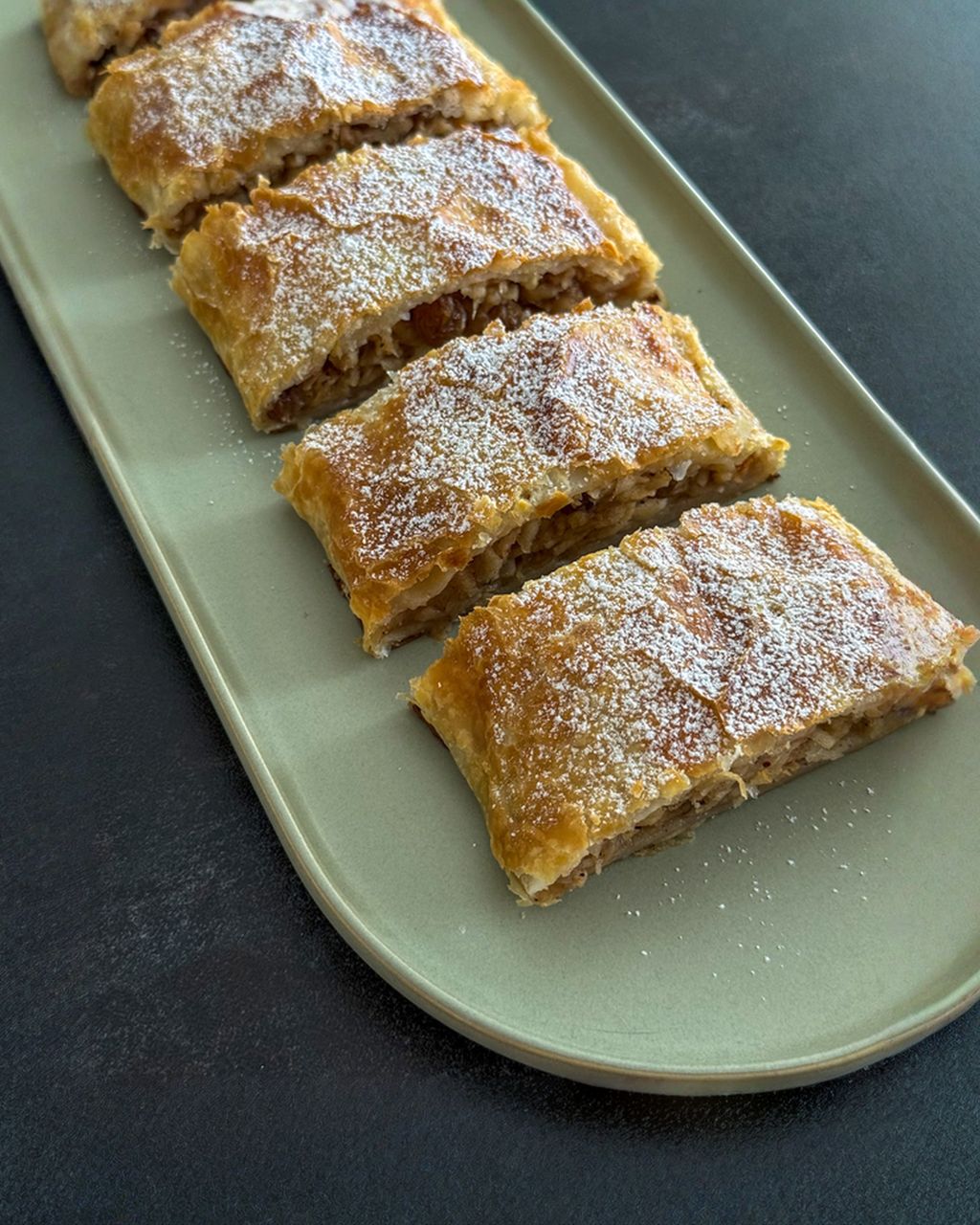
Apple strudel from puff pastry (quick version)
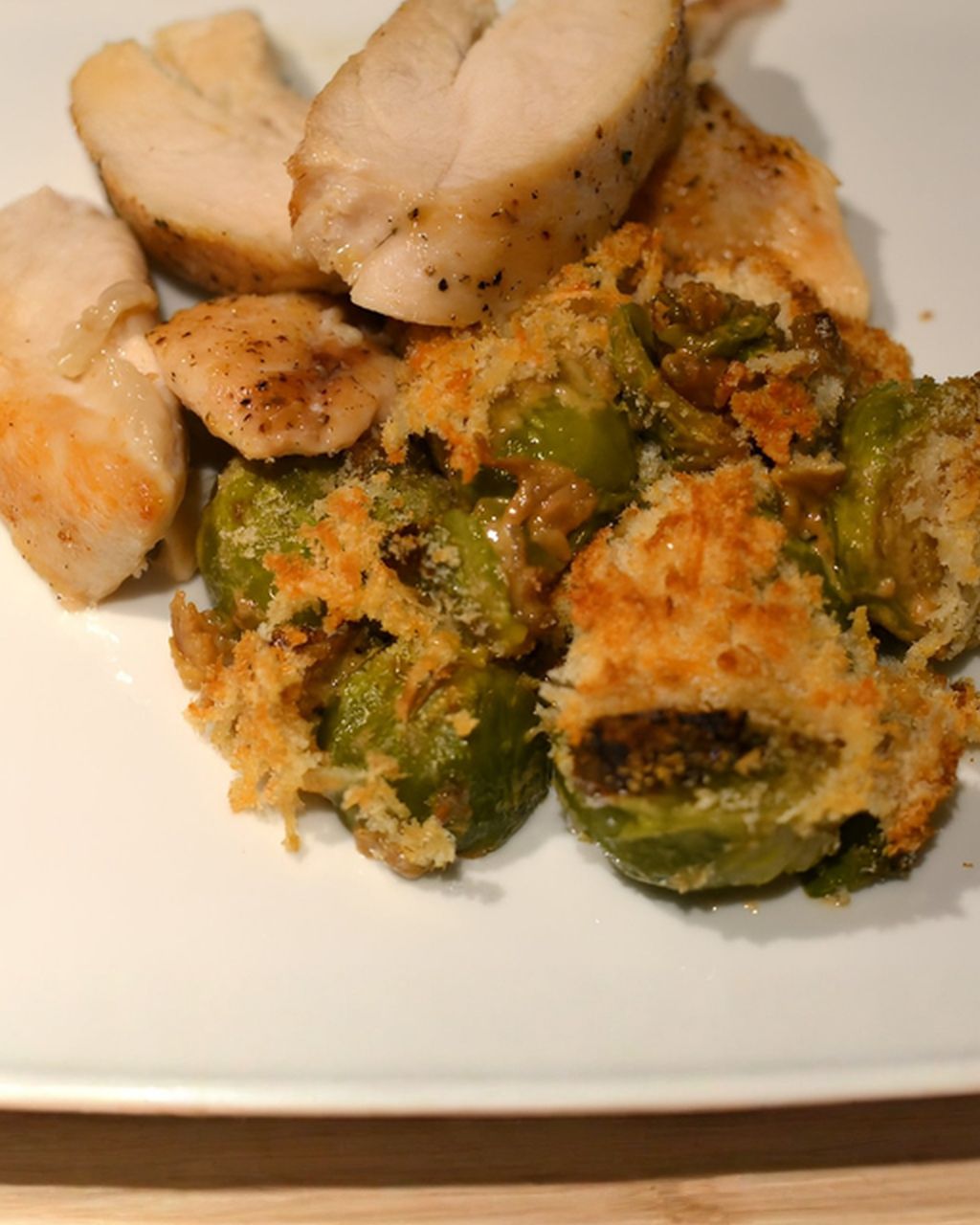
Baked brussels sprouts with walnuts
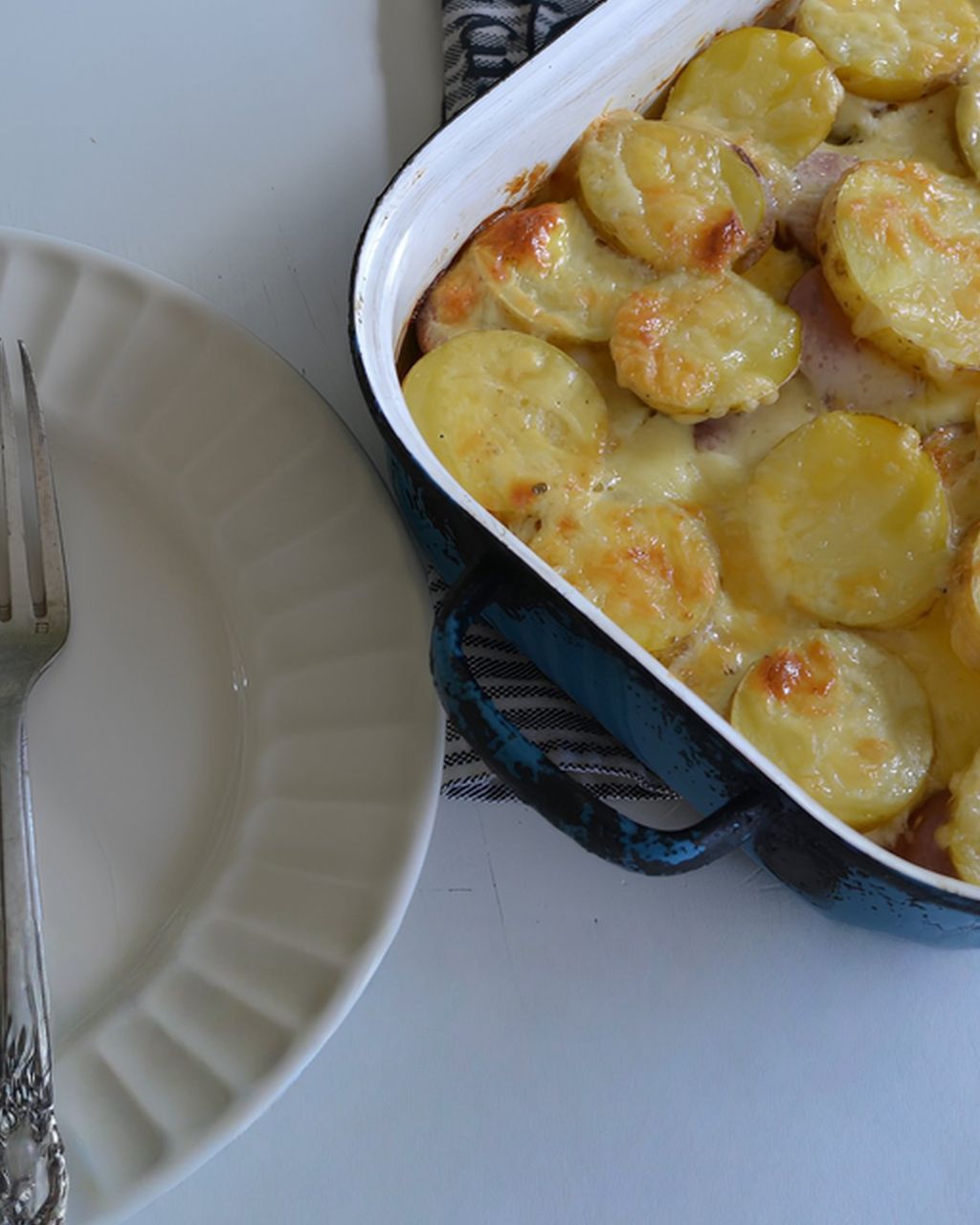
Classic baked potato gratin
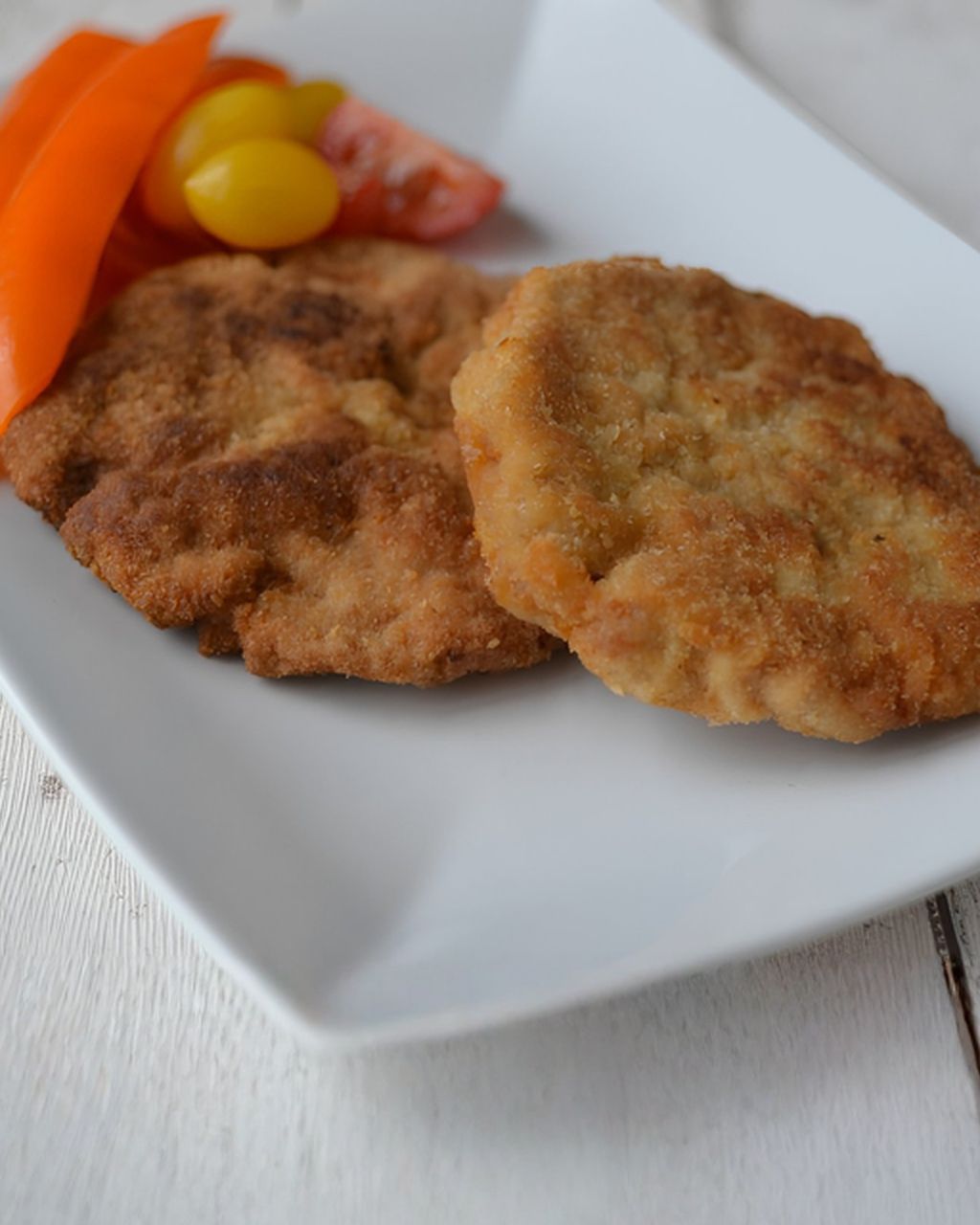
Dutch-style pork schnitzel
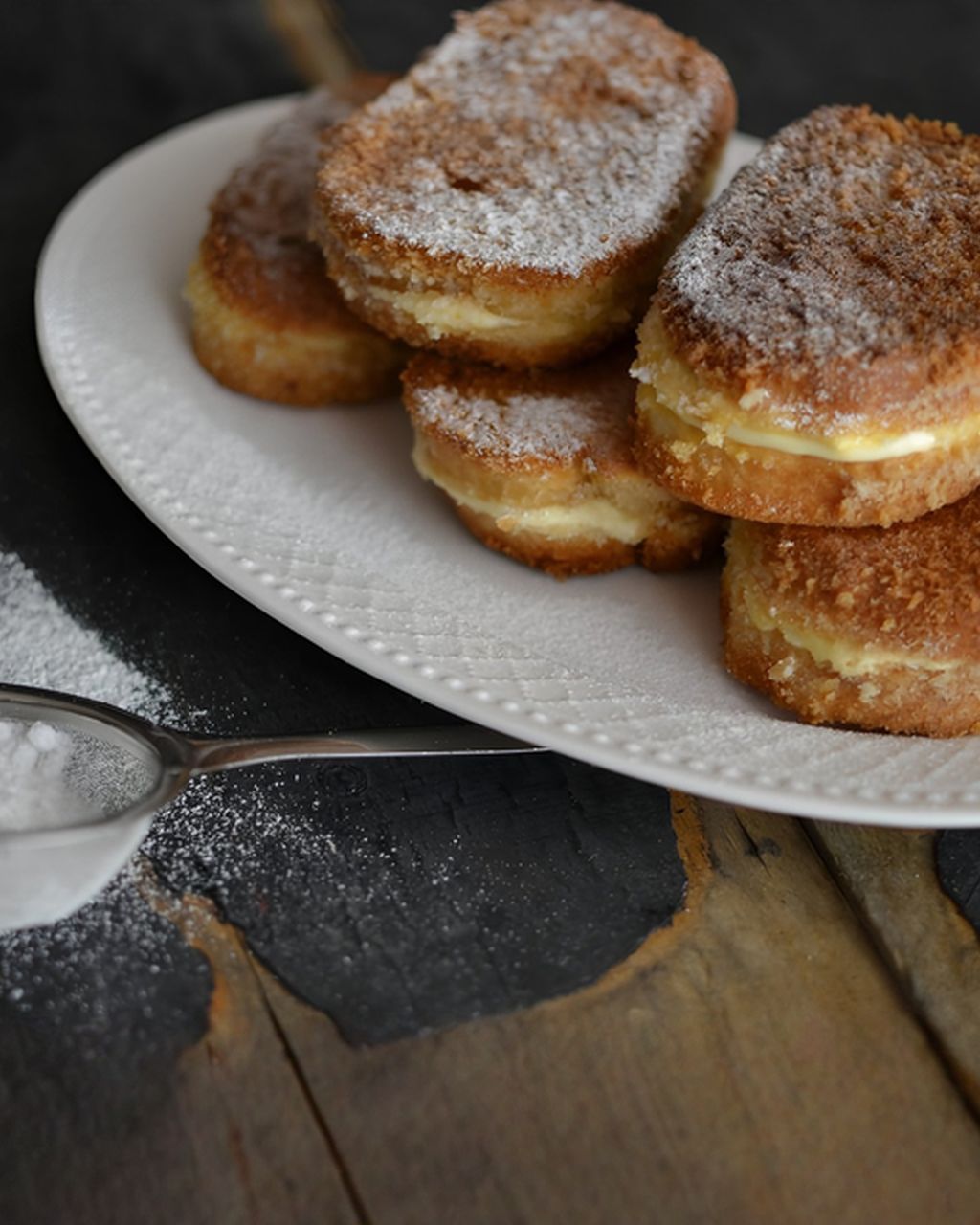
Fried bread sandwiches with sweet curd cheese
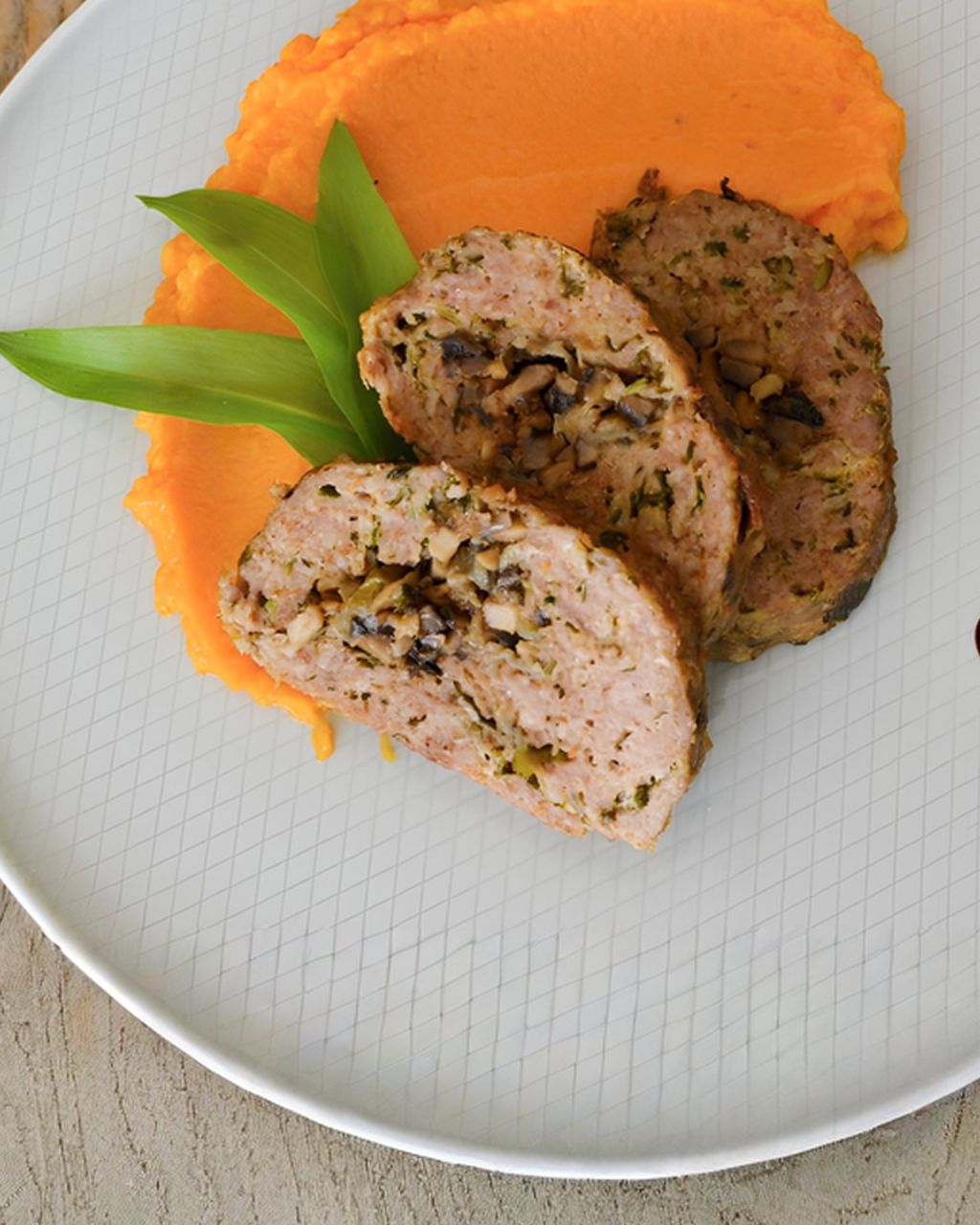
Spring meatloaf with wild garlic and sweet potato mash
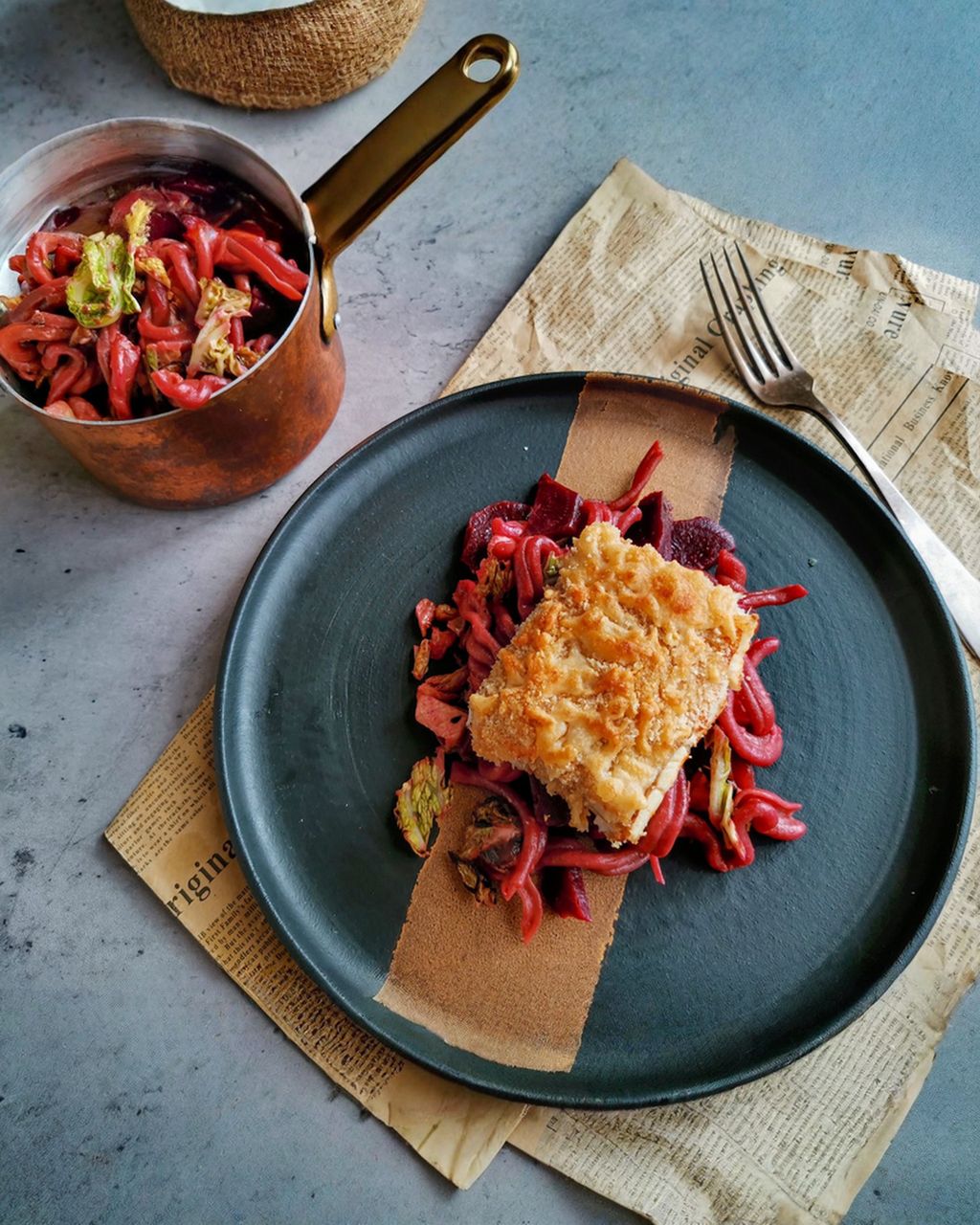
Fish fillets with a crispy crust
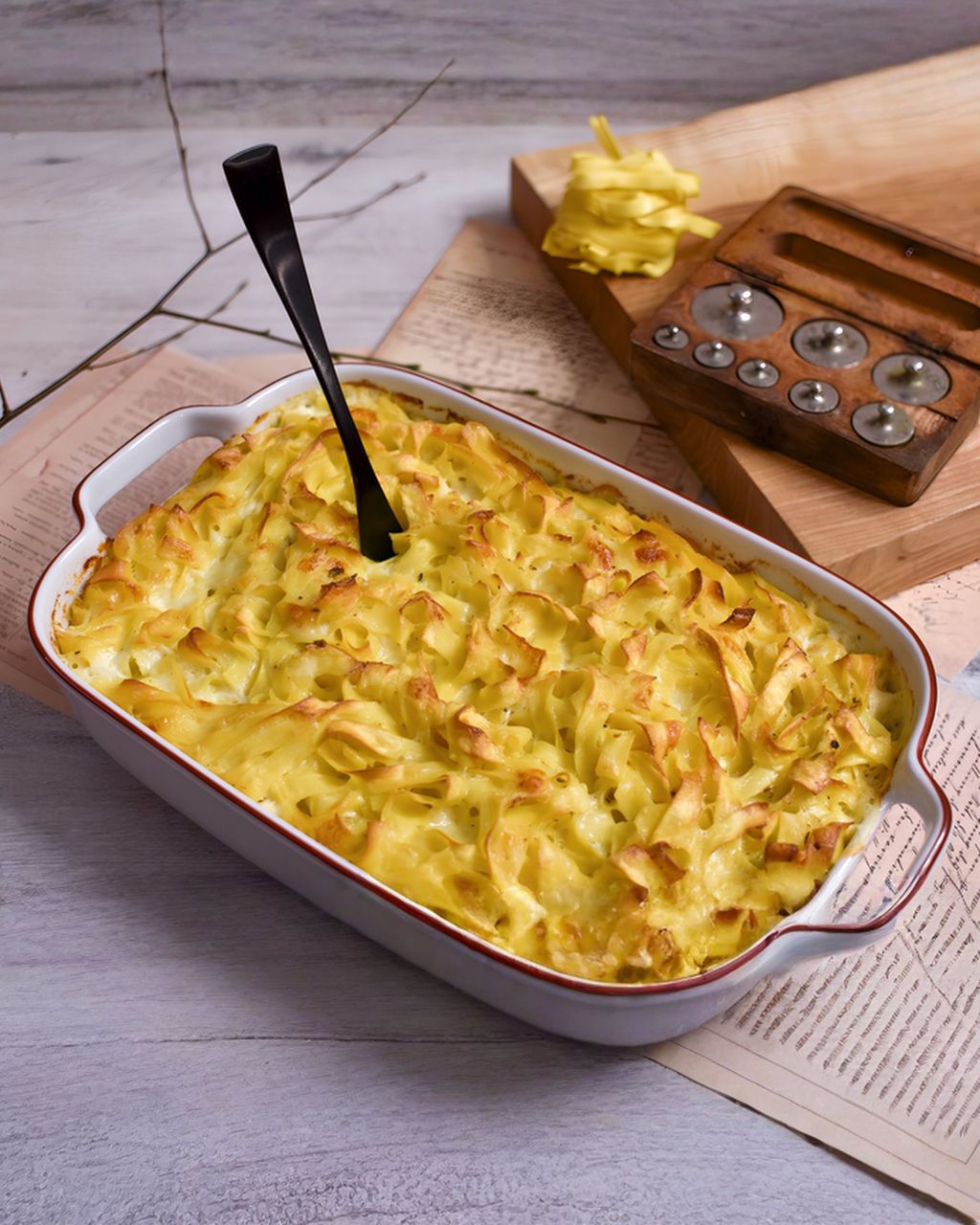
Baked tagliatelle with capriccio goat cheese
Breadcrumbs are dried bread that has been grated or ground into crumbs, usually made from wheat rolls, white bread or loaves. They are used mainly to coat schnitzels and fish, to top baked dishes and to bind meatballs and meatloaf. You can buy them as fine dried crumbs or as coarser, flaky panko, or make your own from stale bread. Because they are made from wheat bread they contain gluten; gluten-free versions are made from corn, rice or gluten-free bread.
On their own, breadcrumbs taste quiet: lightly wheaty and slightly salty, like the bread they came from. They get their flavour from fat. Toasted in butter or fried on a schnitzel they brown, smell of toasted crust and turn crunchy. Panko is more neutral and stays paler; corn crumbs taste sweeter and of corn.
Seasonal baking plans, tested recipes and kitchen tricks that save you time. Unsubscribe in one click.
4 min read
Breadcrumbs are made from baked bread that is dried and then grated or ground. In the Czech Republic they are traditionally made from wheat rolls and white bread; industrial producers often bake bread specifically for crumbs, then dry and mill it to an even size. So the ingredients are the same as for bread: wheat flour, water, yeast and salt, sometimes a little sugar or oil.
Because of the wheat flour, regular breadcrumbs contain gluten, which is highlighted among the allergens on the pack. Seasoned crumbs may also contain cheese, spices or garlic. Dried breadcrumbs contain little water, so they are energy-dense: about 395 kcal per 100 g, mostly from carbohydrate. How much actually sticks to a schnitzel depends on how thick the coating is.
Shops sell four main types. They differ in what they are made from, how coarse they are and what kind of crust they give.
Fine, sandy crumbs made from wheat bread. They give a compact, even, golden-brown crust – the one you expect on a fried schnitzel or fried cheese. They are the cheapest and most versatile type: they coat, bind and thicken.
Japanese crumbs made from crustless white bread, baked so that no crust forms and then torn into large, irregular flakes. A panko coating is airier, crunchier and paler. It suits chicken, prawns, fish and vegetables, and gratin toppings.
Corn crumbs are made from cornmeal or crushed cornflakes; other gluten-free types from rice flour, starches or gluten-free bread. The coating tends to be harder and sweeter. For people with coeliac disease, the 'gluten-free' label is what counts, because ordinary cornflakes and corn crumbs can contain barley malt or traces of wheat.
Soft bread pulsed in a food processor into coarse crumbs. They are not sold ready-made; you make them at home just before use. They are soft, so they work best as a binder in meatloaf and stuffings or for a delicate gratin.
A coating holds when the surface is dry and each layer does its job: flour dries the surface, egg acts as glue and breadcrumbs bring the crunch. Press the crumbs on with your palm without squashing them, and let the breaded pieces rest briefly so the coating sets. In the pan, fry in enough fat heated to 160–180 °C; in fat that is too cool, the crumbs soak it up and turn greasy.
For the classic flour, egg and fine-crumb coating fried in plenty of oil, see the Dutch-style pork schnitzel made from minced pork and cheese; for crumbs mixed with cheese and garlic as a crust browned under the grill, see fish fillets with a crispy crust. If you would rather not fry, oven-baked schnitzel crisps up at 200 °C with a little fat on the coating.
In minced meat, breadcrumbs soak up the juices the meat releases as it cooks and hold them inside, so meatloaf stays moist and slices cleanly. Add only enough for the mixture to hold its shape; too many crumbs make it floury. For an example, see the spring meatloaf with wild garlic.
For a topping, toast the crumbs in a pan with butter until golden, then scatter them over baked potatoes, pasta, cauliflower or fruit dumplings. Toasted crumbs can be made ahead and stay crisp for a few days in a sealed container.
You can make breadcrumbs from leftover bread. Let rolls or baguette dry out completely, slice them and finish drying them briefly in the oven at 120–140 °C until dry all the way through, not toasted. Once cool, grate them or grind them in a food processor and sift. The bread must be completely dry, or the crumbs will go mouldy in the jar.
Dried breadcrumbs keep in a sealed container in a cool, dry place; fresh crumbs only a few days in the fridge; both can be frozen. You can bread raw schnitzels ahead, but the crumbs soften in the fridge – the article on make-ahead schnitzel covers how to store and freeze them. If you run out halfway through breading, these breadcrumb swaps range from cornflakes to crackers.