- Season
- Year-round. Canned, in cartons and as a dried powder, it is always available.
- Price
- Medium
Calories and nutrition per 100 g
- 197 kcal
- 2 g protein
- 21.3 g fat
- 2.8 g carbs
Coconut Milk
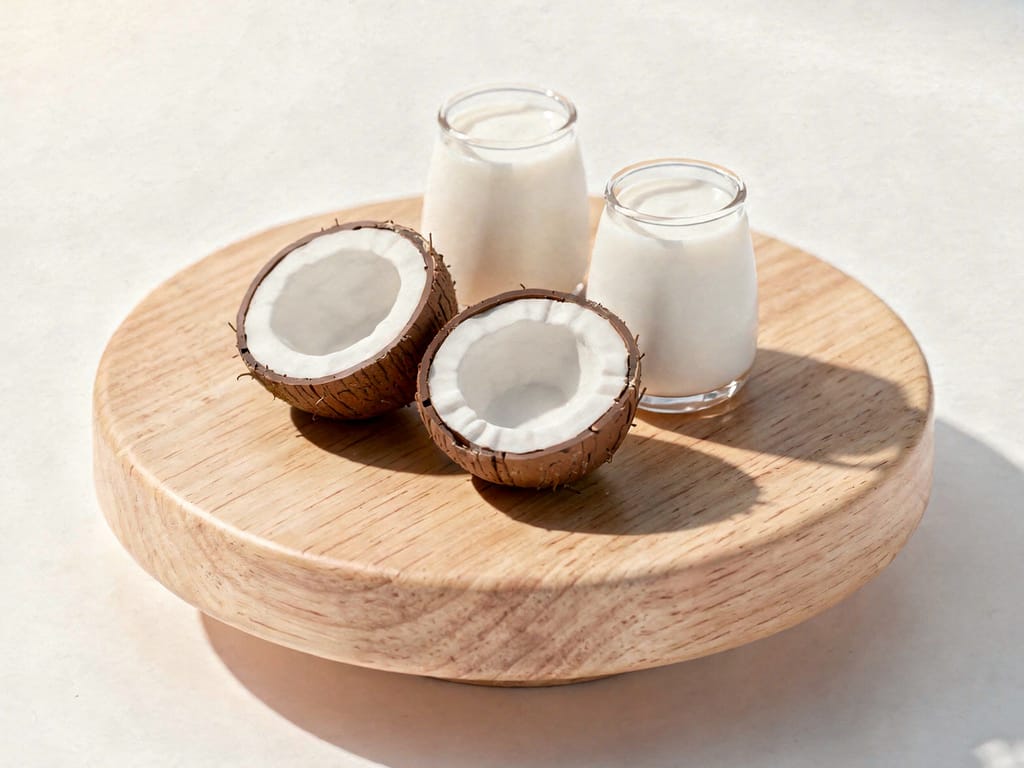
Coconut milk is the white, creamy liquid made by pressing the grated flesh of mature coconuts with water. It is mostly sold in cans for cooking curries, soups and desserts, and should not be confused with coconut water or the coconut drink sold in cartons.
Store unopened coconut milk in cans or UHT cartons somewhere dry and cool, out of direct sunlight, until the best-before date on the pack. In a cooler cupboard the cream on top firms up; it recombines when warmed.
Once opened, transfer leftovers from the can to a clean container with a lid, refrigerate and use within 3–4 days unless the label gives a shorter time. In the fridge the fat sets and rises to the top; stir it back in or warm it briefly before use. A sour smell, grey colour or mould means it belongs in the bin.
Freeze leftover coconut milk in a tub or ice-cube trays for about 2 months. After thawing it is often grainy and separated. It works for cooking, curries and soups, and blended into smoothies, but less well in desserts that should be smooth.
For cooking, buy coconut milk in cans or UHT cartons and check the fat content and the share of coconut extract on the label. The higher they are, the thicker and more aromatic the milk. Full-fat (about 17–22 % fat) is for curries and creamy soups, light for lighter sauces and drinks. The simplest products contain only coconut extract and water; others add a stabiliser such as guar gum to stop the milk separating, which is fine. The can must not be bulging, rusty or badly dented. A layer of thick cream separated from thinner liquid in the can is normal.
Coconut cream diluted with water about 1:1, or dried coconut milk powder mixed with water according to the pack. The flavour stays coconutty and you control the thickness.
In sauces, cooking cream; in dairy-free dishes, cashew cream or an oat cream alternative. The coconut flavour disappears, so add the cream at the end and do not boil it hard. More cream substitutes for sauces are covered in our article on cream substitutes.
Shake the can before opening, or open it and stir so the cream and liquid combine. The thick top layer is also useful on its own: let it bubble in a pan for a few minutes until the oil starts to separate, then add curry paste so the spices bloom in the fat. Add the rest of the milk afterwards. Simmer sauces with coconut milk gently. A hard boil, or a lot of acid or salt, can make the milk split. Add lime juice and fish sauce at the end.
Freeze what is left in the can in ice-cube trays and add a cube to curry, soup, porridge or a smoothie. A few spoonfuls of coconut milk also enrich rice: cook it in half water, half coconut milk. If you press coconut milk at home, dry the leftover flesh and use it in baking.
Roughly what one measure weighs, scooped the way you normally would in the kitchen.
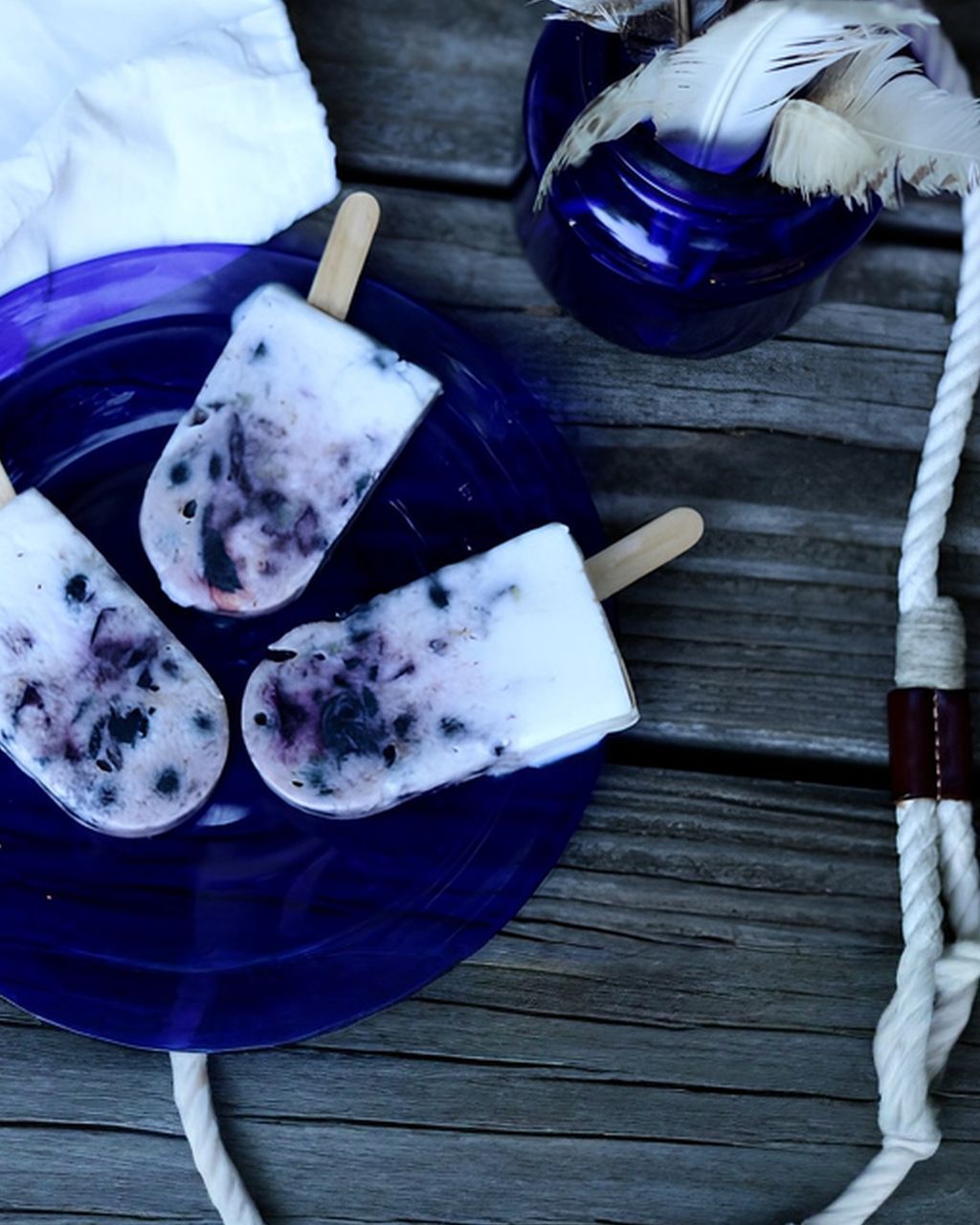
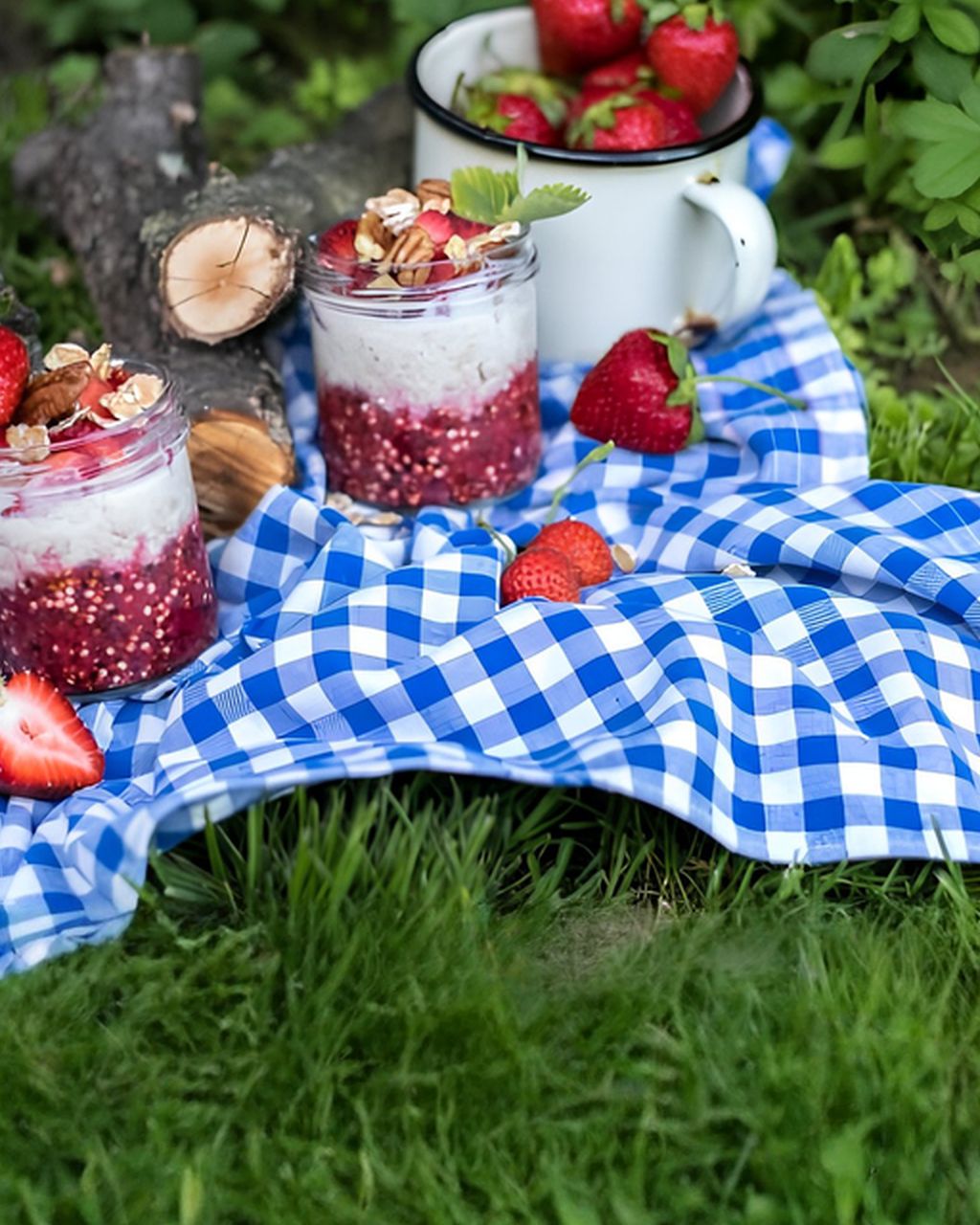
Coconut milk belongs in dishes that are simmered or braised: curries, dhal, soups, braised meat and fish in sauce. It also works for cooking rice and in porridges, puddings, ice lollies and shakes. In baking it adds moisture and fat. It does best at a gentle simmer. Over high heat it can split, but that does not spoil the flavour of the sauce.
Coconut milk is the white, creamy liquid made by pressing the grated flesh of mature coconuts with water. It is a natural emulsion of coconut fat, water and protein. Full-fat canned coconut milk usually contains about 17–22 % fat depending on the brand, and light versions around 5–13 %. In the kitchen it works as a liquid, a fat and a flavouring at once: it softens hot spices, thickens sauces and adds a coconut aroma. Coconut milk is not coconut water, the clear liquid inside young coconuts that is drunk as it is. Nor is it the coconut drink sold in cartons next to other plant milks, which is heavily diluted, usually sweetened and not suitable for curries. Coconut cream, on the other hand, is thicker and richer than the milk. Coconut milk contains no lactose or milk protein, so it suits dairy-free and vegan cooking.
Coconut milk is gently sweet, creamy and smells of fresh coconut, although it contains little sugar. Full-fat milk is rich and velvety, coats the palate and carries the flavour of spices. Light versions taste more watery. With longer cooking the flavour deepens slightly and turns nuttier.
Seasonal baking plans, tested recipes and kitchen tricks that save you time. Unsubscribe in one click.
3 min read
Shops sell several products that differ mainly in how much coconut and fat they contain. The international Codex Alimentarius standard for coconut products classes light coconut milk from 5 % fat, coconut milk from 10 % fat and coconut cream from 20 % fat. The exact figure is always on the label.
Full-fat coconut milk in cans or UHT cartons usually has about 17–22 % fat. It is the all-rounder for curries, soups and desserts. Light coconut milk is more diluted, so sauces made with it are thinner. Coconut cream is thick and suits desserts, finishing sauces and, once chilled, whipping. Coconut drink in cartons is a plant-based milk alternative for coffee and cereal, with far less coconut. Dried coconut milk is a powder you mix with water to the thickness you want.
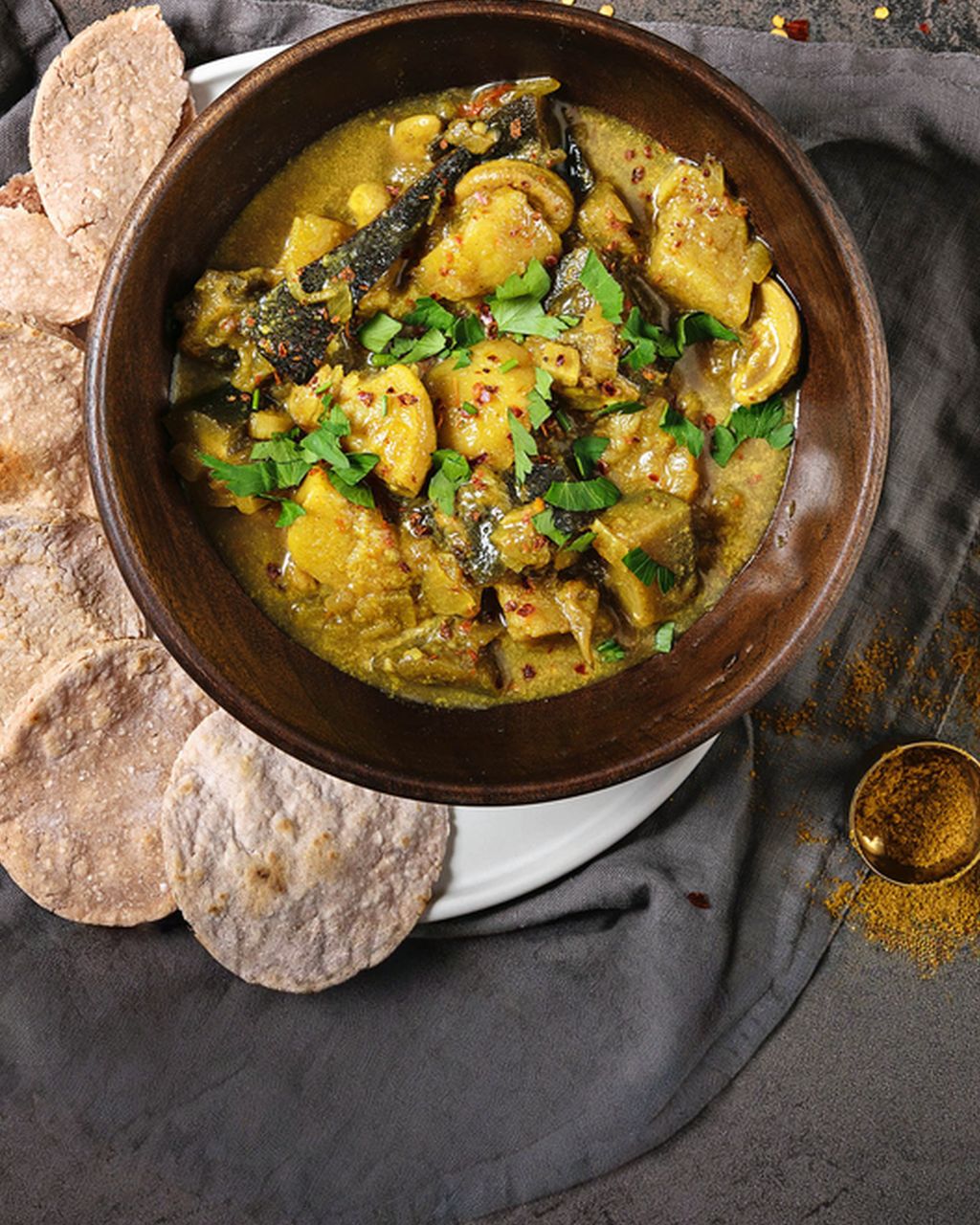
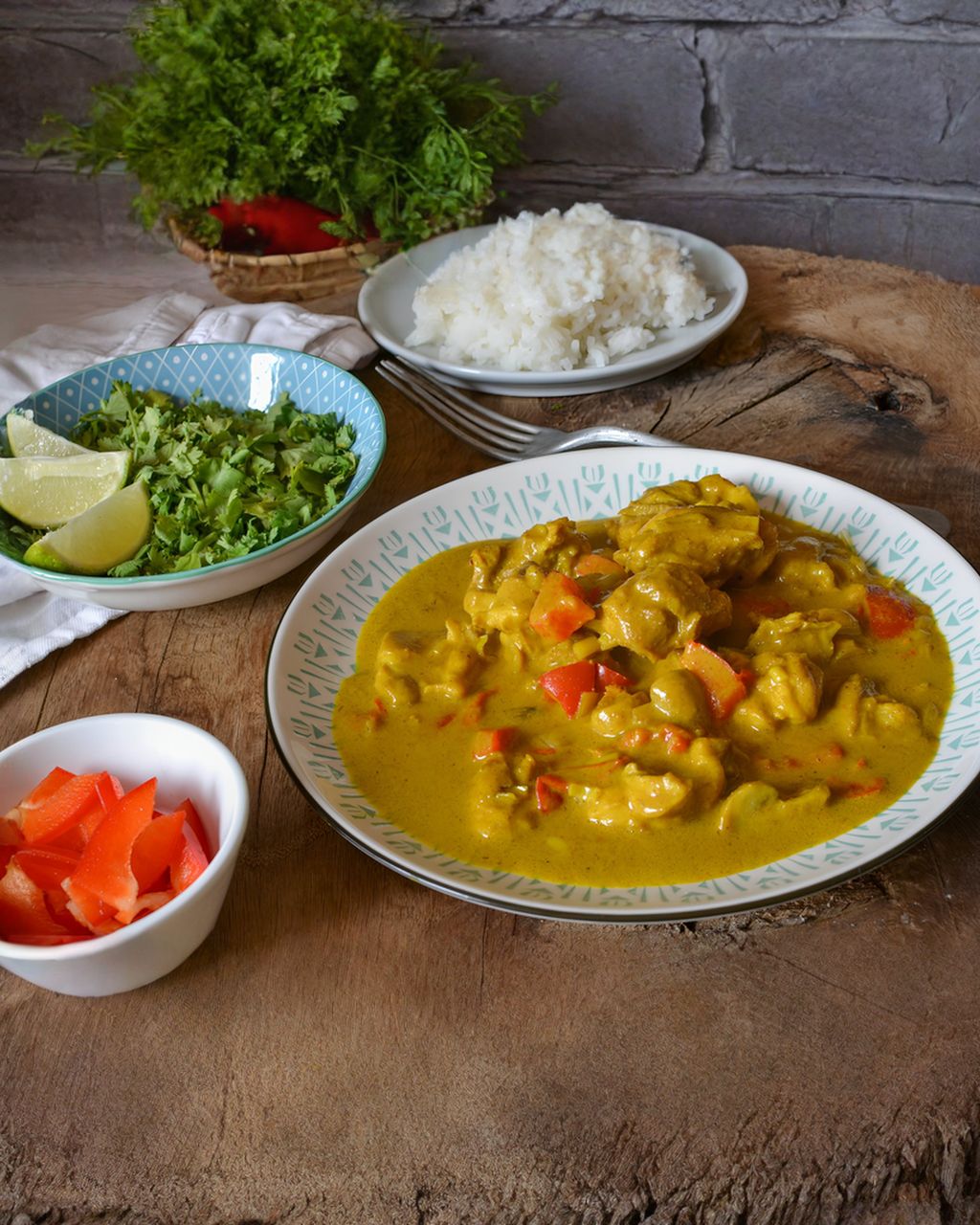
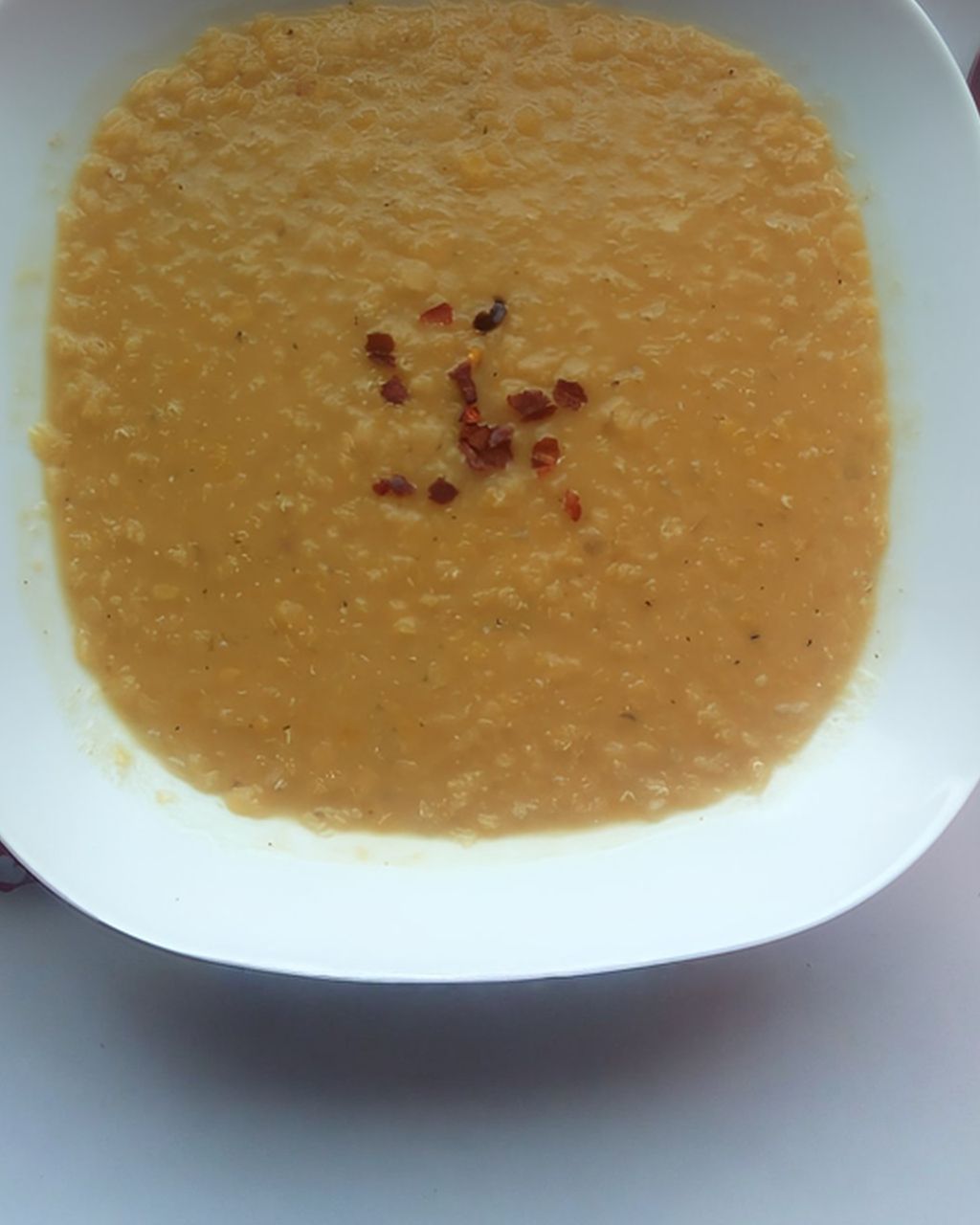
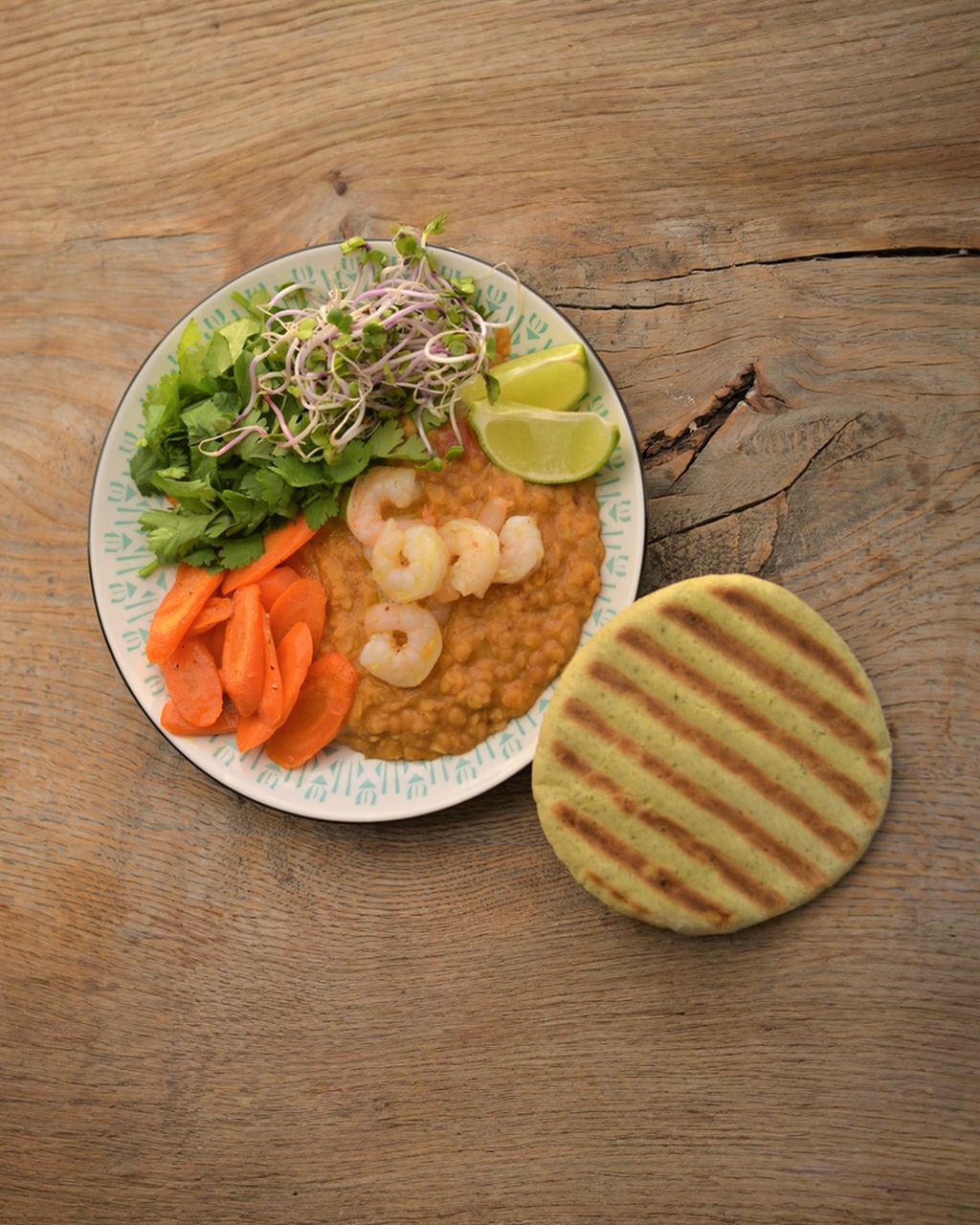
Coconut milk tames hot spices and turns plain lentils or vegetables into a creamy dish. Classic starting points are a vegetable curry with cashews or a lentil dhal. For a quick weekday soup, try red lentil soup with coconut milk and chilli. Fish and seafood need only a few minutes in it, as in shrimp in coconut milk.
When you have no cream or are cooking dairy-free, coconut milk can stand in for cream in many sauces. When that works and when it does not is covered in What to use instead of cream in a sauce.
The coconut originated in tropical Asia and the Pacific, and Austronesian seafarers spread it across the islands of South-East Asia, the Pacific and as far as Madagascar. Grated coconut pressed with water has long been a foundation of the cooking of southern India, Sri Lanka, Thailand, Indonesia, Malaysia and the Philippines. Through trade and colonial routes coconut milk reached East Africa, the Caribbean and Brazil. In the 20th century canneries sealed it in tins, turning a regional ingredient into a pantry staple worldwide.
Coconut milk is an oil-in-water emulsion held together by coconut proteins and phospholipids. Coconut fat is largely saturated, and about half of it is lauric acid. Coconut fat sets at around 24 °C, which is why the milk separates in the cold into firm cream on top and thinner liquid below. Heat, acid and salt break down the protein layer around the fat droplets, so the milk can split or curdle. The coconut aroma comes mainly from lactones, chiefly δ-octalactone and δ-decalactone. Their creamy smell reads as sweet, although coconut milk contains only a few per cent of sugar.
Coconuts are grown mostly by smallholders in Indonesia, the Philippines, India, Sri Lanka and Thailand. Farm-gate prices are often low and many growers live in poverty. In 2020, reports that trained monkeys were used to harvest coconuts on some Thai plantations drew attention, and some retailers began asking suppliers to prove that no monkeys were used. If this matters to you, look for brands that document their sourcing, or for Fairtrade and organic certification. The coconut palm is a long-lived crop and, grown in mixed plantings with other crops, is gentle on the soil.