- Season
- Harvested primarily from late spring through early autumn, with varietal peaks tied to flowering cycles.
- Price
- Medium
Calories and nutrition
per 100 g
304 kcal
Calories
0.3 g
Protein
82.4 g
Carbs
0 g
Fat
Honey
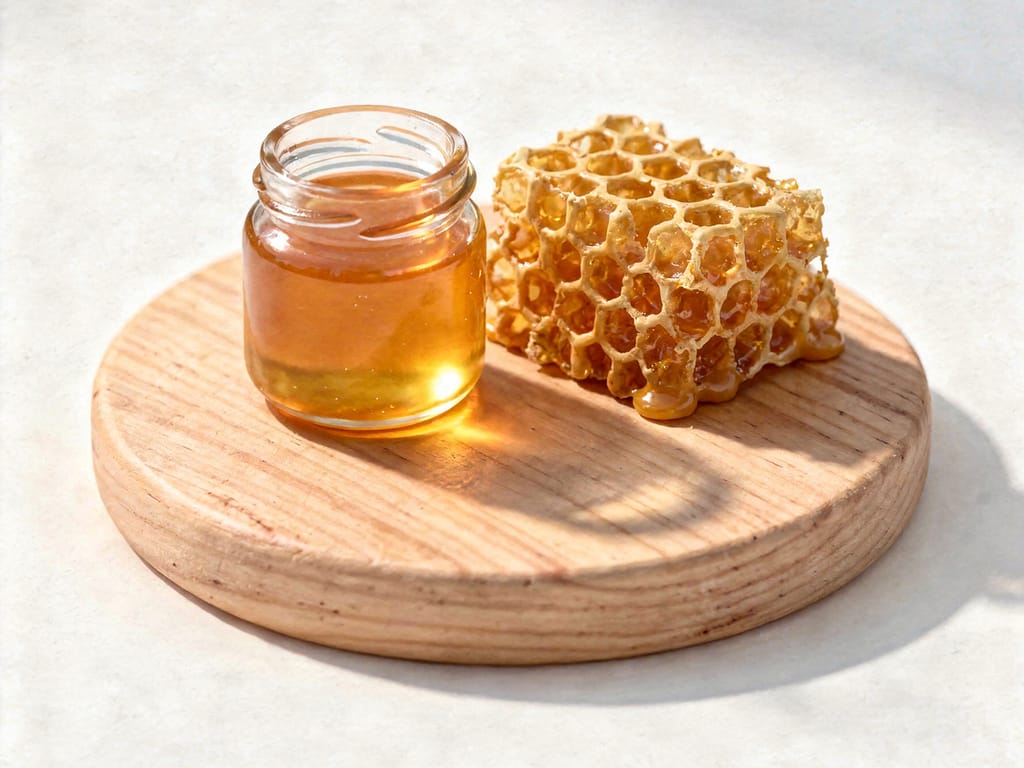
Honey is a natural supersaturated solution of sugars produced by honeybees through the enzymatic transformation and dehydration of floral nectar or of honeydew, the sweet secretions gathered from living plants and from sap-feeding insects. It is both a foodstuff and a cultural artifact, bearing the imprint of specific plants, climates, and apicultural practices.
per 100 g
304 kcal
Calories
0.3 g
Protein
82.4 g
Carbs
0 g
Fat
Store tightly sealed at room temperature, away from direct light and heat, where it keeps for years; jars sold in the EU carry a best-before date, and honey held cool and dark retains its aroma longest.
Refrigeration is unnecessary and accelerates crystallization.
Freezing does no harm: it halts crystallization and preserves aroma, and the honey returns to its previous texture once thawed at room temperature. It is simply unnecessary, since sealed honey keeps well on the shelf.
Select honey with attention to clarity, aroma, and declared origin. Raw or minimally filtered honeys often crystallize, which is normal and not a sign of spoilage; crystallization alone is no proof of authenticity, since some pure honeys such as acacia stay liquid for a year or more while adulterated honeys can granulate too. Aroma should be expressive and clean, without fermented or metallic notes. Labels indicating single-flower sources suggest greater specificity of flavor.
Maple syrup, offering comparable sweetness with a distinct wood-derived character.
Granulated sugar dissolved in warm water at three parts sugar to one part water by weight (about 150 g sugar to 50 ml water), used in the same quantity as the honey it replaces.
If crystallized, gently warm the jar in a bain-marie below 40°C to restore fluidity without damaging volatile aromas or enzymes.
Rinse empty jars with warm water to capture residual honey, using the liquid as a sweetener for tea or baking.
Roughly what everyday kitchen measures weigh.
1.42 g
1 milliliter
7.1 g
1 teaspoon
21.3 g
1 tablespoon
355 g
1 cup (250 ml)
Honey excels as both a raw finishing ingredient and a transformative agent under heat. When gently warmed, it perfumes sauces and glazes; when baked, it contributes moisture and promotes browning through Maillard reactions between its fructose and the proteins in a batter. High heat, however, should be approached judiciously, as excessive temperatures dull its aromatic complexity.
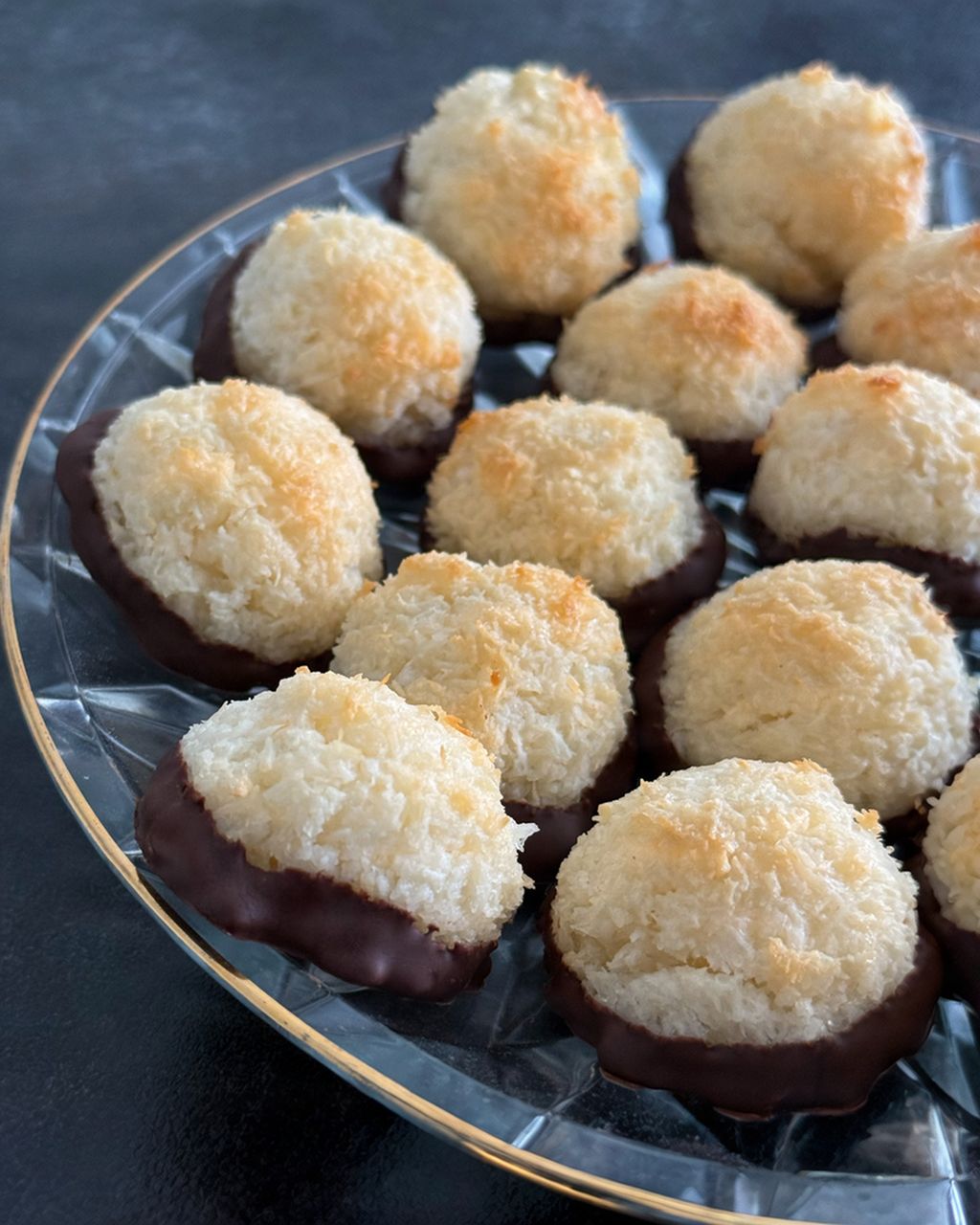
French coconut macaroons with honey and dark chocolate

Swiss grittibänz st. nicholas bread men with soft tangzhong dough
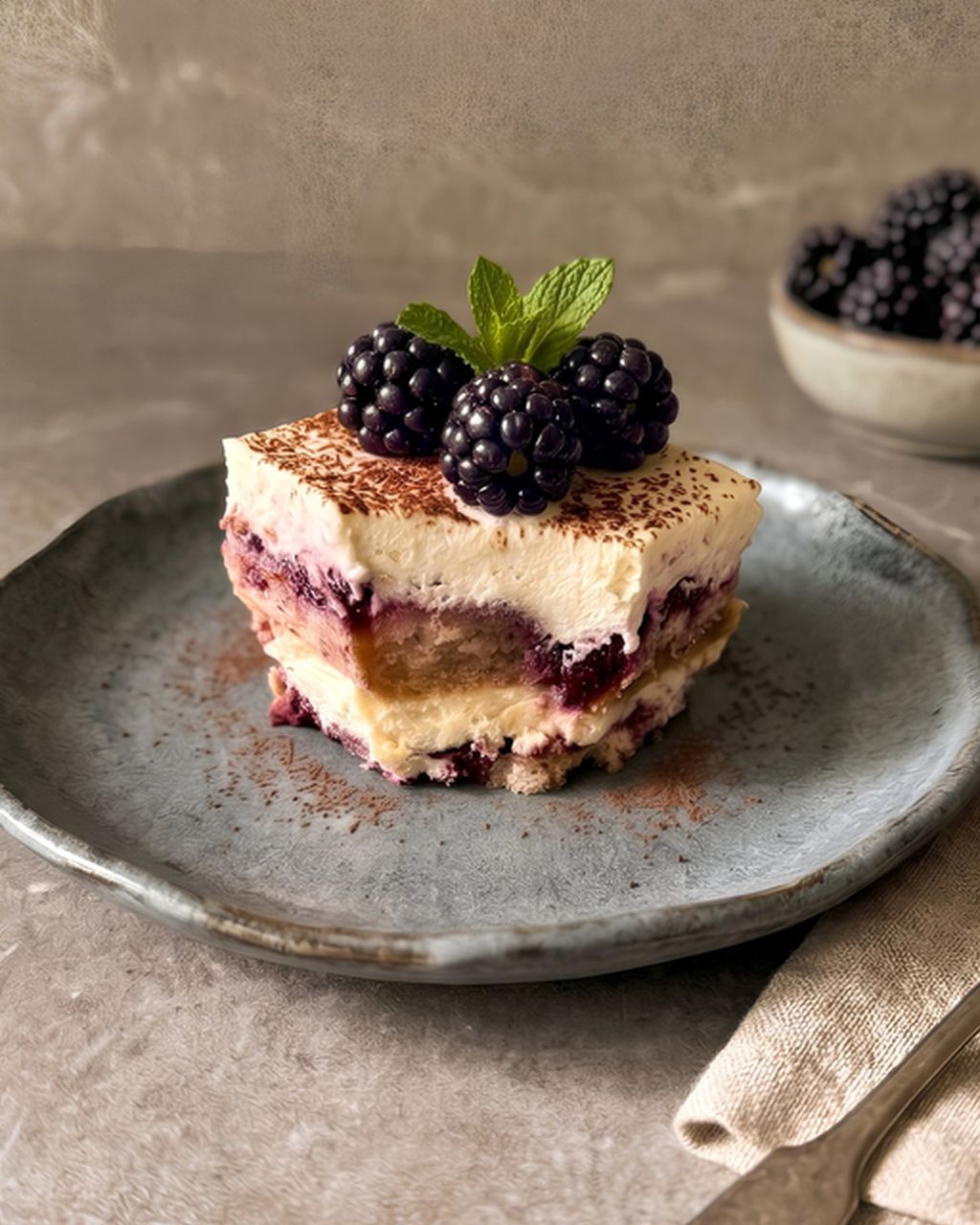
Mini tiramisu with blackberries and earl grey tea
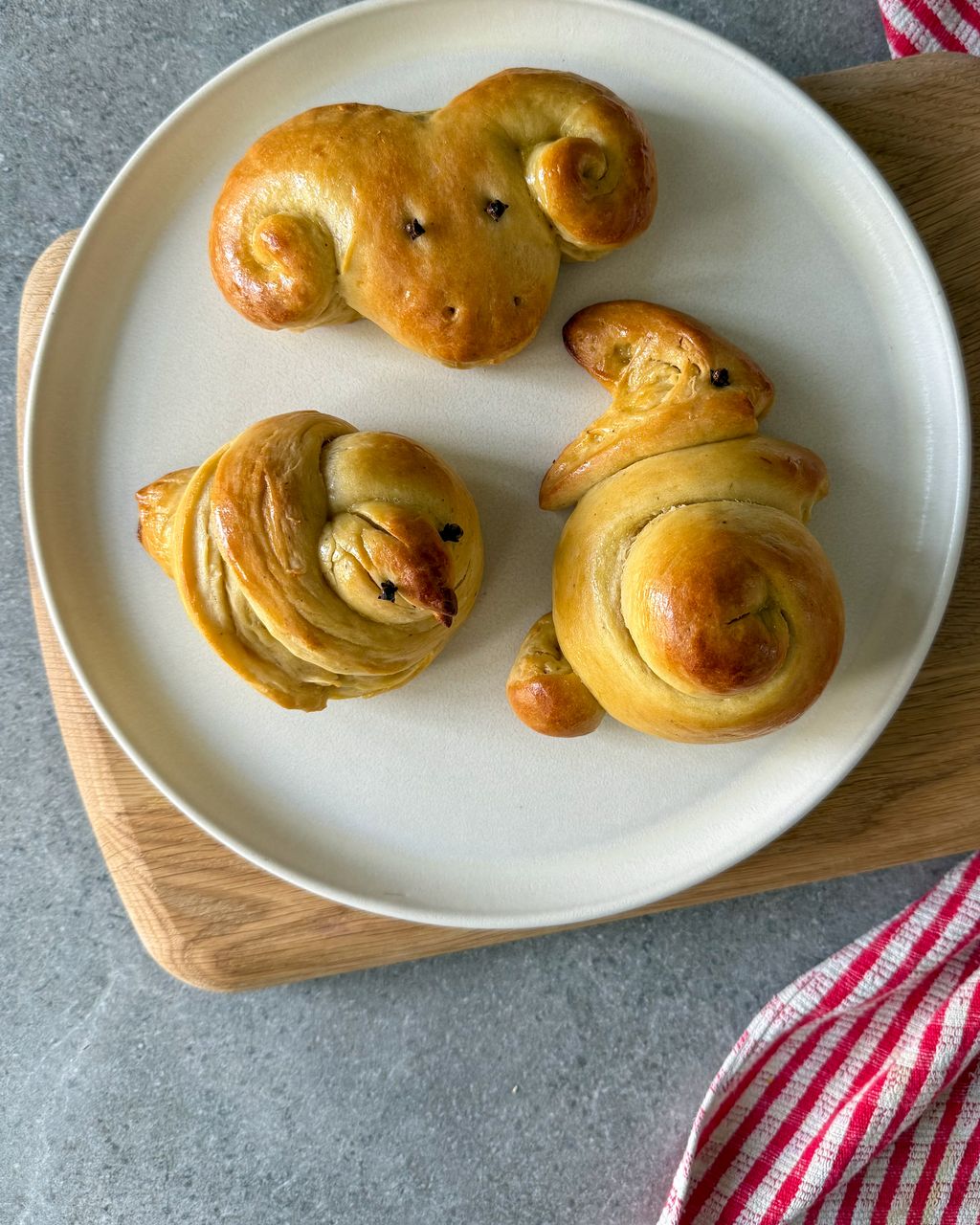
Easter judas buns with honey and lemon zest
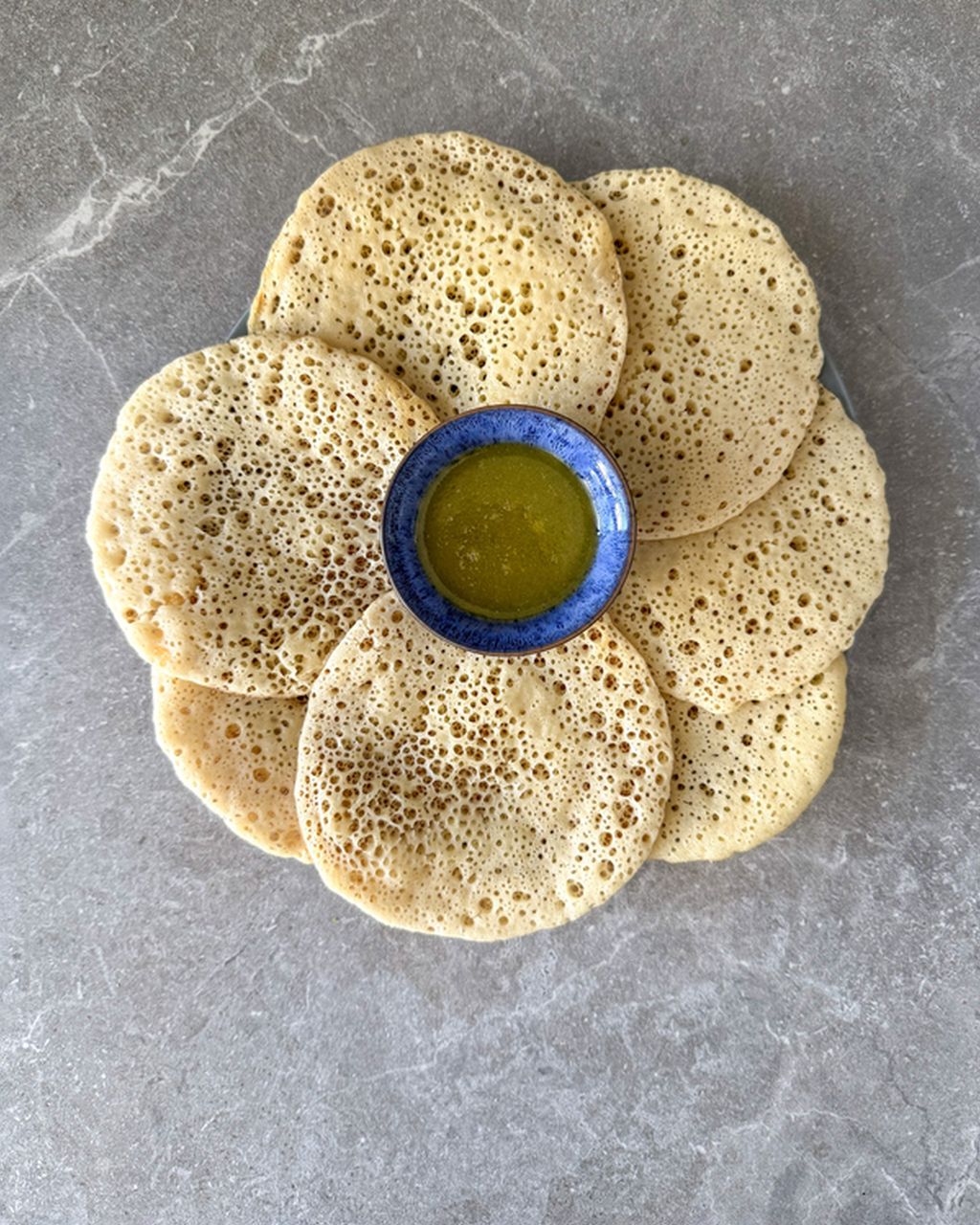
Moroccan baghrir pancakes with honey and butter
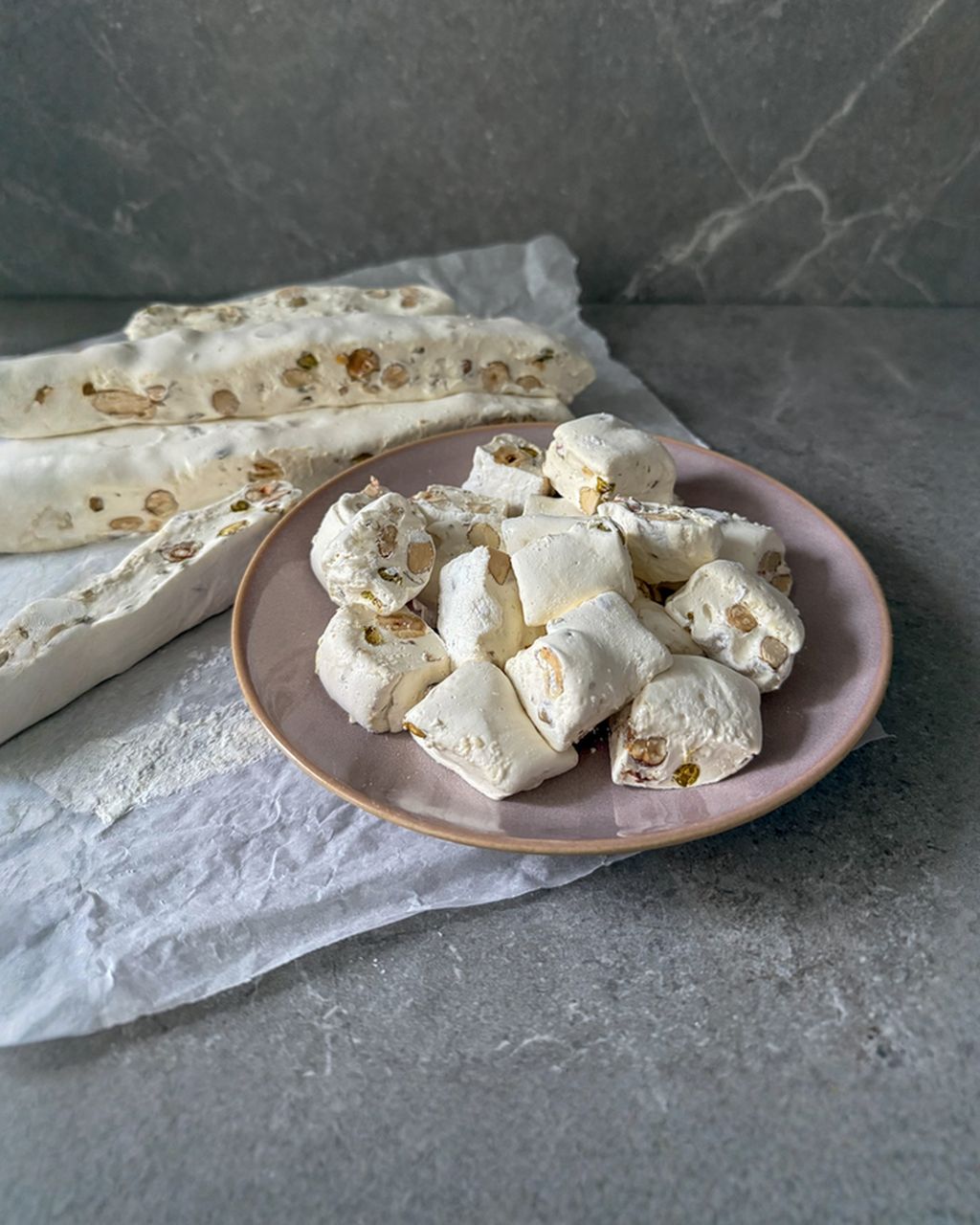
Montélimar nougat – homemade white nougat with honey and nuts

Soft honey gingerbread cookies that never go hard
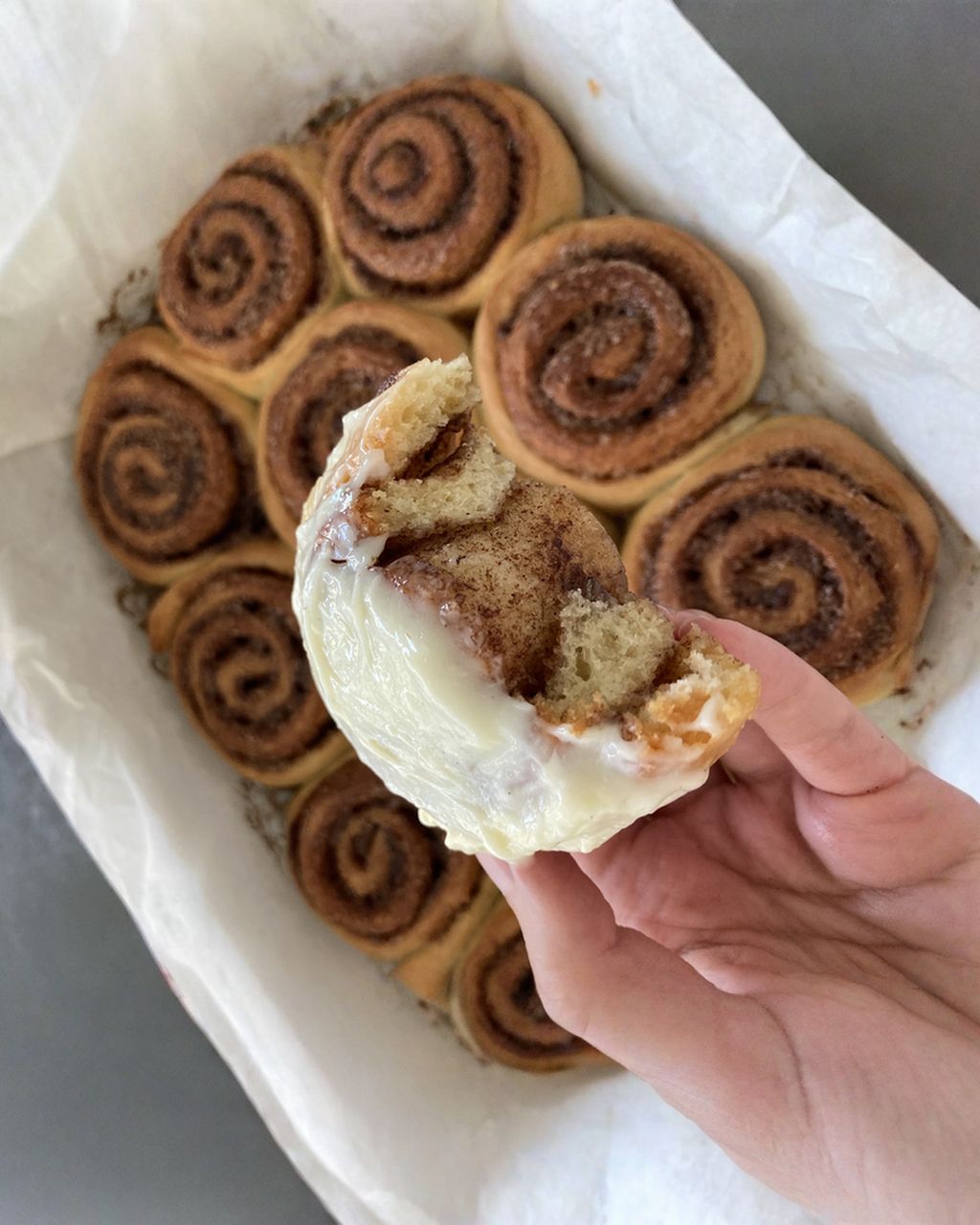
Soft cinnamon rolls made from brioche dough, with icing
Honey is a natural supersaturated solution of sugars produced by honeybees through the enzymatic transformation and dehydration of floral nectar or of honeydew, the sweet secretions gathered from living plants and from sap-feeding insects. It is both a foodstuff and a cultural artifact, bearing the imprint of specific plants, climates, and apicultural practices.
The sensory experience of honey unfolds with a gentle yet immediate attack of sweetness on the palate, rarely sharp but often expansive. The mid-palate reveals its true identity, where floral, herbal, resinous, or malty notes emerge according to origin. The finish can be fleeting and clean, as in light spring honeys, or lingering and almost tannic, as in darker forest honeys, leaving echoes of spice, smoke, or dried fruit.
4 min read
The diversity of honey is a direct reflection of terroir, shaped by botany, climate, and the foraging radius of the hive.
Produced from the blossoms of black locust trees, often in temperate European regions, this honey is harvested early in the season. Its pale color and high fructose content delay crystallization. The flavor is delicate, with notes of vanilla and fresh almond, making it prized for sweetening beverages without intrusion.
Gathered from chestnut forests in southern Europe, this honey is darker and harvested later in summer. It carries a pronounced bitterness, resinous aromas, and a long, tannic finish reminiscent of dark chocolate and leather. Its high viscosity makes extraction slower than for lighter honeys, and warm combs are usually spun promptly so the honey releases cleanly from the frames.
Derived from Leptospermum scoparium, a shrub native to New Zealand and to south-eastern Australia including Tasmania, this honey is produced in both countries in limited windows when the shrub flowers briefly. Harvesting often requires remote apiaries. Its flavor is dense and medicinal, with earthy, slightly phenolic notes, reflecting its unique chemical profile.
A composite expression of multiple blooms, varying each year and region. Its character is layered and unpredictable, often capturing the seasonal narrative of a landscape in a single jar.
Honey occupies a singular position in human history as the first concentrated sweetener encountered by humankind.
In ancient Egypt, honey was both sustenance and sacred substance, offered to deities and used in embalming rites. Greek writers such as Aristotle observed bees with scientific curiosity, while Hippocrates prescribed honey for wounds and fevers. Roman agriculture codified beekeeping, with honey integral to sauces, wines, and preserved fruits.
As sugar remained rare and costly in Europe, honey was the dominant sweetener there, while the Islamic world, where cane sugar was cultivated and refined on a large scale, used sugar widely and exported it northwards. Monastic apiaries refined beekeeping techniques, and honey underpinned the production of mead, a beverage of both ritual and daily nourishment. Trade routes carried prized regional honeys alongside spices, embedding them in courtly and medicinal traditions.
The global spread of cane sugar diminished honey’s economic centrality, yet modern gastronomy has restored its prestige. Contemporary interest in terroir, raw foods, and pollinator health has repositioned honey as a luxury ingredient and ecological indicator, bridging ancient practice and modern consciousness.
Honey’s stability arises from its low water activity, high acidity, and enzymatic content. Bees introduce invertase to split sucrose into glucose and fructose, while glucose oxidase generates gluconic acid and trace hydrogen peroxide. These factors inhibit microbial growth. Crystallization occurs when glucose precipitates from solution, influenced by temperature and pollen content. The aromatic complexity of honey derives partly from volatile compounds carried over from nectar and partly from compounds formed as the bees ripen it and as it ages in the jar, making it a liquid archive of plant chemistry.
Ethical honey production prioritizes the health of colonies and surrounding ecosystems. Responsible apiarists avoid excessive extraction, ensuring bees retain sufficient stores for overwintering. Attention to pesticide exposure and habitat diversity is critical, as honey reflects environmental conditions. Transparent sourcing and support for small-scale beekeepers contribute to biodiversity and sustain ancient apicultural knowledge.