- Season
- Available year-round. Almonds are harvested in late summer and autumn; ground almonds are made from the dried kernels.
- Price
- Medium
Calories and nutrition per 100 g
- 584 kcal
- 21.5 g protein
- 51.1 g fat
- 20 g carbs
Ground Almonds
Ground almonds are sweet almonds milled into a fine to coarse meal, with or without their skins. They go into biscuits, cakes, bundt cakes and fillings, where they add flavour, fat and moistness, and they contain no gluten. Almonds are tree nuts, one of the 14 major allergens that must be emphasised on the label.
Keep unopened packs cool and dark until the date on the pack. Once opened, transfer them to an airtight container and use within 2 weeks in the cupboard. Ground almonds go rancid much faster than whole ones because their oil is spread over a large surface.
In an airtight container in the fridge, opened ground almonds keep for about 2 months. The container must seal well, as the fat in almonds easily absorbs fridge odours.
For longer storage they belong in the freezer, where they keep up to a year in an airtight bag or container. They do not clump and can be used straight away. Let the container come to room temperature before opening so moisture does not condense on them.
Ground almonds are fine for biscuits, bundt cakes and cakes; for macarons and marzipan, buy fine almond flour made from blanched almonds. Blanched ground almonds should be pale cream, unblanched ones flecked brown from the skin. They should smell fresh and sweet. A bitter, stale or oil-paint smell means the fat is going rancid. Buy small packs with the latest date and check the allergen warnings.
Almond flour 1:1, for a finer result. In biscuits and cakes, ground hazelnuts also work 1:1; they taste stronger and are a little fattier.
For nut-free baking, replace ground almonds 1:1 with finely ground pumpkin or sunflower seeds. For people with allergies, choose packs without a may-contain-nuts warning. In biscuits you can replace some of the almonds with plain flour, though the dough will be less short.
Sift ground almonds or rub them between your fingers before use so there are no lumps in the dough. They have more flavour if you toast them dry in a pan or in the oven at 160–170 °C until fragrant and let them cool. To grind them at home, pulse whole almonds in 2–3 second bursts, ideally with some of the sugar from the recipe. The almonds should be cold and dry, or they release oil and turn into almond butter.
Use the coarse bits left after sifting in crumble, granola or a crust for fish or vegetables. Ground almonds that still smell fresh but are near their date can be toasted and used in biscuits. Throw rancid almonds away; nothing fixes the bitter taste.
Ground almonds are mostly baked: in shortcrust biscuits, vanilla crescents, almond cakes, bundt cakes, frangipane for tarts and tartlets, and in fillings. In savoury cooking they make a crust for fish or chicken, a coating for schnitzels, and in Mediterranean and Spanish cooking they thicken sauces and soups, such as cold ajo blanco. Fold them gently into whisked egg whites, add them to dough together with the flour, and pour them slowly into hot liquid while stirring so they do not clump.
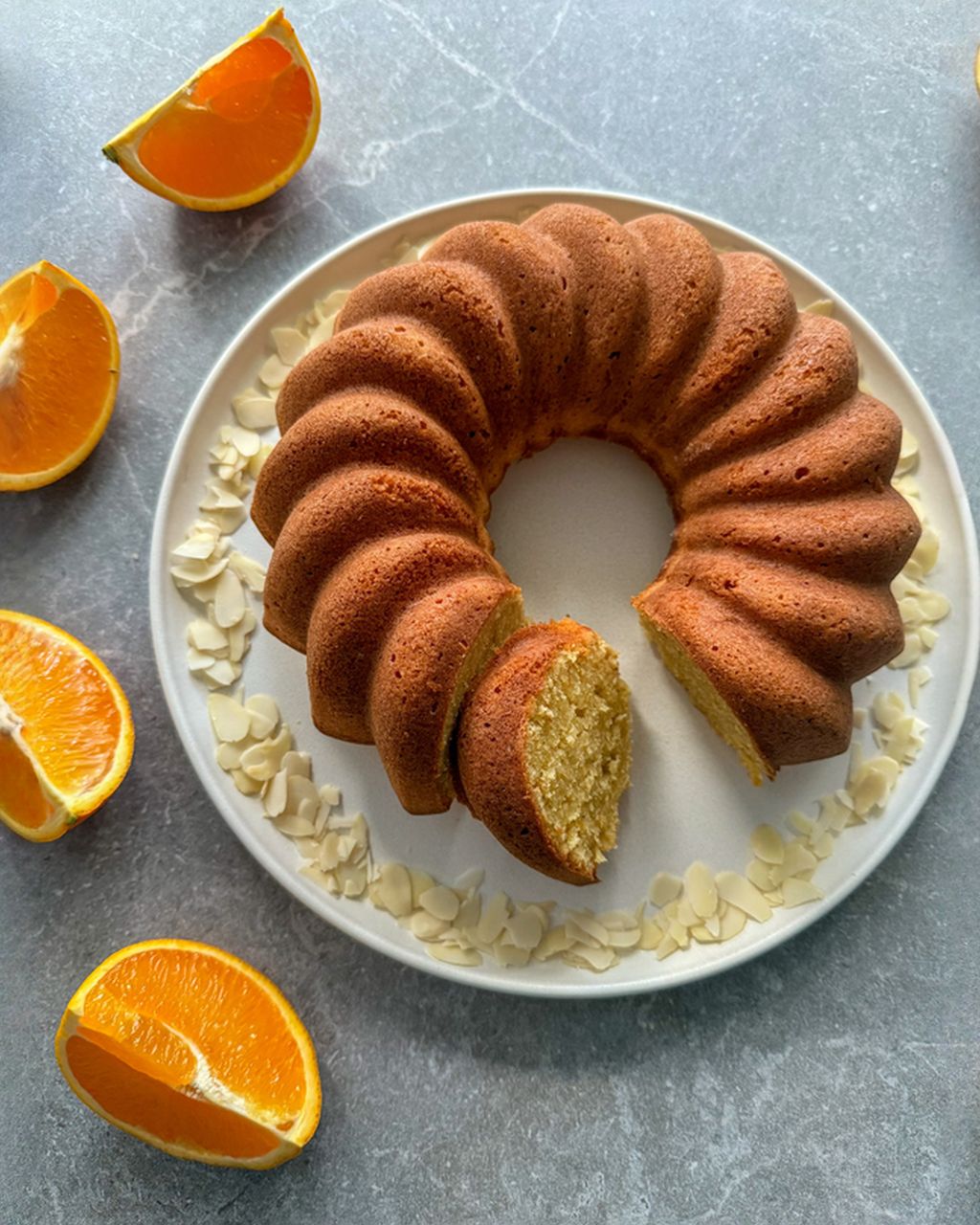
Orange bundt cake with almonds, cinnamon and cardamom
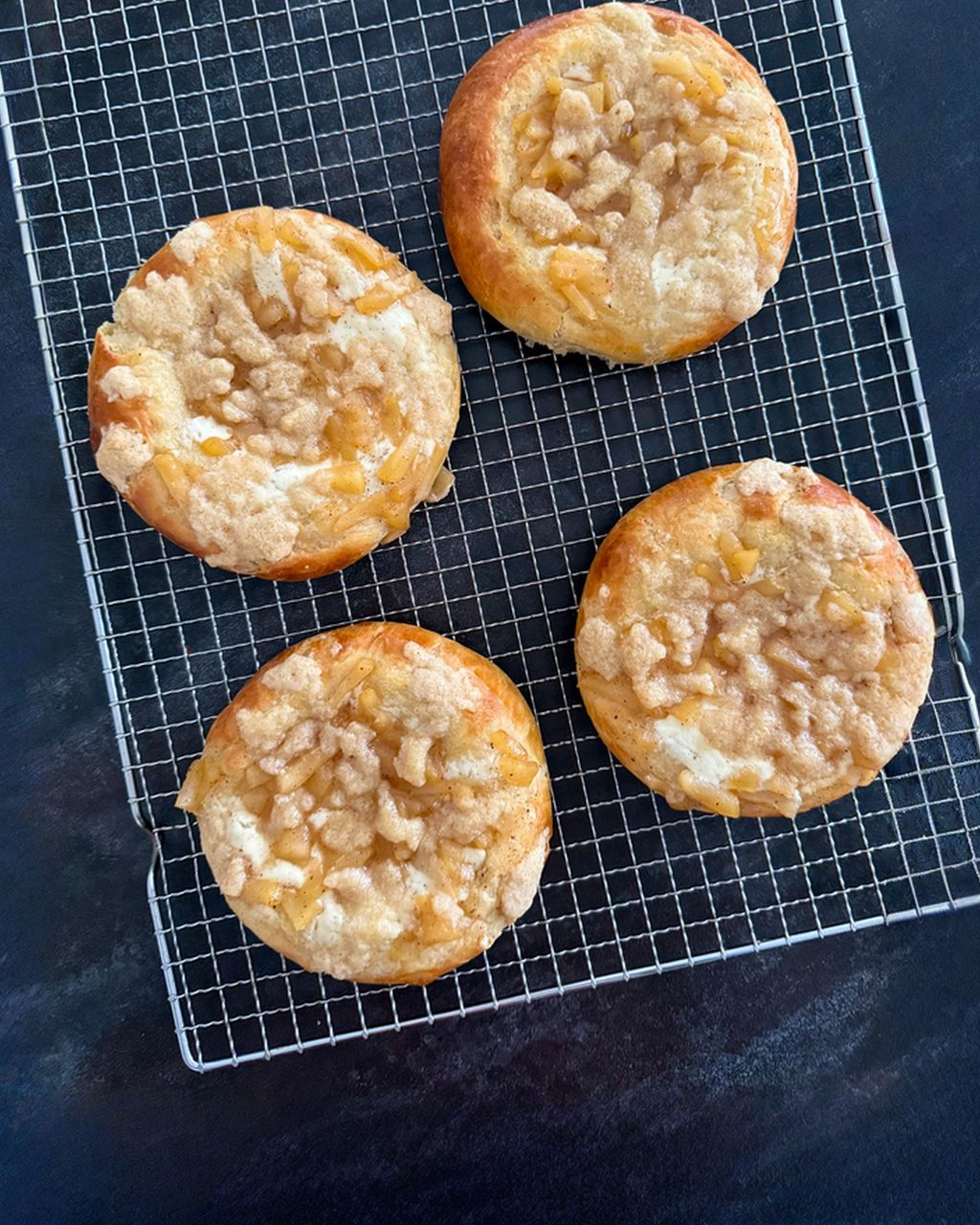
Yeasted apple buns with curd cheese and crumble topping
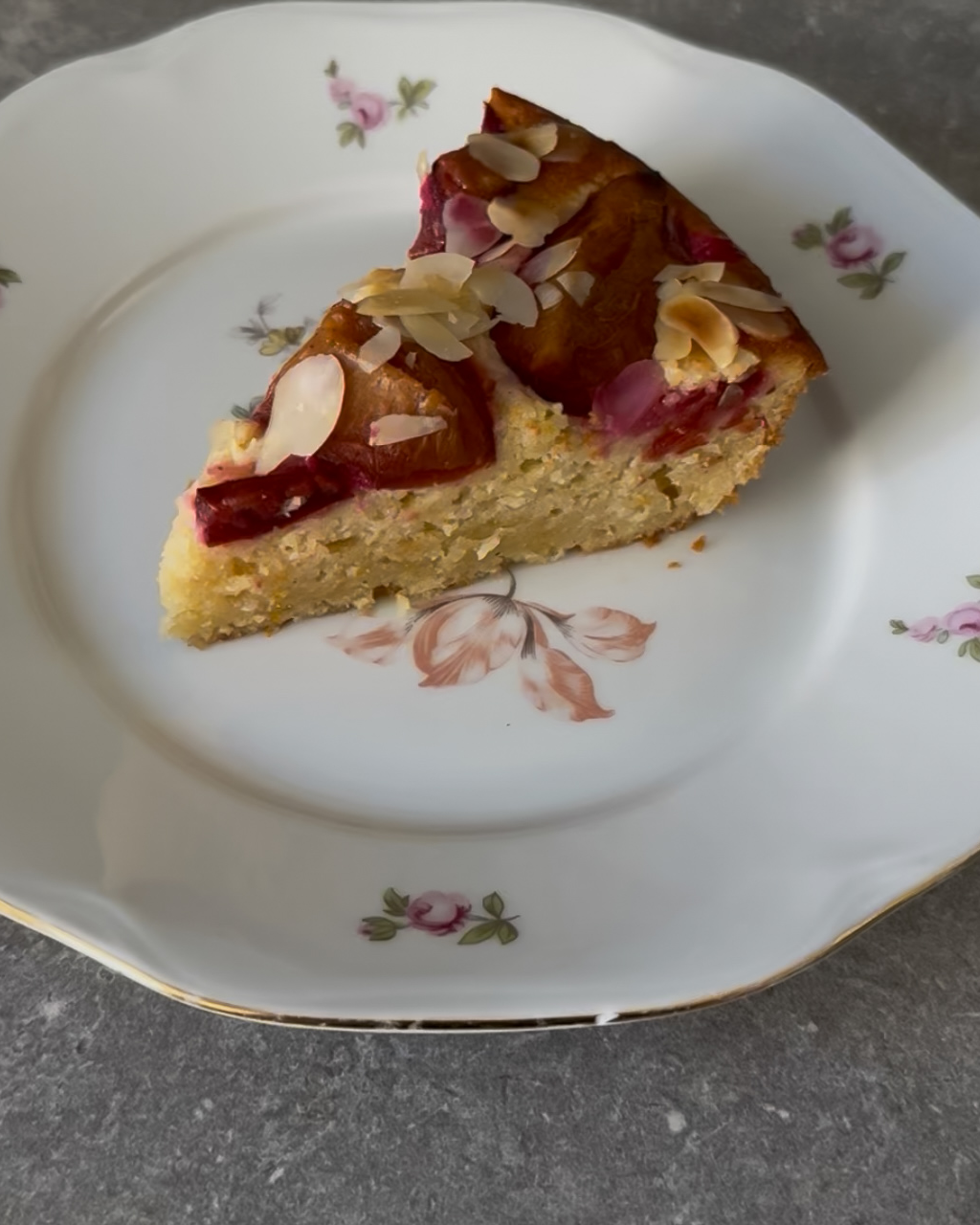
Plum & ricotta almond cake
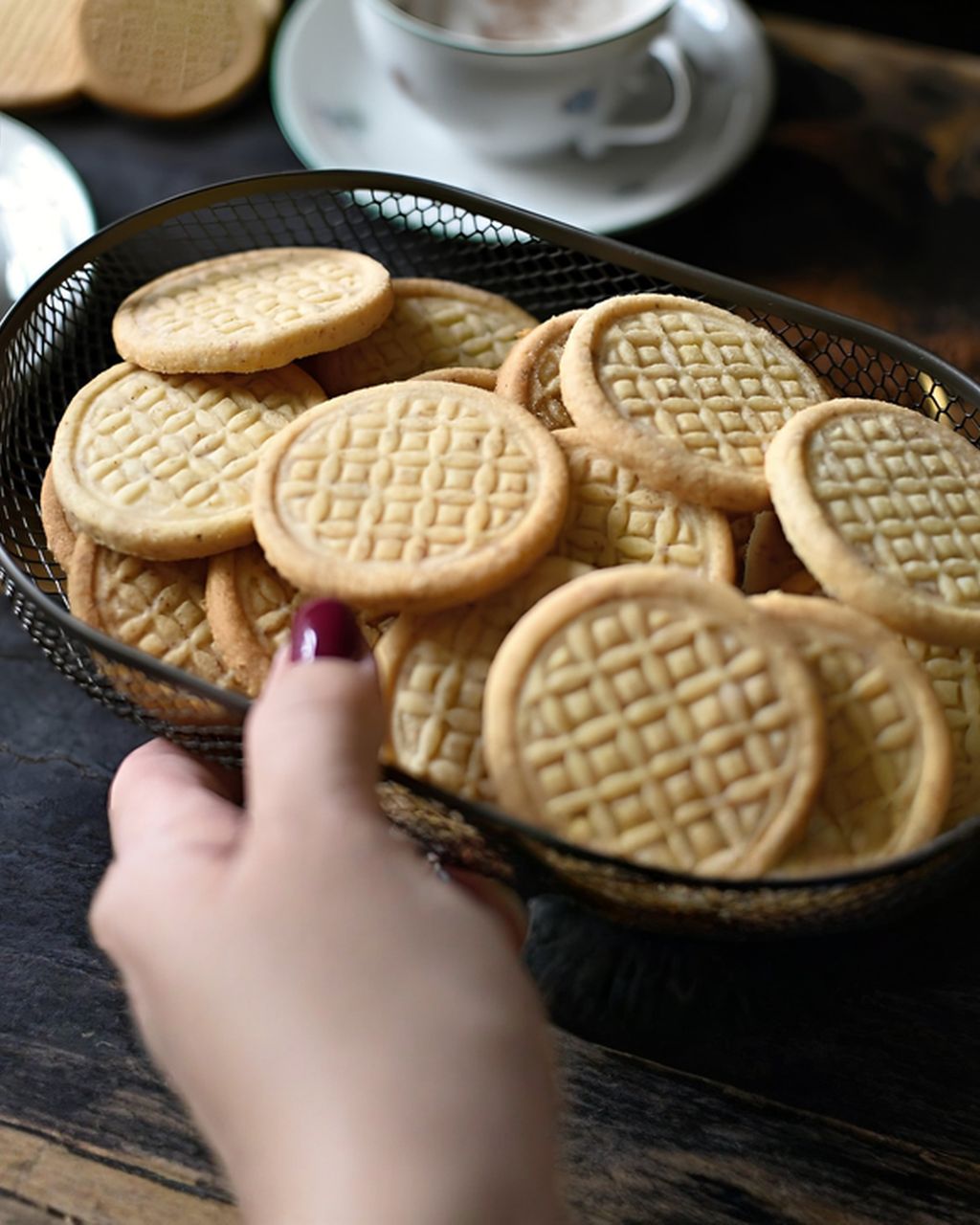
Homemade almond cookies
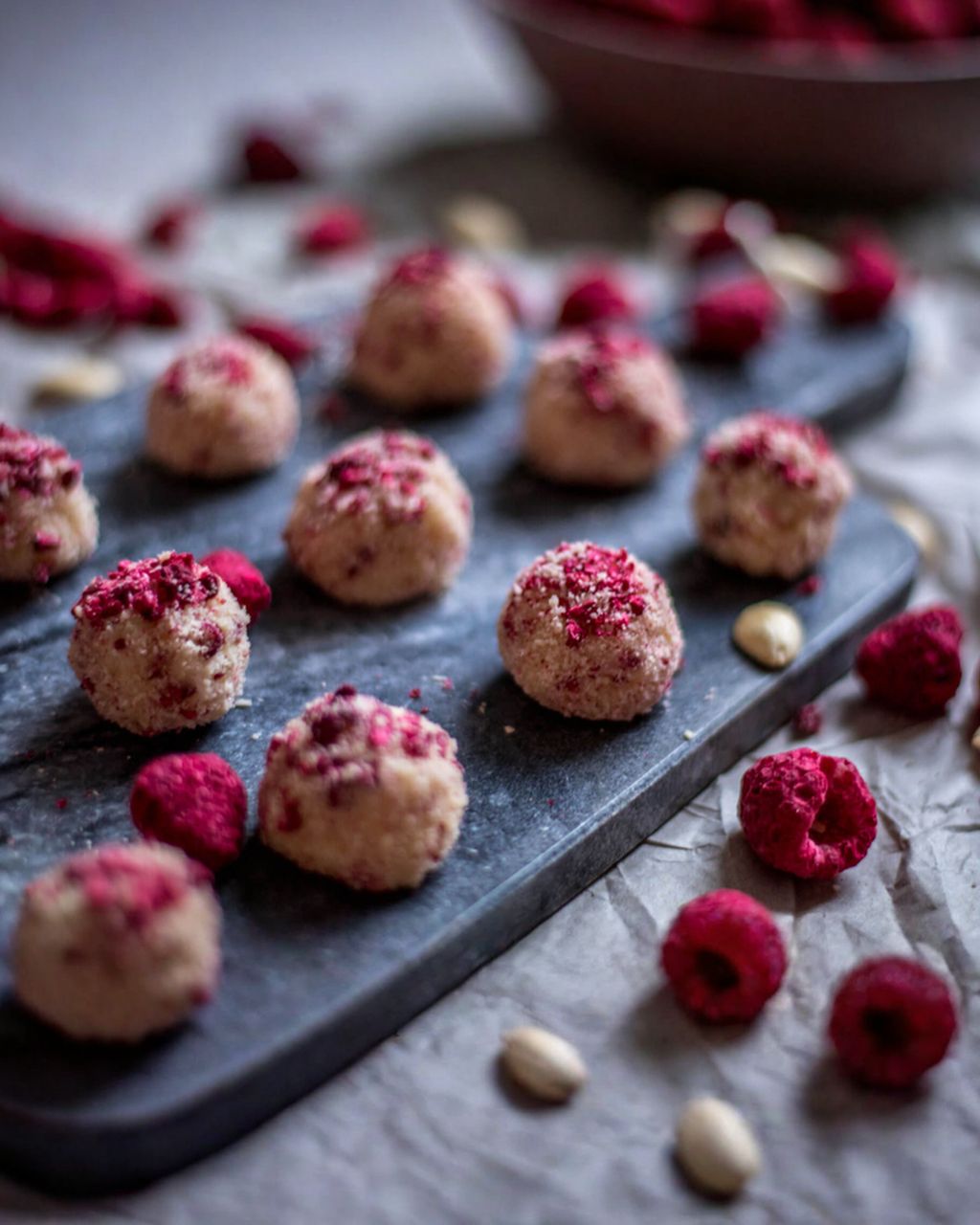
Coconut almond balls with raspberries
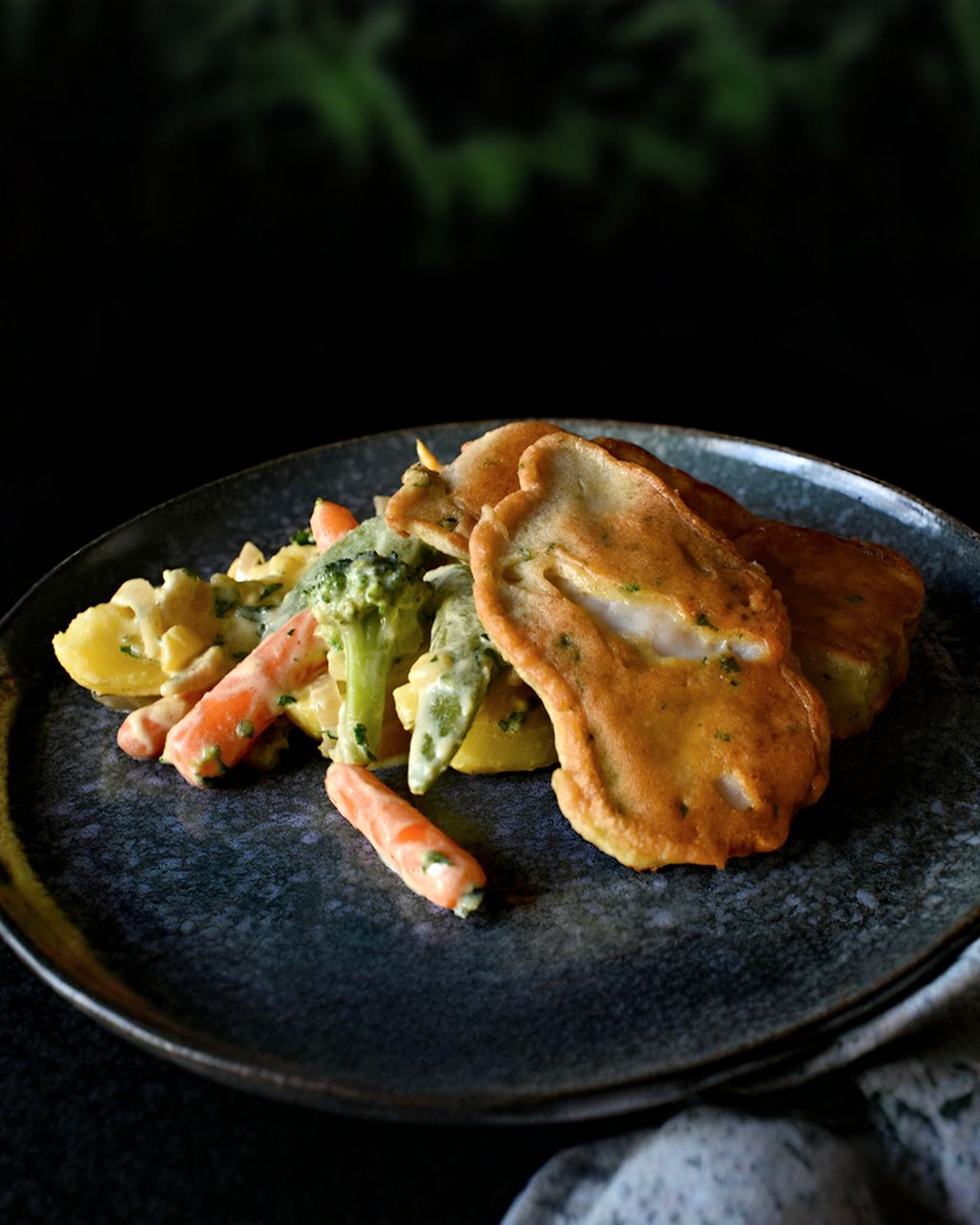
An unconventional christmas eve menu: hake in almond batter
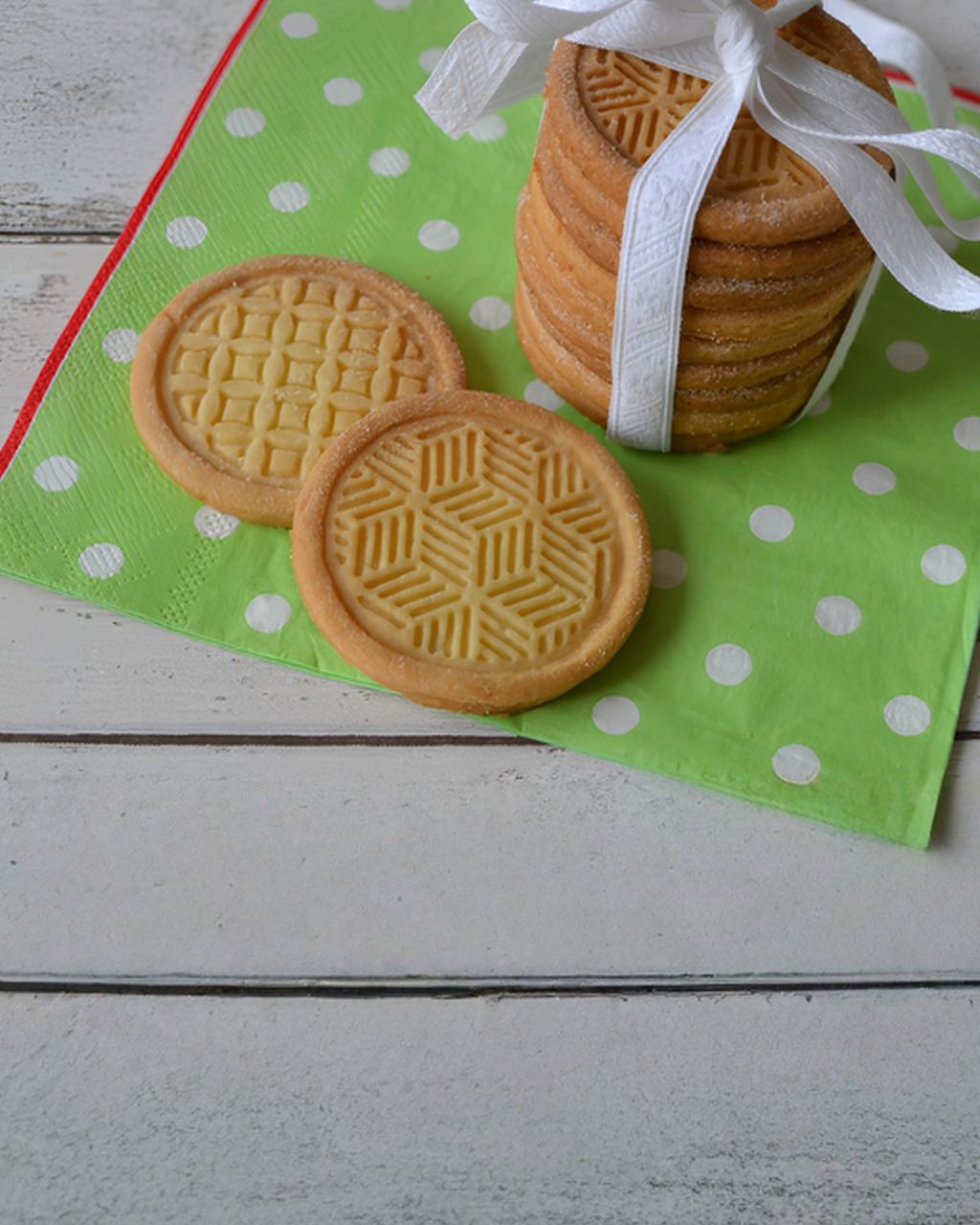
Homemade almond cookies
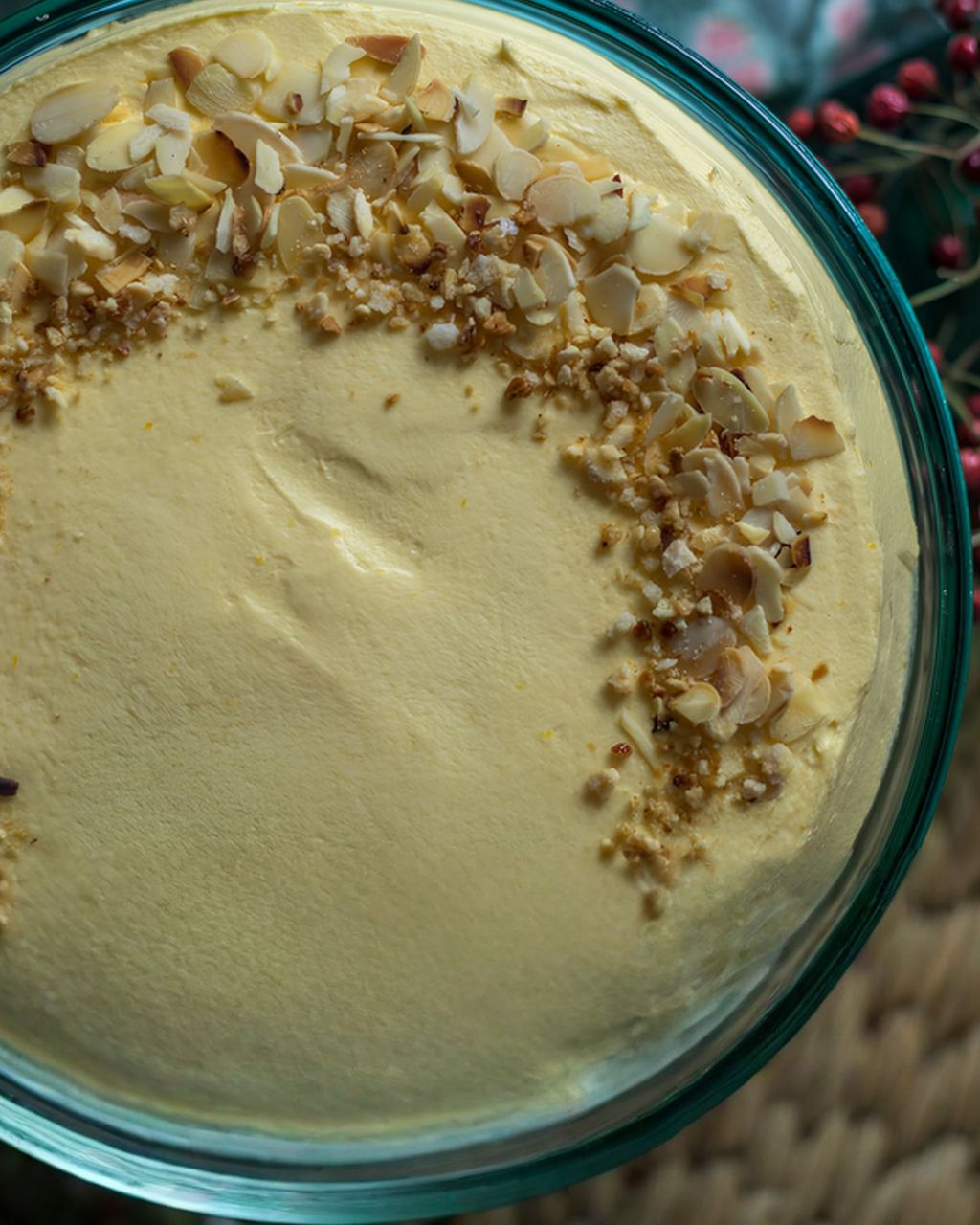
Swedish almond cake
Ground almonds are sweet almonds milled into a fine to coarse meal. They are sold blanched (skinless and pale) or unblanched with the skin, which adds brown flecks and a slightly bitter edge. They differ from almond flour mainly in fineness: almond flour is usually made from blanched almonds milled as fine as plain flour, while ground almonds are coarser. In the UK, ground almonds are mostly sold blanched. Ground almonds contain about 50 g of fat per 100 g and no gluten, so they do not behave like flour in a dough. They add flavour, fat and moistness, while eggs, butter or some wheat flour provide the structure. Almonds are tree nuts, one of the 14 allergens that EU Regulation 1169/2011 requires producers to emphasise in the ingredients list.
Ground almonds smell gently sweet and creamy and taste round and nutty. Unblanched almonds are a little stronger and slightly astringent from the skin. Toasting brings out roasted, caramel notes. The typical marzipan aroma comes mainly from bitter almonds and almond extract; sweet almonds on their own smell milder.
Seasonal baking plans, tested recipes and kitchen tricks that save you time. Unsubscribe in one click.
4 min read
Ground almonds and almond flour are the same ingredient processed differently. Almond flour is usually made from blanched almonds milled fine; it pours like plain flour and passes through a fine sieve. Ground almonds are coarser, with grains of up to 1–2 mm, and often include the skin. Defatted almond flour, the residue left after pressing almond oil, is a separate product: drier and more absorbent, it does not replace ground almonds 1:1.
In biscuits, bundt cakes and cakes where almonds are only part of the dough, you will barely notice the difference. Macarons and marzipan, though, need fine almond flour; ground almonds make them bumpy and oily. Where each works and what to substitute is covered in Almond flour vs ground almonds: what's the difference, when to use each and what to substitute.
Almonds are tree nuts, one of the 14 allergen groups that EU Regulation 1169/2011 requires producers to emphasise in the ingredients list, for example in bold. A "may contain traces" warning is voluntary and signals a risk of cross-contamination in production. People allergic to almonds also need to watch for marzipan, almond extract, almond milk and bakery goods.
A nut allergy can show up within minutes to two hours, and a severe reaction is life-threatening. How to recognise it and what to do is described in Nut allergy: how fast it kicks in and what to do. When baking for guests, label biscuits that contain almonds.
Ground almonds go rancid faster than whole ones because their oil is spread over a large surface. Once opened, move them to an airtight container and use them within 2 weeks in the cupboard or about 2 months in the fridge, and freeze them for longer. Best of all, grind them just before baking. More in How to store nuts so they don't go rancid.
In a dough, ground almonds replace part of the flour and keep the bake moist for longer. The flavour is strongest in an almond cake where they make up most of the batter; try a Swedish almond cake. How to toast, skin and grind almonds at home without them turning oily is covered in Nuts for baking: how to toast, skin and grind them without making nut butter.
The almond tree comes from the Middle East and Central Asia and has been cultivated for several thousand years. Wild almonds are bitter and toxic; sweet almonds arose by selecting plants without the bitterness. Ground almonds were widely used in medieval Europe: they were made into almond milk that replaced cow's milk on fast days, and they thickened sauces. Almond sweets and marzipan spread from Arab cuisine. Today most of the world's almonds come from California, with Spain a major grower in the Mediterranean.
Ground almonds hold a dough together through fat and protein, not starch and gluten. The fat coats the particles and slows drying, which is why almond bakes stay moist and short. Without gluten, eggs, butter and sugar must provide structure. Grinding and long mixing release oil from the cells, and with too much oil the meal turns to paste. Almonds contain both protein and sugars, so they brown easily through the Maillard reaction. Bitter almonds contain amygdalin, which releases hydrogen cyanide as it breaks down, so they are not eaten raw; shop-bought ground almonds are made from sweet almonds.
Almond growing needs a lot of water, including in dry regions such as California, where orchards are irrigated. Orchards depend on bee pollination, with hives trucked in on a large scale for the bloom. If this matters to you, look for almonds with a stated origin, organic almonds or almonds from Mediterranean orchards that are irrigated less. And so that none go to waste, buy small packs and keep them in the freezer.