- Season
- Year-round.
- Price
- Medium
Calories and nutrition
per 100 g
148 kcal
Calories
7 g
Protein
3.2 g
Carbs
11 g
Fat
Dijon Mustard
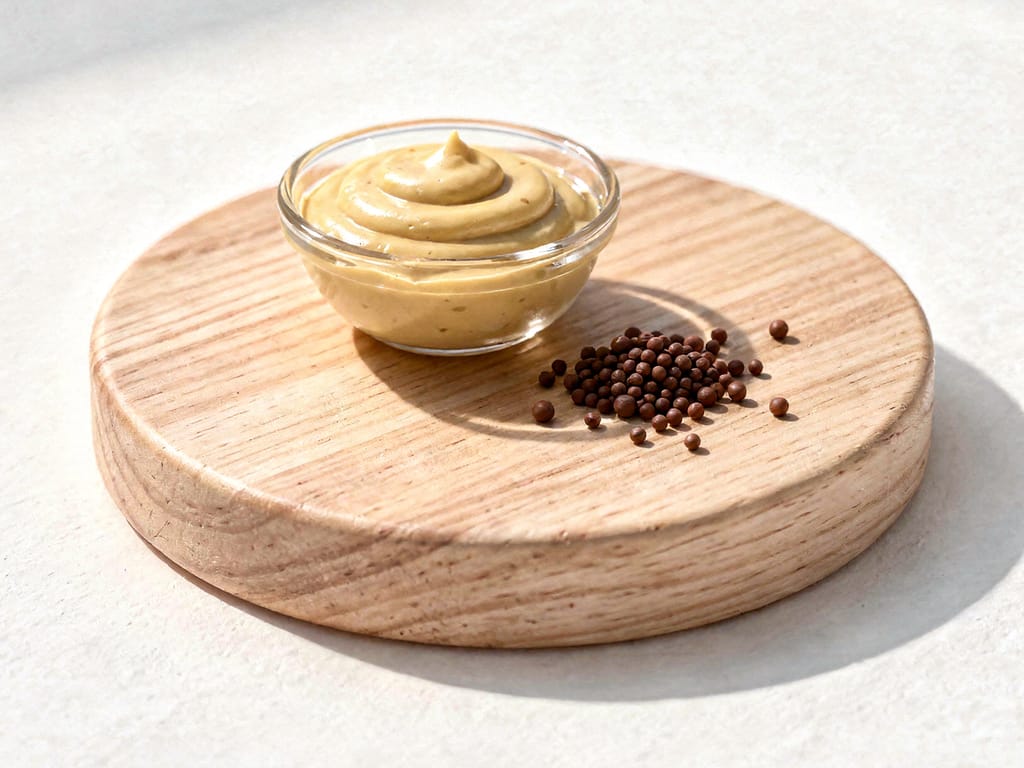
Dijon mustard is a smooth, sharp French mustard made from brown mustard seed, vinegar or white wine and salt, named after the Burgundian city of Dijon. It is hotter and barely sweet, which makes it the mustard of choice for dressings, mayonnaise, sauces and marinades.
per 100 g
148 kcal
Calories
7 g
Protein
3.2 g
Carbs
11 g
Fat
Keep an unopened jar cool and dark until its best-before date. Opened mustard does not spoil easily thanks to the vinegar, but at room temperature it quickly loses its heat and darkens.
Once opened, keep it tightly closed in the fridge and use it as the label advises. The heat fades over time; cold and darkness slow this. Use a clean spoon. If mould or an off smell appears, throw it away.
Not recommended. There is no need, and it may separate after thawing.
A classic Dijon is smooth, pale yellow to yellowish brown, and lists only mustard seed, water, vinegar or wine, salt and perhaps an acid. If you see sugar or syrup in the list, it is more likely a milder French-style mustard. Most Dijon mustards contain potassium metabisulphite, and so the allergen sulphur dioxide and sulphites, which matters for people sensitive to sulphites. If you want mustard made from Burgundy seed, look for Moutarde de Bourgogne with a protected geographical indication; the word Dijon says nothing about origin.
Another smooth, sharp mustard, such as English mustard, or Czech plnotučná. Plnotučná is milder and sweeter, so use a little more and cut back any sugar in the recipe.
Mustard powder mixed with cold water and a drop of white wine vinegar; leave it for 10 minutes so the heat develops. In mayonnaise or a dressing, wholegrain mustard also works in a pinch, though the result will be grainy.
It is ready to use. In a dressing, whisk it with the vinegar or lemon before adding the oil; it helps hold the emulsion. Stir it into hot sauces at the end and do not boil it for long, as heat takes away its sharpness. Mustard and sulphites are allergens that must be declared in the EU, so tell guests when a dish contains them.
Pour oil, vinegar or lemon juice, salt and pepper into the nearly empty jar, close it and shake. You have a salad vinaigrette and a rinsed jar.
Roughly what everyday kitchen measures weigh.
1.01 g
1 milliliter
5.07 g
1 teaspoon
15.2 g
1 tablespoon
225 g
1 cup
In dressings and vinaigrettes, where it helps bind oil and vinegar. In homemade mayonnaise, hollandaise and tartare sauce. In cream sauces for chicken and pork, always added at the end. In marinades, often with honey, and as a coating spread on meat before roasting or grilling. As a table mustard with steak, ham, toasted sandwiches and sausages.
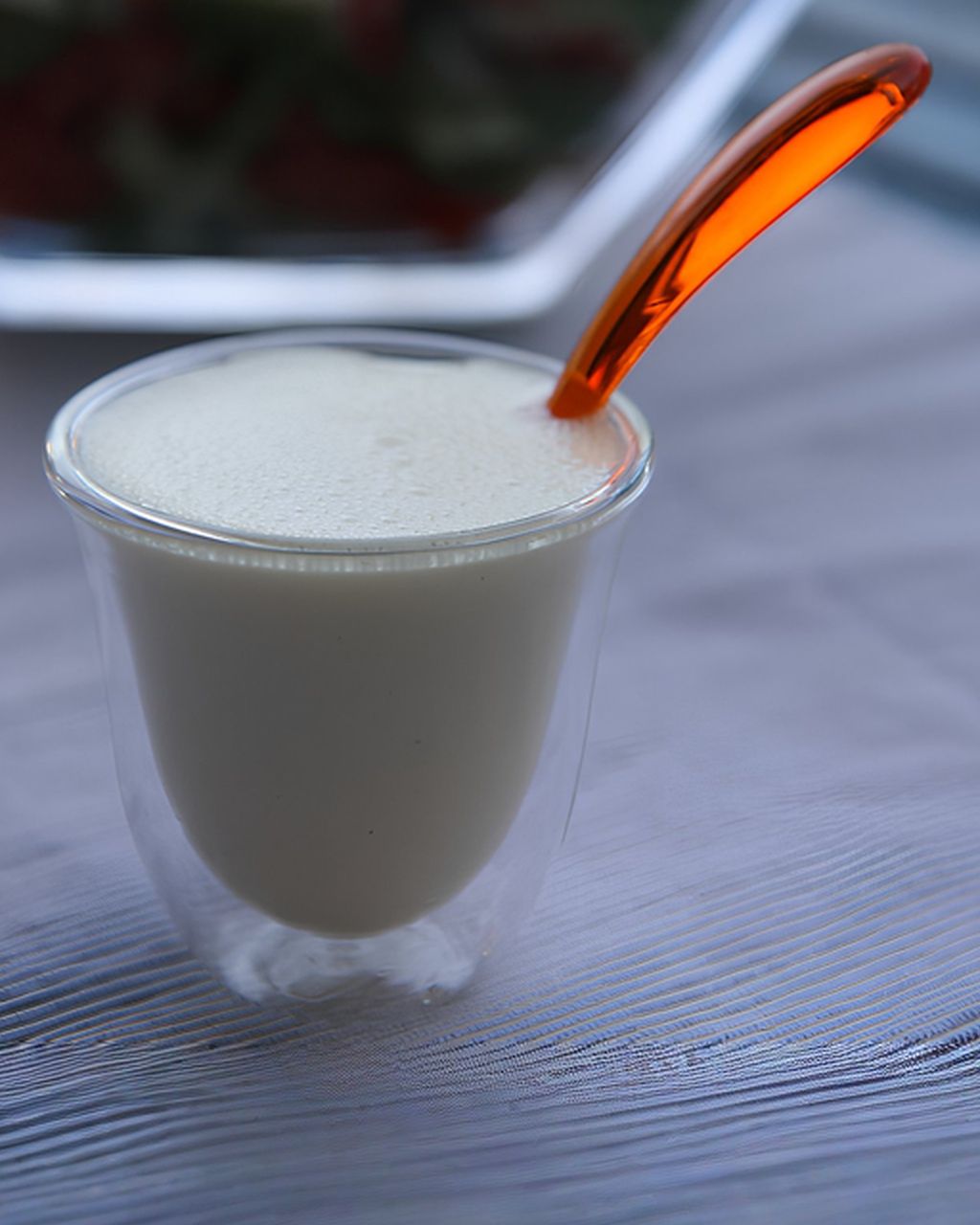
Homemade whole-egg mayonnaise
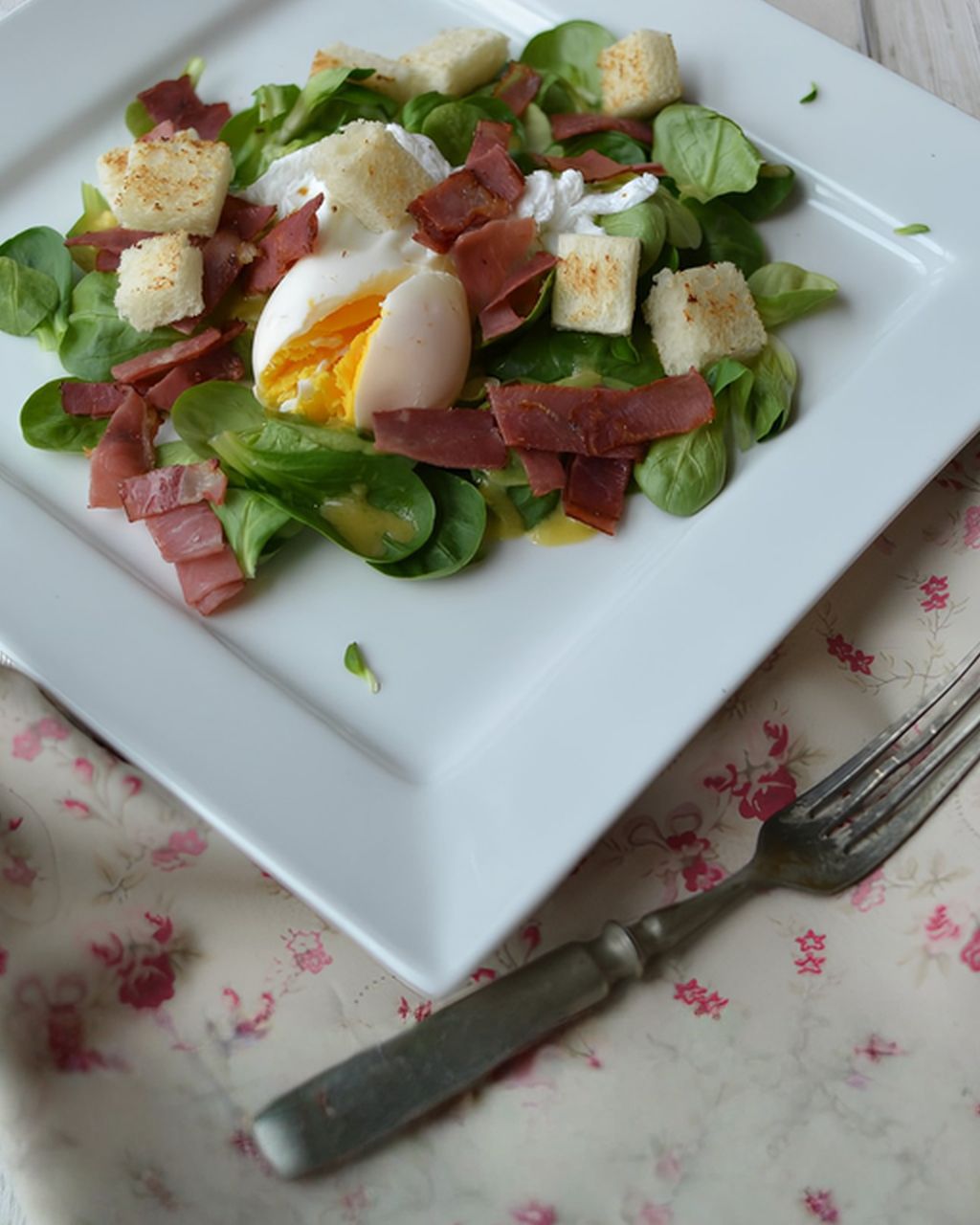
Spring lyonnaise salad
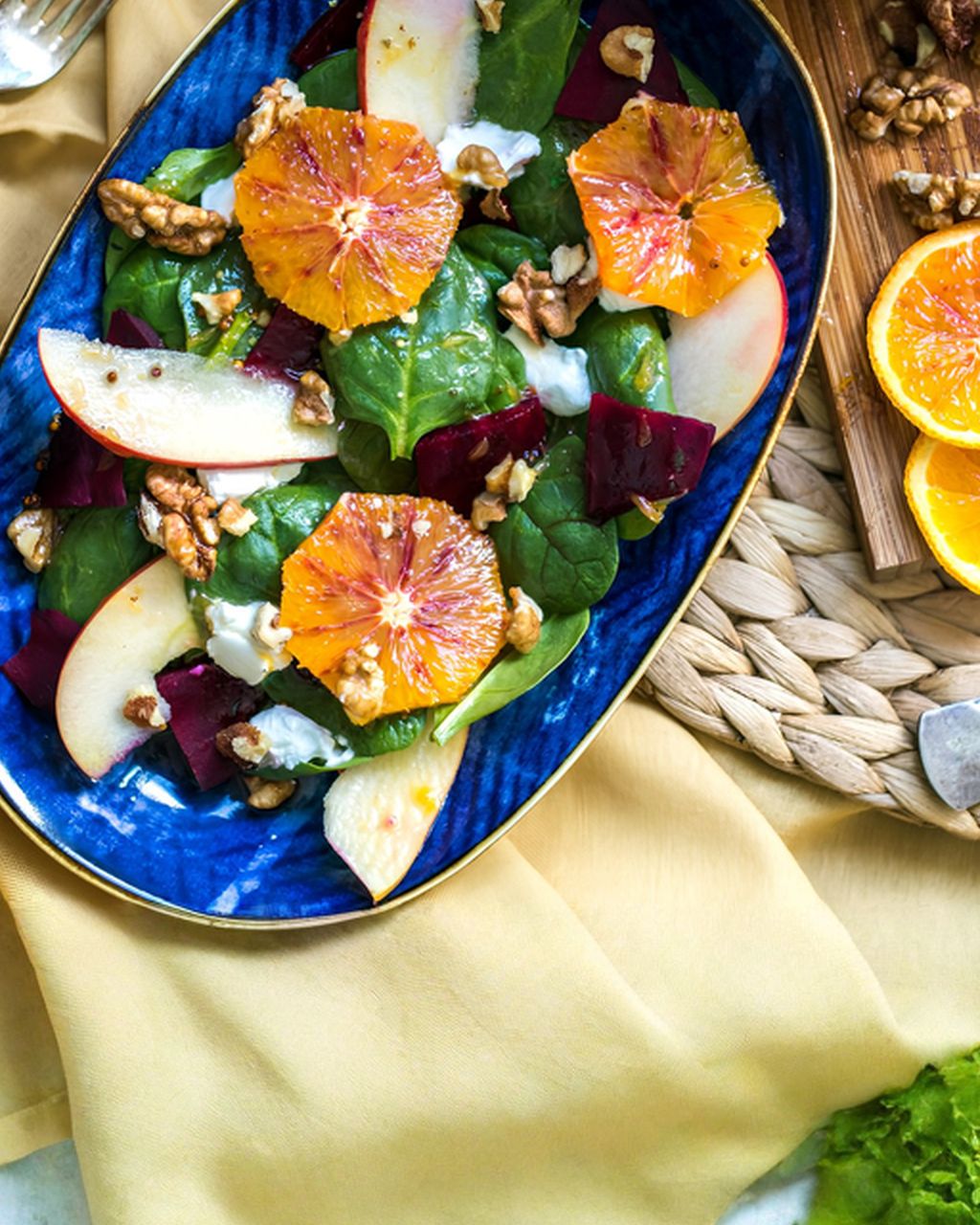
Light salad with blood oranges
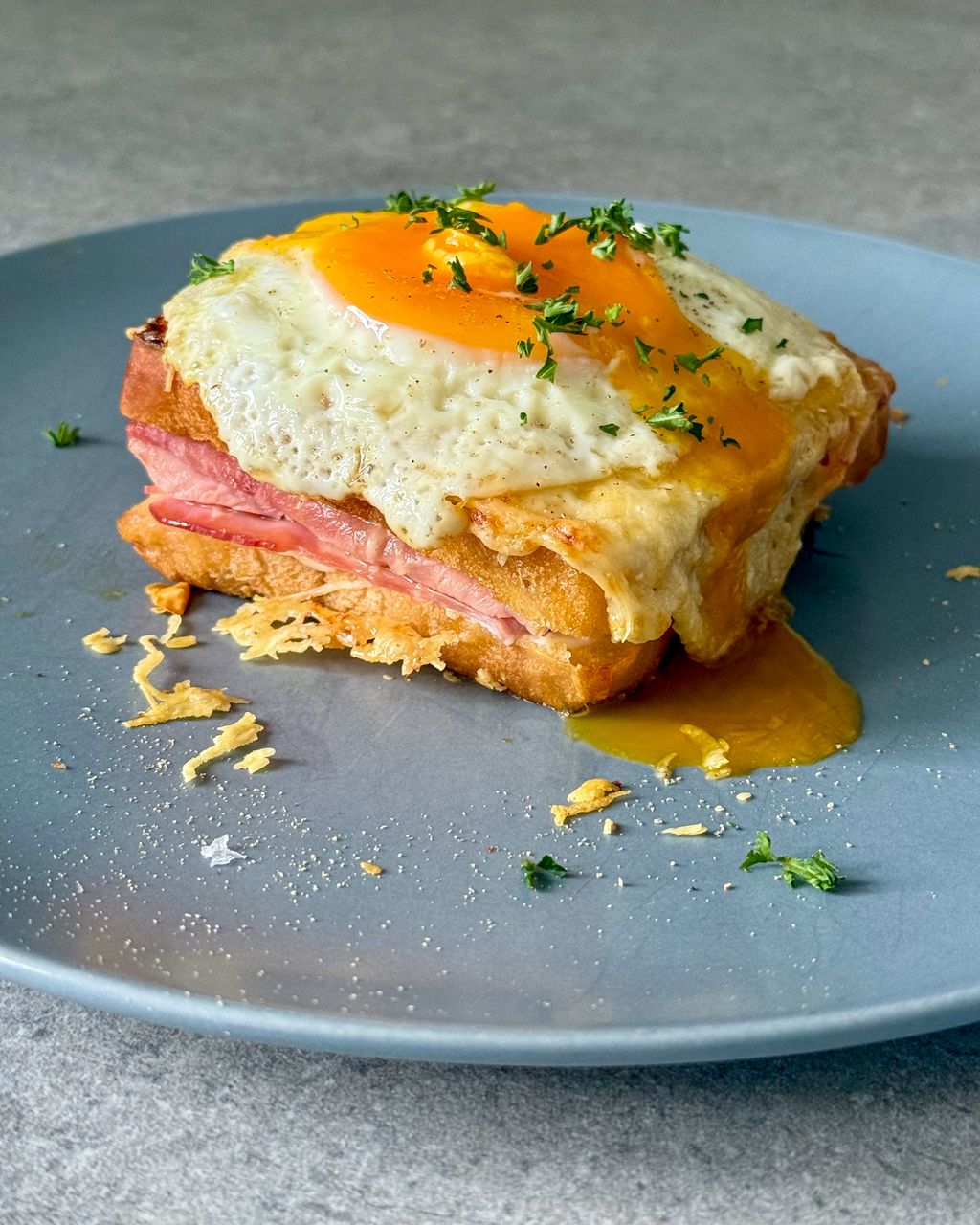
Croque madame: toasted ham and cheese sandwich with a fried egg
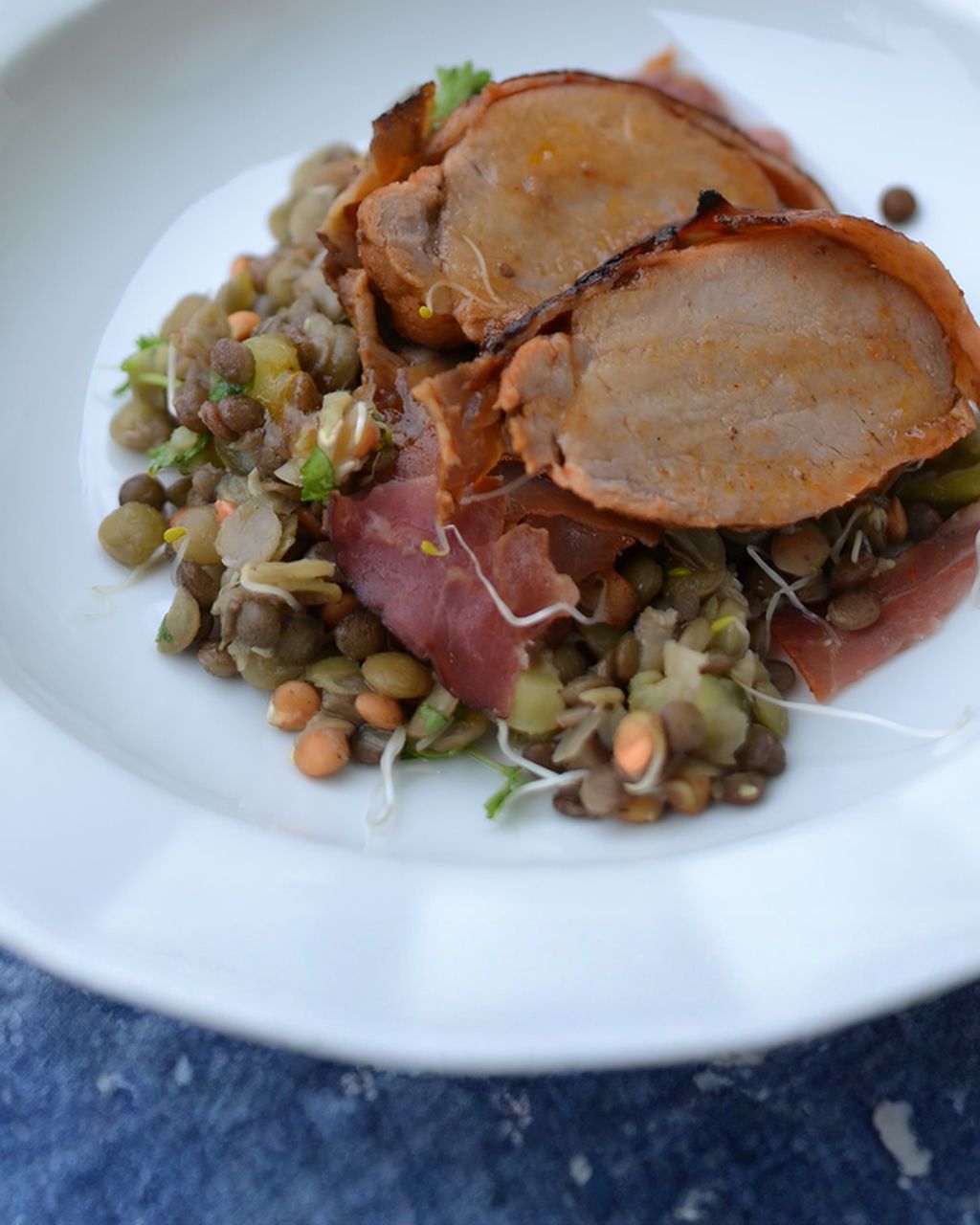
Lentil salad with pork tenderloin
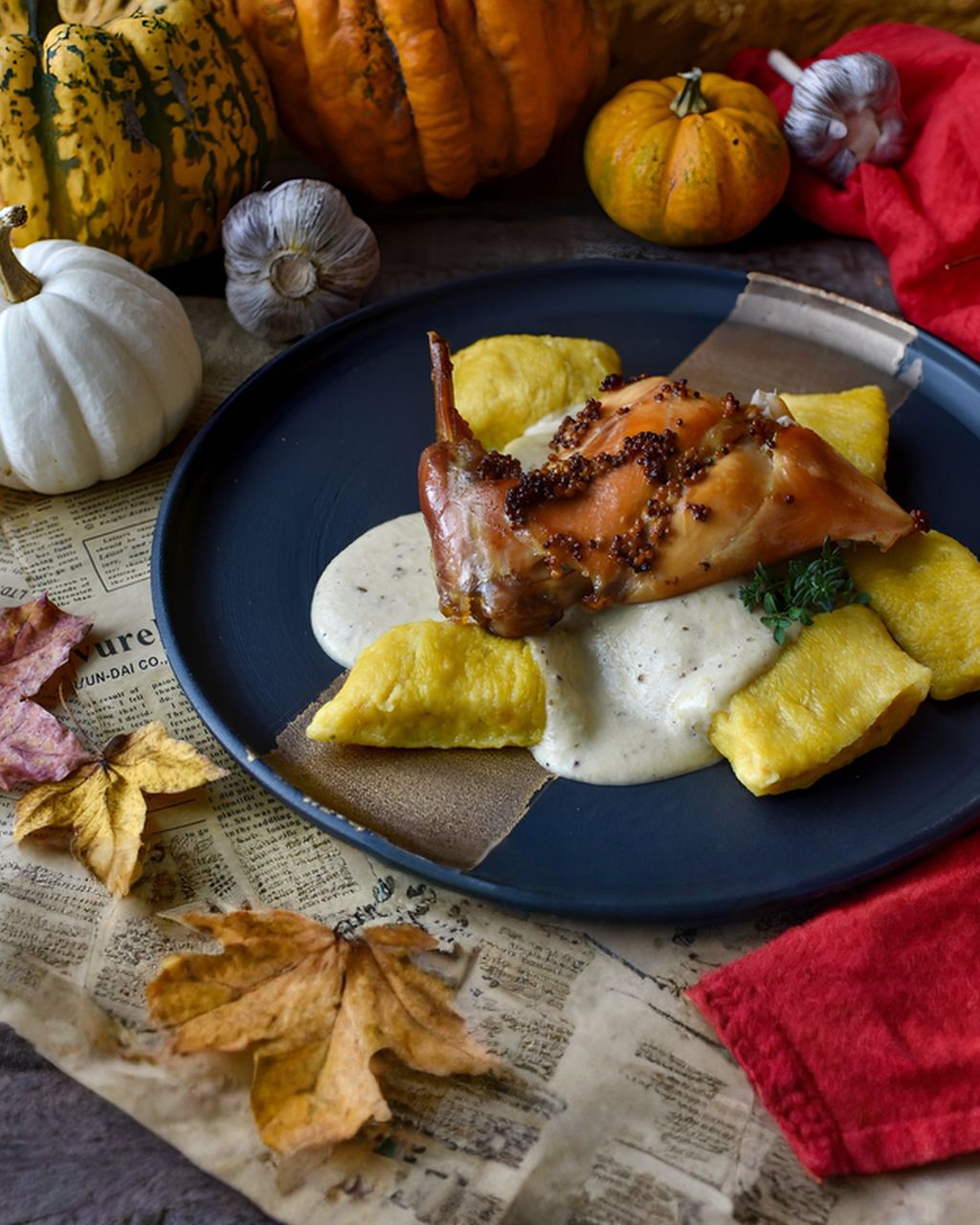
Roast rabbit with wholegrain mustard and pumpkin purée

Eggs benedict with spicy hollandaise and pastrami
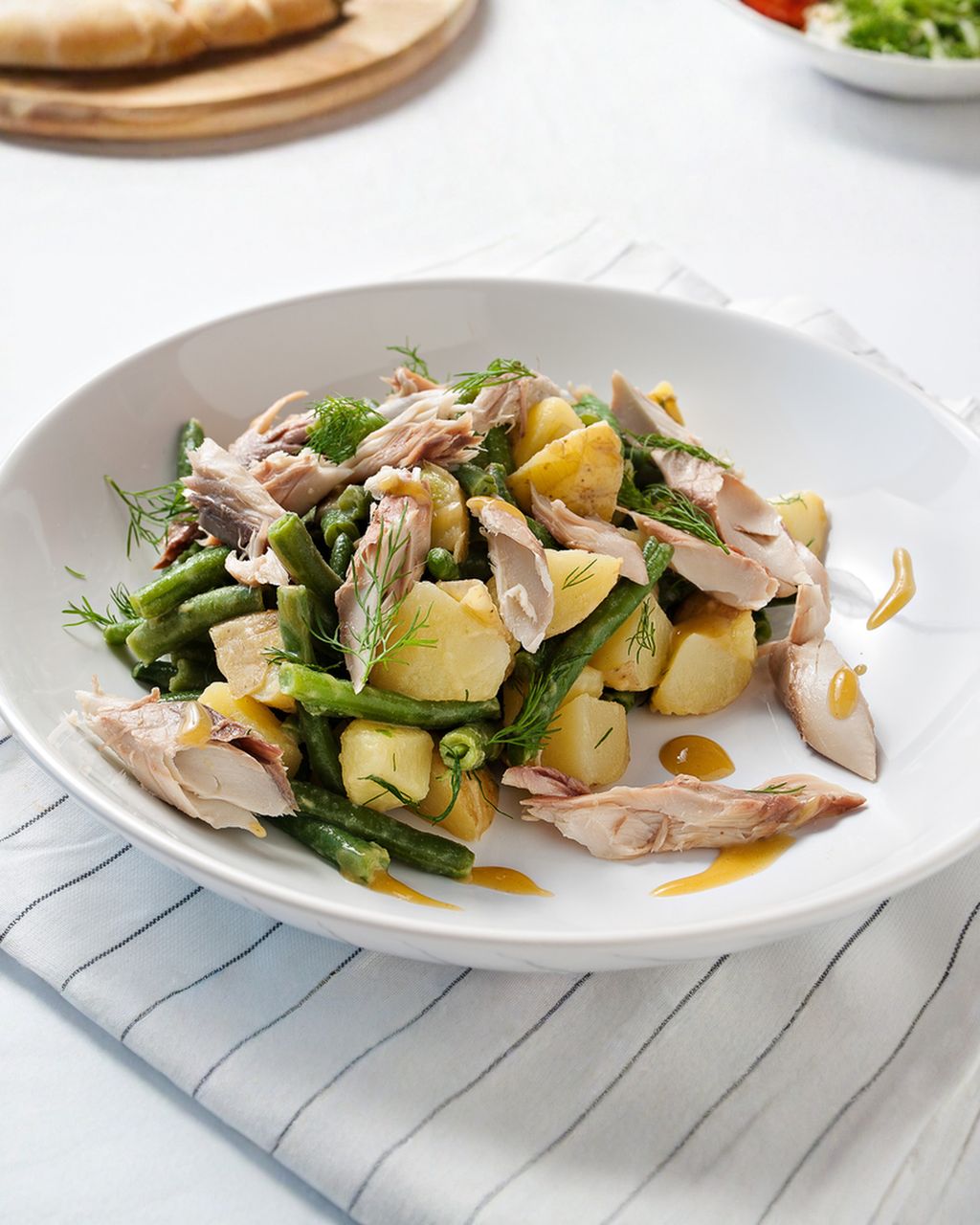
Potato salad with green beans and smoked mackerel
It is made mainly from brown mustard seed (Brassica juncea), sometimes also black (Brassica nigra), finely ground and mixed with an acidic liquid, water and salt. The acid was originally verjuice, the juice of unripe grapes; today it is vinegar, white wine or citric acid. Dijon mustards in Czech shops usually list water, mustard seed, spirit vinegar, salt, an acid and the preservative potassium metabisulphite. Under the Czech mustard decree, French mustards count as special mustards.
Sharp and clean, with a pungency that rises quickly into the nose and then fades. It is distinctly hotter than Czech plnotučná mustard and barely sweet, with a light acidity from vinegar or wine. The texture is smooth and creamy, with no whole seeds.
3 min read
No. It is named after Dijon in Burgundy, a centre of mustard making since the Middle Ages, but the name is not protected. In 1937 a French ruling made moutarde de Dijon a generic name for a method of making mustard rather than a place of origin. Dijon mustard can therefore be made anywhere.
Only Moutarde de Bourgogne (Burgundy mustard) has a protected geographical indication. Its seed must be grown and stored in Burgundy, and it contains Burgundy white wine, Aligoté or Chardonnay, at least 25% at the processing stage. Most of the seed for Dijon mustard is imported: according to the New York Times (2022), about 80% comes from Canada.
The base is brown mustard seed (Brassica juncea); French sources also list black seed (Brassica nigra). The seed is finely ground and mixed with water, vinegar or white wine and salt. The mustard is then sieved so that it is completely smooth.
It took its modern form in 1856, when the Dijon mustard maker Jean Naigeon replaced vinegar with verjuice, the sour juice of unripe grapes. Most Dijon mustards today use white wine or vinegar instead of verjuice.
You can tell Dijon by its smooth texture, sharp nose-clearing heat and almost no sweetness. Compared with the others:
Czech plnotučná mustard is made from white seed, is milder, heats the tongue rather than the nose, and by Czech law must contain at least 5% sugar. Both work in dressings.
Kremser mustard is grainy and distinctly sweet, with at least 16% sugar. It replaces Dijon only where sweetness does no harm.
French moutarde à l'ancienne contains whole or only coarsely crushed seeds, is grainy and usually milder than Dijon. It suits meat and sauces where you want to see the seeds.
In French cooking Dijon is a basic building block of dressings and sauces. In our recipes you will find it in homemade mayonnaise made with pasteurised egg, in a honey marinade for grilled pork tenderloin and as a thin layer in a croque monsieur. Basic vinaigrette ratios with mustard are in our article on mustard salad dressing.
Mustard's heat comes from volatile compounds that disappear quickly with heat. Add it to sauces at the end and do not boil it for long, or only the acidity and a slight bitterness will remain.
Mustard is one of the 14 allergens in Annex II of EU Regulation 1169/2011 and must be emphasised on the label. Most Dijon mustards also contain the preservative potassium metabisulphite. Sulphur dioxide and sulphites are declared as an allergen above 10 mg/kg, and Dijon mustards in Czech shops list them on the label. People sensitive to sulphites should look for a mustard without them.