Panna cotta
What to Use Instead of Gelatine: Agar, Pectin and What Works Where
Updated Sep 25, 2026
What can you use instead of gelatine? Most often, agar: use roughly a quarter to a third of the gelatine's weight, and always simmer it for at least a minute. But agar sets differently. It's firmer, it snaps rather than wobbling gently, and it won't melt in your mouth. That's why it doesn't suit every dessert. For fruit jams and jellies, pectin works better; for puddings, cornstarch; and for creamy desserts, carrageenan is a good option too. Below you'll find the right amounts, the method, and a quick guide to what suits which dessert.
You can replace gelatine with five plant-based setting agents. Each one suits something different:
Agar is an all-purpose substitute for jellies, sliceable cake layers and firmer creams.
Pectin works well for jams, fruit jellies and fruit-based gummy sweets.
Carrageenan is great for creamy, milk-based desserts where you want a soft, springy texture.
Cornstarch thickens puddings and creams that don't need to be sliced.
Chia seeds are perfect for a quick jam or pudding, as long as you don't mind the little seeds.
Gelatine is an animal protein made from collagen, usually pork or beef. All the substitutes above are plant-based, so they work for both vegetarian and vegan cooking.
The main difference between gelatine and agar is temperature: gelatine melts at around 35°C, which is basically body temperature, while agar doesn't melt until 85–95°C. Meanwhile, agar sets at just 32–40°C. Everything else follows from that:
Texture: gelatine makes a springy, tender gel that wobbles gently and melts on the tongue. Agar gel is firmer and more brittle — it tends to snap rather than wobble.
Method: gelatine just needs dissolving in warm liquid, which must never boil. Agar, on the other hand, has to be simmered, otherwise it won't set.
Setting time: agar sets within a few dozen minutes at room temperature. Gelatine needs the fridge, and usually 4 hours or more.
Stability: an agar dessert can sit out on a summer table without melting. A gelatine one starts softening as soon as it warms up.
Enzymes: fresh pineapple, kiwi, papaya or mango will break down gelatine, because they contain enzymes that digest proteins. Agar isn't a protein, so these enzymes don't affect it.
Depending on which seaweed it comes from, agar from different brands can also set at slightly different temperatures, so two packets from different makers might behave a little differently.
Use roughly a quarter to a third of the gelatine's weight called for in the recipe. So if a recipe asks for 10 g of gelatine (about 6 sheets for most brands, with each sheet weighing 1.5–2 g depending on the brand), use 2.5–3 g of agar powder.
If the recipe doesn't give an amount, calculate it based on the weight of the liquid:
0.2–0.3% (1–1.5 g per 500 ml) gives a soft cream that barely holds a slice.
0.5–0.8% (2.5–4 g per 500 ml) gives a classic jelly and a sliceable fruit layer for a cake.
2–3% (10–15 g per 500 ml) gives firm, gummy-textured cubes.
These amounts are for agar powder. Flakes and strips are weaker and need longer cooking. The usual rule of thumb is by volume: 1 teaspoon of powder is roughly equal to 1 tablespoon of flakes — about three times as much by volume (not by weight). Strength also varies by brand, so with a new packet it's worth doing a quick test (see the method below).
Acidity weakens the gel. With very acidic liquids (lemon juice, redcurrant or cranberry juice, vinegar), add about 20% more agar. Stir in the acid only after simmering, not during it.
Agar has to actually boil for at least 1–2 minutes. Just dissolving it in warm liquid isn't enough. This is the most common reason an agar dessert fails to set.
Mix the powder into cold liquid. Adding it to hot liquid will make it lump up.
Bring it to a boil while stirring constantly, and let it bubble for 1–2 minutes. The liquid will turn a little clearer.
Take it off the heat and immediately stir in any acid, fresh fruit, cream or chocolate. Whipped cream should only go into the mixture once it's cooled a bit (see the FAQ below for how).
Pour it into the mould right away. Agar starts setting at around 40°C, so it'll firm up on the counter faster than you'd expect.
The plate test: drop a little of the hot mixture onto a cold plate and wait 1–2 minutes. If it's too firm, add more liquid. If it's too soft, add a bit more agar mixed with cold water. Either way, bring the mixture back to a boil again. Agar can be melted and set repeatedly, so you can fix a wrong dose even after the dessert is made.
Agar won't replace gelatine in four cases: mousses and foams, marshmallows and gummy sweets, frozen desserts, and delicate, wobbly panna cotta. In all of these, what matters is the springiness and melt-in-the-mouth quality that agar simply doesn't have:
Mousses, foams and light, airy creams. Gelatine holds air bubbles in whipped cream and beaten egg whites while staying soft and pliable. Agar sets fast and firm, so the foam tends to come out rubbery and a bit crumbly.
Marshmallows and gummy bears. Here, springiness is the whole point. An agar version will be firmer and more brittle — more like a fruit jelly sweet.
Frozen desserts. Agar gel weeps water and falls apart once thawed. Gelatine holds up much better in ice creams and semifreddos.
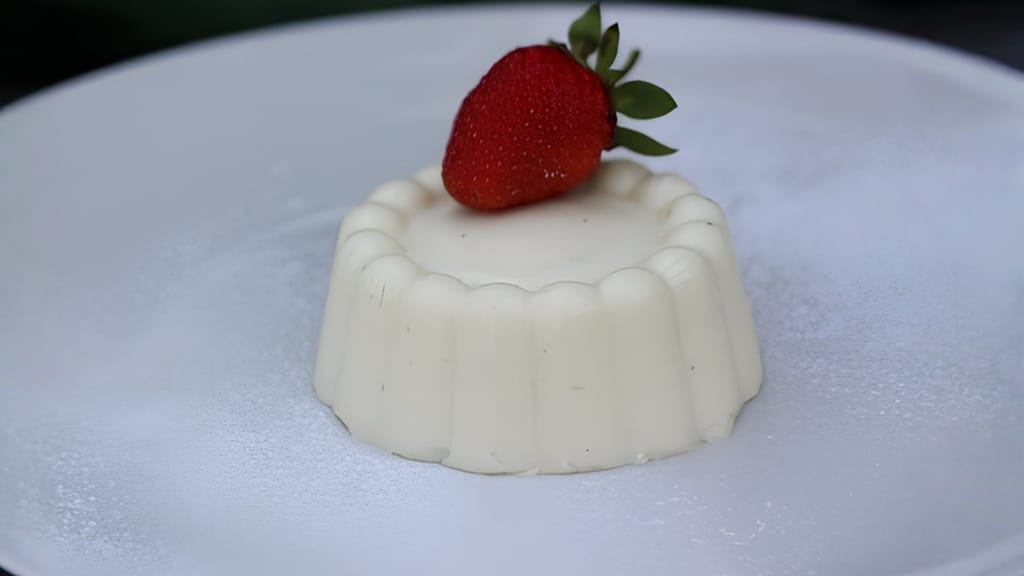
Delicate, wobbly panna cotta. It can be done with a low dose (about 0.2–0.3%; serve it in a glass, as it won't turn out onto a plate), but it will be firmer and less creamy than with gelatine.
Agar gel also tends to release a little liquid over time, especially once sliced or stored for a while. It doesn't affect the taste — just wipe it away.
Pectin is a fruit fibre that works mainly in fruit-based desserts. Don't use it for panna cotta or creamy custards. There are two types, and each sets differently:
High-methoxyl (HM) pectin needs a lot of sugar (over 55% by weight) and an acidic environment (pH around 2.8–3.5). This is how classic jams and fruit jellies set. Most jam sugars sold in shops work on this principle.
Low-methoxyl (LM) pectin sets thanks to calcium, not sugar. That's why it's the right choice for low-sugar or sugar-free jams.
So pectin isn't a universal gelatine substitute. It's your best bet for jam, a fruit cake layer, or fruit jelly sweets (pâte de fruit), but don't expect it to give you a firm, sliceable jelly from clear, sugar-free juice. Agar is the better choice for that.
Other gelatine substitutes include carrageenan (creamy desserts), cornstarch (puddings and custards) and chia seeds (quick jam):
Carrageenan is extracted from red seaweed, just like agar, but it works especially well with milk. The kappa type gives a firm, more brittle gel, while iota gives a soft, springy one that's closest to gelatine. Strength varies by type and brand, so always go by the dose on the specific product's packaging. Great for creamy desserts, panna cotta and milk puddings.
Cornstarch thickens things but doesn't form a gel you can turn out and slice. As a rough guide, use 40 g per 500 ml of milk for a thick pudding. Always mix it into cold liquid first and simmer it briefly, otherwise it'll taste starchy.
Chia seeds soak up liquid and thicken within 15–20 minutes. For a quick jam, about 2 tablespoons per 250 g of mashed fruit is enough. The texture will be seedy — nothing like a clear jelly.
Dried egg white, aquafaba or egg yolks are foaming and thickening agents, not setting agents. They can help with foams, but they won't replace gelatine in a jelly.
Pick your gelatine substitute based on the dessert: agar for jellies and cake layers, agar in a low dose or carrageenan for panna cotta, pectin for jam, starch for pudding.
Panna cotta: agar at a low dose of 0.2–0.3% (serve in a glass, as it won't turn out onto a plate), or carrageenan (iota) following the pack instructions.
Fruit jelly and sliceable no-bake cake layers: agar, 0.5–0.8% of the liquid.
Jelly with fresh pineapple or kiwi: agar, since those enzymes will break down gelatine.
Jam and preserves: HM pectin with plenty of sugar, LM pectin for low-sugar versions, chia for a quick take.
Pudding and cake filling: cornstarch, possibly with a little agar if the filling needs to hold its shape.
Mousses and foams: this is the hardest case to substitute. Try a low dose of agar, but expect a firmer texture.
Marshmallows, gummy bears and frozen desserts: stick with gelatine here, unless the dessert absolutely needs to be plant-based.
Panna cotta
Classic panna cotta: try it with agar or carrageenan instead of gelatine
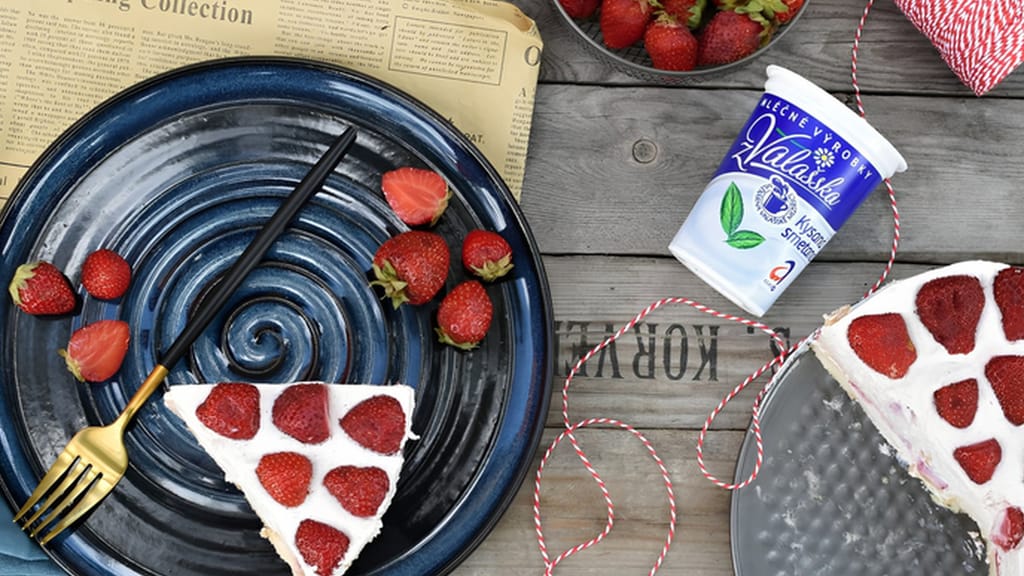
No-bake strawberry cake – a classic from my childhood
No-bake strawberry cake: agar is all you need for a sliceable jelly layer instead of gelatine
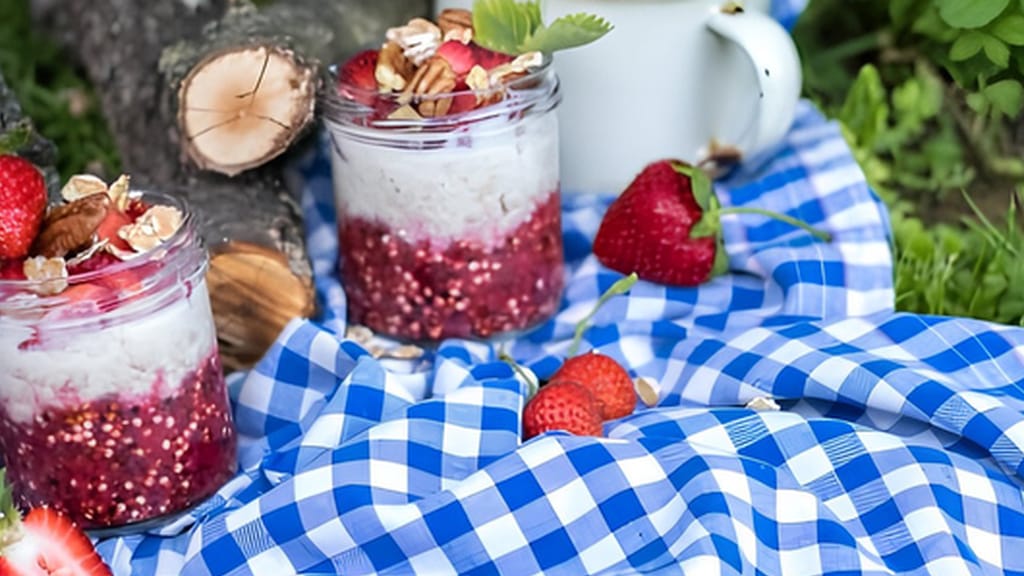
Breakfast with strawberry chia jam
Strawberry chia jam: thickening without gelatine or pectin
Yes, agar-agar is vegan, since it's made from red seaweed and contains nothing of animal origin. That makes it suitable for vegetarians too, and for any kitchen that avoids pork- or beef-based gelatine.
If a dessert hasn't set with gelatine, warm it gently to around 50–60°C (don't let it boil) and stir in some more dissolved gelatine. Then chill it again for at least 4 hours. With agar it's even easier: bring the mixture back to a boil, add agar mixed with cold water, and simmer for 1–2 minutes.
Yes, you can use agar in a dessert with whipped cream or chocolate, just don't boil the cream or chocolate together with the agar. Simmer the agar first in part of the liquid, then stir in the chocolate as soon as you take it off the heat. With whipped cream, wait until the mixture cools to 45–50°C, then fold in a spoonful of cold whipped cream first to even out the temperature, and only then fold in the rest. If the cream hits a mixture that's too hot, it'll deflate. If the mixture is too cold, the agar will seize into lumps.
An agar dessert keeps in the fridge for roughly as long as its most delicate ingredient — with cream and fresh fruit, that's usually 2–3 days. The gel won't melt, but it will gradually release a little liquid. So store it covered and slice it only just before serving.
You can buy agar under the name agar or agar-agar in health food shops, Asian grocery stores, online shops, and some supermarkets in the baking section. It's sold as powder, flakes, or strips; recipes usually assume powder. In the ingredients list of packaged products, look for the code E 406.
One recipe worth heating the oven for, one tip, and one deal from the shop. Nothing else.