Why Is My Pie Crust Crumbly or Cracking When I Roll It Out?
Why Is My Pie Crust Tough? Causes and Fixes for Hard, Chewy Pastry
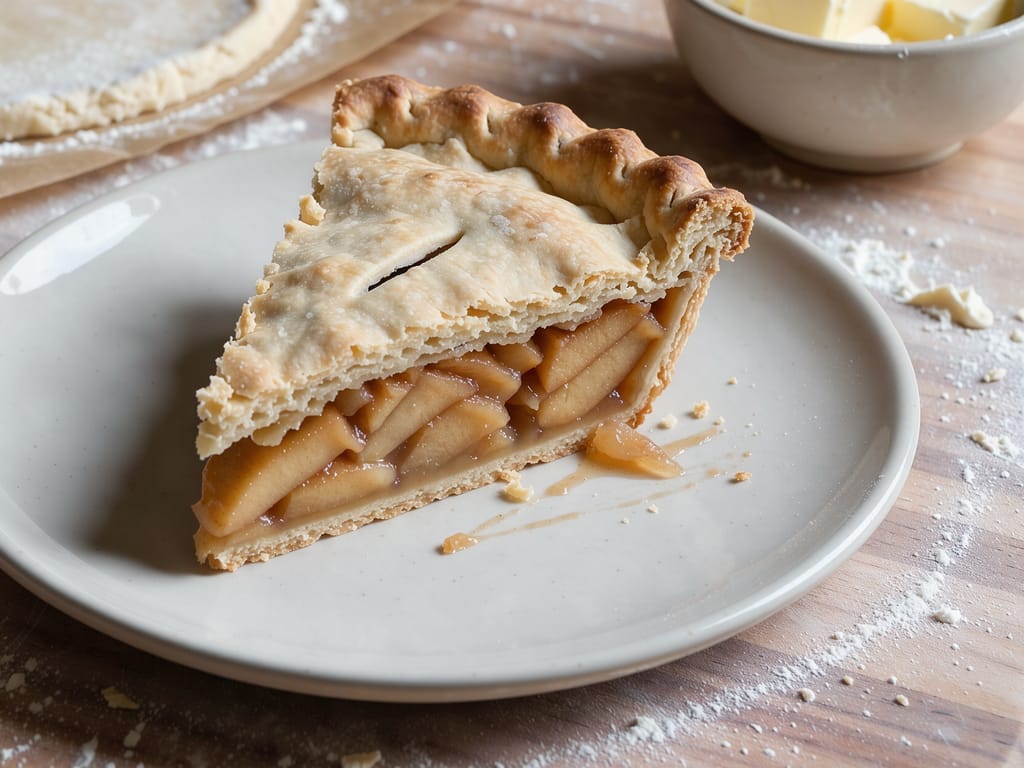
Updated Nov 20, 2026
A pie crust turns out tough when too much gluten develops in the dough, usually because it was mixed or rolled too much, got too much water, or was rerolled from scraps. Warm butter and overbaking make it hard rather than chewy. Each cause has a simple fix, and most of them happen before the dough reaches the oven.
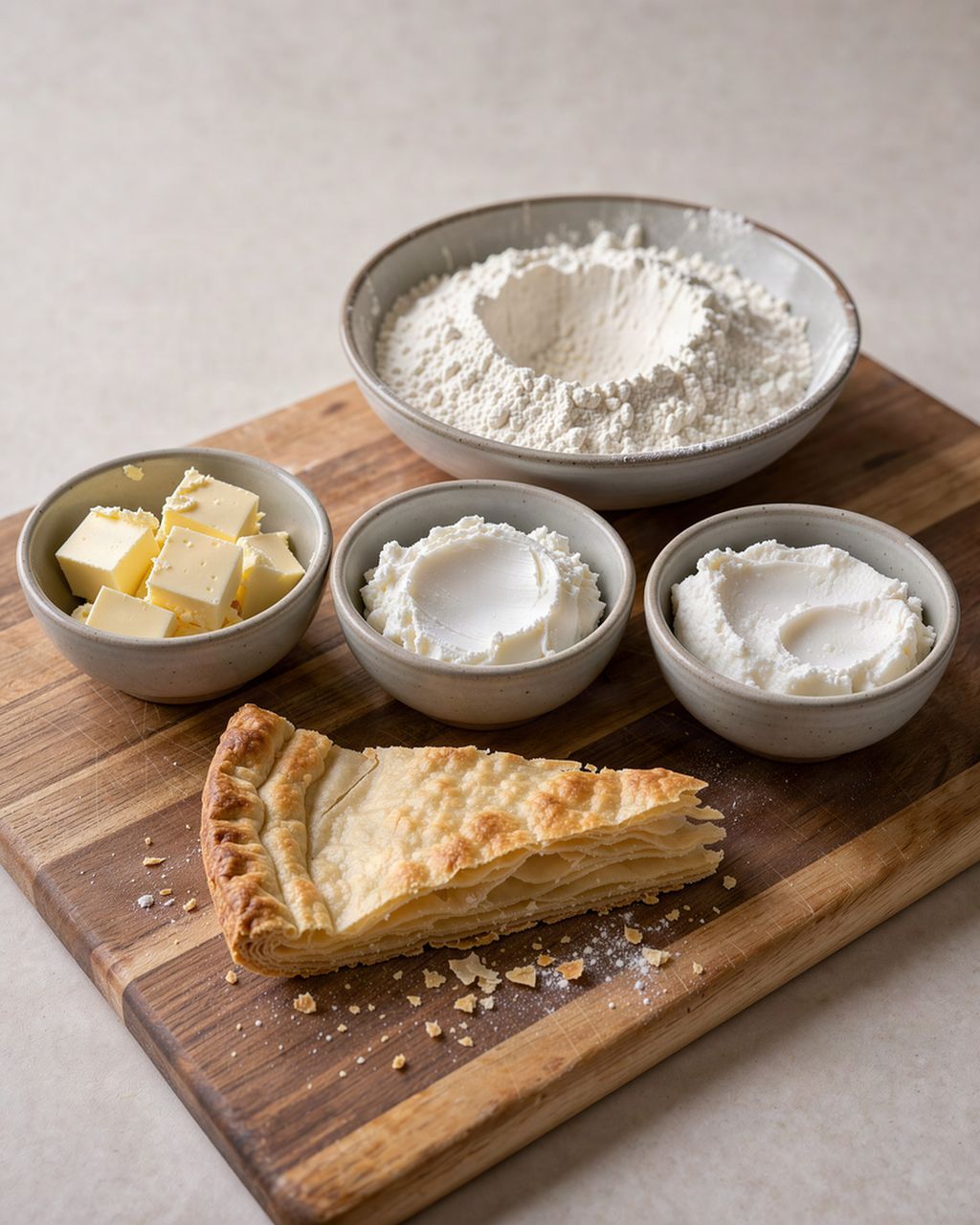
Pie crust is flour, fat, a little salt and just enough water to hold it together. The moment water meets wheat flour, two proteins start linking into gluten. Gluten is what makes bread chewy. In pie crust you want only a little of it, enough for the dough to roll without tearing.
A tough crust almost always has too much gluten. The usual causes:
Overworking the dough while mixing or rolling.
Too much water.
Rerolling scraps or a torn sheet.
Strong flour, such as bread flour.
A crust can also be hard rather than chewy. That is a different problem: warm butter, a thick sheet or too long in the oven. Both are covered below.
Every stir, knead and pass of the rolling pin builds gluten. Pie dough needs far less handling than most people give it.
Stop mixing early. The dough is ready when it holds together if you squeeze a handful. It should look shaggy and uneven, with streaks and pea-sized bits of butter. A smooth, even dough has gone too far.
In a food processor, use short pulses. Add the water with pulses too, and tip the crumbs out before they form a ball on the blade.
Press, don't knead. Gather the crumbs into a disc with your hands or with plastic wrap.
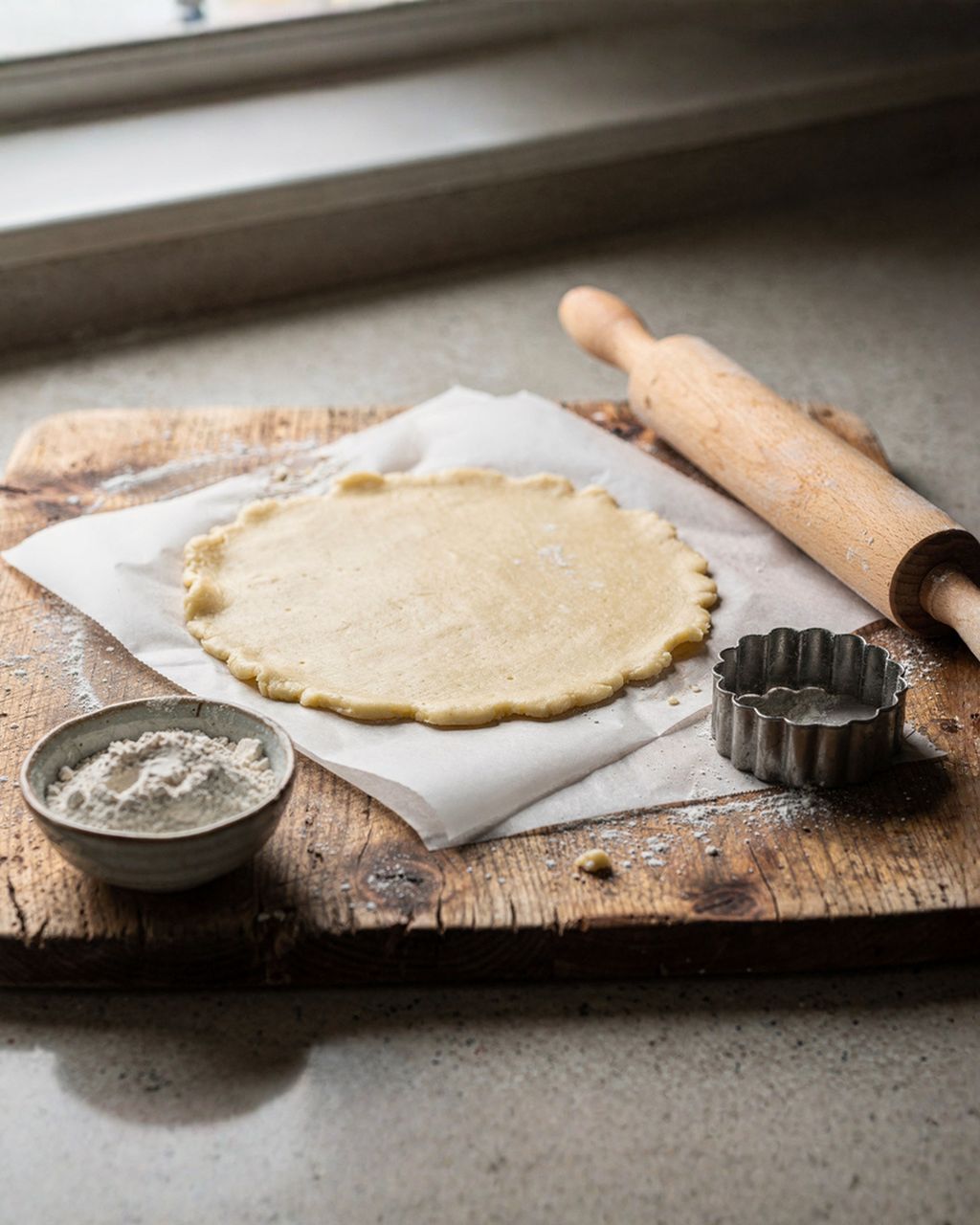
Roll from the center outward in a few firm strokes, turning the dough a quarter turn now and then. Don't roll back and forth over the same spot.
Water is what lets gluten form, so a wet dough gets tough fast, and it also shrinks more in the oven.
Recipes give water as a range because flour varies. King Arthur Baking's classic double crust, for example, lists 6 to 10 tablespoons (85–142 g) of ice water for 300 g of flour, but tells you to start with just 4 tablespoons (57 g) and add more a little at a time. The full range is roughly 28–47% of the flour's weight.
Start at the low end. Sprinkle the water over the crumbs a tablespoon at a time and toss with a fork.
Do the squeeze test before adding more. If a handful holds together with a crack or two, stop.
Use ice-cold water. It keeps the butter firm while you mix.
Some US recipes swap part of the water for 80-proof vodka, which is about 40% alcohol, because alcohol does not form gluten. If you want an alcohol-free crust, use cold water and simply handle the dough less.
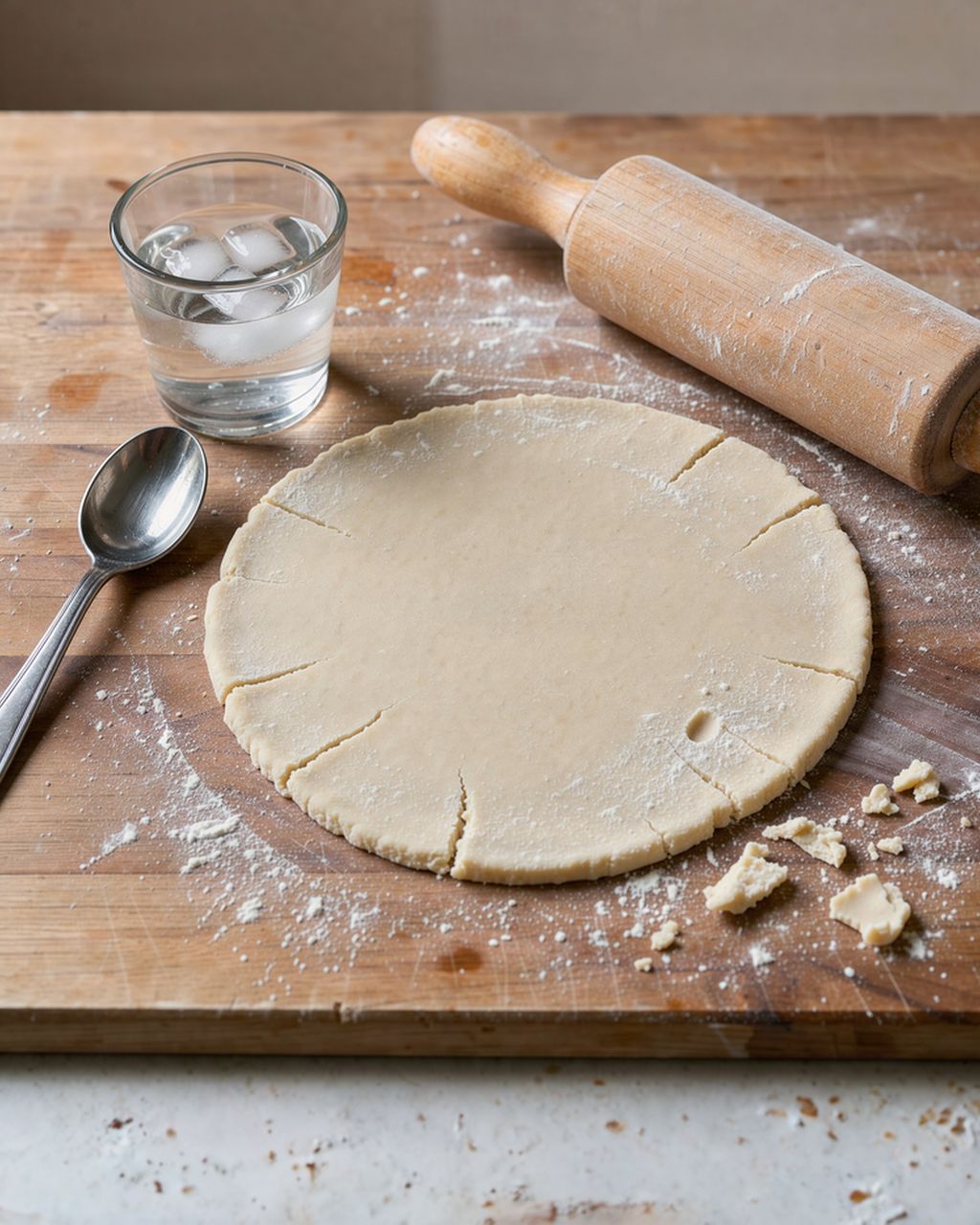
Too little water is the opposite problem: a crumbly dough that cracks at the edges as you roll it.
Flaky crust needs cold, solid pieces of fat. In the oven, the water in the butter turns to steam and pushes the layers of dough apart. Butter starts to soften at around 15–20°C (60–68°F) and melts at about 30–35°C (86–95°F), so a warm kitchen or warm hands can smear it into the flour long before it actually melts.
When that happens, the fat coats the flour evenly. You get a dense, cookie-like crust that bakes hard and can look greasy.
Cut the butter into cubes and chill them for 15 minutes before you start. A US stick is 113 g (8 tablespoons), and our stick of butter in grams guide converts European blocks.
Work fast and use a pastry cutter or fingertips, not your palms.
Chill again if the butter starts to look shiny or smeared.
Rest the shaped crust in the fridge for 30 minutes before baking.
Each time you ball up and reroll pie dough, you work the gluten again. A bottom crust rolled three times will be noticeably tougher than one rolled once.
Roll a bigger circle the first time so you do not need to patch.
Stack scraps flat, one on top of another, then press, chill and roll once. Use them for leaves, a lattice or small hand pies.
Flour matters too. American recipes assume all-purpose flour, which usually has about 10–12% protein. Bread flour or strong flour (typically 12–14%, sometimes higher) makes a tougher crust. In Europe, use plain flour in the UK, Type 405 in Germany, or Czech hladká mouka (fine flour). Our guide to flour numbers explained matches the types across countries. If you measure by the cup, our tool uses 125 g of all-purpose flour per US cup (236.6 ml) and 132 g per metric cup (250 ml): see the cups and spoons to grams calculator.
Recipe of the week, one tip that saves you time and one deal from the shop. Unsubscribe in one click.
The next issue goes out on Thursday, November 26.
A crust that is tender but too thick bakes up hard and dry at the edges. Aim for about 3 mm (1/8 inch) for most pies.
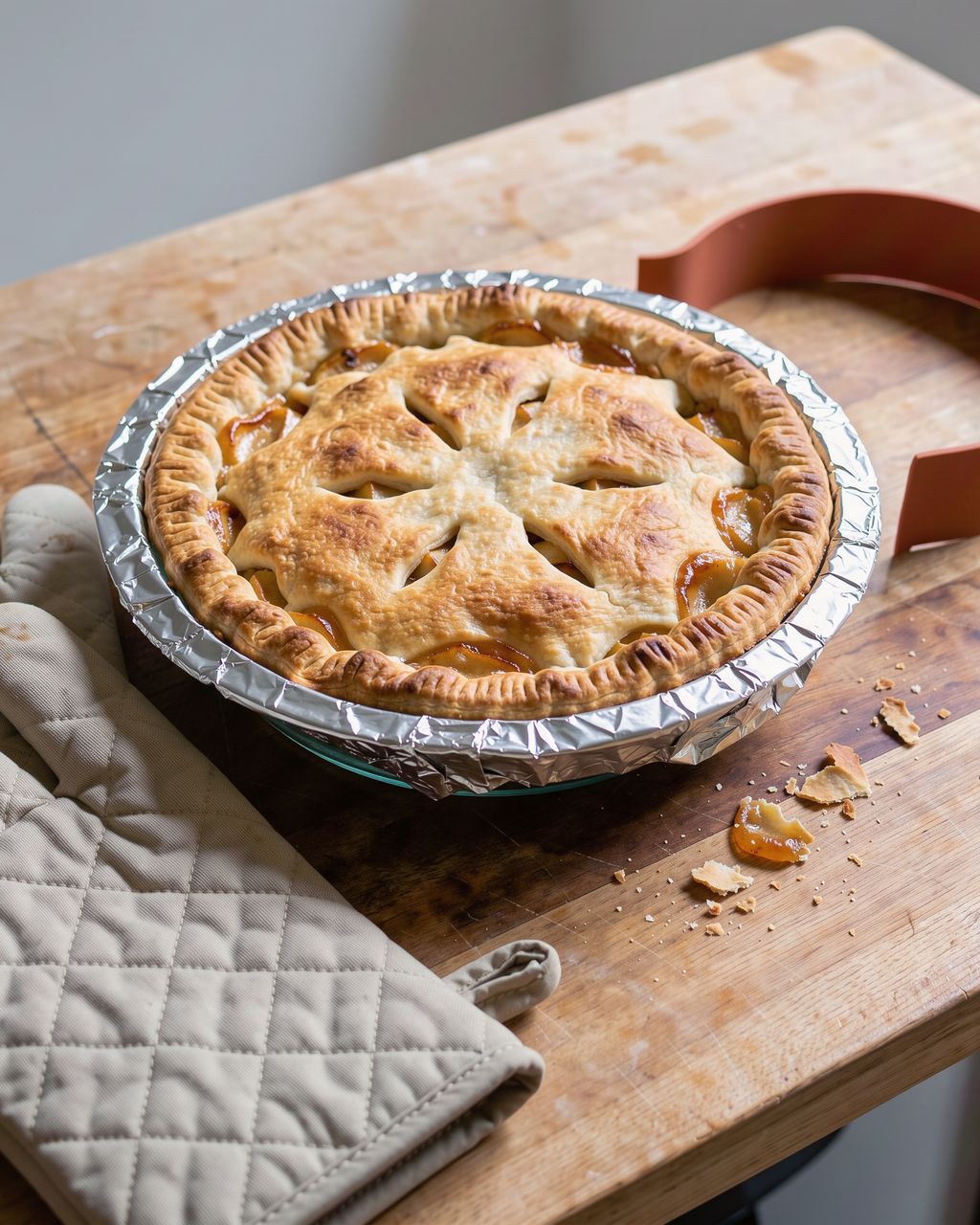
Overbaking dries the crust out. Fruit pies need a long bake for the filling to bubble, and by then the rim can be overdone. Cover the edges with a pie shield or a foil ring once they are golden. If the bottom is pale or soggy instead, or the crust slumped in the pan, our guide on how to blind bake shortcrust pastry without shrinking or a soggy bottom covers both.
Tough, chewy pie crust has too much gluten, which comes from overmixing, too much water or rerolling the dough. Mix only until the dough just holds together, add water a spoonful at a time and let the dough rest in the fridge before rolling.
A hard crust is usually overbaked, rolled too thick, or made with butter that was warm enough to blend into the flour. Keep the fat cold and in visible pieces, roll to about 3 mm, and cover the edges once they are golden.
Yes, extra water lets the flour form more gluten, so the crust bakes up tough and shrinks more. Add just enough ice water for the dough to hold when squeezed, starting with the low end of the recipe.
You can, but each reroll works the gluten and the crust gets tougher. Stack the scraps flat instead of balling them, chill them, roll once, and use them for decorations or a lattice rather than the bottom crust.
Partly: wrap it and rest it in the fridge for at least 30 minutes, which lets the gluten relax so it rolls out without springing back. A rest cannot undo heavy overmixing, so if the dough is already rubbery, use it for a savory pie or hand pies where a firmer crust is fine.
One recipe worth heating the oven for, one tip, and one deal from the shop. Nothing else.