Panettone: Italy's Christmas bread, from its history to baking and serving it at home
How to Store Panettone, and What to Do with Dry Panettone
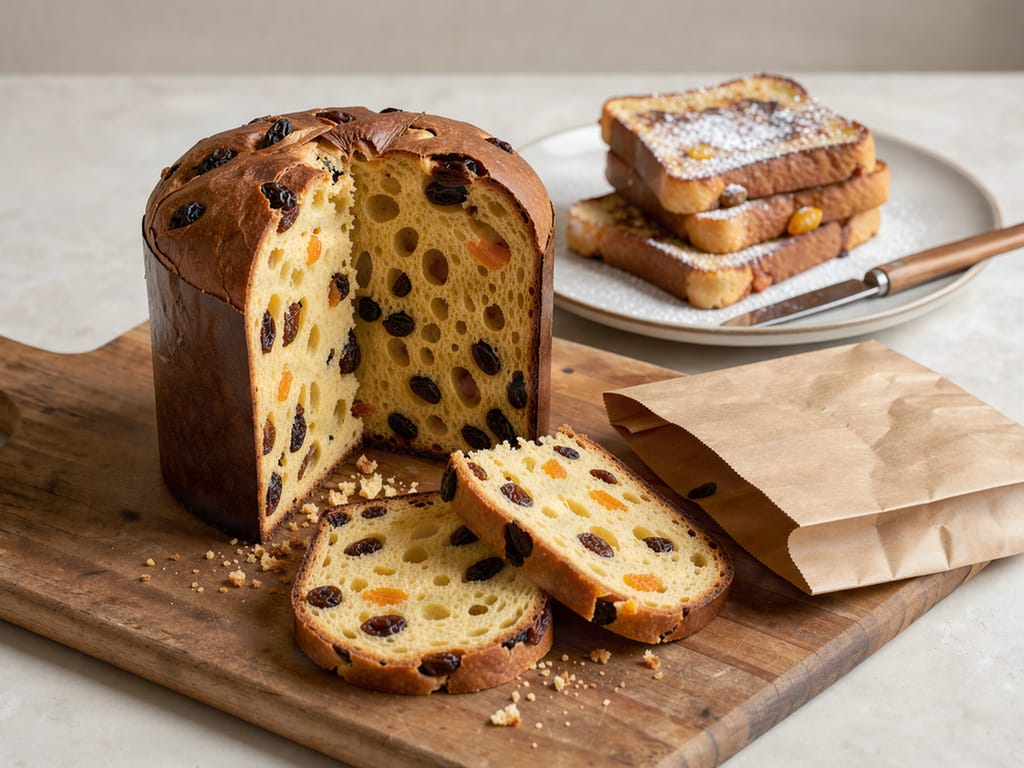
Updated Nov 20, 2026
Store an opened panettone tightly wrapped at room temperature and eat it within a few days, or slice and freeze it; unopened store-bought panettone keeps until the date on the box. Don't refrigerate it, because it stales faster. Dry panettone can be warmed back to life or turned into French toast and bread pudding.
It depends on whether it is store-bought or homemade, and whether it has been opened.
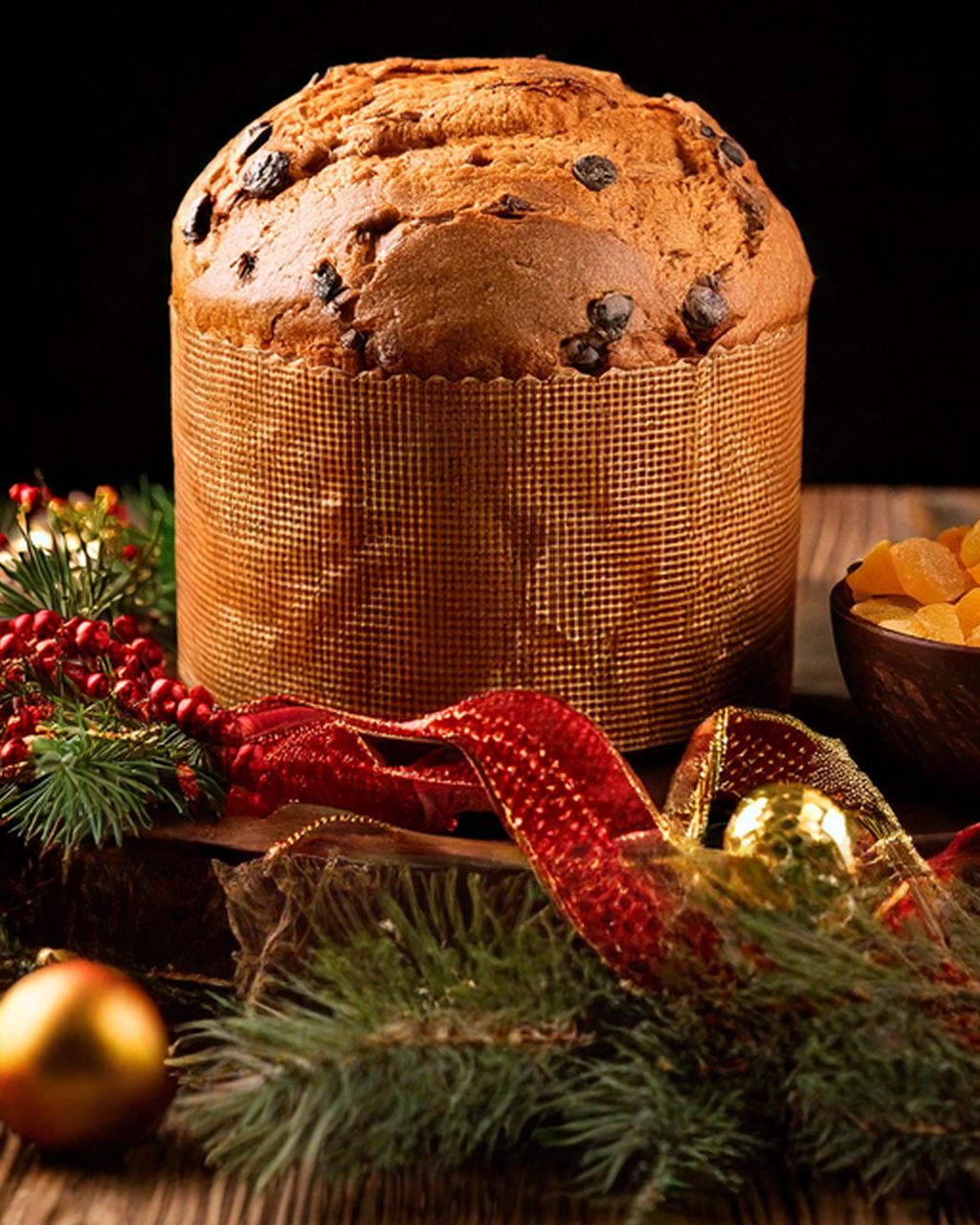
Store-bought, unopened: follow the best-before date on the box. Industrial panettone is made to keep for weeks or months in its sealed bag, thanks to its sourdough, its fat and sugar, and in many brands added preservatives. Read the ingredients if you want to know which kind you have.
Store-bought, opened: once the bag is open, panettone starts to dry out. It doesn't spoil quickly, but it gets noticeably drier and more crumbly every day. Wrap it well and eat it within the next few days for the best texture.
Homemade or artisan panettone without preservatives: dries out and goes stale faster than the industrial kind. Plan to eat it soon after baking, or freeze part of it straight away.
Filled panettone (with cream, custard or chocolate spread): follow the label. Some fillings need the fridge once opened.
Whatever the type, if you see mold, throw the whole panettone away rather than cutting the mold off. USDA guidance lists bread and baked goods as foods to discard when moldy, because their soft, porous crumb can be contaminated below the surface.
Seasonal baking plans, tested recipes and kitchen tricks that save you time. Unsubscribe in one click.
The enemy is air. A cut panettone loses moisture from every exposed surface.
Put it back in its original bag and close it tightly with a clip or tie. Squeeze out as much air as you can.
Or wrap it in plastic wrap or a beeswax wrap, then keep it in a bread box or a tin.
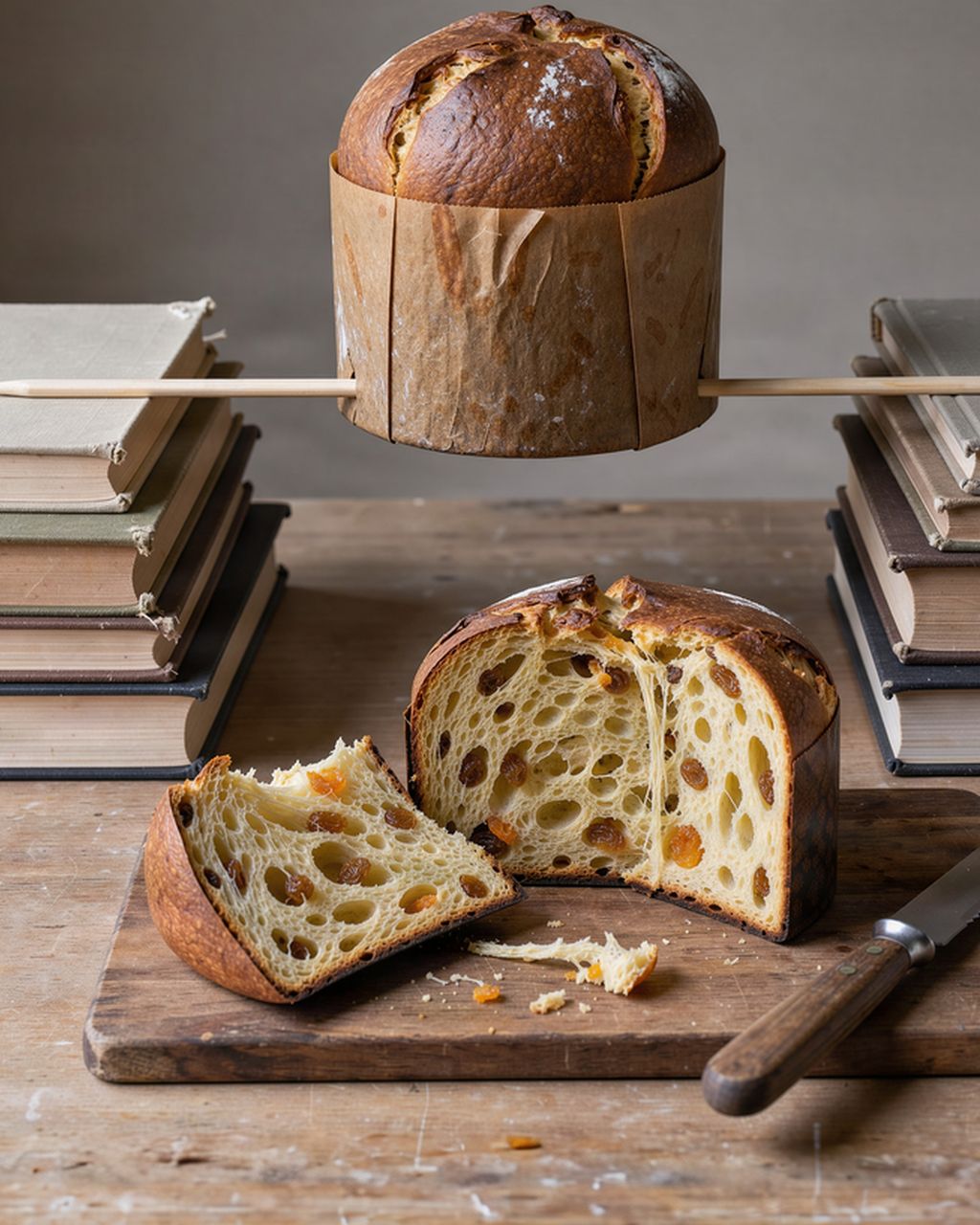
Cut from the side, not the top, if you're not going to finish it in one go. Some Italian families cut a wedge like a cake, then push the two halves back together so less crumb is exposed.
Keep it at cool room temperature, away from the oven, radiators and direct sun.
Don't refrigerate plain panettone. Bread stales faster in the fridge than at room temperature, because the starch firms up more quickly in the cold. The exception is a panettone with a perishable filling: follow the label.
Paper bags and cloth look nice but let the moisture escape. Use them only if you will finish it the same day.
Yes, and it freezes well. Freezing is the best way to keep panettone you can't finish soon.
Slice it first, or cut it into wedges, so you can take out only what you need.
Wrap each portion tightly in plastic wrap or foil, then put the portions in a freezer bag with the air pressed out.
Label it with the date.
Thaw slices at room temperature, still wrapped, so the moisture that forms goes back into the bread. Slices thaw in under an hour; a large piece takes several hours.
USDA FSIS says food kept frozen at 0°F (−18°C) stays safe indefinitely, but the quality slowly declines, so treat the freezer as a way to stretch the season, not to keep panettone until next Christmas.
You can also freeze a whole, unopened store-bought panettone in its bag. It takes up space, but it is the easiest option if you received three as gifts.
A little warmth brings back much of the softness and the buttery smell.
Slices in the oven: warm them on a tray in a conventional oven at about 150°C (300°F), or 130°C (265°F) with a fan, for 3–5 minutes. Watch them, because the sugar and fruit catch easily.
A larger piece: wrap it loosely in foil and warm it at the same temperature for about 10 minutes.
Toaster or pan: toast thin slices, or warm them in a dry frying pan for a minute on each side. Toasted panettone with butter is a breakfast in itself.
Microwave: 10–15 seconds for a slice under a damp paper towel softens it, but it goes chewy as it cools, so eat it at once.
Refreshing works on panettone that is dry, not on panettone that is moldy.
Dry panettone makes some of the best French toast there is. Its rich, open crumb soaks up a custard of beaten eggs and milk without falling apart, and the candied fruit and raisins caramelize in the pan.
How it works in outline:
Cut thick slices or wedges. Stale is better than fresh here.
Dip them briefly in a mixture of egg and milk, with a pinch of cinnamon or orange zest if you like. Panettone soaks up liquid fast, so a quick dip on each side is enough.
Fry in butter over medium heat until golden on both sides and cooked through in the middle, with no runny egg mixture inside.
Serve with a dusting of powdered sugar, berries, yogurt or whipped cream.
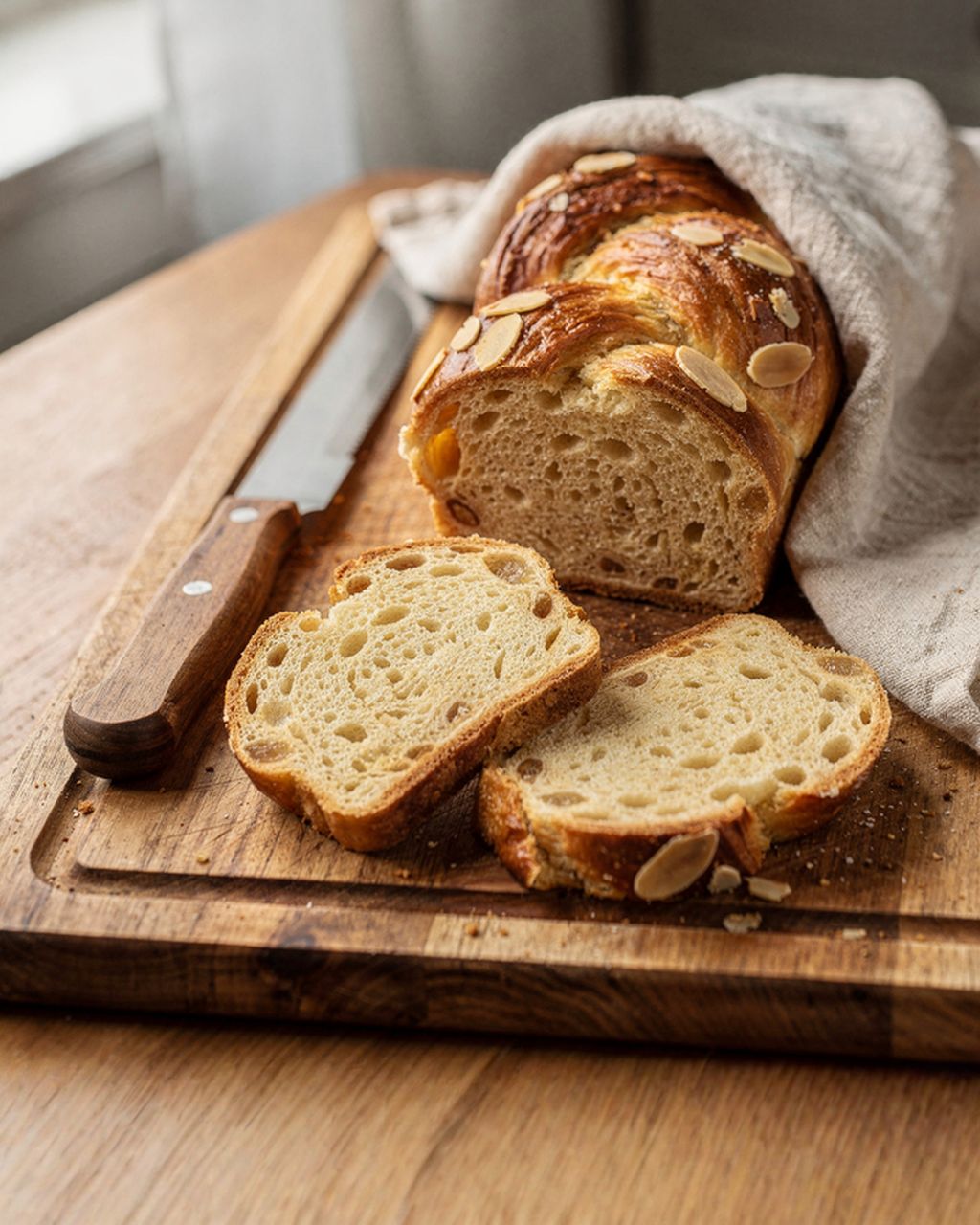
This is exactly what Czech kitchens do with stale vánočka (the Czech braided Christmas bread). Our article on what to do with stale vánočka covers French toast and bread pudding in more detail, and works just as well with panettone.
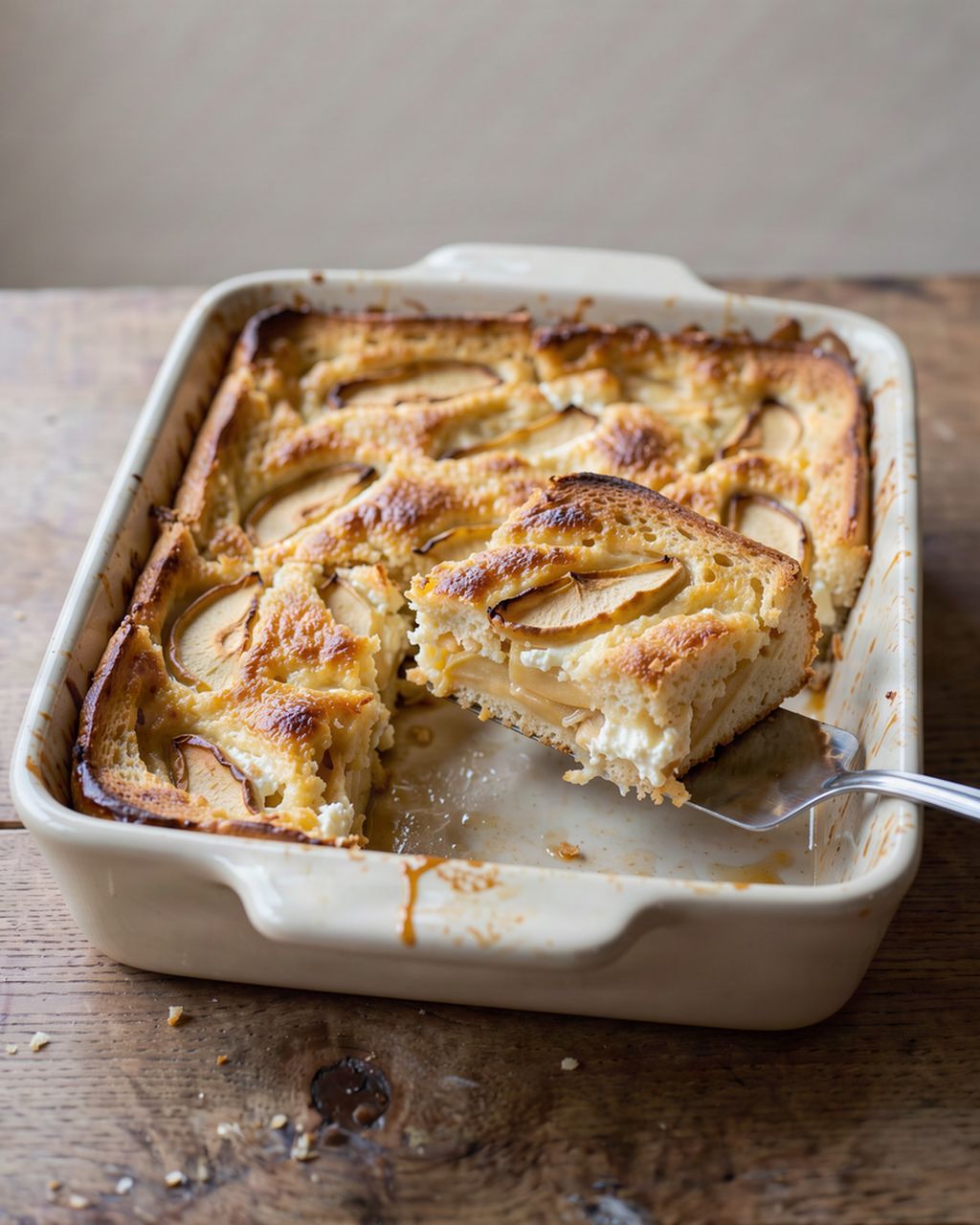
Bread and butter pudding. Panettone takes the place of buttered bread in this British classic. Cubes or slices go into a buttered dish, a custard of eggs, milk and cream is poured over, and it rests briefly so the bread soaks it up, then bakes until the custard is set and the top is crisp. Because panettone already has butter, sugar and fruit, it needs less sugar and no extra raisins. The Czech cousin is žemlovka, a bread pudding layered with apples and quark, which you can also make with panettone. If you assemble it ahead, keep it covered in the fridge until it goes into the oven.
Trifle or tiramisu-style layers. Use dry slices in place of sponge or ladyfingers, soaked with coffee, a little liqueur or orange juice, under custard or mascarpone cream. An assembled dessert like this belongs covered in the fridge.
Crumbs and croutons. Cut into cubes and bake until crisp for a crunchy topping on ice cream or yogurt, or blitz into crumbs for a cheesecake base.
Toasted with something savory. A thin toasted slice with a strong cheese, such as Gorgonzola or aged Parmesan, is a popular pairing in Italy.
Our guide to panettone, the traditional Italian Christmas bread covers its history, how it is made and how to serve it, and what to do with Christmas leftovers has ideas for the rest of the holiday table. Compare it with its Czech counterpart in what is vánočka.
An opened panettone stays good for a few days if tightly wrapped, but it dries out a little every day. Freeze what you can't eat soon, and throw it away if you see mold.
Follow the best-before date on the box. Industrial panettone is packed to keep for weeks or months sealed, while homemade or artisan panettone without preservatives goes stale much sooner.
No, plain panettone is best at cool room temperature, tightly wrapped, because bread goes stale faster in the fridge. Panettone with a cream or custard filling should follow the label.
Yes, it freezes well. Slice it, wrap the portions tightly, freeze them in a bag, and thaw slices still wrapped at room temperature.
Warm slices in a conventional oven at about 150°C (300°F) for 3–5 minutes, or toast them. Eat it warm, because it firms up again as it cools.
Dry panettone is ideal for French toast, bread and butter pudding, trifle-style layered desserts and crunchy croutons for ice cream.
One recipe worth heating the oven for, one tip, and one deal from the shop. Nothing else.