Healthy french toast with skyr
Why Eggnog Curdles (and How to Rescue It When It Does)
Updated Oct 4, 2026
Eggnog curdles when you overheat the egg yolks past about 82–85°C (180–185°F), pour in the alcohol all at once, or let acid get into the mix. The good news: if you catch it in time, a lightly curdled eggnog can usually be rescued with an immersion blender and a fine sieve. Here's what's actually happening in the pot, and how to keep it from happening next time.
Eggnog curdles for three reasons: overheated yolks, alcohol added too fast, and acid. All three do the same thing to the egg proteins: they unravel them, and the loosened proteins then clump together into little lumps. A fine, slightly grainy texture can still be blitzed smooth again, but once you've got coarse curds, there's no bringing them back to a silky cream.
Heat. Over a water bath, the yolks first thicken up nicely. But overshoot the temperature, or leave the bowl sitting without stirring, and they start to turn grainy.
Alcohol. Rum or brandy at 40% ABV or higher will curdle the proteins even with no heat at all — all it takes is pouring it in one go into a thick, foamy yolk base.
Acid. Lemon zest with its juice, or soured cream or milk that's close to its use-by date, lower the pH and speed up curdling.
In practice these causes often stack up. The riskiest moment is a warm yolk mixture that gets a whole bottle of rum sloshed into it at once.
A sweetened yolk base for eggnog starts to curdle at around 82–85°C (180–185°F); plain yolks on their own can set as low as 65°C (150°F). Sugar and milk (or cream) protect the proteins, so a sweetened mixture thickens gradually across the 70–82°C (160–180°F) range and only turns grainy once you go above that. Classic custard — a vanilla egg-yolk sauce — behaves exactly the same way.
What this means at the stove:
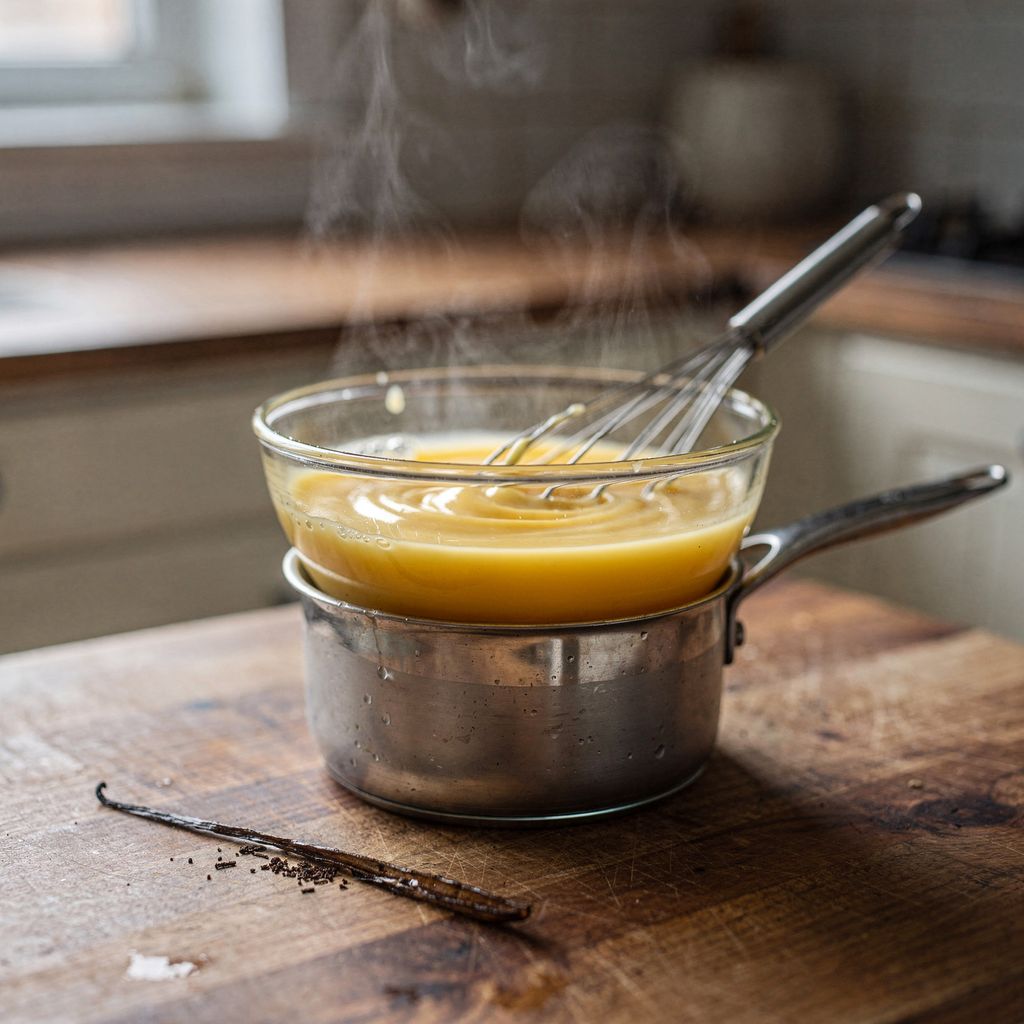
Use a water bath, not direct heat. The water in the pot should just barely simmer, and the bowl shouldn't touch it. Over direct heat, the bottom of the pan can easily hit well over 100°C (212°F), and the yolks there will curdle before you ever see it on the surface.
Keep stirring constantly, especially around the sides and bottom of the bowl, where it's hottest.
You'll know it's ready by feel. The mixture should coat the spoon, leaving a clean line when you run a finger through it. A probe thermometer makes this foolproof: pull the bowl off the heat at 75–80°C (167–176°F), giving yourself a safety margin below the curdling point.
Chill it immediately. The bowl keeps radiating heat even off the water bath, so the mixture will climb a few more degrees. Pour it into a cold container or set it in an ice bath right away.
If you're making a no-cook eggnog, with just yolks, cream, and alcohol and no heat involved, there's no curdling risk from temperature at all. But the yolks stay raw, so use pasteurized ones (see the safety note below). That just makes it even more important how carefully you add the alcohol.
Eggnog curdles after adding rum because 40% ABV alcohol poured in all at once instantly precipitates the yolk proteins into flecks. Right where it hits the mixture, the alcohol concentration is so high that tiny white flecks form before you can even stir it in. Alcohol acts a lot like heat here — just without the stove.
How to avoid it:
Dilute the yolks first. Whisk them with sugar, add the cream or milk, and only pour the alcohol into this already-thinned base.
Pour it in a thin, steady stream, whisking or blending as you go. Adding it in thirds works well too.
The base needs to be cold. After the water bath, let it cool to at least room temperature — ideally, pop it in the fridge. A warm mixture meeting alcohol is the worst-case scenario.
The stronger the alcohol, the more care you need. Pure spirit alcohol (96%) or strong rum above 50% should only go in a little at a time, always into a well-diluted base. Standard 40%-ish rum or brandy is a safer bet.
Not sure what to swap in for the rum, or want an alcohol-free version? Check out our article on rum substitutes for eggnog.
Curdled eggnog is grainy, and the lumps won't disappear no matter how much you shake it; separated eggnog comes back together smooth once you give it a shake.
Grainy, with flecks or a gritty texture: the proteins have curdled. Time to rescue it (see below).
Thicker layer on top, thinner underneath: the fat from the cream has risen to the surface. Just shake it up — this is completely normal.
Turned thick like pudding in the fridge: cold thickens both the fat and the sugar. Let it sit at room temperature for 15–20 minutes, then shake.
If your eggnog starts smelling sour, loses its color, or turns slimy and stringy, that's no longer a kitchen mishap — don't drink it.
You can rescue lightly curdled eggnog in three steps: chill, blend, strain. The sooner you act, the better your odds.
Stop the curdling. Pull the bowl off the water bath immediately and pour the mixture into a cold container, ideally set in a bowl of ice water. Every second it stays warm, the curds grow bigger.
Blitz it with an immersion blender. Run it on full power for 30–60 seconds. This breaks up fine curds and brings the eggnog back to a creamy texture. If it's gotten too thick, stir in a spoonful or two of cold milk or cream.
Strain through a fine sieve. The smooth cream that passes through is your rescued eggnog. Don't put any coarse lumps that stay behind in the sieve back into the bottle — they'll never turn smooth again (see below for what to do with them).
If the eggnog curdled after you added the alcohol and it's only lightly flecked, steps 2 and 3 are usually all you need.
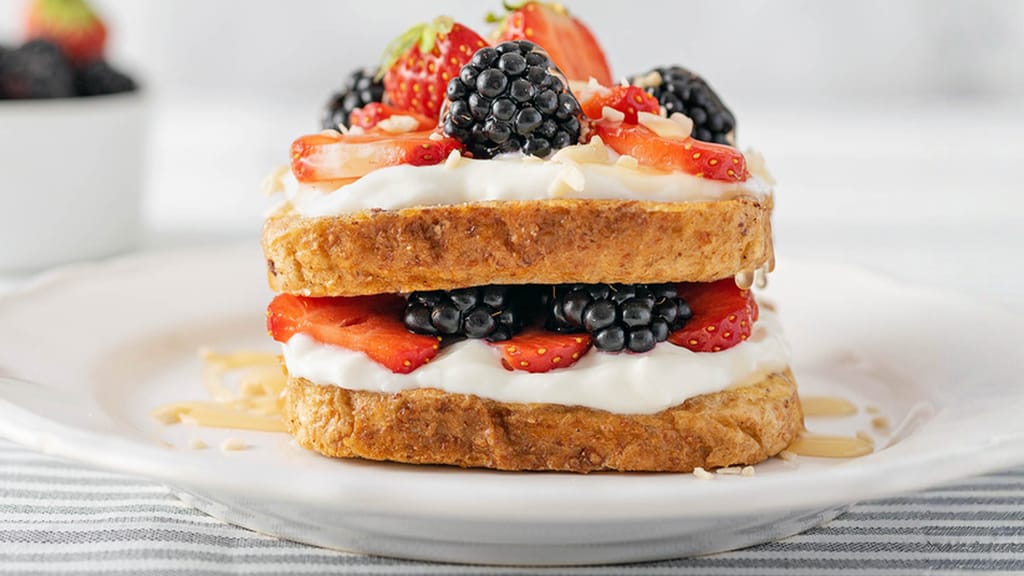
When it's beyond saving: if it looks like scrambled eggs floating in sweet water, no blender will fix that, and it shouldn't go back in the bottle. But don't throw the mixture out or strain it — use it as is, lumps and all, as a sweet base for a Bundt cake, or as the egg mixture for soaking French toast. You'll just need to cook it through properly first.
Healthy french toast with skyr
French toast — a great way to use up curdled eggnog
To keep your eggnog from curdling, you need fresh ingredients, gentle heat, and a cold base that you add the alcohol to gradually. Quick checklist:
Take the eggs out of the fridge ahead of time. Room-temperature yolks blend more easily with sugar and heat more evenly over the water bath.
Whisk the yolks with sugar until light and foamy. Dissolved sugar coating the proteins helps protect them from overheating.
Check your cream or milk. It shouldn't be sour or past its date — dairy that's close to the edge tends to curdle on its own.
Skip the acid. Grate in lemon zest if you like, but leave out the juice.
Monitor the temperature and keep stirring over the water bath, pulling the bowl off at 75–80°C (167–176°F) as described above.
Add the alcohol only once the mixture has cooled, pouring it in a thin stream while whisking constantly.
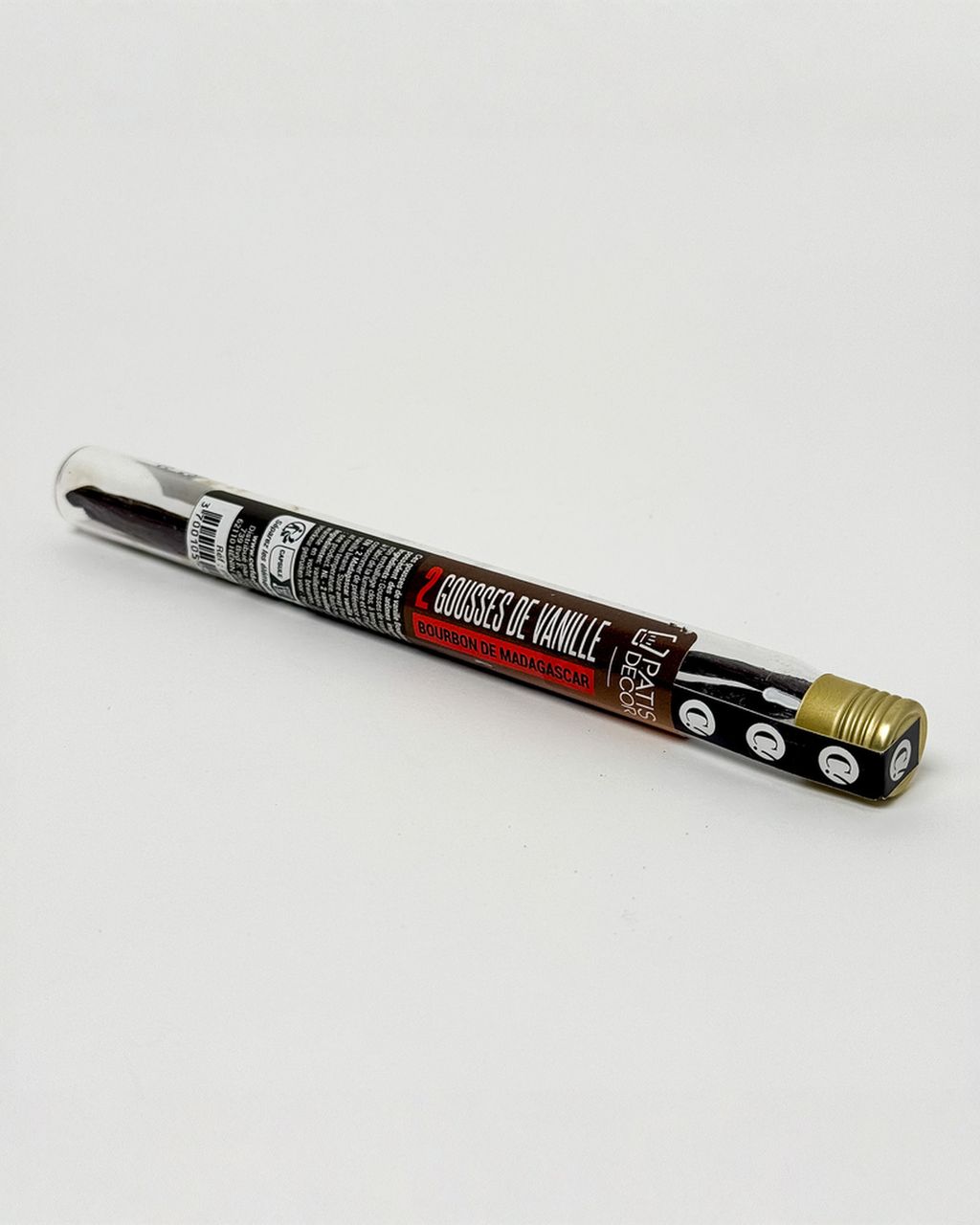
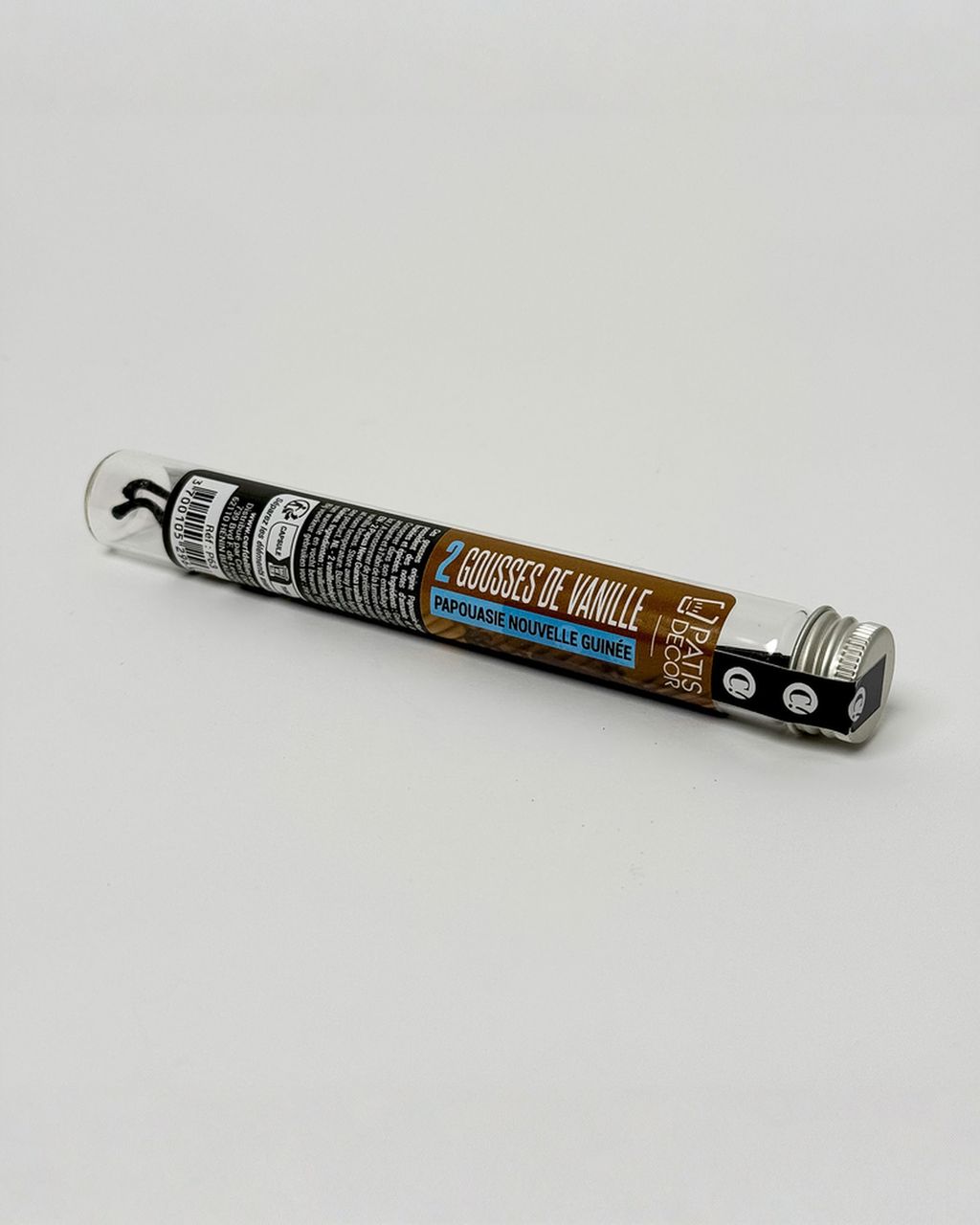
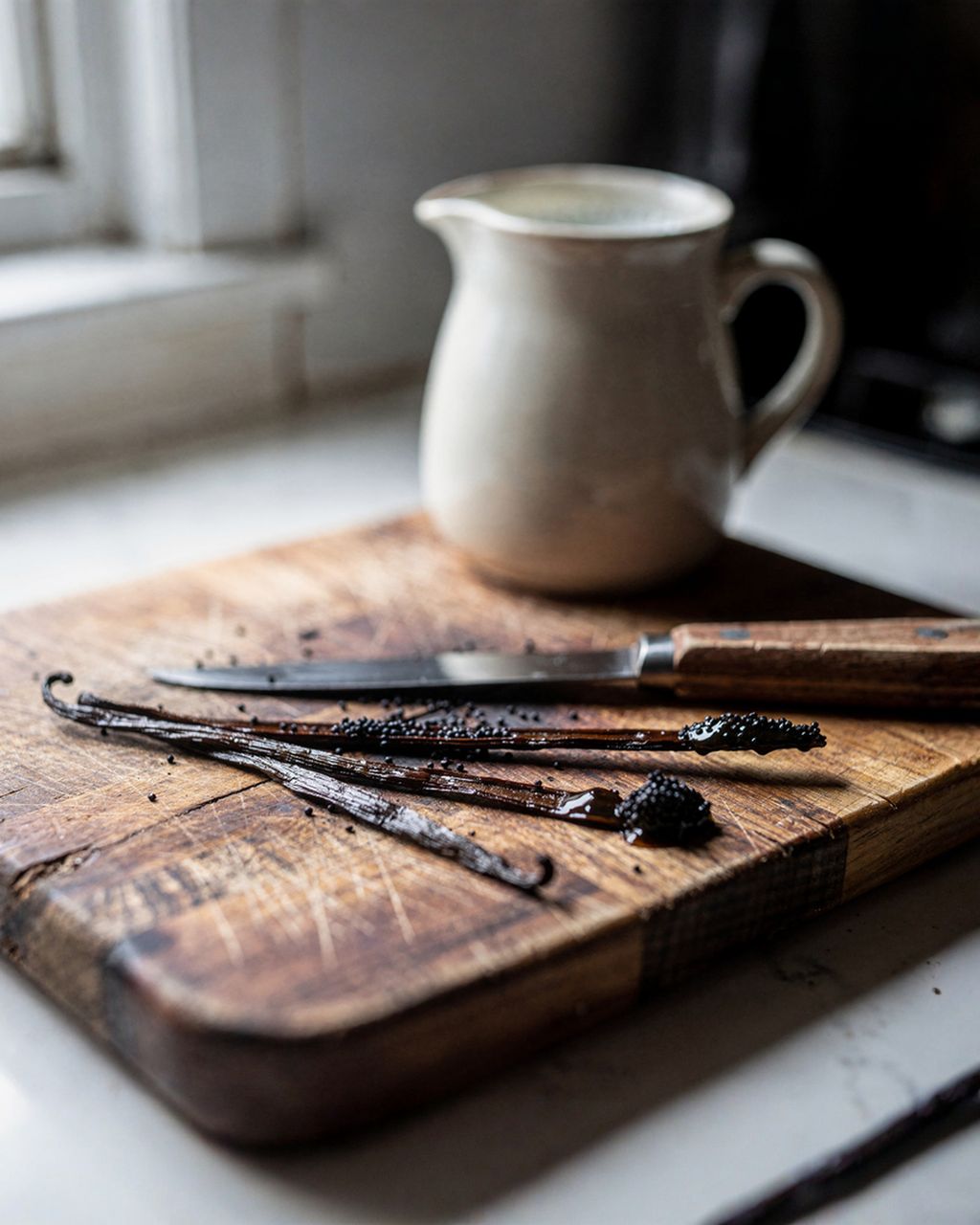
Add vanilla to the base, not at the end. Scrape the seeds straight into the sugared yolks, and let the scraped pod steep in the finished bottle. For more ideas, see our vanilla recipes and articles.
You'll find a tried-and-tested method that follows all of this in the recipe below.
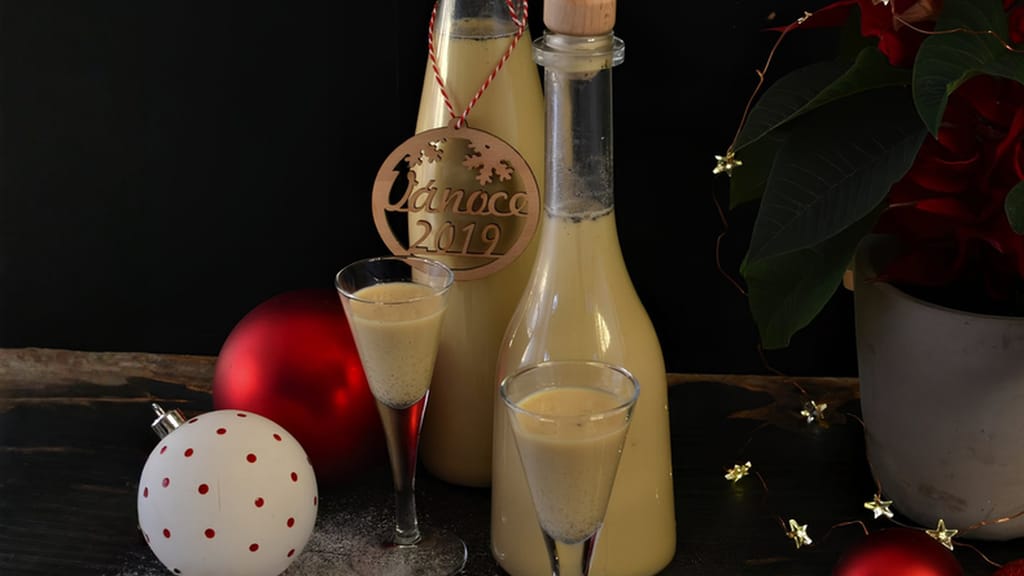
Homemade eggnog – the best christmas drink
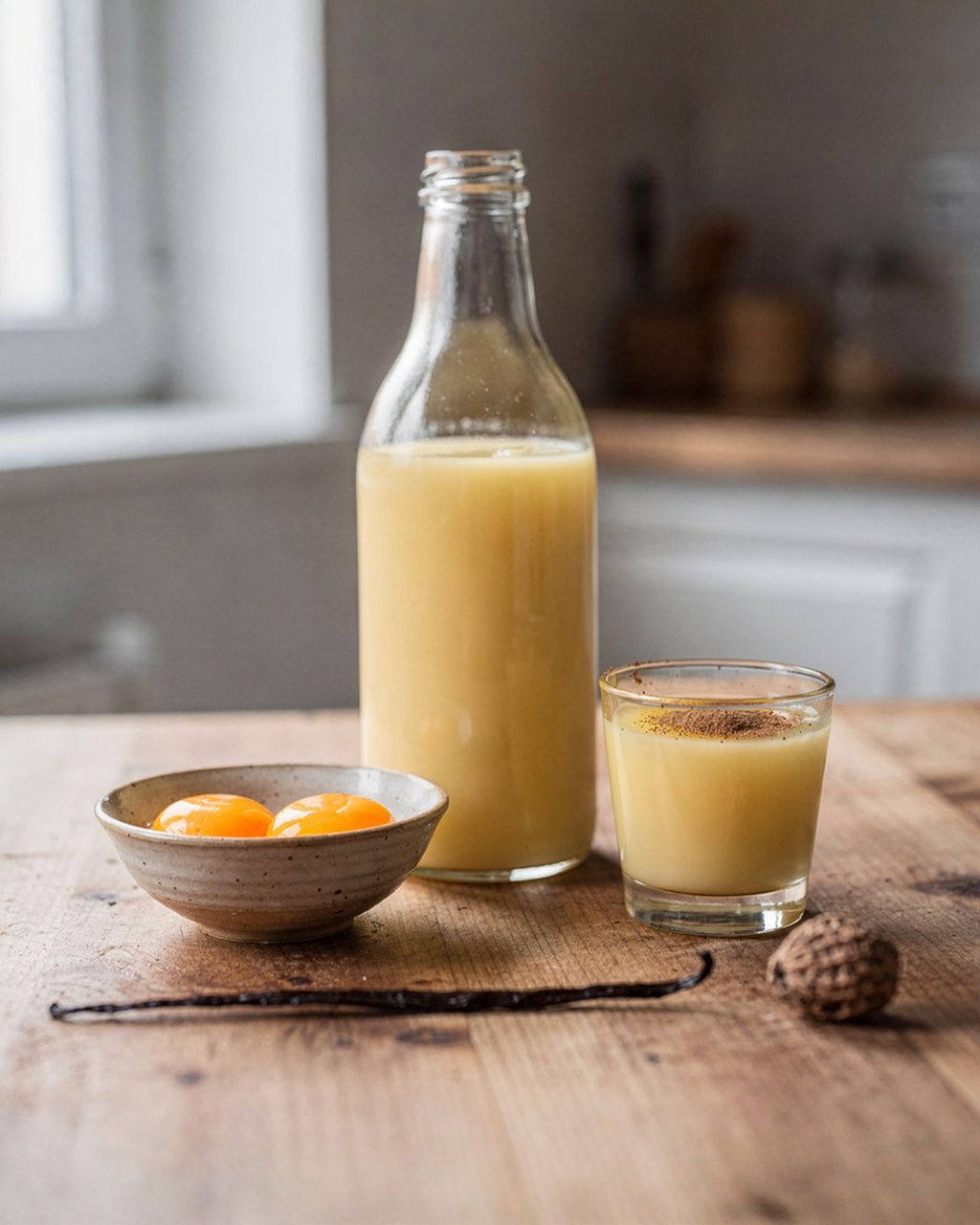
Homemade eggnog made over a water bath — a recipe that won't curdle
Store homemade eggnog in a sealed bottle in the fridge and drink it within 2–4 days. Alcohol doesn't reliably preserve it. Always give it a shake before pouring, and if it smells sour or turns slimy, throw it out.
Eggnog usually turns out thin because there aren't enough yolks relative to the liquid, or it wasn't cooked long enough over the water bath. As long as the alcohol hasn't gone into the base yet, whisk in one extra yolk with a spoonful of sugar, gently warm the mixture to 75–80°C (167–176°F), let it cool, and only then add the alcohol. Don't reheat a finished eggnog that already has alcohol in it — the yolks would curdle and the alcohol would cook off. Instead, blend in a little extra cream. It will also thicken up in the fridge, so judge the consistency once it's cold.
Yes, you can make eggnog without cream, using whole milk and whipping cream instead, for example. Without cream, though, it loses some sweetness and body, so add a bit more sugar and heat the base over a water bath until it thickens, keeping it under 75–80°C (167–176°F). A milk-based mixture without cream curdles more easily, so watch the temperature especially closely.
The most common choices for eggnog are tuzemák (a Czech rum-style spirit), rum, or brandy — pick based on taste. Tuzemák gives that classic, strongly spiced Czech flavor, rum is richer and sweeter, and brandy is milder. Stronger alcohol comes through more in the finished eggnog, so use less of it. Ready-made eggnog in shops is sold as "egg liqueur" — you won't see the word "eggnog" or "koňak" on the label.
One recipe worth heating the oven for, one tip, and one deal from the shop. Nothing else.