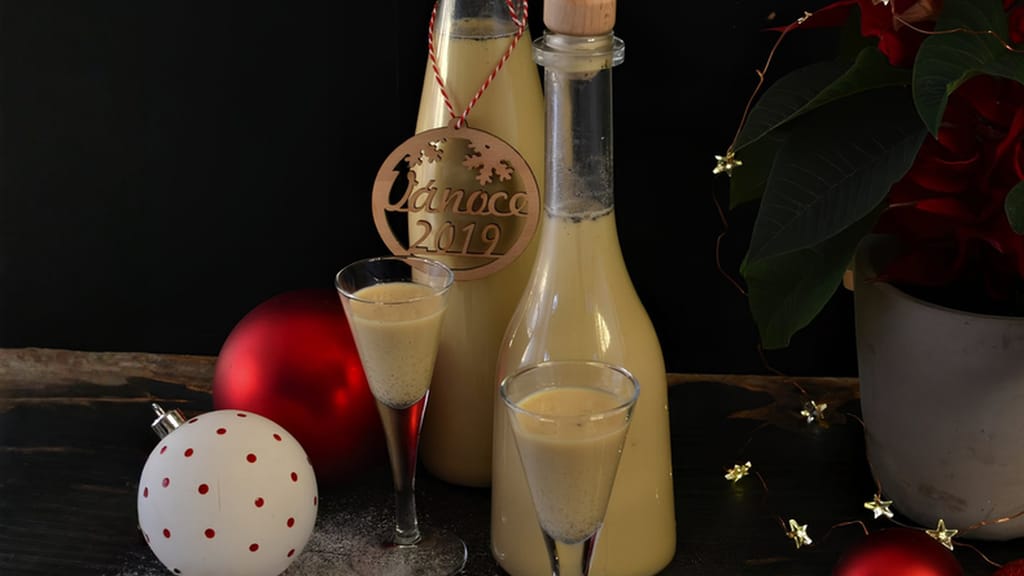
Homemade eggnog – the best christmas drink
What to Use Instead of Rum in Eggnog (Including Alcohol-Free)
Updated Sep 25, 2026
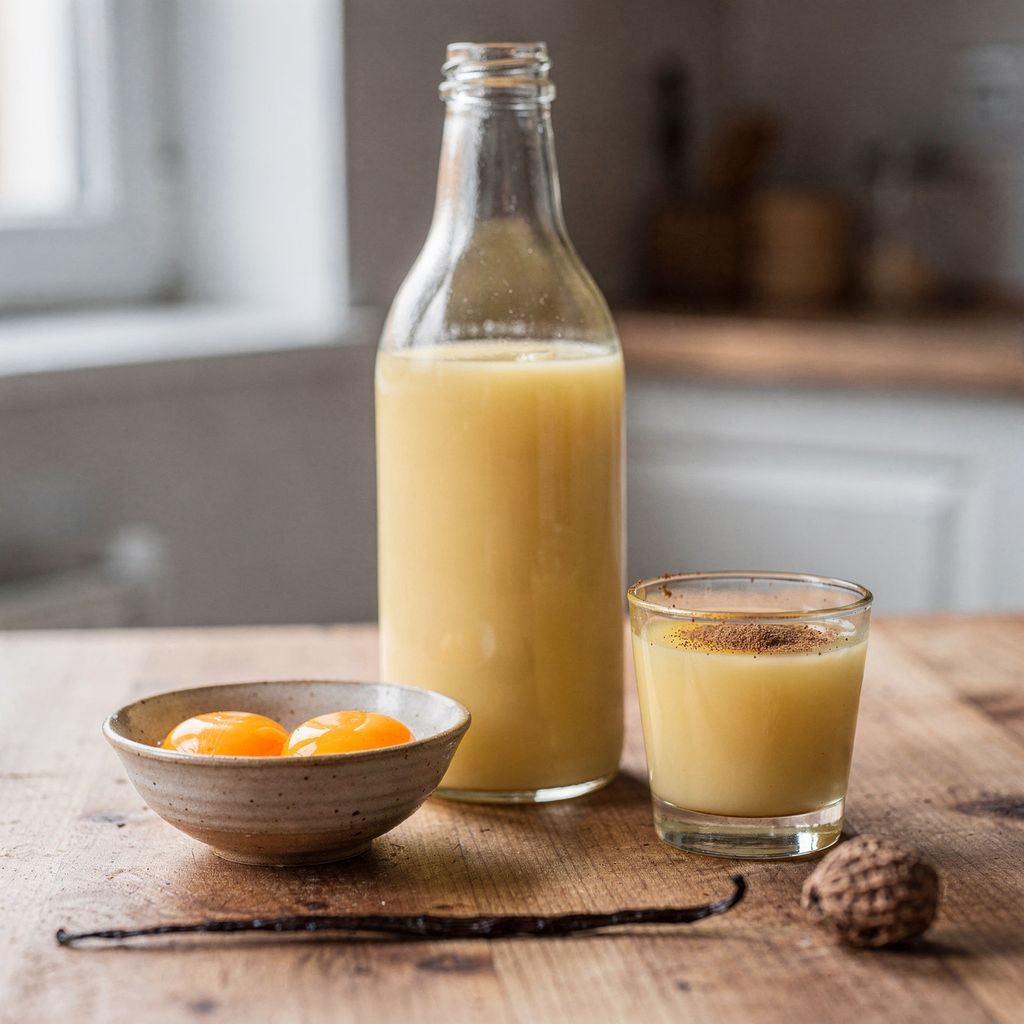
The best rum substitute in eggnog is brandy or a wine spirit, whiskey, or vodka — swapped in at a 1:1 ratio if they're around 40% ABV. With Stroh at 38% or 40%, go 1:1; with the stronger versions (60–80%), use only 2/3 to 1/2 the amount and top up the rest with milk. Sweet liqueurs, meanwhile, need less added sugar. For a fully alcohol-free version, swap the rum for milk or cream with vanilla and warm spices. Without alcohol, though, you need to heat the mixture to 71°C (160°F), and it only keeps for 2–3 days. And raw yolks are a risk even with rum in the mix.
You can replace rum in eggnog with brandy, whiskey, or vodka at a 1:1 ratio, with strong Stroh rum in a smaller amount, with a liqueur using less sugar, or — alcohol-free — with milk or cream plus vanilla and warm spices.
Brandy or a wine spirit (or cognac) — 1:1, the smoothest and closest to the classic.
Whiskey or bourbon— 1:1, brings more caramel and oak.
Vodka — 1:1, neutral, so you add flavor yourself with vanilla.
Stroh rum — for 38% and 40%, roughly 1:1; for 60%, use 2/3 the amount, and for 80%, use 1/2; top up the rest with milk.
Liqueurs (amaretto, nut, or coffee) — 1:1, but cut back the sugar by about a third.
Alcohol-free — milk or cream + vanilla, nutmeg, and a few drops of rum flavoring; then heat the mixture to 71°C (160°F).
A typical homemade recipe calls for 200–250 ml of rum per 5–6 egg yolks and a can of sweetened condensed milk. The conversions below are based on this ratio.
Brandy is the safest substitute for rum in eggnog — use it the same way as rum, at a 1:1 ratio. It has a similar strength (usually 36–40%) and a soft, fruity-oaky flavor that blends into the egg mixture without overpowering it.
That's no accident: the Dutch advocaat, which eggnog-style liqueurs are based on, is traditionally made with brandy. So the classic pairing of eggs and brandy makes more sense historically than eggs and rum.
For mixing purposes, an inexpensive wine spirit works just fine — an expensive cognac would get lost among the sugar and egg yolks anyway.
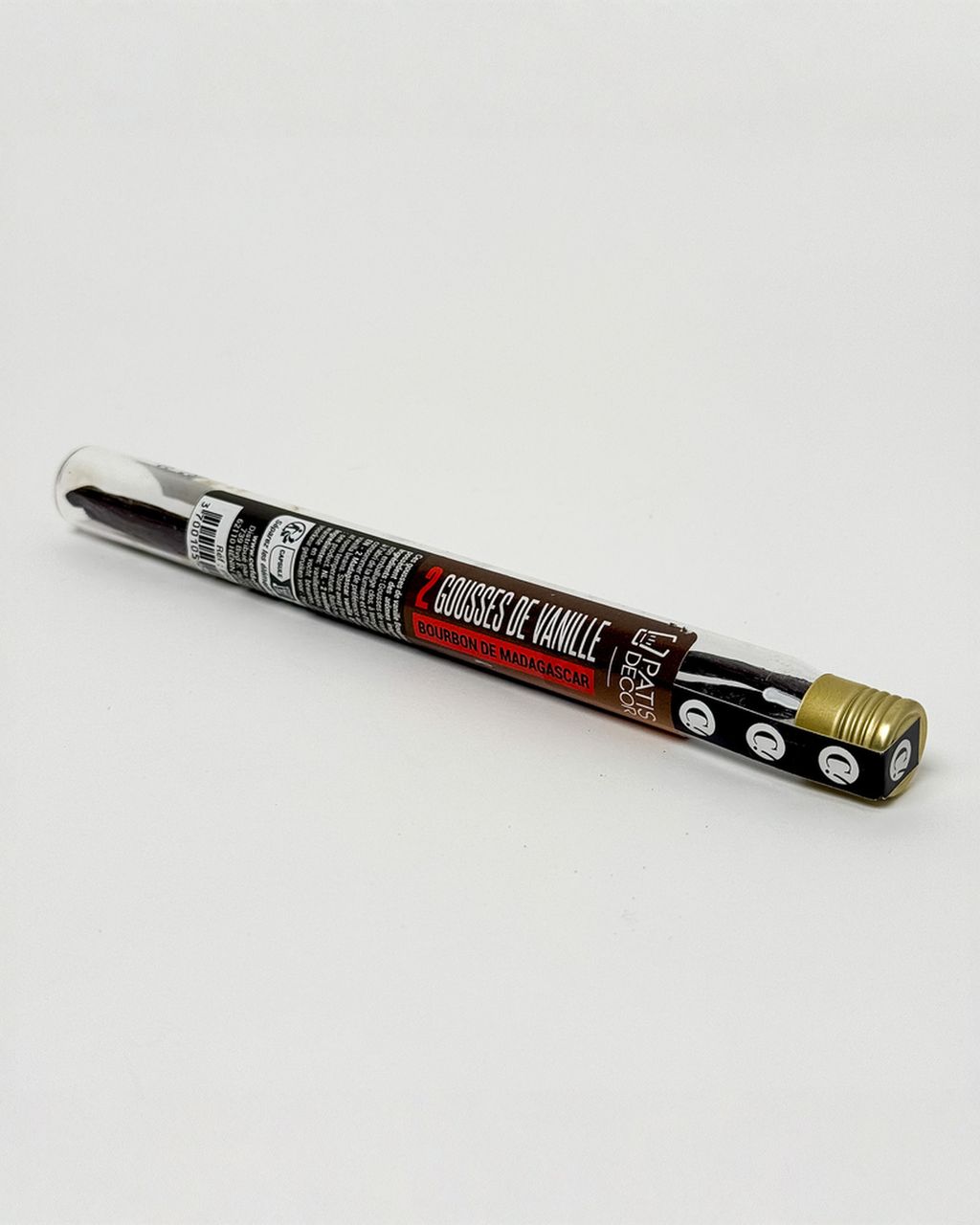
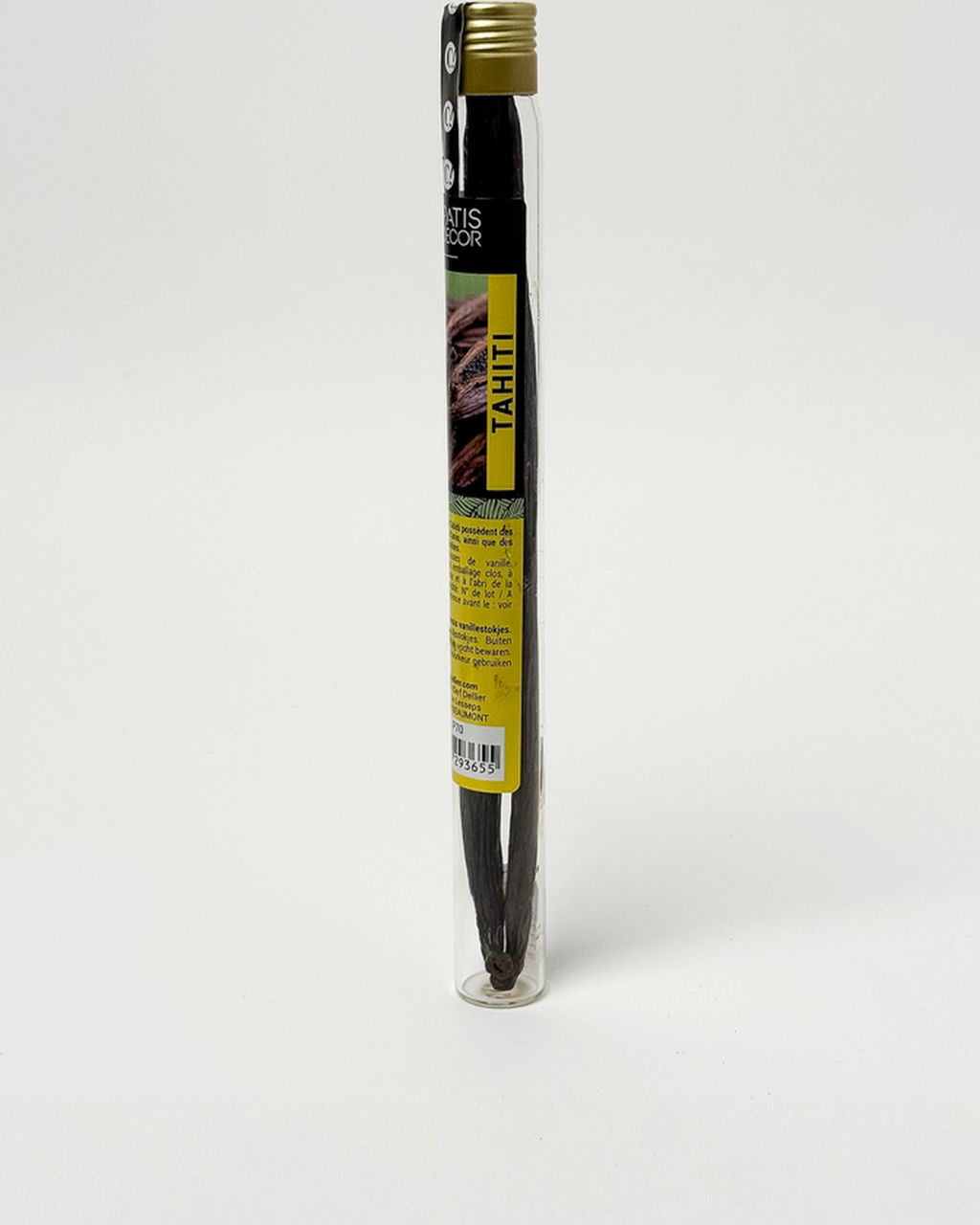
The flavor comes out milder than with rum — if you're missing that "Christmassy" note, add a pinch of nutmeg or a vanilla pod.
Whiskey works 1:1 and gives eggnog a bolder, drier character. Bourbon works especially well — aging in new charred oak barrels gives it vanilla and caramel notes that pair naturally with the egg yolks and cream.
Avoid heavily smoky (peated) Scotch — smoke in a sweet custard reads as a mistake, not a style choice. If that's all you have on hand, cut it half-and-half with vodka.
Vodka replaces rum in eggnog at a 1:1 ratio and is ideal when you want the egg and vanilla flavor to shine through. It won't add anything of its own, so you build the flavor yourself with:
vanilla — the seeds scraped from one pod per roughly one liter of finished eggnog,
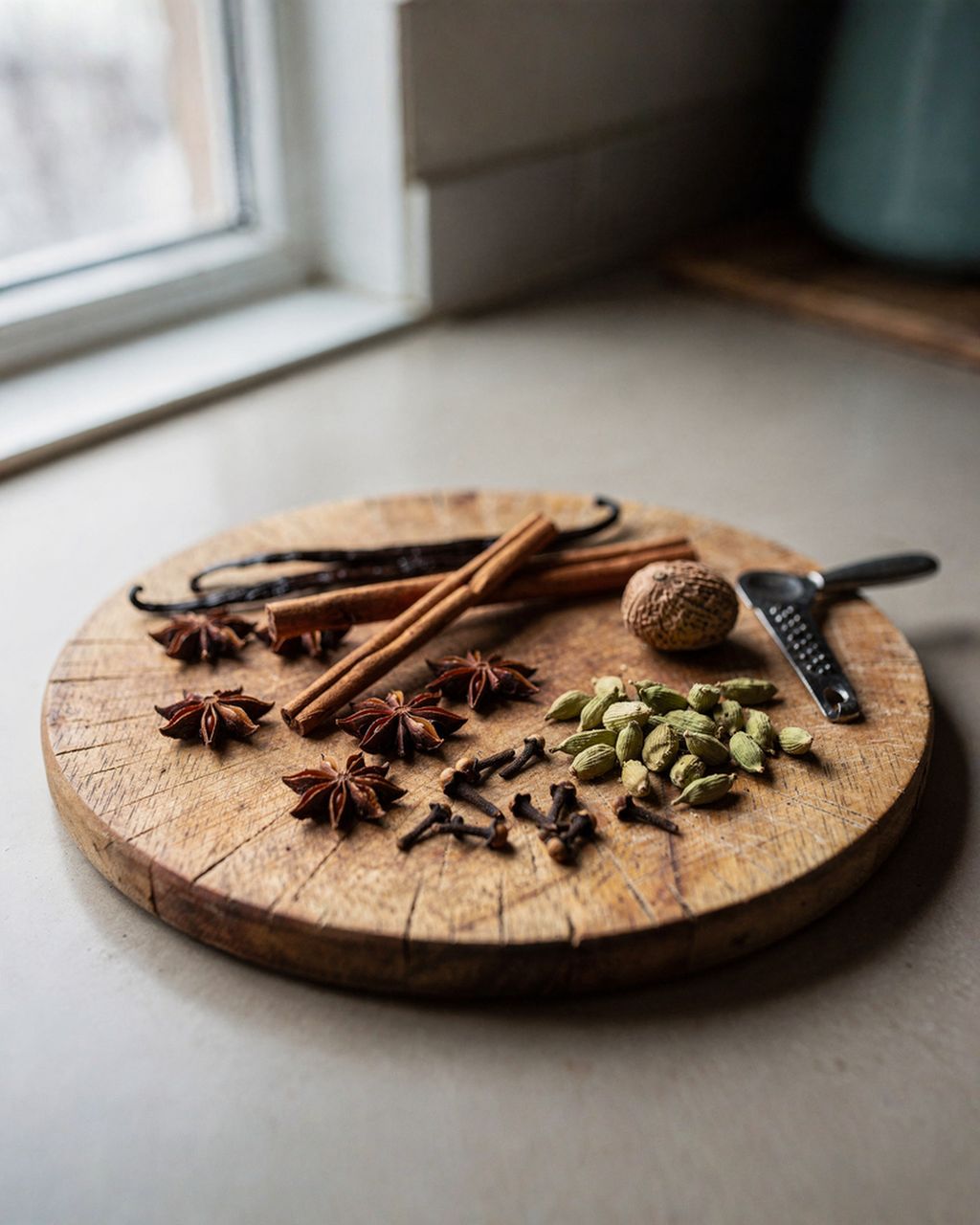
nutmeg — freshly grated, just a pinch on the tip of a knife,
cinnamon — steep a piece of cinnamon stick in the mixture, then fish it out,
rum flavoring — a few drops, if you want that classic rum-like impression without the rum.
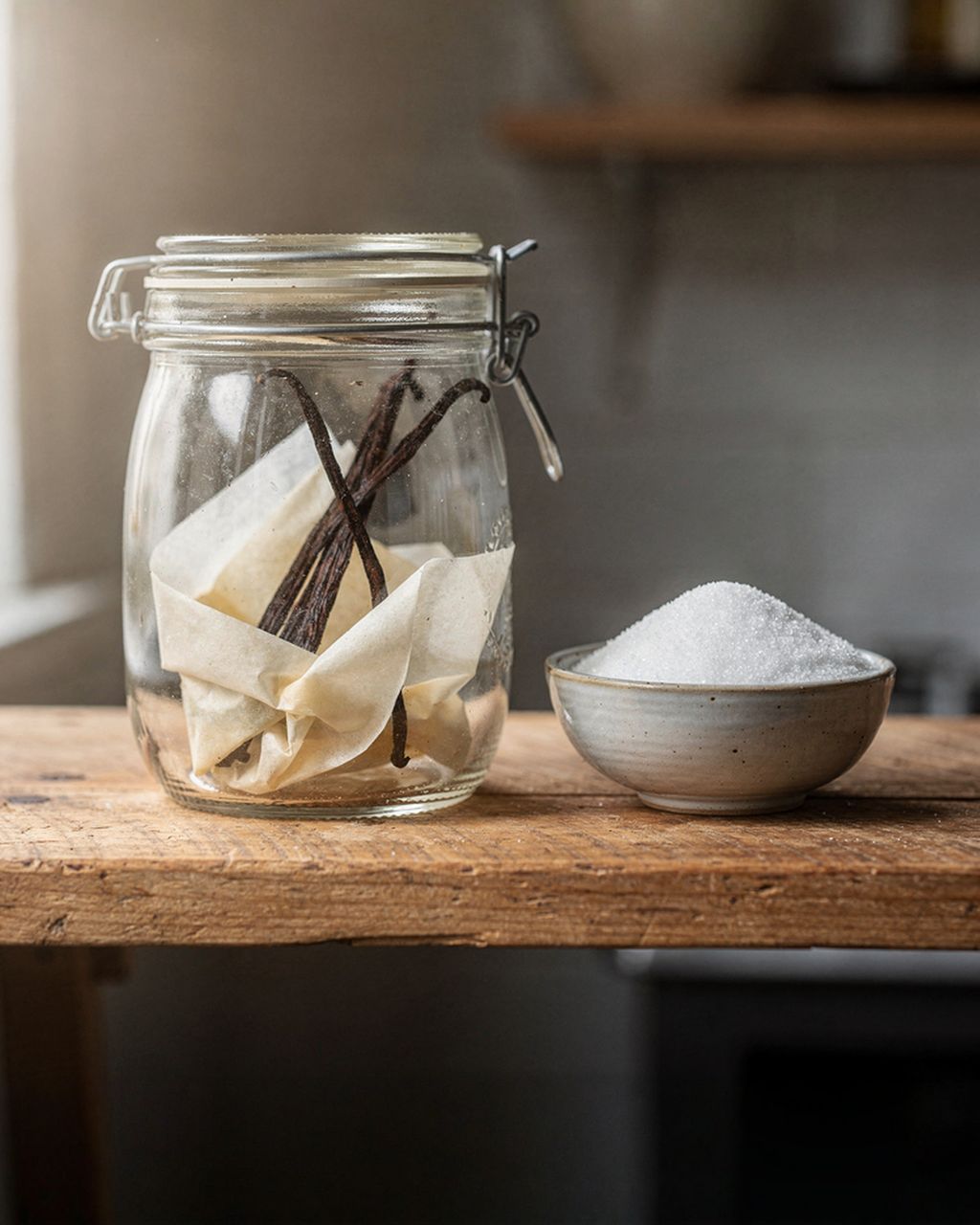
Feel free to let the vanilla and spices "mature" in the bottle in the fridge for a day or two — the flavors will meld together. For tips on storing vanilla pods so they don't dry out over the holidays, see the article on storing vanilla further below.
Dose Stroh (the Austrian Inländer-Rum type) according to its strength — with the stronger versions, don't pour it in 1:1, or the eggnog will come out sharp and hot. Instead of 200 ml of regular 40% rum, use:
Stroh 38% or 40%: roughly 200 ml, i.e. 1:1 — it matches the strength of regular rum.
Stroh 60%: about 130 ml of Stroh + 70 ml of milk.
Stroh 80%: 100 ml of Stroh + 100 ml of milk.
Topping up with milk (or cream) matters — it keeps the original volume, and with it the consistency the recipe is built around. Follow the same approach with any other rum above 40%.
Amaretto, nut liqueur, or coffee liqueur can replace rum in eggnog at a 1:1 ratio — just cut the sugar back by about a third, since liqueur is sweeter than rum. It's also weaker (typically 16–28%), so if you scaled it up to match the same amount of alcohol, you'd end up with more liquid than the mixture can handle — see the conversion below for how to handle that.
Amaretto — an almond note that pairs beautifully with egg yolks. Use 1:1 and cut the sugar by about a third.
Nut liqueur — pairs well with holiday baking; follow the same approach as amaretto.
Coffee liqueur — turns eggnog into something between a liqueur and a dessert; cut the sugar by up to half.
If you're making the version with sweetened condensed milk, you can't really cut the sugar — so mix the liqueur half-and-half with vodka instead, to keep it from being too sweet. Also, because of the lower alcohol content, expect it to keep for less time.
When substituting for rum in eggnog, keep the same amount of pure alcohol: ml of substitute = ml of rum × 40 ÷ % ABV of substitute, then top up the rest of the volume with milk.
Example: a recipe calls for 250 ml of rum (40%) and you have 80% Stroh → 250 × 40 ÷ 80 = 125 ml of Stroh + 125 ml of milk.
With weaker liqueurs, the substitute amount ends up higher than the rum amount (with a 20% liqueur, double). That would dilute the mixture too much, so it's better to combine the liqueur with vodka, or accept a milder result.
For an alcohol-free version, replace the rum with the same volume of whole milk or cooking cream and build the flavor rum would have provided using:
rum flavoring — start with ½ teaspoon per liter, taste, and add more drop by drop (it easily overpowers everything else),
vanilla — a pod or a good-quality extract,
nutmeg and cinnamon — a little brings the warmth that alcohol would otherwise provide,
a pinch of salt — brings out the sweetness and roundness that alcohol normally adds.
Cream gives a thicker, more dessert-like result, while milk keeps it lighter. But here's the important part: without alcohol, you can't leave the egg yolks raw — see below.
Homemade eggnog made with heated or pasteurized eggs keeps in the fridge for 2–4 days (per USDA guidance); the alcohol-free version keeps for 2–3 days. What matters most is whether the eggs were heated or pasteurized — alcohol won't reliably extend that window, and it won't protect raw egg yolks on its own:
with raw egg yolks (regardless of alcohol) — we don't recommend raw eggs; if you do use them, finish it the same day,
heated to 71°C or made with pasteurized eggs, with rum, brandy, whiskey, or vodka — 2–4 days in the fridge (per USDA); more alcohol won't reliably extend that further,
heated, with liqueur or a reduced amount of alcohol — stick to the shorter end, so 2 days,
alcohol-free, heated — 2–3 days.
Always store the bottle in the fridge and shake it before pouring. If the eggnog starts smelling sour, the whey separates out, or a film forms at the neck of the bottle, throw it out.
The substitutions above work in both of these recipes — just swap in whatever you have on hand instead of rum, using the conversions above. If the recipe uses raw egg yolks, heat the base over a water bath to 71°C, or use pasteurized eggs — see the box above.
Homemade eggnog – the best christmas drink
Eggnog – a classic holiday recipe that's easy to make with brandy or vodka instead of rum
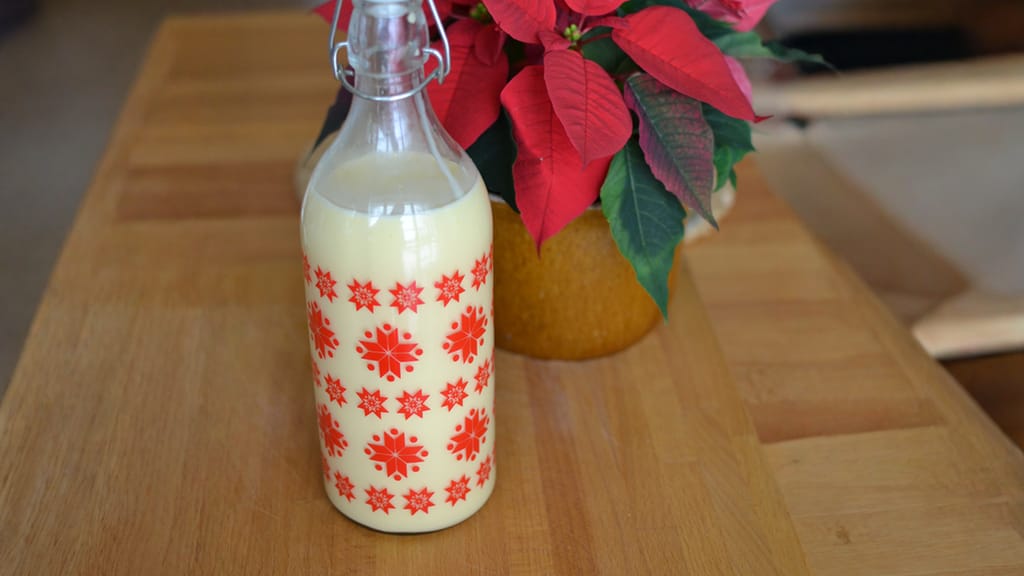
Sandtner's homemade eggnog liqueur
Sandtner's eggnog – a traditional recipe you can easily adapt with a rum substitute
You can use plum brandy instead of rum in eggnog, but its fruity plum flavor will overpower both the vanilla and the eggs. Dose it according to strength: with 50% plum brandy, use roughly 160 ml in place of 200 ml of rum, then top up the rest with milk. For a milder result, cut it half-and-half with vodka.
Eggnog usually turns thin after swapping out the rum because a weaker spirit was added in a larger volume, diluting the mix. Keep the total liquid volume the same as in the original recipe, and for the alcohol-free version, use cream instead of milk to replace the rum. Chilling the eggnog overnight also helps — it thickens up in the fridge.
Rum flavoring often does contain alcohol, since many flavorings use ethanol as a carrier — though in just a few drops, it's only a trace amount. If you're making eggnog for kids or anyone who needs to avoid alcohol entirely, check the label, or skip the flavoring altogether and rely on vanilla and spices instead.
Yes, heated alcohol-free eggnog works just as well in custards, bundt cakes, and glazes as the classic version. Just use it within 2–3 days, and make sure it's chilled before adding it to custard so the butter doesn't split.
One recipe worth heating the oven for, one tip, and one deal from the shop. Nothing else.