What Is Quark Cheese? Quark vs Greek Yogurt, Cottage Cheese and Ricotta
What Is Tvaroh? Czech Curd Cheese in English, and the Best Substitutes
Updated Nov 18, 2026
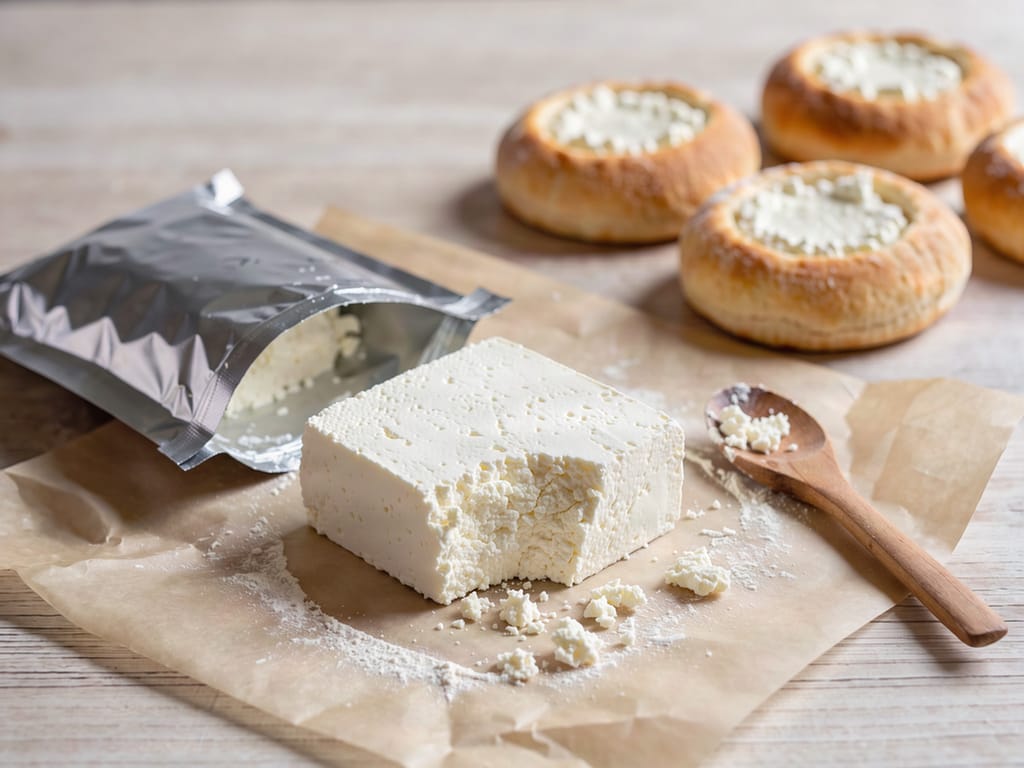
Tvaroh is Czech fresh curd cheese: a white, mild, slightly tangy cheese made by souring milk and draining the whey, sold in soft and dry, crumbly styles. In English it is usually called curd cheese, quark or farmer's cheese. Outside Central Europe, the closest matches are farmer's cheese, pressed dry curd cottage cheese, quark, or ricotta that you drain well.
Tvaroh (pronounced roughly TVAH-rokh) is the fresh curd cheese Czech kitchens go through by the kilo. Milk is soured with cultures, the curd sets, and the whey is drained off. It is not aged, it has no rind, and it tastes clean, milky and gently sour.
In Czech supermarkets it comes in 250 g foil-wrapped blocks or tubs, sitting next to the yogurts. It goes into sweet things (kolache filling, cheesecake-style bakes, dumplings) and savory ones (spreads with herbs, onion or paprika).
The English names overlap and none is perfect:
Curd cheese is the most literal translation and what we use on Yumsto.
Quark is the German name and the one UK shoppers will recognize from the dairy aisle.
Farmer's cheese is the closest thing in a US store.
Twaróg (Polish) and tvorog (Russian) are the same family. Many Eastern European shops in the US and UK stock them.
Czech packs name the texture as well as the fat:
Měkký tvaroh (soft): the everyday kind. Moist, fine-grained, spreadable or crumbly depending on the brand. This is what most recipes mean when they just say tvaroh.
Tvrdý tvaroh (hard): pressed, drier and firm enough to grate, and usually made from skimmed milk. It is grated over sweet noodles and dumplings, and it is not what you want in a soft filling.
On its own, without a fat grade, měkký or tvrdý on a pack usually means a lean, skimmed-milk curd.
If a Czech recipe asks for tvaroh na strouhání (grating curd), it means the hard kind. We have a separate page on hard curd cheese.
Czech food law (Decree 397/2016) sorts tvaroh by fat in the dry matter, that is, fat as a share of everything that is not water:
Tučný (full-fat): at least 38% fat in dry matter.
Polotučný (semi-fat): 15–25% fat in dry matter.
Nízkotučný or jemný (low-fat): at most 15% fat in dry matter.
Odtučněný (skimmed): at most 5% fat in dry matter.
The nutrition panel on the pack shows something else: grams of fat per 100 g of the cheese as sold. Typical labels read about 9 g for full-fat, about 4 g for semi-fat and about 0.5 g for fat-free. So when a Czech recipe says tučný tvaroh, picture a curd with about 9% fat, not 38%.
For baking, the grade changes the result. Full-fat tvaroh gives a richer, smoother filling. Fat-free is drier and tangier, and can turn grainy if overbaked. Many Czech cooks use semi-fat as a middle road. See our pages on full-fat curd cheese and semi-fat curd cheese.
They are the same kind of cheese, and many dictionaries treat the words as equals. The practical difference is texture.
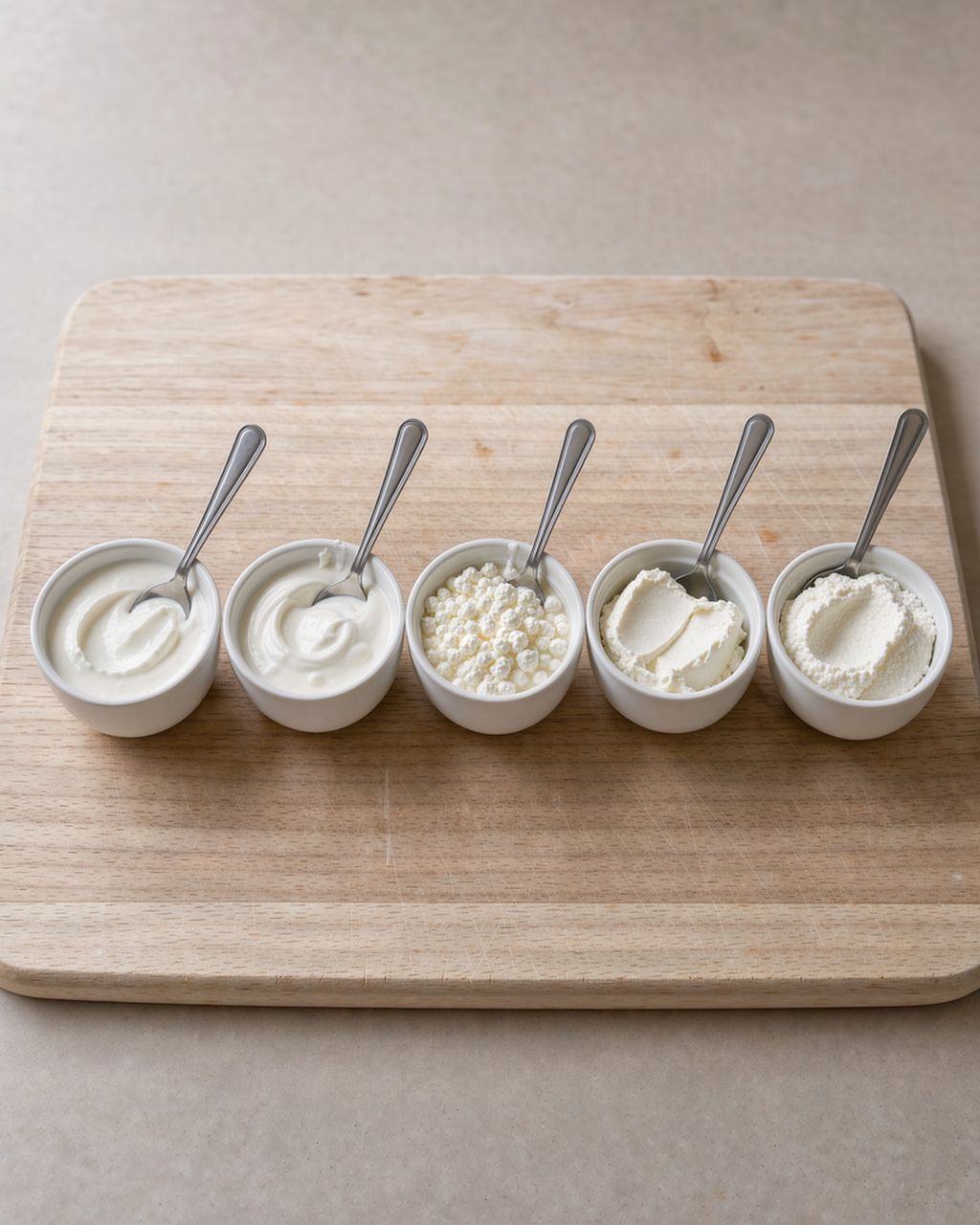
German Quark and the quark sold in UK tubs is usually smooth and creamy, almost like very thick yogurt. Czech měkký tvaroh is often drier, with a fine crumb you can see. A Czech filling recipe assumes that drier texture. If you swap in a wetter quark one-for-one, the filling may run, the dough can go soggy, and cheesecakes may not set.
The fix is simple: take water out before you start. That is what the next section is about.
In rough order of how close they get:
Farmer's cheese (US). Dry, crumbly and mild. Use it as it comes. If it is very dry, work in a spoonful of sour cream or milk.
Dry curd cottage cheese (US). Cottage cheese without the creamy dressing. Press it through a sieve for a fine crumb.
Twaróg or tvorog (Polish and Russian shops). Very close. Check the fat and choose the texture you need. Check the label says it is made from pasteurized milk, especially if you are serving pregnant women, young children or older people.
Quark (UK supermarkets, some US stores). Right flavor, often too wet. Drain it in a sieve lined with cheesecloth or a clean tea towel in the fridge, then squeeze gently, until it holds a shape on a spoon.
Regular cottage cheese. Rinse off the dressing, drain, press, then push through a sieve.
Ricotta. Wetter, sweeter and less sour. Drain it well and add a little lemon zest or juice for tang.
A quick test works for all of them: squeeze a spoonful in your fist. Good baking tvaroh feels damp and crumbly. It should not ooze.
Recipe of the week, one tip that saves you time and one deal from the shop. Unsubscribe in one click.
The next issue goes out on Thursday, November 26.
Tvaroh is in a large part of Czech home baking:
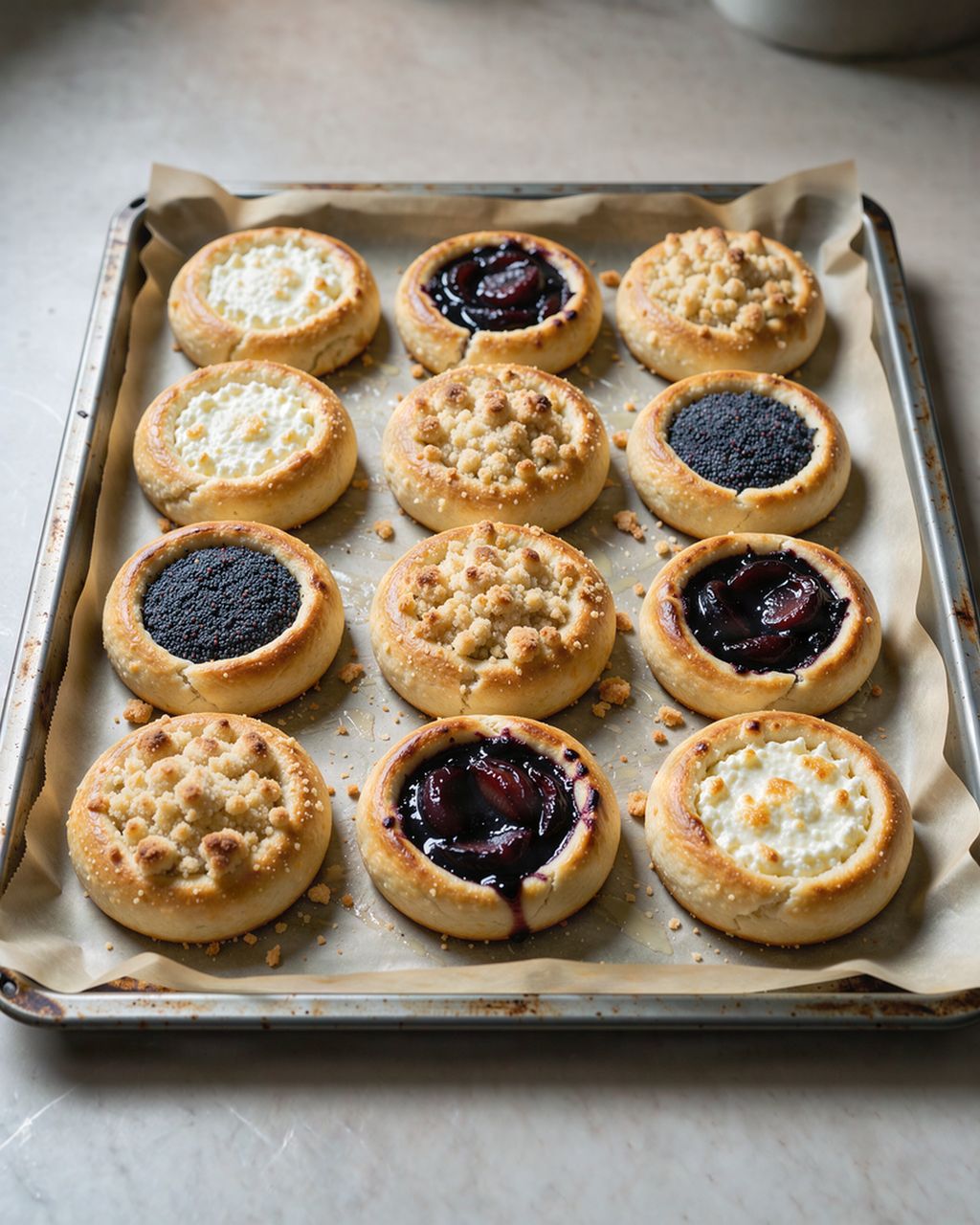
Kolache (koláče) and buchty: sweet yeast buns, with tvaroh mixed with sugar, egg yolk, vanilla and often raisins as one of the classic fillings.
Tvarohové knedlíky: curd cheese dumplings, often wrapped around strawberries or apricots. See curd cheese dumplings.
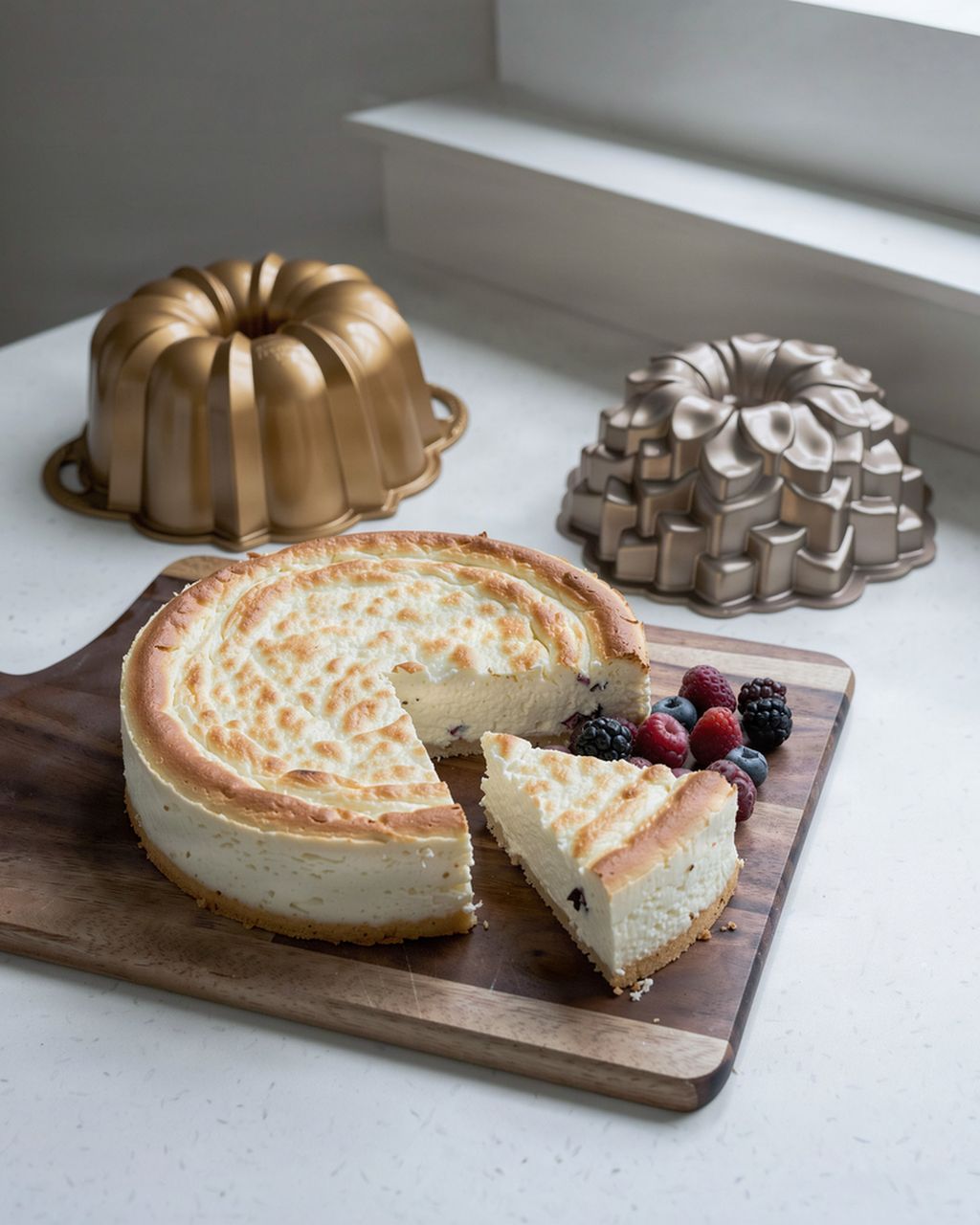
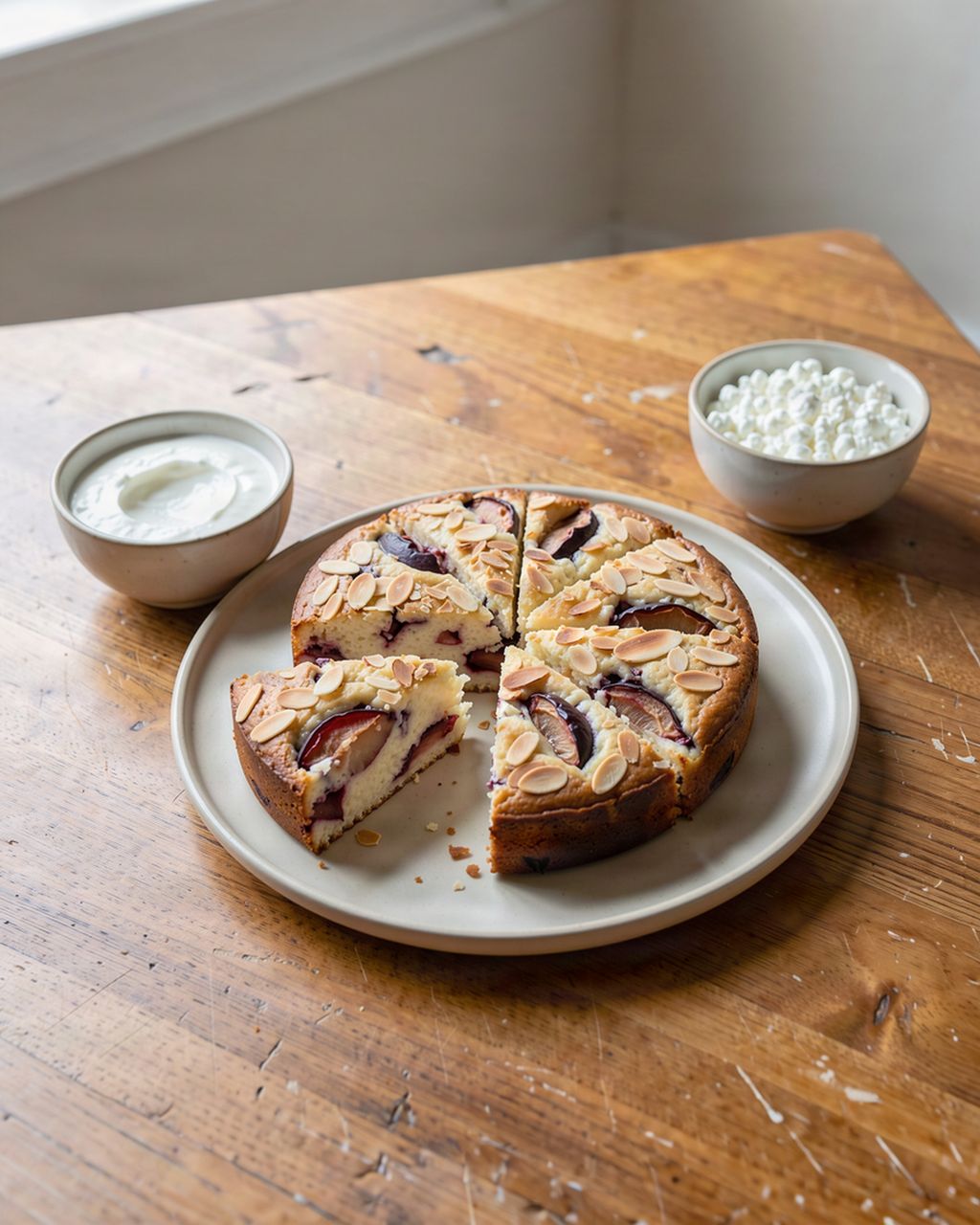
Bublanina and sheet cakes with a curd cheese layer. Try our strawberry bublanina with curd cheese.
Tvarohová pomazánka: a savory spread with chives, onion, paprika or garlic, eaten on bread.
Pancake fillings, dessert creams and quick no-yeast doughs.
As a rough guide, a Czech filling for a tray of kolache often starts from one or two 250 g packs of tvaroh, sweetened lightly. The cheese should still taste of cheese.
Tvaroh is curd cheese, also called quark or farmer's cheese. It is the same family of fresh, unripened cheese as German Quark, Polish twaróg and Russian tvorog, though Czech tvaroh is often drier and more crumbly than the quark sold in UK and US tubs.
No, tvaroh is not the same as regular cottage cheese, because cottage cheese has large curds in a creamy, salted dressing. Dry curd cottage cheese, pressed and pushed through a sieve, gets much closer.
The best substitute for tvaroh in baking is farmer's cheese, because it is already dry and crumbly. If you cannot find it, use dry curd cottage cheese or quark, drained and pressed until it holds its shape, or ricotta drained hard.
Yes, you can use ricotta instead of tvaroh, but drain it well first because it is wetter and sweeter. The filling will taste milder and less tangy, so a little lemon zest helps.
Tučný means full-fat, polotučný means semi-fat and odtučněný means fat-free (skimmed). Czech law defines these grades by fat in the dry matter, while the nutrition panel shows grams of fat per 100 g.
One recipe worth heating the oven for, one tip, and one deal from the shop. Nothing else.