What Is Hermelín? The Czech Camembert-Style Cheese, Explained
What Is Smažený Sýr? Czech Fried Cheese and Which Cheese to Use
Updated Nov 20, 2026
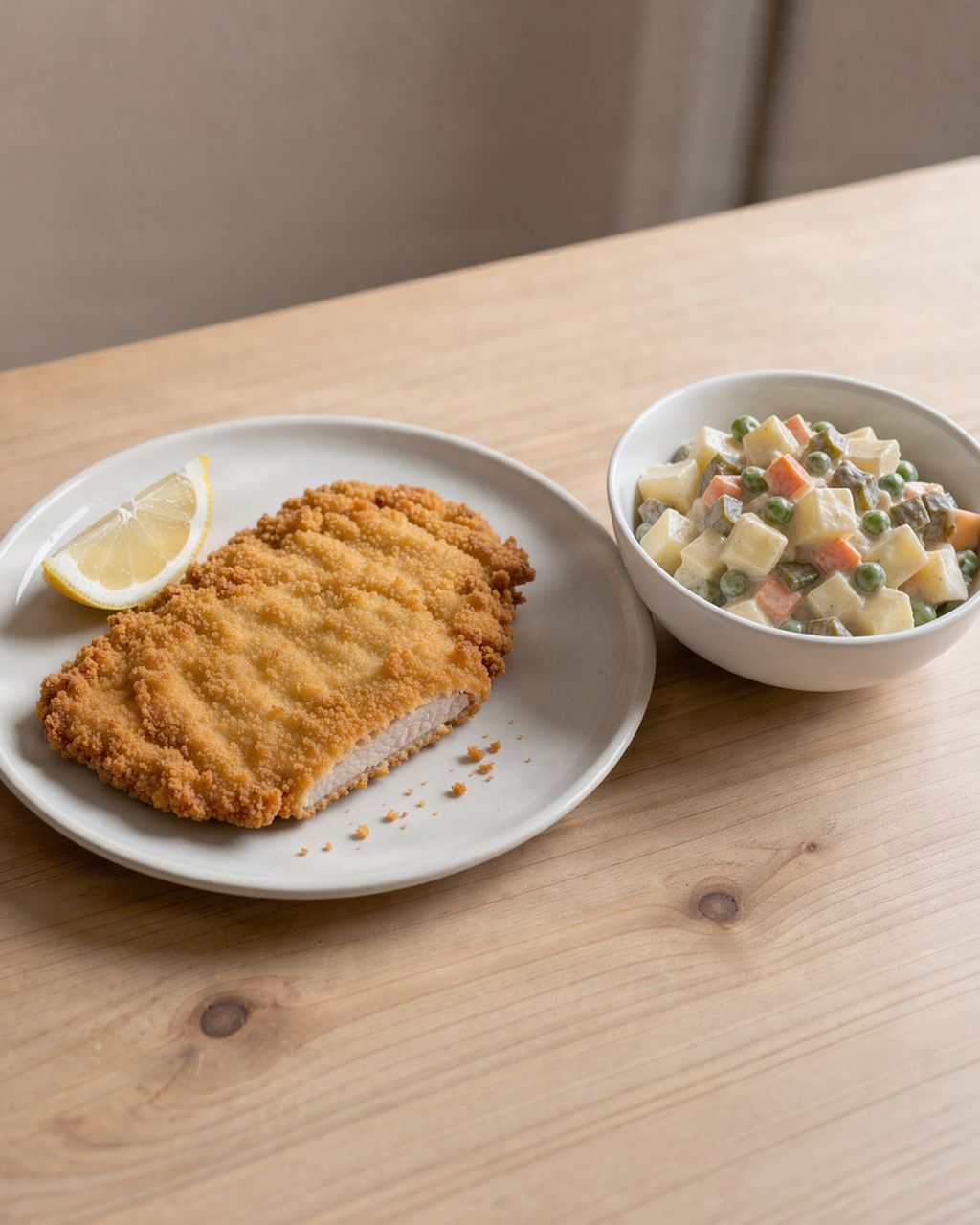
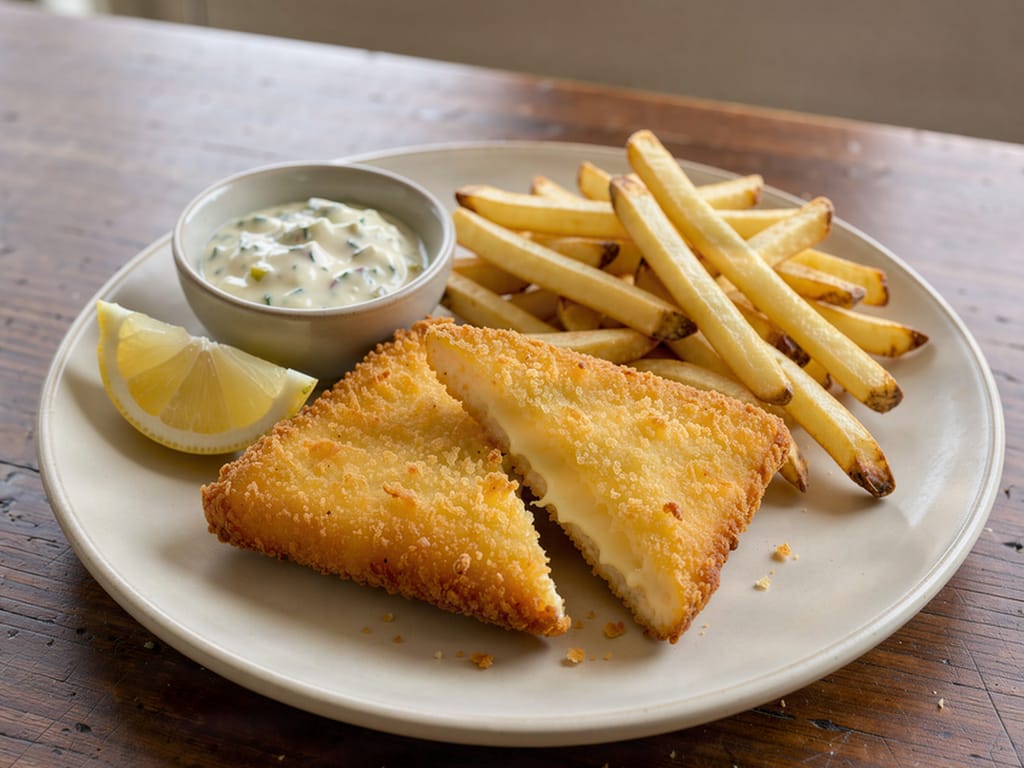
Smažený sýr is Czech fried cheese: a thick slice of Edam, breaded like a schnitzel and fried until golden outside and molten inside. It comes with tartar sauce and fries or potatoes, and it is a fixture of Czech pubs, canteens and street-food stands. Here is which cheese is used, how it is served and what to buy if you want to make it outside the Czech Republic.
Smažený sýr (SMAH-zheh-nee seer) means simply fried cheese. It is a thick slice of cheese coated in flour, beaten egg and breadcrumbs, the same three-step breading as a schnitzel, then fried until the crust is golden and the inside has just melted.
It is one of the most popular dishes in the Czech Republic and Slovakia, where it is called vyprážaný syr. Czechs often shorten it to smažák. It is cheap, quick and filling, which is why you will find it in almost every pub, works canteen and roadside stand in the country.
Seasonal baking plans, tested recipes and kitchen tricks that save you time. Unsubscribe in one click.
The default is Edam, called eidam in Czech. Czech Edam is a mild, semi-hard cow's milk cheese, and it is what you get if a menu just says smažený sýr. Some kitchens use Gouda or Emmental instead.
The slice is thick, usually about 1 to 1.5 cm (½ inch), so the cheese softens without bursting out before the crust has browned. Czech cooks often bread it twice, dipping it in egg and crumbs a second time, to seal it in.
Other cheeses get their own names on a menu:
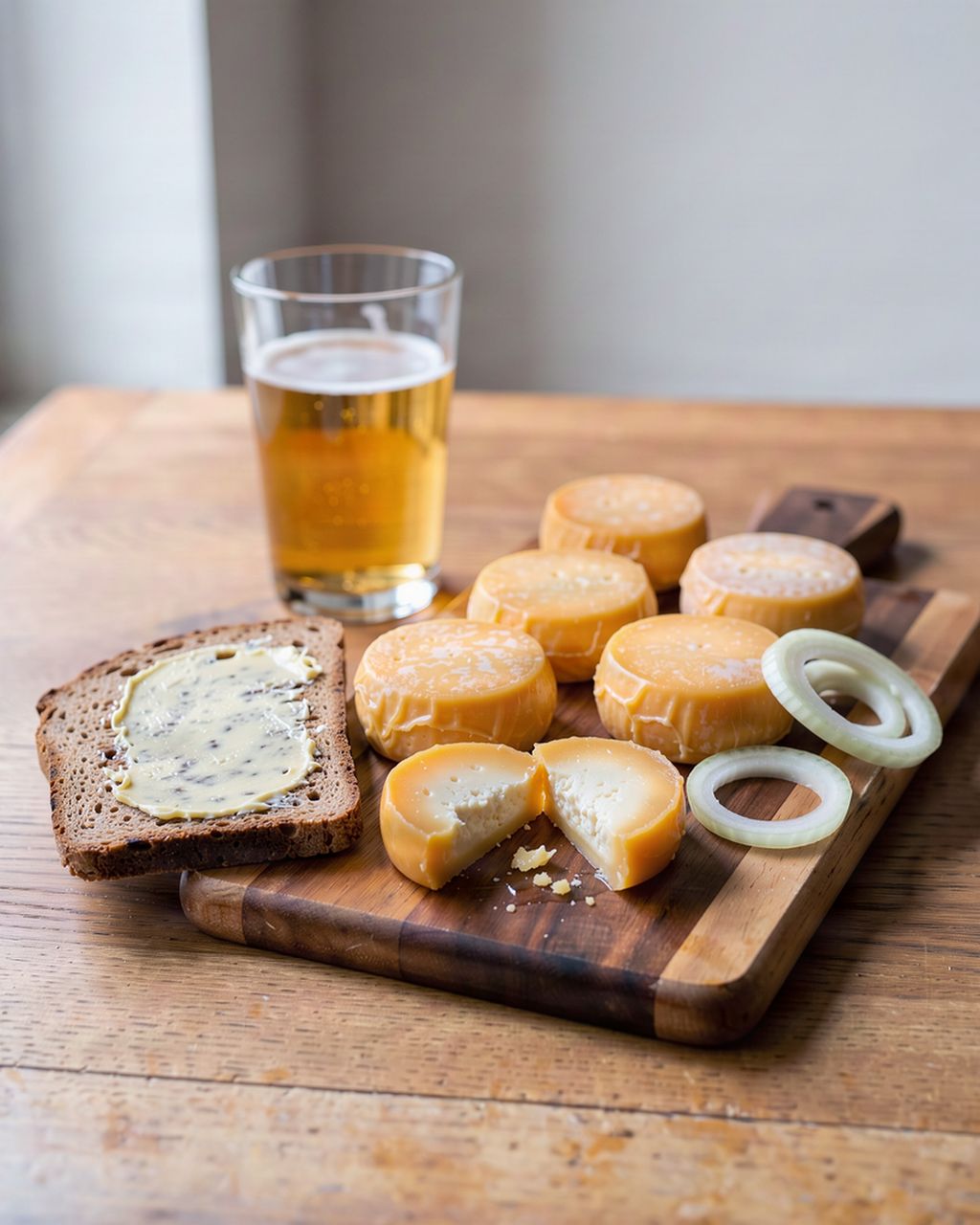
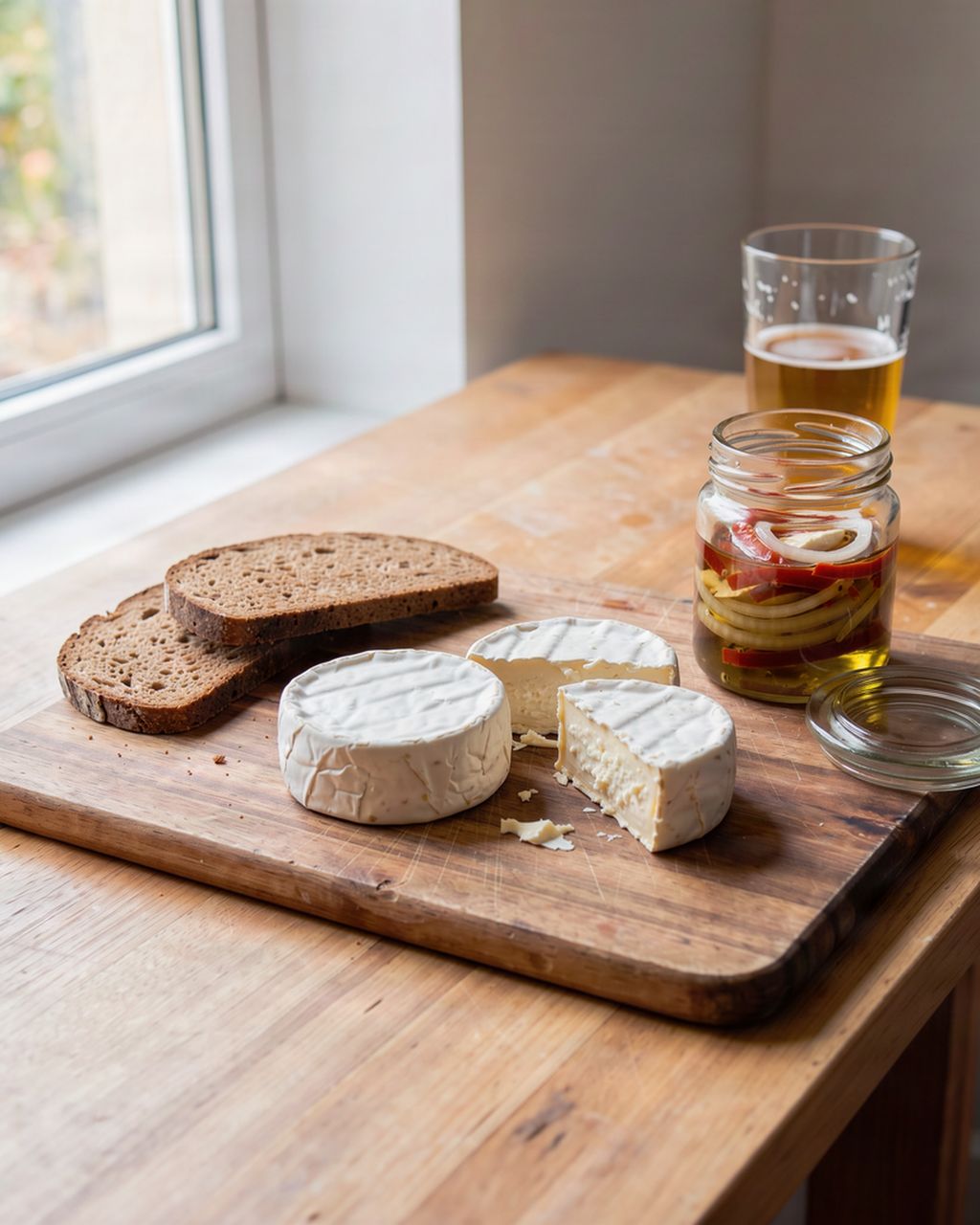
Smažený hermelín: a whole breaded hermelín, the Czech white-rind cheese similar to camembert. It is softer and runnier inside; see the note on soft cheeses below.
Smažená niva: breaded Czech blue cheese.
Smažené tvarůžky: breaded Olomouc cheese, a pungent ripened cheese from Moravia.
You can see the Czech cheeses on our ingredient pages for Edam and hermelín.
The classic plate is fried cheese, tartar sauce and a potato side:
French fries (hranolky) in pubs and fast-food places.
Boiled potatoes with butter and parsley in canteens and at home.
Mashed potatoes or potato croquettes, less often.
Czech tatarská omáčka is a mayonnaise-based sauce with chopped pickles and onion, close to British or American tartar sauce. It is sold in jars in every Czech supermarket (tartar sauce), and many people eat smažák with it and nothing else. Some prefer ketchup or plain mayonnaise. A wedge of lemon or a few pickles on the side is common.
If you want proper fries with it, our guide to crispy homemade fries in the oven or air fryer has the temperatures.
Smažený sýr sits in a particular place in Czech life. For decades it was the one meatless main on almost every pub menu, so vegetarians in the Czech Republic know it well. It was a staple of school and works canteens, and it is still a cheap lunch special.
At summer festivals, Christmas markets and snack stands it is sold in a bun, smažák v housce, with tartar sauce and sometimes a leaf of lettuce. That is the street-food version: messy, hot and eaten standing up.
Where it comes from is less clear. Breaded fried cheese exists in other European cuisines, and Czech sources say it became popular in Czech cooking during the interwar First Republic (1918 to 1938). Tartar sauce became its standard partner around the same time. No single inventor or date is documented.
In outline:
Cut a slice of cold Edam about 1 to 1.5 cm (½ inch) thick.
Bread it in three steps: flour, beaten egg, breadcrumbs. Repeat the egg and crumbs for a second coat.
Fry it in hot oil until golden on both sides, a few minutes in all. It should be soft inside, not leaking.
Drain it briefly and serve straight away with tartar sauce.
Cold cheese and a well-sealed crust are what stop it from leaking. Our guide to three-step breading explains how to get a crust that stays on. Czech cooks use fine dry breadcrumbs; panko works but gives a rougher, crunchier coat.
You don't need anything special:
Edam is the closest match and is widely available in supermarkets.
Young Gouda is a good second choice: mild, melts smoothly, holds a slice.
Mild Emmental or Swiss cheese works too, though it tastes nuttier and gets stringier.
Avoid cheeses that turn oily or very runny when hot, such as aged cheddar or fresh mozzarella. Halloumi and paneer don't melt, so they give a different dish.
For a hermelín version, use a small whole camembert or brie-style cheese. Some camemberts, including Camembert de Normandie, are made from raw milk. Soft mould-ripened cheeses such as camembert, brie and hermelín can carry listeria, whether or not the milk is pasteurized. If you are pregnant, the NHS advises eating soft mould-ripened cheese only when it has been cooked until steaming hot all the way through, which a just-melted fried cheese may not be. Older people and anyone with a weakened immune system are also at higher risk from listeria, so the same advice applies: eat soft mould-ripened cheese only when it is steaming hot all the way through, or choose the Edam version. For everyone else, choose a pasteurized cheese if you want to lower the risk. Our article on baked hermelín covers the oven version.
Smažený sýr is usually made with Edam, called eidam in Czech, cut into a thick slice. Gouda and Emmental are also used, and a breaded hermelín or camembert is sold as smažený hermelín.
Smažený sýr is served with tartar sauce and either French fries or boiled potatoes. Mashed potatoes or potato croquettes also appear, sometimes with a little salad or pickles on the side.
Smažený sýr is breaded fried Edam or a similar semi-hard cheese, while smažený hermelín is a whole breaded hermelín, a Czech camembert-style cheese. The hermelín version is softer and creamier inside, and the NHS advises pregnant people to eat soft mould-ripened cheese only when it is steaming hot all the way through. A fried hermelín that is only just melted inside may not reach that, so if you are pregnant, cook it until it is steaming hot right through or choose the Edam version, and the same applies to older people and anyone with a weakened immune system.
Smažený sýr contains no meat, and in Czech pubs it has long been the standard meatless main. Strict vegetarians should still ask about the frying fat and check whether the cheese uses animal rennet.
Czechs often call it smažák. In Slovakia the same dish is called vyprážaný syr.
One recipe worth heating the oven for, one tip, and one deal from the shop. Nothing else.