Baked Hermelín in the Oven: What Temperature and How Long So It Doesn't Leak
What Is Hermelín? The Czech Camembert-Style Cheese, Explained
Updated Nov 20, 2026
Hermelín is a Czech soft cheese with a white mold rind, made in the style of French camembert but usually milder and creamier. Czechs bake it, fry it in breadcrumbs, grill it and marinate it in oil with onion and paprika as a pub snack. Outside Czechia, a young camembert or a small brie is the closest swap.
Hermelín (pronounced roughly HER-meh-leen) is a soft cow's milk cheese with a white, velvety rind of Penicillium camemberti mold, the same mold used on camembert and brie. It comes as a small round, usually wrapped in paper inside a box or tray, and you will find it in every Czech supermarket.
The name is Czech for ermine, the white winter coat of the stoat. The fluffy white rind reminded cheesemakers of the ermine trim on royal robes, which is also why the biggest brand calls itself Král sýrů, king of cheeses.
On the pack you will often see a percentage, such as 45% or 60%. On Czech cheese labels this is usually fat in dry matter, not fat in the cheese as sold, so a 60% hermelín is richer than a 30% one, but it does not contain 60 g of fat per 100 g. Check the nutrition panel for the real figure. Our ingredient page on hermelín cheese has the nutrition figures for a full-fat round.
Seasonal baking plans, tested recipes and kitchen tricks that save you time. Unsubscribe in one click.
Hermelín is a Czech answer to French camembert, and its story starts after the First World War, when Czech cheesemakers saw how popular camembert had become.
The first rounds. One of the first Czech white-mold cheeses was Přibyslavský camembert, made by a dairy cooperative in Hesov near Přibyslav, in the Vysočina highlands. That dairy, later known as Pribina, is today part of the French group Savencia, which dates the start of its camembert to the 1920s.
The name. Because the camembert name was protected, the dairy engineer Josef Hojdar, later head of the Madeta dairy, proposed hermelín instead. According to the Czech Wikipedia article on the cheese, the name was filed for protection on 9 February 1946.
The brands. The town of Sedlčany in Central Bohemia is so closely tied to the cheese that Sedlčanský hermelín is a brand of its own, though since 2019 it has been made at the Savencia dairy in Hesov. Král sýrů, with a crowned king on the box, was launched in the 1990s.
You may read elsewhere that hermelín dates from 1915 or the 1920s. Sources disagree on the first year, and we could not confirm an exact date, so treat any single founding year with care.
Young hermelín is mild, milky and slightly salty, with a gentle mushroom note from the rind. The paste is soft and creamy near the rind and a little firmer and chalkier in the center. As it ripens, the center softens and the flavor gets stronger, but even a ripe Czech hermelín is usually tamer than a ripe French camembert.
The main differences from its French cousins:
Camembert de Normandie, the protected French original, must be made from raw milk. Most hermelín, like most supermarket camembert, is made from pasteurized milk.
Brie is made in large wheels and sold in wedges. Hermelín is a small round, which matters when you bake or fry it, because the rind holds the cheese together.
Hermelín is usually eaten younger and firmer, which suits cooking.
Cold, hermelín goes on bread with butter, onto a cheese board, or into a spread (hermelínová pomazánka) mashed with butter, onion or garlic. But most Czechs know it hot:
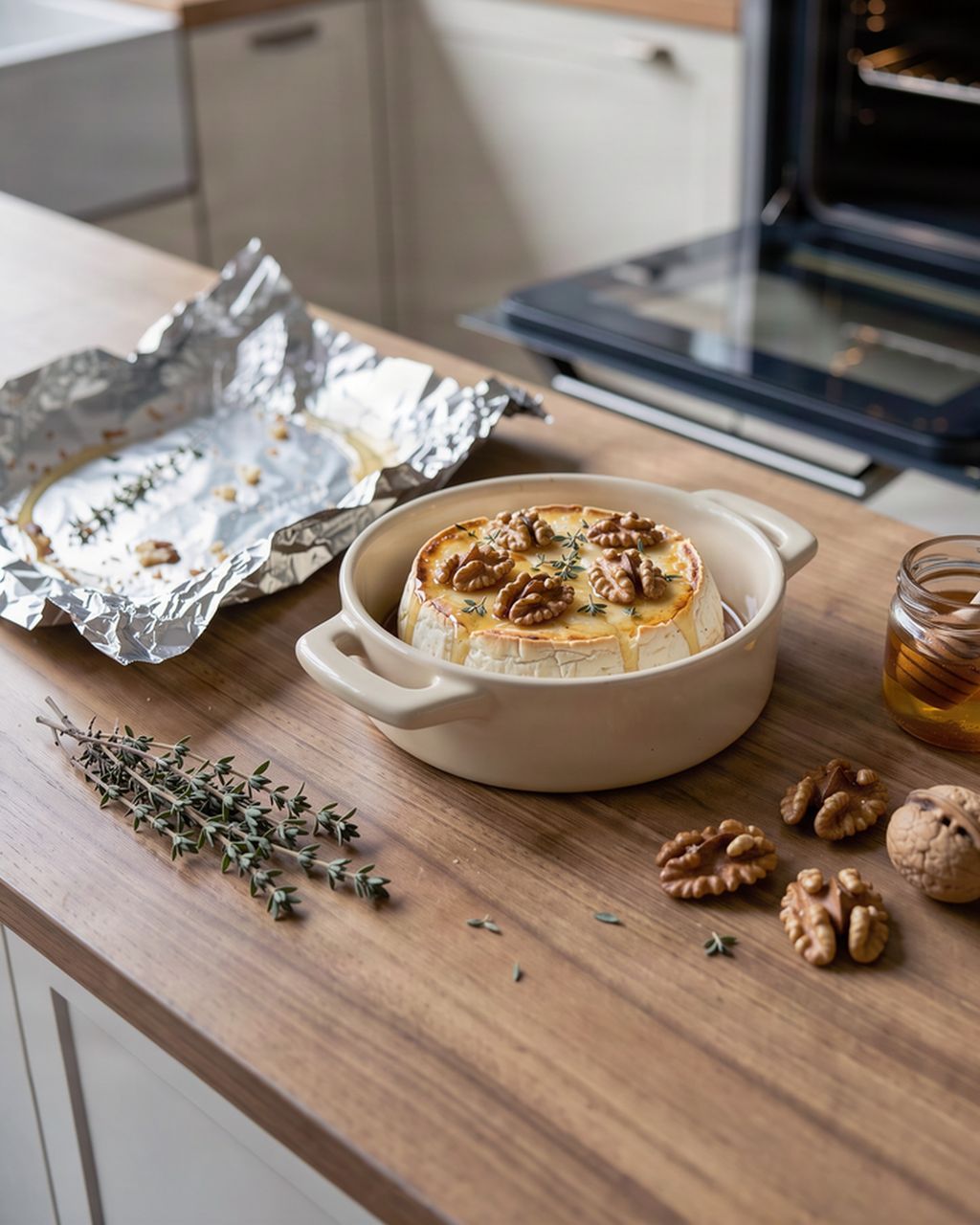
Baked (pečený hermelín). A whole round goes into a small dish, often topped with garlic, herbs or chili, and bakes until the inside melts while the rind holds. Our guide to baked hermelín in the oven covers the temperature and how to stop it leaking.
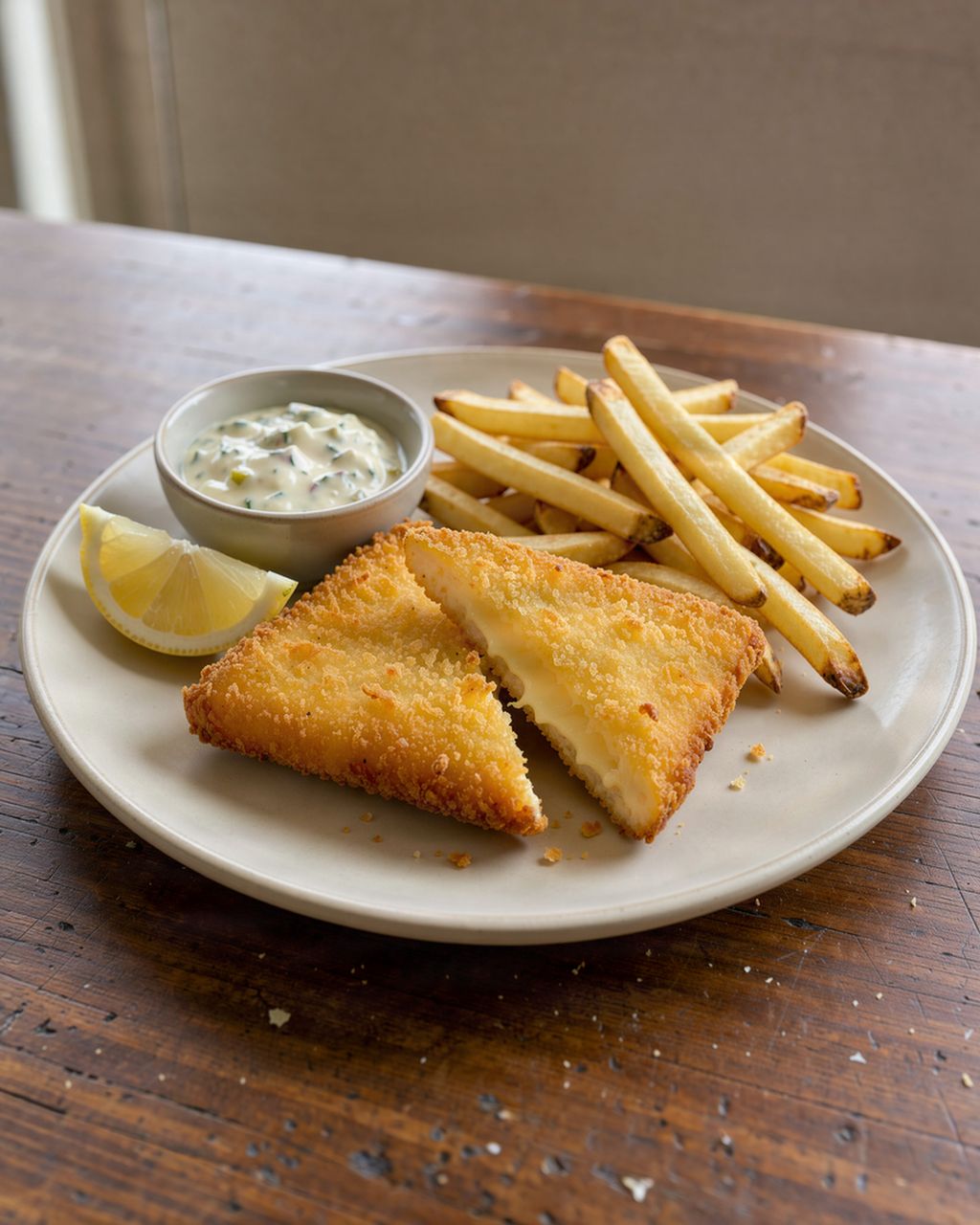
Fried (smažený hermelín). Breaded and fried like Czech fried cheese, served with tartar sauce and fries or boiled potatoes. The rind keeps the molten center in, as long as the crust has no gaps.
Grilled (grilovaný hermelín). Summer barbecue food. Some packs are sold ready for the grill in a foil tray.
With cranberry sauce. Baked, fried or grilled hermelín is very often served with brusinky, a tart cranberry or lingonberry sauce, and bread or toast.
On Czech menus you will usually find it among the starters or the meatless mains.
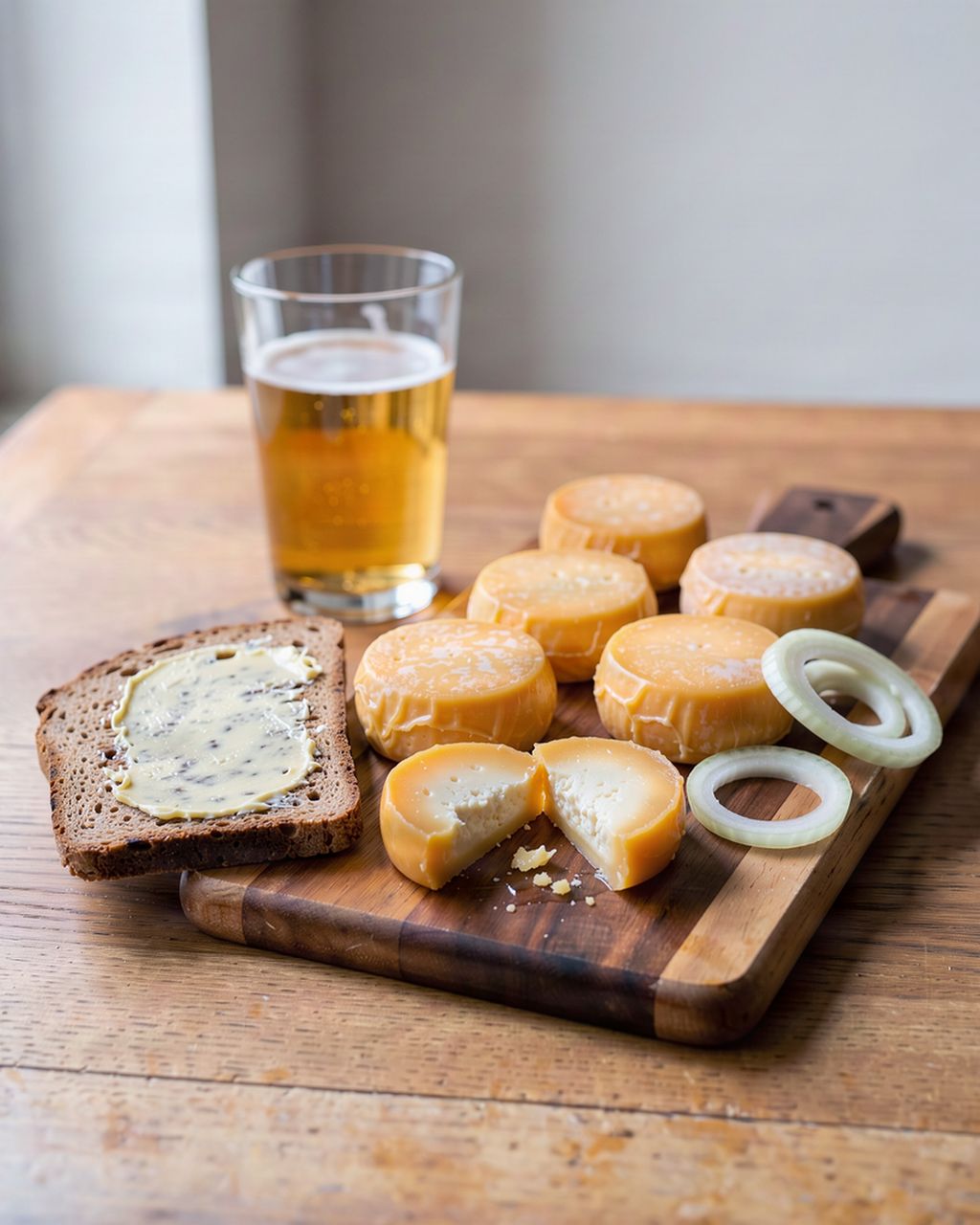
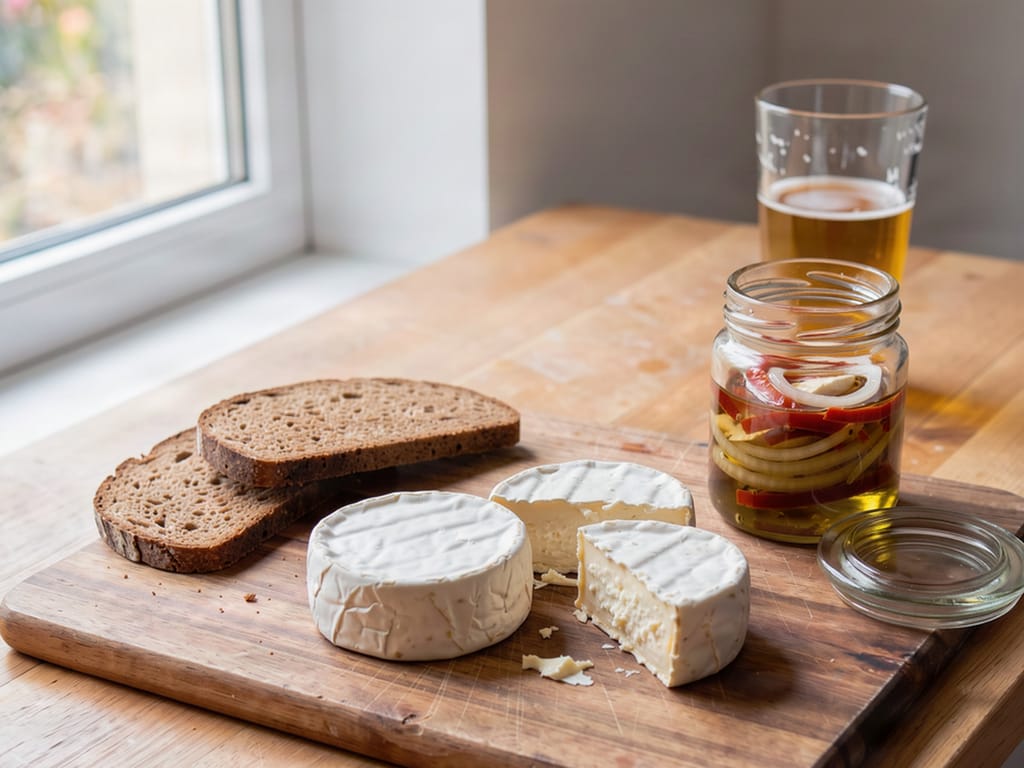
Nakládaný hermelín means marinated hermelín, and it is one of the great Czech pub snacks, served with dark bread and a glass of beer. It sits on the bar next to utopenci, pickled sausages with onion.
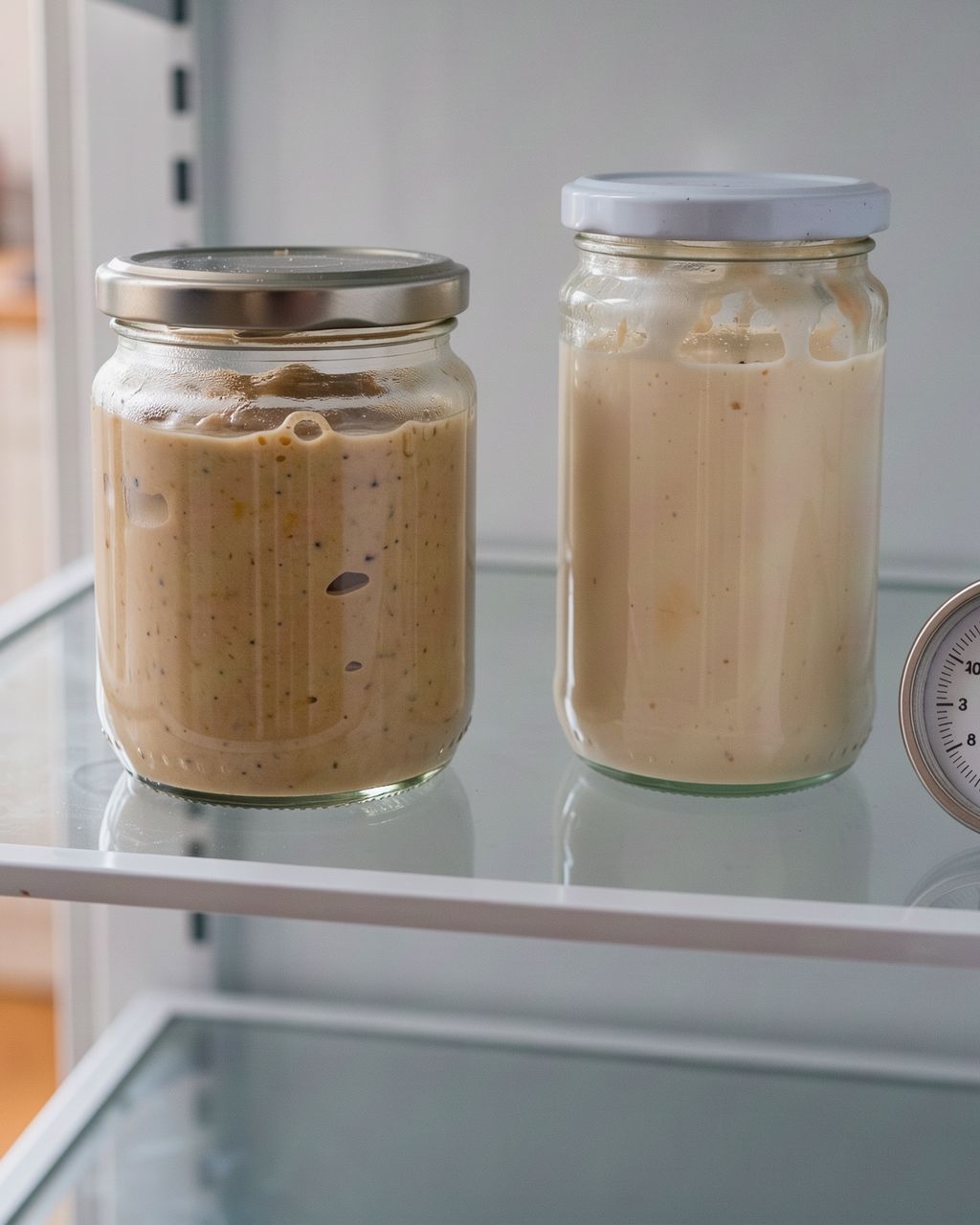
In outline: the rounds are usually split in half and spread with a paste of paprika, garlic and sometimes chili, put back together, and layered in a jar with sliced onion, bay leaves, peppercorns and allspice. Then the jar is filled with oil so everything is covered, closed, and kept in the fridge while the cheese softens and takes on the flavor. Because of the garlic in oil, make only as much as you will eat within a week (see the note below).
The result is soft, spicy and rich, with a sharp bite from the onion. Ready-made jars are sold in Czech supermarkets. For how long a jar keeps and how to store it, see marinated hermelín and utopenci: how long they keep.
Real hermelín is hard to find outside Central Europe, apart from some Czech, Slovak and Polish shops. These work well:
Young camembert, as a whole round. The closest match. Pick one that feels firm, not one that bulges or smells of ammonia. A round in a wooden box is ideal for baking.
Small whole brie, such as a petit brie. Slightly richer and runnier. Fine for baking and marinating.
Brie wedges. Usable on a cheese board or in a spread. They leak when baked or fried, because the cut sides have no rind.
Whatever you buy, check that the label says pasteurized milk, and remember that pasteurized soft cheese still falls under the NHS pregnancy advice above. For frying and marinating, go for a younger, firmer cheese and keep it in the fridge until you start. Cold cheese breads more neatly and holds its shape longer in the pan or oven. If you buy more than you need, our article on freezing cheese, including hermelín explains what freezing does to it.
Hermelín is a Czech camembert-style cheese, a soft cheese with a white bloomy rind. The name means ermine, the white winter fur of the stoat, because the rind looks like the ermine trim on a royal cloak.
No, hermelín is not the same as camembert, though it is the same type of cheese and was modeled on it. Czech hermelín is usually milder and less earthy than a ripe French camembert, and most of it is made from pasteurized cow's milk.
The best substitute for hermelín is a young camembert sold as a whole round, and a small whole brie is the next best. Choose a firm, young cheese for baking, frying or marinating, because a very ripe one runs as soon as it warms up.
Nakládaný hermelín is hermelín marinated in oil with onion, garlic, paprika and spices, a classic Czech pub snack served with beer and bread. It is made in a jar and kept covered in the fridge, and Health Canada advises using homemade vegetables and herbs in oil within one week of making them.
The best-known brands, Král sýrů (king of cheeses) and Sedlčanský hermelín, both belong to the French group Savencia and are made at its dairy in Hesov near Přibyslav. Other Czech dairies and supermarket own labels also sell hermelín.
One recipe worth heating the oven for, one tip, and one deal from the shop. Nothing else.