Cannoli: How to Get a Crackly Shell and Creamy Ricotta Filling
What Is Kremrole? Czech Cream Horns vs English Cream Horns and Cannoli
Updated Nov 20, 2026
Kremrole is the Czech cream horn: a tube or cone of crisp puff pastry, baked around a metal mold and filled with whipped egg-white meringue or whipped cream. It is close kin to the Austrian Schaumrolle and the English cream horn, and only a distant cousin of the Sicilian cannolo. Here is how it is made, where the name comes from, and how the three compare.
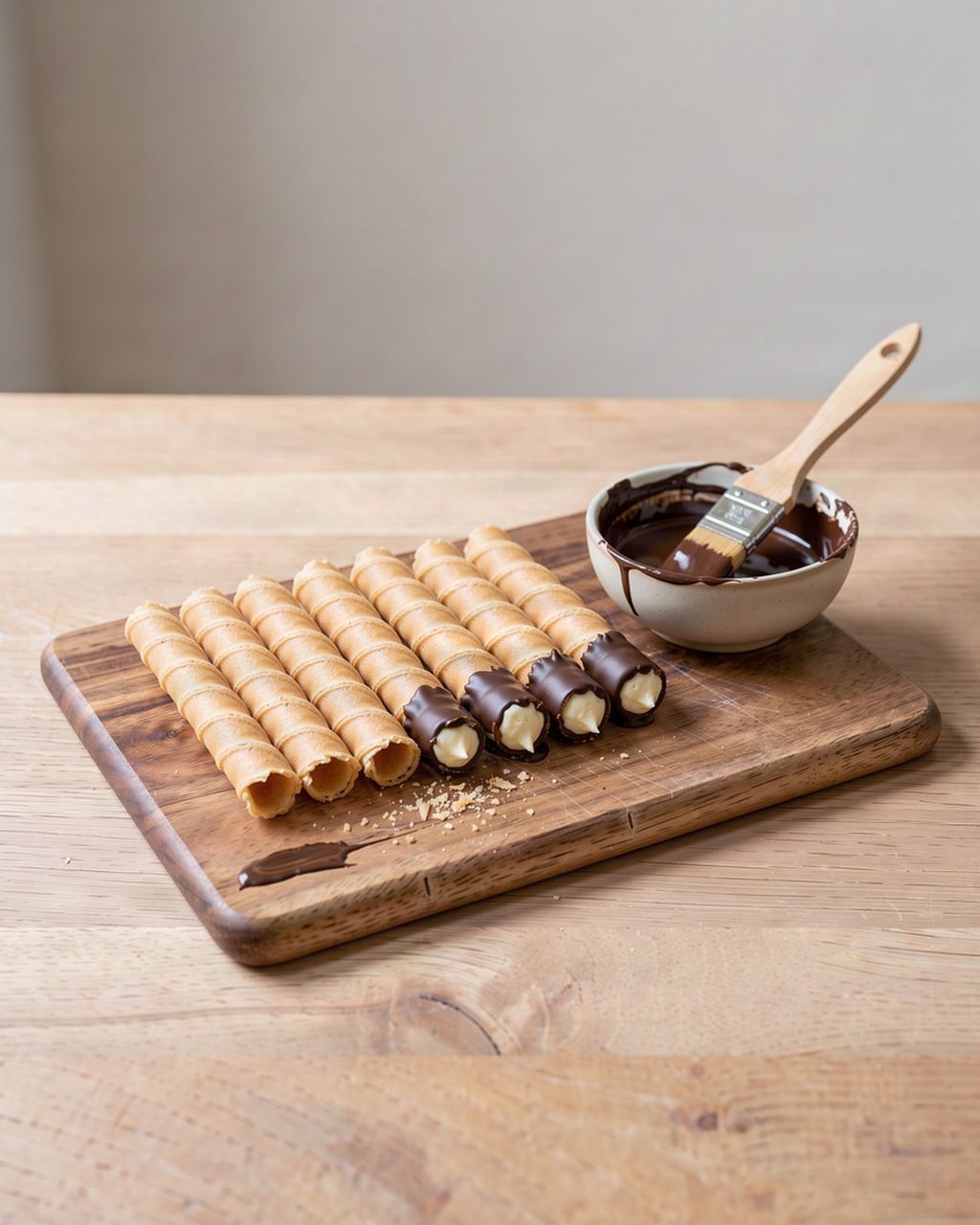
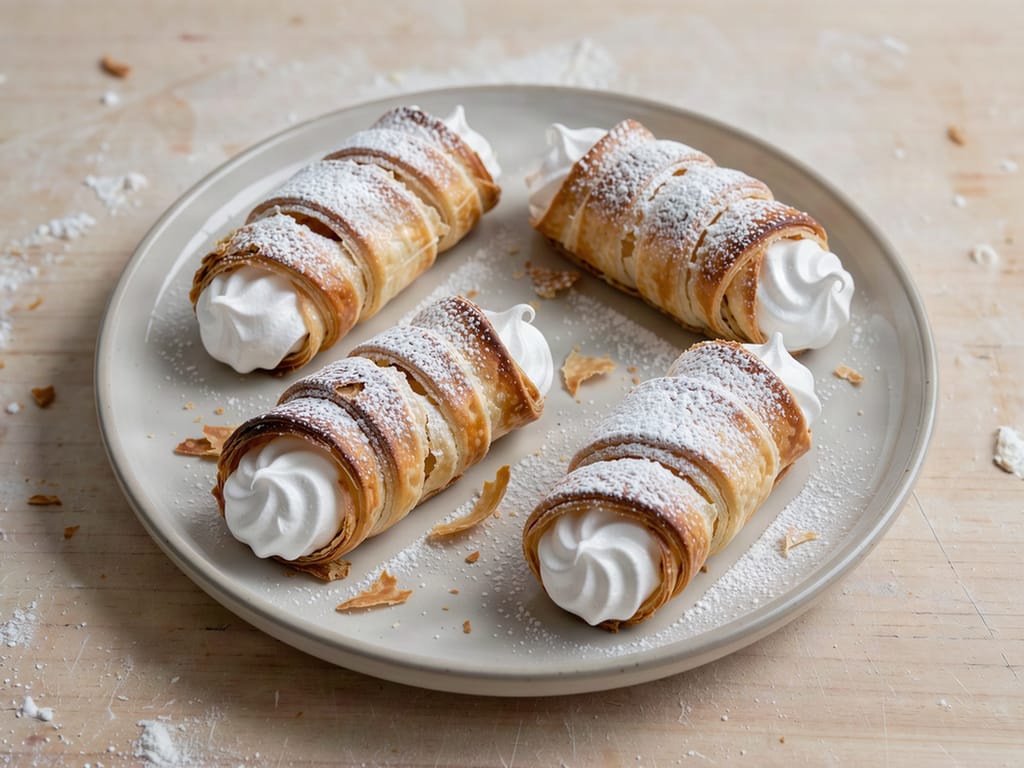
Kremrole (the same word is used for one or many) is a Czech pastry-shop staple and a fixture of Czech and Slovak wedding and Christmas cookie trays. It is made of thin strips of puff pastry wound in a spiral around a metal tube or cone, baked until golden and flaky, and filled once cool.
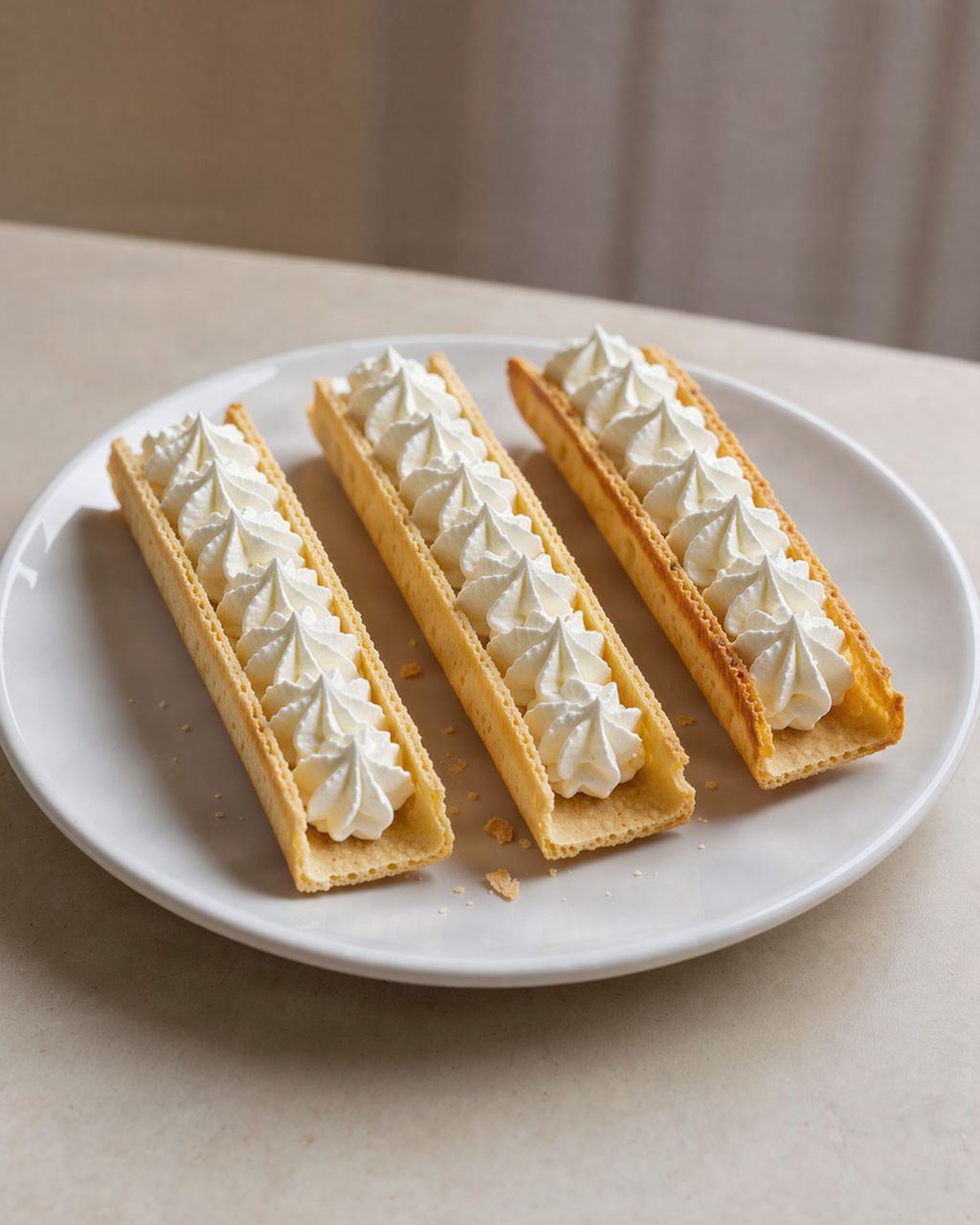
The classic filling is sníh (literally “snow”), a glossy, stiff egg-white meringue piped in from both ends. Many bakeries and home cooks now fill kremrole with sweetened whipped cream or a vanilla cream instead. A dusting of powdered sugar finishes it.
In some Czech regions people call them trubičky (little tubes), and Slovaks also say šamrole.
Recipe of the week, one tip that saves you time and one deal from the shop. Unsubscribe in one click.
The next issue goes out on Thursday, November 26.
The name joins krém (cream) and role (roll, from the German Rolle). The pastry itself came from the German-speaking world. In Austria and Germany it is the Schaumrolle, roughly “foam roll”, named after the whipped filling. The Slovak šamrole is a direct borrowing of that word.
There is no documented inventor or date. Encyclopedia entries describe the Schaumrolle as Austrian and German, and the cream horn as a pastry that traveled widely across the old Austro-Hungarian lands and from there to North America with emigrants. In Germany it is also called Schillerlocke, after the curls in a famous portrait of the poet Friedrich Schiller.
In outline:
Pastry. Puff pastry is rolled thin and cut into long strips. Bakeries and many home cooks use store-bought puff pastry, and some Czech home recipes use a quick quark pastry instead.
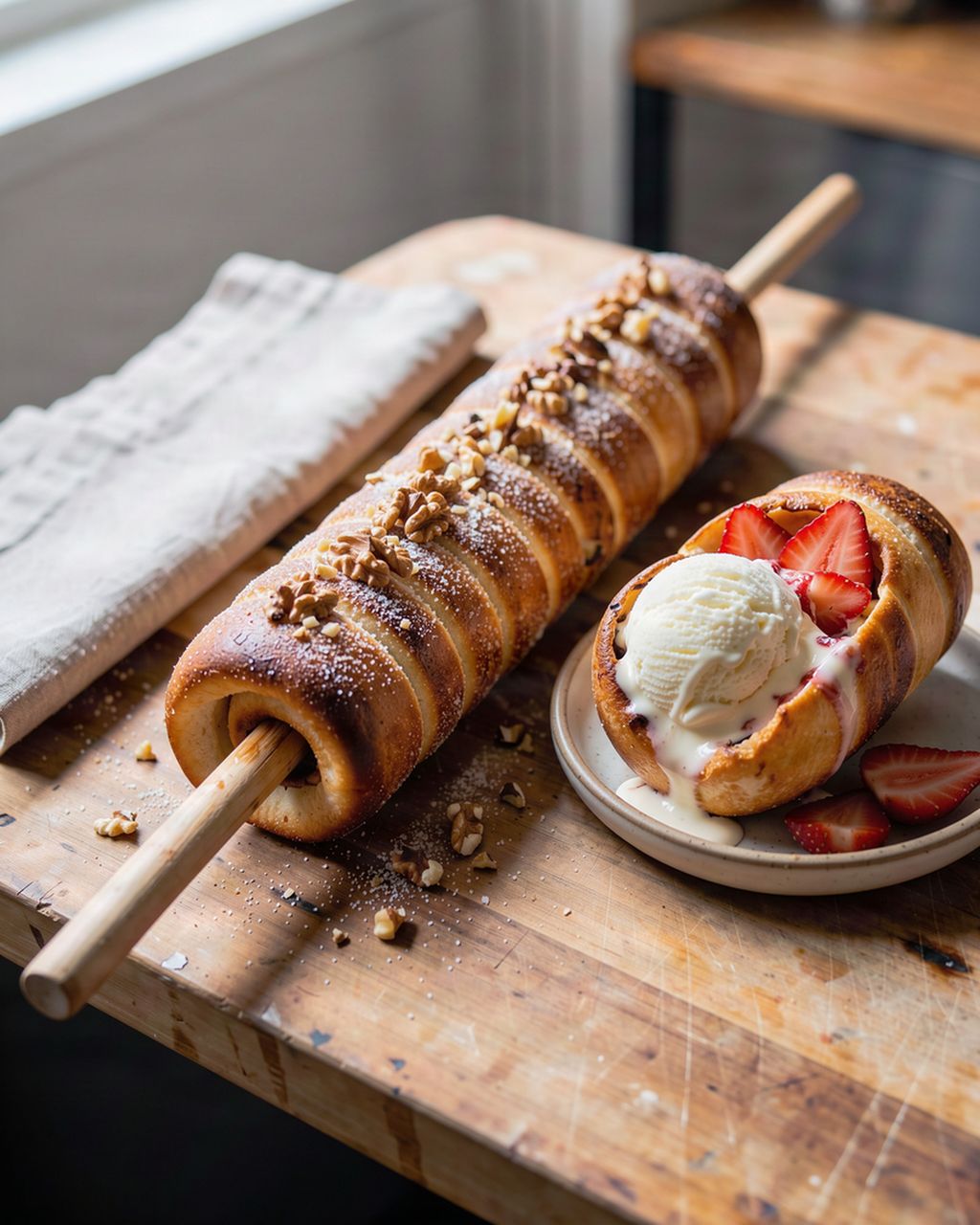
Winding. Each strip is wound around a greased metal tube or cone with the edges overlapping slightly, so the spiral stays closed as it bakes.
Baking. The rolls are brushed with egg, sometimes rolled in sugar, and baked until deep golden. Pale pastry turns soft as soon as it meets the filling.
Unmolding. The tubes slide out while the pastry is still warm.
Filling. Once completely cool, the rolls are filled from both ends.
For the pastry choice, see store-bought, homemade or rough puff.
The traditional sníh is made by heating the whites, either with hot syrup or over simmering water, which gives a denser, more stable foam than whipping raw whites with sugar. Czech bakery-style recipes use one of two methods:
Italian meringue: hot sugar syrup is poured in a thin stream into whipping egg whites, which gives a dense, glossy, stable foam that holds in the pastry.
Swiss meringue: egg whites and sugar are whisked over a pan of simmering water until the mixture reaches 71 °C (160 °F) on a thermometer, then whipped until stiff and cool.
Both hold their shape far better than plain whipped whites and sugar. Our guide to French, Swiss and Italian meringue explains the differences and when to use each.
The whipped cream version is simpler: cream whipped with powdered sugar and vanilla, often stabilized so it does not weep into the pastry.
A fresh kremrole shatters when you bite it. The pastry is buttery, flaky and slightly caramelized where the sugar or egg wash browned. The meringue filling is very sweet, smooth and a little marshmallowy, and it is the part Czechs remember from childhood. Whipped cream kremrole taste lighter and less sweet, closer to an English cream horn without the jam.
Czechs eat them by hand, over a plate, because the pastry flakes everywhere. They sit on cookie trays at Christmas and at weddings, and they are bought from the pastry shop with coffee the rest of the year.
These are the same pastry family, wound and baked the same way. The difference is mostly in the filling.
Czech kremrole: often a tube, open at both ends. Filled with meringue, whipped cream or vanilla cream. No jam. Often dusted with powdered sugar.
English cream horn: usually a cone, closed at the tip. A spoonful of jam (often raspberry or strawberry) often goes into the tip, then whipped cream is piped in. The pastry is often sugared before baking for extra crunch.
Austrian Schaumrolle: the closest of the three to the Czech version, filled with sweetened whipped cream, Bavarian cream or meringue.
In Pittsburgh, a smaller version goes by lady locks or clothespin cookies. In Italy the puff pastry cream horn is called cannoncino.
They look alike from a distance: a tube with filling at both ends. Up close they have little in common.
Kremrole: baked puff pastry, flaky and buttery. Filled with meringue or whipped cream. Light and very sweet. Central European.
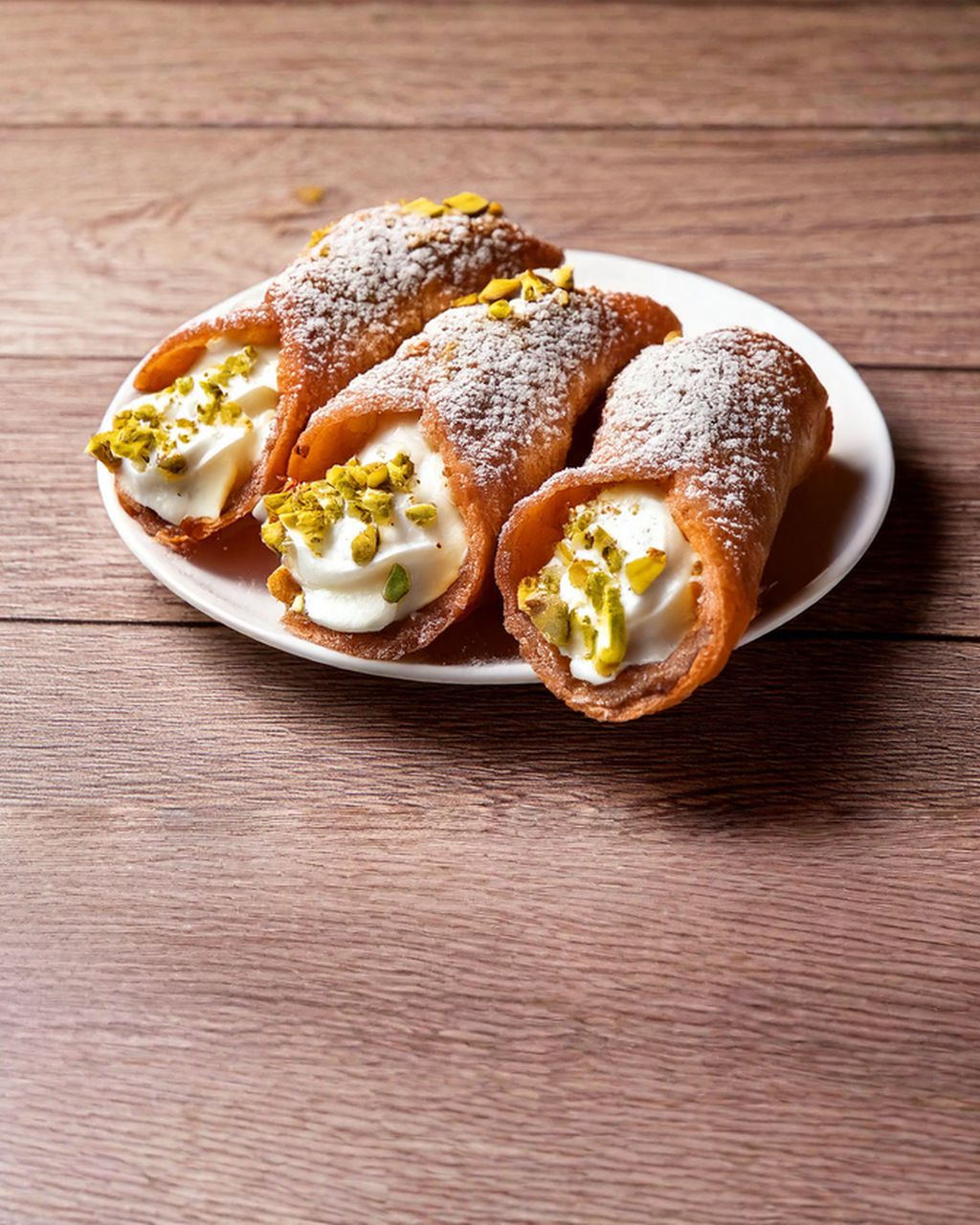
Cannolo (plural cannoli): a thin, crisp dough fried around a tube, with a blistered surface. Filled with sweetened ricotta, often with candied orange peel or pistachios. Rich and creamy. Sicilian, traditionally linked to Carnival.
If you want the Sicilian side of the story, see our guide to cannoli shells and ricotta filling.
The enemy of kremrole is moisture. As soon as meringue or cream sits in the pastry, water moves into the flaky layers and the crunch fades. That is why good bakeries fill kremrole daily and why home cooks bake the shells ahead and fill them close to serving.
Filled kremrole go into the fridge, covered, because the filling is egg- or dairy-based. The US FDA advises keeping the fridge at 4 °C (40 °F) or below. The FDA advises not leaving perishable foods out for more than 2 hours (1 hour above 32 °C / 90 °F), so put filled trays back in the fridge between servings. Fill only as many as you will serve, while the pastry is still crisp. For why the pastry softens and how to keep the shells crisp, read why cream horns go soft.
Kremrole is usually called a cream horn or cream roll in English. It is a puff pastry tube or cone filled with meringue or whipped cream, the Czech version of the Austrian Schaumrolle.
The classic kremrole filling is a glossy egg-white meringue called sníh, which means snow. Bakeries usually make it by whipping egg whites with hot sugar syrup, and many modern versions use sweetened whipped cream or vanilla cream instead.
No, kremrole and cannoli are different pastries. Kremrole is baked puff pastry filled with meringue or cream, while a cannolo is a fried dough shell filled with sweetened ricotta.
The main difference is the filling. An English cream horn often has jam in the tip and whipped cream on top, while a classic Czech kremrole is filled with meringue and has no jam.
Cream horns go soft because the filling's moisture moves into the crisp pastry. Filling them close to serving and keeping the pastry well baked helps, and our article on keeping cream horns crisp covers the details.
One recipe worth heating the oven for, one tip, and one deal from the shop. Nothing else.