What Is Větrník? The Czech Caramel Cream Puff, Explained
What Are Rakvičky? The Czech Little Coffin Pastry Explained
Updated Nov 20, 2026
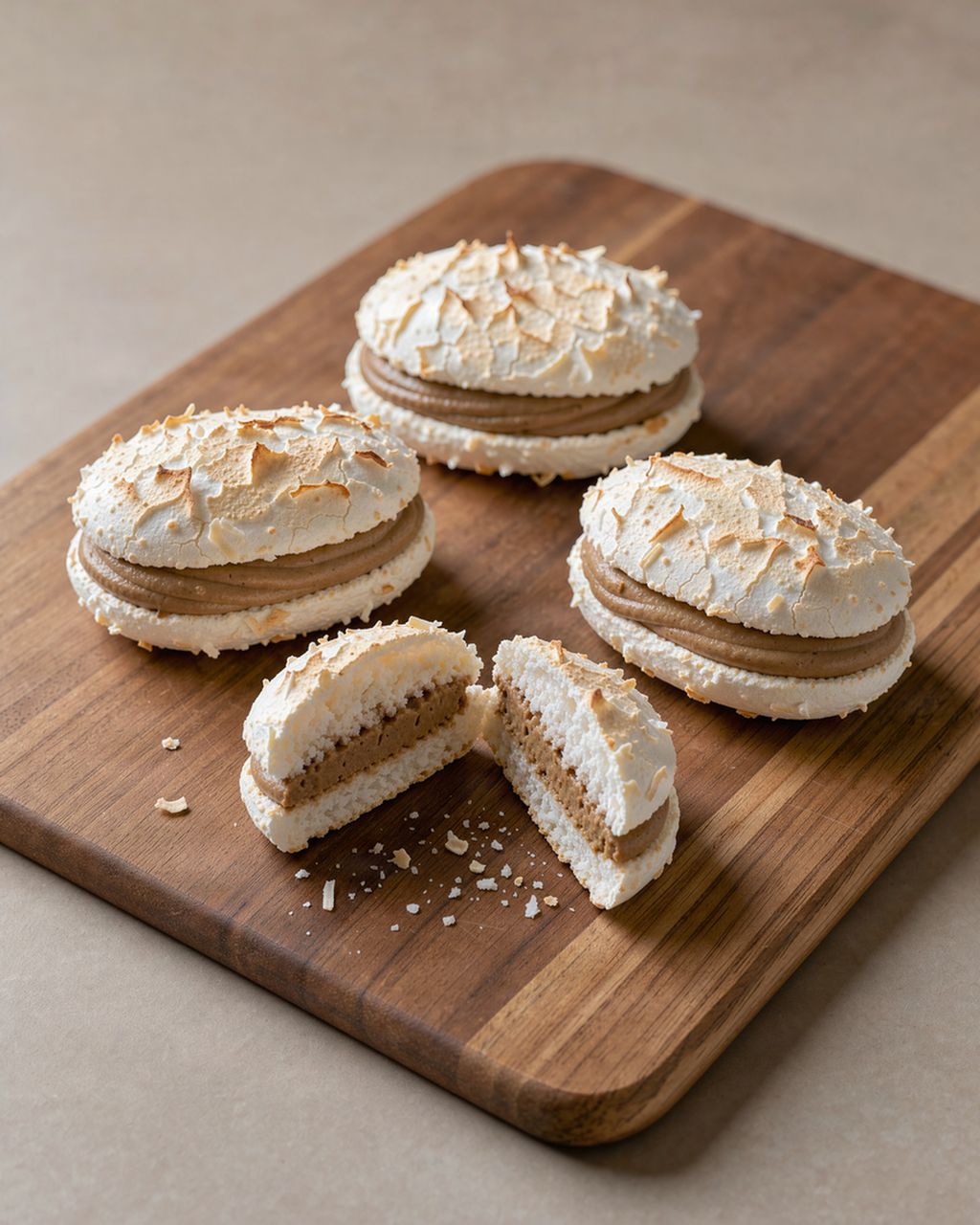
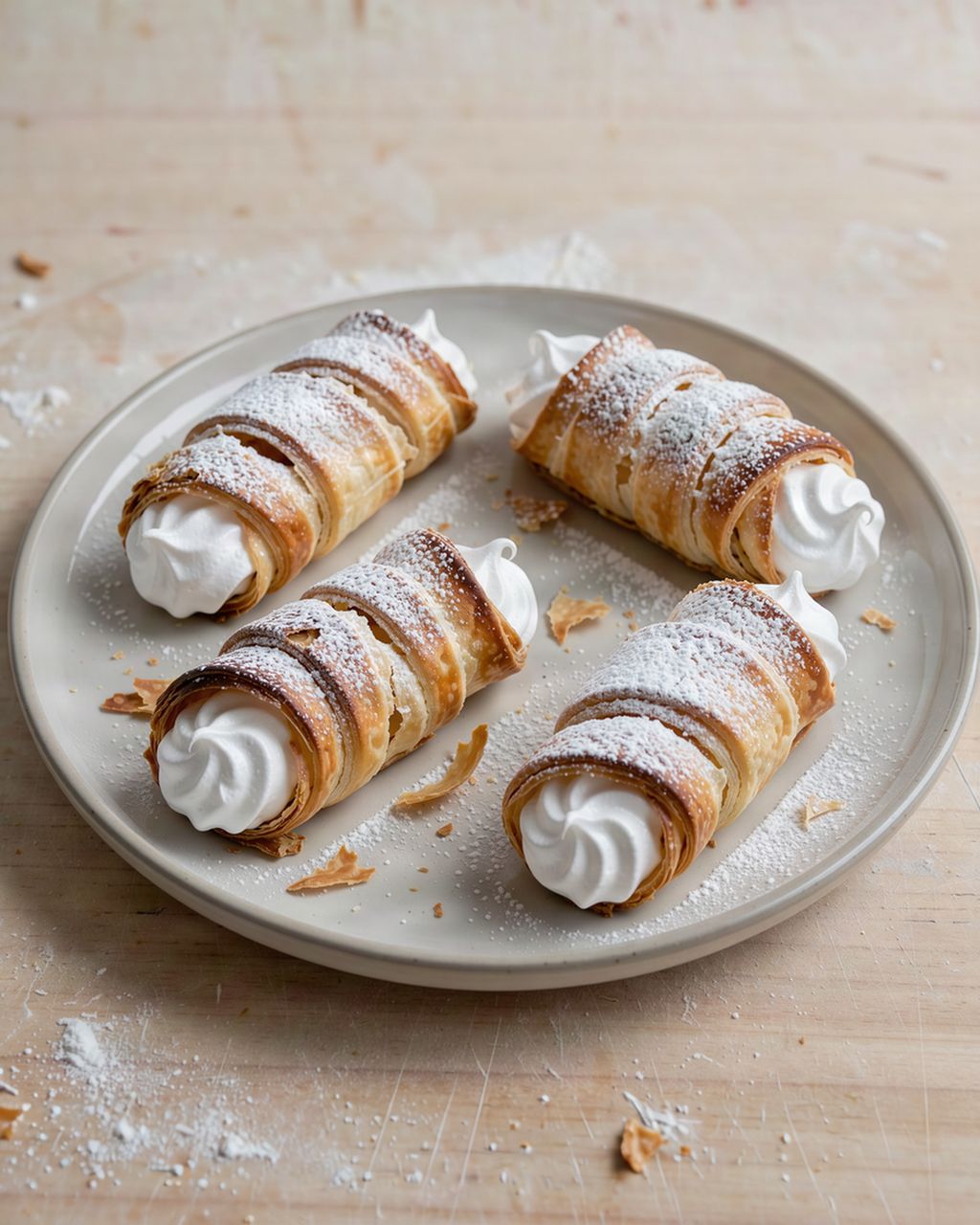
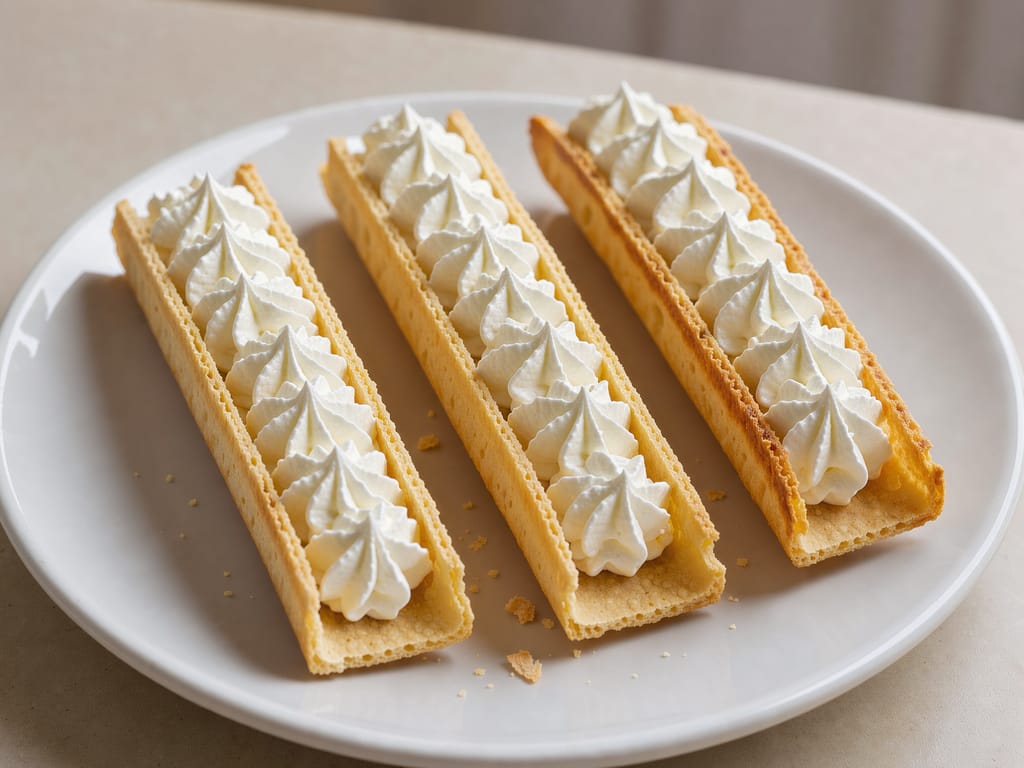
Rakvičky are Czech pastries made of a crisp, hollow egg-and-sugar shell baked in a coffin-shaped mold and filled with whipped cream just before serving. The name means little coffins, after the shape of the mold. They are lighter and more brittle than ladyfingers and have nothing in common with cream puffs except the cream.
A rakvička (plural rakvičky, “little coffins”) is a classic of the Czech cukrárna (pastry shop). It has two parts:
The shell: a long, hollow, trough-shaped base with slanted sides, pale gold and so crisp it shatters when you bite it.
The filling: a ridge of whipped cream piped along the top, sometimes plain, sometimes chocolate-flavored.
The shell is light enough that a rakvička feels like eating sweet, crunchy air with cream. Czech confectioners treat it as a simple pastry, and many Czechs remember it from childhood visits to the pastry shop. English-language guides sometimes compare its shape to biscotti, but the texture is much lighter.
Seasonal baking plans, tested recipes and kitchen tricks that save you time. Unsubscribe in one click.
Because of the mold. Rakvičky are baked in small tin molds with sloping sides and a flat bottom, and when the shell comes out it looks like a tiny open coffin. Czech sources trace the name to that shape, not to any morbid occasion. English-language guides translate the name as little coffins or caskets, and Czech-American cooks sometimes call them coffin cookies.
That said, the name has stuck to the calendar. Rakvičky are popular around Dušičky (All Souls' Day, November 2), when Czechs visit family graves. One Czech account says that in the 19th century families stopped at pastry shops after the cemetery, and shops offered rakvičky with whipped cream and žloutkové věnečky (egg-yolk rings) for the occasion. We could not confirm that from a second source.
Where the pastry comes from is unknown. It is found mainly in the Czech Republic; sources date it variously from the 19th century to the first half of the 20th.
In outline, not as a recipe:
Egg foam. Egg yolks and a whole egg are beaten with sugar for a long time, until the mixture is very thick, pale and holds a trail. Traditional recipes add no flour, no butter and no raising agent: the air in the foam does all the work.
Molds. The coffin molds are greased well, often with a solid fat, and dusted with sugar so the shells release.
Low, slow baking. The foam is spooned into the molds and baked at a low temperature until it is dry and crisp right through. Recipes differ on the exact oven setting.
Unmolding. The shells are eased out while still warm. This is the hard part: many home bakers break a few every batch.
Filling. Whipped cream is piped on top just before serving.
Because the shell is mostly air and sugar, it softens quickly once cream sits on it. That is why bakeries fill rakvičky to order or daily. A stabilized whipped cream holds its shape longer if you need to fill ahead.
The cream itself is simple: whipping cream whipped with a little powdered sugar and sometimes vanilla. Czech whipping cream is usually 30 to 33% fat; US heavy cream or UK whipping or double cream all work. Some pastry shops use chocolate whipped cream instead. If you are unsure whether you need a stabilizer, see when whipped cream needs a stabilizer.
With your fingers, or with a small fork if it is served on a plate in a café. Take small bites: the shell crumbles and snaps rather than bending, and a big bite sends cream everywhere.
Czechs eat rakvičky with coffee or tea, as an afternoon treat from the pastry shop. They are not a plated dessert and are rarely served with sauce or fruit.
The two look like cousins and both come down to eggs and sugar, but they are built differently.
Rakvičky: no flour in traditional recipes. Yolk-rich foam, baked in a mold. Crisp, brittle and hollow. Always eaten with whipped cream.
Ladyfingers (Czech piškoty, Italian savoiardi): made with flour, and the whites are usually whipped separately and folded in. Piped as fingers and dusted with sugar. Dry, light sponge that softens when soaked, which is why they go into tiramisu and charlottes.
If a recipe calls for ladyfingers, rakvičky shells are not a substitute: they are too brittle and sugary to soak up coffee the way sponge does. See our page on sponge fingers for the store-bought kind.
Cream is the only thing they share.
Rakvičky: a whipped egg-and-sugar foam baked dry. No butter, no water, no cooking on the stove. The shell is crunchy all the way through.
Cream puffs: choux pastry, a cooked paste of water or milk, butter, flour and eggs. It puffs in the oven, stays soft and slightly chewy, and is hollow inside so it can be filled.
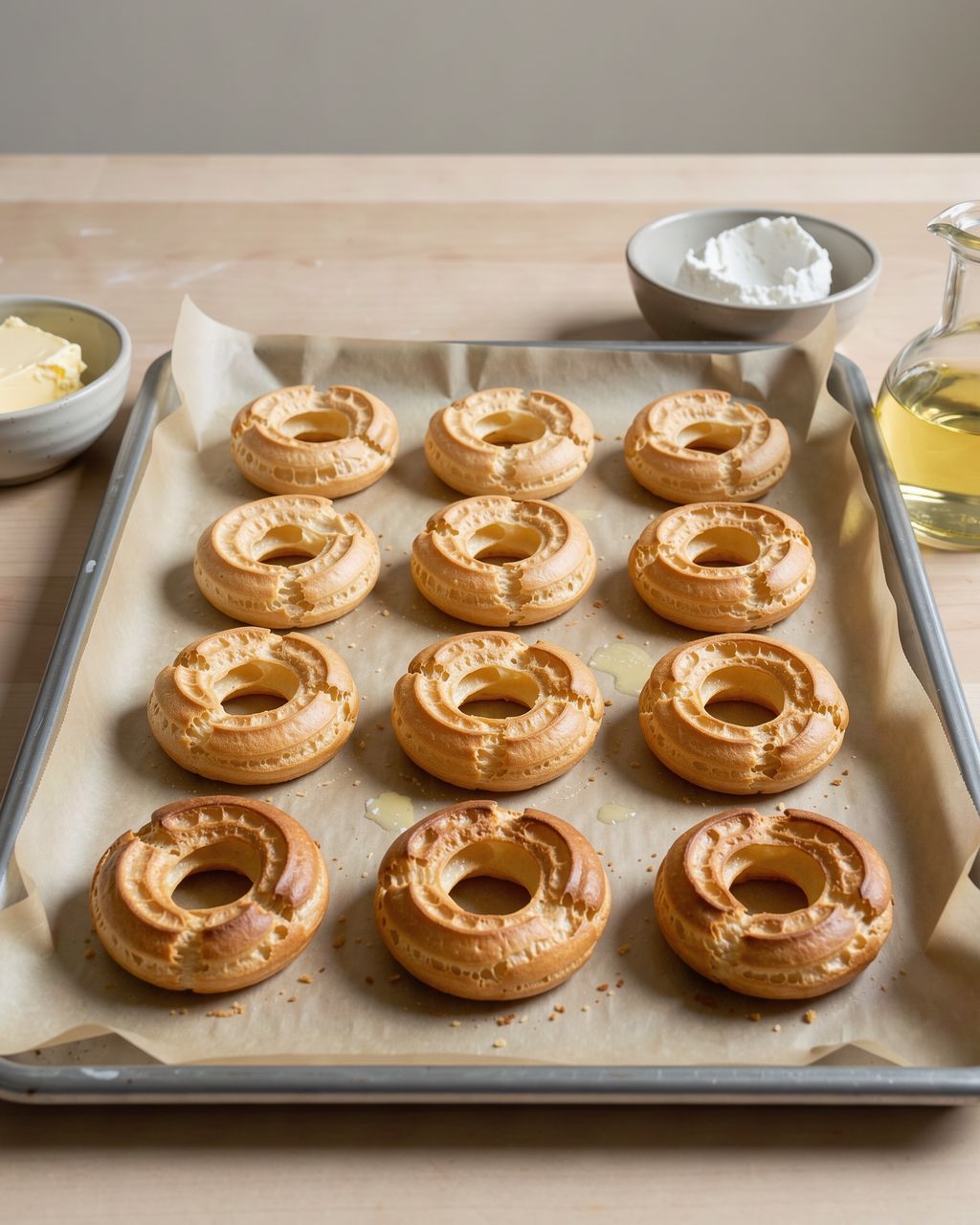
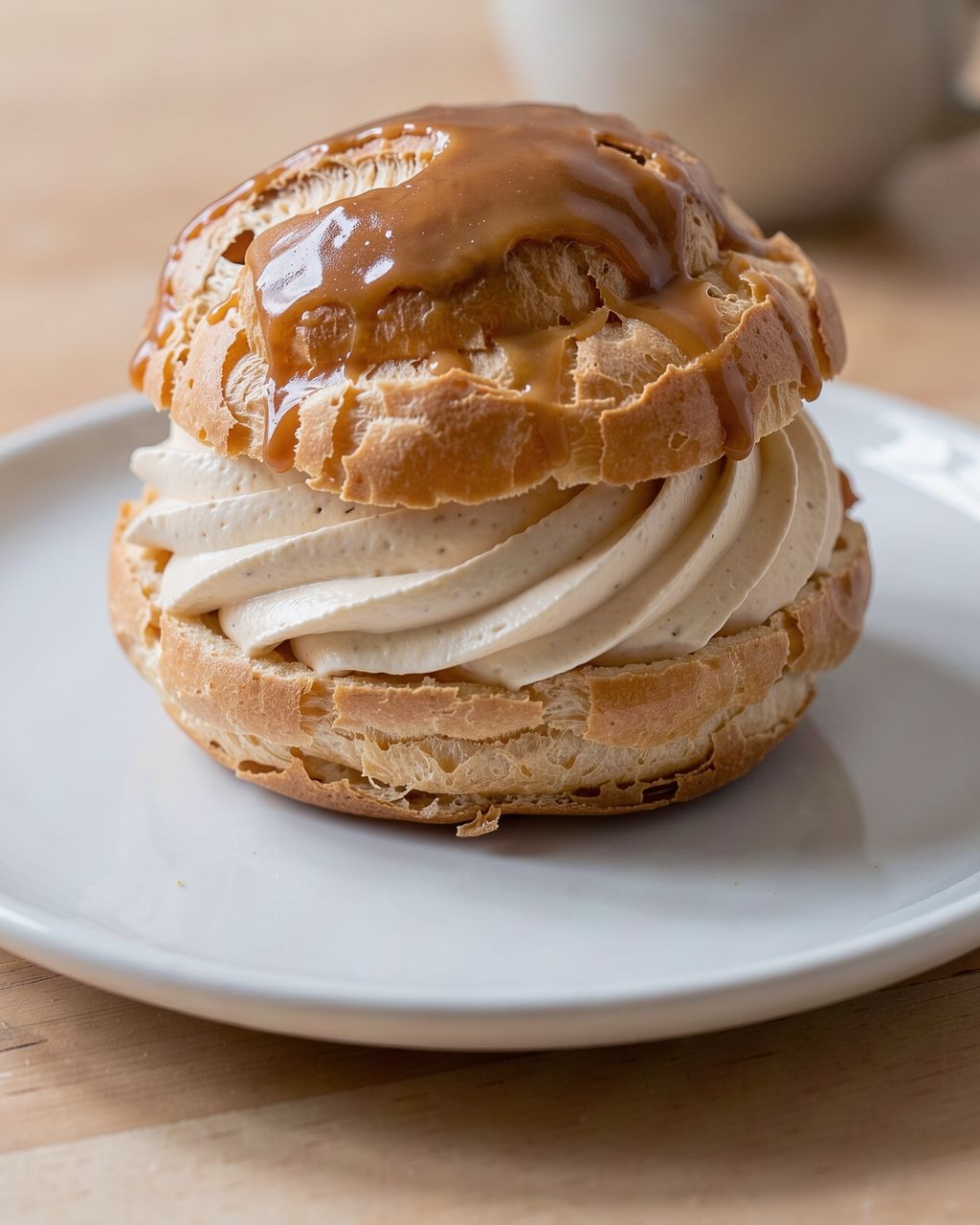
The Czech pastry shop has its own choux pastries: věnečky (choux rings) and větrníky (large caramel cream puffs). Rakvičky sit next to them in the case, but they belong to the meringue-and-sponge side of the family.
Yes, if you have the molds. Czech kitchen shops and online stores sell them in sets. Without molds you can pipe the foam into ovals on paper, but you lose the trough shape that holds the cream.
The unfilled shells keep their crunch for a while in an airtight tin. Once filled with cream, rakvičky go into the fridge, covered, and are best eaten soon after filling, before the shell goes soft. For more on cream pastries, see our guide to how long cream pastries keep.
Rakvičky are called little coffins because they are baked in tin molds shaped like a small coffin. The name describes the mold, not a funeral custom, although they are popular around Dušičky, the Czech All Souls' Day.
Rakvičky are made of egg yolks, a whole egg and sugar beaten until thick and pale, baked into a hollow shell and filled with whipped cream. Traditional recipes use no flour, but recipes and bakery versions vary, so check the label if you need to avoid wheat or gluten.
No, rakvičky are not ladyfingers. Ladyfingers are a soft, dry sponge made with flour and whipped egg whites, while rakvičky shells are a crisp, brittle, yolk-rich foam baked in a mold and filled with whipped cream.
You eat a rakvička with your fingers or a dessert fork, in small bites, because the shell shatters easily. It is filled just before serving and usually eaten with coffee or tea.
A rakvička tastes of sweet egg and sugar with a hint of caramelized crust, a bit like a crisp sponge cookie, balanced by plain, lightly sweetened whipped cream.
One recipe worth heating the oven for, one tip, and one deal from the shop. Nothing else.