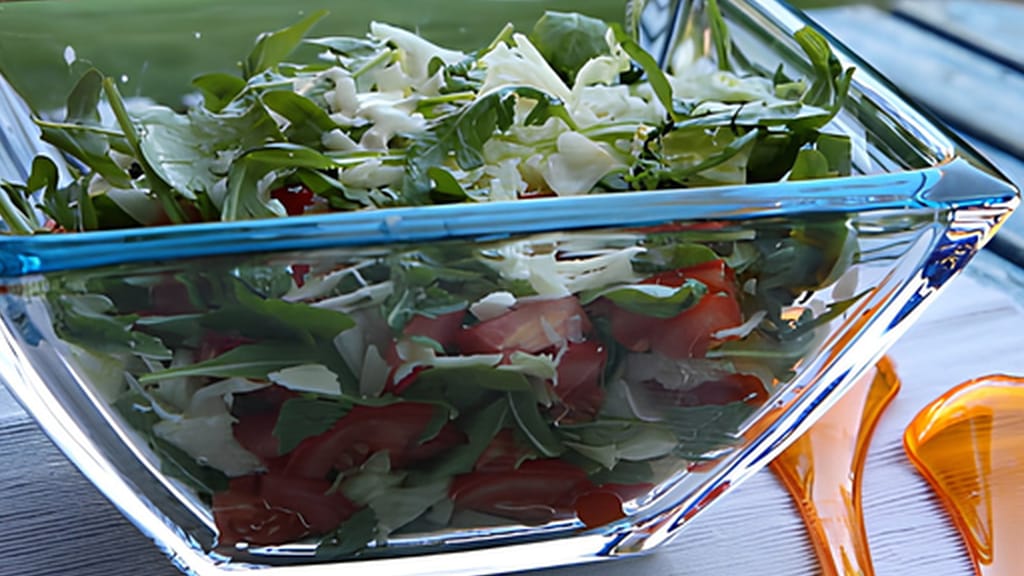
Arugula salad with tomatoes and parmesan
Vegetable Salad Dressing: How to Make It (and Make It Better)

Updated Jul 19, 2026
Salad dressing is what decides whether your plate is boring or brilliant — and you can whip one up at home in minutes using stuff already in your fridge. The basics are simple: fat (oil), acid (vinegar or citrus), salt, and something to bring it all together. Here you'll find three dressing styles — vinaigrette, creamy, and citrus — with exact ratios, the trick for emulsifying so it doesn't split, and tips on storing it so it actually lasts. No sugary bottled stuff here; you're in charge of the flavour.
Dressing is a liquid blend of fat and acid (typically oil plus vinegar or citrus juice) that seasons vegetables, ties them together, and brings out their natural flavour. Without it, a salad falls flat; with the right dressing, every flavour holds together and the plate actually makes sense.
Vegetable salad dressings generally fall into three main categories:
Vinaigrette— a light emulsion of oil and vinegar, perfect for leafy greens and fresh vegetable salads.
Creamy dressing— a thicker base made from yoghurt or mayonnaise, suited to heartier, starchier salads.
Citrus dressing— bright acidity from lemon, lime, or orange, wonderful with avocado, tomatoes, and seafood.
One rule applies across the board: it's all about balancing fat, acid, and salt. If a dressing tastes flat, it's usually missing salt or acid — not oil.
Seasonal baking plans, tested recipes and kitchen tricks that save you time. Unsubscribe in one click.
A great dressing rests on four pillars: oil (fat and body), acid (vinegar or citrus), salt, and seasonings or herbs. Ingredient quality matters far more than quantity — a dressing only needs four things, but they should be good ones.
Oil makes up roughly 60–75% of a dressing's volume, so its flavour really comes through. Extra virgin olive oil has a bold, slightly peppery flavour and, according to research, contains polyphenols and monounsaturated fats — reach for it when you want the oil's character to shine. Sunflower or rapeseed oil is neutral and lets other ingredients take the lead; it works well in creamy and citrus dressings, where olive oil might overpower everything else.
Vinegar brings acidity and depth. Balsamic is sweet-tart and dark — great with bold salads, roasted vegetables, and tomatoes. Apple cider vinegar is lighter and gently fruity, ideal for leafy salads. For a milder profile, try white wine or rice vinegar. Choose vinegar without added sugar or preservatives.
Lemon and lime juice can stand in for vinegar when you want a fresher, lighter acidity. Always squeeze it fresh — bottled juice tastes flat and turns bitter quickly. Grated zest adds aroma without extra sharpness.
Salt brings out every other flavour — without it, a dressing tastes dull even if it's otherwise balanced. Freshly ground pepper adds a bit of bite. From there, you can build further with Dijon mustard, honey or maple syrup, garlic, shallot, and fresh herbs.
A classic vinaigrette uses a ratio of 3 parts oil to 1 part vinegar — three tablespoons of oil to one tablespoon of vinegar. Kitchen wisdom treats 3:1 as the starting point, where the oil tames the sharpness of the vinegar and the dressing coats leaves nicely; for a punchier, tangier profile, you can go as far as 2:1. Whisk the acid together with salt and mustard first, then whisk in the oil.
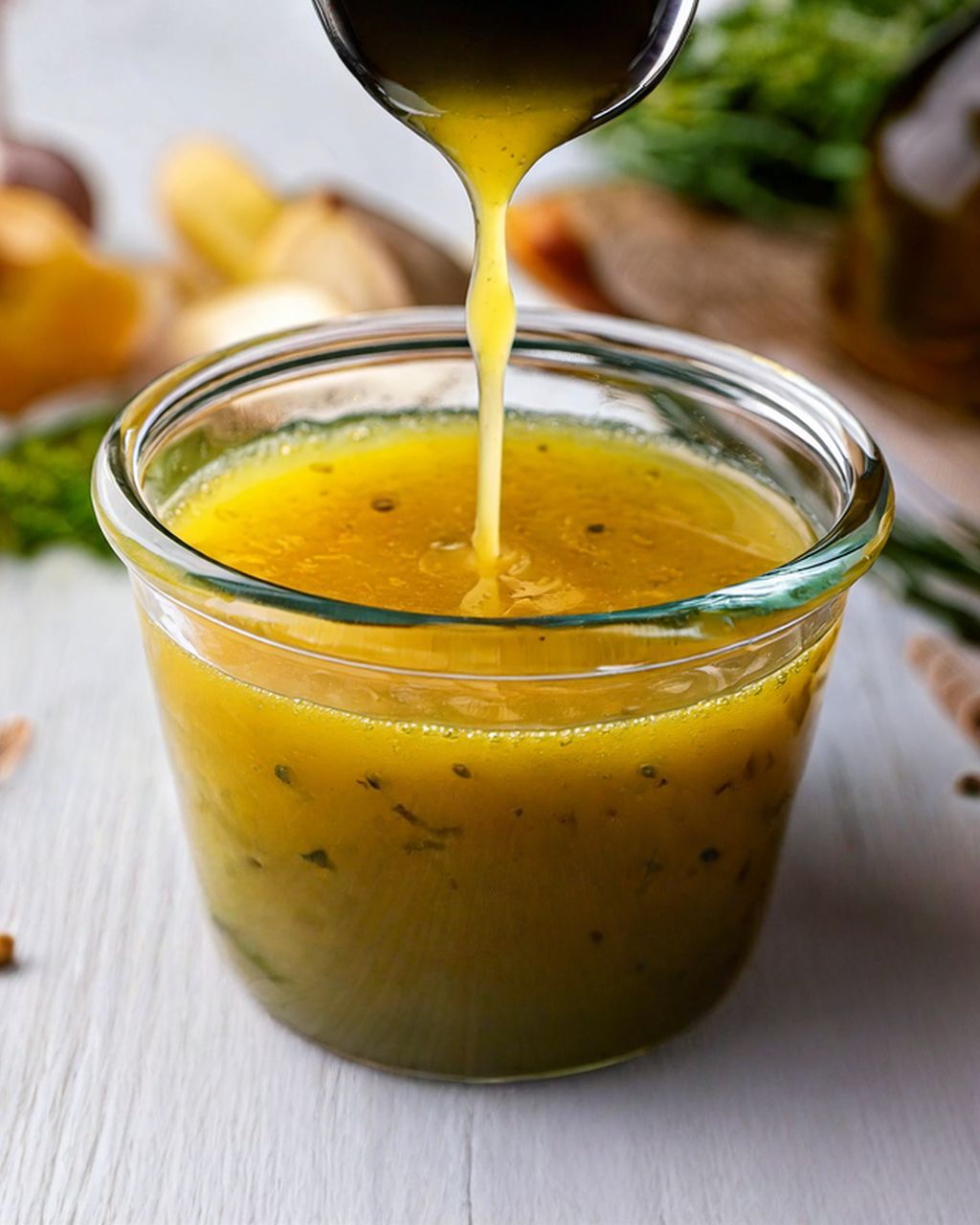
Emulsifying binds oil and vinegar into a smooth, creamy mixture that won't split on the plate. Dijon mustard acts as a natural emulsifier — it contains lecithin, which holds fat and water droplets together. A teaspoon of mustard or honey per portion of dressing is enough. Without an emulsifier, the dressing will separate into layers; just give it a shake before serving.
A basic vinaigrette is easy to build on. Fresh herbs (parsley, chives, basil) add freshness, finely chopped shallot or garlic bring sharpness, and a teaspoon of honey or maple syrup rounds out the acidity. Add these gradually, tasting as you go.
In a bowl or a mason jar, combine 1 tablespoon of vinegar, a pinch of salt, freshly ground pepper, and 1 teaspoon of Dijon mustard, and stir well.
Gradually pour in 3 tablespoons of olive oil while whisking (or seal the jar and shake) until the mixture thickens and comes together.
Stir in chopped herbs, garlic, or shallot to taste.
Taste and adjust — more salt for depth, more vinegar for brightness, a pinch of honey to soften the sharpness.
Serve right away over a fresh salad; keep any leftovers in the fridge and shake well before using again.
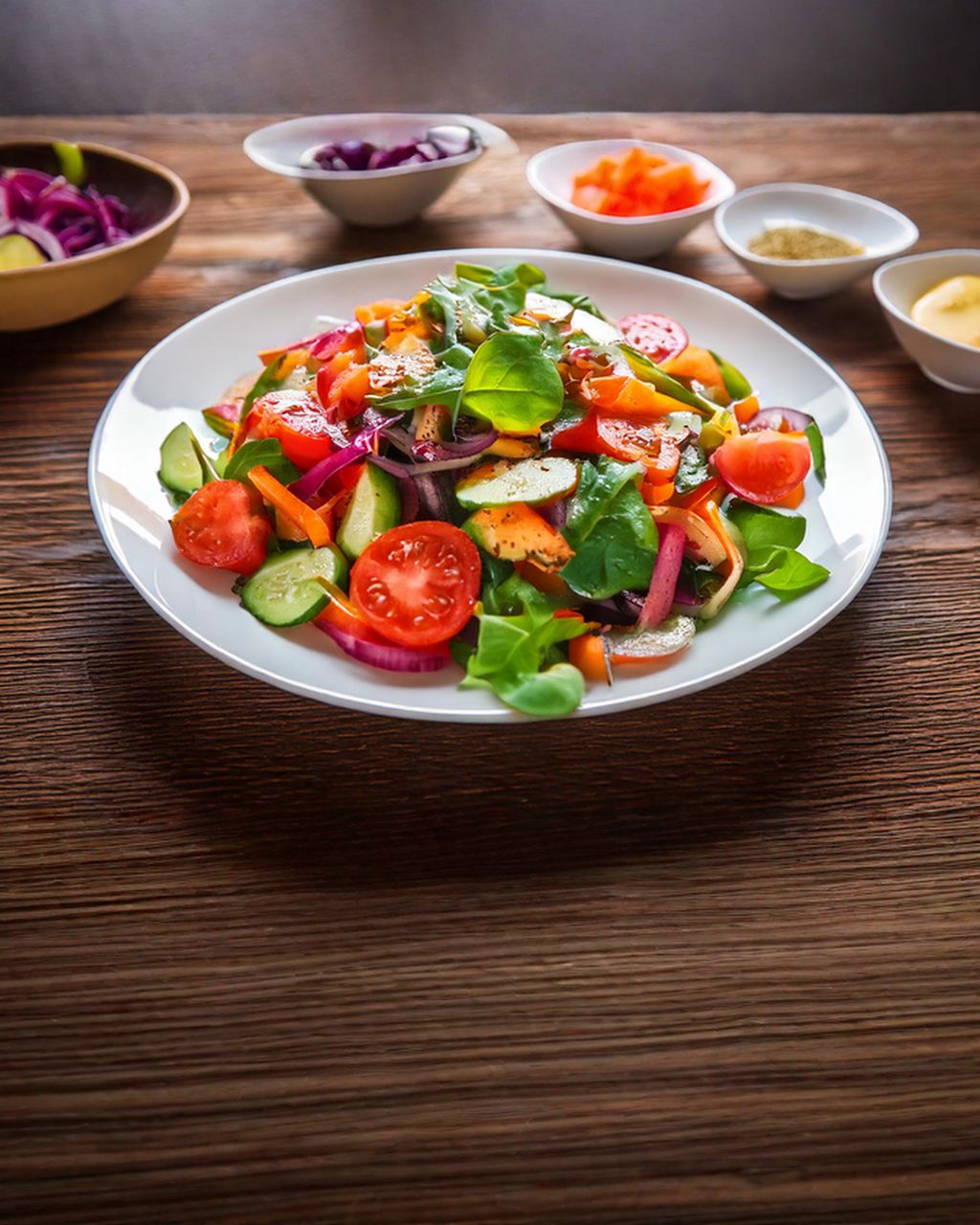
Arugula salad with tomatoes and parmesan
A light vinaigrette pairs beautifully with a rocket, tomato, and Parmesan salad
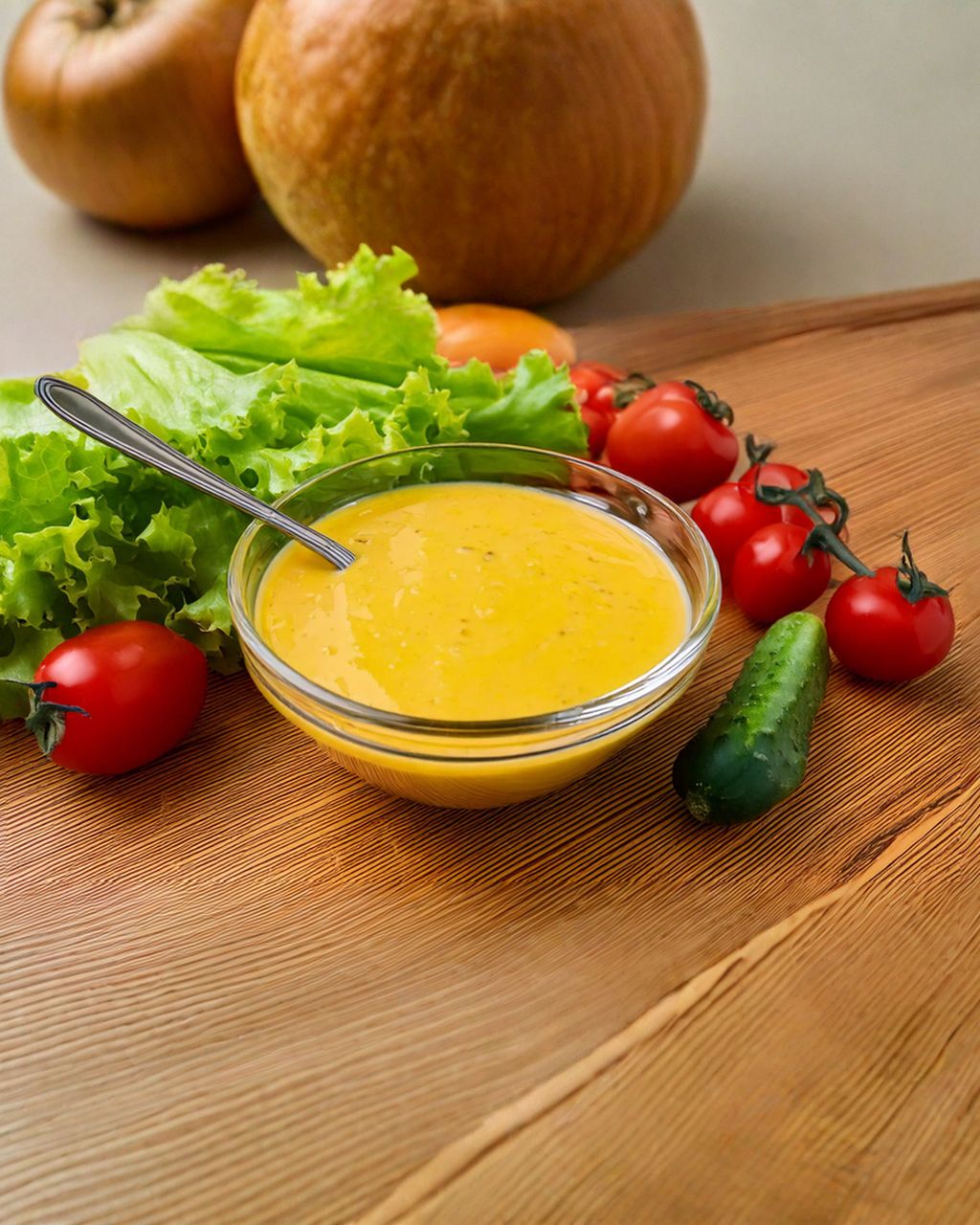
A creamy dressing starts with a thick base — Greek yoghurt, mayonnaise, or a mix of the two — seasoned with acid, salt, and spices. Start with half a cup of your base and add the rest gradually so you can keep an eye on the texture.
Mayonnaise gives full flavour and a silky structure. Greek yoghurt is a lighter alternative — higher in protein, lower in fat, but also more tart, so cut back on the vinegar or lemon. A half-and-half combination is a great middle ground: mayonnaise's creaminess and yoghurt's freshness without the heaviness. Balance the acidity with lemon juice or vinegar, and add garlic and herbs just before serving — their flavour changes and intensifies over time in the dressing.
This base is also what a classic Caesar dressing is built on, with Parmesan, anchovies, and garlic; creamy dressings generally suit heartier salads that a light vinaigrette simply can't stand up to.
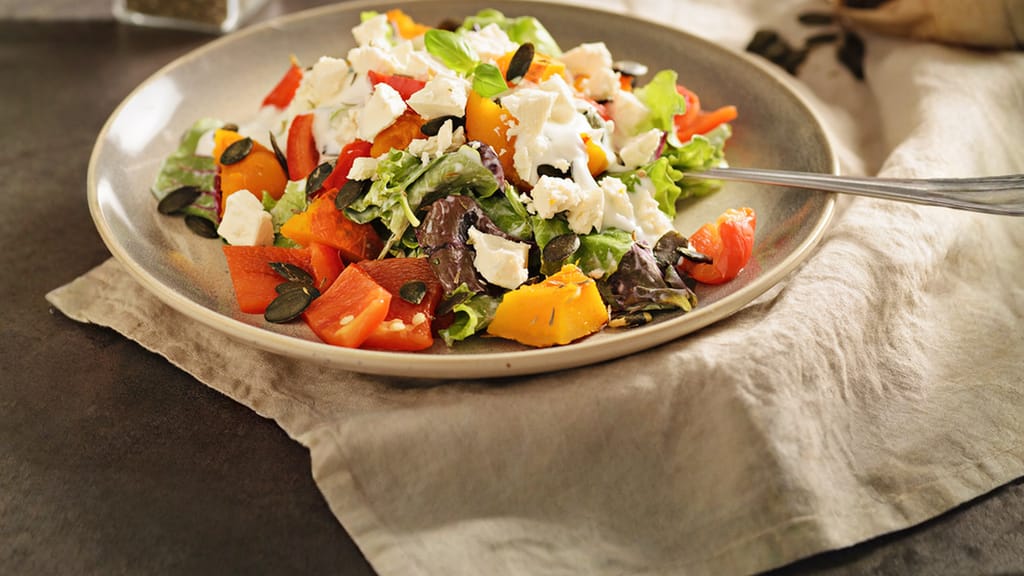
Roasted vegetable salad with feta
Creamy dressing works wonderfully with a hearty salad of roasted vegetables and feta
A citrus dressing swaps vinegar for fresh orange, lime, or lemon juice — giving you a brighter, lighter acidity that lifts both vegetables and fruit in a salad. The base is the same as vinaigrette: citrus juice, oil, salt, and a touch of sweetness.
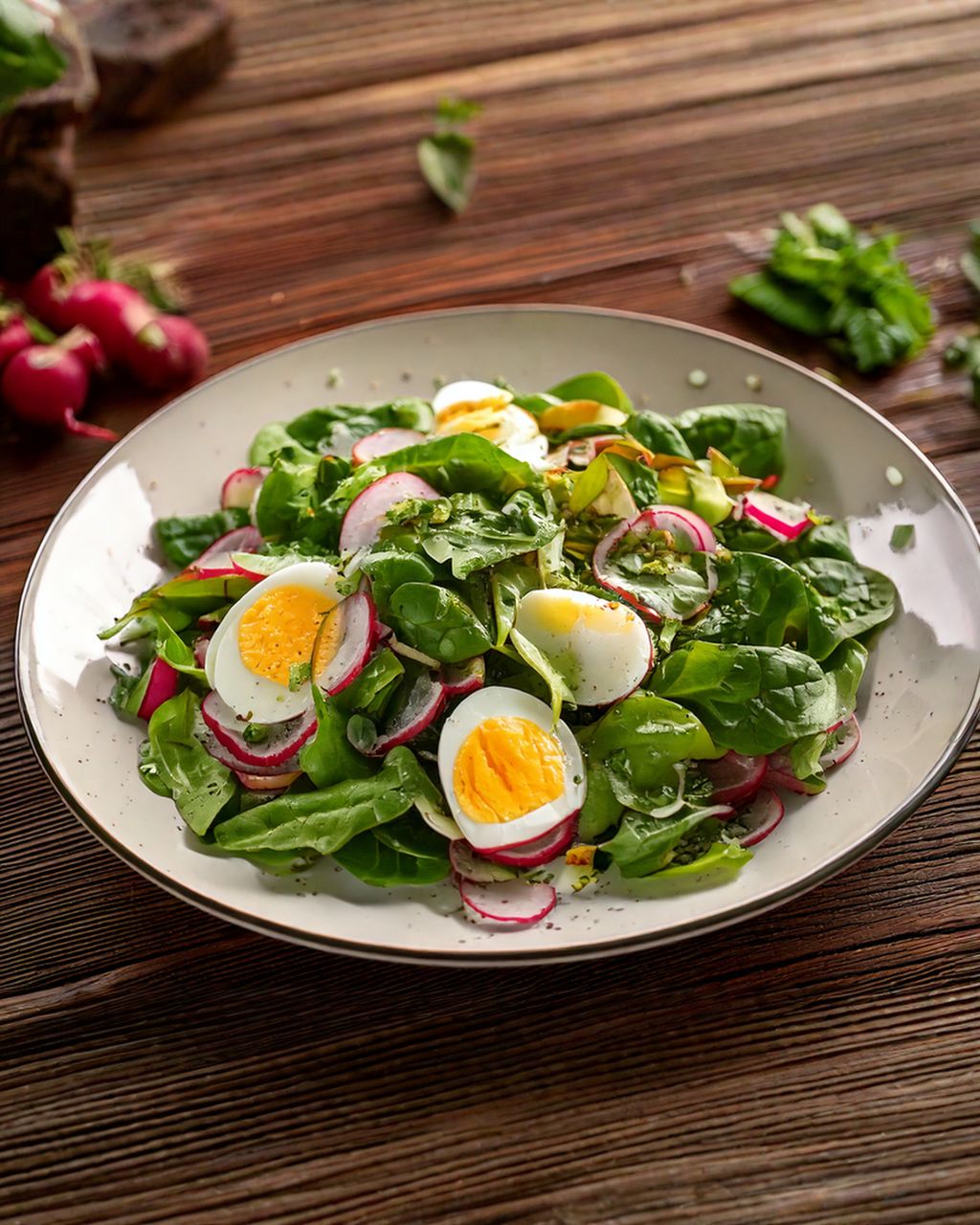
Orange adds gentle sweetness and refreshing acidity at once. Mix freshly squeezed orange juice with olive oil, a teaspoon of honey, and Dijon mustard. It pairs well with leafy salads made from rocket or baby spinach; a sprig of thyme or rosemary adds depth.
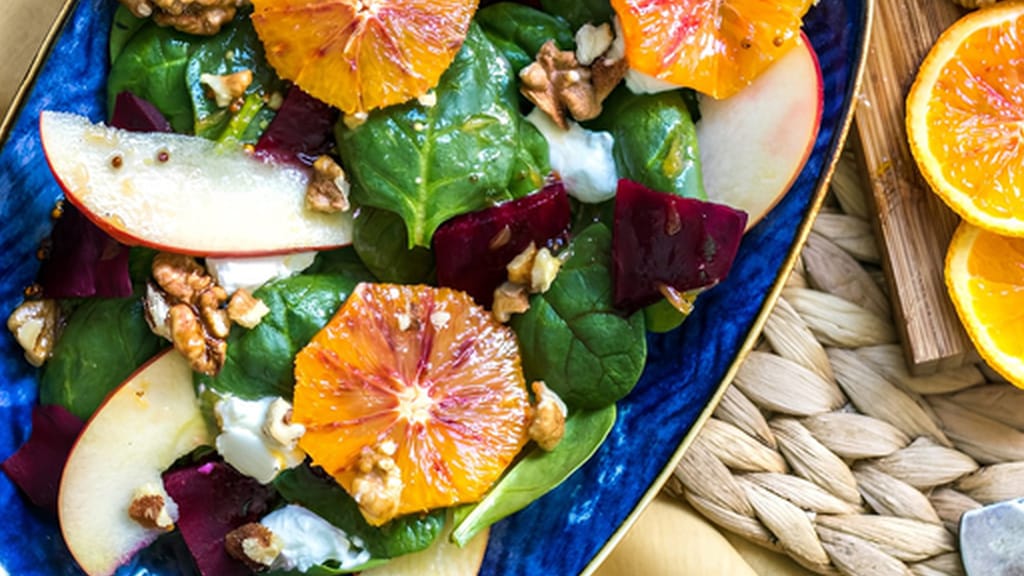
Light salad with blood oranges
Orange dressing pairs beautifully with a light blood orange salad
Lime brings a sharper, bolder acidity. Mix lime juice with olive oil, a pinch of salt, and ground pepper for a simple dressing that's great with avocado and tomatoes. Lime also complements exotic flavours, so try adding coriander or a bit of mango.
Keep homemade dressing in a sealed glass container in the fridge — glass doesn't absorb odours or flavours, and a tight seal keeps air out. Shelf life depends on what's in it:
Oil and vinegar with no fresh ingredients: up to 2 weeks.
With fresh herbs or citrus juice: 5–7 days.
With yoghurt, mayonnaise, or cream: 3–5 days.
Olive oil thickens and turns cloudy in the cold — just let the dressing sit at room temperature for a few minutes and give it a shake. Always use a clean spoon to scoop it out, and seal the container tightly after each use. If the dressing smells off or changes colour, toss it.
Swap vinegar for fresh citrus juice — lemon, lime, or orange — at roughly a 1:3 ratio of juice to oil. Citrus gives a brighter, gentler tang than vinegar; dry white wine or a spoonful of yoghurt also works well if you want a creamier profile.
Whisk in a teaspoon of Dijon mustard or honey — both act as emulsifiers, binding the oil and acid into a smooth mixture. For creamy dressings, stir in a spoonful of Greek yoghurt or mayonnaise; a good whisk or a shake in a sealed jar helps too.
Dress leafy salads right before serving, or the leaves will wilt and turn watery. Heartier salads (cabbage, bean, or pasta salads) can handle the dressing earlier and even benefit from marinating for a few hours — the flavour deepens.
The biggest calorie savings come from swapping part of the oil for Greek yoghurt, water, or citrus juice. Oil is the most calorie-dense ingredient in any dressing, so even shifting from a 3:1 to a 2:1 ratio makes a noticeable difference without sacrificing flavour.
Always store homemade dressing in the fridge, even a simple oil-and-vinegar one. Dressings with garlic, herbs, or dairy shouldn't sit at room temperature because of bacterial growth risk; a plain oil-vinegar dressing can survive briefly outside the fridge, but warmth speeds up rancidity.
One recipe worth heating the oven for, one tip, and one deal from the shop. Nothing else.