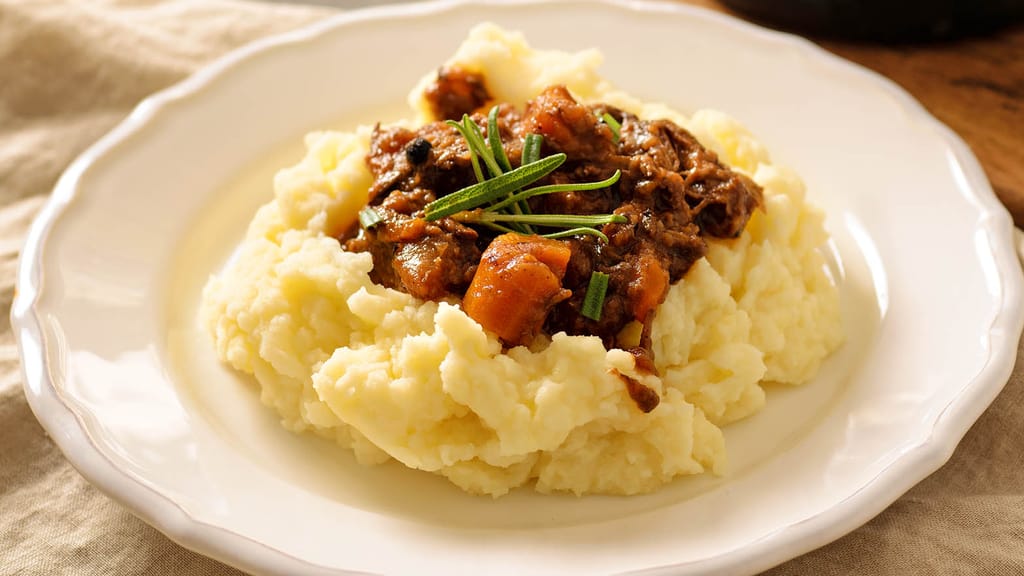
Oven-braised beef in red wine with vegetables
Vacuum-Sealed Meat in the Fridge: How Long It Lasts and How to Store It Safely

Updated Oct 24, 2026
Unopened vacuum-sealed meat from the store keeps until the "use by" date on the package, as long as you hold it at the temperature the manufacturer specifies. Treat meat you vacuum-seal at home as if it were unwrapped: at 32–40 °F (0–4 °C), beef and pork in whole cuts last 3–5 days, while poultry, ground meat and fish last 1–2 days. At home, vacuum sealing mainly extends quality, not safe storage time. For longer storage, freeze the meat. Once opened, follow the guidance on the package, and if there isn't any, use the meat as soon as possible and never after the date on the label. Vacuum sealing isn't magic. It only protects in a properly chilled fridge, and with fish it brings its own risk, botulism. Here you'll find storage times by type of meat, the difference between a brief smell on opening and truly spoiled meat, safe thawing, and the basics of vacuum sealing at home.
How long vacuum-sealed meat lasts in the fridge depends on who sealed it and whether the package is still unopened. There are three situations:
Store-bought vacuum-sealed meat (unopened): it keeps until the "use by" date on the label, as long as you stick to the temperature stated on the package. No general rule of thumb overrides that date.
Meat vacuum-sealed at home (at 0–4 °C / 32–40 °F): the same as unwrapped meat, so beef and pork in whole cuts 3–5 days, and poultry, ground meat and fish 1–2 days.
Once the package is opened: follow the "use within … of opening" instruction if the manufacturer gives one on the package. Otherwise, use the meat as soon as possible, and never after the date on the label.
The times for meat vacuum-sealed at home are based on US Department of Agriculture (USDA FSIS) guidance for raw meat, regardless of packaging. No official source says that home vacuum sealing extends this safe window. At home, vacuum sealing mainly extends quality: the meat doesn't dry out, doesn't go rancid and holds on to its juices.
Treat flashy claims like "vacuum-sealed beef lasts 6 weeks" with caution. Times like that apply to commercially packed meat that stays in unbroken cold of around 0–2 °C (32–36 °F) from slaughter to shelf, and the manufacturer then prints them on the label. A home fridge, which often runs warmer and fluctuates in temperature, and a home bag sealer can't reproduce that.
For commercially vacuum-sealed meat, there's one rule: follow the "use by" date and the storage temperature on the package. The manufacturer set and tested the shelf life for that specific meat, packaging and temperature. That makes it more accurate than any chart on the internet.
Just for orientation, here's how the types differ:
Beef in whole cuts (steaks, sirloin, tenderloin): usually has the longest shelf life of all. Meat aged in the vacuum ("wet aged") may have an even longer one.
Pork in whole cuts: generally a shorter shelf life than beef.
Poultry: shorter still. It's more often packed in a protective atmosphere than vacuum-sealed.
Ground meat: only a few days, even vacuum-sealed.
Fresh fish: only a few days, and often with the condition of storage below 3 °C (37 °F). Plenty of vacuum-sealed fish is sold frozen.
Three things that void the date:
Temperature. The date only holds at the temperature on the package (usually 0–4 °C / 32–40 °F for meat, often up to 2–3 °C / 36–37 °F for fish). If the meat spent hours in a hot car or on the counter, the date no longer applies.
A damaged package. If the bag leaks or has come away from the meat, the vacuum no longer protects it.
Opening. From that moment, the guidance for opened packages applies, not just the date on the label.
Note the difference: fresh meat carries a "use by" date, not a "best before" date.
Treat meat vacuum-sealed at home as if it were unwrapped: the vacuum extends its quality, not its safe time. A home sealer does draw out the air, but the meat has already passed through your kitchen and your hands. It also removes air less thoroughly, and a home fridge runs warmer and less steadily. At 0–4 °C (32–40 °F), plan on the following:
Beef, pork and lamb in whole cuts: 3–5 days
Poultry (chicken, turkey, duck): 1–2 days
Ground meat: 1–2 days
Fresh fish: 1–2 days; for longer, freeze the fish right away
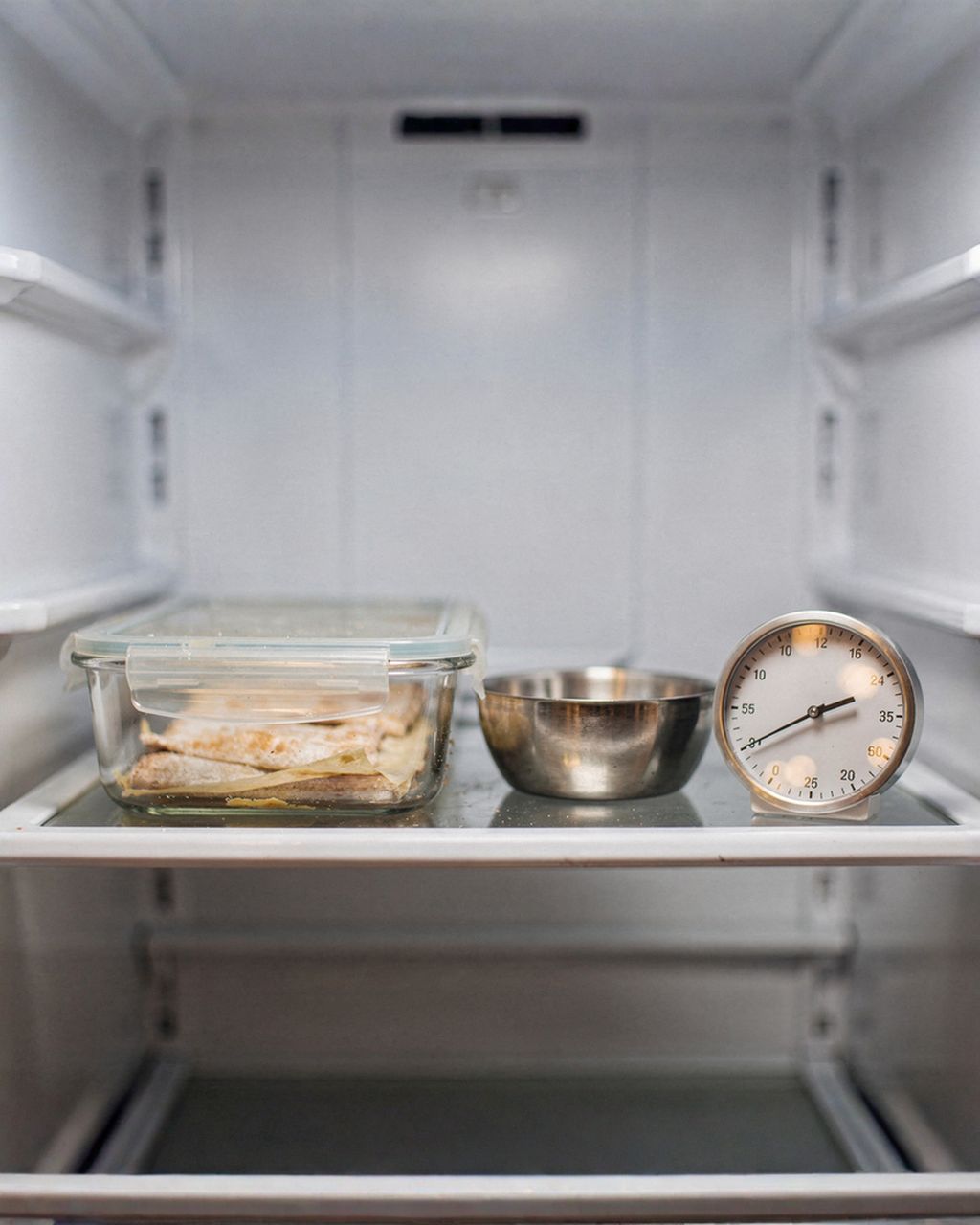
Cooked meat and ready meals: 3–4 days, like ordinary leftovers
At home, always vacuum-seal the freshest meat possible, ideally right after shopping. Count the time from the purchase date, not from when you sealed the bag. Vacuum sealing preserves the meat's condition, but it doesn't make it any fresher. If you want to keep meat longer, vacuum-seal it and put it in the freezer.
After opening a vacuum pack, follow the "use within … of opening" instruction if the manufacturer gives one on the package. If there isn't one, use the meat as soon as possible, and always within the date on the label.
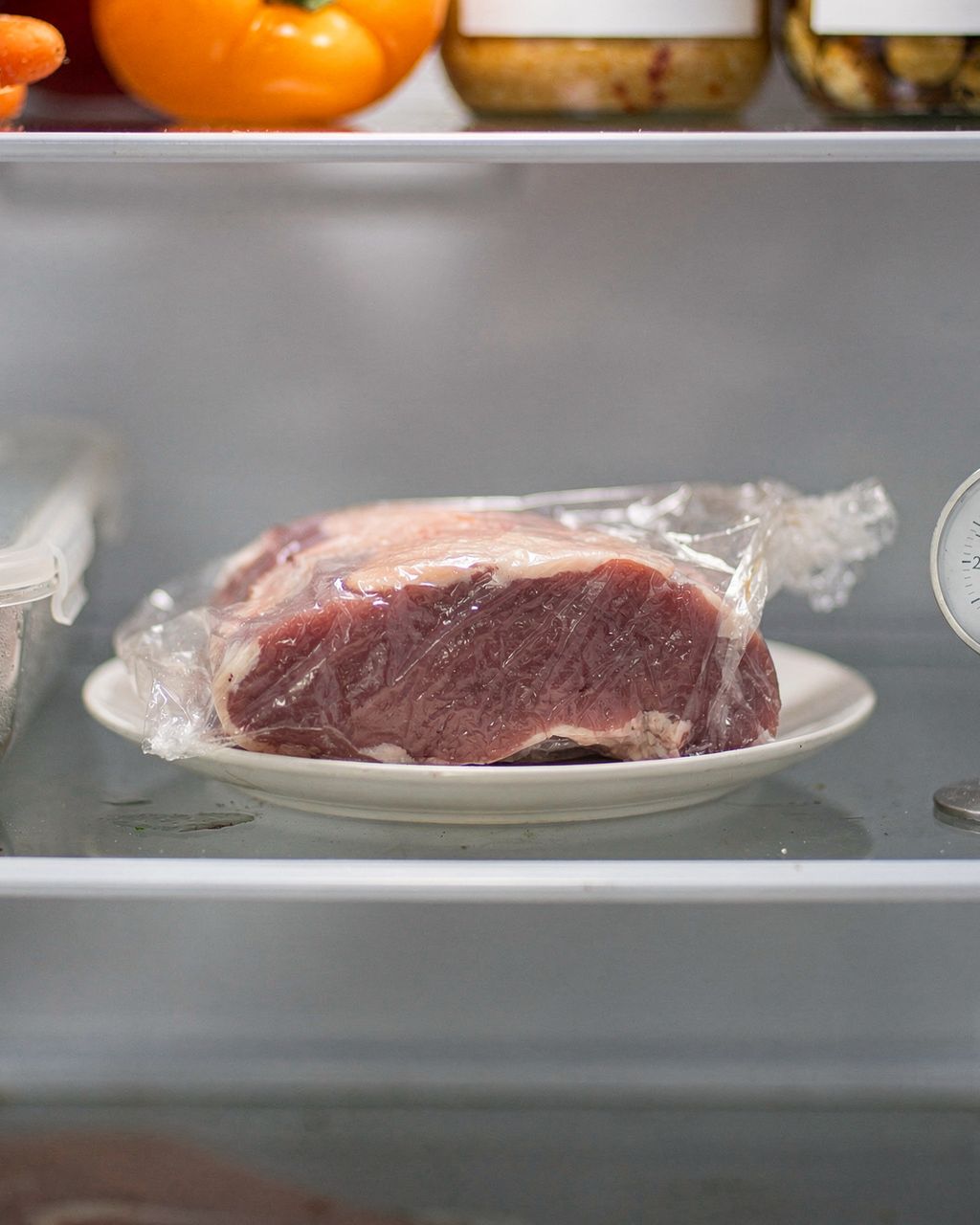
Why so quickly? The meat in the vacuum wasn't sterile. Bacteria that don't mind a lack of oxygen have been slowly multiplying in it the whole time. Once opened, those that need air join them, and the meat starts to spoil faster than freshly bought meat. Move the opened piece into a sealed container or wrap it tightly, and put it on the coldest spot in the fridge. If you won't get to cook it, freeze it on the first day.
Seasonal baking plans, tested recipes and kitchen tricks that save you time. Unsubscribe in one click.
Beef and pork in whole cuts last longest in a vacuum, poultry and ground meat for a shorter time, and fish is the riskiest because of botulism. With beef, the color can throw you off; with poultry, it's about hygiene; and with fish, it's about botulism. For detailed storage times for meat that isn't vacuum-sealed, see our separate articles on chicken in the fridge and pork in the fridge.
Beef and pork in whole cuts last longest of all meats in a vacuum: store-bought until the date on the label, and 3–5 days when sealed at home. A large whole piece keeps better than sliced pieces because it has less surface area for bacteria to multiply on. Color is what will confuse you most. Vacuum-sealed beef is often dark burgundy to purplish brown because myoglobin, the muscle pigment, darkens without oxygen. It isn't a sign of spoilage, and after opening, the meat turns bright red again within 15–30 minutes in the air. Vacuum-sealed pork tends to look grayish pink and only lightens slightly in the air. For how long beef lasts without a vacuum, see the article How long does beef last in the fridge. If you're choosing which cut to work with, the overview of beef cuts and how to use them will help.
Oven-braised beef in red wine with vegetables
Oven-roasted beef with wine and vegetables – a recipe for vacuum-sealed whole-cut beef
Poultry is more sensitive than red meat. Use poultry you've vacuum-sealed at home within 1–2 days. Chicken and turkey often carry salmonella or campylobacter, and vacuum sealing doesn't destroy these bacteria; it only slows spoilage. Hygiene is therefore key when packing: clean hands, board and knife, and none of it should touch food that's ready to eat. Don't rinse raw chicken before vacuum-sealing, as the water would spray bacteria around the kitchen. Just pat it dry with a paper towel. Ground meat, whether poultry or another kind, lasts the shortest time in a vacuum (1–2 days at home). We cover it in detail in the article on ground meat in the fridge.
Fish is the riskiest thing to vacuum-seal. Use fresh fish you've sealed at home within 1–2 days, and store-bought fish according to the date and temperature on the package (often up to 3 °C / 37 °F). The reason is Clostridium botulinum, which causes botulism. Its non-proteolytic strains (mainly type E, commonly found in fish and marine environments) multiply and produce toxin even without oxygen and in the cold. According to the US FDA, that starts at 3.3 °C (38 °F), and according to the UK Food Standards Agency (FSA), at 3 °C (37 °F). Many home fridges run warmer than 4 °C (39 °F), so above this threshold. Check yours with a thermometer.
Don't count on any extra time. For fish and most vacuum-packed chilled foods stored at 3–8 °C (37–46 °F), the FSA recommends a maximum of 10 days, unless the manufacturer has used other protective measures. But nobody has measured anything for fish packed at home, which is why it's only 1–2 days. The toxin can also form before the fish starts to smell. So take frozen vacuum-sealed fish completely out of the bag before thawing. Cutting or piercing the packaging isn't enough. That's exactly what the US FDA recommends. If you cook the fish right away, though, the vacuum is fine.

Grilled trout with polenta and vegetables
Grilled trout with polenta and vegetables – a quick way to cook fresh fish from the vacuum pack
You can recognize spoiled vacuum-sealed meat by three signs. It smells even after 20–30 minutes in the air, it has a slimy or sticky surface that doesn't go away after drying, and the bag is puffed up. A dark color or a brief smell right after opening doesn't mean spoilage on its own. So look at the package first, then open the meat and let it breathe for a while.
After opening vacuum-sealed meat, a brief sour smell, the dark burgundy color of beef and a little clear red juice in the bag are all normal. On their own, they don't condemn the meat:
A brief smell right after opening the vacuum. The meat may smell slightly sour, metallic or a bit sulfurous. Gases and lactic acid from naturally present bacteria build up in the vacuum. Take the meat out, pat it dry with a paper towel, put it on a plate and let it breathe freely for 20–30 minutes (in the fridge, not on the counter). A normal smell fades in that time.
Dark burgundy to purple beef. After 15–30 minutes in the air, the surface turns bright red again. If it turns red, that's a good sign the meat is fine.
A little red juice in the bag. Clear, thin, reddish liquid is just meat juice that has run out of the meat.
Throw vacuum-sealed meat away if the bag is puffed up, the smell doesn't fade even after 20–30 minutes, the surface is slimy, the color doesn't come back, the juice is cloudy, or the meat was left out of the cold. In more detail:
The bag is puffed up. Bacteria have produced gas inside. Don't open such a package at all; throw it away whole, even if it's still within the date.
The smell doesn't fade. If the meat still smells sour, rotten, of ammonia or of spoiled eggs after 20–30 minutes in the air, it doesn't belong in the pot.
The surface is slimy or sticky, even after wiping it dry, or it pulls into strings.
The color doesn't come back, or it's off. Beef stays grayish brown after half an hour, or greenish or gray-green spots or fuzzy mold appear on the meat.
The juice is cloudy, milky or thick instead of clear and thin.
The meat was left out of the cold. Then throw it away regardless of how it looks and smells.
With fish, don't rely on smell at all. Botulinum toxin has no color, taste or odor. With fish, only time and temperature protect you. The old rule applies: when in doubt, throw it out.
Vacuum sealing extends shelf life by drawing the air out of the package. Without oxygen, the growth of the aerobic bacteria and molds that spoil meat slows down significantly. Fats don't oxidize, so they don't go rancid, and the meat doesn't dry out or lose its juices. That's why vacuum-sealed meat stays fresh in flavor and appearance for longer, and in the freezer the vacuum protects it from freezer burn. But a longer safe time is reliably provided only by commercial packaging in unbroken cold, not by a home vacuum sealer.
The limits are clear. Vacuum sealing is not sterilization: it doesn't destroy bacteria already in the meat, it only makes life harder for them. It won't stop lactic acid bacteria, listeria or clostridia, because an oxygen-free environment doesn't bother them, or even suits them. And above all, it doesn't replace refrigeration; temperature remains the deciding factor.
Four things decide how long vacuum-sealed meat lasts: temperature, packaging quality, how fresh the meat was before sealing, and hygiene during handling.
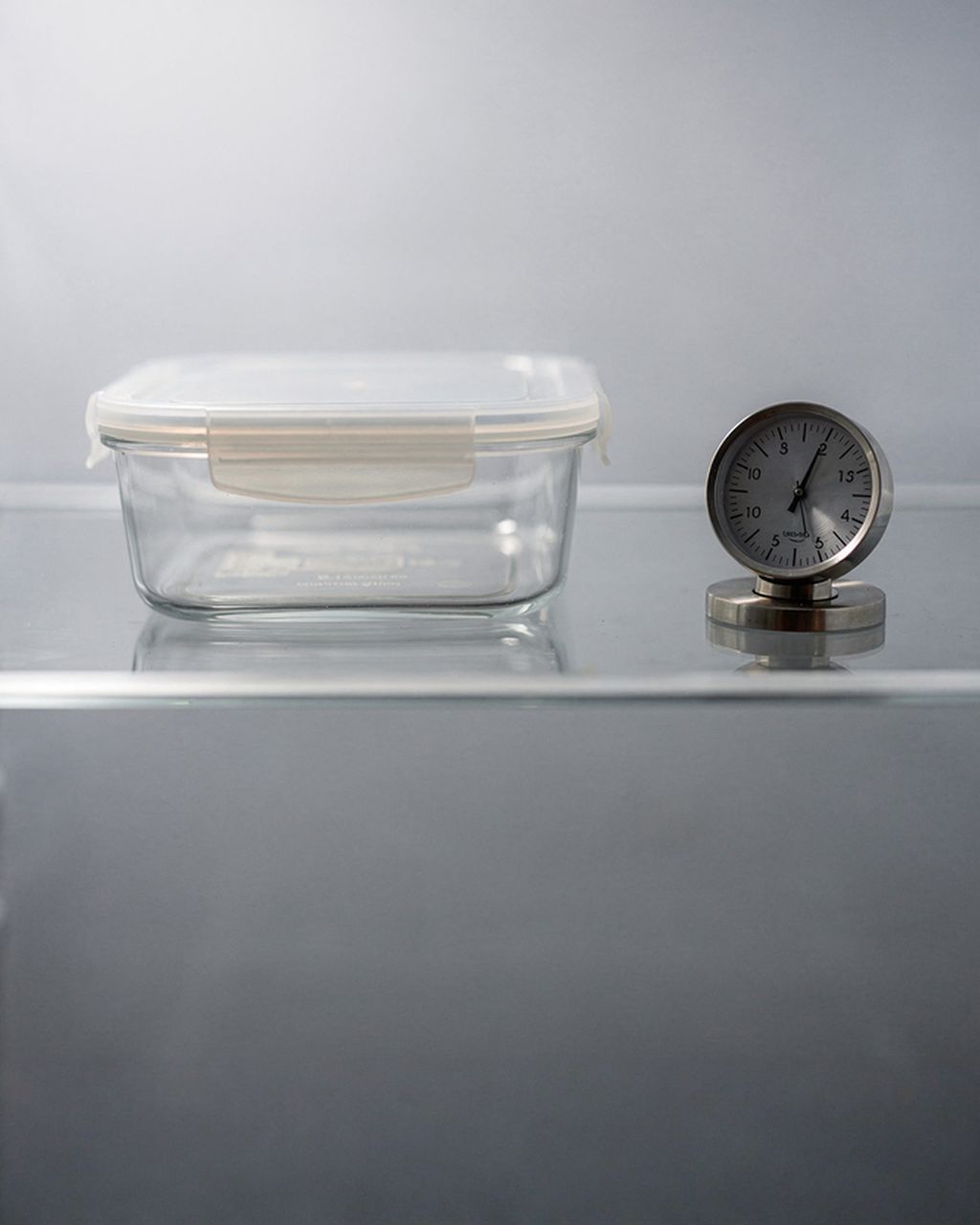
Temperature (the most important): the ideal is 0–2 °C (32–36 °F), with an upper limit of 4 °C (39 °F). Every extra degree shortens storage time. Many home fridges run warmer than 4 °C, so check yours with a thermometer. It also helps to organize your fridge properly, because the coldest spot is usually the bottom shelf above the vegetable drawer. Never put meat in the door.
Packaging quality: the seal must be firm and intact, and no air should be left in the bag. Any damage to the packaging lets air in and leads to quick spoilage. With store-bought meat, check that the package isn't leaking or puffed up.
Freshness before packing: every day the meat sits before vacuum sealing takes away from its fridge time. The clock runs from the purchase, not from the packing.
Hygiene: clean hands, tools and work surface. Every bacterium you seal into the bag will slowly multiply in it.
Thaw vacuum-sealed meat in the fridge, which is the safest way, or submerged in cold water, which is faster. Never thaw it at room temperature. Take fish out of the vacuum bag before thawing. For how long meat lasts in the freezer and what to do with it after thawing, see the article Frozen meat: shelf life and thawing.
The safest way is to let the meat thaw right in the fridge. Take it out of the freezer, put it on a plate or in a dish that will catch the drip, and place it on the bottom shelf. Steaks and smaller pieces need 12–24 hours. For larger roasts, allow roughly 24 hours for every 2 kg (about 4–5 lb). The temperature stays steady and bacteria barely multiply. Thawed meat then lasts in the fridge as long as fresh meat (beef and pork in whole cuts 3–5 days, poultry and ground meat 1–2 days), and in that time you can even refreeze it raw. Take fish out of the bag and thaw it in a covered dish.
If you're short on time, submerge the meat in its intact vacuum bag in a bowl of cold water and change the water every 30 minutes so it stays cold. Allow roughly 30 minutes per 0.5 kg (an hour per kilo): a steak is ready in 30–60 minutes, and a 1.5–2 kg pack in roughly 1.5–2 hours. The water must not be warm, and you should cook the meat right after thawing. Don't refreeze raw meat thawed in water. For fish, first move it from the vacuum into an ordinary resealable bag.
Avoid three things: room temperature (the surface quickly reaches the danger zone of roughly 5–60 °C / 41–140 °F, where bacteria multiply fastest, while the center is still frozen), the microwave without cooking immediately (it thaws unevenly and the edges start to cook; if you do use it, take the meat out of the vacuum bag and cook it right away) and refreezing raw meat that was thawed outside the fridge (quality and safety drop with every cycle). Meat that has been thawed and already cooked, on the other hand, can be frozen.
Vacuum sealing in the fridge mainly extends the meat's quality, not its safe time. Freezing keeps meat longest (months), but it can change the texture. An ordinary fridge is the simplest, but meat dries out faster in it.
Vacuum in the fridge: the meat keeps its juices, color and flavor, doesn't go rancid, and you save space. But the safe time is the same as without a vacuum (beef and pork in whole cuts 3–5 days, poultry, ground meat and fish 1–2 days). The downside: the cost of a sealer and bags, and the need for proper technique. A badly sealed bag will spoil meat faster than ordinary packaging.
Freezing (ideally vacuum-sealed): the longest shelf life, and the vacuum also prevents freezer burn. The downside: slow thawing and a slight loss of texture with some types of meat.
An ordinary fridge: no upfront cost and the simplest option. The safe time is the same (1–5 days depending on the type), but the meat dries out and oxidizes faster.
For a household, the best approach is to vacuum-seal the meat and then put it in the fridge or freezer depending on when you'll need it. What you'll eat within a few days goes in the fridge; freeze the rest right away.
For home vacuum sealing, all you need is a vacuum sealer and compatible bags or rolls. Choose the machine based on how often you'll be sealing and whether you also want to pack moister, juicier foods.
The basis is a vacuum sealer. Non-chamber (external) models are cheaper and more than enough for a home kitchen. Chamber models are pricier and more powerful, can handle liquids, and suit frequent vacuum sealing better. You'll also need good-quality bags or rolls, ideally multilayer and embossed. The machine draws air out of them better, and they protect the meat from both air and moisture.
Look at suction power and speed, and at a moist-food setting (often labeled Moist on the machines) for juicy meat and foods with liquid. A pulse mode for delicate pieces is also handy, and possibly a marinating function. For an ordinary household, a reliable, tight seal matters more than maximum power.
When packing, keep hygiene in mind and use clean gloves or tongs. Pat the meat dry with a paper towel before vacuum sealing. Place it in the bag evenly and in a single layer so the air is drawn out equally everywhere. Wrap bones with sharp edges in a piece of baking paper, otherwise they will puncture the bag. Keep the edge of the bag at the seal clean and dry, or the seal won't hold. Label each bag with the type of meat and the purchase date, so you know when the fridge time runs out or how many months the meat has been in the freezer. You can add herbs and spices straight into the bag; the vacuum presses them against the meat from all sides.
At −18 °C (0 °F), vacuum-sealed meat keeps its best quality for roughly the following times: beef and pork in whole cuts 4–12 months, whole poultry up to 12 months, poultry pieces about 9 months, ground meat 3–4 months, lean fish 6–8 months and fatty fish 2–3 months. Vacuum sealing prevents freezer burn, so the meat keeps its flavor and texture better than in an ordinary bag. From a safety standpoint, meat that stays frozen is safe indefinitely, but its quality declines over time.
No. Don't eat vacuum-sealed meat after its "use by" date, even if it looks and smells normal. Unlike a "best before" date, this date is about safety, not just quality. Some dangerous bacteria, including the one that causes botulism, give no warning to your senses. If you won't get to the meat in time, freeze it before the use-by date.
Vacuum-sealed raw meat can stay out of the fridge for 2 hours at most, or just 1 hour in heat above 90 °F (32 °C), exactly like meat that isn't vacuum-sealed. Vacuum sealing is no substitute for refrigeration, and at room temperature anaerobic bacteria thrive in the bag. Put it in a cooler bag for the trip home from the store.
Yes, you can vacuum-seal cooked meat, sauces and ready meals. Let them cool down completely in the fridge first so steam doesn't condense in the bag. They'll then keep for 3–4 days in the fridge, like ordinary leftovers, and the vacuum mainly stops them from drying out. They only last longer in the freezer, where vacuum-sealed dishes keep their quality for 2–3 months. Freeze liquid dishes first and vacuum-seal them afterward, or seal the bag using the moist-food setting (Moist).
Yes, you can vacuum-seal meat with marinade or spices. The vacuum presses the marinade against the meat from all sides, so you need less of it and don't have to turn the meat. With a liquid marinade, switch your sealer to the moist-food setting (Moist), or freeze the marinade briefly first so the machine doesn't suck it out. Keep marinated meat in the fridge only as long as you would the same meat without marinade, because an acidic marinade doesn't extend shelf life.
One recipe worth heating the oven for, one tip, and one deal from the shop. Nothing else.