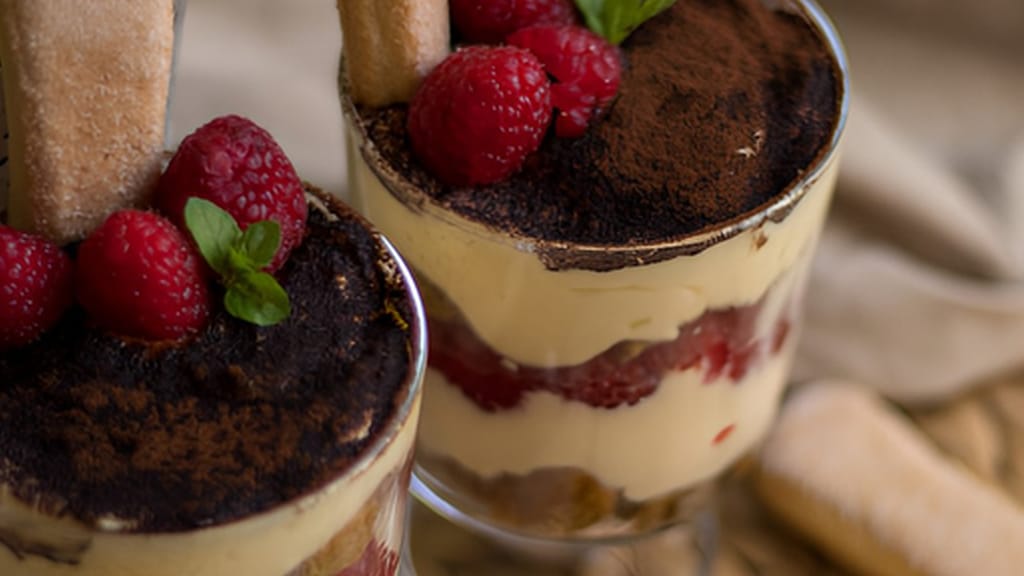
Raspberry tiramisu
The History of Tiramisu: Its Origins, First Recipe and Rise to Fame

Updated Jul 19, 2026
Tiramisu, Italy's most famous dessert made from mascarpone, coffee and savoiardi biscuits, only came into being at the turn of the 1960s and 70s in Treviso. For such a young recipe, it has a surprisingly rich history: two Italian regions still argue over who invented it, the original version had just six ingredients, and today there are dozens of variations, from limoncello to matcha. In this article, you'll discover where tiramisu really comes from, what its name means, what an authentic recipe looks like, and how it went on to conquer the world.
Tiramisu hails from northeastern Italy, and its birth is most often credited to the town of Treviso in the Veneto region. But the neighbouring region of Friuli-Venezia Giulia also claims the title – and the dispute between the two remains unresolved to this day.
In Veneto, all eyes point to the restaurant Le Beccherie in Treviso, where tiramisu is said to have been created at the turn of the 1960s and 70s. According to this version, it builds on the local custom of serving sbatudin – whipped egg yolks with sugar, traditionally used in the region to give children and convalescents a boost of energy.
Friuli, however, counters with a recipe from the small town of Tolmezzo. Innkeeper Norma Pielli reportedly served a very similar mascarpone-and-savoiardi dessert at her Albergo Roma, with a recipe said to have appeared in print as early as 1959. It's on the strength of this evidence that tiramisu holds PAT status (Traditional Regional Food Product) in Friuli.
The best-documented version credits restaurant owner Alba Campeol and pastry chef Roberto Linguanotto at Le Beccherie in Treviso, where tiramisu first appeared on the menu in 1972.
The story goes that the idea grew out of a personal memory: after giving birth, Alba was given zabaglione with coffee by her mother-in-law as a pick-me-up, and she and the pastry chef later transformed that combination into a chilled dessert. After a few years of fine-tuning, the tiramisu we know today was born.
Written evidence backs up more than just restaurant folklore. Historians note that the recipe doesn't appear in any cookbook before the 1960s, and the word itself only entered Italian dictionaries in 1980. What's more, in 2010 the original Le Beccherie recipe was formally notarised and deposited with the Italian Academy of Culinary Arts (Accademia Italiana della Cucina).
Tiramisu literally means "pick me up" or "lift me up" – it comes from the Venetian dialect phrase tireme sù. The name nods to the energising combination of espresso and sweet egg-yolk cream.
According to one story, the dessert was named this way by the very customers it revived after a hard day, whether up in the mountains or at work. That "pick-me-up" name then caught on worldwide in its original Italian form.
Authentic tiramisu calls for just six ingredients: egg yolks, mascarpone, sugar, savoiardi biscuits, strong espresso and cocoa. No alcohol, no whipped cream, no baking – all of those came later.
Egg yolks and sugar whisked into a thick foam (zabaglione) form the base of the cream.
Mascarpone – a rich Italian cream cheese – gives it body; in the original, it's never replaced with whipped cream or curd cheese.
Savoiardi biscuits (firm ladyfinger sponge biscuits) are dipped briefly in cooled espresso so they don't turn soggy.
Espresso and cocoa – strong, cold coffee for dipping, and bitter cocoa dusted on top just before serving.
The dessert isn't baked, just layered and left to rest in the fridge for at least 4–6 hours, ideally overnight. Only then does the cream firm up and the flavours meld together – which is why tiramisu is always made ahead of time.

The basic formula stays the same, but there are dozens of variations out there – from regional twists with alcohol to fruity versions and even Asian-inspired matcha tiramisu.
With alcohol – a splash of Marsala, amaretto or rum in the cream or coffee; typical of Lombardy.
Fruity versions – raspberries or strawberries in place of (or alongside) the coffee for a fresher, lighter take.
Limoncello tiramisu – lemon liqueur and mascarpone, no coffee, popular in southern Italy.
Matcha, chocolate sponge, spices (cinnamon, cardamom) – modern creative twists.
Gluten-free and egg-free – savoiardi made with gluten-free flour, and cream made from just mascarpone and whipped cream.
You'll find several variations on Yumsto to get you started. If the lemony route appeals to you, try making homemade limoncello first and folding it into the cream; for a fresh summer take, a mascarpone and seasonal fruit dessert also works beautifully.
Raspberry tiramisu
Raspberry tiramisu – a fruity, refreshing twist on the classic.
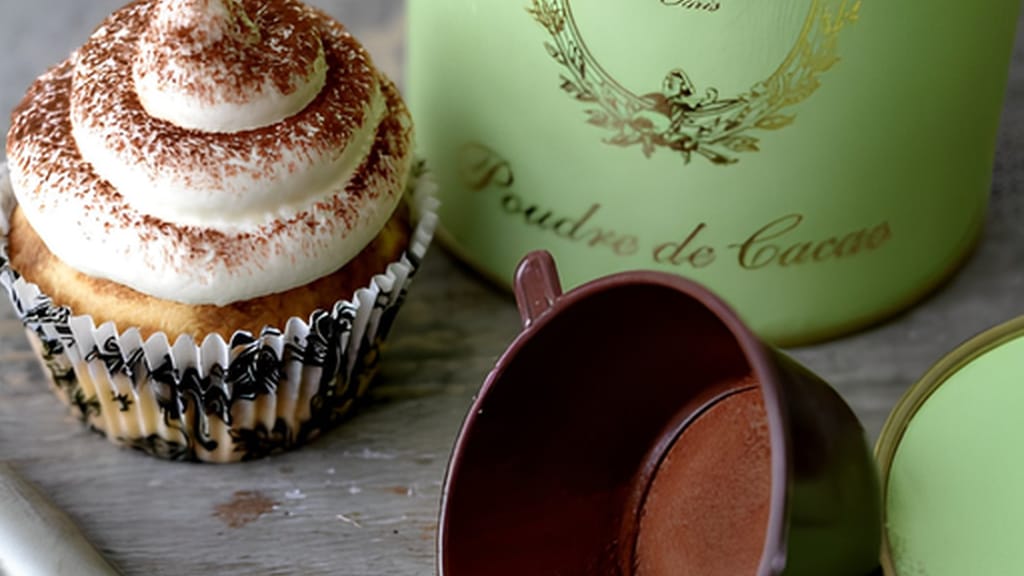
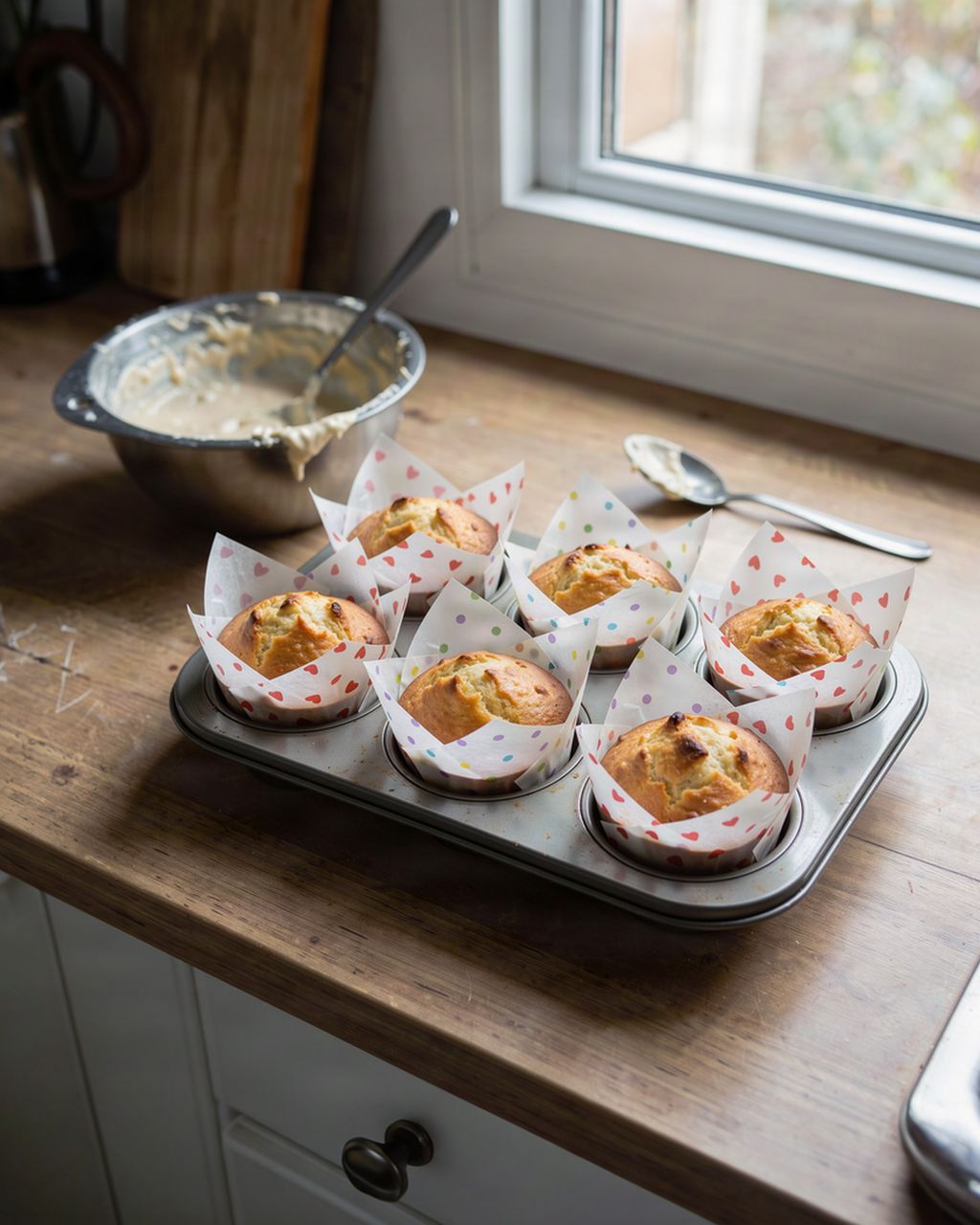
Tiramisu cupcakes – italian dessert with a twist
Tiramisu cupcakes – bite-sized, individually portioned tiramisu treats.
Tiramisu spread from northern Italy across the globe in the 1980s, and three things turned it into a worldwide hit: its simplicity, easy-to-find ingredients, and the fact that it requires no baking.
It arrived in the United States in the 1980s and quickly found a home in Italian restaurants and home kitchens alike as an elegant way to end a meal. In Asia, particularly Japan, chefs adapted it to local tastes – which is how today's popular matcha tiramisu came about.
Its magic lies in how endlessly adaptable it is without ever losing its essence: coffee-flavoured cream and biscuits. Every cuisine adds its own touch – alcohol, spices or fruit – yet tiramisu always stays true to itself.
Tiramisu even has a competitive, collectible side to it – from world championships to record-breaking creations.
The Tiramisù World Cup – since 2017, Treviso has hosted a world championship for tiramisu-making, where amateur pastry cooks compete in both classic and creative categories.
A record-breaking batch – in 2015, a tiramisu weighing over three tonnes was reportedly assembled in Villesse, Italy, using hundreds of kilograms of mascarpone and sugar.
Served in glasses – at weddings and celebrations, tiramisu is often served in individual glass jars, which makes portioning easy and adds a touch of sophistication to the table.

No, authentic Treviso-style tiramisu is made without alcohol – just egg yolks, sugar, mascarpone, savoiardi, espresso and cocoa. Marsala, amaretto or rum are later regional additions you can include if you like, but they're not essential.
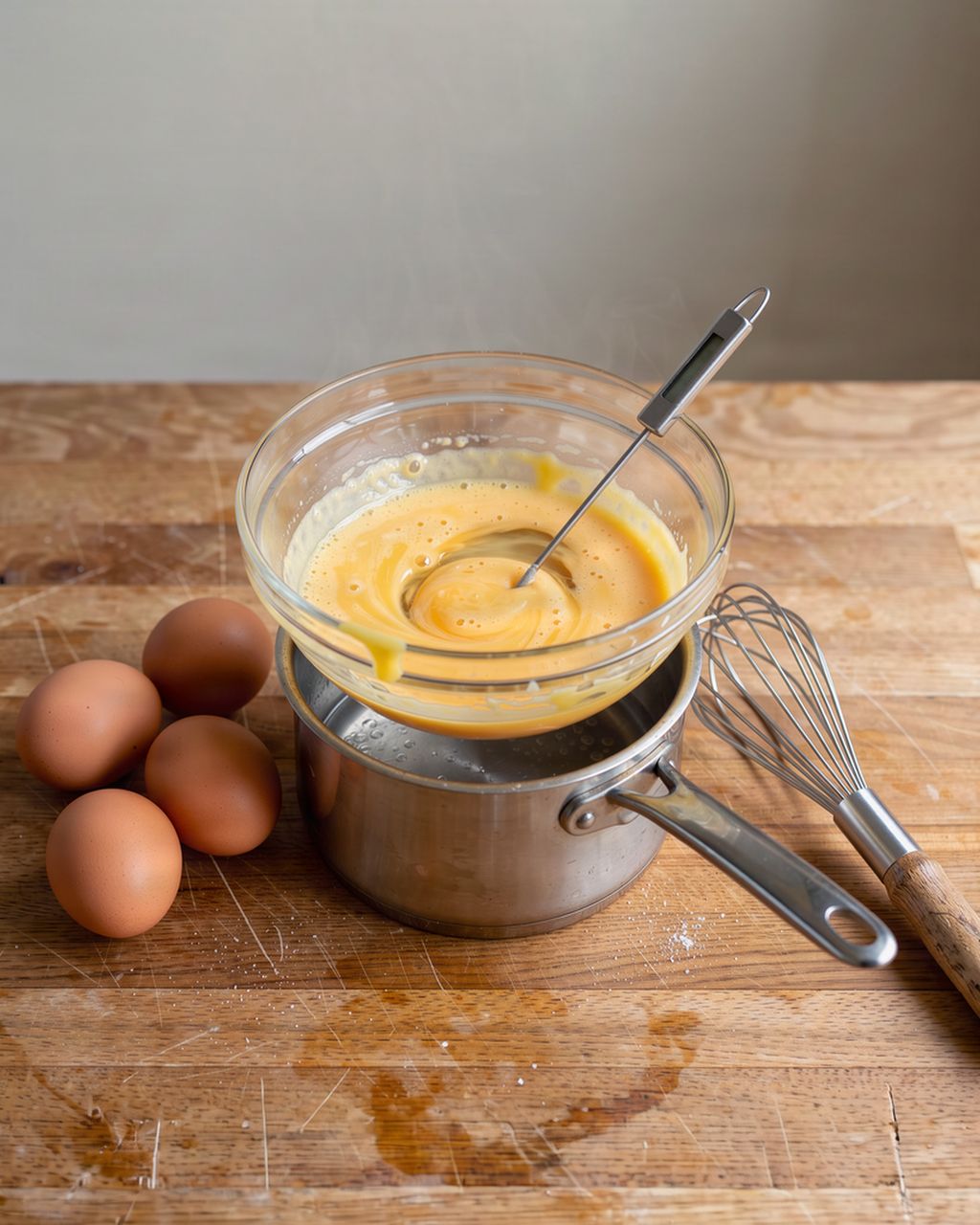
Instead of raw egg yolks, whisk up a zabaglione over a water bath and heat it to 70–75°C (158–167°F), or use pasteurised eggs. There are also completely egg-free versions where the cream is made from just mascarpone and whipped cream.
Tiramisu made with raw eggs keeps in the fridge for about 2 days, while versions with pasteurised eggs or no eggs at all last 3–4 days. Always keep it covered so the cream doesn't pick up odours or dry out.
Yes, tiramisu can be frozen for up to a month – ideally already portioned, wrapped well, and thawed slowly in the fridge. Once defrosted, the mascarpone cream tends to be a little softer in texture than when fresh.
The closest substitute is a mix of full-fat cream cheese with whipped cream, or with a little ricotta pushed through a sieve. The result will be somewhat lighter and less buttery than genuine mascarpone, so taste and adjust the cream as needed, and let it chill thoroughly.
One recipe worth heating the oven for, one tip, and one deal from the shop. Nothing else.