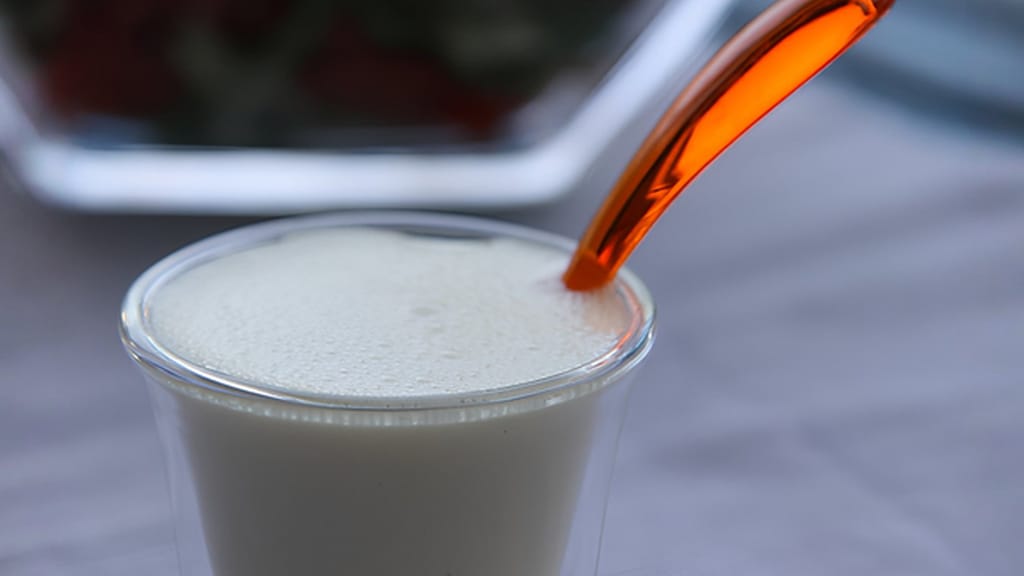
Divine homemade mayonnaise
Asian Marbled Deviled Eggs: Recipe and Technique

Updated Jul 19, 2026
Asian marbled deviled eggs bring together two great things: the striking marbled pattern of Chinese tea eggs (茶叶蛋) and the creamy filling of classic deviled eggs. You crack the shell, let the egg steep in a black tea and soy sauce brew, and once peeled, a dark web of veins appears across the white. Below you'll find how the marbling works, an exact step-by-step recipe, plus tips on what to fill the yolks with and how to plate the eggs.
Deviled eggs didn't originate in Asia — the Asian marbled version is a newer, eye-catching twist on them. Spiced stuffed eggs have been part of cooking since medieval times, and the marbled look is borrowed from Chinese tea eggs.
According to food historians, the ancient Romans were already eating hard-boiled eggs with spicy sauces — hence the saying ab ovo usque ad mala, "from eggs to apples," meaning from the start of a feast to the end. But they didn't deliberately stuff them. The oldest surviving recipe for stuffed eggs dates back to the 13th century, from an Andalusian cookbook: the yolks were mixed with coriander, ginger, cinnamon, and cloves.
The term "deviled" itself only appears in 18th–19th century England as a way to describe dishes that were heavily spiced and piquant — the only thing "devilish" about them was the heat. The creamy, mayonnaise-based version we know today first appeared in the American cookbook Boston Cooking-School Cook Book in 1896.
The Asian touch came later: soy sauce, sesame, wasabi, and the marbling technique borrowed from tea eggs. It's this combination with a creamy filling that makes these eggs such a crowd-pleasing starter — one that looks impressive but is easy for anyone to pull off.
Seasonal baking plans, tested recipes and kitchen tricks that save you time. Unsubscribe in one click.
The marbled pattern forms when you crack the shell of a boiled egg all over and let it steep in a dark brew — the color seeps into the white through the cracks, and once peeled, a network of dark veins remains. You don't remove the shell during steeping; it acts as a stencil.
Two ingredients are responsible for the color and flavor:
Black tea gives a subtly brown tone along with a light, smoky, slightly bitter flavor.
Soy sauce adds depth along with richer, darker veining — dark soy sauce works best for the boldest marbling.
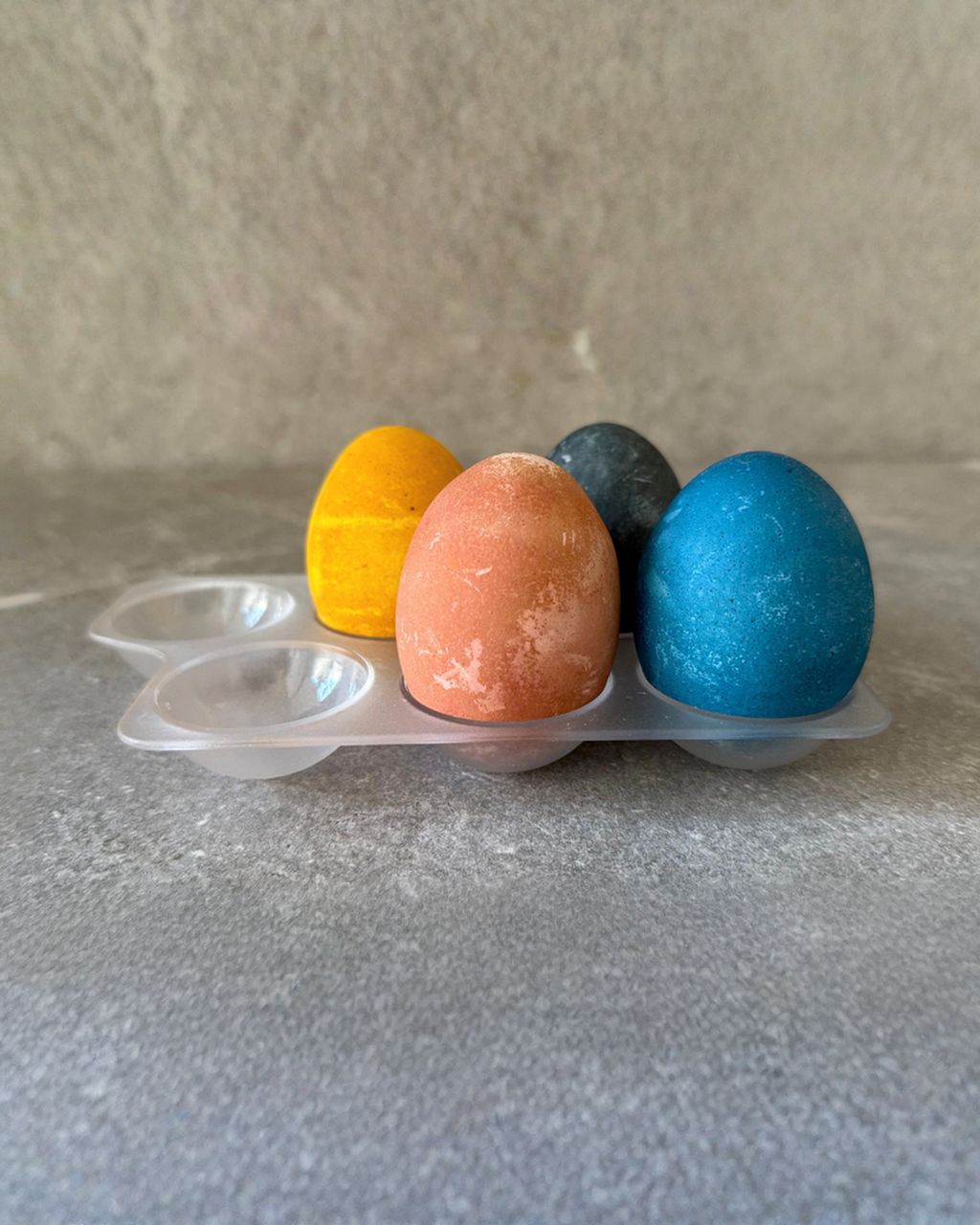
The rule is simple: the denser the network of cracks and the longer the steeping time, the bolder the pattern. The color seeps in exactly the same way as with natural egg dyeing without chemicals, so feel free to play with color too — beet juice gives red veining, turmeric gives yellow.
Marbling comes down to five steps: boil and cool the eggs, crack the shell into a dense network of cracks, simmer a brew of tea and soy sauce, let the eggs steep, then peel. The whole technique relies on leaving the shell on as a stencil and working with steeping time.
Boil and cool. Hard-boil the eggs and cool them immediately in ice water — cold eggs have a firmer white that won't fall apart when you crack it.
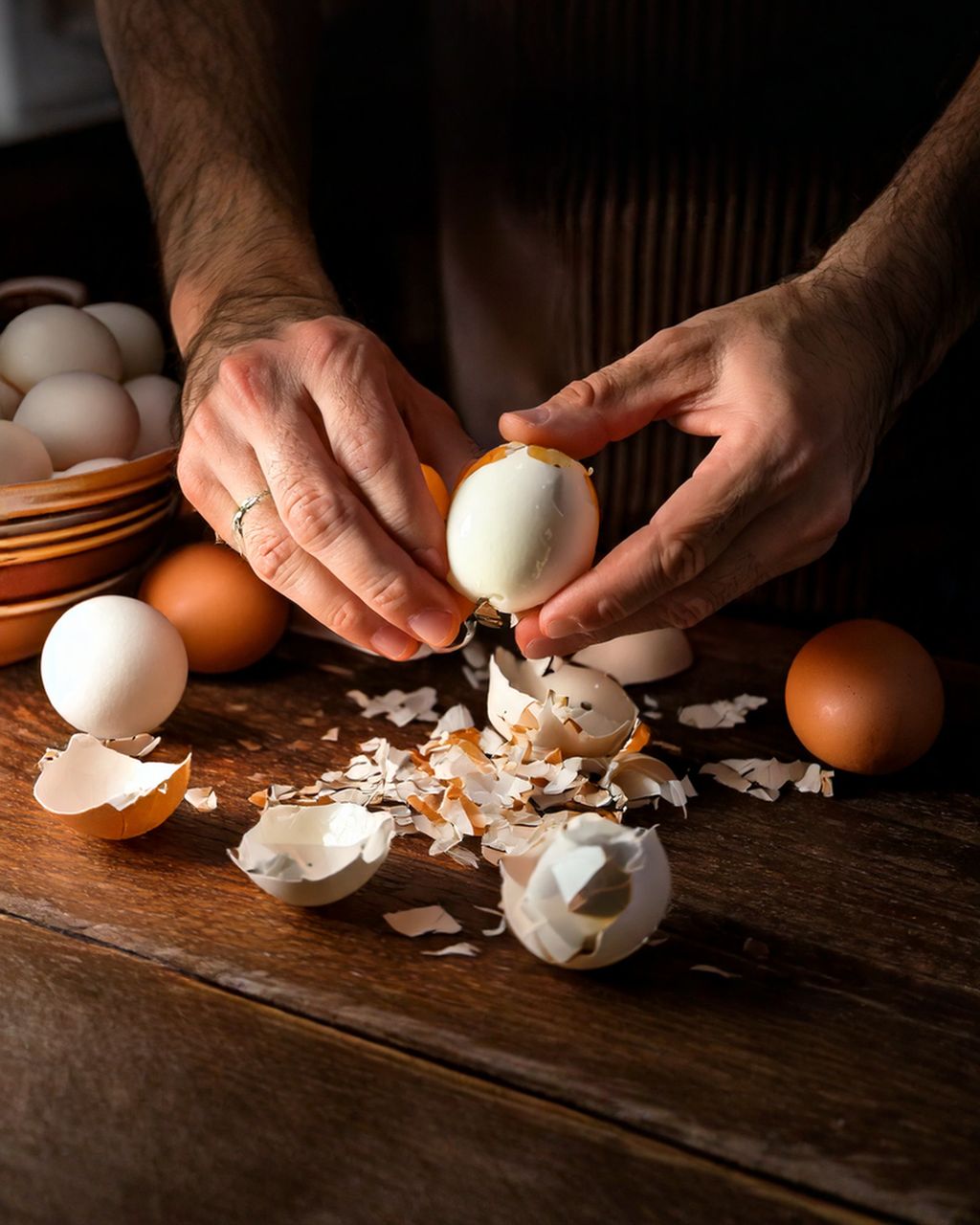
Crack the shell. Tap the back of a spoon all over the surface of the egg until you get a dense network of fine cracks. The finer and denser the cracks, the more elegant the marbling. Don't peel the shell off.
Simmer the brew. Simmer strong black tea with soy sauce and spices (star anise, cinnamon, cloves, five-spice). Let the flavors meld for a few minutes.
Let it steep. Submerge the cracked eggs in the warm brew and let them steep — the longer, the darker the pattern. Steeping overnight in the fridge gives the deepest marbling.
Peel. Once steeped, carefully remove the shell and the pattern will appear. Eggs peel best under running water — this is exactly where tricks for easy egg peeling come in handy.

For 6 eggs (12 halves) you'll need about 30 minutes of active work plus overnight steeping. The recipe combines Chinese tea eggs with a creamy filling — you marble the eggs in their shells, then fill them with a yolk mixture.
6 medium (M) eggs (ideally a week old, they peel more easily)
250 ml (1 cup) strong black tea (2 tbsp loose leaf or 2–3 tea bags)
60 ml (4 tbsp) soy sauce, ideally dark
2 tsp cane sugar
1 star anise pod
1 small cinnamon stick
3 whole cloves
1/8 tsp Chinese five-spice powder
optional: 2 tbsp beet juice for red veining
yolks from all the peeled eggs
2–3 tbsp mayonnaise
1 tsp Dijon mustard
a few drops of soy sauce or sesame oil
salt, pepper, a pinch of toasted sesame seeds for garnish
Place the eggs in boiling water and cook for 9–10 minutes, then transfer immediately to ice water and let cool.
Using the back of a spoon, tap the entire surface of each egg to create a dense network of cracks. Don't peel the shell.
In a pot, simmer the tea, soy sauce, sugar, and spices, letting it bubble briefly so the flavors combine.
Add the cracked eggs to the brew, bring to a boil, lower the heat, and let steep for 40–60 minutes.
Remove from heat and let the eggs steep in the brine for 4 hours up to overnight in the fridge. Never longer than 24 hours.
Peel the eggs — the marbling will appear. Halve them, mix the yolks with mayonnaise, mustard, and seasoning until smooth, then pipe or spoon the filling back into the halves. Sprinkle with sesame seeds and chives.
The base of the filling is always the same — mashed yolks mixed with something creamy and something tangy — and from there you just change up the seasoning. Four tried-and-true directions: classic mayonnaise and mustard, wasabi for heat, kimchi for fermented tang, and miso or sriracha for umami.
Classic: mayonnaise with Dijon mustard, a splash of lemon, salt, and pepper. A creamy, mildly tangy base you really can't go wrong with.
Wasabi: a teaspoon of wasabi paste mixed into the mayo gives a sharp kick that pairs beautifully with the salty marbled white. Add a little at a time and taste as you go.
Kimchi: finely chopped kimchi folded into the yolks adds tang, spice, and a touch of crunch.
Miso or sriracha: a teaspoon of white miso brings umami depth, while sriracha adds spicy sweetness.
Watch the salt — the marbled white is already salty from the soy sauce, so season the filling sparingly. As for herbs, chives, cilantro, or dill all work well.
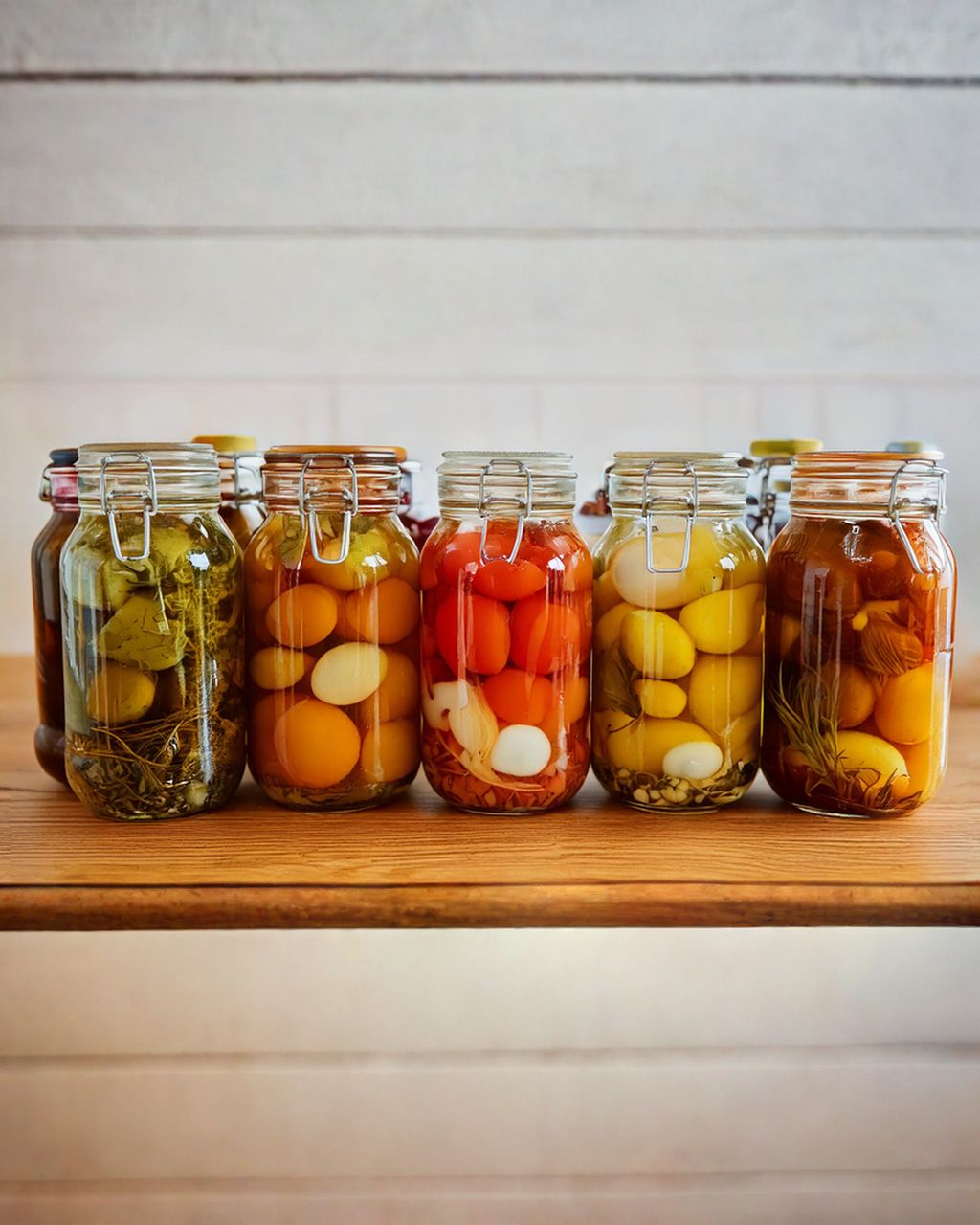
Divine homemade mayonnaise
Amazing homemade mayonnaise as a creamy base for deviled egg filling
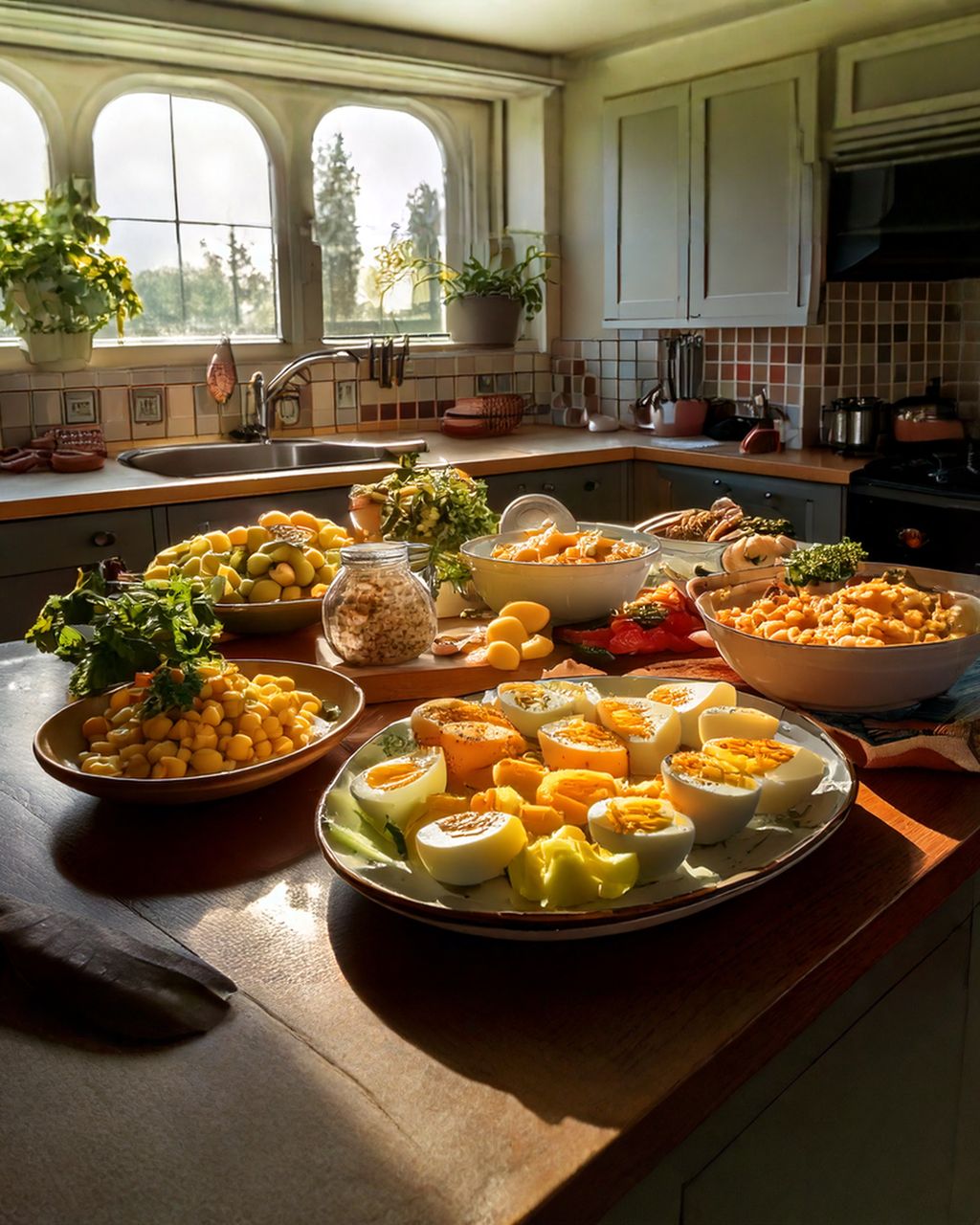
Let the marbling take center stage on a simple, light-colored plate, arranging the eggs in a row or circle with the filling facing up. The dark web of veins is the star of the show, so keep the background clean and understated.
For garnish, reach for texture and color rather than piling things on:
toasted sesame seeds or black sesame for a nutty flavor and contrast,
fresh chopped chives or thinly sliced green onion,
a few drops of soy sauce or chili oil around the plate,
thin slices of cucumber or radish as a fresh base.
A bamboo tray or a small dish of soy sauce for dipping on the side will add to the Asian feel. Serve the eggs chilled — ideally filled just before serving so the filling holds its shape and the chives stay fresh.

Eat filled deviled eggs within 2 days and store them in the fridge at 4°C (39°F). Unfilled marbled eggs still in their shells keep a bit longer, but take them out of the brine after 24 hours at most so they don't turn too salty. It's best to make the yolk filling on the day you plan to serve them.
The most common cause is steeping too long — after 24 hours the eggs soak up too much salt and tannins from the tea and start tasting bitter. Stick to 4–12 hours and pull them from the brine after a day at most. If you want a bolder flavor, extend the time within that window rather than adding more soy sauce.
Yes — swap regular soy sauce for tamari or coconut aminos, both gluten-free, and the marbling holds up just the same. For a richer, darker color, use a stronger tea and a pinch of salt. If you want bolder veining, add a tablespoon of dark gluten-free soy sauce.
For red veining, add beet juice to the brine; for yellow, use turmeric; for a bluish tint, use red cabbage broth. The color seeps into the cracks just like with natural egg dyeing, so the rule holds: the richer the brew and the longer you steep, the bolder the pattern.
For a starter, plan on 2 halves per person (one whole egg); for a party spread, go with 3–4 halves. You can crack and steep the eggs a day ahead, but prepare and fill the yolk mixture on the day of serving.
One recipe worth heating the oven for, one tip, and one deal from the shop. Nothing else.