Crepe-Style Pancakes (Palačinky): Batter Recipe, Sweet and Savory Fillings, American Pancakes and Oven-Baked
Palačinky vs Crêpes vs Pancakes: How Czech Pancakes Differ
Updated Nov 20, 2026
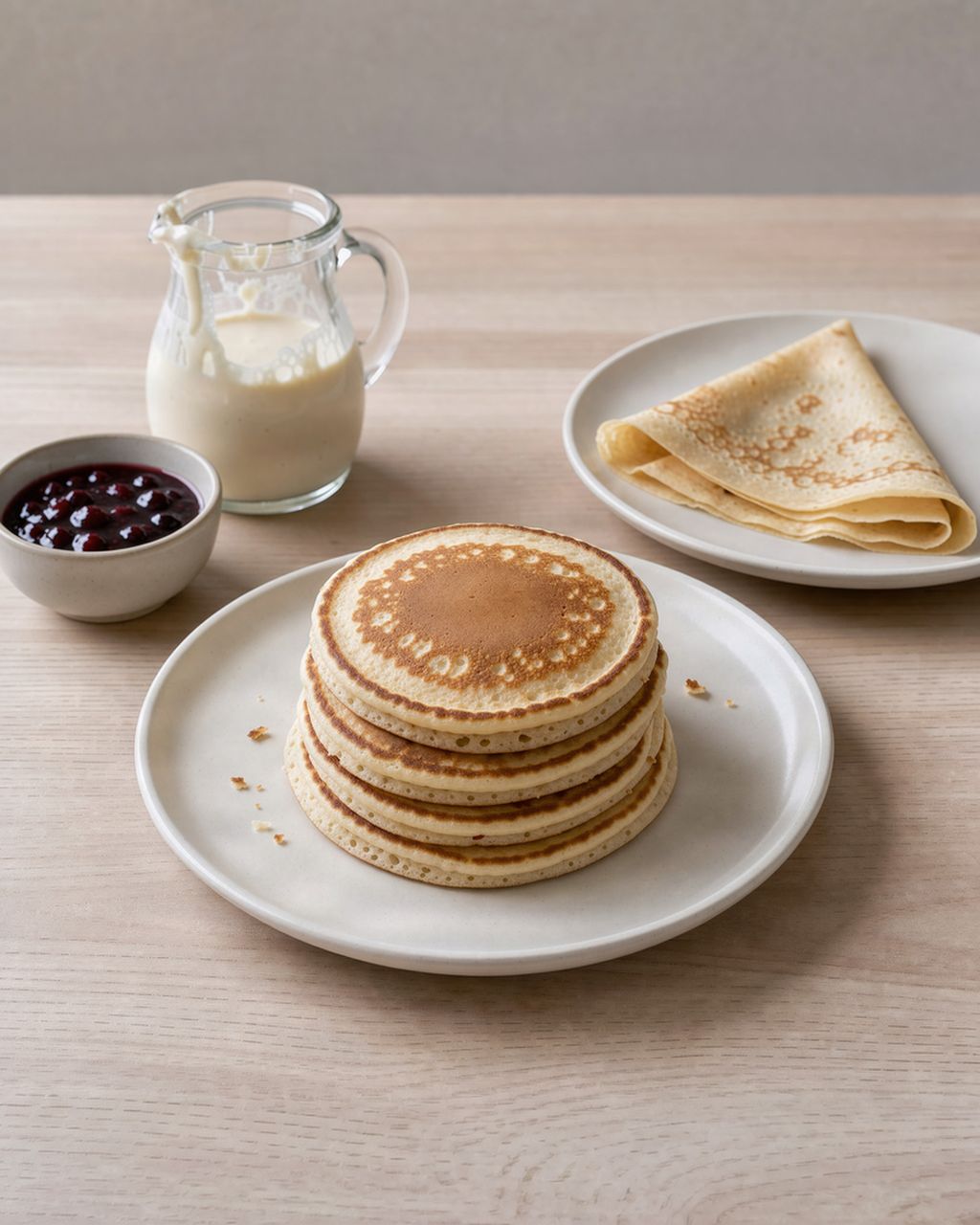
Czech palačinky are thin, flexible pancakes very close to French crêpes, and nothing like thick, fluffy American pancakes. They are usually a little thicker than crêpes, rolled around jam, sweet tvaroh or chocolate spread, and they share their name with Hungarian palacsinta. Here is how all four compare and what Czechs fill them with.
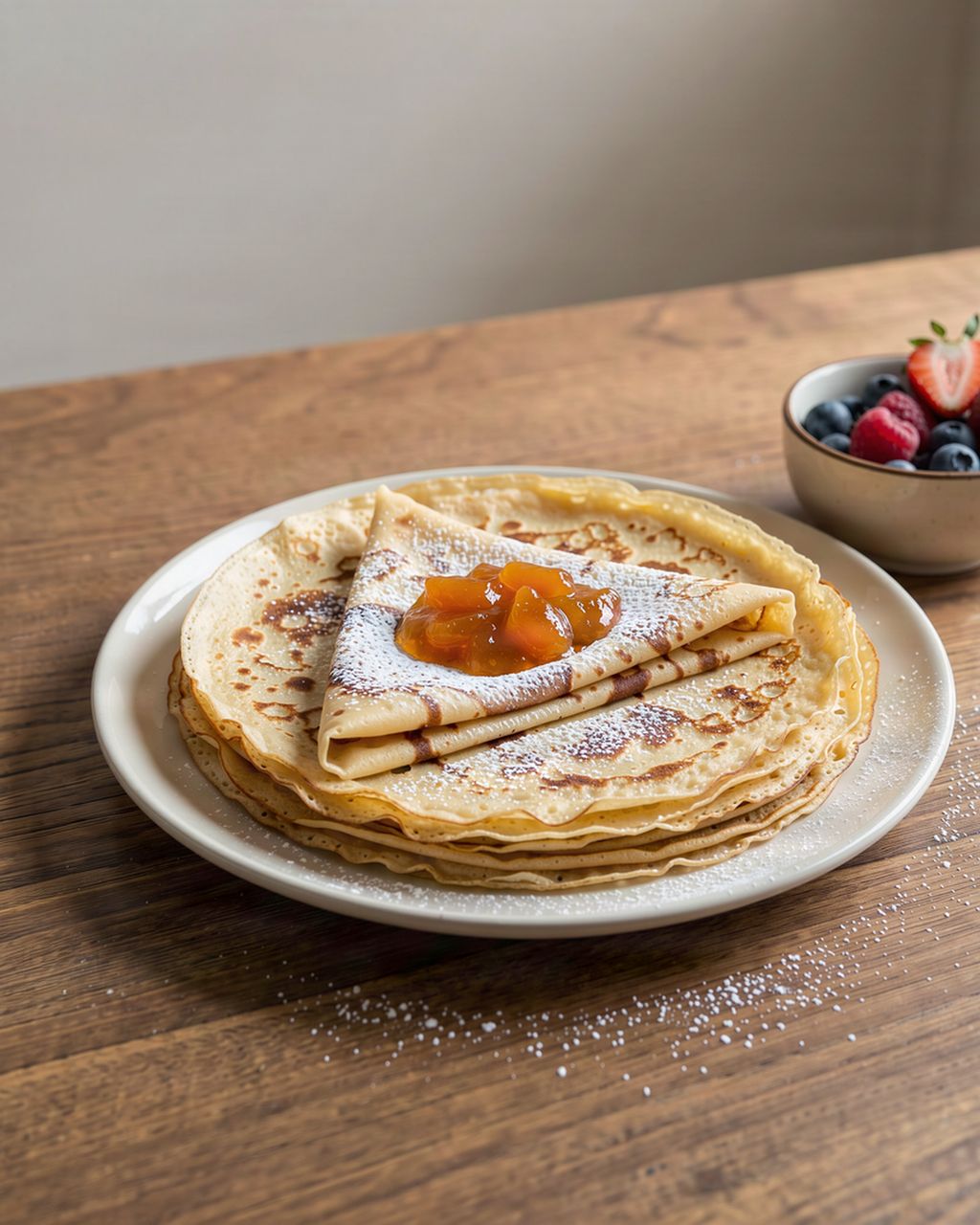
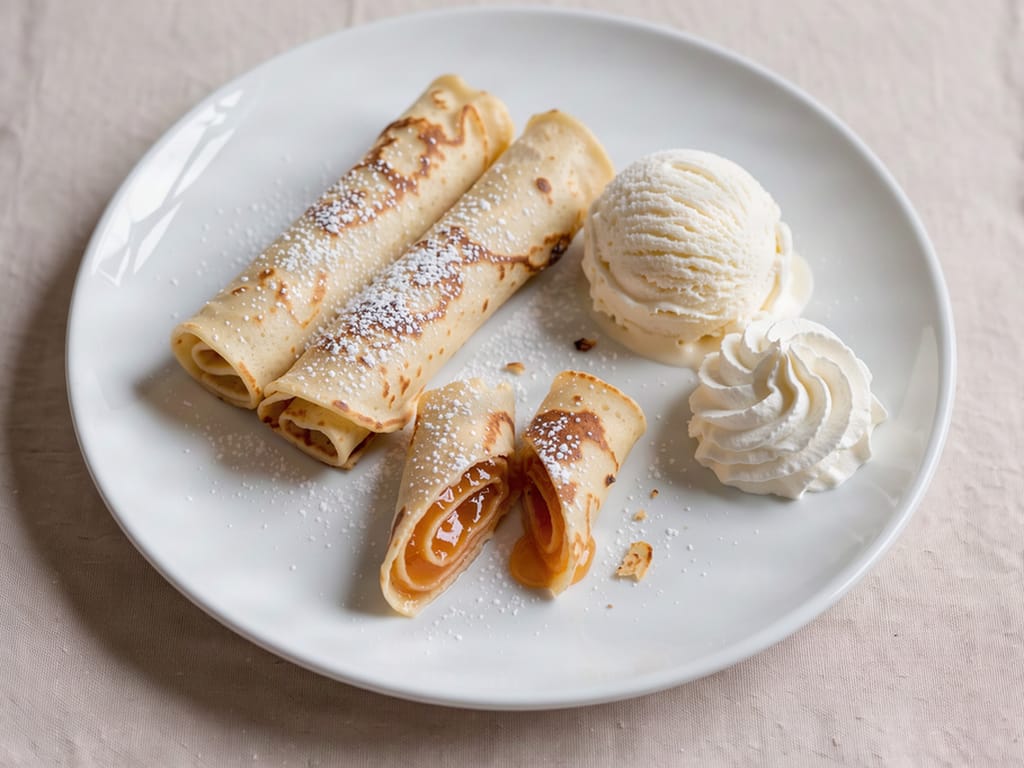
Palačinky (Czech and Slovak thin pancakes, singular palačinka) are made from a runny batter of flour, milk, eggs and a pinch of salt, sometimes with a little sugar or a splash of sparkling water. A ladle of batter is swirled thin in a hot, lightly greased pan, cooked on both sides, then rolled around a filling.
In Czech homes they are a quick sweet lunch or supper, a weekend treat, and something children learn to make early. In cafés and summer kiosks they come dressed up with ice cream, whipped cream, fruit and chocolate sauce.
The name came from the south-east. Czech palačinka is thought to be borrowed from Hungarian palacsinta, which comes from Romanian plăcintă (a cake or pie) and ultimately from the Latin placenta, a flat cake. Austria has the same pancake as Palatschinke.
Honestly, not much. Both are thin, unleavened pancakes made from flour, milk and eggs. The differences are in the details:
Czech palačinky
Batter: flour, milk, eggs, salt; sometimes a little sugar or sparkling water. Usually cooked right away.
Thickness: thin, but often a touch thicker and softer than a French crêpe.
Fat: a little oil or butter in the pan.
Shape: rolled up like a cigar, or folded into quarters.
Fillings: almost always sweet.
French crêpes
Batter: flour, milk, eggs, often melted butter. Usually rested before cooking.
Thickness: very thin, lacy at the edges.
Shape: folded into halves or quarters, often around the filling in the pan.
Fillings: sweet crêpes with sugar, butter, lemon, jam or chocolate spread; savory versions too. The Breton galette, from Brittany in north-west France, is a savory pancake made with buckwheat flour and filled with things like ham, cheese and egg.
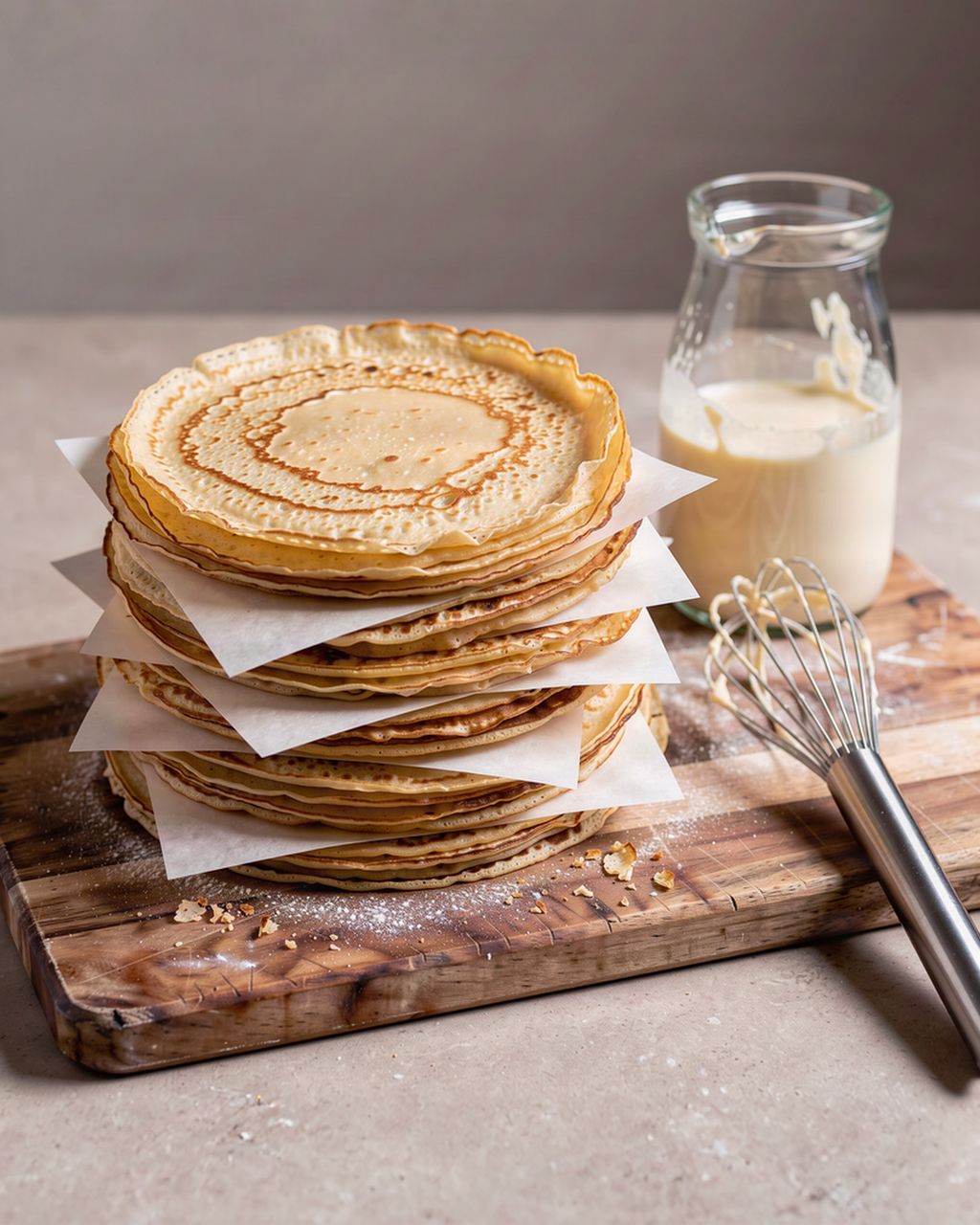
If a recipe asks you to rest crêpe batter, keep it covered, in the fridge. Our article on make-ahead crêpes covers how long batter and cooked crêpes keep and how to freeze them, which works the same for palačinky.
This is the comparison that confuses people, because both are called "pancakes" in English.
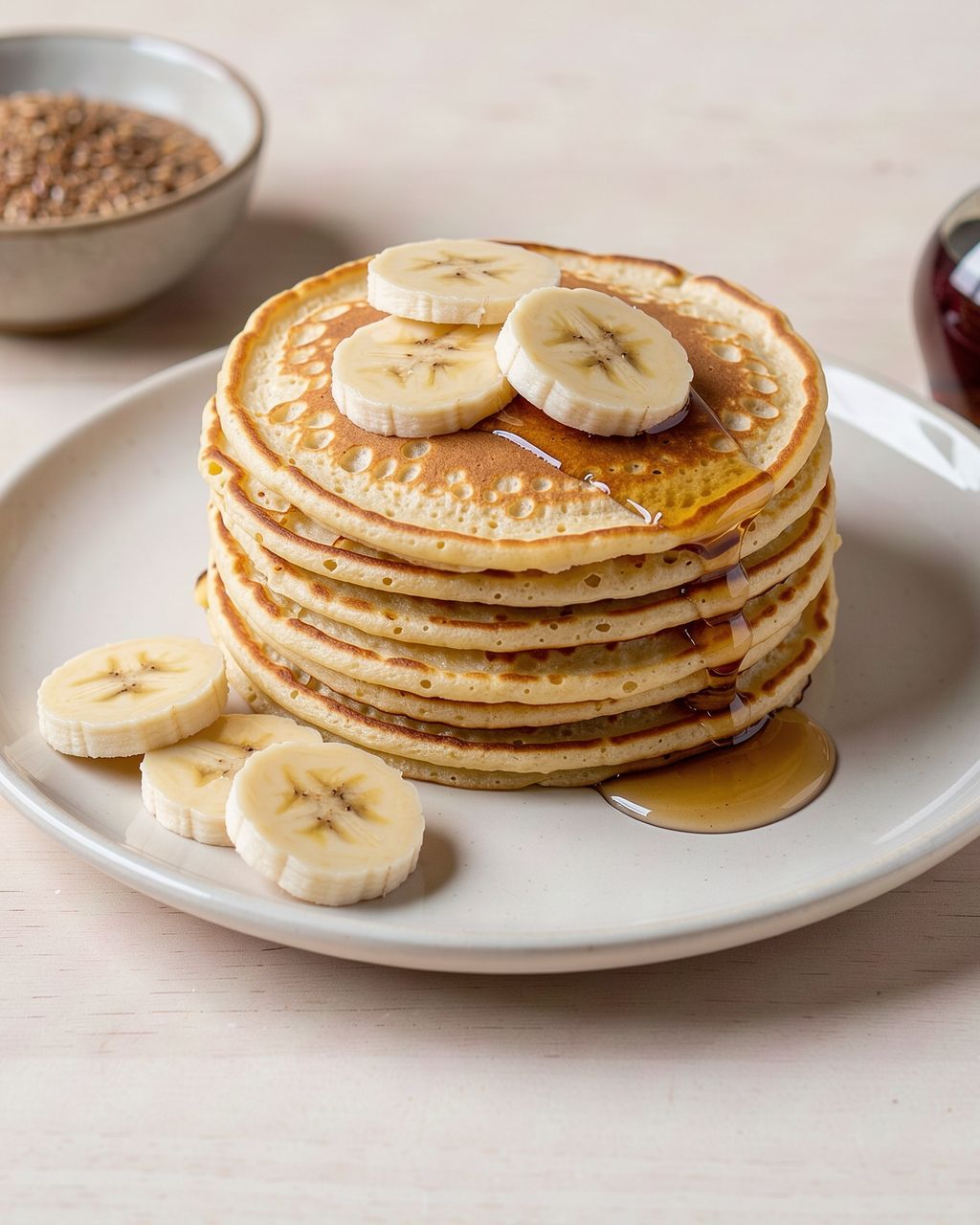
American pancakes
Batter: thick, with baking powder or baking soda, often buttermilk.
Texture: fluffy, about 1 cm (half an inch) thick.
Served: stacked, with butter and maple syrup, berries or bacon.
Palačinky
Batter: runny, no raising agent.
Texture: thin and flexible enough to roll.
Served: rolled or folded around a filling.
Czech kitchens do have a thick, fluffy pancake too: lívance (small yeast-raised or baking-powder pancakes, often served with jam and sour cream). Those are the closer cousin of American pancakes.
If you are converting an American recipe, remember that a US cup (236.6 ml) of all-purpose flour is about 125 g, and a metric cup (250 ml) about 132 g. Our cup of flour in grams page and the cups and spoons converter do other amounts.
Palacsinta is the Hungarian thin pancake and the namesake of the Czech one. The pancake itself is very similar; Hungary is known for two famous fillings:
Gundel palacsinta. A restaurant classic filled with ground walnuts, raisins, candied orange peel, cinnamon and rum, served with a dark chocolate sauce and often flambéed.
Hortobágyi palacsinta. A savory version: pancakes filled with a paprika-spiced meat filling (stewed or minced), rolled, and baked under a sauce of the cooking juices and sour cream.
Everyday Hungarian palacsinta at home look much like Czech palačinky: rolled around jam, sweet curd cheese, cocoa with sugar, or ground walnuts.
Recipe of the week, one tip that saves you time and one deal from the shop. Unsubscribe in one click.
The next issue goes out on Thursday, November 26.
The classic Czech fillings, roughly in order of how often you will meet them:
Jam. Apricot and strawberry are the favorites, spread thin and rolled up, then dusted with powdered sugar. See apricot jam.
Sweet tvaroh. Tvaroh (Czech curd cheese, close to quark) mixed with sugar, vanilla sugar and sometimes raisins. If you cannot find tvaroh, see what to bake with quark for the closest swaps.
Chocolate-hazelnut spread. Nutella or a store brand. Nutella contains hazelnuts, milk and soy. Anyone with a tree-nut allergy should skip it. Other spreads vary, and some are made in factories that also handle peanuts, so check the allergen panel on the jar you buy.
Ice cream and whipped cream. Palačinky se zmrzlinou a šlehačkou (with ice cream and whipped cream) is the café classic, often with fresh fruit and chocolate sauce.
Fresh fruit. Strawberries, blueberries or sliced banana, often with yogurt or whipped cream.
Savory fillings, such as spinach, ham and cheese, or mushrooms, exist but are less common in Czech homes than in France or Hungary.
Palačinky are simple, and the batter ratio is forgiving.
Whisk the batter. Roughly twice as much milk as flour by weight, with eggs and a pinch of salt. It should pour like single cream (US: light cream). Whisk the flour into part of the milk first so it does not go lumpy.
Heat the pan. A flat frying pan or crêpe pan, wiped with a little oil or butter.
Swirl. Pour in a small ladle of batter and tilt the pan so it spreads thin.
Flip. When the edges lift and the underside is golden, turn it and cook the other side briefly.
Fill and roll. Spread with filling while warm and roll up.
The first one is usually a test; nearly every Czech cook says so. Keep the finished pancakes warm on a plate, stacked and covered with a second plate or a clean cloth, while you cook the rest, then fill them all at once.
If the pancakes tear, the batter is usually too thin or the pan not hot enough; whisk in a spoon of flour or wait a little longer before flipping. If they are thick and rubbery, add a splash of milk. If you need a version without wheat, see our notes on gluten-free pancakes.
Palačinky are Czech and Slovak thin pancakes made from a runny batter of flour, milk and eggs, fried in a pan and usually rolled around a sweet filling. They are close to French crêpes.
Palačinky and crêpes are nearly the same thing: thin, unleavened pancakes from a flour, milk and egg batter. Czech palačinky are often a little thicker and are usually rolled, while crêpes are often folded and can be savory.
Palačinky are thin and flexible, with no baking powder, while American pancakes are thick and fluffy because the batter contains a raising agent. Palačinky are rolled around a filling; American pancakes are stacked and topped.
The classic Czech fillings are fruit jam, sweetened tvaroh (curd cheese), and chocolate-hazelnut spread. In cafés palačinky are often served with ice cream, whipped cream and fruit.
The Czech word palačinka is thought to come from Hungarian palacsinta, which goes back through Romanian plăcintă to the Latin placenta, a kind of flat cake.
One recipe worth heating the oven for, one tip, and one deal from the shop. Nothing else.