Pancakes Without Milk: Water, Oat Milk and Other Swaps
How to Make Pancakes Without Eggs: Substitutes That Work
Updated Nov 21, 2026
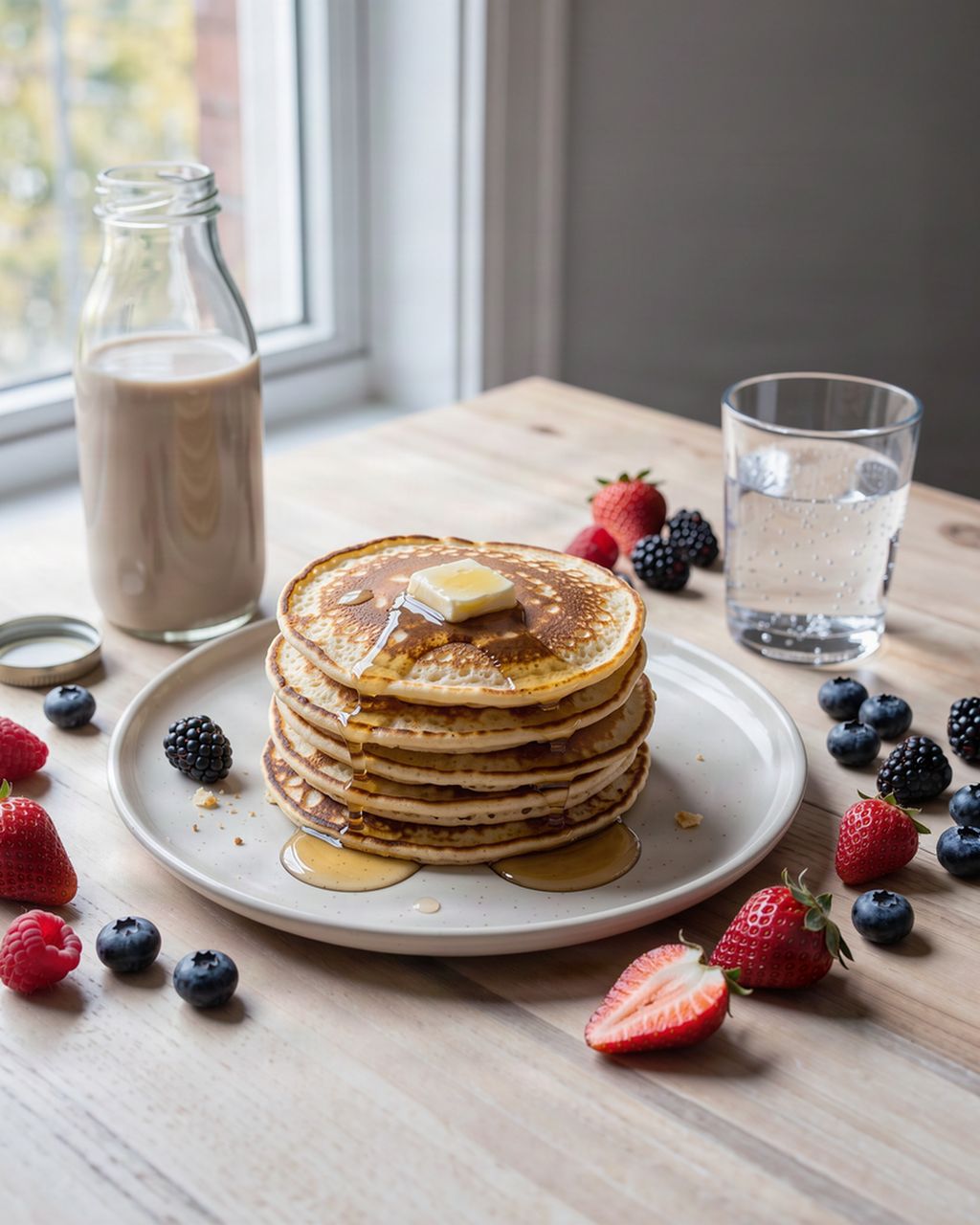
You can make good pancakes without eggs: leave the egg out and add a little extra baking powder and fat, or replace each egg with a flax egg, mashed banana, applesauce or yogurt. In a pancake the egg mostly adds richness, color and some structure, and baking powder already does most of the lifting. The swaps below show what each substitute changes, so you can pick one for fluffy, tender pancakes.
Yes. In a thick American-style pancake the lift comes mostly from baking powder, not from the egg. The egg adds richness, a little structure that holds the pancake together when you flip it, and color, because its protein helps the surface brown.
So when the egg goes, you need to make up for three things:
Liquid: a large egg is about 50 g, most of it water. Without it the batter is too thick.
Fat: the yolk carries fat. Without it the pancakes are leaner and a little tougher.
Binding: the egg sets as it cooks and helps the pancake hold together.
For a batch made with one egg, simply leaving it out and adding a splash of extra liquid and fat works surprisingly well. For a batch with two or more eggs, a substitute with some body gives a better result.
Thin pancakes are different. Crêpes and Czech palačinky (thin, rolled pancakes) rely on egg for their strength, and eggless versions tear more easily. This guide is about thick, fluffy pancakes.
Each of these replaces one egg in a typical batch made with about 125 g of flour (roughly 1 US cup of all-purpose flour, spooned and leveled).
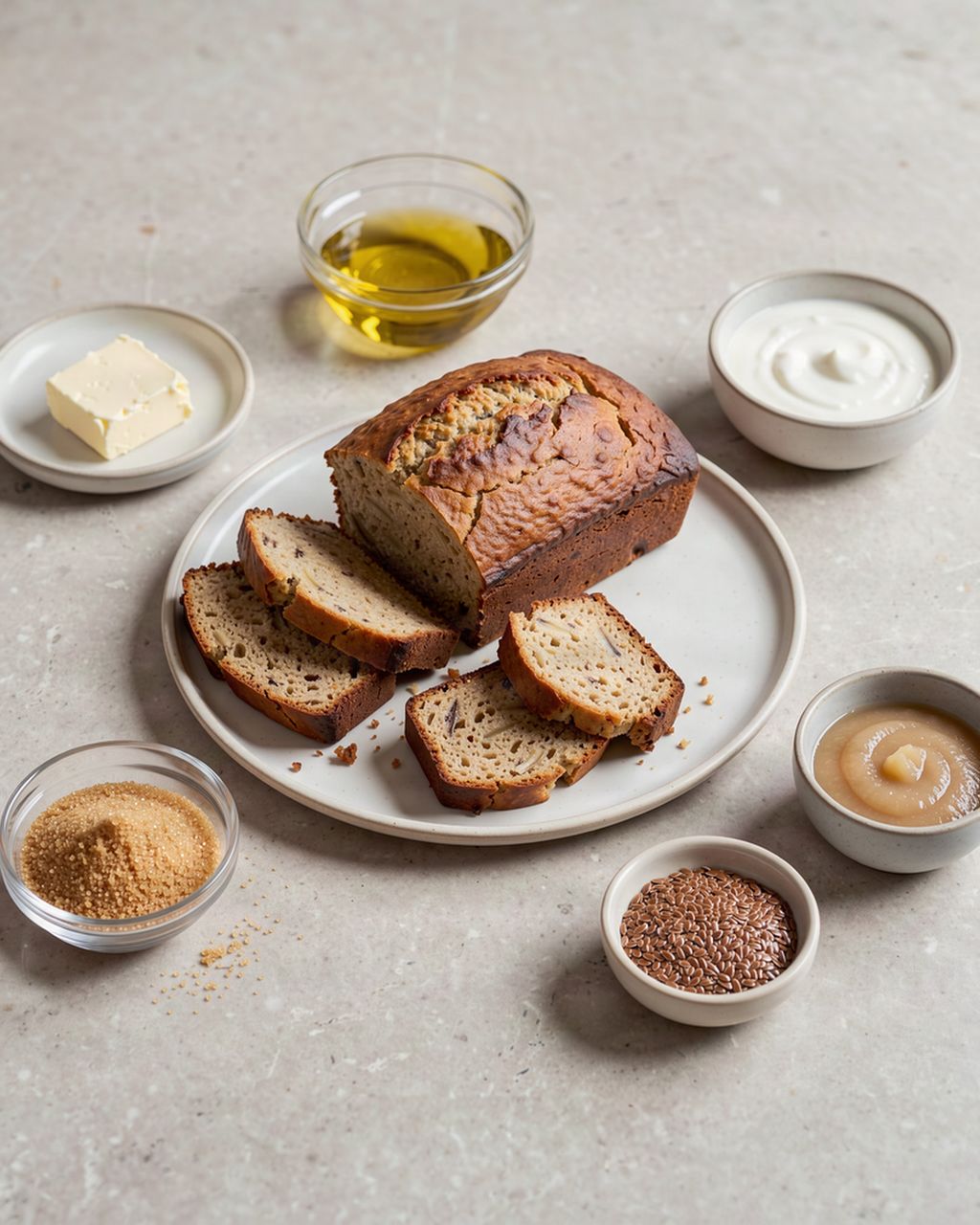
Nothing, plus a little extra: 3 to 4 tablespoons of milk or water and 1 teaspoon of oil. The plainest result: tender, slightly flatter, pale gold. Good when the recipe uses only one egg.
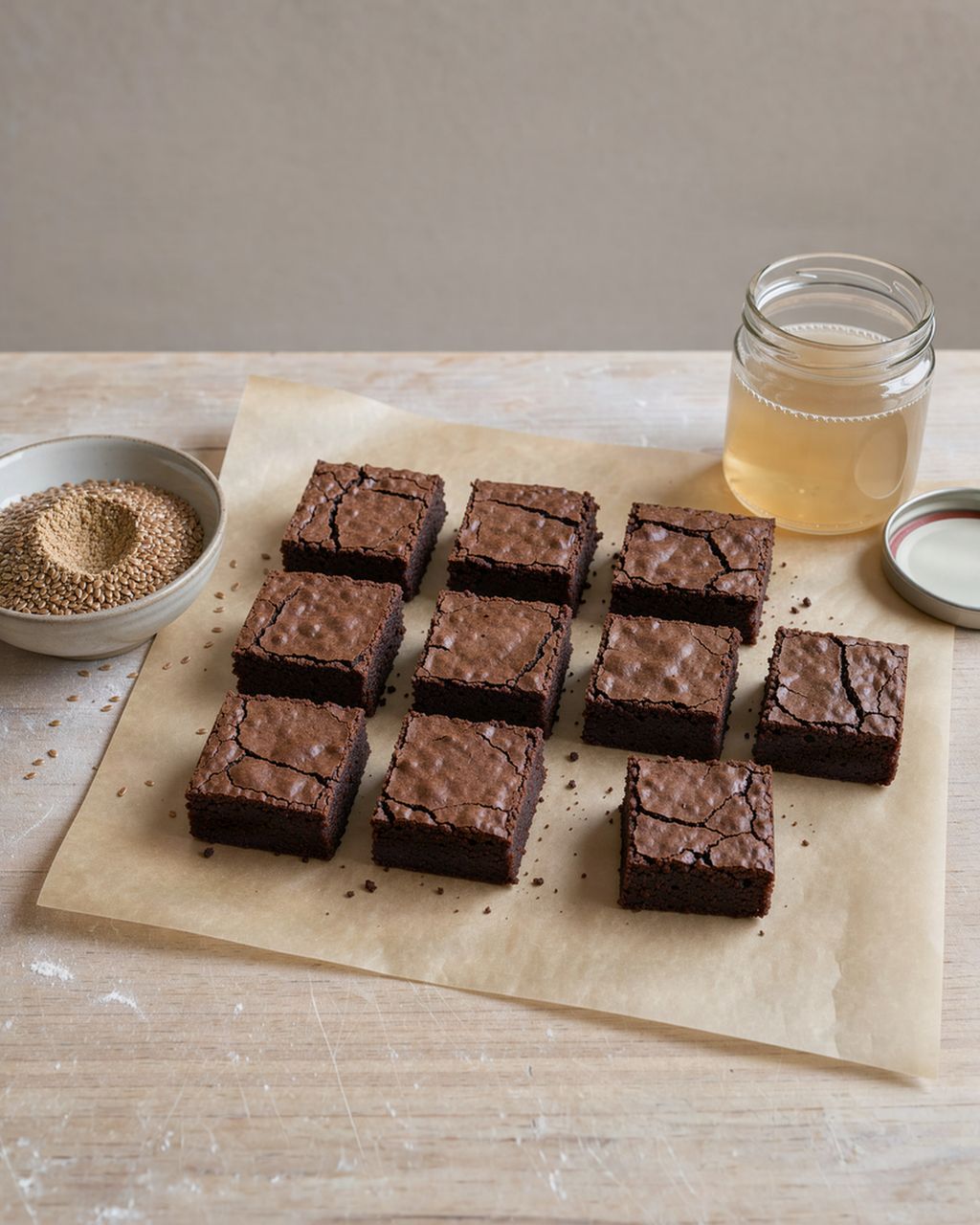
Flax egg: 1 tablespoon of ground flaxseed stirred into 3 tablespoons of water, left for about 5 minutes until it thickens. This is the ratio Bob's Red Mill gives. It binds well and adds a mild nutty taste and brown flecks. Use ground flaxseed, not whole seeds.
Mashed ripe banana: about 60 g, roughly half a medium banana. It binds and sweetens, and the pancakes taste of banana and brown faster.
Applesauce: about 60 g of unsweetened applesauce. Soft, moist and slightly dense, with a faint apple taste.
Plain yogurt: about 60 g. It adds tang and tenderness. If your recipe uses baking soda, the acid in the yogurt helps it rise.
Plant-based egg replacer powder: follow the packet. These are usually starch-based and taste neutral. Don't confuse them with liquid "egg substitutes" sold in cartons in the chilled aisle, which are made from egg whites. Check that the label says egg-free.
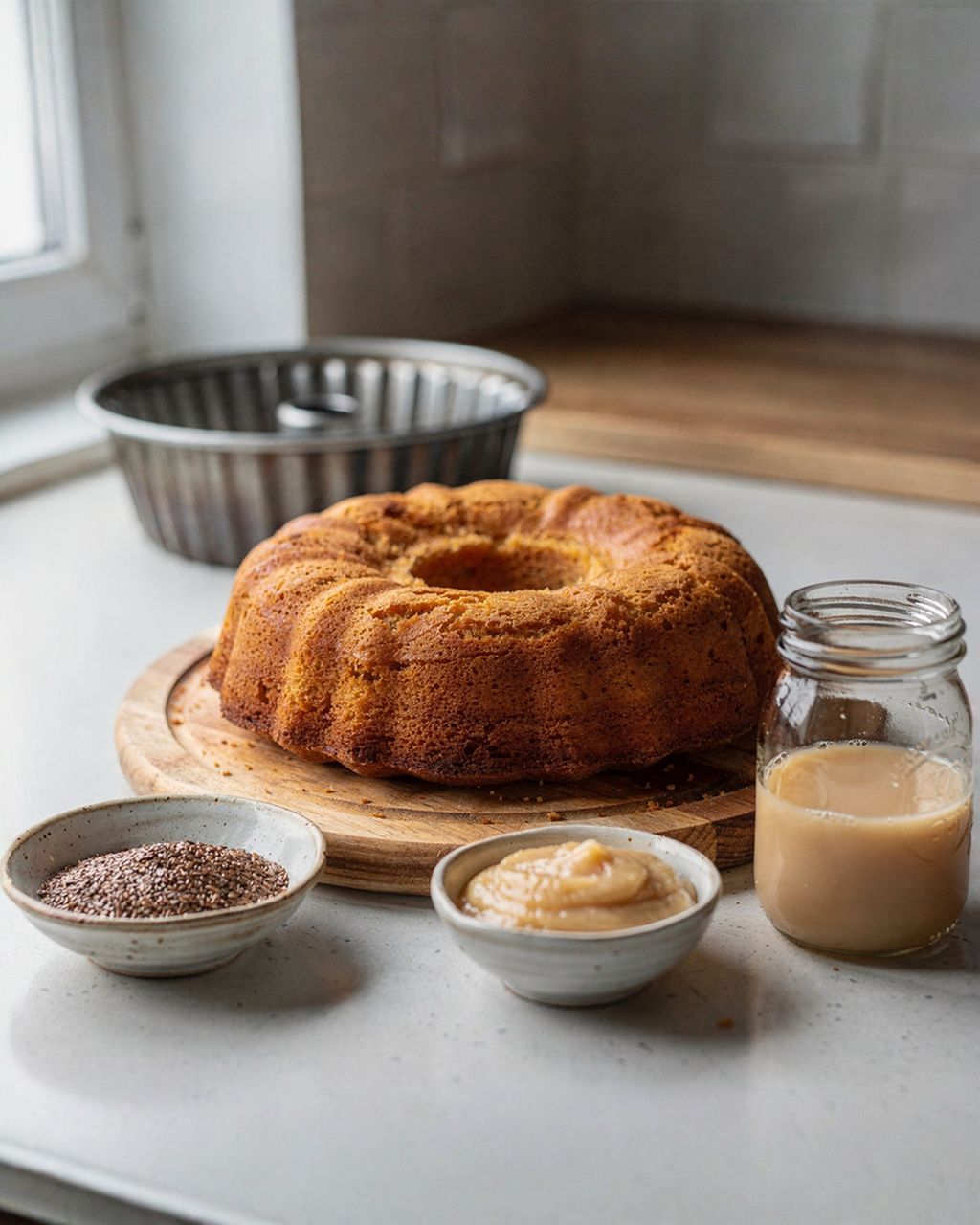
Our egg substitutes for bundt cake guide compares the same swaps in a cake, where the egg matters more.
Swapping the egg is only half the job. These small changes make the difference between flat, pasty pancakes and fluffy ones:
Add a little extra leavening. A quarter teaspoon more baking powder per egg left out makes up for the lift the egg's protein gave.
Add a little more fat. One teaspoon of oil or melted butter per egg left out keeps the pancakes tender.
Check the thickness, not the recipe. The batter should pour slowly from a spoon and spread a little in the pan, not run. Thin it with a spoonful of liquid at a time, or thicken it with a spoonful of flour.
Mix gently. Stir only until there is no dry flour. A few small lumps are fine and cook out.
Let it rest for a few minutes while the pan heats. The flour hydrates and the flax or banana starts binding.
A pinch of sugar helps too. Egg protein browns, and without it the pancakes stay paler.
Eggless pancakes are softer while they cook, so treat them a little more gently.
Use medium heat. Too hot and the outside browns before the middle sets. Banana and applesauce pancakes burn faster because of the extra sugar, so go a little lower for those.
Make them smaller. Pancakes of about 10 cm (4 inches) hold together better than big ones.
Wait for the signs before flipping: bubbles on the surface, and edges that look dry and matt. Flip once, with a wide spatula.
Don't press them down. It squeezes out the air and makes them dense.
If the middle is still wet when the outside is done, the batter is too thick or the heat is too high.
Recipe of the week, one tip that saves you time and one deal from the shop. Unsubscribe in one click.
The next issue goes out on Thursday, November 26.
For pancakes with no eggs and no milk, combine one of the egg swaps above with a plant milk or water, and use oil instead of butter.
Oat or soy milk gives the closest result to dairy milk. Soy has more protein, so it browns a little better.
Water works but makes paler, leaner pancakes. A teaspoon of sugar and an extra spoon of oil help.
A flax egg is the most reliable binder here.
Many plant milks are sweetened, which makes pancakes brown faster, so check the carton. If you are cooking for someone with an egg or milk allergy, read every label, including baking powder and any pancake mix, and look for the "may contain" statement. Products sold as "egg substitute" are often made from egg whites and are not safe for an egg allergy. Don't assume a product is free of something because it looks plain.
Czech lívance (small, thick pancakes) are often raised with yeast rather than baking powder, and some home versions leave out the egg entirely, because the yeast does the lifting. They are cooked in a lívanečník, a heavy pan with round hollows, and served with cinnamon sugar, sour cream or povidla (thick plum butter).
If you want gluten-free as well as egg-free, our gluten-free pancakes guide explains which flours hold together. For other amounts, the cups and spoons to grams calculator converts flour, sugar and butter.
Yes. Baking powder does most of the lifting in American-style pancakes, so you can leave the egg out and add a little extra fat and liquid, or use a substitute such as a flax egg, mashed banana, applesauce or yogurt.
The most reliable swaps for one egg are a flax egg (1 tablespoon ground flaxseed plus 3 tablespoons water, the ratio Bob's Red Mill gives), about 60 g mashed ripe banana, about 60 g applesauce, or about 60 g plain yogurt. Banana and applesauce make the pancakes sweeter and softer.
Often yes, with one or two eggs in a batch. Replace each egg with about 3 to 4 tablespoons of milk or water plus a teaspoon of oil so the batter stays the same thickness. Check the box first: some mixes already contain egg powder, so read the ingredient list and allergen statement.
Eggless pancakes turn gummy when the batter is too wet, too much banana or applesauce goes in, or the heat is too high and the outside cooks before the middle. Use a thicker batter, keep fruit purée to about 60 g per egg, and cook over medium heat until the edges look dry before flipping.
Only if the milk and butter are swapped as well. Use a plant milk and oil, and check the labels of the plant milk and the baking powder, since vegan status and may-contain statements vary by brand.
One recipe worth heating the oven for, one tip, and one deal from the shop. Nothing else.