Hazelnut linzer cookies with blackcurrant jam
Nut Cut-Out Cookie Dough: Why It Crumbles and How to Roll It Without Tearing
Updated Nov 3, 2026
Nut cut-out cookie dough crumbles mainly because ground nuts have no gluten and bring their own fat, so the dough holds together less well than plain Linzer dough. Three things help: replace no more than a third of the flour with nuts, chill the dough for at least an hour, and roll it to 3 mm between two sheets of parchment instead of on a floured counter. Below you'll find the ratios, a step-by-step rolling method, and what to do when your dough falls apart under the rolling pin.
Nut dough crumbles because ground nuts contain no gluten and add their own fat: the dough ends up with less of what holds it together and more of what loosens it. Most often one of these five things is behind it:
Too many nuts. If they replace more than a third of the flour, the dough has too little structure to hold together.
Poorly ground nuts. Coarse pieces create weak spots in the sheet of dough, while nuts ground to a paste make the dough greasy.
The wrong dough temperature. Straight from the fridge it cracks; after a while in warm hands it turns smeary and tears.
Extra flour from dusting. Every handful of flour on the counter throws off the ratio and dries out the dough.
Too little binder. Without a yolk or a spoonful of liquid, nut dough is held together by the butter alone.
The good news: you can recognize each of these causes by how the dough behaves, and each can be fixed before you start cutting.
Seasonal baking plans, tested recipes and kitchen tricks that save you time. Unsubscribe in one click.
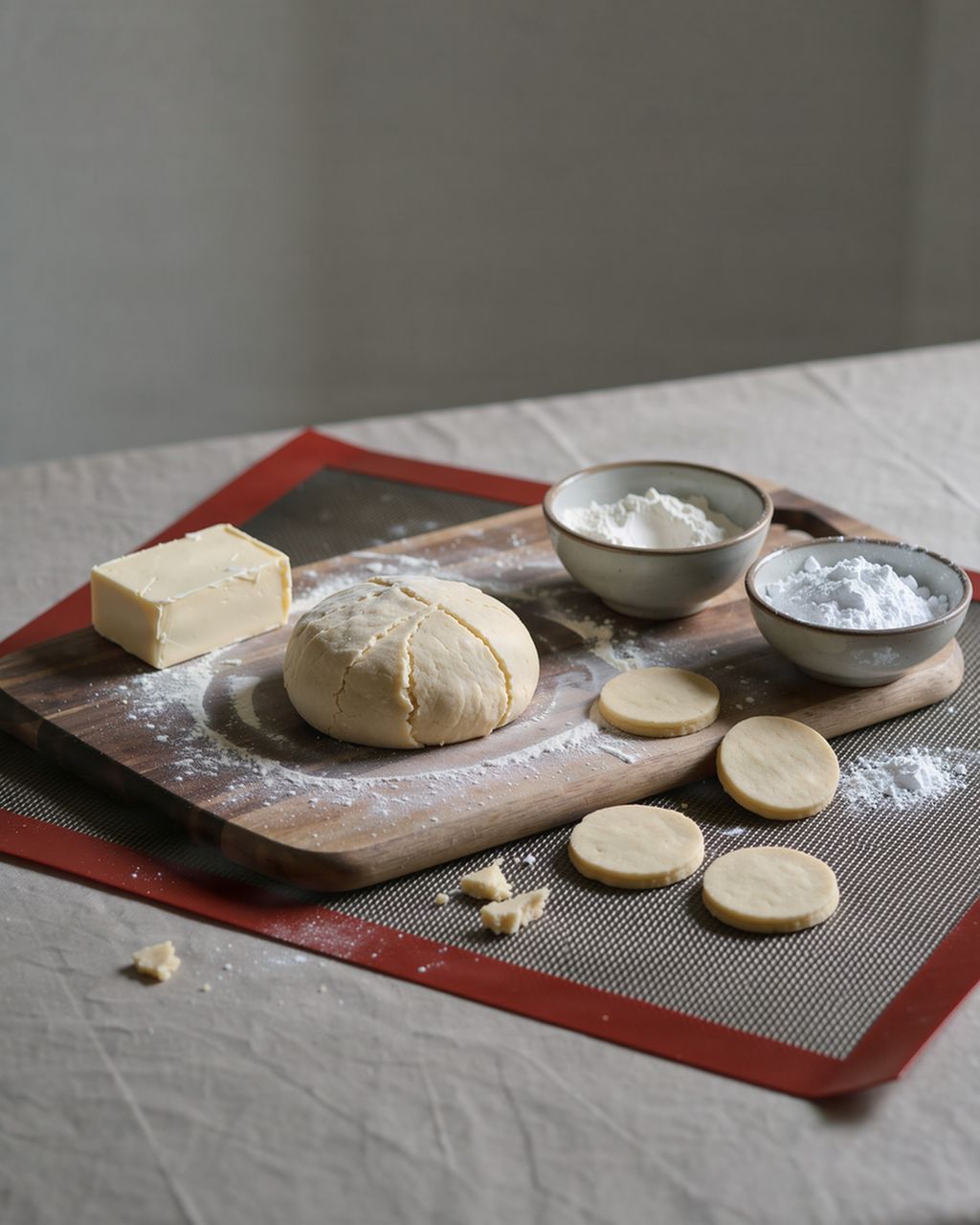
In cut-out nut cookies, ground nuts should replace no more than a third of the flour. For a basic 3:2:1 Linzer dough, that means 200 g all-purpose flour and 100 g ground nuts to 200 g butter and 100 g powdered sugar, plus one egg yolk.
It does depend on which nuts you use. According to nutrition tables, almonds contain roughly 50% fat, hazelnuts about 60% and walnuts about 65%:
Almonds can handle a full third (100 g out of 300 g total flour and nuts) and are the most cooperative to cut.
Hazelnuts and walnuts are fattier. Stick to about a quarter (75 g nuts and 225 g flour), or keep the third and cut 10–20 g from the butter.
Pistachios behave much like almonds, but give the dough a greenish tint.
If you add more nuts, it's no longer a cut-out dough but a mixture you shape by hand, like vanilla crescents. Why the 3:2:1 ratio works and how to adjust it is covered in Linzer dough 3:2:1; an overview of all the basic doughs is in cookie dough.
Grind the nuts for cut-out dough dry and fine, ideally to a fine meal where you can't make out any pieces. Coarser bits create spots in a thin sheet where the dough will tear when you cut it.
Toast them. 8–10 minutes at 160 °C (320 °F), then let them cool completely. The flavor will be noticeably deeper, and cooled nuts grind without turning oily.
Grind in short pulses, not one long run of the blender. The blades warm the nuts, and after a while oil starts to seep out.
Add a spoonful of sugar or flour from the recipe. The dry ingredient soaks up the oil and keeps the meal loose.
Sift out the coarse pieces or rub them through a coarser sieve and grind them again.
For how to toast, skin and store nuts so they don't go rancid, see nuts for baking: toasting, peeling and grinding.
Chill nut dough for at least an hour, ideally overnight, and before rolling let it sit for 15–20 minutes, whole and wrapped, to come up in temperature. The fat from the nuts and the butter needs to firm up, otherwise the sheet tears and sticks.
Before chilling, flatten the dough into a disc about 2 cm thick. It chills evenly and you won't have to break it up with a rolling pin.
Divide a larger batch into two or three pieces. Work with one while the others wait in the fridge.
You'll know the temperature is right when the dough gives when pressed with a finger but doesn't crack at the edges. If it cracks, it's still too cold; if it sticks to your finger, put it back in the fridge for 10 minutes.
Butter is only workable within a narrow temperature range, roughly 15–20 °C (59–68 °F), as explained in why Linzer dough crumbles. With nut dough this is even more true.
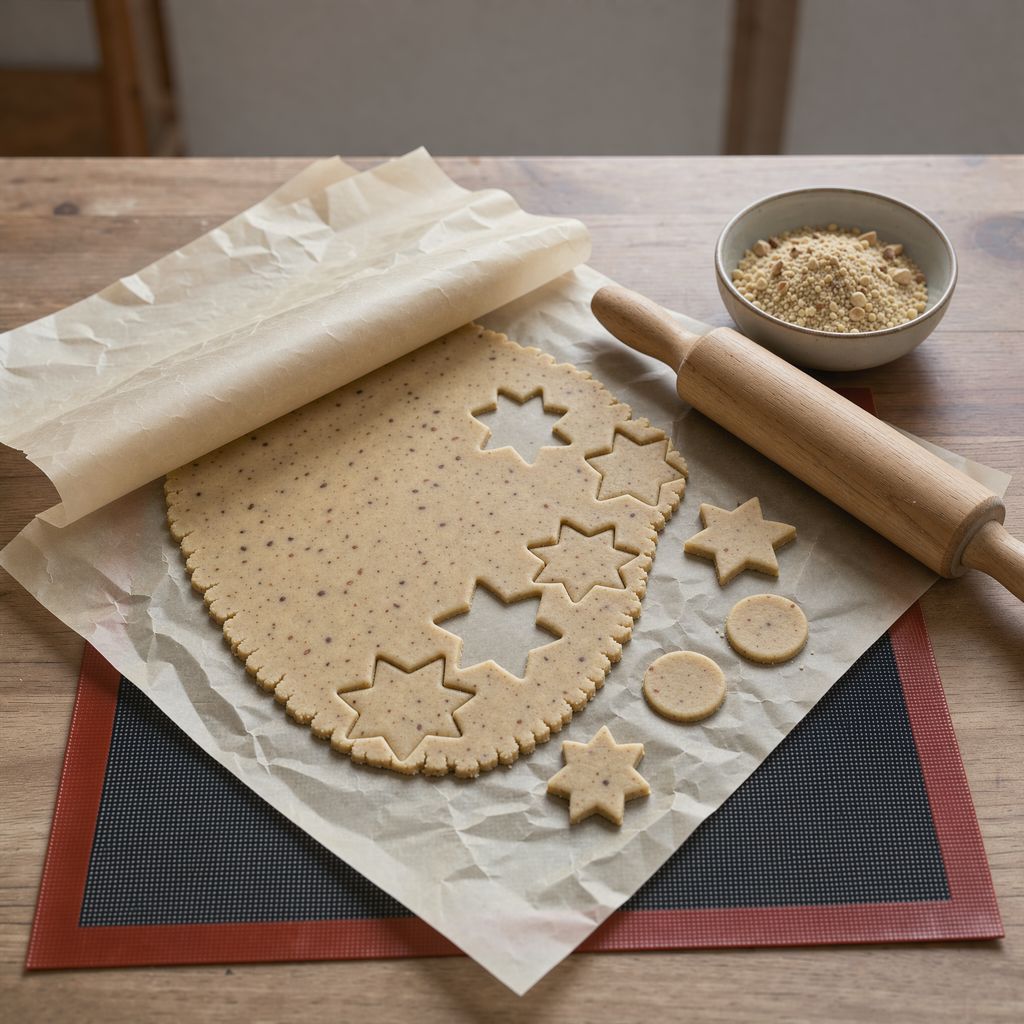
Roll nut dough out between two sheets of parchment to 3 mm, chill the rolled sheet, and cut the shapes while it's cold. Step by step:
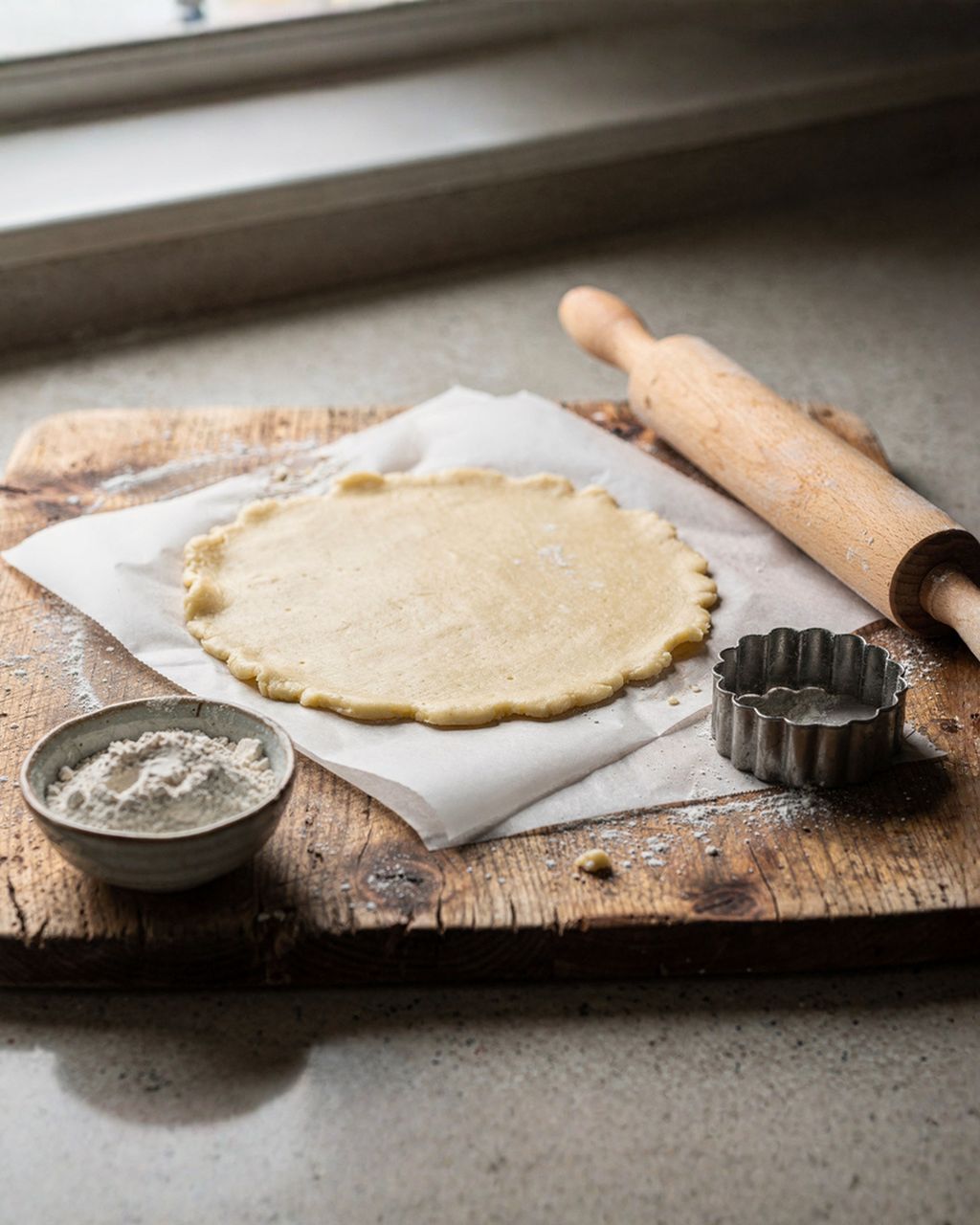
Place the dough between two sheets of parchment paper or plastic wrap. You need no dusting flour, so the ratio of ingredients stays exact.
Roll from the center outward and turn the sheet a quarter turn every few passes. The thickness will be even and the edges won't tear.
Press any cracks at the edge together with your fingers right away, while the dough is still pliable.
Slide the sheet, paper and all, onto a cutting board or baking tray and chill it for 10–15 minutes.
Peel off the top paper, dip the cutter in flour and cut straight on the bottom paper.
Don't lift the cut shapes; remove the scraps of dough around them instead. Then move the shapes to a baking tray with a thin spatula, or paper and all.
Gather the scraps, chill briefly and roll again. Don't do this more than twice, because the dough dries out and toughens a little each time.
3 mm is the same thickness as for classic Linzer dough: a thinner sheet of nut dough breaks when you move it, and a thicker one bakes through less well. More tricks for sharp shapes are in how to cut out cookies.
How you rescue crumbly nut dough depends on why it crumbles: let cold dough soften, bring dry dough together with a spoonful of cold liquid, and chill greasy dough.
It breaks at the edges and is hard – it's too cold. Let it sit for 10–15 minutes and try again. Don't add anything.
It falls into crumbs even when soft – it lacks binder or has too much flour or too many nuts. Add 1 tablespoon of cold water or a yolk for every 300 g of flour and nuts, and knead briefly, just until it comes together.
It's shiny, smeary and tearing – it's warm and the fat is melting. Wrap it and put it in the fridge for 20 minutes.
Don't knead the dough for long. The longer it's in your hands, the more fat is released from the nuts and the more it crumbles.
Bake cut-out nut cookies 3 mm thick at about 165–170 °C (330–340 °F) with top and bottom heat (150–160 °C / 300–320 °F with fan) for 7–10 minutes, until the edges just start to turn light golden. Nuts contain fat and sugars that brown faster than flour, so keep the temperature toward the lower end of what you'd use for Linzer cookies.
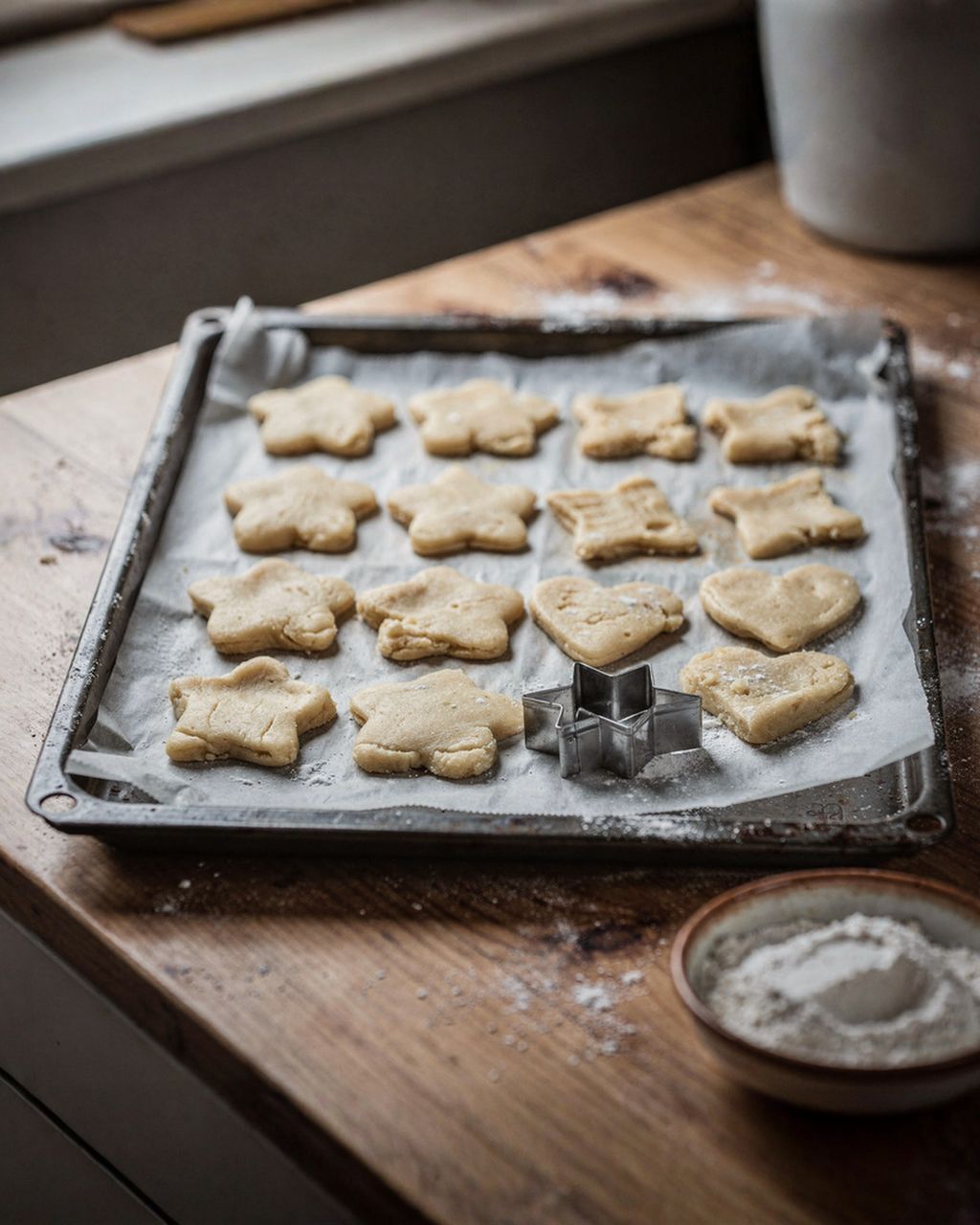
Put the cut shapes in the fridge for 10–15 minutes before baking. They hold sharp edges.
Bake shapes of the same size on one tray; small stars are done 1–2 minutes sooner than large rounds.
Let the baked cookies firm up on the tray for 5 minutes. Warm nut cookies are very fragile and break when moved.
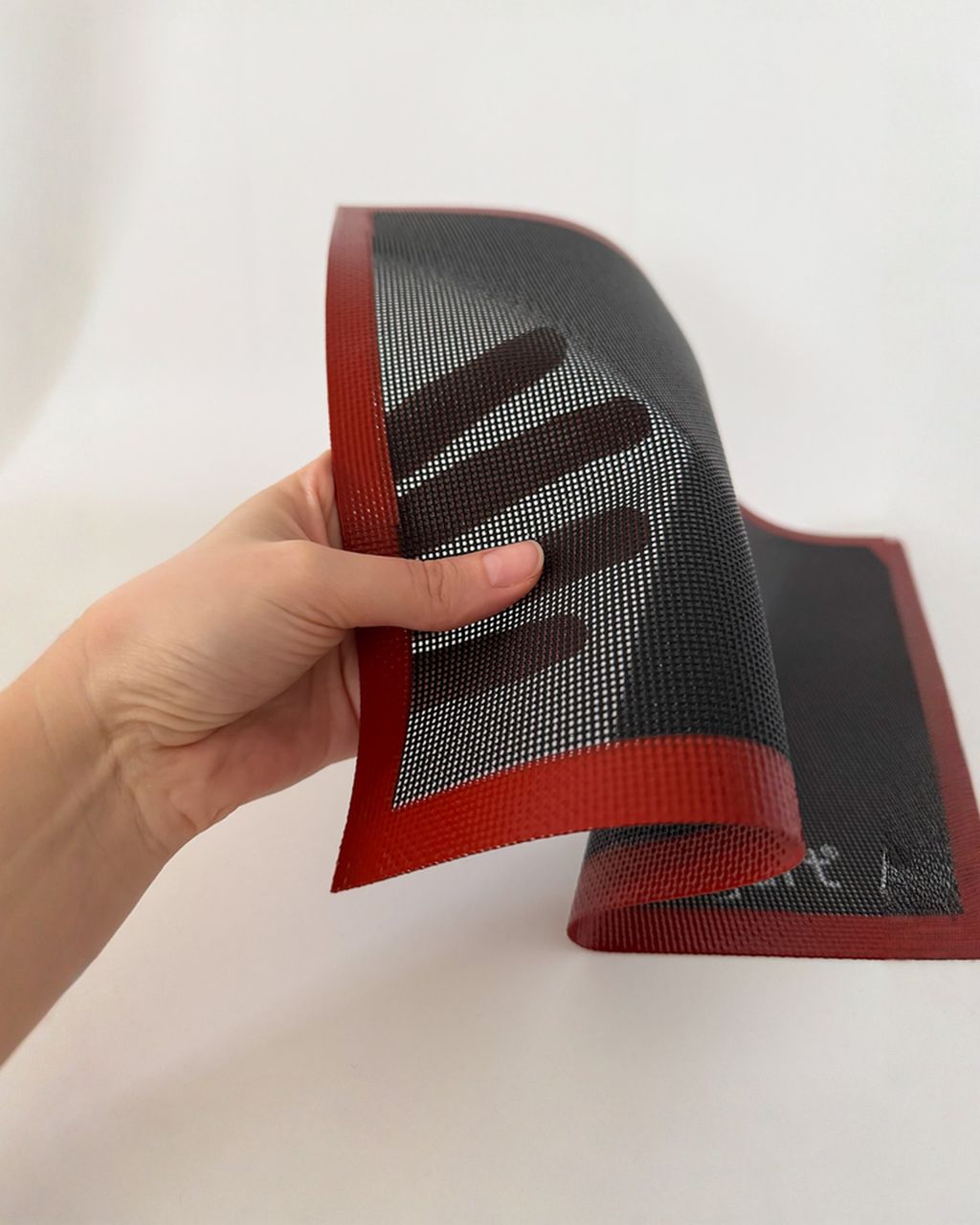
On a perforated silicone baking mat, heat reaches the bottom more evenly and the base doesn't bake faster than the edges. Baking times for other kinds are in what temperature to bake cookies.
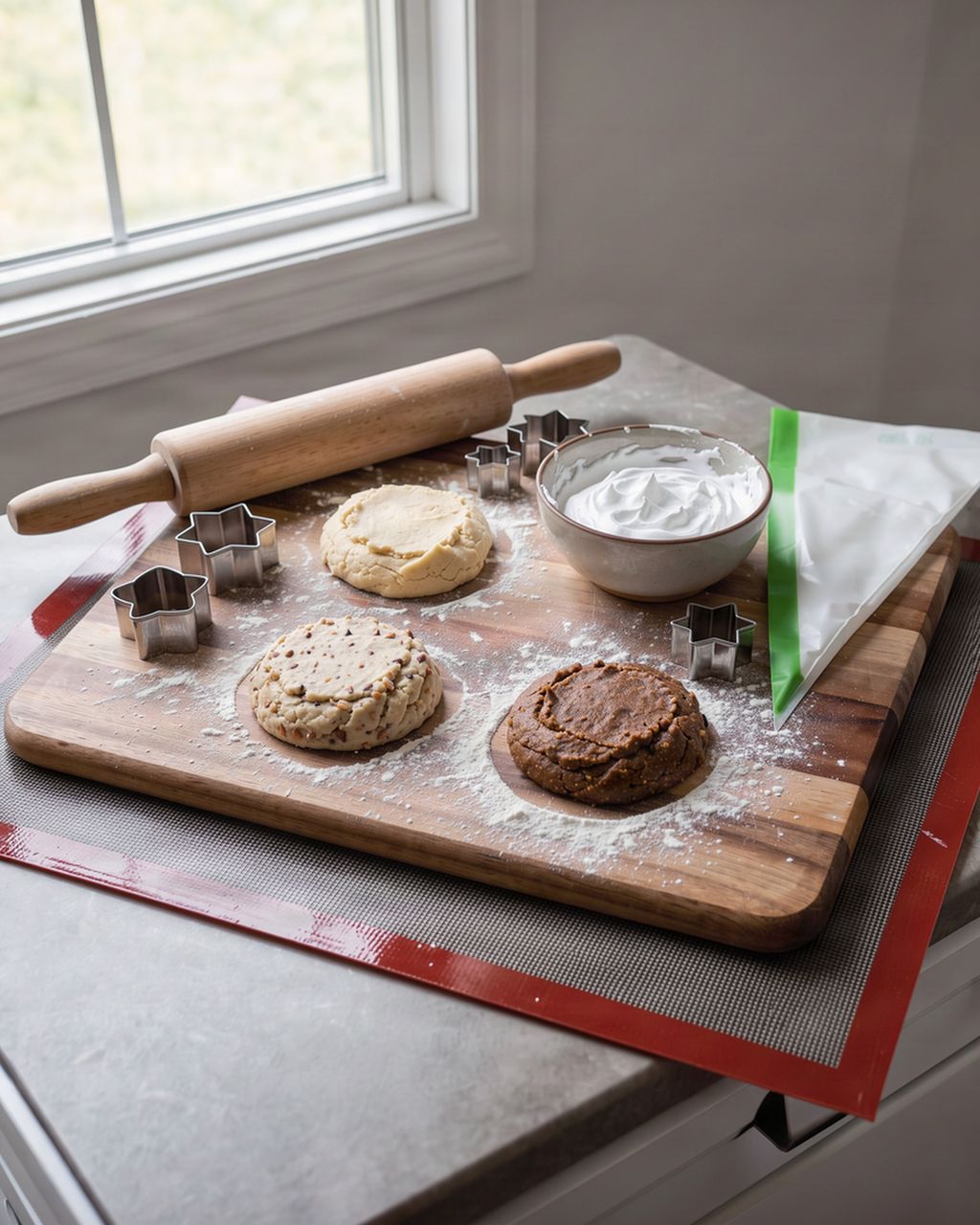
Cut-out nut dough is most often used for sandwich cookies with jam, rounds and stars dipped in chocolate, and simple shapes dusted with sugar. They all rely on the same dough and differ only in what you do with them after baking. Two tried-and-tested recipes:
Hazelnut linzer cookies with blackcurrant jam
Nut Linzer cookies with red currant jam: cut-out nut cookies

Unconventional linzer cookies with pistachios
Linzer cookies with pistachios
Sandwich and dip nut cookies only once they've cooled completely, ideally the next day. Warm cookies break when you sandwich them, and chocolate won't set on them.
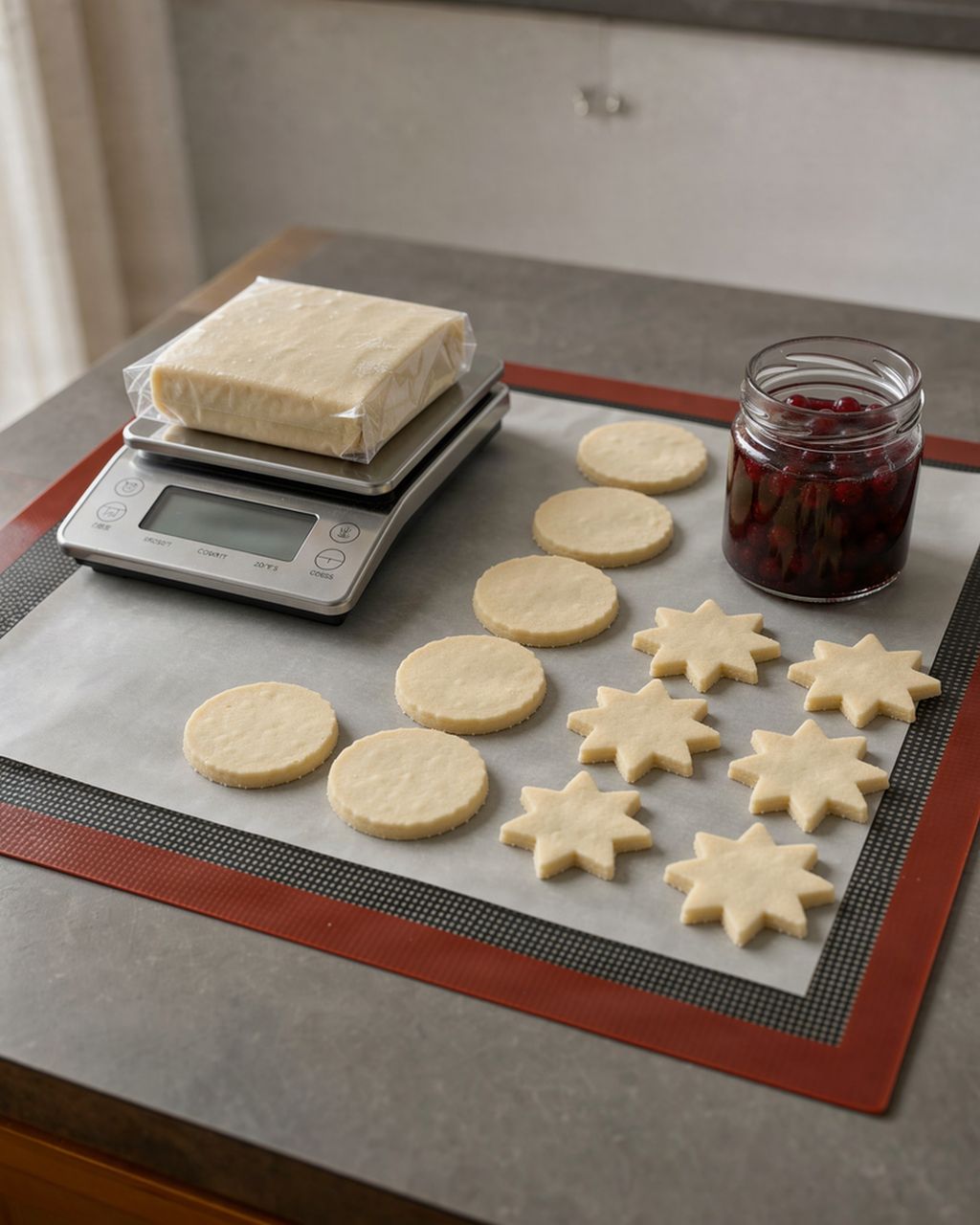
Sandwiching: warm the jam and press it through a sieve before spreading so it's smooth. Spread a thin layer; more jam only makes the cookies soggy.
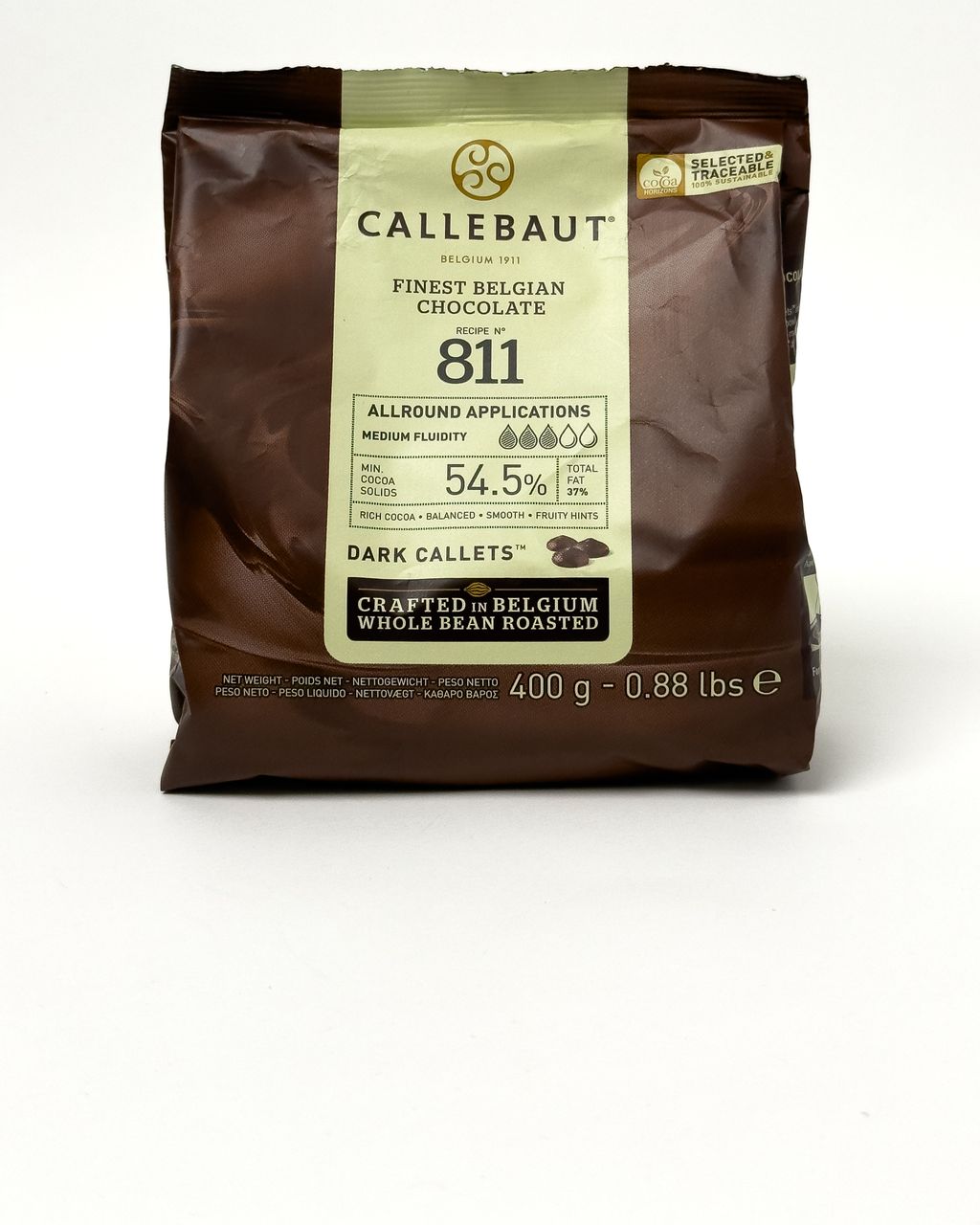
Dipping: dip nut rounds or stars halfway into melted dark chocolate and let them set on parchment paper. Dark chocolate doesn't overpower the flavor of the nuts and balances the sweetness. We use Callebaut (811) dark chocolate callets, which melt easily.
For chocolate to keep its shine and not smear on your fingers, it needs to be tempered; how to do that without special equipment is in dipping cookies in chocolate. More ideas and recipes are among the Christmas cookies.
Nut dough is Linzer dough with one added complication, and most problems with it share the same roots: butter temperature, the amount of flour, and kneading. If you want to understand what happens in the dough from mixing to the baking tray, you'll find it in the e-book Linzer Cookies – The Complete Guide to the Dough. Eighteen chapters on why dough crumbles, why cookies don't soften, and how to get it right every time.
You can, but expect the dough to behave differently. Almond flour is usually made from defatted almonds, so it has less fat and absorbs more moisture; the dough is drier and may need an extra spoonful of liquid. Ground almonds are fattier and make a more tender dough. The difference is explained in detail in our article on almond flour.
Dough made with ground almonds is the easiest to cut, because almonds have less fat than hazelnuts or walnuts. Hazelnuts and walnuts give a stronger flavor, but they are fattier, so use less (about a quarter of the flour) or cut back a little on the butter. Toast the nuts before grinding for a fuller flavor.
Yes, you can freeze nut dough just like Linzer dough. Wrap it in flat sheets in plastic wrap; it keeps in the freezer for about 2–3 months. Thaw it overnight in the fridge. Before rolling, let it sit for 15–20 minutes to come up in temperature, just as you would with dough that has only been chilled.
Most often it's because the nuts are rancid or over-roasted. Nuts contain a lot of fat that turns rancid over time, and baking won't fix a rancid taste. Taste one nut before grinding: it should taste sweet, not bitter or sharp. Keep an eye on them while toasting, because dark brown nuts turn bitter.
It doesn't, but the yolk binds the dough and makes it easier to cut. Without egg, replace it with 1–2 tablespoons of cold water or cream for every 300 g of flour and nuts. The dough will then be slightly more fragile, so chill it longer and roll it a little thicker, to 3–4 mm.
One recipe worth heating the oven for, one tip, and one deal from the shop. Nothing else.