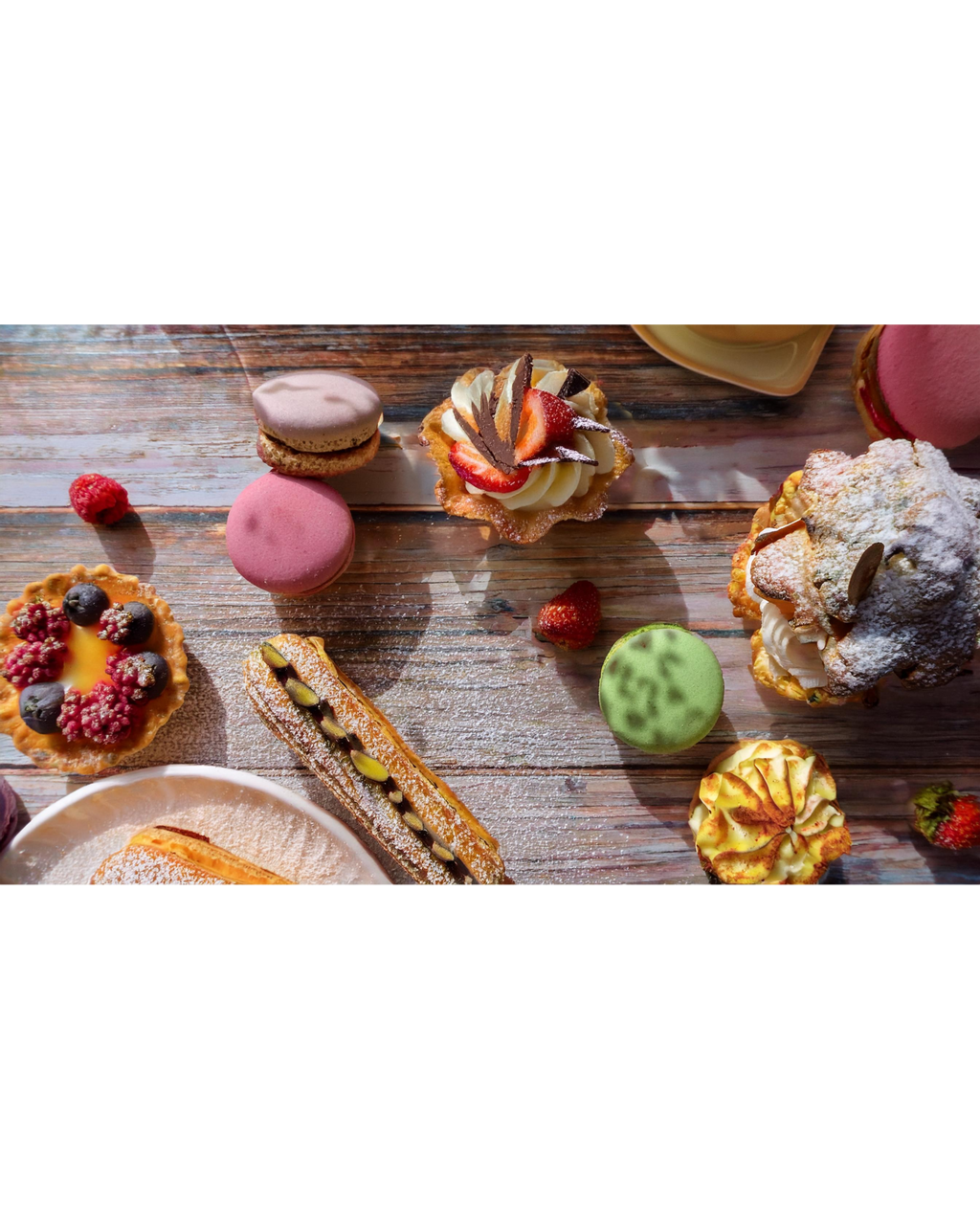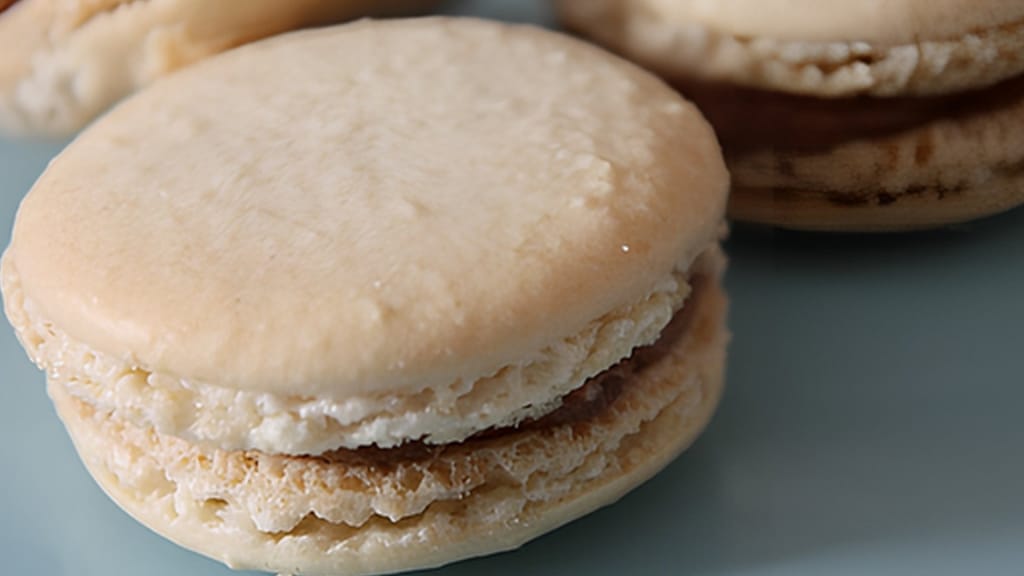
Macarons (italian meringue method)
Opera Cake: The French Almond, Coffee and Chocolate Masterpiece
Updated Jul 19, 2026
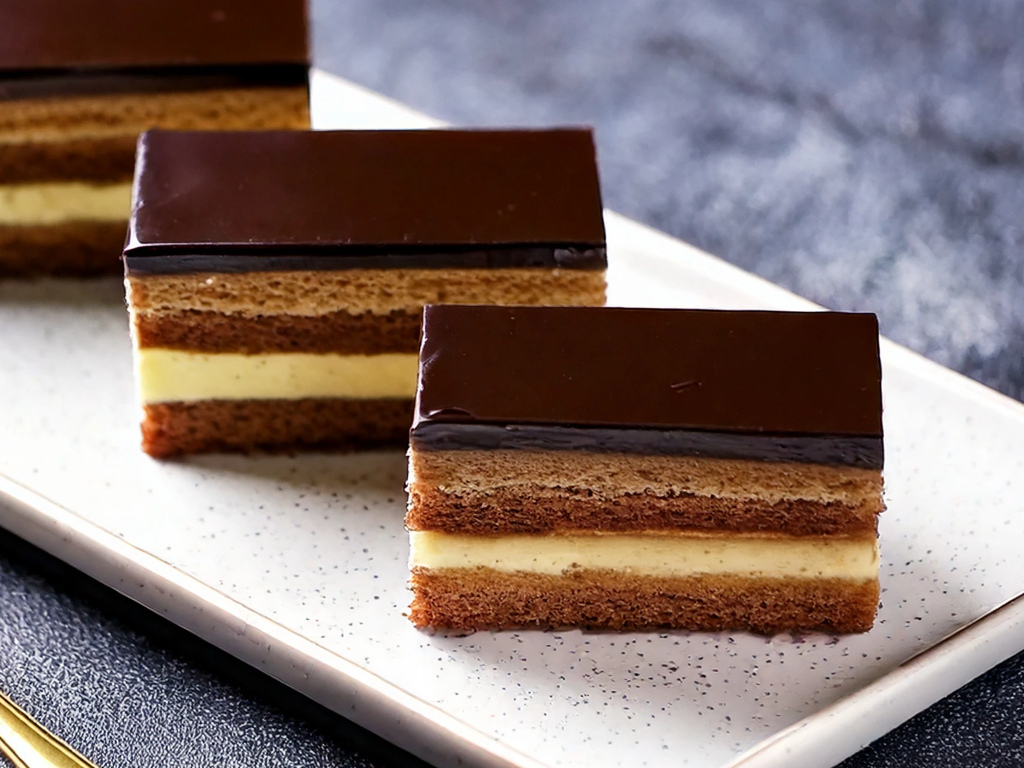
Opera cake is a French layered gâteau made from thin almond Joconde sponge, coffee buttercream and chocolate ganache – six delicate layers that reveal the whole flavour of the cake in a single bite. It was created in Paris in 1955 and remains one of the most elegant desserts in the world of pastry. Here you'll find out what opera cake is made of, where it comes from, how to layer it properly at home, and where to try the best version in Paris.
Opera cake was created in 1955 by Cyriaque Gavillon, head pastry chef at the famous Parisian patisserie Dalloyau. He wanted a cake with visible layers, where a single bite would reveal its entire flavour – and his wife Andrée is said to have remarked that its shape reminded her of the Paris Opéra Garnier. Hence the name.
The legendary pastry chef Gaston Lenôtre also helped make opera cake famous, spreading it through his network of patisseries – and even claimed to have invented it himself (citing the year 1960). Even so, Dalloyau is most widely regarded as opera cake's true birthplace.
Opera cake was born at a time when Parisian cafés were the heart of social life, and it quickly became a symbol of French pastry elegance. Today you'll find it in patisserie windows all over the world.
Recipe of the week, one tip that saves you time and one deal from the shop. Unsubscribe in one click.
The next issue goes out on Thursday, November 26.
A classic opera cake has six thin layers, and every bite lets you taste them all at once. It's made up of:
almond Joconde sponge – three thin sheets soaked in coffee syrup,
coffee syrup – moistens the sponge and carries coffee flavour through the whole cake,
coffee buttercream – two layers of silky crème au beurre,
chocolate ganache – a dense chocolate layer between the tiers,
chocolate glaze – a thin, glossy finish on top.
Each layer has its own job – and it's only together that they create opera cake's signature contrast of sponge, coffee and bitter chocolate.
Joconde is a thin, tender sponge made with almond flour. The almonds give it a nutty flavour and the moisture that keeps it from drying out, while also giving it enough structure to support the other layers. It bakes hot and fast – around 220°C (425°F) for just 7–9 minutes. Bake it any longer and it dries out, then cracks when you try to layer it.
Coffee syrup moistens the sponge and carries a strong coffee flavour through the entire cake. Brush it on evenly, layer by layer: be generous, but don't overdo it, since a soggy Joconde will fall apart. It's classically made from strong espresso and sugar.
Coffee buttercream – French crème au beurre – gives opera cake its silky richness. To keep it from splitting, the butter and the egg base need to be at the same room temperature, and the butter should be added gradually. If you prefer chocolate, you can swap the coffee in the buttercream for melted chocolate.
Ganache is simply chocolate stirred into hot cream. For a firmer layer inside the cake, a 2:1 ratio in favour of chocolate works well, so the ganache holds its shape once it cools. On top, a thin, glossy chocolate glaze seals the cake and delivers the first hit of bittersweet chocolate. We go into how to nail ganache every time in our separate article on chocolate ganache.
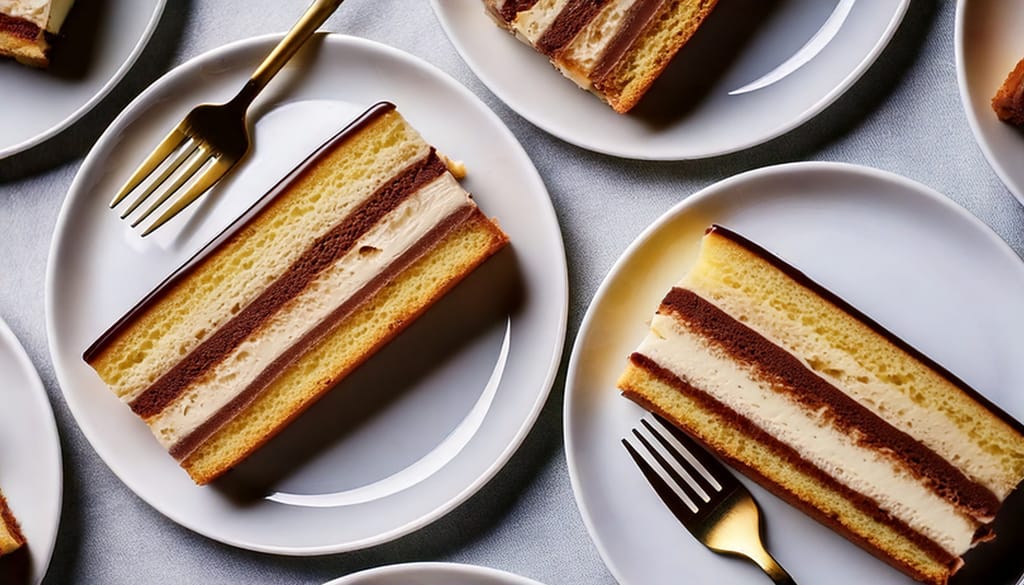
The most reliable trick for a stable opera cake is a thin layer of melted chocolate on the bottom sheet of sponge: let it set, and it acts as a seal so neither the syrup nor the buttercream turns the base soggy. Then build up from the bottom: sponge, syrup, buttercream, sponge, syrup, ganache, sponge, glaze – making sure every layer is level and the same thickness throughout. It's that evenness of the layers that makes an opera cake an opera cake.
The most common things that go wrong:
Overbaked Joconde – the thin sponge dries out fast; bake it hot and quick, and pull it out as soon as the edges turn golden.
Split buttercream – usually caused by mismatched ingredient temperatures; bring both the butter and the base to the same room temperature and add the butter gradually, bit by bit.
Runny ganache – usually down to the wrong ratio or cream that was too hot; stick to 2:1 and let the ganache firm up slightly before spreading it.
An undersct cake – opera cake needs a few hours in the fridge for the layers to set together and slice cleanly.
To make opera cake at home, prepare each component separately and only assemble them once everything has cooled. It's an afternoon project, not a fifteen-minute job – but broken down into sponge, syrup, buttercream, ganache and glaze, you can tackle it step by step. We're working on our own tried-and-tested Yumsto opera cake recipe; until it's ready, stick to the ratios and method above. And if you fancy starting with something a bit simpler but still elegantly French, check out our macarons or strawberry fraisier below.
You'll traditionally find the best opera cake in Paris at three addresses, plus a modern take at a fourth:
Dalloyau – the birthplace of opera cake, a classic version made to the original recipe.
Ladurée – an icon mainly for its macarons, but its opera cake is well worth trying too.
Angelina – opera cake with a delicate hint of vanilla in the buttercream.
Pierre Hermé – the "Picasso of pastry," with a precise, playful take on the classic.
If you ever find yourself in Paris, make time to try at least one of them.
Macarons (italian meringue method)
Macarons – our award-winning recipe for the other icon of Parisian patisserie windows
The classic recipe endures, but pastry chefs love to reinvent opera cake. The most common variations include:
matcha instead of coffee, for a more delicate, grassy bitterness,
fruity notes like passion fruit, lychee or raspberry, which cut through the sweetness,
new presentations – ranging from minimalism inspired by Japanese aesthetics to elaborate, artistic creations designed for Instagram.
But the foundation – thin layers and the contrast of sponge, cream and chocolate – always stays the same.
If opera cake has won you over, French pastry has plenty more to offer – from layered gâteaux to simpler treats you can make at home.
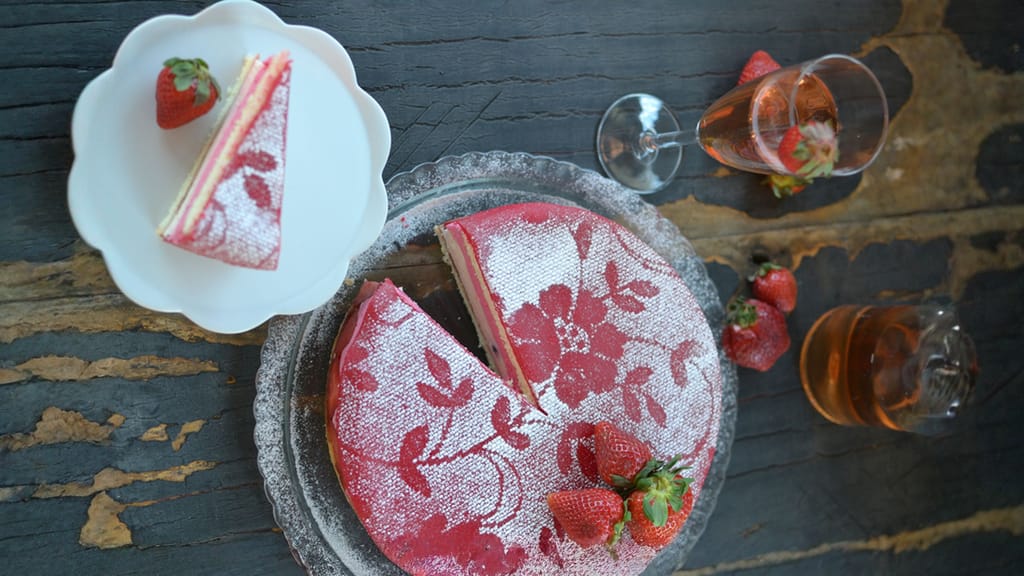
Strawberry fraisier cake
Strawberry fraisier cake – another layered French classic
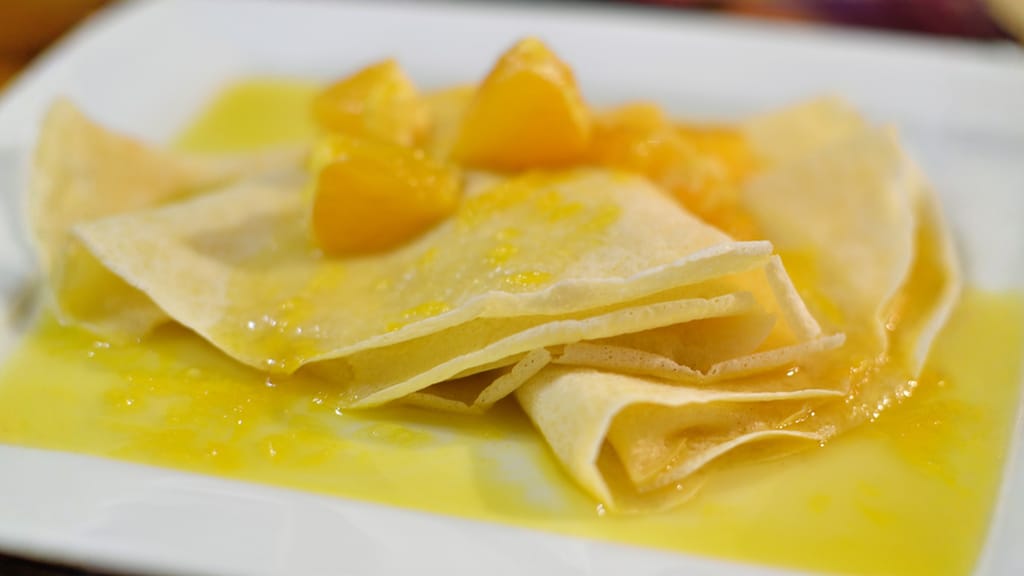
Crêpes suzette with orange sauce
Crêpes Suzette – flambéed French pancakes with orange
Opera cake keeps in the fridge for 3–4 days, ideally in a sealed container so it doesn't pick up other smells. Serve it slightly below room temperature though – straight from the fridge, the buttercream turns hard and the flavours are muted. You can also freeze it for up to a month; let it thaw slowly in the fridge before serving.
Yes. You can swap out the coffee in both the syrup and the buttercream – chocolate, matcha and vanilla are the most common substitutes. Just make sure the syrup and cream match in flavour so everything works together. It'll be a different-tasting cake, but the layering technique stays exactly the same.
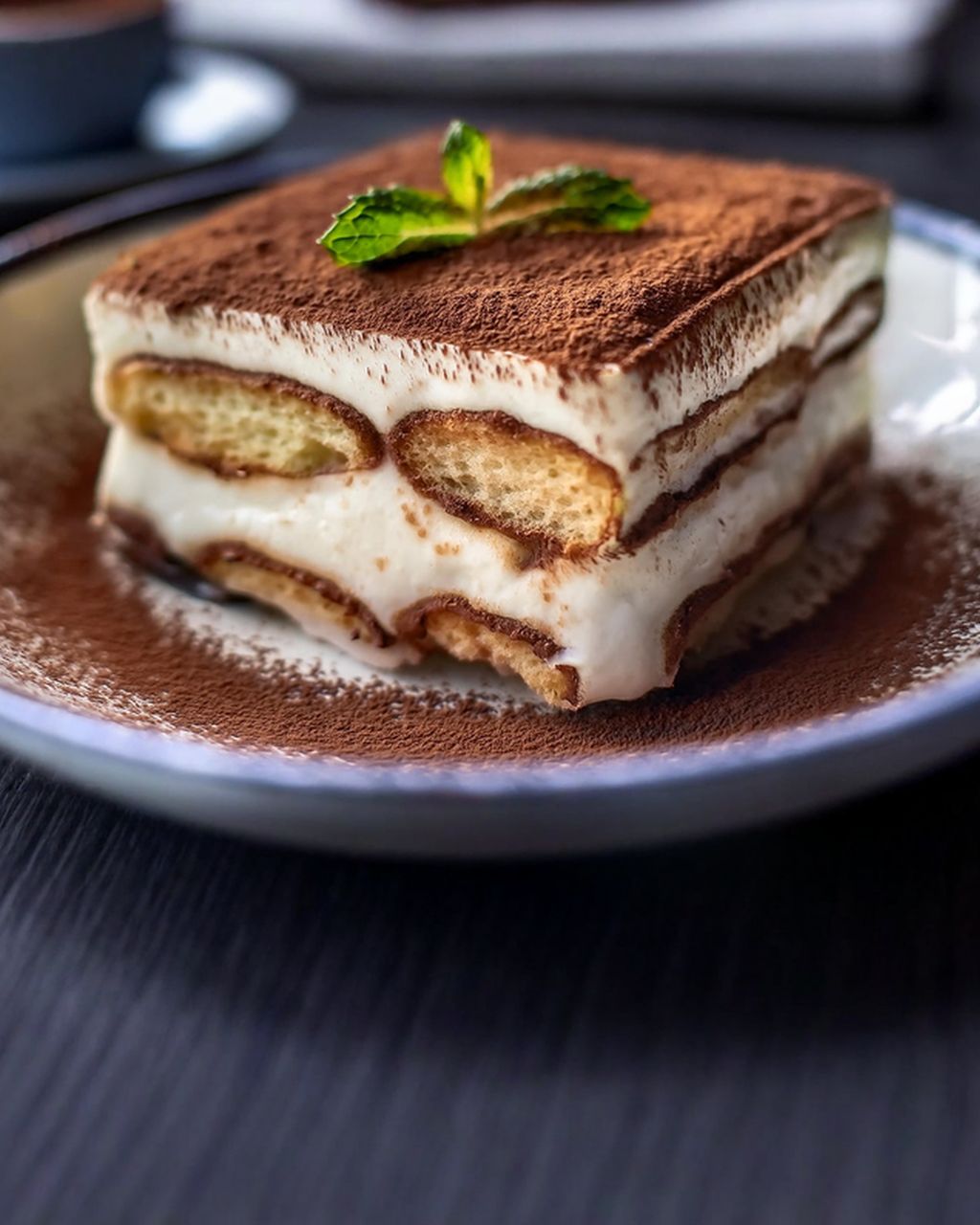
Both are coffee-flavoured desserts, but otherwise they have almost nothing in common. Opera cake is a baked, layered gâteau made from almond sponge, buttercream and chocolate, sliced like a cake. Tiramisu isn't baked at all – it's a mascarpone cream with coffee-soaked sponge fingers, served with a spoon.
Opera cake is rich and intense, but not overly sweet – the strong coffee and bitter chocolate balance out the sweetness of the buttercream. That's exactly why it's served in small slices and pairs best with a strong black coffee.
Almond flour is essential to Joconde sponge – it gives the sponge its flavour and the moistness that keeps it from drying out. In a pinch you can use ground hazelnuts instead, though the flavour will shift towards nutty. Don't substitute plain flour: the sponge will end up drier and less pliable.
One recipe worth heating the oven for, one tip, and one deal from the shop. Nothing else.