Chicken with lemon and oregano
Lemon Juice: Health Benefits, Kitchen Uses, and Skincare Risks

Updated Jul 18, 2026
Lemon juice is the easiest way to add tang, freshness, and a solid dose of vitamin C to your food – 100 ml of freshly squeezed juice covers about half your daily needs. In this article, you'll find out what it really does for your health (and what's just a myth), how to use it in marinades, dressings, sauces, and desserts, what to swap in when you run out of lemons, and why you should never put it on your skin before heading out into the sun.
Lemon juice is above all a great source of vitamin C: 100 ml of fresh juice contains roughly 38–53 mg of vitamin C (about half the daily recommended amount), around 22 kcal, and 5–6% citric acid. The rest of its health benefits really depend on what you pair it with – and some popular claims (detox, fat burning) simply aren't backed by science. Let's separate fact from marketing.
The vitamin C in lemons is an antioxidant your body needs for normal immune function and collagen production. It's sensitive to heat and air, though – so squeeze your juice fresh and add it to hot dishes only at the end of cooking, so you don't lose it needlessly. A glass of lemon water won't magically "boost" your immunity, but it's a simple way to top up your daily vitamin C intake.
Citric acid and vitamin C improve iron absorption from plant-based foods, so a squeeze of lemon over lentils or spinach genuinely makes a difference. Studies also show that citrate from lemons increases the amount of citrate in urine, which helps prevent calcium-oxalate kidney stones from forming – the US National Kidney Foundation suggests around 120 ml of lemon juice a day (ideally diluted) as a rough guideline. It's not a cure, but it's a sensible addition to your fluid intake.
Lemon juice on its own doesn't burn fat or detoxify your body. Your liver and kidneys handle the "cleanup," and controlled studies have found no difference in metabolism or appetite between plain water and lemon water. A warm glass of lemon water in the morning is a nice ritual and a good source of fluids, but its real benefit lies in hydration and, potentially, in replacing a sugary drink – not in "burning fat." Weight loss comes down to overall calorie balance, not one citrus fruit.
Lemon juice earns its place in the kitchen in five key ways: marinades for meat and fish, salad dressings, finishing touches for sauces and soups, balancing sweet desserts, and refreshing drinks. Why does it work so well? Acid brightens up rich and sweet dishes alike, breaks down the surface of proteins (tenderizing meat, "cooking" fish in ceviche), and stops cut fruit and vegetables from browning. One rule worth remembering: with hot dishes, add the acidity near the end – long cooking kills off that fresh lemon aroma.
The acid in lemon breaks down the surface of meat, helping it soak up flavor. A reliable base ratio is 2 parts olive oil to 1 part lemon juice, plus garlic, salt, and thyme or oregano. Watch your timing: marinate chicken for 30–60 minutes and fish for just 15–20 minutes – leave it too long in an acidic bath and the proteins turn mushy, giving the meat a glassy texture.
Chicken with lemon and oregano
Chicken with Lemon and Oregano – Lemon Marinade in Action

The simplest dressing comes together with a ratio of 3 parts olive oil to 1 part lemon juice, a pinch of salt and pepper, and a teaspoon of mustard to bring the oil and acid together. Lemon also brightens up leafy salads and roasted vegetables, and keeps sliced avocado or apples from browning. Add it just before serving so the leaves stay crisp.

Roasted vegetable salad with feta
Roasted Vegetable Salad with Feta – Showcasing a Lemon Dressing
A few drops of lemon added at the end lightens up creamy or buttery sauces and gives them a fresher edge. The classic combo is lemon and butter with white fish or pasta; the acidity cuts through the richness and instantly brings the dish to life. Stir the juice in off the heat so the sauce doesn't curdle. For a quick weeknight option, try quick pasta with courgette and lemon.
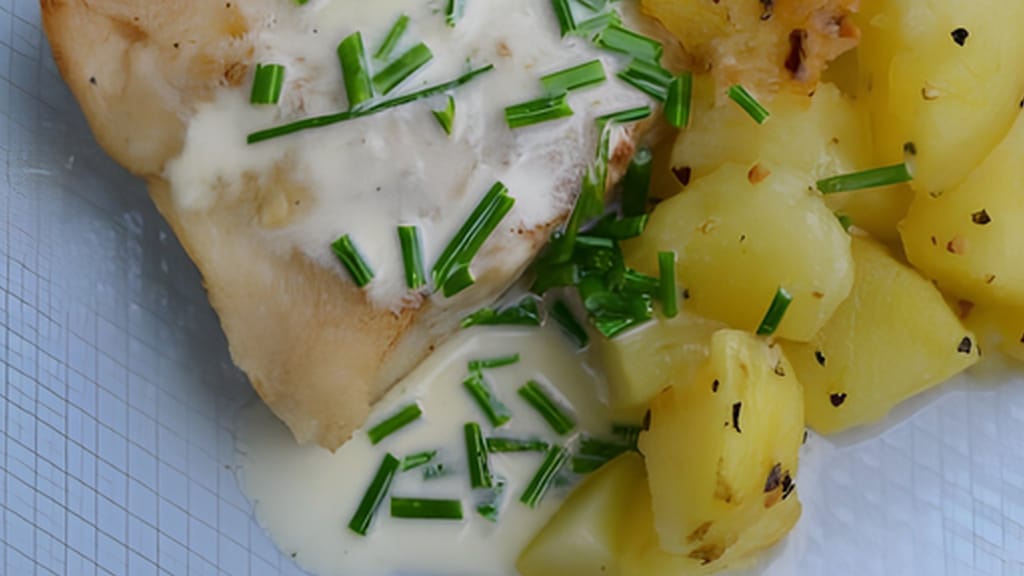
Cod with a delicate lemon-chive sauce
Cod with a Light Lemon and Chive Sauce
Lemon's tartness in sweet dishes isn't a contradiction – it actually balances out the sugar and gives desserts a lighter feel. You see this best in lemon curd or sponge cake, where lemon ties the whole flavor together. The flagship example is the classic French lemon tart.
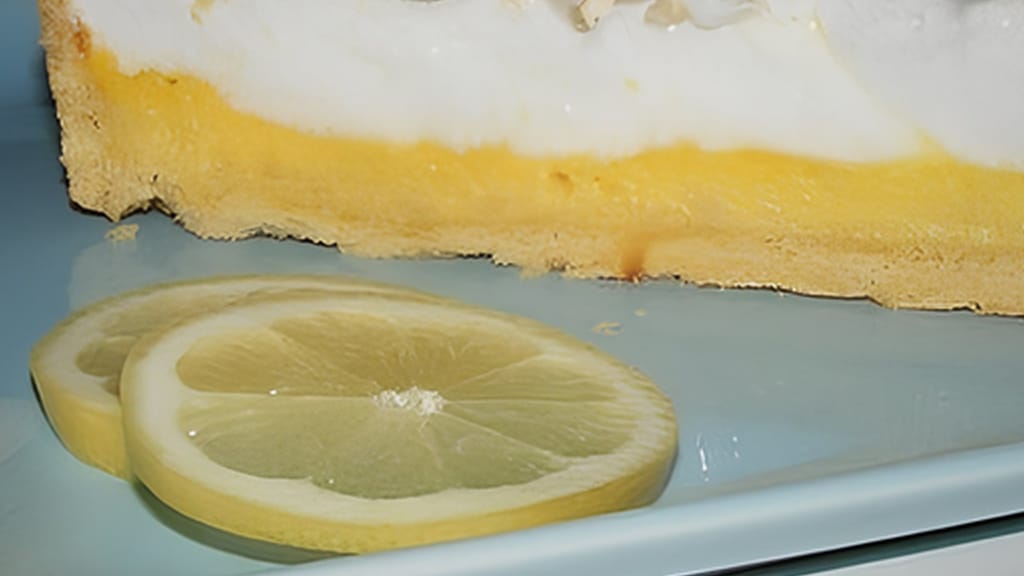
Tarte au citron – french lemon tart
Tarte au Citron – French Lemon Tart
Homemade lemonade is the best way to enjoy lemon juice in its purest form – and a great substitute for sugary sodas. All you need is fresh juice, water, a touch of sweetener to taste, and ice.

Homemade lemonade syrup and other fruit syrups
Homemade Lemonade and Other Syrups
If you run out of lemons, you can still bring acidity to a dish another way – just keep in mind each substitute has its own distinct flavor:
Lime juice – swap 1:1, the flavor is just a touch more intense; great in Asian dishes and cocktails.
White wine vinegar – sharper and more concentrated, start with half the amount and adjust to taste; works well with fish and seafood.
Apple cider vinegar – milder, excellent in dressings and baking.
Citric acid powder – pure acidity with no aroma; roughly ¼ teaspoon dissolved in 2 tablespoons of water matches the juice of half a lemon.
Balsamic vinegar – sweet-and-sour and dark in color, not a 1:1 swap; better suited to hot dishes and glazes.
If you want vitamin C for your skin, get it from your diet or trusted skincare products – not straight from a kitchen lemon. Lemon juice has a low, unstable pH, irritates skin, and combined with sun exposure, it can cause real harm.
Freshly squeezed juice is always best – bottled versions are typically pasteurized, and the heat from pasteurization destroys some of the vitamin C. If you do go for a bottled option, keep these points in mind:
Ingredients: ideally 100% lemon juice with no added sugar or preservatives.
Organic: look for certification (like EU Organic), which ensures the lemons were grown without synthetic pesticides.
Storage: keep fresh juice in the fridge and use it within 2–3 days, or freeze it in ice cube trays for a few months.
Don't toss the peel: it's packed with aromatic oils and works beautifully in batters and marinades – find out more in our article on the magic of lemon zest in cooking.

A medium lemon yields roughly 30–45 ml of juice, or about 2–3 tablespoons. You'll get more juice if you roll the lemon firmly on the counter with your palm or warm it briefly beforehand – this softens it and helps release more liquid.
For hot dishes, it's best to add lemon juice right at the end, off the boil. Long cooking dulls both the fresh citrus aroma and the vitamin C content, and in cream-based sauces the acidity can cause curdling. The exception is marinades and baking, where the acid is meant to work from the very start.
The acidity in lemon can wear down enamel over time, especially if you're sipping lemon drinks throughout the day. It's best to drink lemon water through a straw, rinse your mouth with plain water afterward, and hold off brushing your teeth for about half an hour.
Be careful with canning and pickling – safety depends on precise pH levels, and the acidity of fresh juice varies. Stick to a tested recipe with a specified amount of acid, and don't swap in unmeasured homemade lemon juice for vinegar in long-shelf-life preserving.
If you have a sensitive stomach or reflux, the acidity can make things worse. Try diluting it well with water, avoid drinking a lot on an empty stomach, and pay attention to how your body reacts; if problems persist, talk to your doctor.
One recipe worth heating the oven for, one tip, and one deal from the shop. Nothing else.