Pappardelle with asparagus

Updated Jul 19, 2026
Store asparagus like a bouquet of flowers: trim the ends, stand the bunch in a glass with 2–3 cm of cold water, loosely cover with a bag, and pop it in the fridge – this keeps it crisp and sweet for up to 10 days. Asparagus breathes faster than almost any other vegetable, and once cut, it keeps burning through its own sugars, turning tough and losing its sweetness. Cold slows down that breathing, and moisture stops the cut end from drying out. Below you'll find the exact method for both green and white asparagus, a step-by-step freezing guide, and tips for spotting a truly fresh bunch at the shop.
Asparagus stays fresh the longest in a glass of water in the fridge – trim the ends, stand the bunch in 2–3 cm of cold water, cover loosely with a bag, and refrigerate. This keeps it crisp and sweet for 7–10 days. In short, you have three options:
Glass of water (best method): trimmed ends in water, a bag over the top, in the fridge – 7–10 days.
Damp tea towel: wrap the stalks in a damp towel, place in a bag, and store in the veg drawer – 3–5 days.
Freezing: blanch, flash-freeze on a tray, then transfer to a bag – keeps for 8–12 months.
Change the water in the glass every other day – as long as the asparagus keeps 'drinking' it, it stays fresh.

Asparagus has one of the highest respiration rates of any vegetable – even after being cut, it stays alive and keeps burning through its own sugars. That's exactly why it loses its sweetness, turns woody and starts to fall apart at the tips within a day or two. Two things slow this down:
Cold slows down respiration. The ideal is 1–4°C, i.e. a standard fridge veg drawer.
Moisture stops the cut surface from drying out. A dry end 'seals over' and the stalk stops taking up water.
The cut end works like a straw: as long as it's kept in water and cold, the asparagus stays plump and firm. Heat and dryness are its two biggest enemies.
Yes, to some extent. Asparagus is particularly rich in vitamin K, folate and antioxidants – according to the Mayo Clinic, one cup of cooked asparagus covers most of your daily vitamin K needs. These nutrients are sensitive to heat, light and time, so the sooner you use the asparagus and the colder you store it, the more of them survive. Studies suggest that improperly stored vegetables lose vitamins noticeably faster. You can read more about its nutritional profile and health benefits in our article on what asparagus contains and its health benefits.
The most reliable method is the glass-of-water technique. Here's how:
Trim the ends. Using a sharp knife, cut about 1 cm off each stalk – this removes the dried-out part and lets the asparagus start taking up water again.
Stand it in water. Pour 2–3 cm of cold water into a glass and stand the bunch upright so only the ends are submerged.
Cover with a bag. Loosely drape a plastic bag over the top – it keeps moisture around the tips while still letting the asparagus breathe.
Refrigerate. Ideally at 1–4°C; place the glass on a lower shelf or in the fridge door.
Change the water. Swap it out every 1–2 days so it doesn't start to turn.
No room for a glass? Wrap the ends in a damp tea towel, put the bunch in a bag, and store it in the vegetable drawer. Keep re-dampening the towel – if it dries out, it'll dry the stalks out too.
The basic principle is the same – cold and moisture – but white asparagus is more delicate and keeps for a shorter time. Green will last 7–10 days in the fridge, white more like 2–4 days.
Green asparagus is the toughest of the two. It does best in a glass of water in the fridge, where it keeps for 7–10 days. Since it grows above ground in sunlight, daylight or fridge lighting won't harm it. No fridge on hand? Wrap it in a damp tea towel and keep it somewhere cool out of direct sun – but use it as soon as possible.
White asparagus grows underground without light, is more delicate, and turns woody and bitter faster. Store it wrapped in a damp tea towel at 2–4°C and use it within 2–4 days. Keep it away from light so it doesn't turn green and bitter. Outside the fridge, you can keep it briefly buried in damp sand or sawdust in a cool, shaded spot at 10–15°C.
Always blanch asparagus before freezing – a quick boil stops the enzymes that would otherwise keep breaking it down even in the freezer. Blanched asparagus keeps for 8–12 months; unblanched, it turns bitter, loses colour and starts to smell within 2–3 months.
Preparation:
Wash and trim – remove the woody ends; thicker stalks can be peeled a little at the base.
Blanch – drop into boiling water: green for 2–3 minutes, white for 3–4 minutes.
Shock in ice water for the same amount of time it was boiled, to stop the cooking and lock in colour.
Dry thoroughly with paper towel; leftover water forms ice crystals.
Freezing:
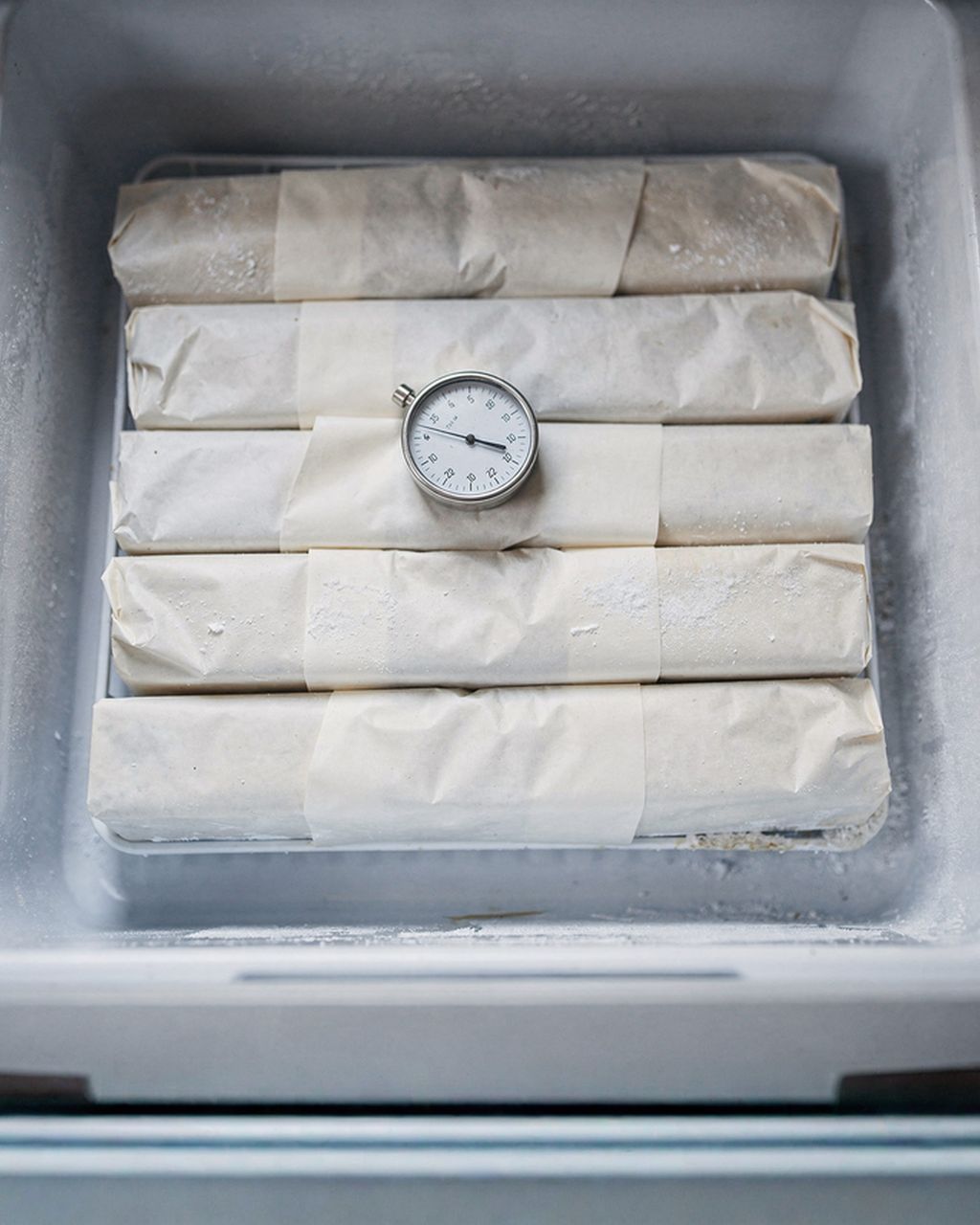
Flash-freeze – spread the pieces on a lined tray so they don't touch, and freeze for 1–2 hours.
Bag it up – transfer to an airtight bag, push out as much air as possible, and label with the date.
Cook straight from frozen – add frozen asparagus directly to boiling water or a hot pan so it doesn't turn mushy.

The freshest asparagus has firm, straight stalks and tightly closed tips. Here's what to check:
Tips should be compact and closed – open or crumbling tips mean it's past its best.
Stalks should be firm and straight, crisp to the touch, never rubbery.
Ends should look moist and pale, not dried out, browned or cracked.
Smell should be fresh and vegetal – no sour or musty odour.
Sound – a truly fresh stalk snaps cleanly when bent; an old one just bends.
Once home, remove the rubber band straight away (it constricts the stalks), trim the ends, and store it as soon as possible using the method above.
Asparagus is at its best when used within a few days of buying it – that's when it's sweetest and most nutrient-rich. A few ideas from Yumsto:
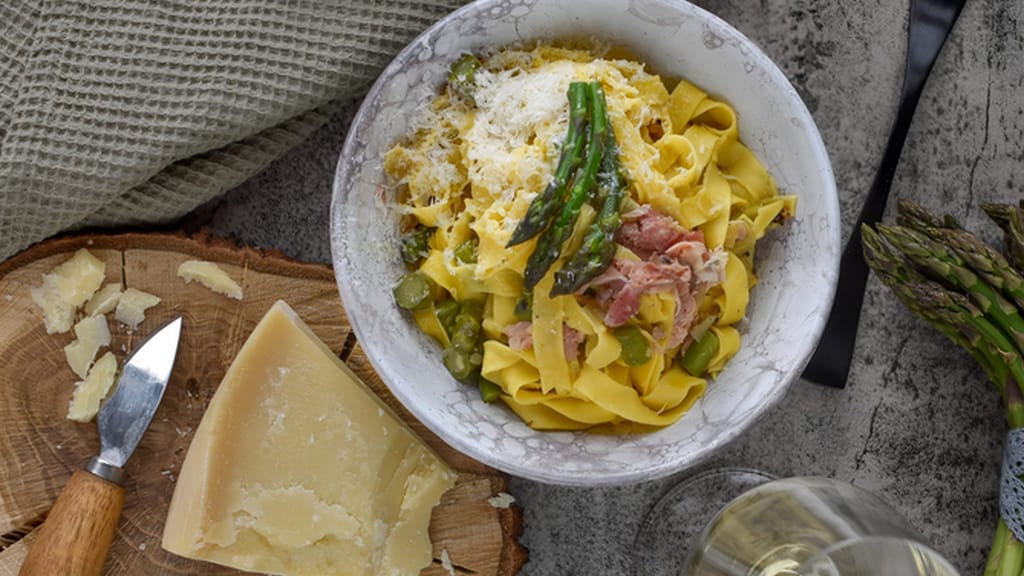
Pappardelle with asparagus
Asparagus pappardelle – a quick spring pasta
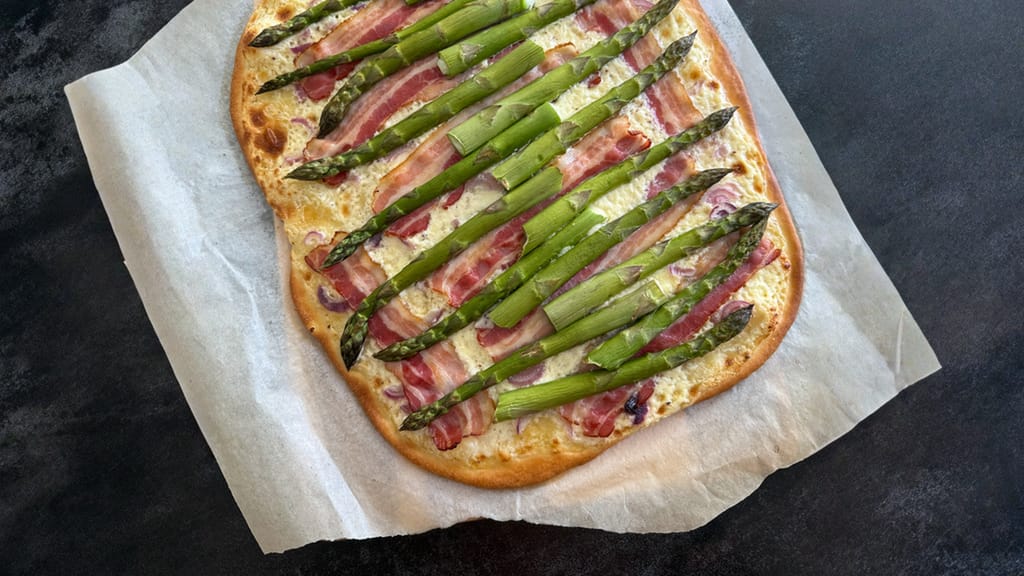
Savory asparagus tart with bacon and yogurt
Savoury asparagus tart with bacon and yoghurt
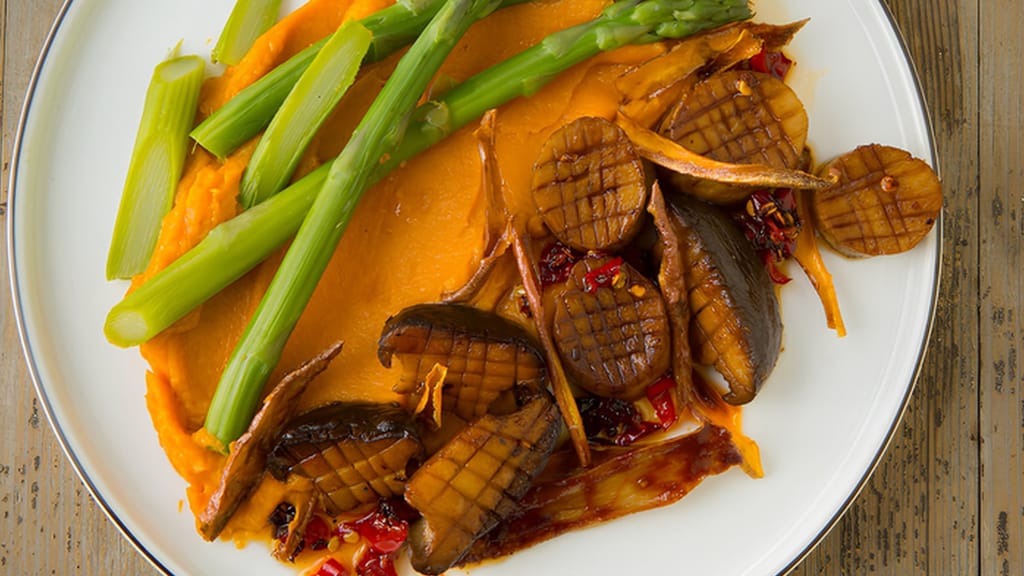
Sweet potato mash with asparagus and mushrooms
Sweet potato mash with asparagus and mushrooms
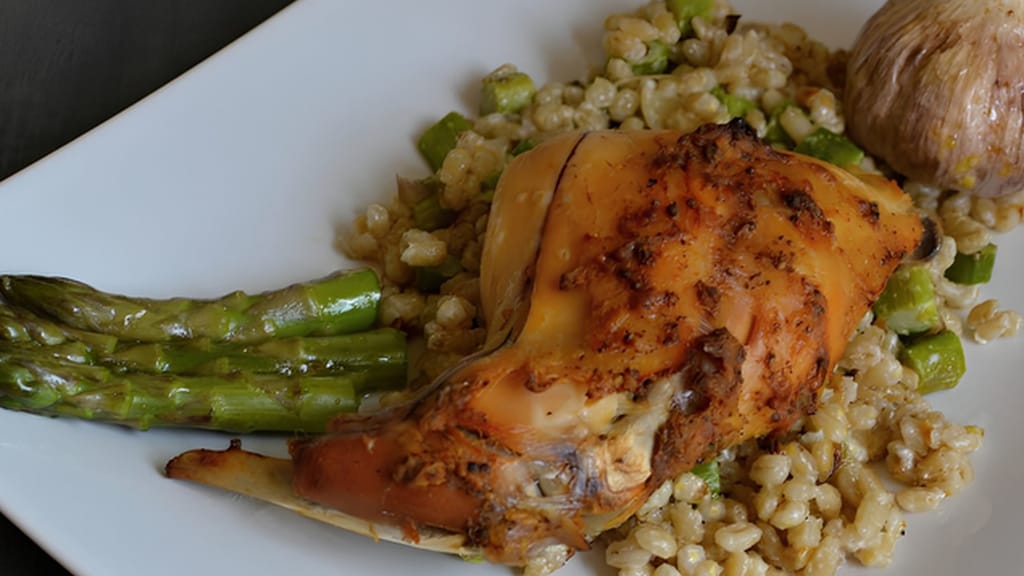
Roast rabbit with garlic and green asparagus
Roast rabbit with green asparagus and garlic
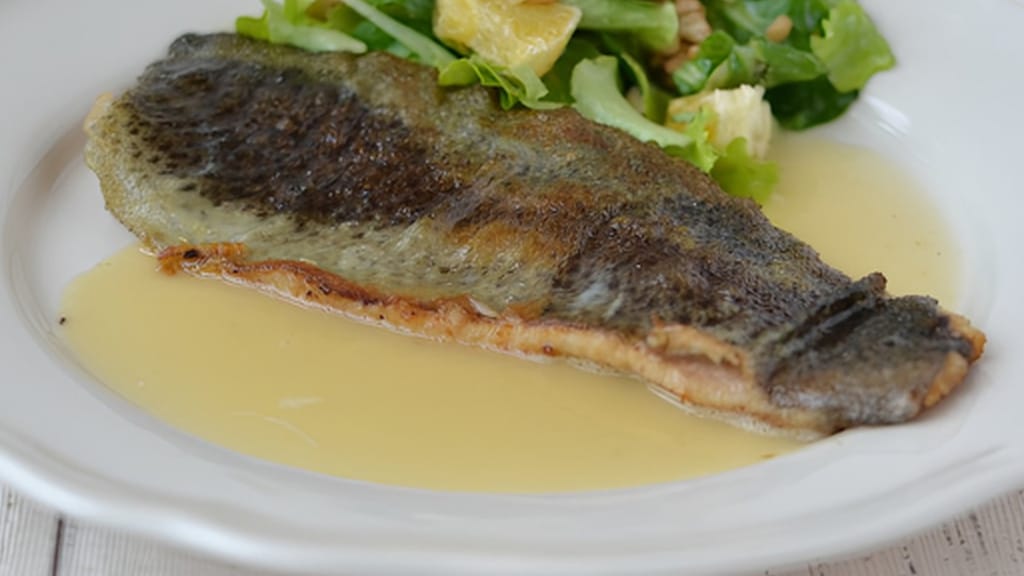
Easy & quick hollandaise sauce
Hollandaise sauce – the classic partner for boiled asparagus
Spoiled asparagus feels slimy to the touch, turns limp or rubbery, and smells sour or ammonia-like. The first warning signs are browning, mushy ends and heads that have opened up and started to darken. Asparagus that's just slightly wrinkled but still firm and odour-free can still be rescued – trim the ends and soak it in cold water for a few hours.
Yes, we recommend blanching for long-term storage – it stops the enzymes that would otherwise rob the asparagus of colour, flavour and vitamins even in the freezer. You can freeze it without blanching, but use it within 2–3 months before it turns bitter. Blanched asparagus keeps for 8–12 months.
No – quite the opposite: cook frozen asparagus straight away without thawing it first. Drop it directly into boiling water, onto a pan, or onto a baking tray. If it thaws first, it releases water, goes mushy and turns limp. Cooking it straight from the freezer helps it hold its shape and colour much better.
Cooked asparagus keeps for 3–5 days in the fridge in a sealed container. Let it cool before storing it and place it in an airtight box. If you're using it in salads or cold dishes, use it within two days, when its texture is at its best.
The distinctive smell of asparagus in urine comes from asparagusic acid and its sulphur-containing breakdown products, which the body flushes out within a matter of minutes. It's completely harmless and has nothing to do with the freshness or quality of the asparagus. Only some people can actually smell it – others simply aren't genetically wired to notice it.
One recipe worth heating the oven for, one tip, and one deal from the shop. Nothing else.