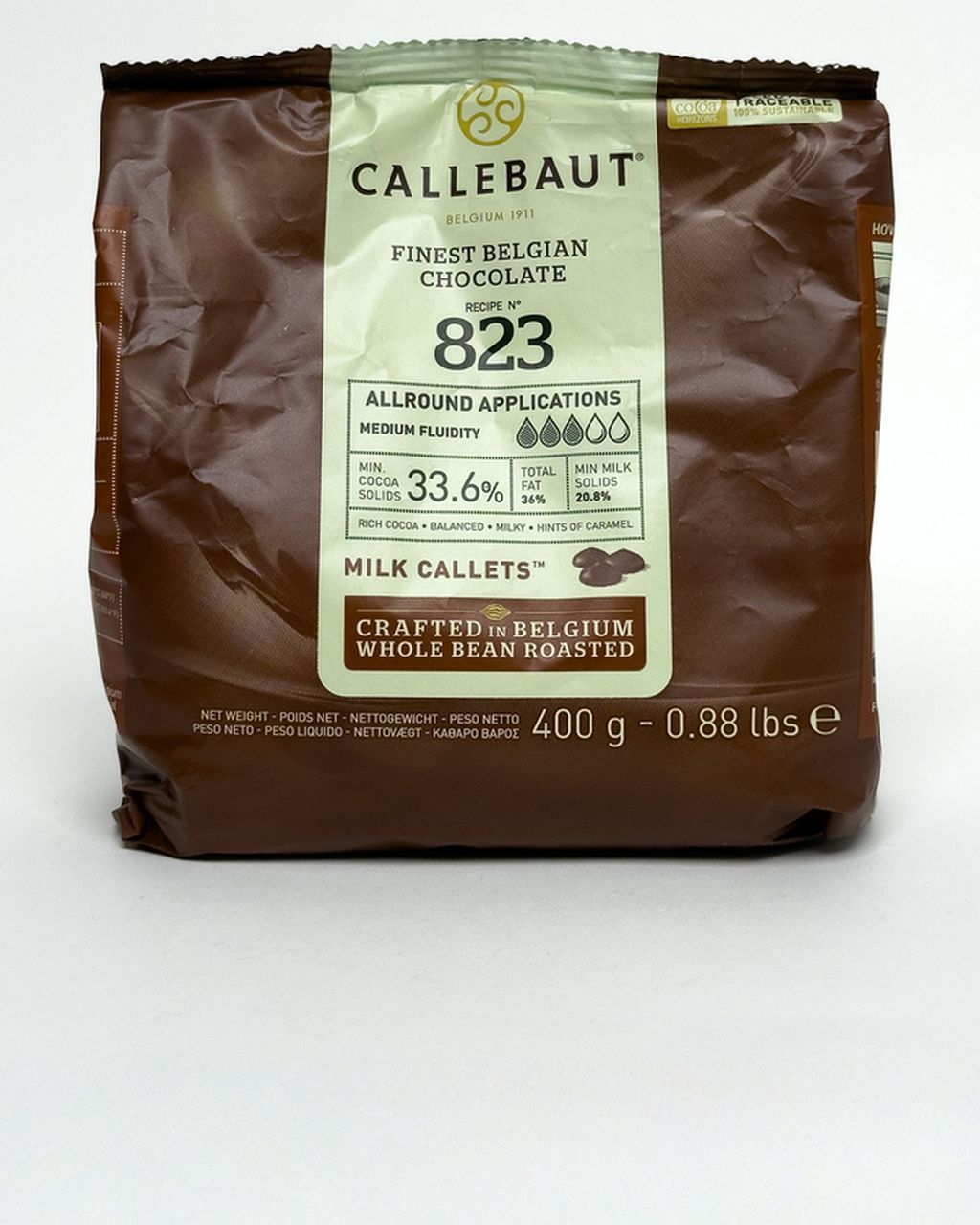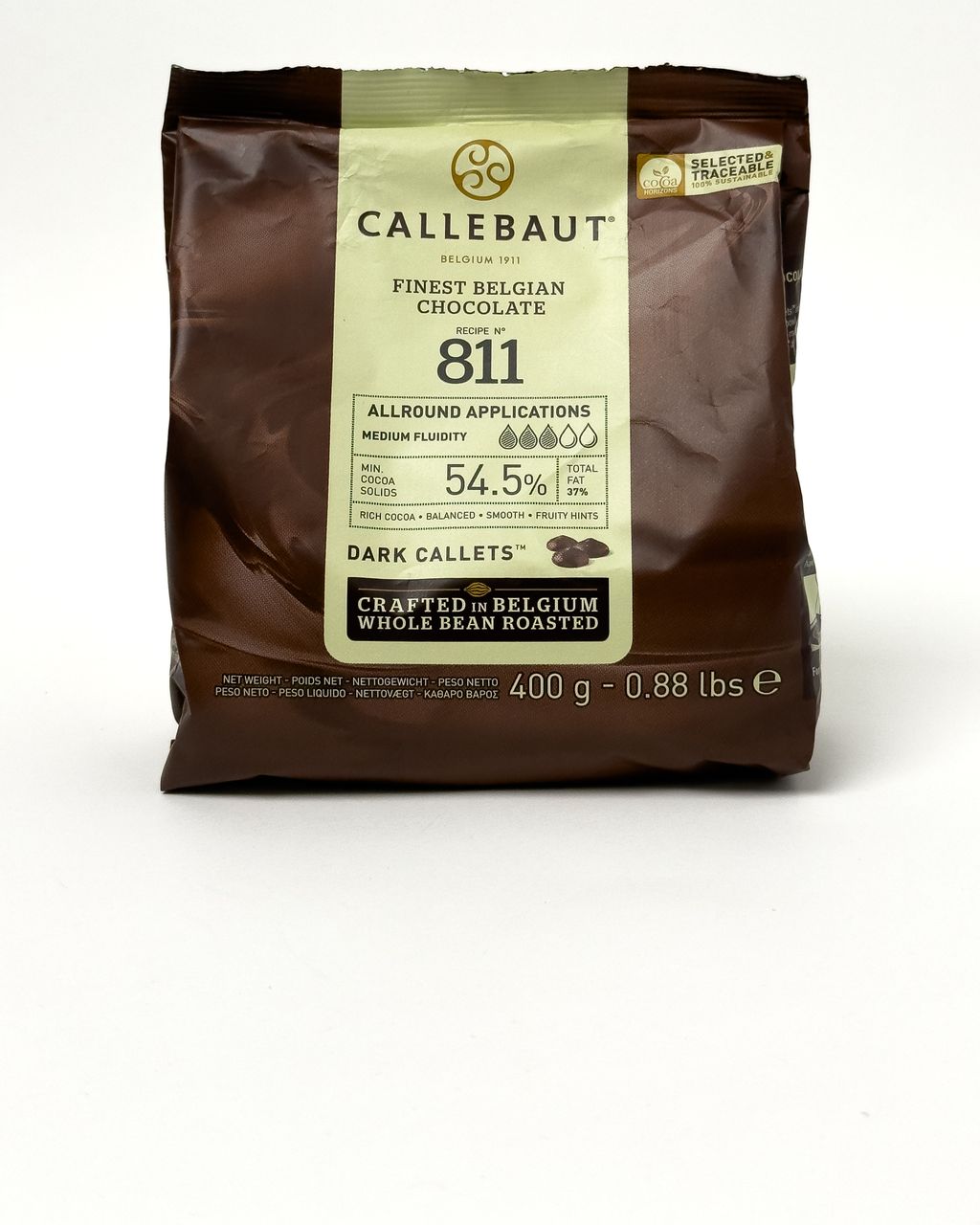
Callebaut Dark Chocolate Callets (811) 400 g
Chocolate Shavings and Curls: How to Make Them at Home for Cakes and Christmas Desserts
Updated Nov 3, 2026
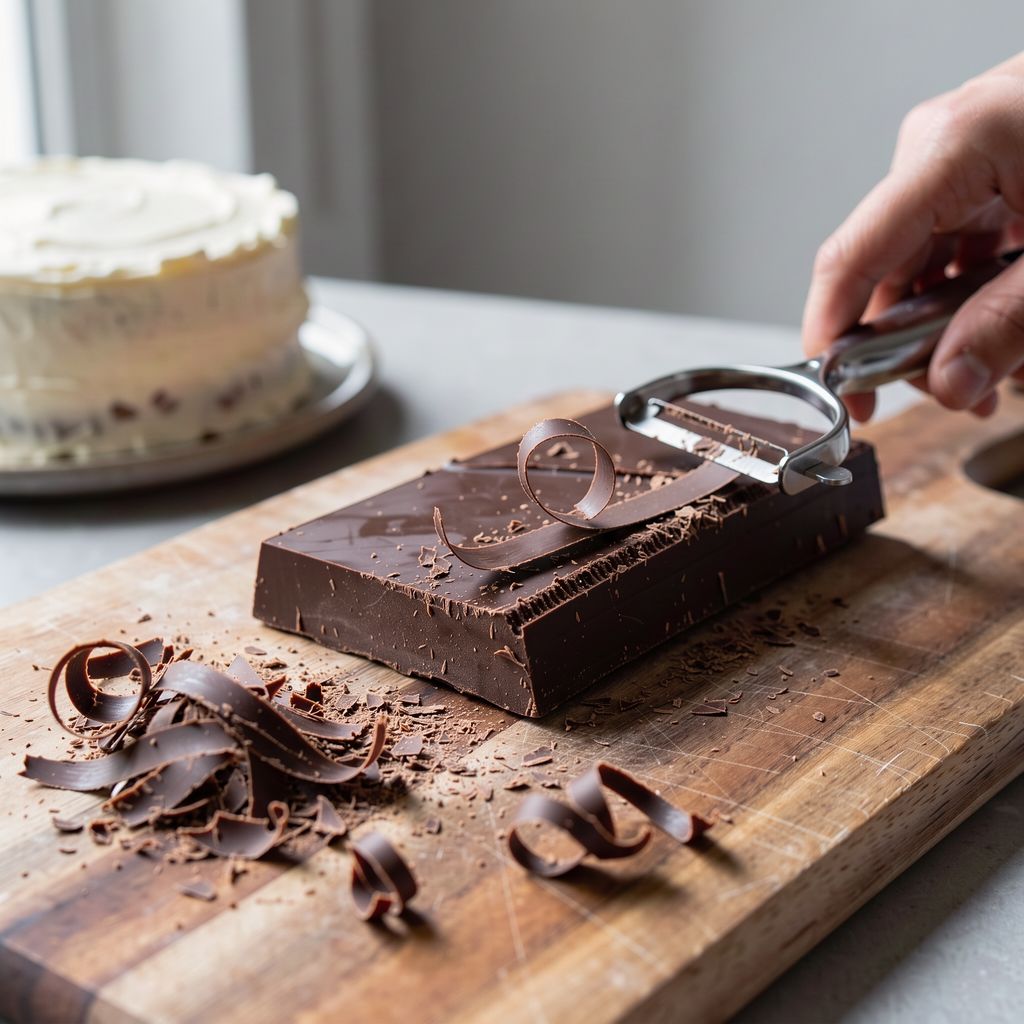
To make chocolate shavings, run a vegetable peeler along a block of chocolate that's at room temperature, ideally warmed slightly in your palm – cold chocolate just crumbles. Curls are made differently: spread melted chocolate thinly over a baking sheet and, just after it sets, push a spatula across it at an angle, scraping toward you. Milk chocolate curls more willingly than dark, while dark gives sharper, crisper shards.
Shavings, curls and shards are three different chocolate decorations, and each is made in its own way:
Shavings – thin, wavy ribbons you peel from a block of chocolate with a peeler. They're the quickest decoration: all you need is a block of chocolate and a peeler.
Curls – rolled-up scrolls made from chocolate spread on a baking sheet and scraped off with a spatula. They take more patience, but they look like they came from a pastry shop.
Shards – small fragments made by grating or breaking chocolate. They're good for pressing onto the sides of a cake or folding into whipped cream.
They turn out best with real chocolate containing cocoa butter. They're easier to make from cocoa coating, but the coating tastes waxy and doesn't have that proper snap.
Seasonal baking plans, tested recipes and kitchen tricks that save you time. Unsubscribe in one click.
To make shavings, draw a vegetable peeler along the edge of a block of room-temperature chocolate in one long, smooth stroke. The wider the surface and the warmer the chocolate, the longer and wavier the shavings.
Prepare a block. You need a piece at least 2–3 cm (about 1 inch) thick. If you only have chocolate chips or callets, cast your own block: melt 200–300 g, pour it into a small container lined with foil and leave it to set overnight in a cool place.
Let the block warm up. Cold chocolate from the fridge crumbles to dust. Hold the block in your hands for a bit, or leave it for an hour in a warm kitchen.
Shave over a plate or a baking sheet lined with paper, pressing the peeler only lightly.
Don't touch the shavings with your fingers – they'll melt in your hand. Move them with a spoon or tweezers and put them in a cool spot for a few minutes until you use them.
If the shavings break, the block is too cold. If they smear and stick to the peeler, it's too warm – put it in the fridge for 5 minutes.
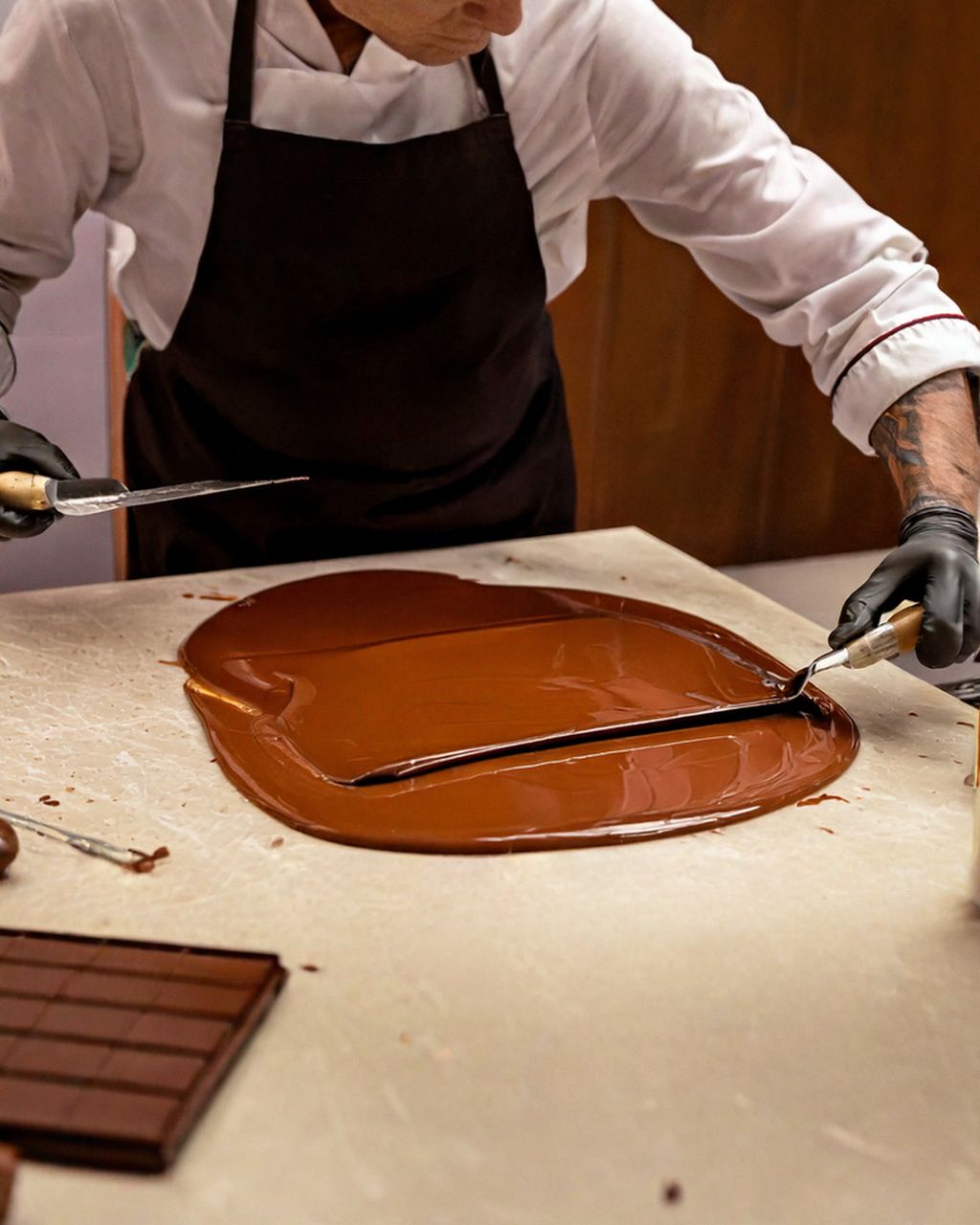
To make curls, spread chocolate over a baking sheet in a thin 1–2 mm layer, then scrape it off with a wide spatula or bench scraper when it has set but isn't brittle yet.
Melt the chocolate – for glossy, firm curls, temper it.
Spread it in a thin, even layer on the back of a clean baking sheet or on a marble slab.
Let it set at room temperature until it turns matte and no longer feels sticky when you touch it. A few minutes in a cool spot will help.
Scrape off the curls: hold the spatula against the chocolate at a sharp angle and pull it smoothly toward you. The chocolate rolls up on its own in front of the blade.
Spoon the finished curls onto paper and leave them to firm up in a cool spot.
If the chocolate breaks into shards, it's too cold – give it a few minutes to soften. If it bunches into lumps, it's too warm – put the sheet in a cool spot for a while. The right window lasts only a few minutes, so work in batches.
For curls, and for a cast block you'll shave, temper the chocolate if you want decorations that are glossy, crisp and able to hold up on a cake at room temperature. Untempered chocolate stays duller and softer once set, melts faster in your hand and can turn grey within a few days.
For a decoration that will be eaten the same day, you don't need to temper. For a step-by-step guide to tempering, see How to Temper Chocolate: A Complete Guide to a Perfect Shine.
Milk chocolate is the most rewarding for curls – it has more milk fat, so it's more pliable and rolls instead of cracking. For sharp shavings and shards, dark chocolate is better: it holds its shape and stands out beautifully against a pale cream.
Dark: bold and more brittle, best for shavings and shards – for example Callebaut 811 dark.
Milk: pliable, ideal for curls and scrolls – for example Callebaut 823 milk.
White: the softest; it's worked at a lower temperature, so you need to be quick and keep things cool.
Callebaut callets melt easily and are simple to cast into a block. You'll find the full selection among our chocolates for baking and decorating.
Store shavings and curls in an airtight container in a cool, dry place, at around 16–18 °C (61–64 °F) – not in the fridge. When you take them out of the fridge, moisture condenses on them and the chocolate turns white.
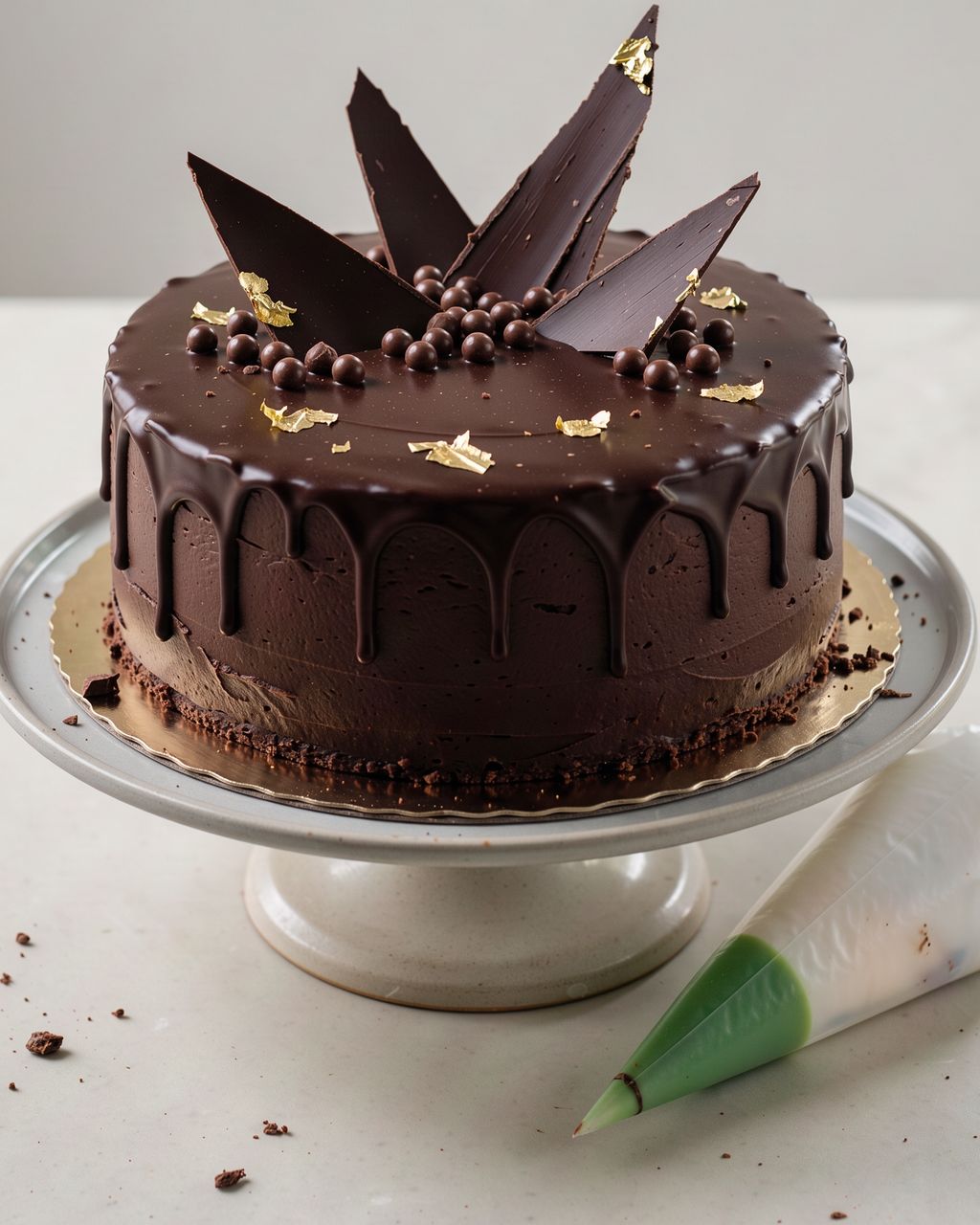
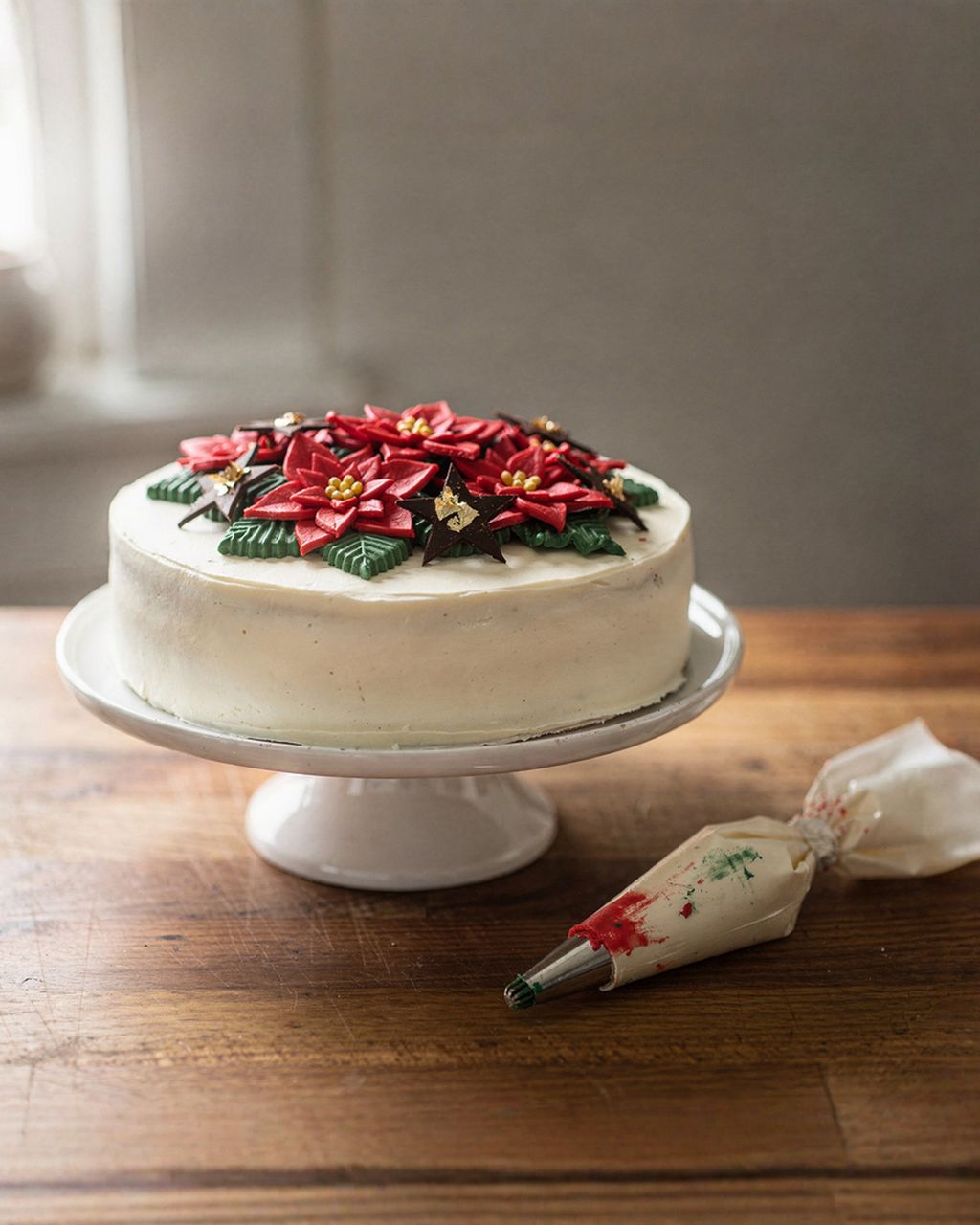
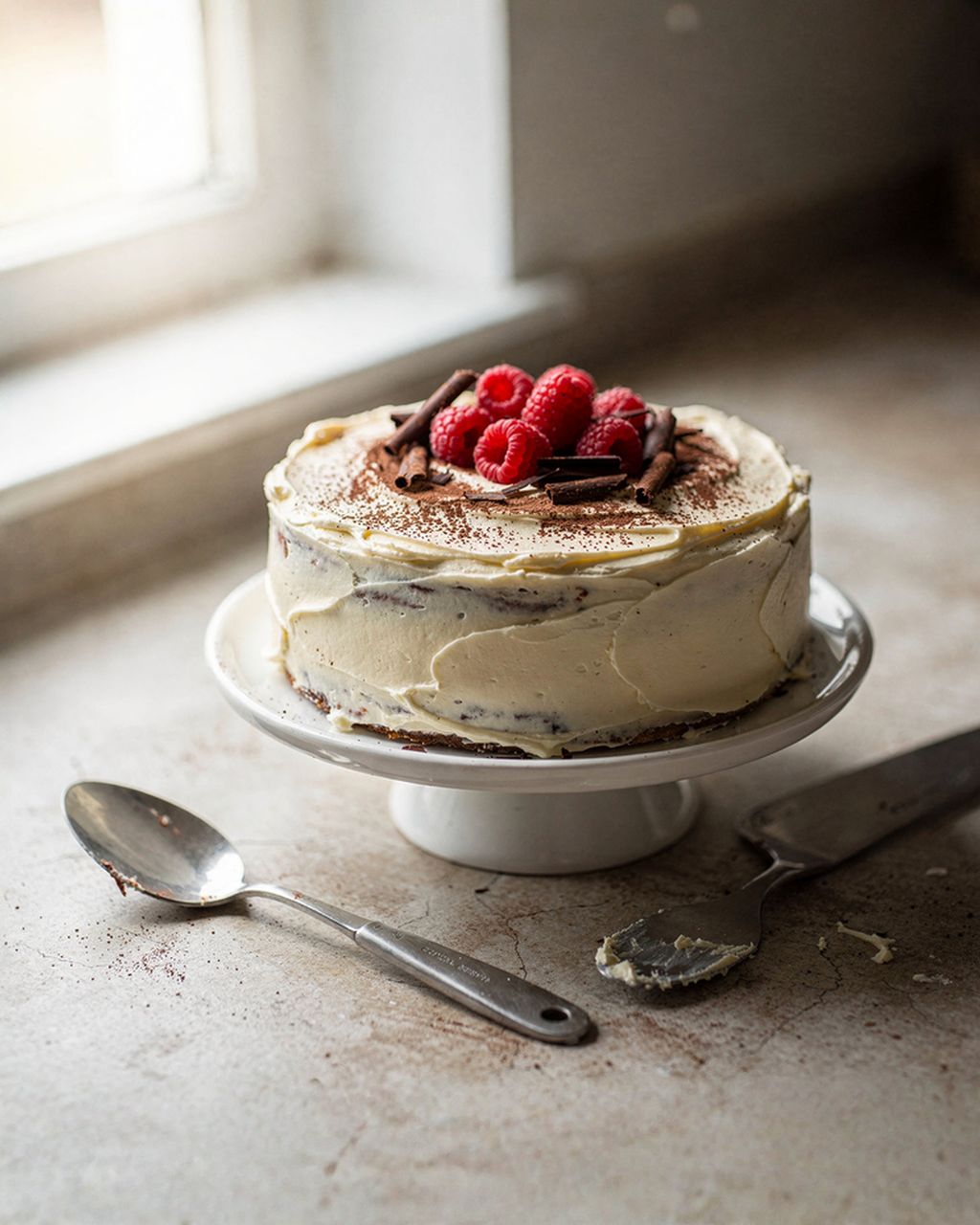
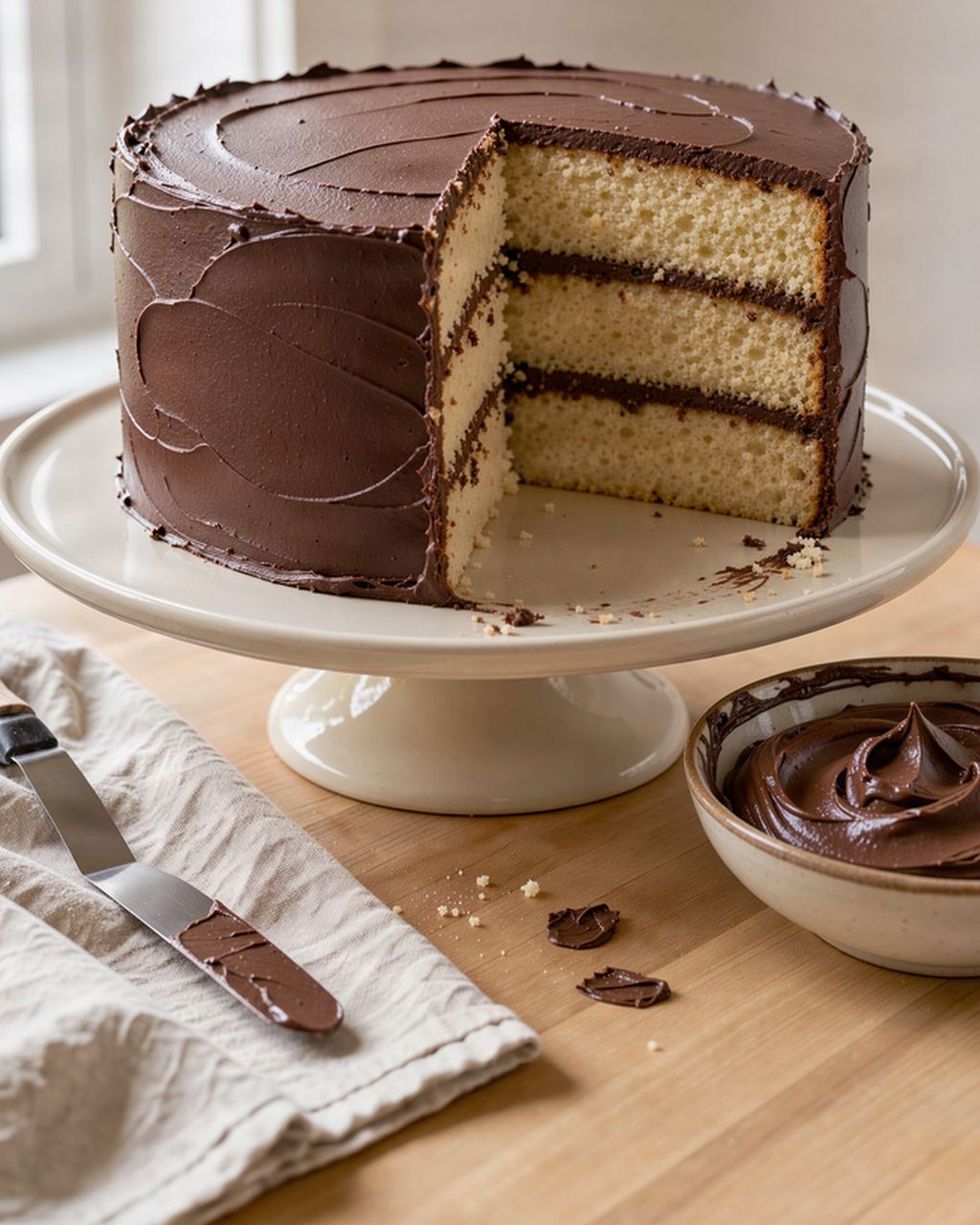
Add them to the cake last, onto cream, ganache or whipped cream, where they catch lightly. Press them onto the sides of the cake with a gloved palm. For inspiration for a whole cake, see the recipe for the most chocolatey chocolate cake and the article Decorating a Chocolate Cake. Shavings also work well on Christmas desserts in a glass.
Without a peeler, use a sharp knife: set a block of room-temperature chocolate on a board and scrape thin slivers from its edge, holding the blade almost upright. You can also get fine shards from a coarse grater. Both work much like a peeler, but the shavings will come out shorter.
Chocolate crumbles when you shave it because it's too cold, most often straight from the fridge. Leave the block for an hour in a warm kitchen, or hold it in your hands for a while to soften it. A wider surface on the block and light pressure on the peeler help too.
Curls made from tempered chocolate can be made up to a week ahead and stored in an airtight container somewhere dry, at around 16–18 °C (61–64 °F). Make curls from untempered chocolate no more than a day ahead, because over time they turn dull and grey. Don't put them in the fridge.
You can make curls from cocoa coating, and it's even easier, since the coating doesn't need tempering and stays pliable for a long time. The flavor won't match real chocolate, though – vegetable fat instead of cocoa butter tastes waxy and melts more slowly in your mouth.
One recipe worth heating the oven for, one tip, and one deal from the shop. Nothing else.