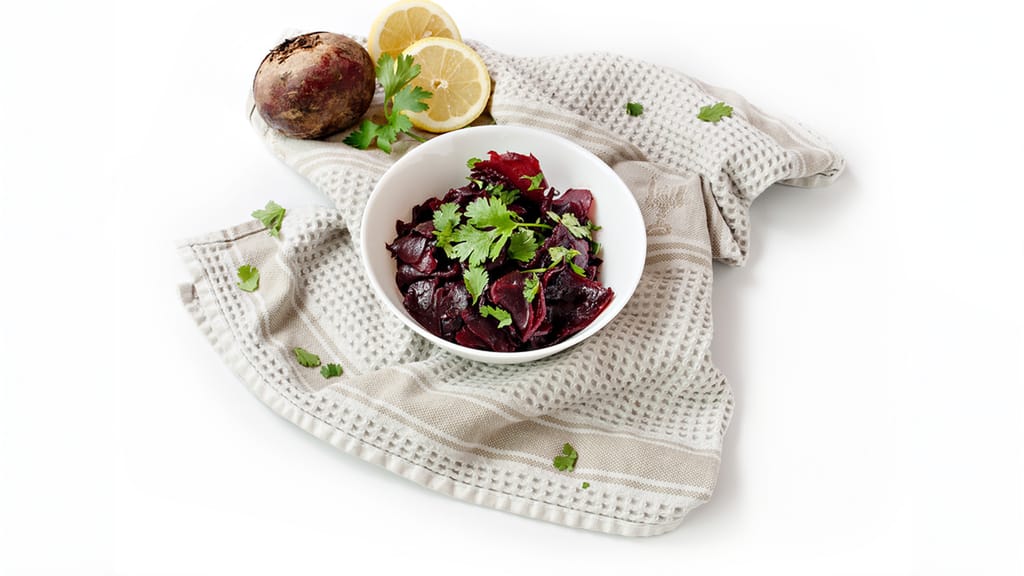
Roasted beetroot salad
How to Cook and Roast Beets: On the Stovetop, in Foil in the Oven, or in the Microwave
Updated Nov 17, 2026
Boil whole, unpeeled beets in salted boiling water for 25–50 minutes depending on size, or wrap them in foil and roast at 200°C (400°F) for about an hour. Both methods come from the US university extension services NCHFP and Purdue Extension. Boiled beets are quicker and juicier, while roasted ones are sweeter and denser, because nothing leaches out into the water. In a hurry, you can also cook them cubed in the microwave. Below you'll find times by size, how to tell when beets are done, how to peel them without purple hands, and how to store them in the fridge and freezer.
Boil whole, unpeeled beets in salted boiling water for 25–30 minutes if small and 45–50 minutes if medium. These times come from the US National Center for Home Food Preservation (NCHFP). Purdue Extension allows about 45 minutes for an average beet. Larger beets need more time, so start testing with a skewer after 45 minutes.
Method:
Gently scrub the beets with a brush, but don't damage the skin. Color escapes through every crack (Illinois Extension).
Trim the greens so that about 1–1.5 cm (½ inch) of stem and the whole root remain. NCHFP recommends this precisely so the beets don't "bleed" into the water as they cook.
Put beets of similar size in a pot so they finish at the same time. Cover them with salted boiling water so they're submerged.
Simmer gently with the lid on. A hard boil can split the skin.
Drain the cooked beets and plunge them straight into cold water. They cool quickly, and the skin then loosens on its own.
The water will always take on some color, but if it looks more purple than pink, the skin was probably damaged or you trimmed the root too short.
Seasonal baking plans, tested recipes and kitchen tricks that save you time. Unsubscribe in one click.
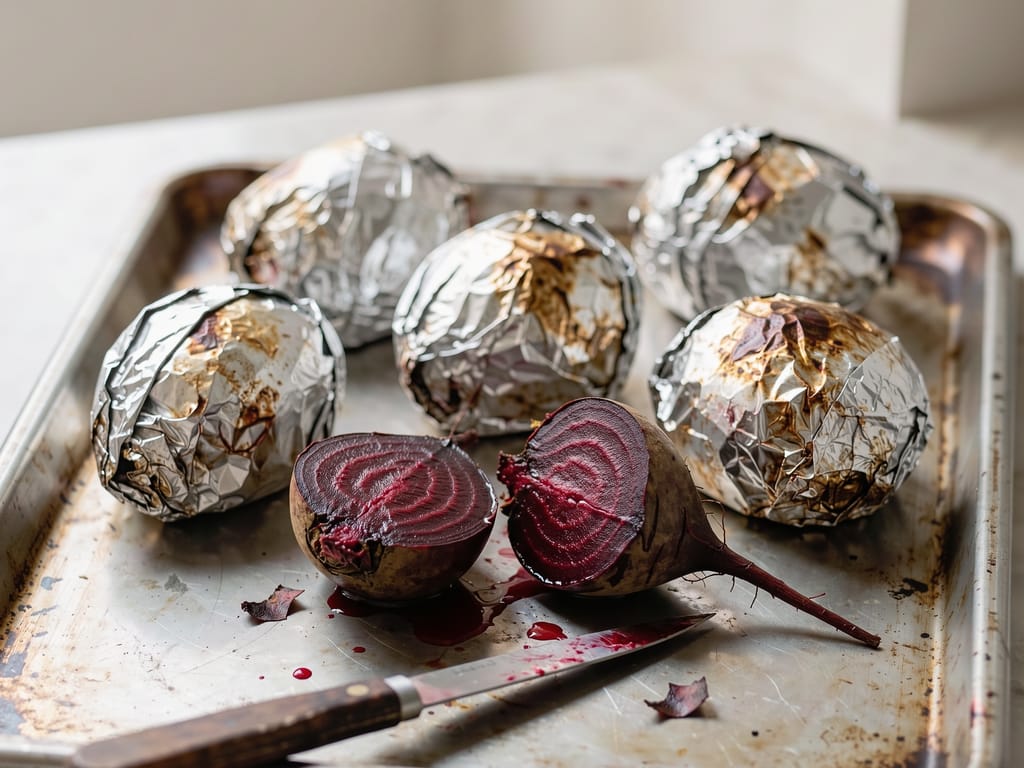
Roast beets in foil at 200°C (400°F) for about an hour. This is the time Purdue Extension gives for whole beets (400°F). Test smaller beets with a skewer after 45 minutes, while large ones may need even longer. If you use convection, follow your oven's instructions for the temperature.
Wash the beets, trim the greens and root, and don't peel them.
Wrap each one separately in foil, ideally shiny side in. You can drizzle them with oil and sprinkle with salt first, but it isn't essential.
Place them on a baking sheet. Any juice that leaks out will bake onto the bottom of the oven and is hard to scrub off.
Roast until a skewer slides through the center without resistance.
Let them cool in the foil until you can handle them. The steam under the foil loosens the skin beautifully.
Why foil: the beet essentially steams in its own juices. It stays tender, doesn't dry out, and nothing leaches out into water. That's why roasted beets are sweeter and more intense than boiled ones, and they suit dishes where the beet is the star: a salad, a spread or a side dish.
Roasting more vegetables at once? Put the beets on a separate baking sheet, since they would stain the other vegetables. For general roasting principles, see our article on roasted vegetables in the oven.
The microwave is fastest when you peel the beets and cut them into cubes. Purdue Extension advises adding 2 tablespoons of water per about 350 g (12 oz) of cubes, covering with a lid, heating for about 5 minutes, stirring, heating for another 3 minutes, and then repeating in short bursts until tender.
Use a microwave-safe dish with a lid, or a plate in place of a lid. The steam is essential to this method.
Cut the cubes the same size, say 1.5–2 cm (about ½–¾ inch). Otherwise the small pieces shrivel before the large ones soften.
Microwave power varies, so check the last rounds with a fork.
These beets are good for a quick warm salad or for blending. The flavor falls between boiled and roasted, but they lack the caramelized depth you get from the oven.
Beets are done when a skewer or thin knife slides all the way to the center without resistance, much like a cooked potato. Illinois Extension also says beets are done when they pierce easily with a fork.
Poke the thickest part, not near the edge. The edge softens first.
The skin is a second check. On a done beet, once cooled, the skin shifts when you rub it with your thumb. If it holds on tightly, put the beet back.
Undercooked beets resist in the middle and are hard and gritty inside. That's fine for a salad, but not for a spread or blending.
Overcooked beets are watery and fall apart. This most often happens when you cook small and large beets together in one pot.
Peel cooked or roasted beets only once cooled, wearing disposable gloves and working over a plate. You just rub the skin off with a paper towel or your thumb, and you hardly need a knife.
Gloves are the surest way. The beet pigment (betanin) gets into skin quickly and then comes out of it slowly.
A paper towel pulls the skin off while you hold the beet. Your fingers then barely touch the color.
Under cold running water the skin slips off even more easily, and the color washes straight down the sink.
Cut on a plate or on parchment paper, not on a wooden cutting board. Wood soaks up the color for a long time.
If your hands are already purple, rub them with lemon juice and a teaspoon of salt, then wash with soap.
Stains on clothes: rinse right away with cold water. Warm water sets the dye.
Refrigerate cooked or roasted beets within 2 hours of cooking and eat them within 3–4 days. This follows the general USDA FSIS (US food safety agency) rule for cooked food: a fridge at 4°C (40°F) or below, no more than 2 hours at room temperature, and only 1 hour in heat above 32°C (90°F). Store them peeled in a sealed container so they don't stain other things in the fridge.
You can freeze them, and it's worth it. NCHFP recommends this method:
First cook the beets completely until tender (see the times by size above).
Cool them immediately in cold water.
Peel them, trim off the stem and root, and cut into slices or cubes.
Pack them into bags or containers, leaving about 1–1.5 cm (½ inch) of headspace at the top, then seal and freeze.
In a freezer at −18°C (0°F), USDA FSIS says food stays safe indefinitely. Cooked food keeps its best flavor and texture for 3–4 months, though, and then starts to dry out. Thawed beets are a little softer, so they suit spreads, soups, smoothies and baking best. For a salad where you want some crunch, cook them fresh.
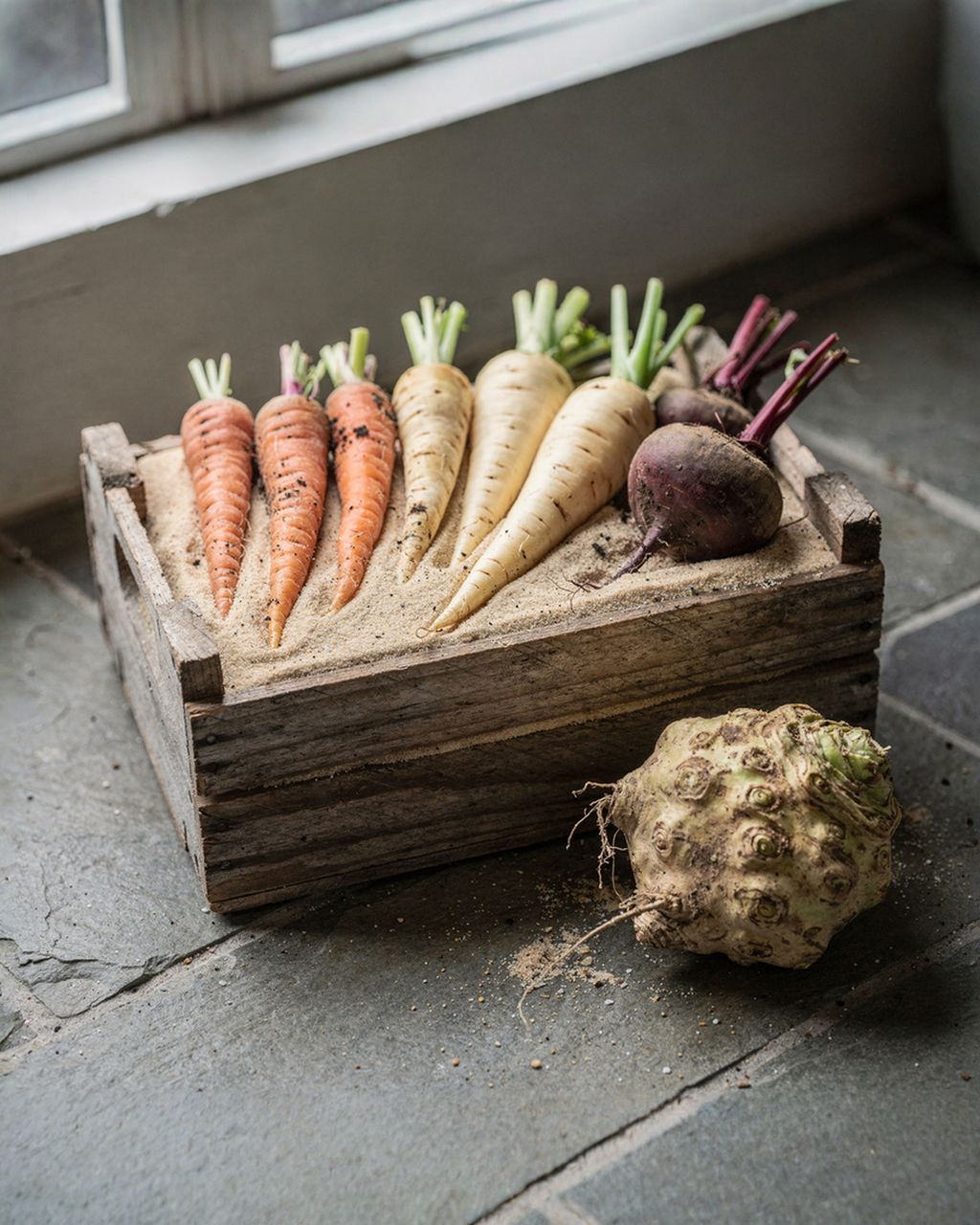
Raw beets keep in the fridge for about a week in a bag with a damp paper towel (cut off the greens). For longer storage over winter, a cellar or sand is best. Our article on root vegetables over winter explains how to keep them through the cold months. To see which other vegetables can be frozen and which need blanching first, read how to freeze vegetables.
The best substitute for red beets is golden beets: they taste almost the same and don't stain. If you don't have those either, it depends on what you need the beets for:
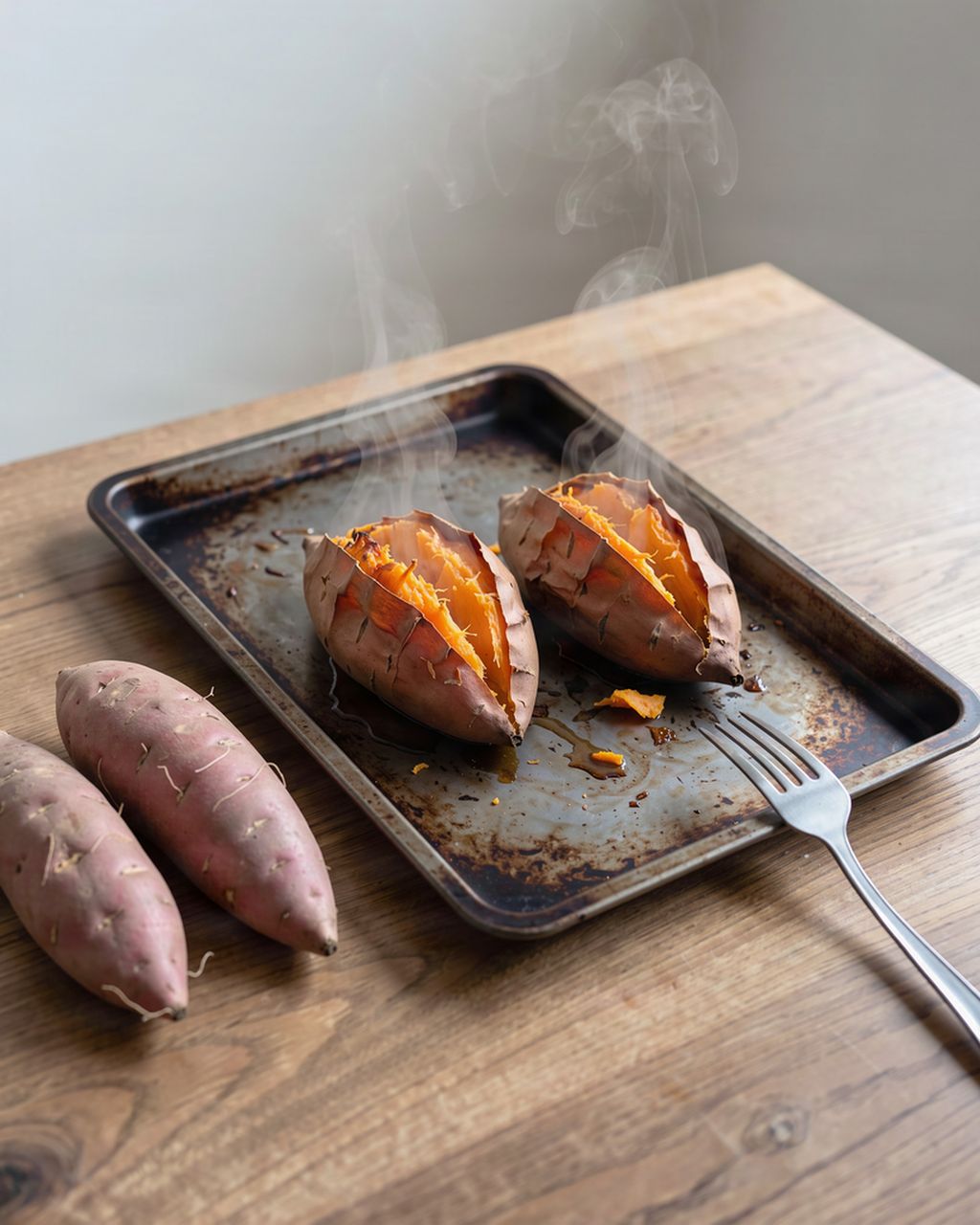
For a salad or as a side dish: roasted carrot, parsnip or celeriac, or sweet potato. They have a similar sweet, earthy flavor. For how to roast sweet potatoes, see sweet potatoes in the oven.
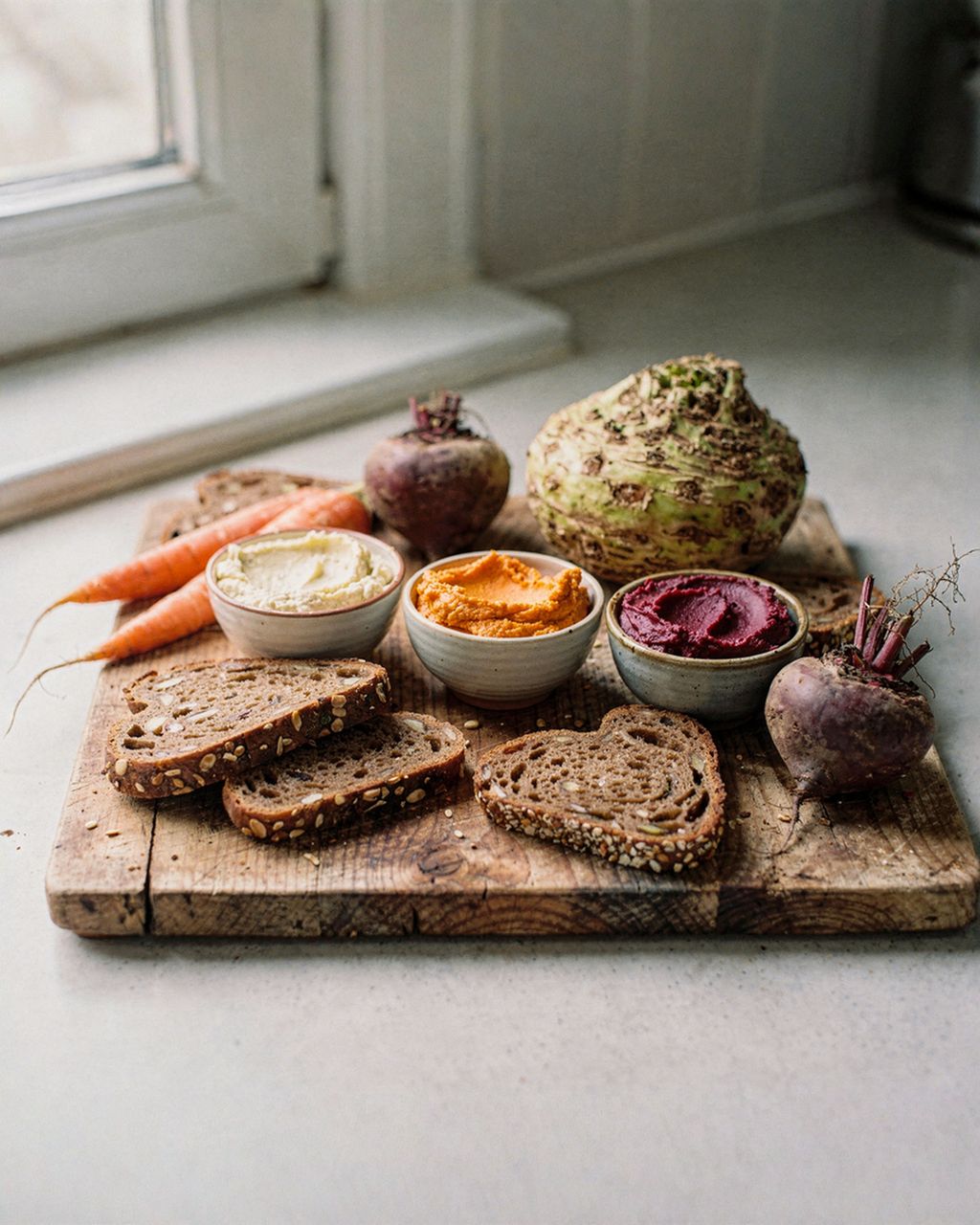
For a spread: roasted carrot or celeriac. The method is almost the same, but the result will be orange or creamy-colored. You'll find the ratios for all three versions in celeriac, carrot and beet spread.
For color (gnocchi, dough, brownies): there is no full substitute. The closest is dried beet powder. A teaspoon will color the dough, but it won't add moisture.
In a borscht-style soup: beets can't be replaced here. Without them, it's simply a different soup.
Watch out for jarred, sterilized beets. They're already cooked and pickled, so you can use them straight away in a salad, but they don't suit roasting or sweet baking.
Roasted or boiled beets most often end up in a salad, a spread, gnocchi or sweet bakes such as brownies and rolls.
Roasted beet salad: the classic, and the reason it's worth roasting extra beets at once.
Roasted beet and walnut salad: sweet beets and slightly bitter walnuts.
Lentil salad with beets and feta: a hearty meal, not just a side.
Roasted beet spread: thawed beets work well here too.
Beet gnocchi in an arugula salad: beet in the dough and for color.
Gluten-free beet and walnut brownies and beet rolls with cinnamon and ginger: beet in sweet bakes, where it adds moistness.
Roasted beetroot salad
Roasted beet salad
You can roast beets without foil if you peel them and cut them into cubes of about 1–1.5 cm (½ inch) and roast at 200°C (400°F) for about 45 minutes. Purdue Extension advises tossing the cubes with oil and salt, spreading them in a single layer on a baking sheet and roasting until they pierce easily with a fork. A whole beet without foil would dry out on the surface before it softens inside.
No. Boil or roast whole beets unpeeled and peel them after cooking. The skin keeps the color inside the beet, and once cooled it slips off easily. You only need to peel first for cubes going in the microwave or onto a baking sheet.
Beets fade when their juice escapes through damaged skin or a root trimmed too short. That is why NCHFP recommends leaving 1–1.5 cm (½ inch) of stem and the whole root on the beet, and not damaging the skin when washing. A gentle simmer instead of a hard boil helps too.
You can freeze raw beets, but NCHFP recommends cooking them until tender before freezing. Cooked beets are ready to use straight after thawing and have a better texture. Purdue Extension also mentions freezing peeled, cut raw beets in bags, with a freezer storage time of up to 3 months.
Yes, beet leaves and stems are edible, and you can prepare them much like spinach or Swiss chard. Young leaves can go raw into a salad, while older ones can be quickly sautéed in a pan with garlic or braised. Cut the greens off right after harvesting or buying and use them within a few days, as they wilt much faster than the roots.
One recipe worth heating the oven for, one tip, and one deal from the shop. Nothing else.