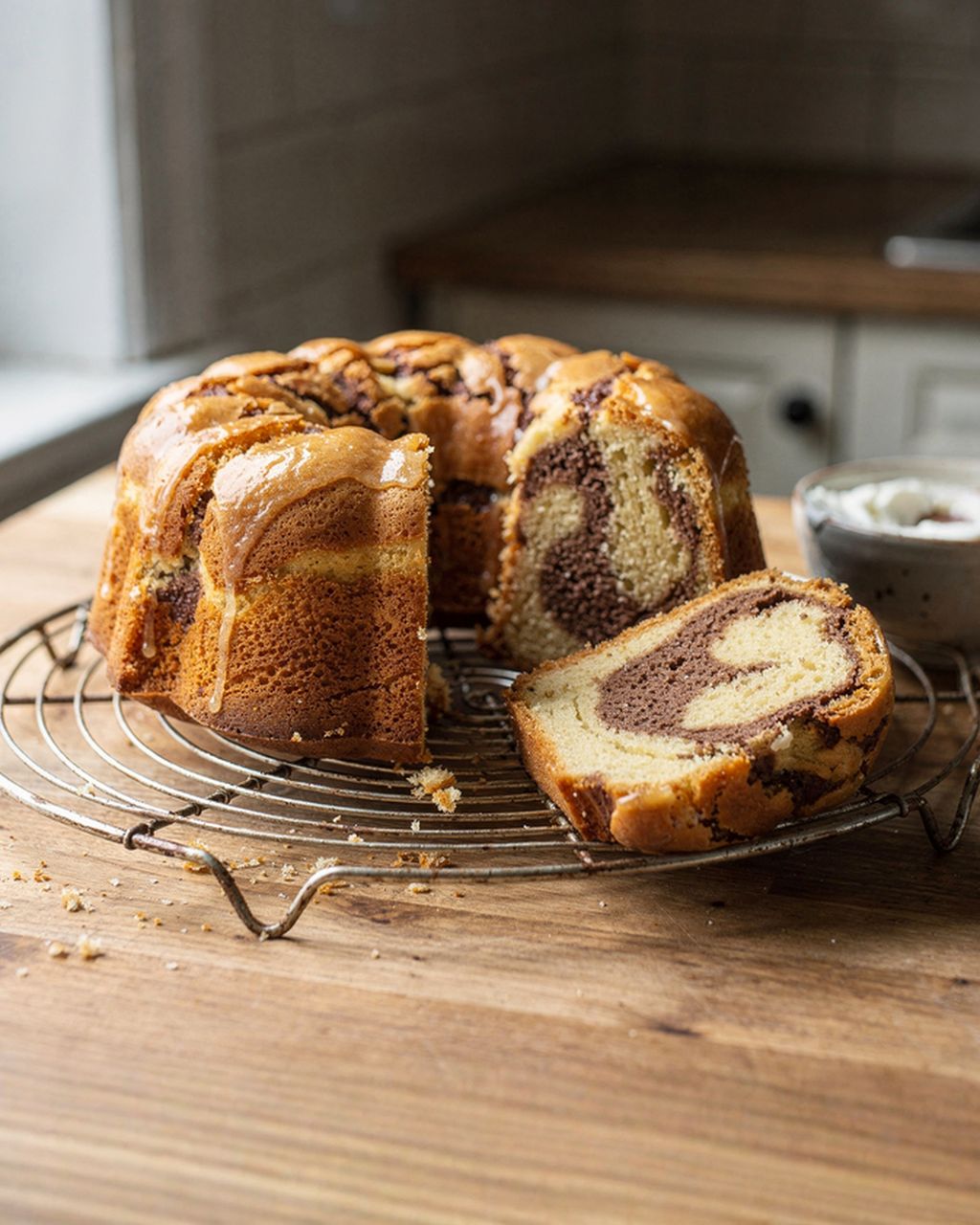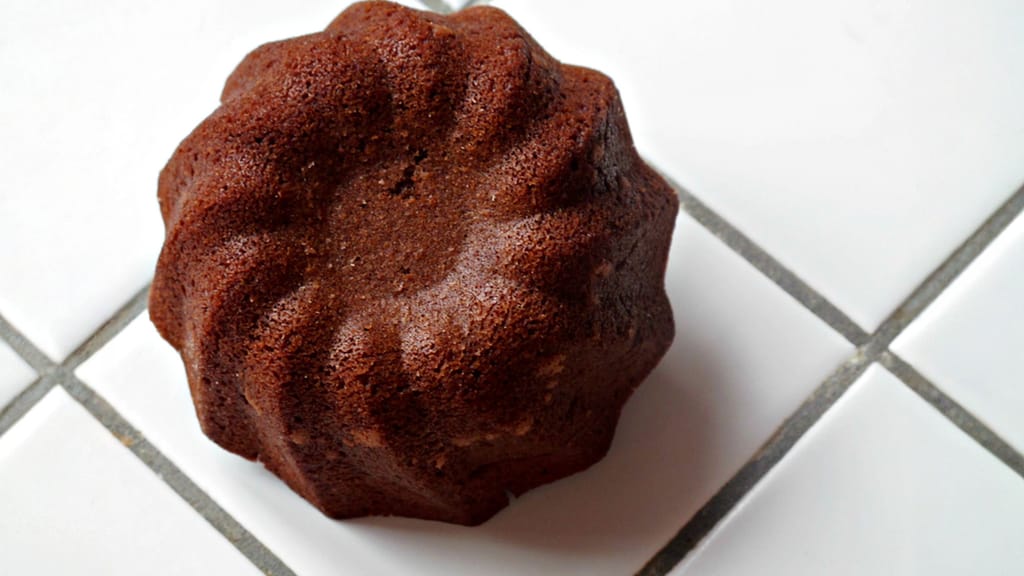
Little chocolate bundt cakes with ganache
Bundt Pan Guide: Ceramic, Silicone, Cast Iron, or Nordic Ware?
Updated Oct 4, 2026
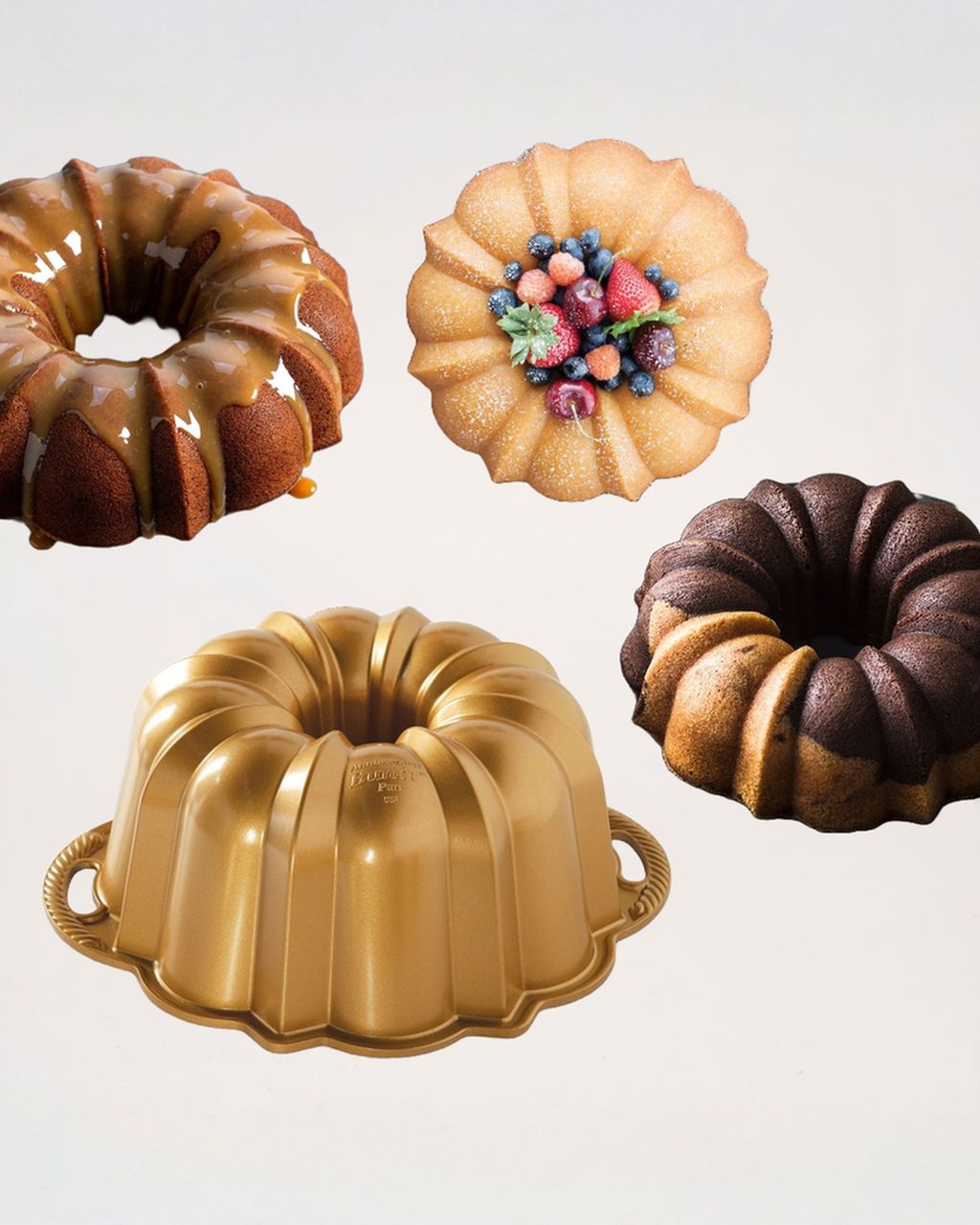
For a crisp pattern and a golden crust, a cast aluminum bundt pan is your best bet. It holds its shape, distributes heat evenly, and turning the cake out is usually drama-free. Ceramic pans are the traditional choice for slow, gentle baking. Silicone is light and cheap, but the cake comes out pale with softer edges. True cast iron is rare and heavy, and "cast iron pan" is sometimes used loosely to mean cast aluminum. Below you'll find out how each material behaves in the oven, what size to pick, and how to prep your pan so the cake won't stick.
The most versatile all-rounder is cast aluminum with a non-stick coating, like the classic Nordic Ware pans. That said, every material has its place:
Cast aluminum: the sharpest pattern, evenly golden crust, long lifespan. Pricier, and it can't go in the dishwasher.
Non-stick metal (pressed tin): cheap and light, bakes decently. Thinner walls mean the edges can scorch before the center is done, and the coating wears off over time.
Ceramic: bakes slowly and gently, and looks great on the table. But you need to grease it thoroughly, bake longer, and keep an eye on the center.
Silicone: cheap, easy to store, turns out easily. The cake won't brown much, though, and the ridges come out less defined.
True cast iron: holds heat well, is very heavy, and is rare to find. More of an enthusiast's pick.
If you're only ever buying one pan for life, go with cast aluminum. If you bake a bundt cake twice a year and price is the main concern, a plain tin pan will do just fine.
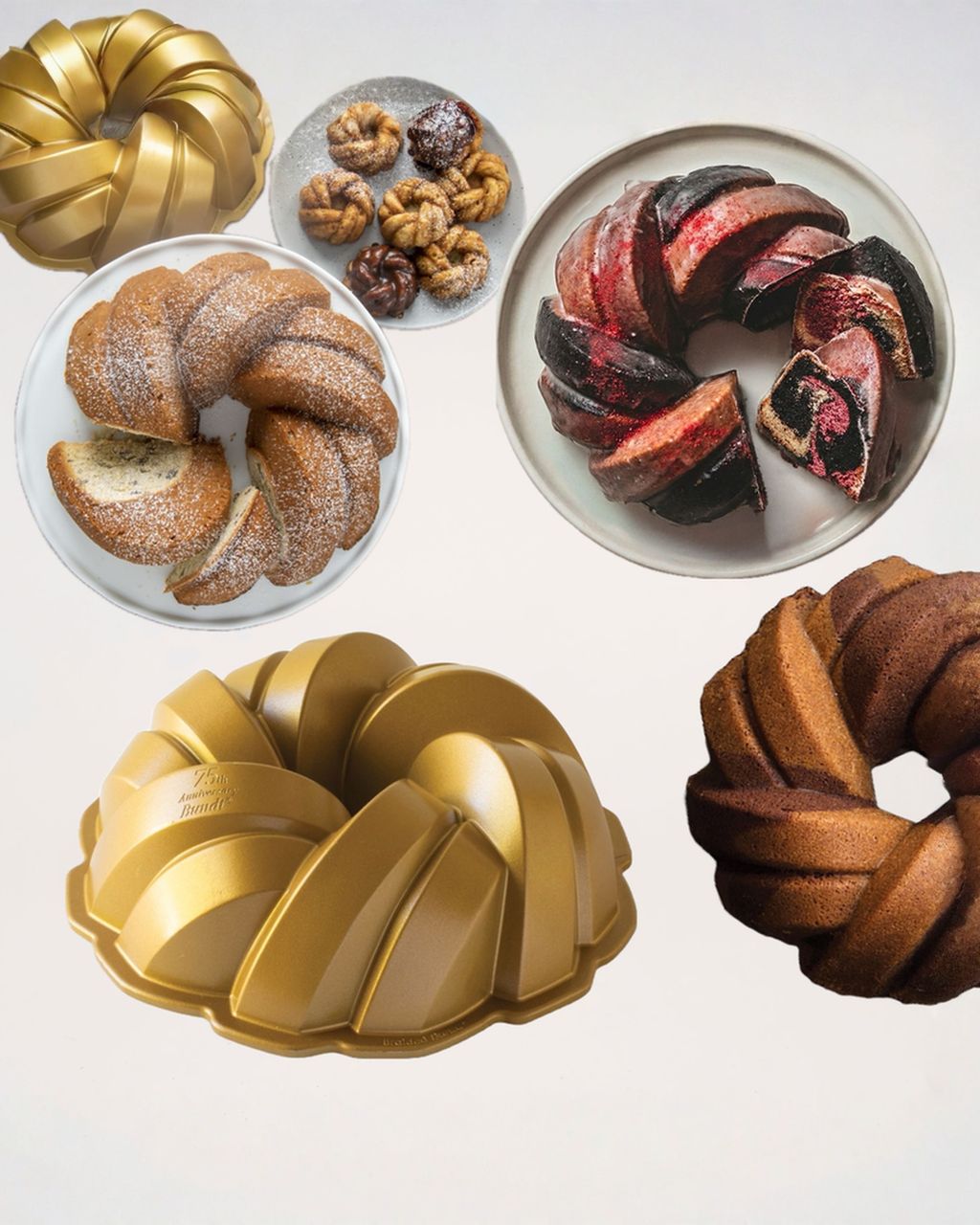
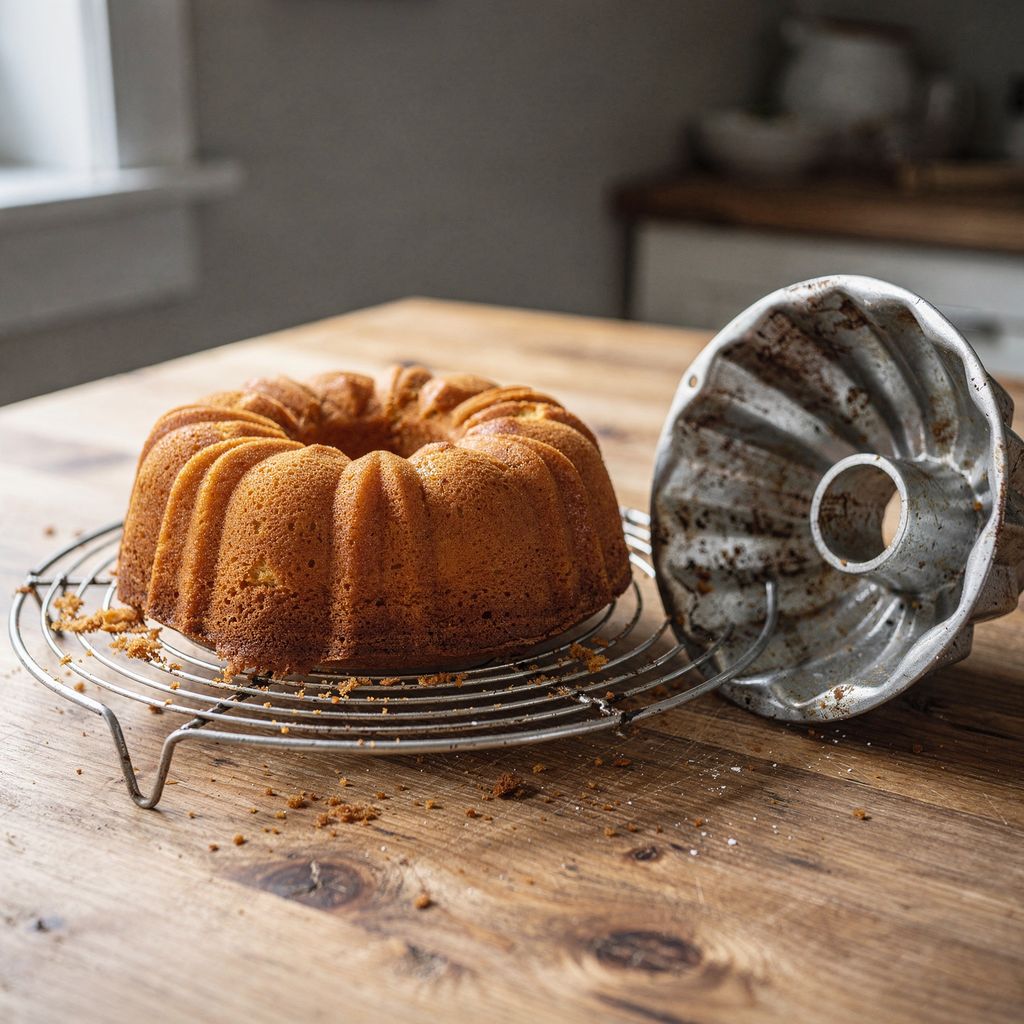
A cast aluminum pan gives your bundt cake the nicest shape and crust. Aluminum conducts heat fast and evenly, and because the pan is cast rather than pressed from sheet metal, it has thick walls and sharp, deep detailing. The batter bakes evenly in both the thin ribs and the thicker section around the center tube, so you don't end up with one spot overdone and another still raw.
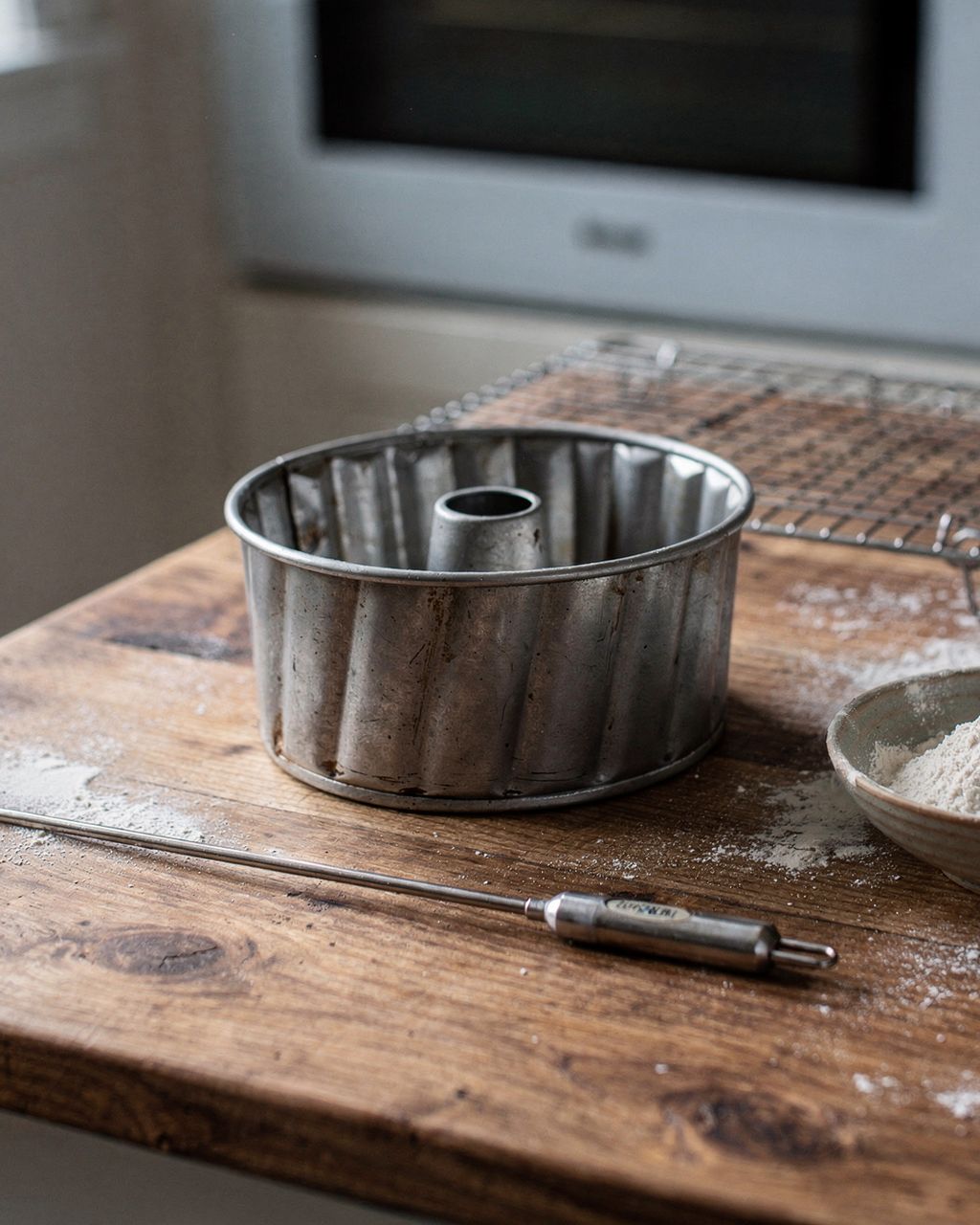
This is the technique the American brand Nordic Ware made famous — they launched the "Bundt" shape back in the 1950s and still cast their pans today. You can spot a cast pan by its weight: it's noticeably heavier than a pressed-tin one, and the ridges look crisply carved rather than stamped.
A few things to watch out for:
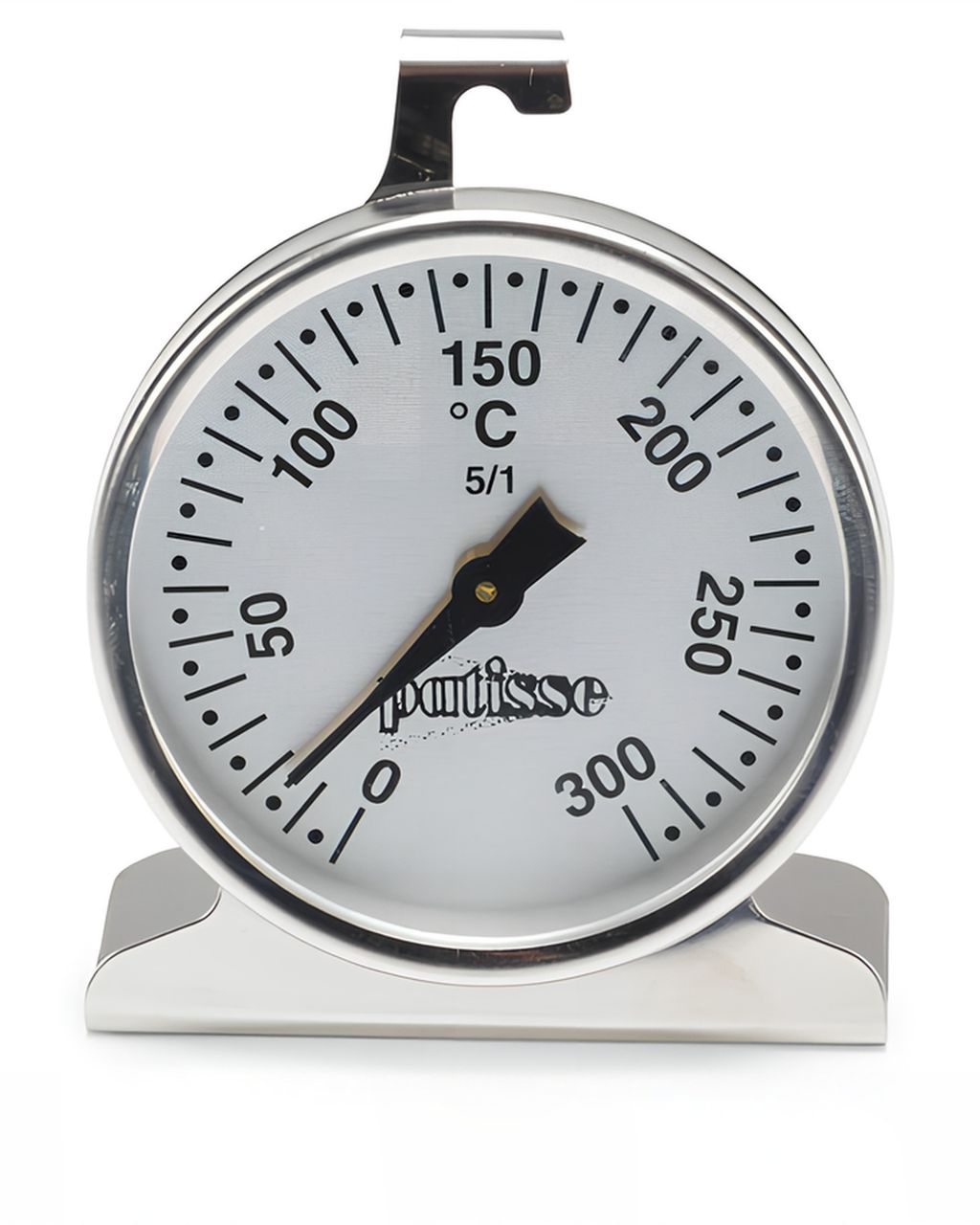
Dark non-stick coatings bake faster. The manufacturer itself recommends lowering the oven temperature by about 25°F (roughly 10–15°C) compared to a recipe written for a light-colored pan.
Skip the dishwasher. Wash it by hand with warm water and a bit of dish soap, and don't let it soak for long.
No plain cooking spray. On a non-stick surface it leaves behind a sticky film that only makes the next cake stick worse. More on that in the section on prepping the pan.
A silicone bundt pan is worth it when you want something light, cheap, and easy to store, and you don't mind a paler cake. Silicone conducts heat poorly, so the crust barely browns, stays soft, and the pattern tends to come out less sharp than with metal.
Pros:
the cake pops out easily — you just peel the pan away,
it stores flat in a drawer, won't rust, and is dishwasher-safe,
great for mini bundt cakes, where a pale crust isn't a problem.
Cons, and how to work around them:
A full pan sags. Always set it on a baking sheet or rack before pouring in the batter — never try to move it once it's full.
Pale crust. Baking on a lower oven rack and adding a few extra minutes helps, but don't expect a golden crust like you'd get from aluminum.
Silicone needs grease too. With soft, sugary batters, skipping the grease means the ridges tend to tear away.
Buy a thick, sturdy silicone pan that springs right back when you press it. Thin, floppy silicone collapses in the oven.
A ceramic bundt pan bakes slowly and evenly, and looks lovely on the table. It does need more careful greasing and a longer bake time, though. Glazed ceramic — think the well-known hand-painted pans from Bolesławiec, Poland — heats up gradually and then holds that heat for a long time. The crust is softer, and the cake keeps baking a bit even after it comes out of the oven.
What that means in practice:
Plan for a longer bake. Do the skewer test near the end rather than trusting the time from a recipe written for metal. The center near the tube is usually the last part to finish.
Grease it thoroughly. Glaze isn't non-stick. Work butter into every groove and dust with flour or breadcrumbs.
Let it rest a bit. After baking, leave the cake in the pan for about 10 minutes before turning it out. Straight out of the oven it tends to tear; once fully cooled it can stick again.
Watch for thermal shock. Don't set a hot ceramic pan on a wet or cold surface, and don't pour cold water into it — it can crack.
Go for ceramic if you love the traditional look and you're in no rush. For a sharp, modern pattern and easy turning-out, metal is the better bet.
A true cast iron bundt pan is rare. The term "cast iron" sometimes actually refers to cast aluminum, so check the material in the description before you buy.
Cast aluminum is the material covered above: medium weight, conducts heat fast and evenly, usually with a non-stick coating.
True cast iron, often enamel-coated, is very heavy, heats up slowly, and holds heat even longer than ceramic. It gives a strong crust, but a full pan is heavy enough that turning it out takes some strength and care. Bare, unenameled cast iron also needs to be seasoned first and protected from rust.
If what draws you to a "cast iron" pan is the sharp pattern and crust, you'll get the same results — more conveniently — from cast aluminum.
A plain non-stick tin pan is the cheapest way to get a bundt cake that looks the part. It's light and bakes quickly. But the thin walls react more to oven swings, so the edges and tops of the ridges can scorch before the center is cooked through. The non-stick coating also wears off over time, and once it does, the cake starts sticking.
Grandma's old enamel pan bakes similarly to tin, except enamel isn't non-stick, so greasing and flouring is a must. Don't use an enamel pan once the coating is chipped.
If you have a dark-colored tin pan, the same rule as for dark aluminum applies: lower the temperature by 10–15°C (about 25°F), or check the cake 5–10 minutes earlier.
For a standard recipe, say one using 250 g of flour, you'll need a pan around 22–24 cm (8.5–9.5 in) in diameter with a capacity of roughly 2–2.5 liters (8–10 cups). Too small, and the batter overflows; too large, and the cake comes out low and dry.
Fill no more than 2/3 full. The batter needs room to rise without spilling over the edge.
Measure the capacity with water. Fill the pan to the brim with water, then pour it into a measuring jug. This number is more reliable than the diameter, since fluted pans have varying amounts of internal space.
US "cups" measurements: Nordic Ware pans are often sized in cups. 10 cups is about 2.4 liters, 12 cups about 2.8 liters.
Different pan, different time. Pour the same batter into a taller, narrower pan and it takes longer to bake; in a wider, shallower one it's done sooner.
You'll find bundt pans in all kinds of shapes and materials in our bundt pans category. Check the diameter or capacity in the listing for the specific pan, and if it's missing, just measure it at home with water.
A mini bundt pan is usually a tray with 6–12 wells, made of metal or silicone. It bakes individual portions that are perfect for parties or gifting. Baking time is much shorter than for a full-size cake — often just 15–25 minutes depending on the size of the wells — so start checking with a skewer early. Fill each well to about 2/3 and grease it just as carefully as you would a full-size pan. With mini cakes, it takes very little for the ridges to tear.
A good recipe to try it out on: mini chocolate bundt cakes with icing.
Little chocolate bundt cakes with ganache
Mini chocolate bundt cakes with icing: a first recipe for your mini bundt pan
A bundt cake won't stick if you work soft butter into every groove of the pan, dust it with flour, and turn the finished cake out after about 10 minutes. That goes for every material, non-stick coatings included.
Use soft, not melted, butter (or solid vegetable shortening) and apply it with a pastry brush. Melted butter runs down the walls and leaves the ridges bare. Pay special attention to the center tube and sharp edges.
Dust with plain flour — or cocoa powder for a chocolate cake, so you don't end up with white specks. Turn the pan as you go so the flour coats everything, then tap out the excess.
Or use a baking release spray. The most convenient kind includes flour, so it greases and flours in one step. Don't use plain cooking oil spray on a non-stick surface — it leaves a sticky film.
Leave the cake in the pan for 10 minutes after baking, then turn it out onto a wire rack. If it won't release, pop it back into a warm, turned-off oven for a few minutes and try again.
If the cake comes out whole but dry, the pan isn't the problem. Check out our guide to the right temperature and baking time for bundt cakes.
For creamed and quark-based batters, metal is best — ideally cast aluminum. For moist batters with fruit or vegetables, go with metal or ceramic. For yeasted dough, use ceramic or cast aluminum. For savory bundt cakes, any pan works; save silicone for cases where a paler crust isn't an issue.
Classic quark or creamed-butter bundt cake: metal, ideally cast aluminum, for a sharp pattern and golden crust. The traditional base recipe is our "250" classic quark bundt cake.
Moist batters with fruit or vegetables, like our autumn pumpkin bundt cake with caramel cream or zucchini bundt cake: metal or ceramic. In silicone, moist batters bake through more slowly.
Bundt cakes with chunks of fruit and chocolate, like our raspberry bundt cake with white chocolate: thorough greasing matters most here, since caramelizing fruit tends to stick in any pan.
Savory bundt cake, such as our savory ham and cheese bundt cake: any pan works — crust color isn't really a concern here.
Yeasted bundt cake: ceramic or cast aluminum. Slow, steady heat suits yeasted dough well.
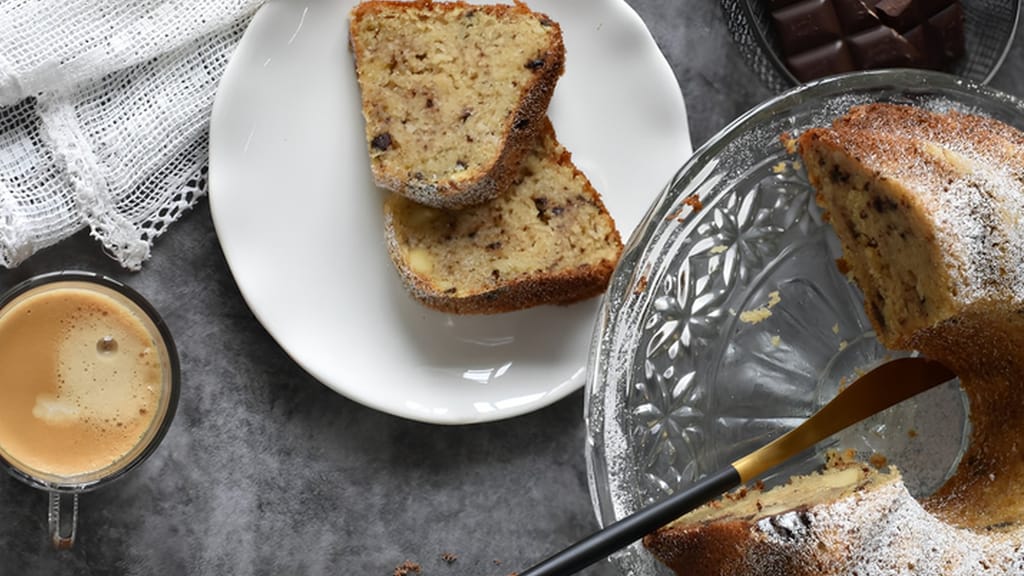
Grandma's two-fifty cottage cheese bundt cake
"250" classic quark bundt cake: the perfect recipe for putting any bundt pan to the test
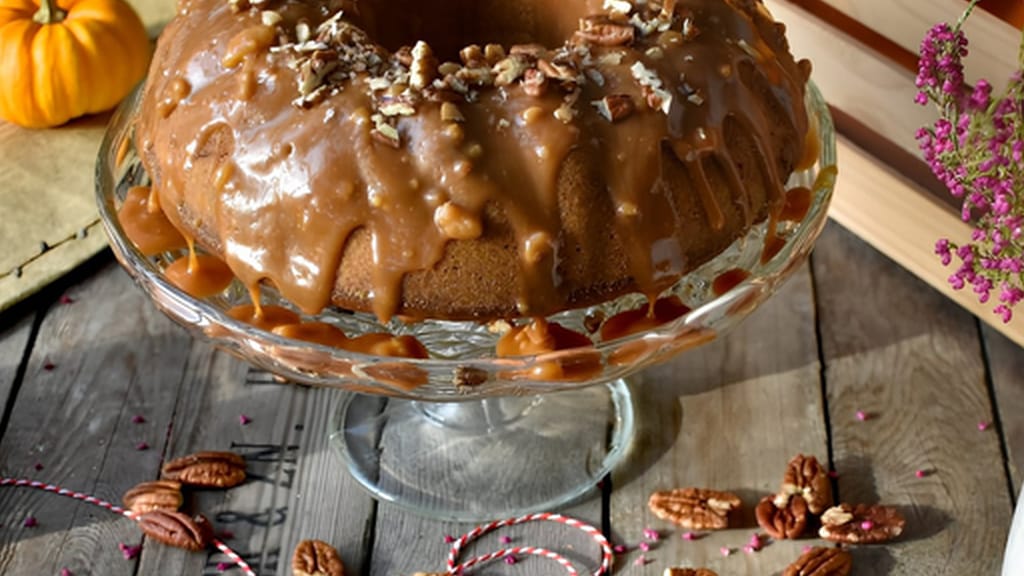
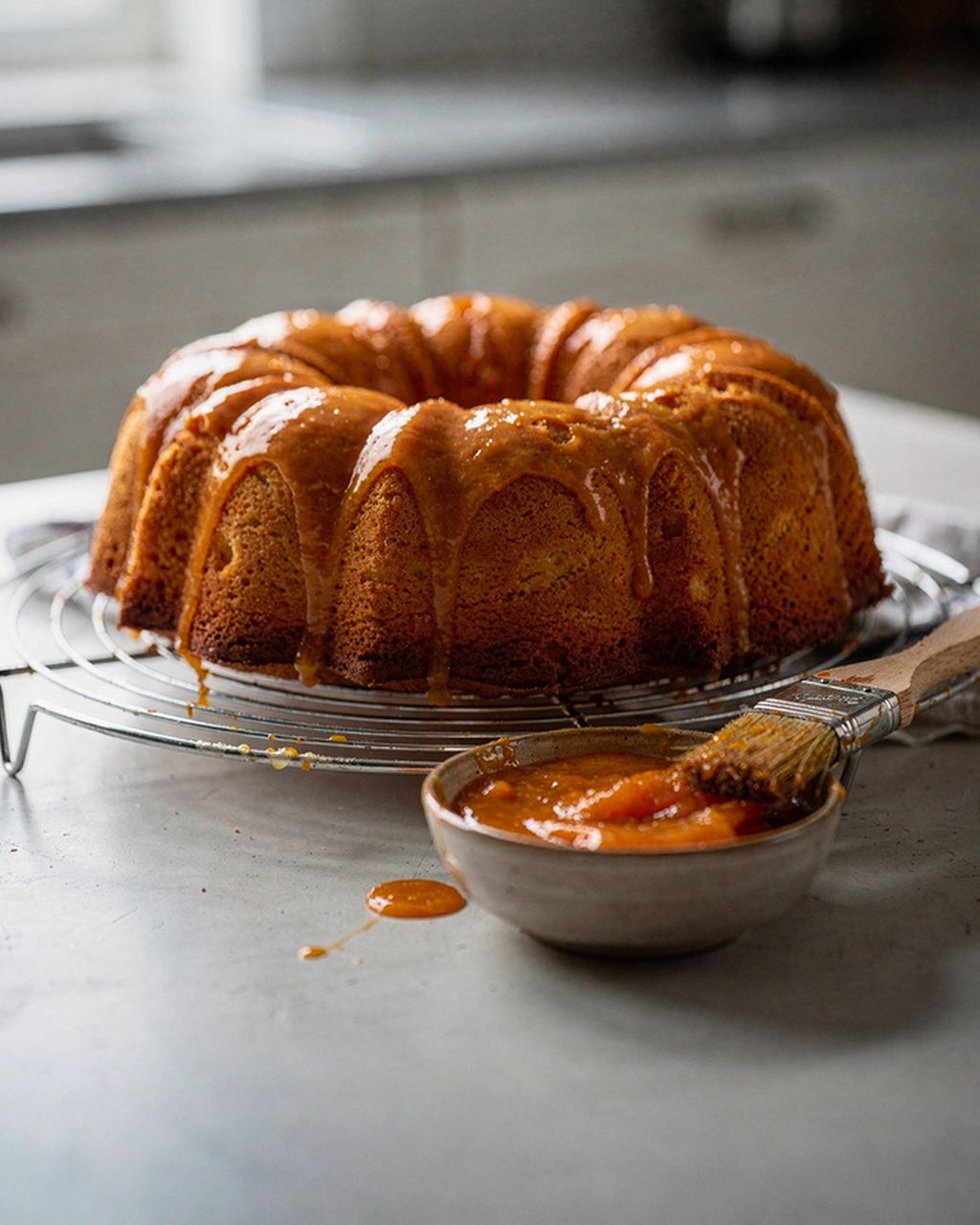
Autumn pumpkin bundt cake with creamy caramel glaze
Autumn pumpkin bundt cake with caramel cream: a moist batter for a metal or ceramic pan
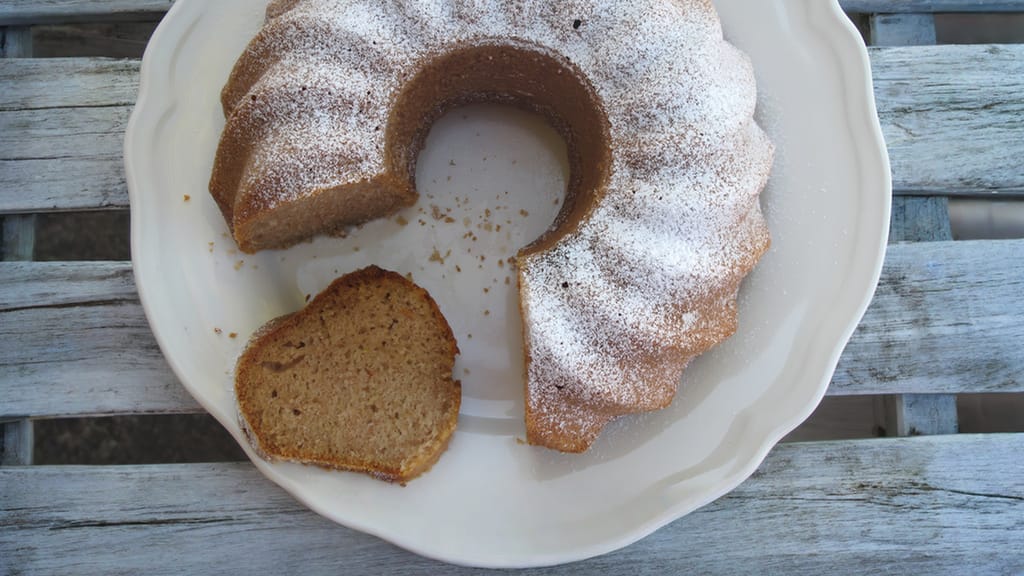
Zucchini bundt cake
Zucchini bundt cake: a moist batter that browns beautifully in a metal pan
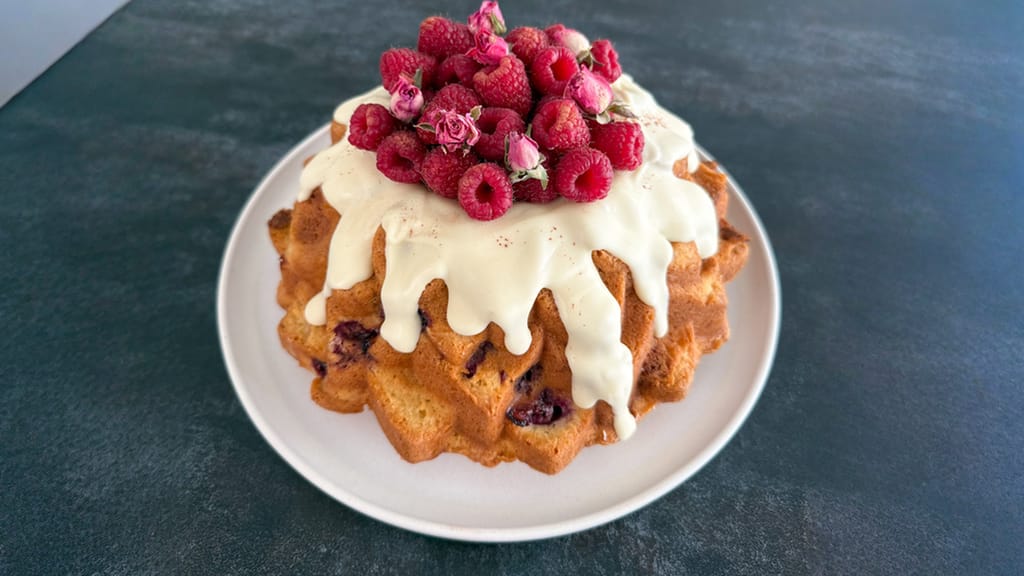
Raspberry bundt cake with white chocolate and sour cream
Raspberry bundt cake with white chocolate: a true test of how well you've greased your pan
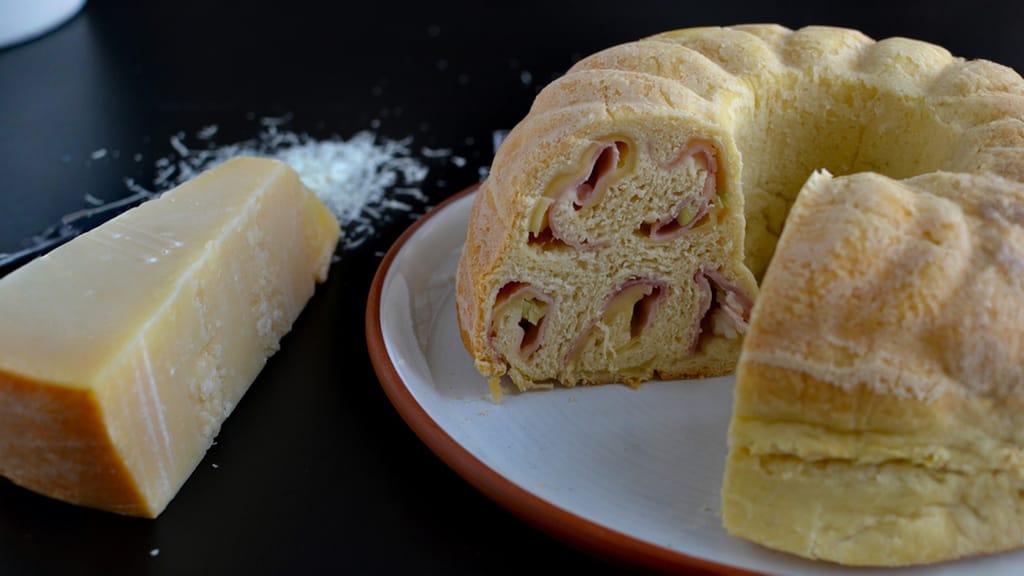
Savory bundt cake with ham and cheese (and more)
Savory bundt cake (not just) with ham and cheese: bake it in any bundt pan you like
Don't put a cast aluminum or non-stick tin pan in the dishwasher — harsh detergent and hot steam wear down the coating over time. Wash it by hand with warm, soapy water and a soft sponge. Silicone pans are dishwasher-safe; for ceramic, follow the manufacturer's instructions.
The closest substitute for a bundt pan is a cake tin with a greased metal bowl or can set in the middle to form the center tube. The cake won't have ridges, but it'll bake through in a similar way. Another option is a loaf pan — just allow for a longer bake time and test with a skewer.
Fill the burnt bundt pan with hot water and a drop of dish soap, let it soak for 10–15 minutes, then scrub the ridges with a soft brush — an old toothbrush works well. For stubborn residue, make a paste from baking soda and a little water and gently rub it in. Never use steel wool, sharp tools, or sand on a non-stick surface.
A new bundt pan just needs a wash in warm, soapy water and a thorough dry before its first use, to remove dust and any manufacturing residue. After that, grease and flour it as you normally would — a non-stick coating is no substitute for greasing. The one exception is true, unenameled cast iron, which needs to be seasoned first according to the manufacturer's instructions.
Hand-washed and kept away from metal utensils, a cast aluminum bundt pan can last years, even decades — the cast metal itself barely wears at all. The non-stick coating gives out first, so avoid knives, steel wool, and the dishwasher if you want it to last.
One recipe worth heating the oven for, one tip, and one deal from the shop. Nothing else.