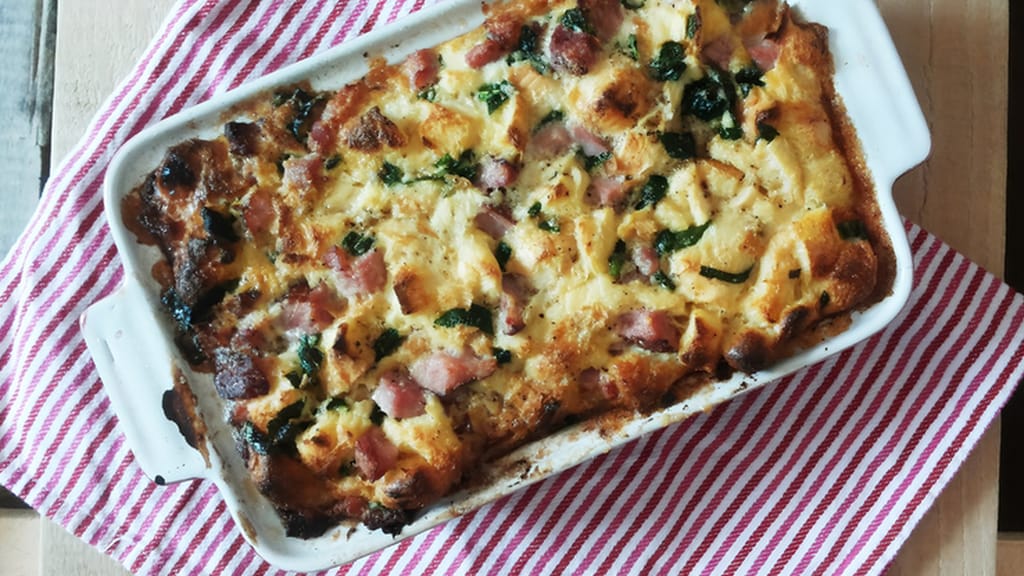
Easter bread stuffing
Easter Stuffing: Eggs, Herbs and a Perfectly Moist Texture
Updated Jul 19, 2026
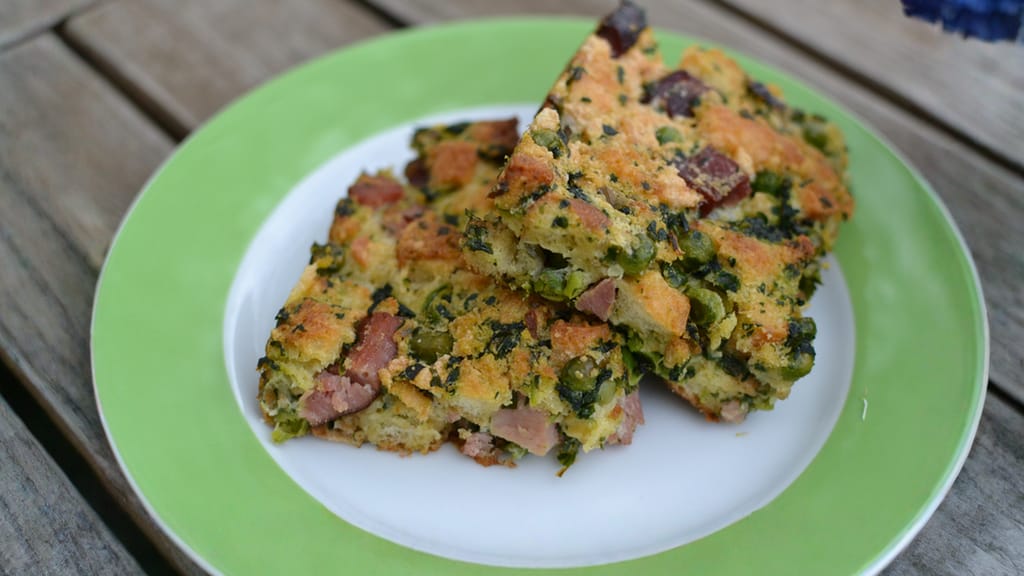
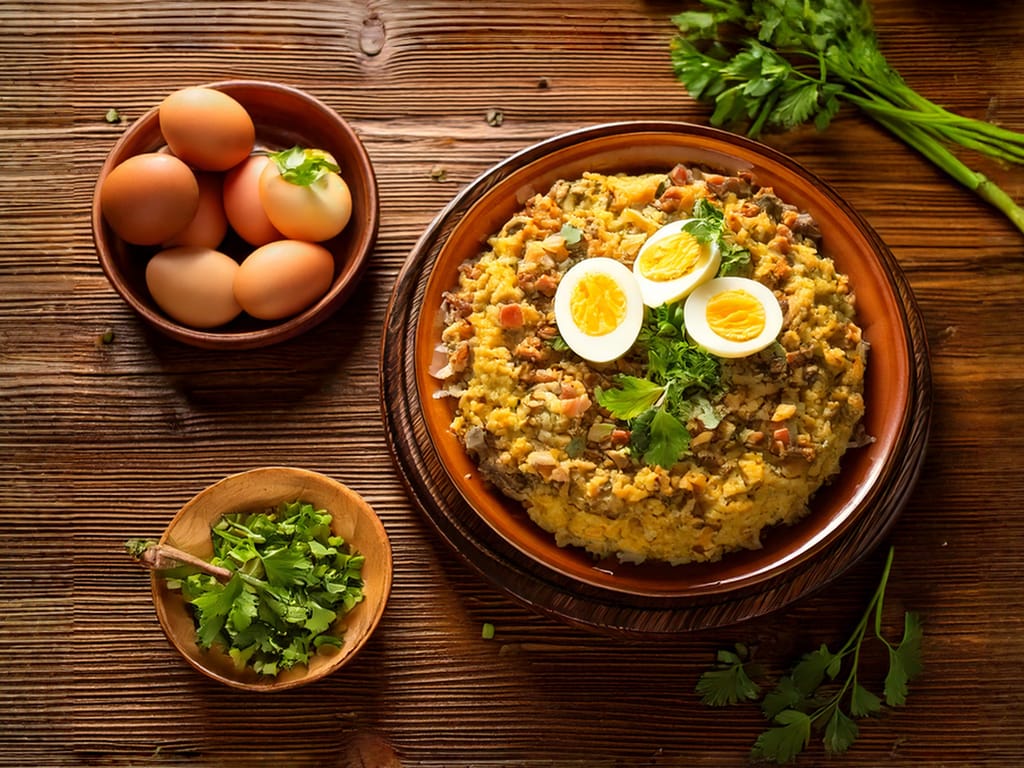
Easter stuffing lives or dies by three things: the egg ratio, the spring herbs, and a moist texture that holds its shape once baked. The quick answer to the question everyone asks: for 500g of day-old bread rolls, use 3–4 eggs, stir the yolks into the mix and whisk the whites separately into soft peaks – that way the stuffing turns out light and fluffy, not rubbery. Below you'll find how to season it, which herbs to use, how to swap out the smoked meat, and what to do if it's crumbly or dry.
For 500g of day-old bread, use 3–4 eggs. Three eggs give a moist, fairly compact stuffing, while four make it lighter and fluffier. More than five eggs per 500g of bread risks a rubbery, dense texture – eggs are a binder, not the main ingredient.
Eggs do two jobs in stuffing: they bind the bread, meat and herbs together, and they lift the whole mixture as it bakes. The best results come from an old trick – separating the yolks from the whites:
Stir the yolks straight into the soaked bread along with the rest of the ingredients.
Whisk the whites to stiff peaks and fold them in gently right at the end.
The whisked egg whites trap air in the mixture, and it's the one step that turns an ordinary stuffing into a light, fluffy one. If you just crack the eggs in whole, the result will be denser.
Need a bigger batch? Stick to roughly 3–4 eggs per 500g of bread and scale up the liquid accordingly. On the flip side, if you're cutting back on eggs (for allergies or a vegan version), replace them with soaked seeds: 1 tablespoon of chia seeds or ground flaxseed mixed with 3 tablespoons of water, left to sit for 10 minutes, binds like one egg. Just keep in mind that seeds bind but don't lift – vegan stuffing will be denser, so it's worth adding an extra tablespoon of baking powder.
Egg quality shows in the flavour too: fresh free-range eggs have a richer yolk and a more pronounced taste.
The flavour base of Easter stuffing is salt, freshly ground pepper, a pinch of nutmeg and onion fried golden in butter. These four build the traditional flavour – everything else is fine-tuning.
Nutmeg should be used sparingly – a pinch of freshly grated is enough. It adds a warm, nutty note, but too much overpowers everything else.
Fry the onion in butter until golden before adding it in. It caramelises, loses its harshness, and gives the mix a sweet depth. Raw onion will taste sharp in the finished stuffing.
Garlic – add just a small clove, so it supports the herbs rather than drowning them out.
Check the salt right at the end – if you're using smoked meat or salty stock, the mixture is likely already well seasoned.
Taste the raw mixture as you go (skip this if you don't want to try raw egg) and adjust the salt and pepper before baking – once it's baked, it's much harder to fix the seasoning.
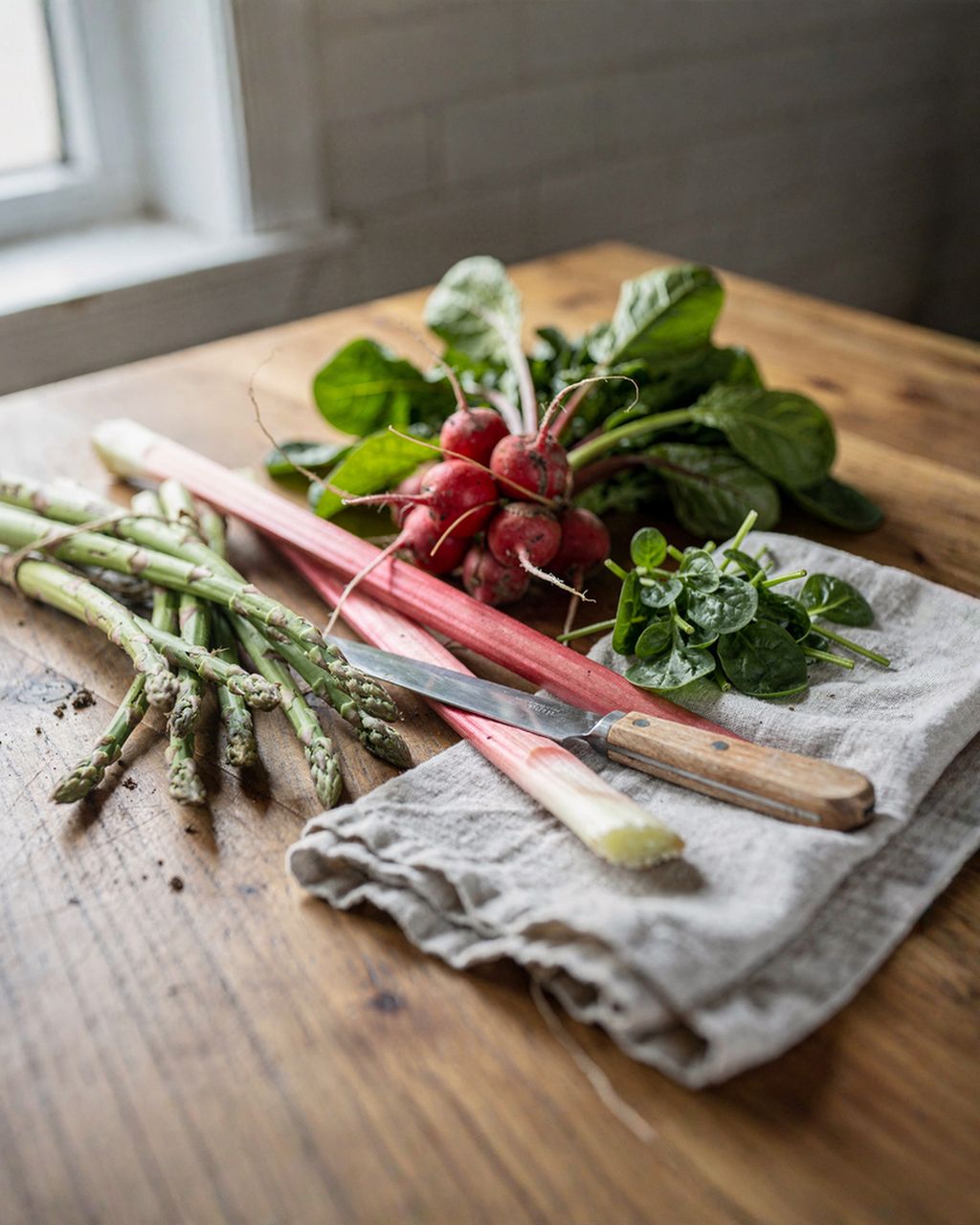
Easter stuffing calls mainly for fresh spring greens: parsley, chives, wild garlic, young nettles and a pinch of thyme. Herbs are what make stuffing feel like spring, so don't skimp – a generous handful of chopped greens per batch is about right.
Parsley and chives are the backbone. Parsley brings freshness, chives add a mild oniony note without any harshness. Both are sensitive to heat, so chop them finely and stir them in right at the end, just before baking – this keeps their colour and aroma intact.
Wild garlic is ideal for spring stuffing – it has a garlicky flavour without the sharpness, and it's in season just in time for Easter, roughly March to May. Slice it into thin strips and add it towards the end, the same way as chives. It can even stand in for regular garlic if you'd rather leave that out.
Young spring nettles are a traditional addition that bring both colour and a subtly earthy flavour – blanch them briefly in boiling water before using, which takes away the sting. Thyme, on the other hand, holds up to heat, so add it earlier while mixing; use it sparingly though, so it doesn't overpower the fresher herbs.
Smoked meat in the stuffing can be reliably replaced with mushrooms, smoked tofu, tempeh or a teaspoon of smoked paprika – they bring the same savoury depth and umami. The key is to give the mixture back what smoked meat provides: umami flavour and a hint of smoke.
Mushrooms are the closest substitute – they naturally contain umami, which stands in for the meat in the stuffing. Slice button mushrooms or porcini and fry them with onion until golden, letting the liquid evaporate until the mushrooms start to caramelise. That's when they develop full flavour; undercooked mushrooms will release water into the stuffing.
Smoked tofu delivers that smoky flavour straight away – just dice it and fry briefly. Tempeh has a firm, nutty texture thanks to fermentation – slice it, steam or blanch it briefly to soften, then fry. Season both before adding them to the mix, since on their own they're fairly neutral.
Recipe of the week, one tip that saves you time and one deal from the shop. Unsubscribe in one click.
The next issue goes out on Thursday, November 26.
Dry stuffing needs more liquid, crumbly stuffing needs more binder – both are best fixed before baking, while you're tasting the raw mixture. A properly mixed batch is moist, holds together on a spoon, but isn't runny.
Too dry / crumbling apart: add milk or stock, 50ml at a time, and let the bread soak for a bit. Milk adds softness, stock deepens the flavour. Add it gradually so you don't overshoot into the opposite problem.
Won't hold its shape and falls apart when sliced: it's missing binder. Add one extra egg, or 1–2 tablespoons of breadcrumbs or plain flour, and let it sit for 10 minutes so the breadcrumbs can absorb the liquid.
Was runny right from the bowl: add breadcrumbs, not flour – they soak up excess liquid faster.
Baking matters just as much. Bake at 180°C for roughly 45–60 minutes. The stuffing is done when the surface is golden and the centre feels firm to the touch. Overbaking will dry out even a well-mixed batch, so start checking from the 45-minute mark. Grease the baking dish, and covering it with foil for the first half of baking helps stop the surface from drying out before the inside is fully cooked.
Lightness comes from grated lemon zest, peas, young spinach and fresh spring onion – the acidity and greens brighten up what would otherwise be a rich, heavy mix.
Lemon zest: grate the zest of half an unwaxed lemon into the mix before baking. It brightens the flavour and balances the richness of the butter and eggs.
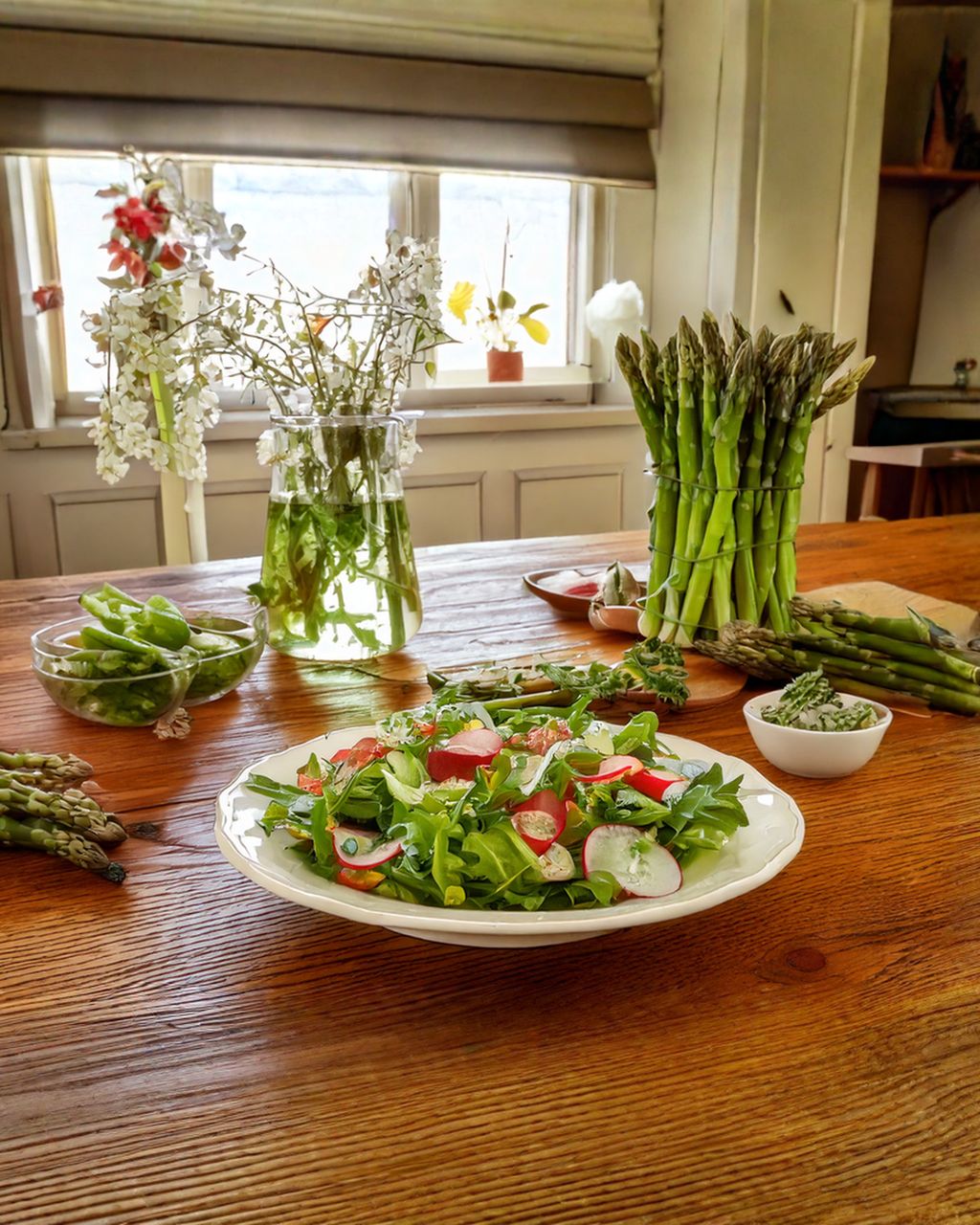
Seasonal greens: a handful of fresh peas or chopped young spinach adds colour and freshness. Wilt the spinach briefly first; peas can go in raw.
Serving: scatter the finished stuffing with fresh chives or parsley, and a few edible flowers wouldn't go amiss on a festive plate.
A classic Easter pairing is stuffing served alongside mazanec (Czech Easter sweet bread), and the stuffing itself is just as good cold the next day with roast meat or in a sandwich.
Plain white bread rolls or baguette that are at least a day old work best. Staler, drier bread soaks up the milk and eggs better and holds its structure in the mix, so the stuffing doesn't turn mushy. Fresh bread releases moisture and makes the stuffing gluey.
Baked Easter stuffing keeps for 3–4 days in the fridge in a sealed container. You can also prep the raw mixture ahead of time – mix it the day before without the whisked egg whites, then fold those in and bake it fresh on the day you're serving it. It freezes well for 2–3 months; just reheat briefly in the oven after thawing.
Traditional Easter stuffing is savoury – made with smoked meat, eggs and herbs, it's served as a main course or side dish. There are lightly sweetened, meat-free versions too, but the classic festive stuffing is distinctly herby and savoury.
Easter stuffing is tied to spring and to Maundy Thursday, when green, herb-based dishes were traditionally eaten. It also made good use of eggs and the fresh spring herbs that were abundant at that time of year, and the green colour symbolised new beginnings and health.
Fresh spring herbs are best, but frozen parsley or chives work fine too – just add them straight into the mix while still frozen. Dried herbs are more concentrated, so use roughly a third of the amount you would fresh; wild garlic and nettles, though, don't work well dried – stick to fresh for those.