Easter quiche with wild garlic

Updated Jul 19, 2026
An Easter menu rests on four courses: a light starter, a hearty main (traditionally stuffing with lamb, or a roast), a smartly chosen side, and a sweet finish in the form of a festive bread or cake. Below you'll find concrete recipes for every course, plus a timing plan so you can get everything on the table on time and without stress — whether you're cooking for four or twelve. The trick isn't cooking more, it's planning smart.
For an Easter starter, go with three reliable favourites: stuffed eggs with a herb filling, a fresh salad with radishes and feta, and a spring quiche. All three can be made ahead and served cold or lukewarm, so they won't tie up your oven or hob on the big day. Eggs also naturally belong on the Easter table as a symbol of new life.
Stuffed eggs with a herb filling are a classic Easter starter — hard-boiled eggs with their yolks mashed into a creamy filling with spring herbs, then piped back into the whites. They also carry symbolic weight on the Easter table, since eggs represent new life. Make them ahead and serve cold, so they won't take up oven space on the day of the feast.
Tip: pipe the filling with a piping bag for a neat finish, and fill the eggs just before serving, as the filling dries out quickly once exposed to air.
A light salad brings colour and crunch to the table. Slice the radishes thinly and salt them lightly a few minutes ahead — this draws out some water and softens their sharp bite. Add baby spinach or rocket, crumbled feta, and a drizzle of olive oil and lemon; go easy on the salt, since feta is already quite salty. Toss the dressing through only at the table, so the leaves don't wilt.
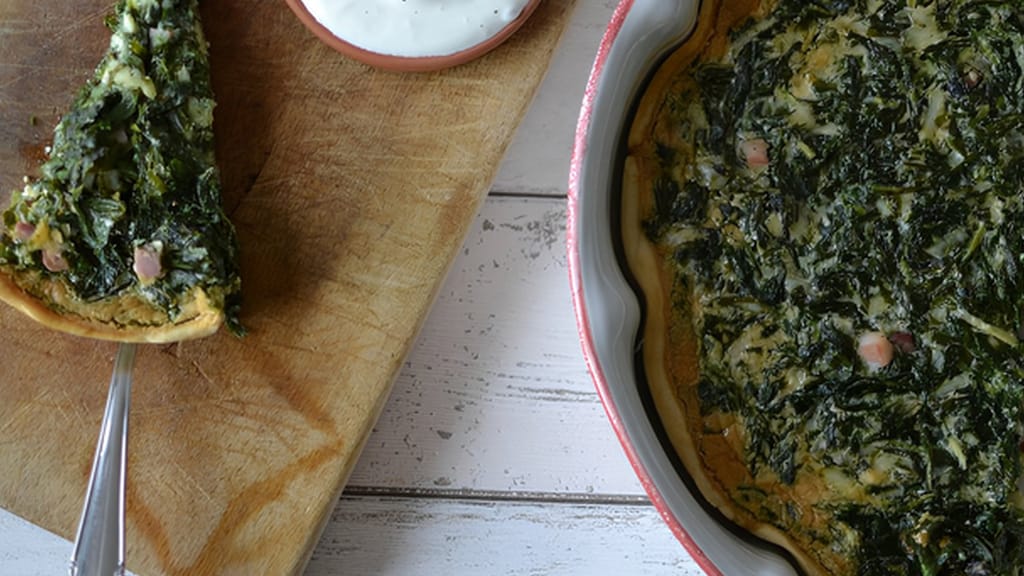
A savoury spring tart makes an ideal starter, since it tastes just as good lukewarm and can easily be made a day ahead. Line a tin with buttery shortcrust pastry and blind-bake for 10–12 minutes at 190°C (with baking beans or rice as weights, so the base doesn't turn soggy). Then fill with asparagus, young peas and Gruyère, and pour over an egg-and-cream mixture in a ratio of roughly 1 egg to 100ml of cream. Bake at 180°C until golden, about 30–35 minutes — the filling should be just set, not puffed up.
Easter quiche with wild garlic
Easter quiche with wild garlic – a savoury spring tart as a starter
The heart of a Czech Easter menu is stuffing (traditionally known as "hnětačka") served alongside roast lamb or veal; for something lighter, try roasted salmon or a poultry roulade. Pick one standout main and build your sides around it — trying to fit several large roasts into the oven at once will only overwhelm both it and you.
Easter stuffing is a baked dish made from soaked bread rolls, smoked meat, eggs, and above all spring herbs (nettles, parsley, wild garlic). In folk tradition it symbolises new life and the shift from fasting to abundance. It's served warm as a main course, or cold and sliced the next day, making it perfect for Easter Monday. To keep it moist and holding its shape, watch the ratio — count roughly one egg per bread roll — and bake it covered, uncovering it for the final quarter of an hour so it turns golden on top.
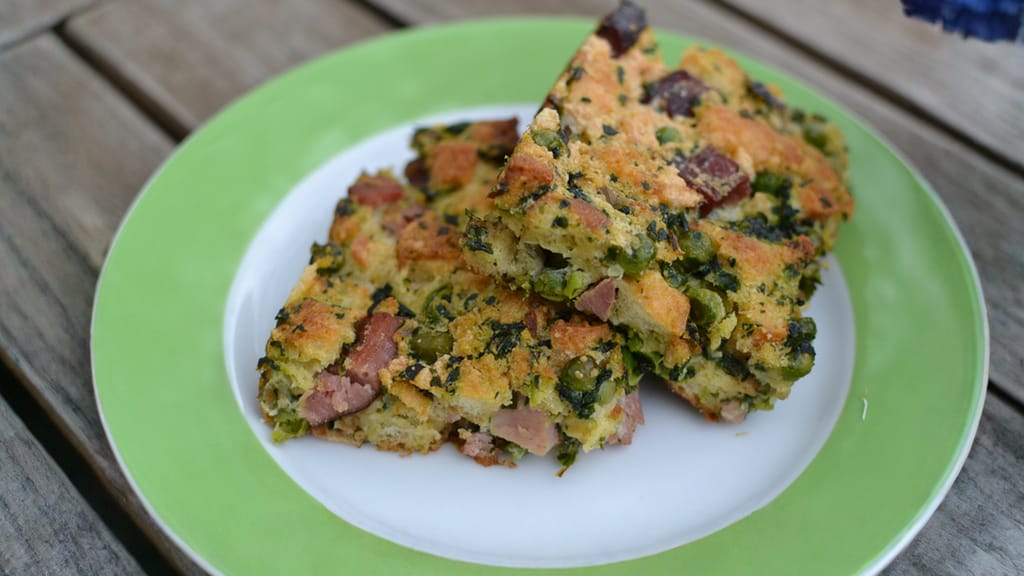
Traditional easter bread stuffing with wild garlic
Traditional Easter stuffing with wild garlic
Roast lamb is the most powerful Easter symbol of all — it nods to the Jewish Passover as well as to Christ as the Lamb of God, which is why it sits at the heart of so many festive tables. A leg or saddle of lamb marinated overnight with garlic and rosemary, then slow-roasted, stays juicy and fragrant.
Tip: let the meat rest under foil for 10–15 minutes before carving, so it keeps its juices.

A stuffed roulade looks impressive but is easy enough for a beginner, and it slices neatly into portions. Flatten the meat to an even thickness so it cooks evenly, fill it, roll it up tightly, and tie it with string if needed. After searing it in a pan, finish it off in the oven — it'll stay juicy and the slices will hold their shape.
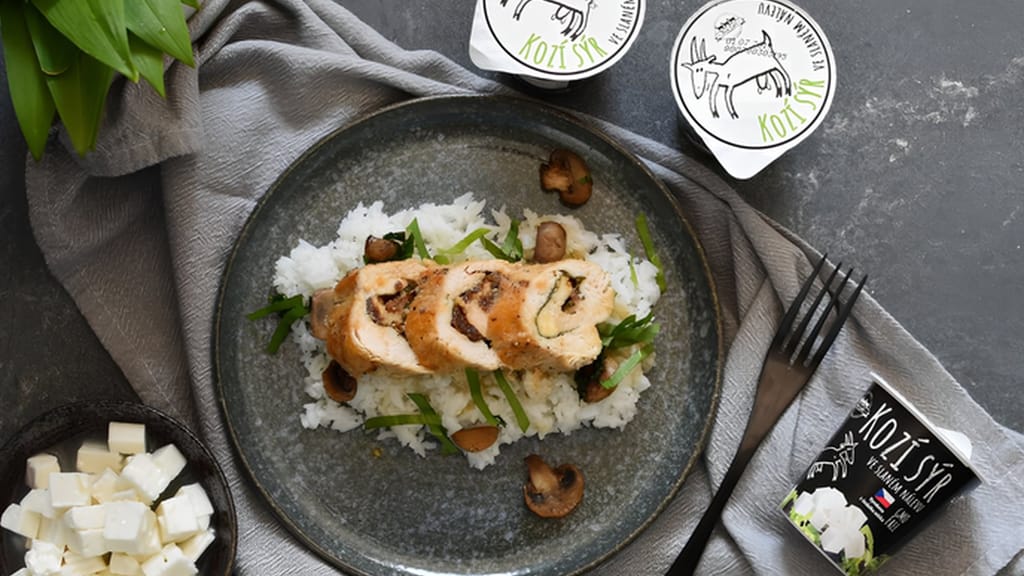
Chicken roulade with goat cheese and wild garlic
Chicken roulade with goat's cheese and wild garlic
If you want to lighten up the menu, roasted salmon is a crowd-pleaser — it's a rich source of omega-3 fatty acids, according to experts, and it's ready in the oven in just minutes. Roast it briefly at a lower temperature (150–160°C) until the flesh just starts to flake but the centre is still deep pink. Overcooked salmon is the most common mistake — take it out a touch early, as it'll finish cooking from residual heat.
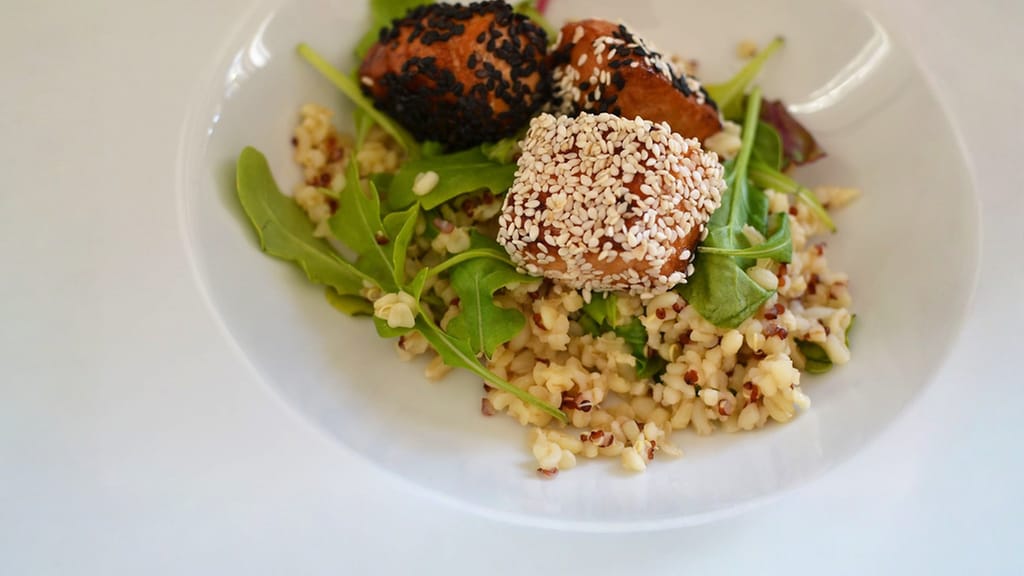
Amazing sesame-crusted salmon
Delicious sesame-crusted roasted salmon – a lighter main course
Worth trying from abroad is Polish żurek — a sour soup made from fermented rye starter with white sausage and a hard-boiled egg, which Poles traditionally eat at Easter. It brings an unusual, pleasantly tangy flavour to the table and pairs nicely with heavier roasted meat.
A good side complements the main course while also balancing it out: pair something rich and roasted with a fresh side, and delicate meat with a creamy one. Tried-and-true Easter sides include potato salad, creamy mashed potatoes, quinoa salad with spring vegetables, and roasted root vegetables.
For a safe bet, go with potato salad — its creamy texture pairs well with both roasts and schnitzel. Want something lighter? Quinoa salad with young peas, radishes and cherry tomatoes is nourishing, colourful, and looks great on the plate. And for a rich, juicy sauce, creamy mashed potato is the perfect vehicle to soak it all up.
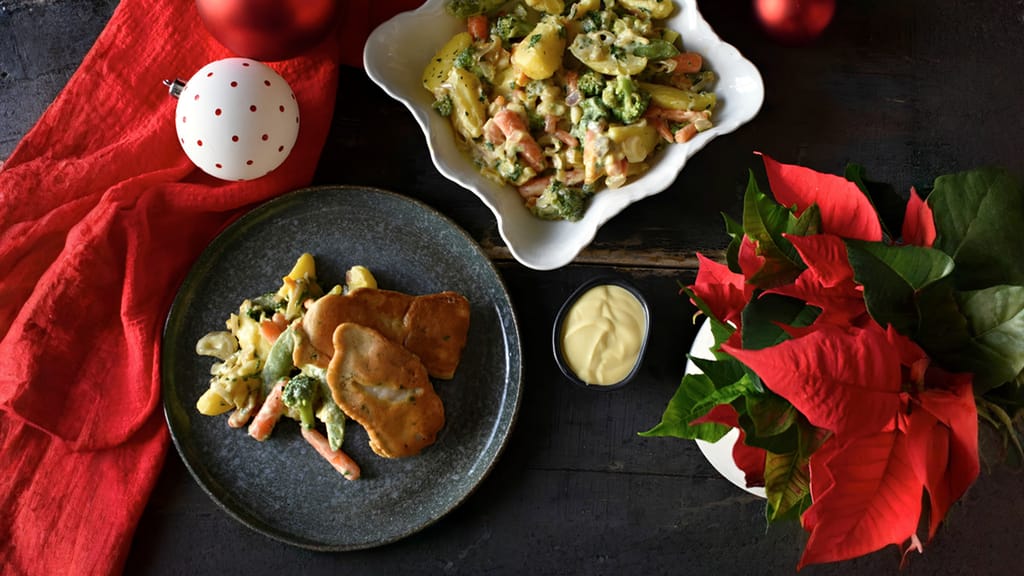
An unconventional christmas eve menu: fresh potato salad
Fresh potato salad as an Easter side
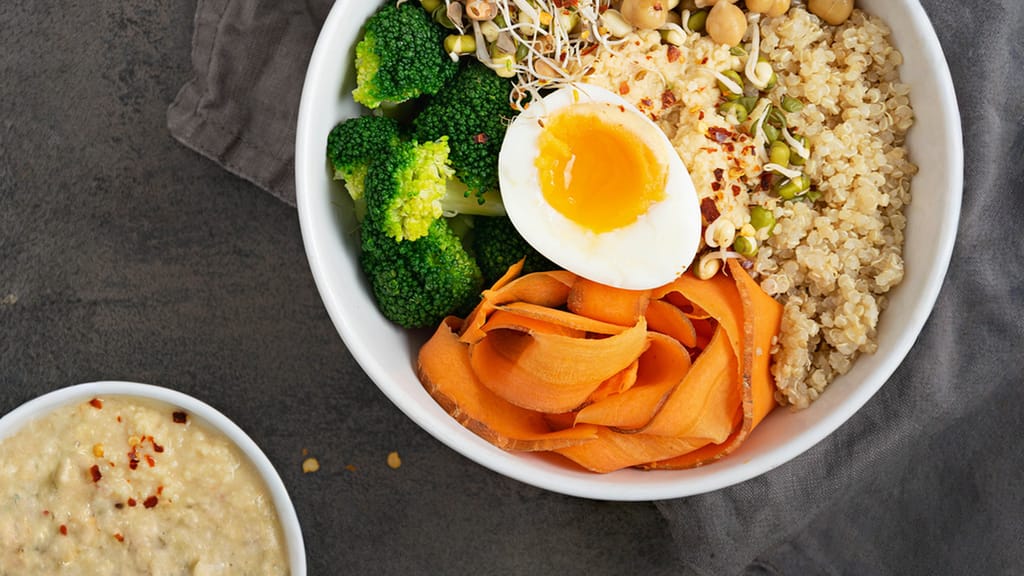
Quinoa buddha bowl with egg, chickpeas and vegetables
Quinoa Buddha bowl with egg, chickpeas and spring vegetables
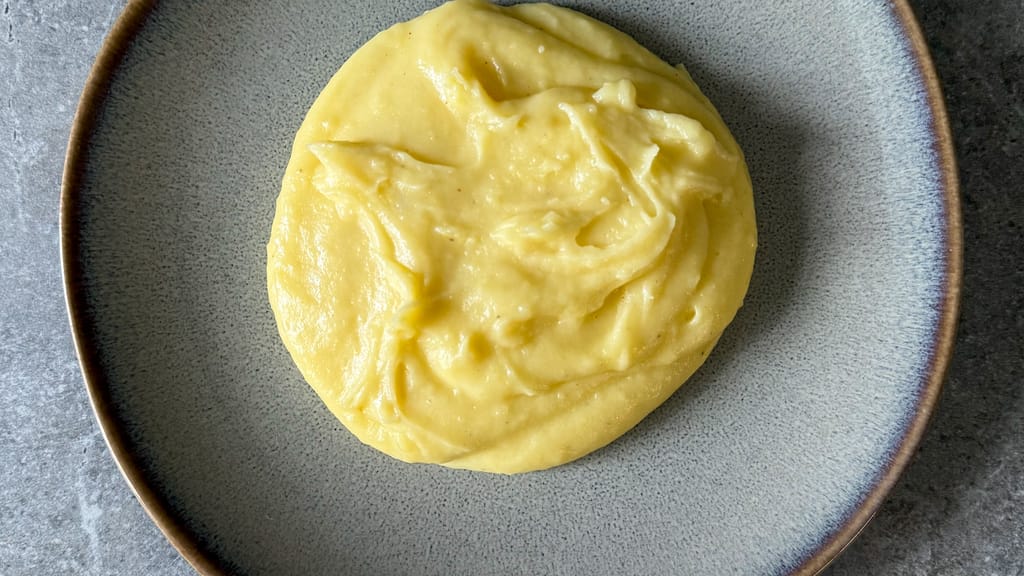
Silky creamy mashed potatoes with nutmeg
Silky creamy mashed potatoes with a touch of nutmeg
Roasted root vegetables are a simple Easter side made from carrots, parsnips and celeriac, which roasting strips of their raw sharpness while drawing out their natural sweetness — a perfect fresh counterpoint to rich roasted meat. Cut the carrots, parsnips and celeriac into evenly sized pieces (so they cook at the same rate), toss with olive oil, and brush with a honey glaze near the end of roasting. Add the honey only in the last 10 minutes at 200°C — any earlier and it will caramelise and turn bitter. The honey gives the vegetables both shine and depth.
A balanced menu comes down to alternating textures and flavours. If your main has a rich sauce, add something light and tangy alongside it — a rocket salad with lemon dressing works well. For drier meat, a creamy side such as polenta or mashed potato is the better match. The goal is that no single flavour overpowers the rest, keeping the plate varied and interesting.
Easter dessert has two reliable staples: mazanec (a sweet Easter bread) and a lamb-shaped cake. Mazanec is a sweet, yeasted loaf studded with raisins and almonds; the cross on top symbolises the crucifixion, while its round shape represents the sun and rebirth. The lamb cake, made from a whisked or yeasted sponge batter, represents Christ as the Lamb of God. If you want to surprise your guests, add a lighter tiramisu alongside the traditional bakes.
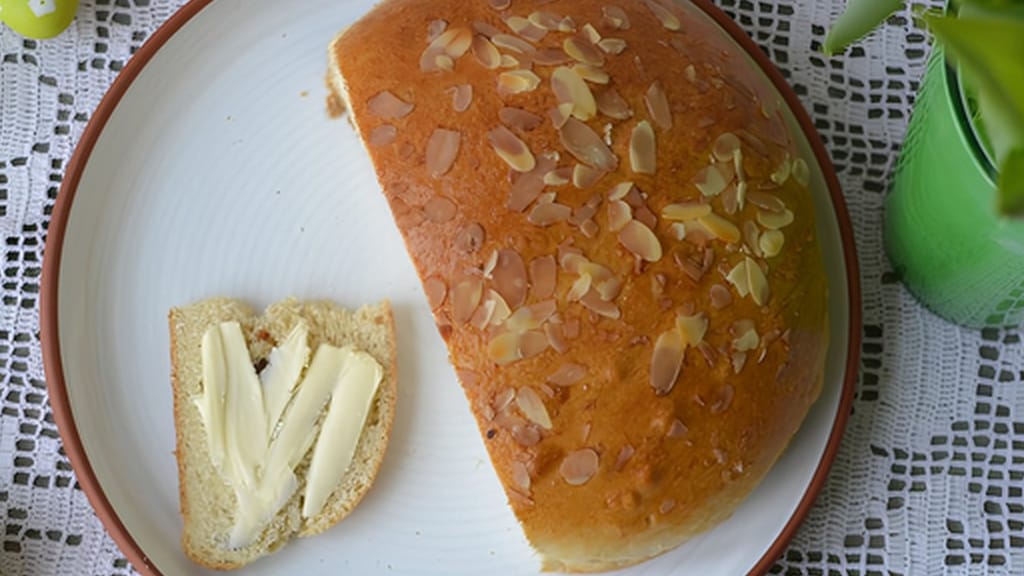
Easter classic: fragrant mazanec bread
An Easter classic: fragrant mazanec with raisins and almonds
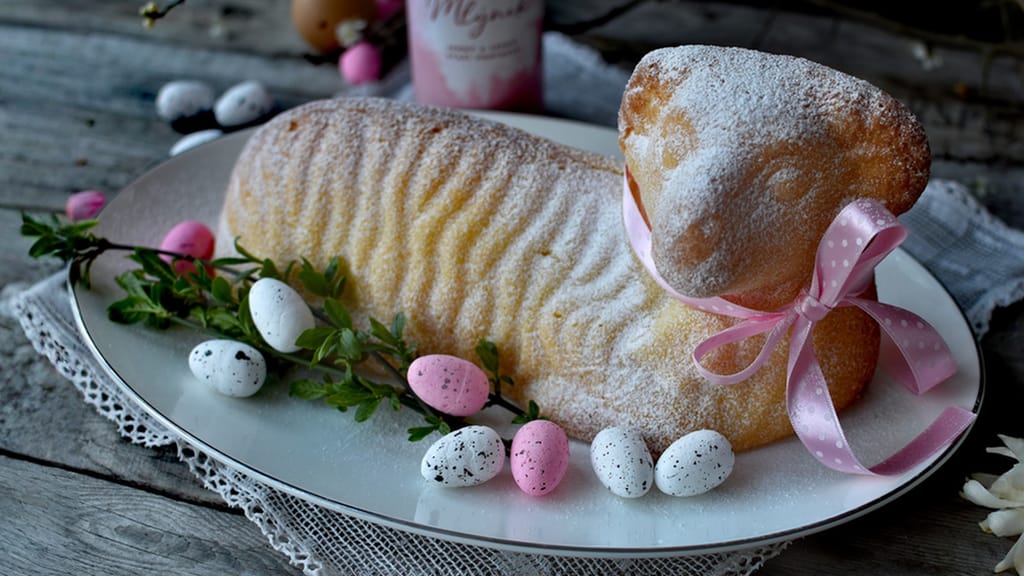
Soft, fluffy and perfect easter lamb cake
Soft and fluffy Easter lamb cake

After a hearty meal, a lighter, fresher dessert is always welcome. Tiramisu made with mascarpone, coffee and cocoa strikes a nice balance between sweetness and gentle bitterness; a spring version with raspberries makes it even more refreshing. If you're a fan of nuts and honey, you'll love Greek baklava — thin layers of pastry with nuts, drenched in honey syrup. Both can be made ahead, which is a real plus on the day of the feast.
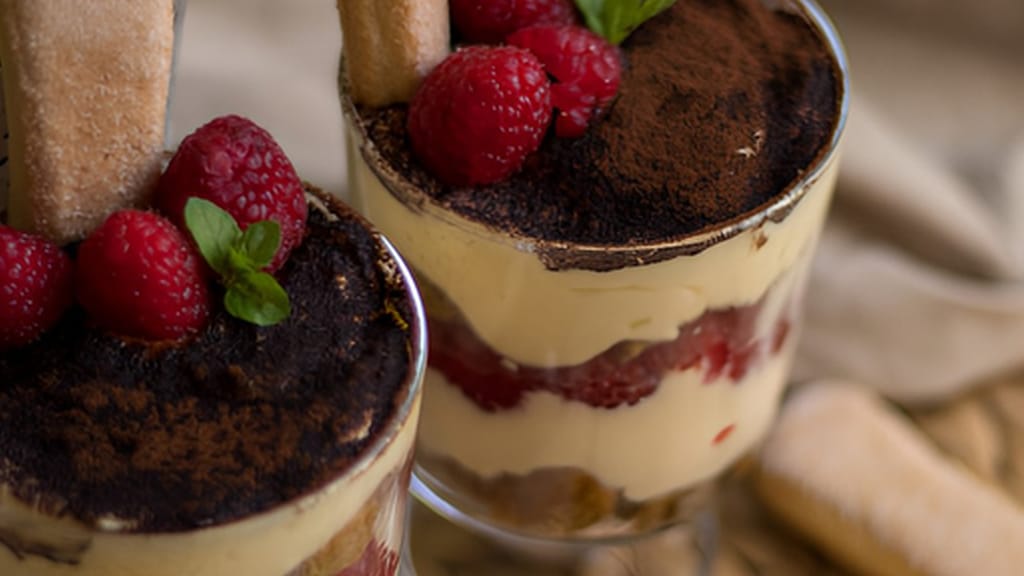
Raspberry tiramisu
Raspberry tiramisu – a spring take on the Italian classic
The key to a stress-free Easter menu is simple: split every dish into a prep stage and a finishing stage, and push as much of the prep as far ahead as possible. Mazanec and the lamb cake are traditionally baked on Holy Saturday, so your oven is free for the meat on Sunday. Jot down each step on paper or in your phone and tick them off as you go — a good plan really is half the battle.
Draw up a list of all your ingredients and sort it by section of the shop (vegetables, meat, dairy, bakery) — that way you'll manage the whole shop in one pass. Work out portions per guest, and don't forget spices and small extras you might already have at home. Buy long-life ingredients ahead of time, and leave fresh ones for the day before.
Save yourself half the work the day before. Bake the mazanec and lamb cake (they'll be even softer the next day, and it frees up the oven), chop vegetables and store them in sealed containers, marinate the meat, and prepare sauces or dips — the flavours will meld beautifully overnight. Cold starters and desserts can be finished completely.
On the day of the feast, work through a clear sequence, from longest to quickest:
Morning: take the meat out of the fridge (so it's not chilled through), and finish off the cold dishes — soup, salads, desserts.
Late morning: get the main course into the oven; roasting the meat and sides takes the longest, so start it early.
Afternoon: finish the sides, reheat anything made ahead, and start plating up.
Before serving: adjust seasoning, garnish, and let the meat rest before carving.
Anything can happen — from a missing ingredient to a burnt cake. Keep a few quick swaps in mind: yoghurt instead of cream, honey instead of sugar, or plain flour thickened with butter instead of a roux. And above all, stay calm — most small hiccups go completely unnoticed by guests at the table.
A complete festive menu to pick and choose from, depending on taste and time:
Starter: stuffed eggs with herb filling or spring quiche
Soup (optional): żurek or a light broth
Main course: Easter stuffing with lamb, poultry roulade, or roasted salmon
Sides: potato salad, quinoa salad, roasted root vegetables
Dessert: mazanec, lamb cake, or tiramisu
A classic Easter menu has three to four courses: a starter (and possibly a soup), one standout main course, a side, and a dessert. More courses don't make a better meal — one well-executed main with thoughtful sides beats five rushed dishes every time.
Veal or kid roast makes the best substitute for lamb, offering a similarly delicate flavour and the same Easter symbolism. For something lighter, try a poultry roulade or roasted salmon; for a meat-free option, go for a filled quiche or roasted vegetables with legumes.
Yes, you can bake Easter stuffing a day ahead — just reheat it the next day, or serve it cold and sliced, which is actually the traditional way to eat it on Easter Monday. Stored in a sealed container in the fridge, it keeps for 3–4 days, and the flavours meld beautifully overnight.
Beginners do best with dishes that can be prepped ahead and don't need last-minute attention: stuffed eggs, a spring quiche, a poultry roulade, and potato salad. For dessert, a store-bought or day-ahead festive bread solves everything — on the day itself, you'll only need to finish up.
Build a meat-free Easter menu around eggs and spring vegetables, which naturally belong at the holiday table. For a main, offer a spring quiche with asparagus or a quinoa salad with peas and feta, paired with roasted root vegetables, and finish with a festive bread or cake for dessert — both are naturally meat-free.
I send one like it every week. A recipe, a tip, one deal — nothing else.