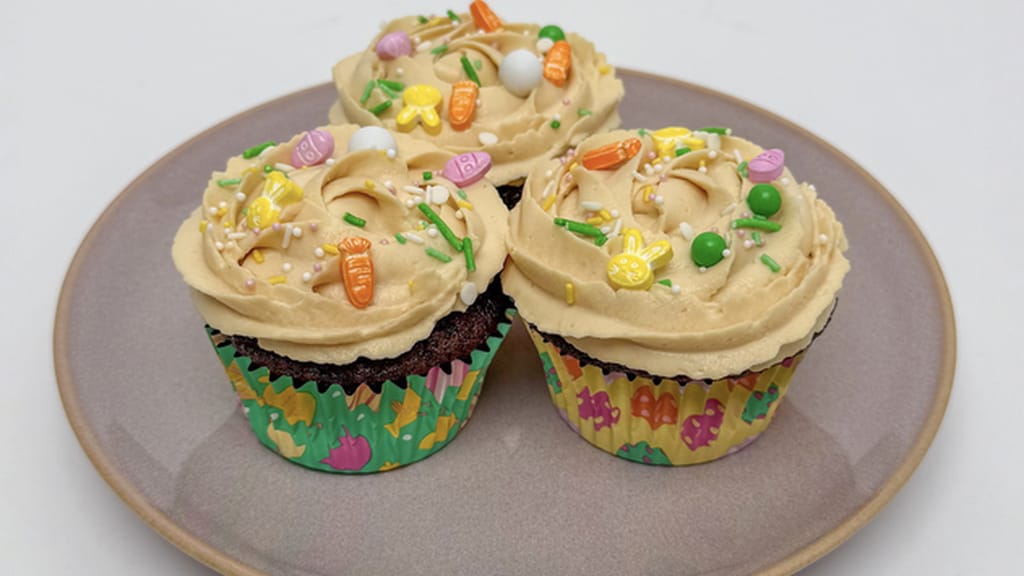
Chocolate cupcakes with salted caramel cream
Chocolate Cupcakes: Moist Cake and Chocolate Frosting That Holds Its Shape
Updated Oct 15, 2026
Chocolate cupcakes stay moist when you use oil in place of some of the butter, bloom the cocoa in a hot liquid, and take them out of the oven while a few moist crumbs still cling to the skewer. The frosting holds its shape when you get the right ratio of chocolate to cream, pipe it onto completely cool cupcakes, and keep it from warming above 20°C (68°F).
A moist chocolate cupcake comes down to five things: oil in the batter, bloomed cocoa, an acidic dairy ingredient, brief mixing, and a shorter bake. Get all five right and your cupcakes stay soft even the next day.
Oil instead of some of the butter. Butter firms up in the fridge and makes the cupcake dense, while oil stays liquid even at 5°C (41°F). A tried-and-true compromise is half butter (for flavor) and half neutral oil (for moistness), or simply all oil.
Bloom the cocoa in hot coffee or water. Pour roughly the same volume of hot liquid over the cocoa and let it stand for 2–3 minutes. The cocoa soaks it up, disperses without lumps, and releases more aroma. Coffee deepens the chocolate flavor without making the cupcakes taste like coffee.
Buttermilk, kefir or sour cream. The acid reacts with the baking soda, so the batter rises better and the crumb is finer.
Just fold in the flour. Stop as soon as the dry patches disappear. Overmixing develops gluten, which makes cupcakes rubbery and gives them peaked, volcano-like tops.
Bake for a shorter time. At 175°C (350°F), or 160–165°C (320–330°F) with a fan, standard-size cupcakes need 18–22 minutes. Chocolate batter doesn't brown, so you can't judge by color. Use a skewer instead: a few moist crumbs should cling to it, with no raw batter, but not a perfectly clean skewer either.
Fill each liner about two-thirds full. For a standard liner (5 cm / 2 in base), that's 45–50 g of batter. More batter will spill over the edge and leave the frosting nowhere to sit.
Don't want to work out the ratios yourself? You'll find a tested, ready-made method in the recipe for chocolate cupcakes with caramel frosting.
Chocolate cupcakes with salted caramel cream
Chocolate Cupcakes with Caramel Frosting: Step-by-Step Recipe
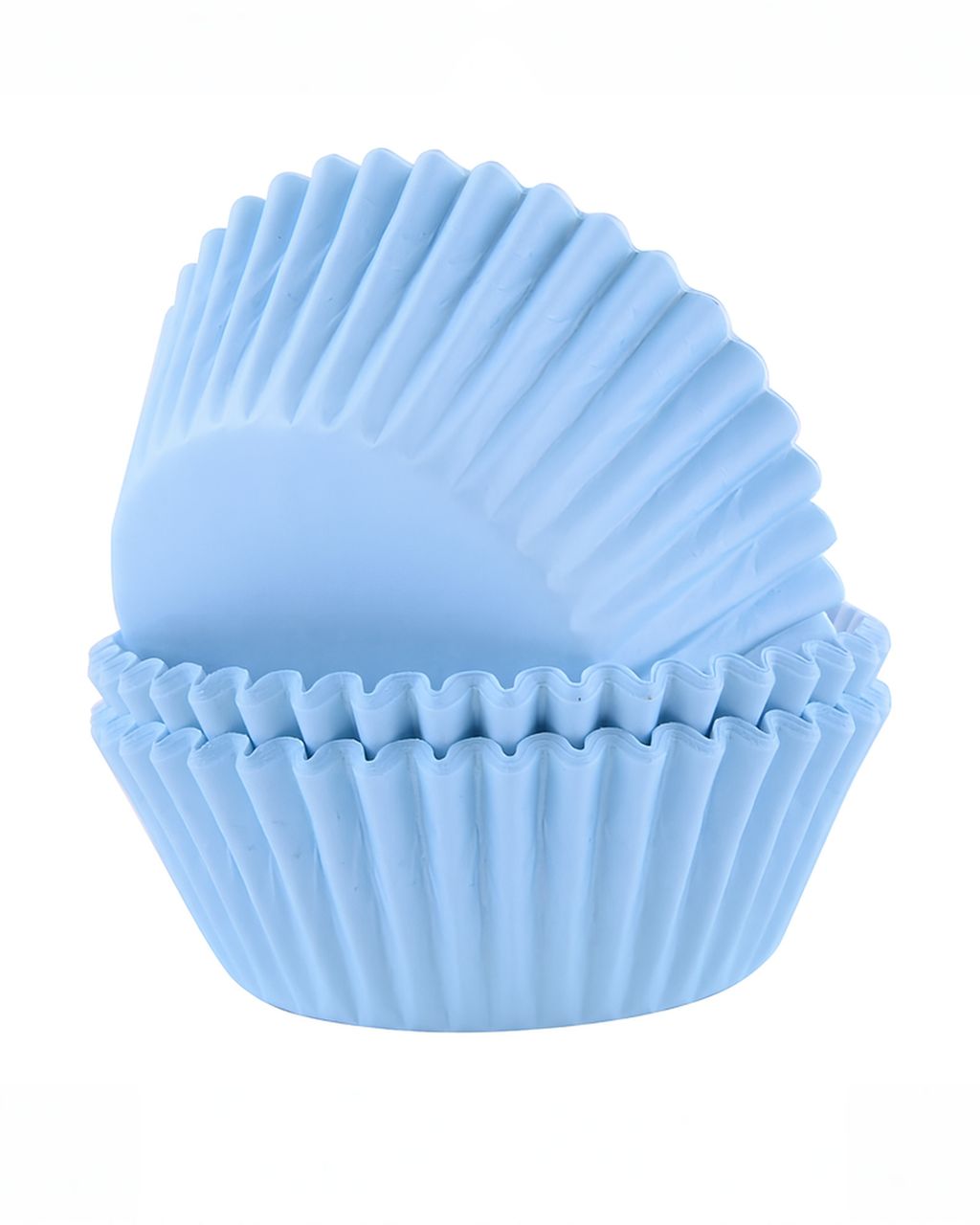
For chocolate cupcakes, foil-lined liners are the most reliable: they keep their color, don't let grease through, and peel away from the cupcake less. Plain paper liners are cheaper and work too, with a few caveats.
Paper liners — thin paper absorbs fat and moisture, so on dark batter the color and pattern turn gray. They often pull away from the cupcake as it cools, because steam condenses between the paper and the batter. It helps to leave the cupcakes in the pan for 5 minutes and then move them straight to a wire rack. Liners made of thicker paper hold up a little better.
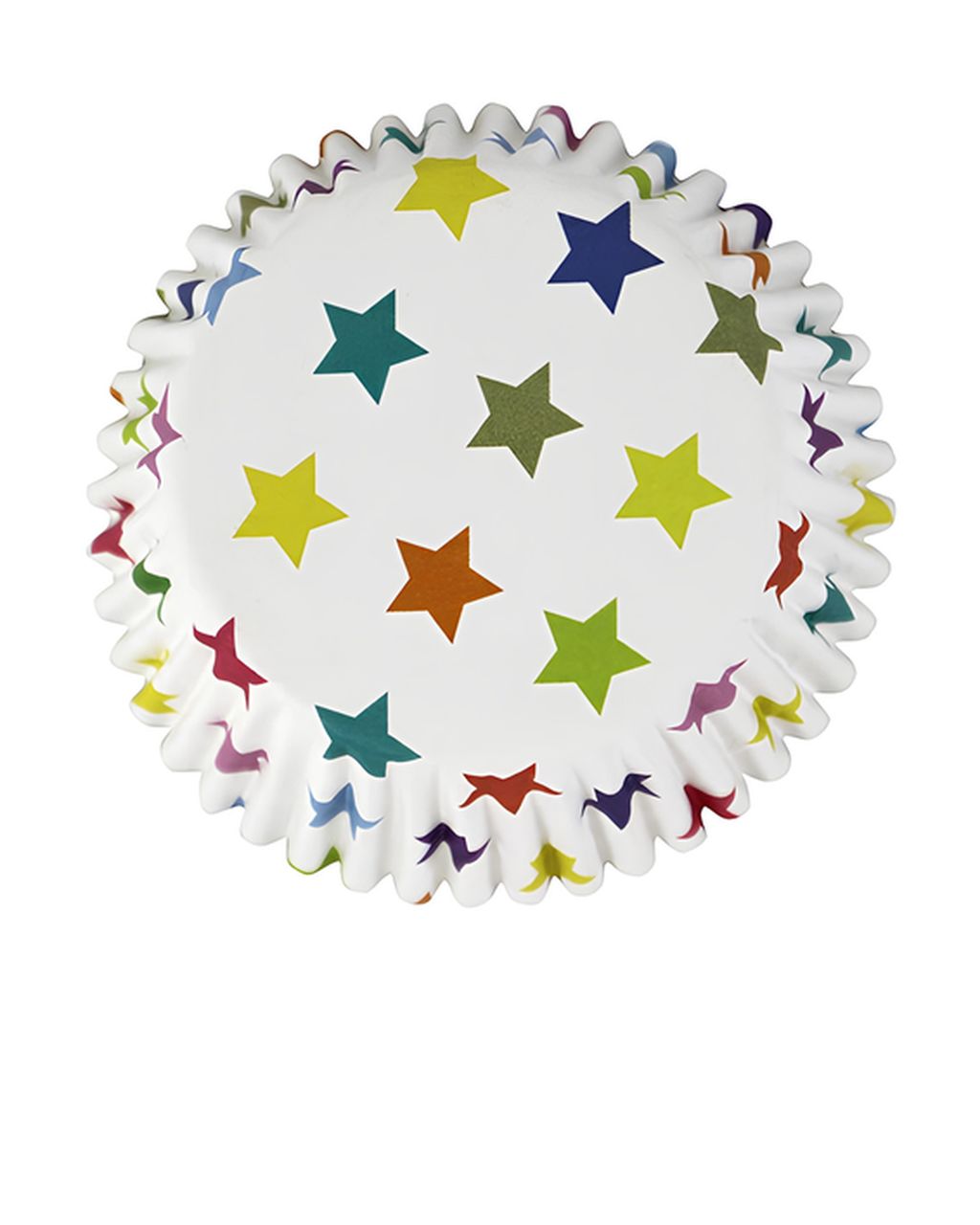
Foil-lined liners (paper with a foil layer, such as PME) — the foil acts as a barrier, so the pattern stays clean even on bitter chocolate batter. They peel away less and are slightly sturdier, so you can sometimes bake them without a muffin pan.
Silicone liners — they're reusable and the cupcake pops out easily, but you can't serve cupcakes in them. They're fine for home baking, not for a party or for selling.
Tulip liners — taller and rustic-looking, better suited to muffins. The frosting looks smaller in them.
You'll find the full range of sizes and colors among our cupcake liners. Whichever you choose, always bake them in a 12-cup muffin pan, which keeps the shape and lets heat reach the cupcakes evenly from the sides.
For chocolate cupcakes you have four frostings to choose from: whipped ganache (Parisian-style cream), piping ganache, chocolate buttercream and mascarpone chocolate frosting. The first two hold their shape best. Both are just chocolate and cream, so the result depends mainly on the ratio.
Whipped ganache (Parisian-style cream) — light, airy, and holds sharp ridges. Use dark chocolate (around 55%, such as Callebaut 811) and 33–35% cream at a ratio of 1 : 1.5 (200 g chocolate, 300 g cream). Chill overnight in the fridge, then whip only to soft peaks.
Piping ganache, no whipping — denser, glossy and intensely chocolatey. Use dark chocolate and cream at 1 : 1 and let it set at room temperature for 1–2 hours, until it has the consistency of peanut butter.
Chocolate buttercream — a Swiss or Italian meringue buttercream into which you beat 150–200 g of melted, cooled chocolate per 250 g of butter. It's the most stable in warm conditions, but also the sweetest.
Mascarpone chocolate frosting — creamy and less sweet, but the quickest to soften in the warmth. It holds its shape only straight from the fridge.
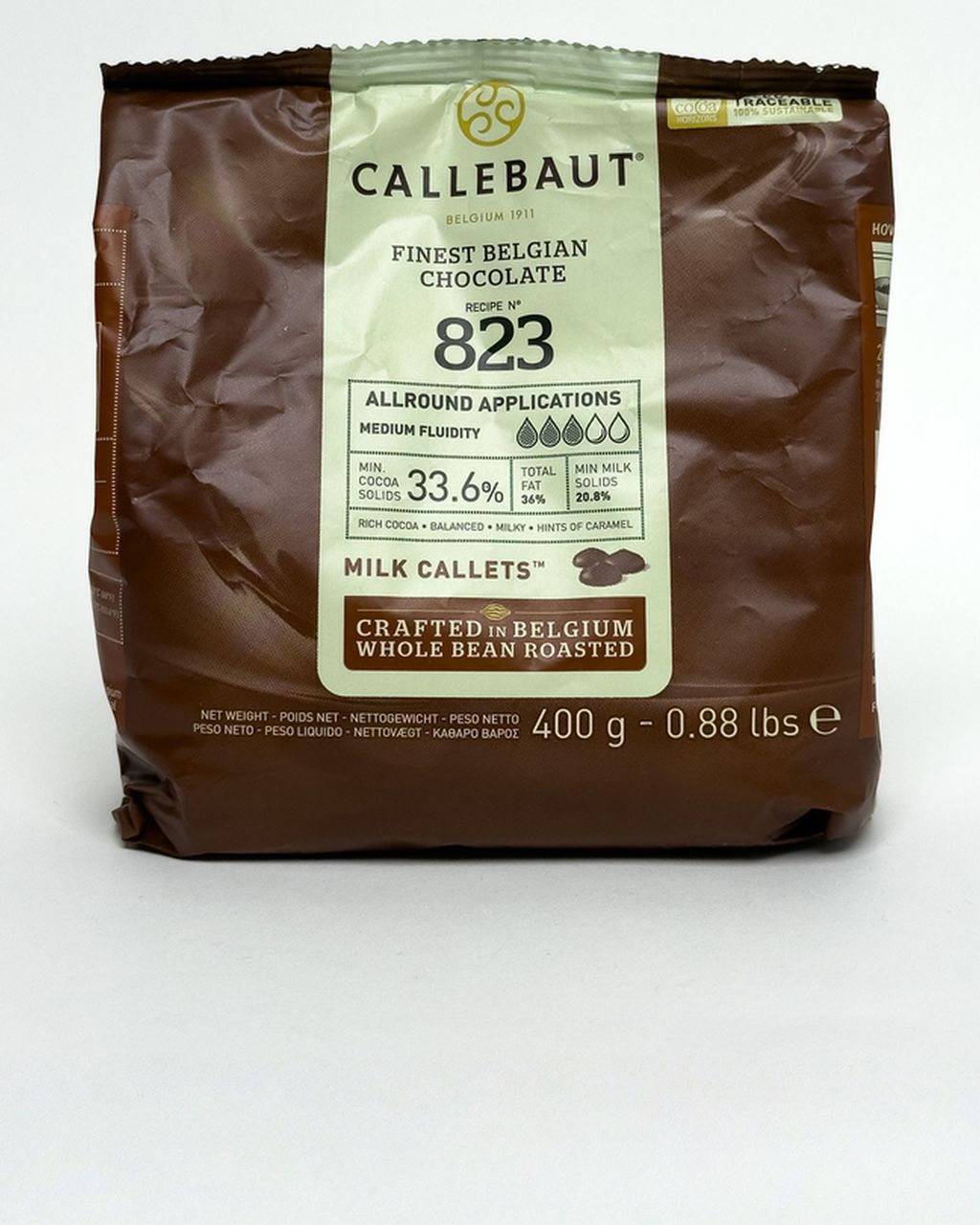
Milk chocolate needs more chocolate. Callebaut 823 milk chocolate has only 33.6% cocoa solids (dark 811 has 54.5%), so using the dark chocolate ratio would give you a runny frosting. For a whipped milk chocolate ganache, use roughly 1 : 1; for piping ganache, 2 : 1 (chocolate to cream).
For a detailed comparison of frostings, see the article Chocolate Cake Frosting: Parisian Cream, Buttercream or Mascarpone. How to fine-tune the ratio so whipped ganache doesn't collapse is covered in Firm Whipped Ganache for Cakes.
Frosting almost always runs for one of five reasons: warm cupcakes, warm frosting, low-fat cream, the wrong ratio for your type of chocolate, or overwhipping.
The cupcakes aren't completely cool. Even a lukewarm center melts the frosting from underneath. Wait at least an hour on a wire rack.
The frosting is too warm. Ganache is a mix of chocolate and cream, so it softens sooner than plain chocolate. It should be 16–20°C (61–68°F) when you pipe. If it's getting soft in the bag in a warm kitchen, put the bag in the fridge for 5–10 minutes.
The cream doesn't have enough fat. Below 30% fat, whipped ganache won't whip up and piping ganache will be too thin. Use 33–35%.
Milk or white chocolate used at the dark chocolate ratio. See the ratios above: the less cocoa, the more chocolate you need.
The whipped ganache is overwhipped. If it turns dull and grainy, the fat has separated. You can rescue it by warming a few spoonfuls of the frosting and stirring them back in.
Chocolate frosting is best piped on the first day. On the second day it sets firmer in the fridge, so let it sit at room temperature for 20–30 minutes before serving.
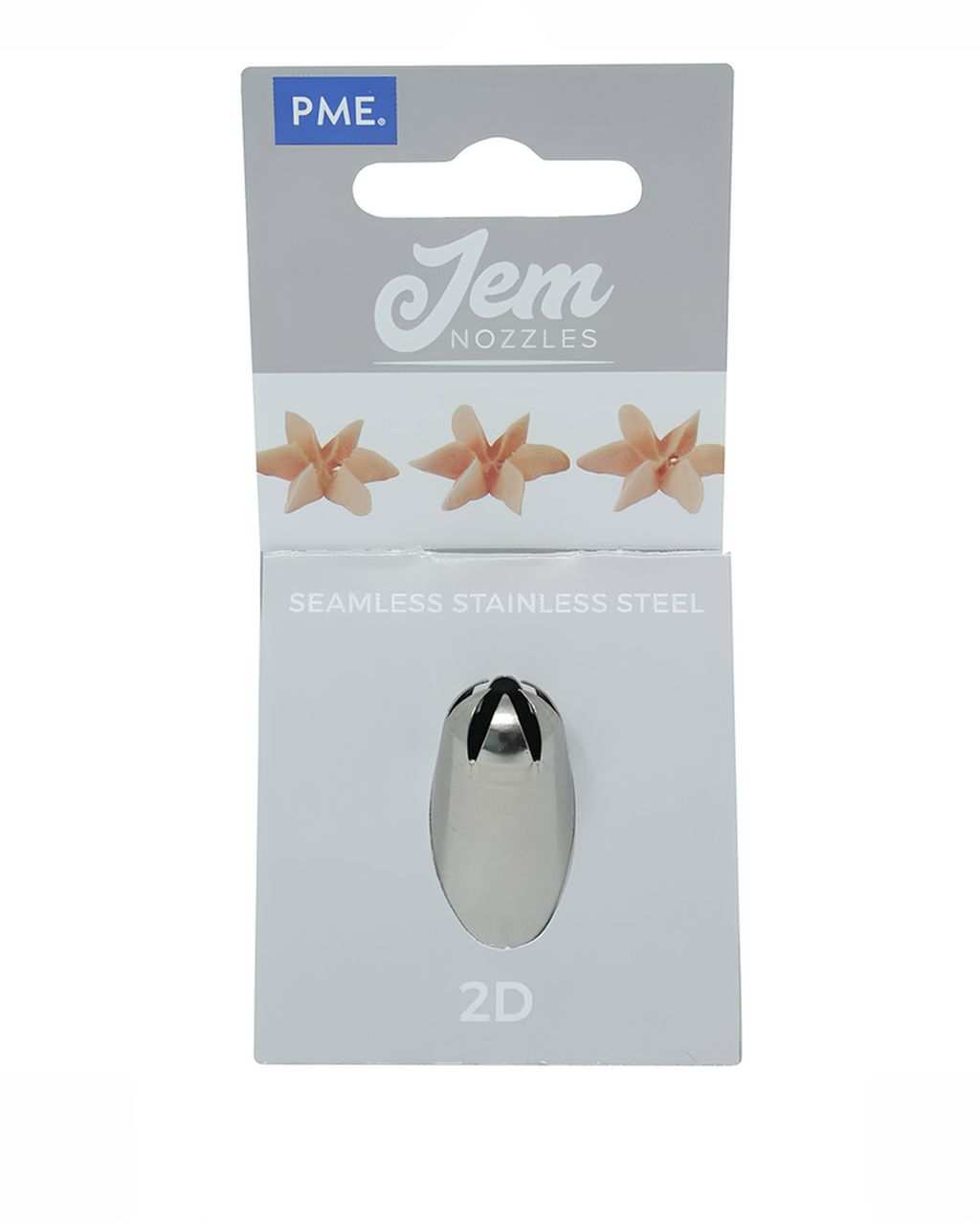
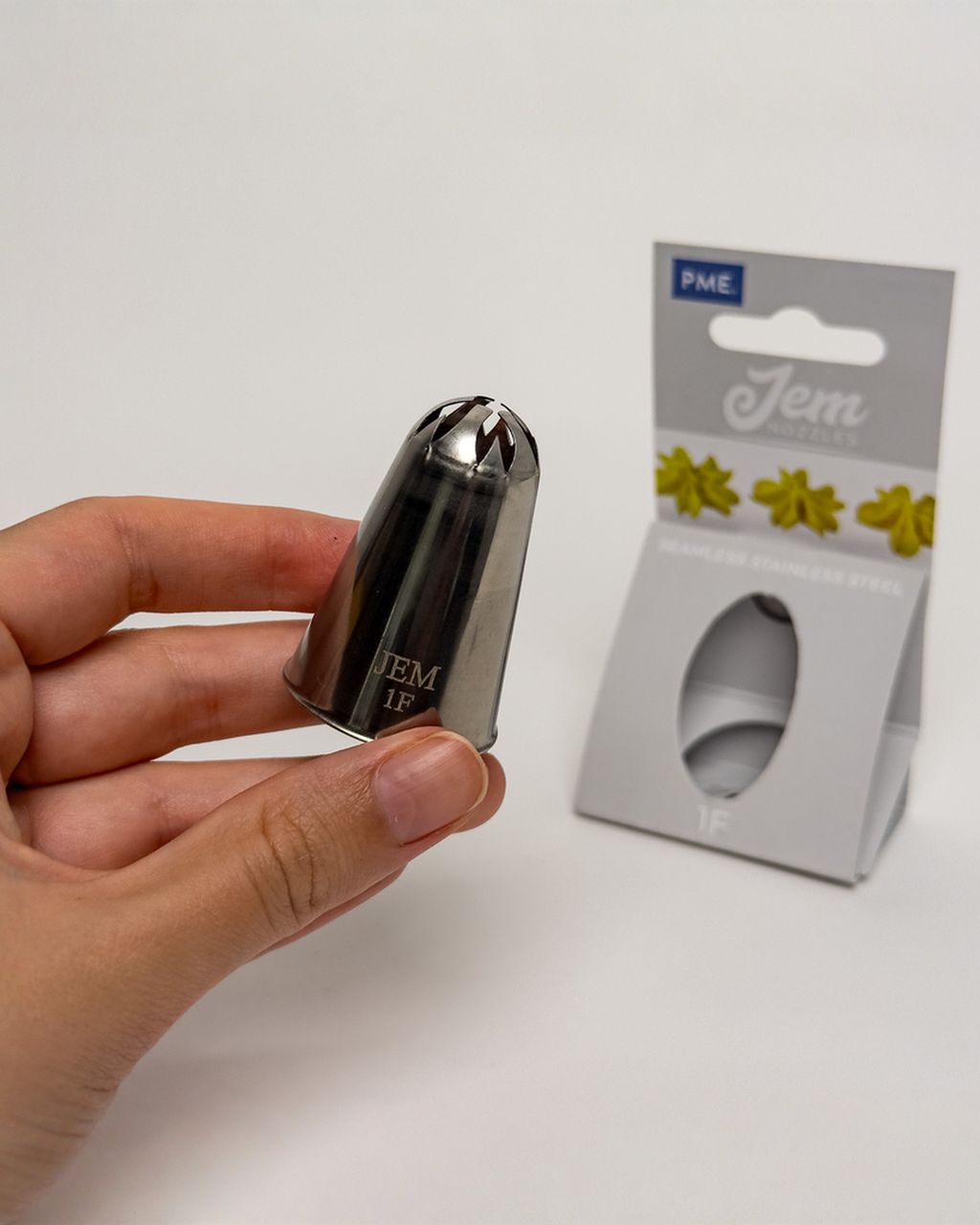
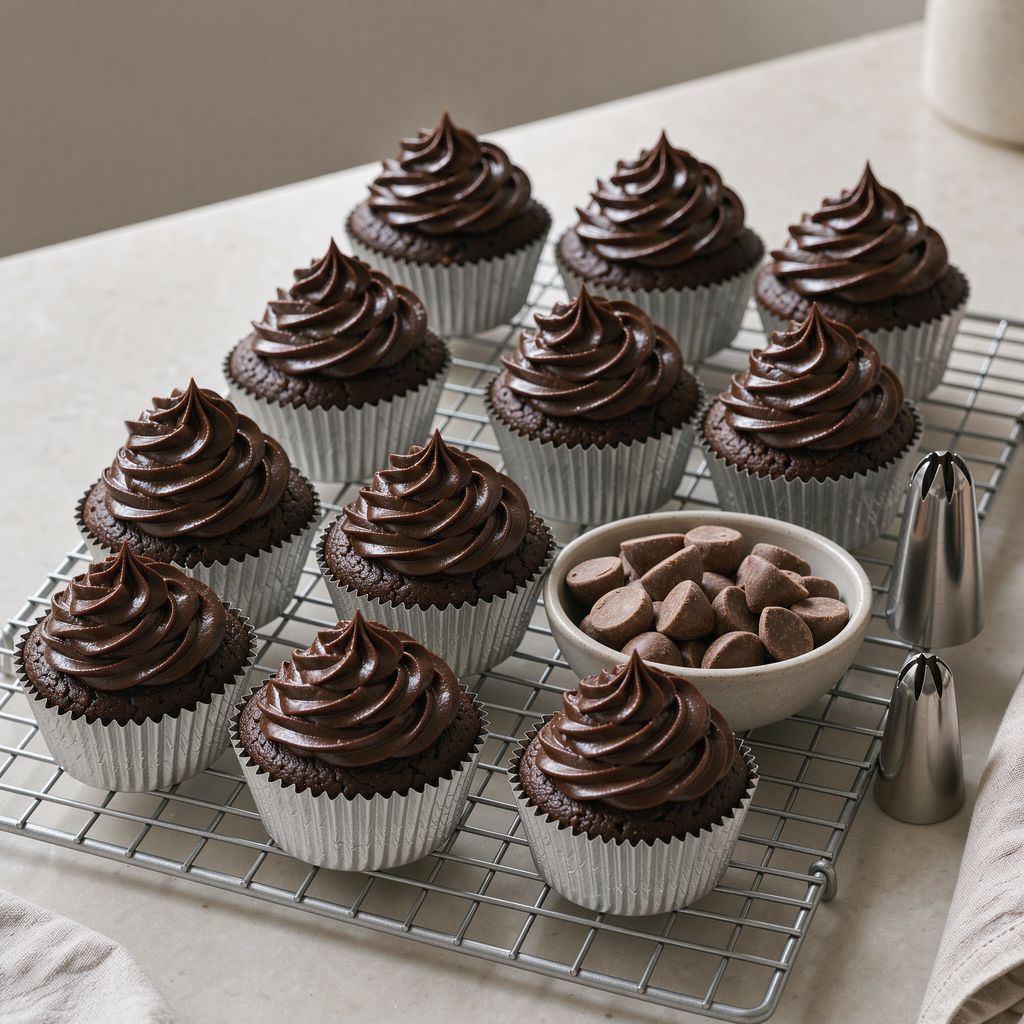
Two large tips are most often used for chocolate cupcake frosting: JEM 2D (drop flower, 14 mm opening) for a compact rosette and JEM 1F (drop flower, 19 mm opening) for a tall swirl with deep ridges.
JEM 2D — the teeth curl inward, so it makes a tightly ruffled rosette, as if made of petals. It suits firmer ganache and buttercream alike, and it forgives a slightly softer frosting.
JEM 1F — fewer teeth (5) and a wider opening (19 mm). It makes a tall, deeply ridged swirl that looks like it came from a bakery. It needs a firmer frosting, otherwise the ridges blur together.
If you have an open star tip like the 1M, a classic of American recipes, at home, it works for chocolate frosting too. It makes sharper, more open ridges than the 2D.
How to pipe a swirl: hold the bag vertically about 1 cm above the cupcake. Start in the center, pipe a circle around the edge, then a second, smaller circle on top. Then stop squeezing and lift the bag away quickly. Count on 30–40 g of frosting per cupcake, so roughly 400–500 g for 12. Fit large tips directly into the bag without a coupler, because the opening is too wide for one.
To learn how to wash tips after decorating so the teeth stay straight, read Piping Tips: How to Clean and Store Them.
You can vary chocolate cupcakes in three ways: with mint, with fruit paste in the frosting, or assembled into a pull-apart cake.
With mint — the classic "After Eight" combination, see chocolate mint cupcakes.
With fruit paste in the frosting — cherry and mango go wonderfully with dark chocolate, more in the article Flavored Cupcakes Made with Fruit Paste.
As a cake — arrange 24–30 cupcakes into a number or a heart and pipe the frosting over all of them at once, see Pull-Apart Cupcake Cake.
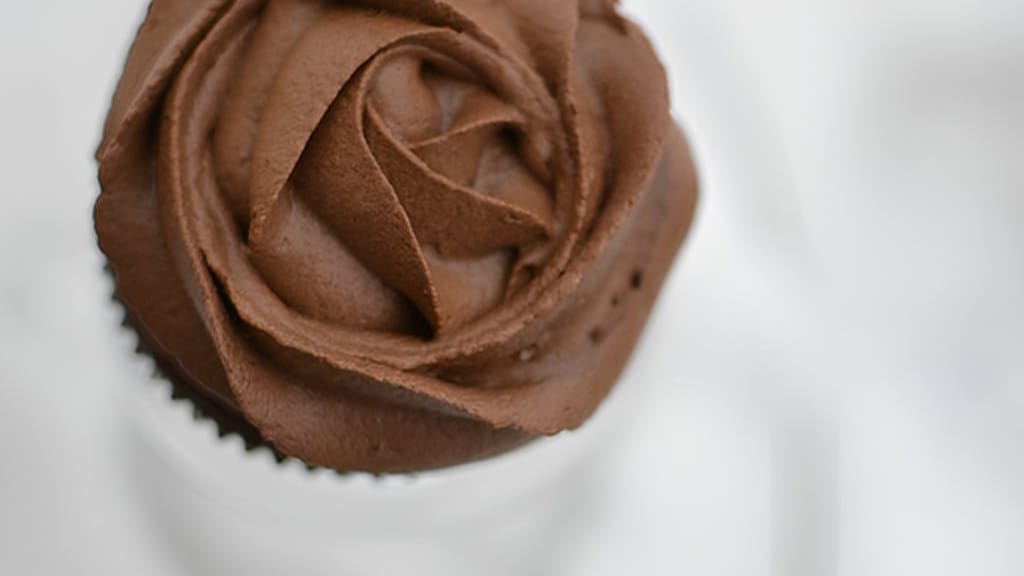
Chocolate mint cupcakes – after eight
Chocolate Mint Cupcakes (After Eight): Recipe
Yes. Cupcakes baked the day before are often even more moist, because the moisture has time to spread evenly through the crumb. Once they've cooled, store them in a box or under a cake dome at room temperature, and pipe the frosting on the day you serve them.
A firm piping ganache made at a 2:1 ratio handles room temperature longer than a 1:1 ganache, but after a few hours the cupcakes belong in the fridge. Whipped ganache (Parisian-style cream) and mascarpone frosting need to be refrigerated, and should stay out for no more than 2 hours (just 1 hour in heat above 32°C / 90°F). Take them out of the fridge 20–30 minutes before serving so the frosting softens a little.
Yes. It's best to freeze the cupcakes without frosting, for up to 2–3 months. Wrap them individually in plastic wrap and thaw them in the fridge overnight. Cupcakes with ganache or buttercream can be frozen too, but flash-freeze them unwrapped first so the frosting firms up and the wrap doesn't squash it.
You can use baking chocolate in cupcake frosting, but the result will be less glossy and less stable than with couverture. Baking chocolate usually contains less cocoa butter, so the ganache sets less firmly and splits more easily. Watch out for chocolate-flavored coating (labeled "coating" rather than "chocolate"). It contains vegetable fat instead of cocoa butter and isn't suitable for frosting at all. Couverture such as Callebaut 811 has more cocoa butter, which is why pastry chefs use it for frostings.
A sunken middle most often means too much baking powder or baking soda, an underbaked center, or opening the oven door during the first half of baking. Measure leaveners precisely by weight, keep the oven closed for the first 15 minutes, and test doneness with a skewer in the center of the tallest cupcake.
One recipe worth heating the oven for, one tip, and one deal from the shop. Nothing else.