Soft gingerbread cookies
Christmas Stollen: Why It's Baked a Month Ahead and How to Let It Mature
Updated Oct 6, 2026
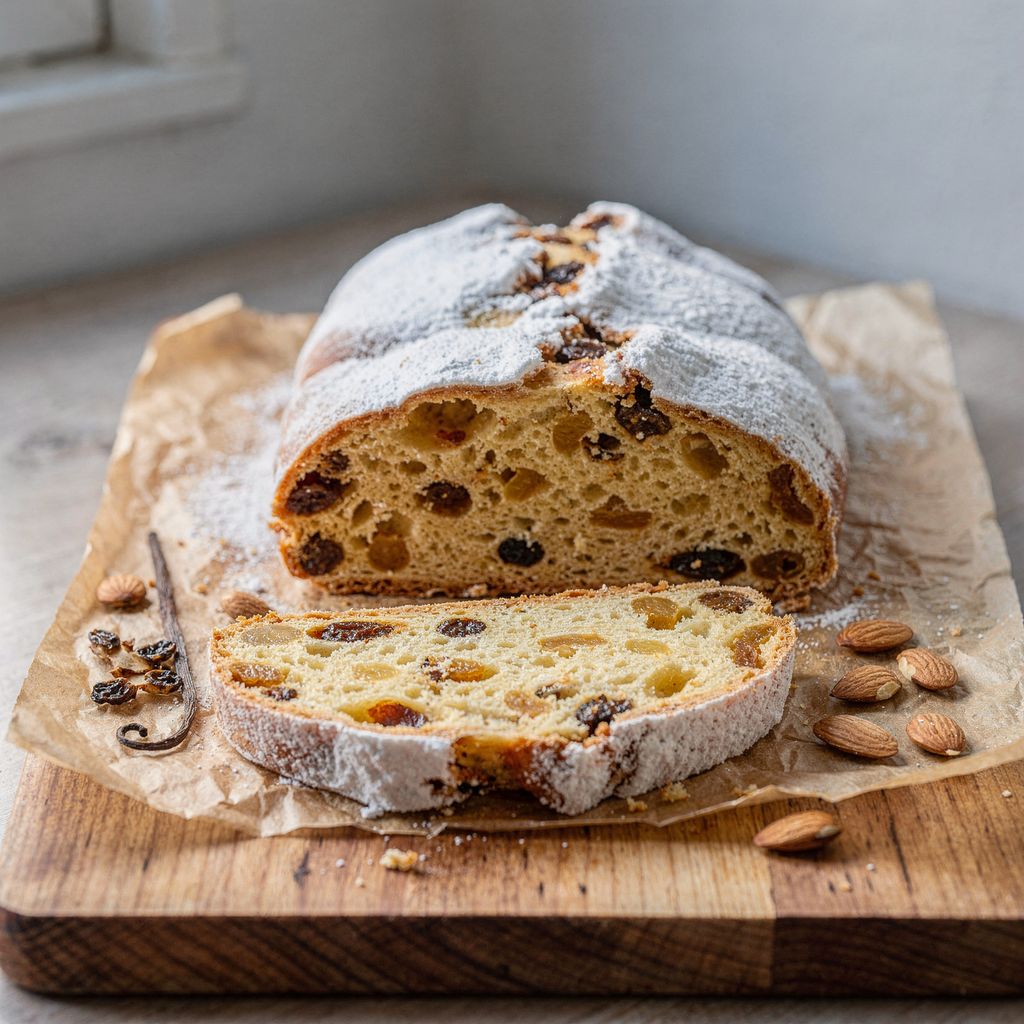
Christmas stollen is baked 2–4 weeks before Christmas because it needs time to mature: moisture from the fruit works its way into the crumb, the rum, vanilla and candied peel knit together, and the buttery sugar crust protects it from drying out in the meantime. Freshly baked, stollen is crumbly, the alcohol bites, and every flavour pulls in its own direction. After a month in a cool pantry, it becomes a moist, spiced, perfectly unified loaf. Here's what happens during maturing, exactly when to bake it, and how to store it so it turns out right.
Because stollen isn't actually finished until it's had time to mature — it's not ready the moment it comes out of the oven. This is a dense yeasted dough loaded with butter and soaked fruit. In a freshly baked loaf, the moisture and aroma are unevenly distributed: the raisins are plump and juicy, the crumb around them is drier, and the rum tastes sharp and raw.
Traditional baking wisdom says homemade stollen needs at least 2, and ideally 3–4 weeks. The dough is actually built for this: lots of fat and sugar, little free water, and a protective butter-and-sugar crust. That's why, unlike a sweet Christmas bread (vánočka), stollen doesn't dry out after a week — it actually gets better.
Three things happen at once during maturing: the moisture evens out, the flavours merge, and the crust protects the loaf.
Moisture redistributes. Raisins and candied peel soaked in rum slowly release their juices into the surrounding crumb. The drier parts soften up, and the loaf can be sliced thinly without crumbling apart.
Flavours merge. Vanilla, lemon zest, mace, cardamom and rum largely dissolve into the fat. The butter carries them through the dough, blending separate flavours into one rounded whole. Meanwhile, the harsh edge of the alcohol mellows and the rum's aroma comes forward instead.
The crust acts as a seal. Melted butter brushed over the hot loaf, topped with a layer of sugar, forms a firm shell. It locks moisture in and slows down air exposure, so the butter doesn't turn rancid as quickly.
The high fat and sugar content also slows staling: the starch in stollen hardens far more slowly than in ordinary baked goods. That's why stollen can mature for weeks, while a vánočka would turn to crumbs in the same time.
The best time is 3–4 weeks before Christmas Eve — roughly around the first Sunday of Advent. Here's a rough guide:
4 weeks (late November): the ideal. By Christmas the stollen is at its peak and will keep right through to Epiphany.
2–3 weeks (early December): still gives great results — the flavours will just be slightly less fully merged.
Less than a week: edible, but it'll be crumblier and taste more "raisin bread" than true stollen.
More than 6 weeks: a preservative-free homemade stollen can technically handle it if stored properly, but the butter will start losing its freshness. I wouldn't push my luck here.
If you're baking several loaves, set one aside and leave it untouched. Then you can compare the fresh stollen with the matured one and taste the difference for yourself from the very first bite.
Once the sugared stollen has cooled, wrap it in baking paper and then foil, and store it somewhere cool and dark, ideally at 10–15°C (50–59°F). Step by step:
Right after baking, brush the hot stollen with melted butter — two coats are fine, to let it really soak in.
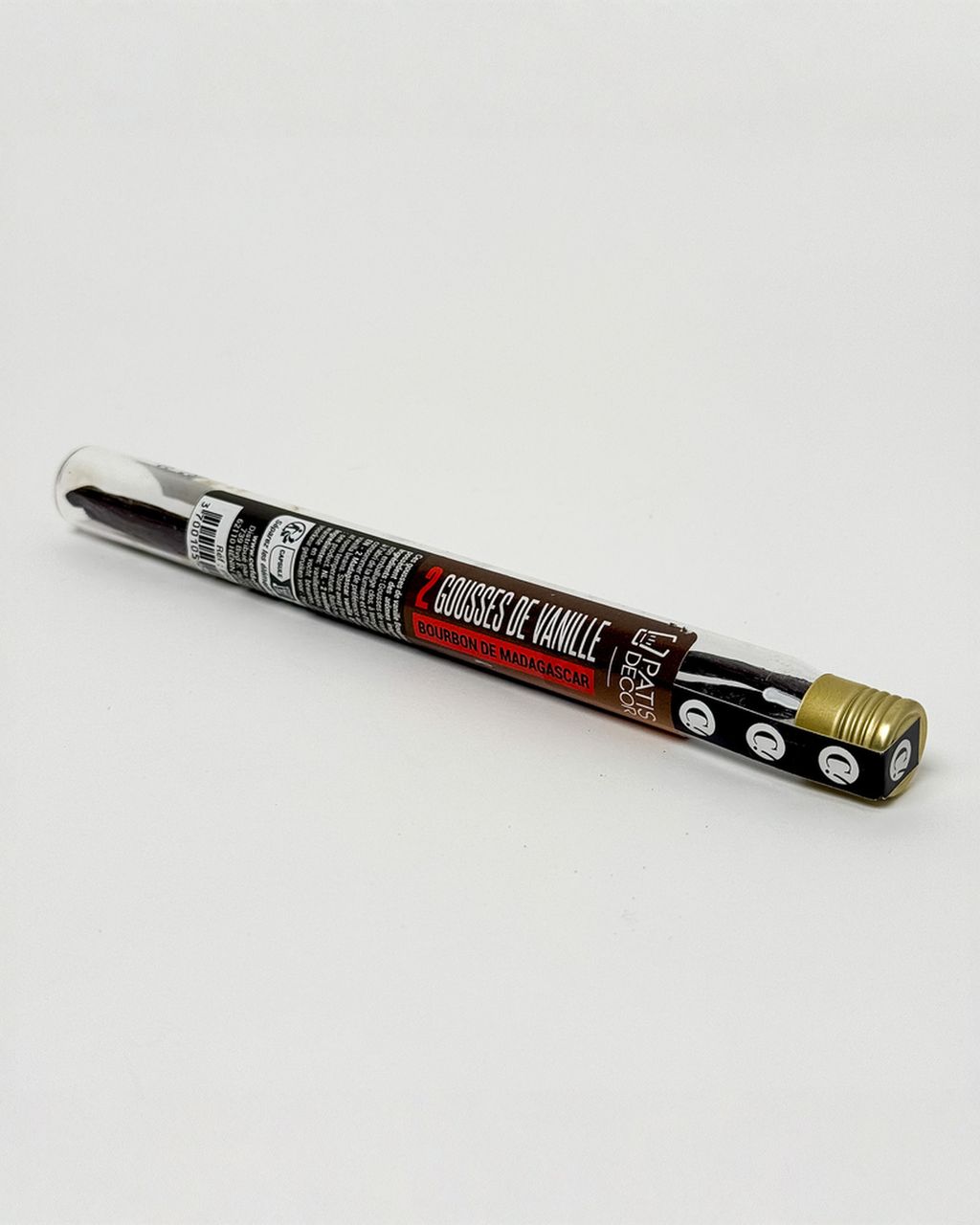
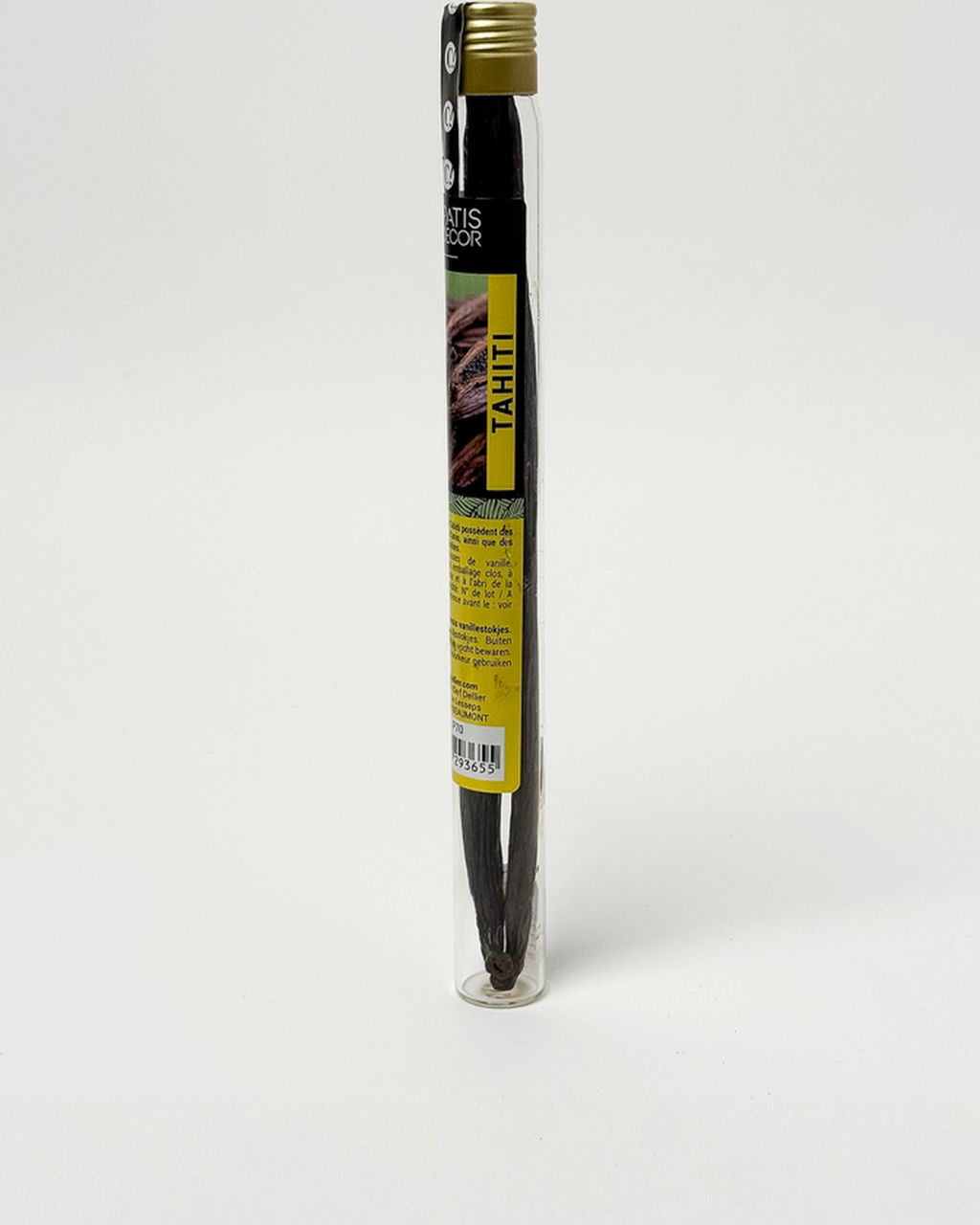
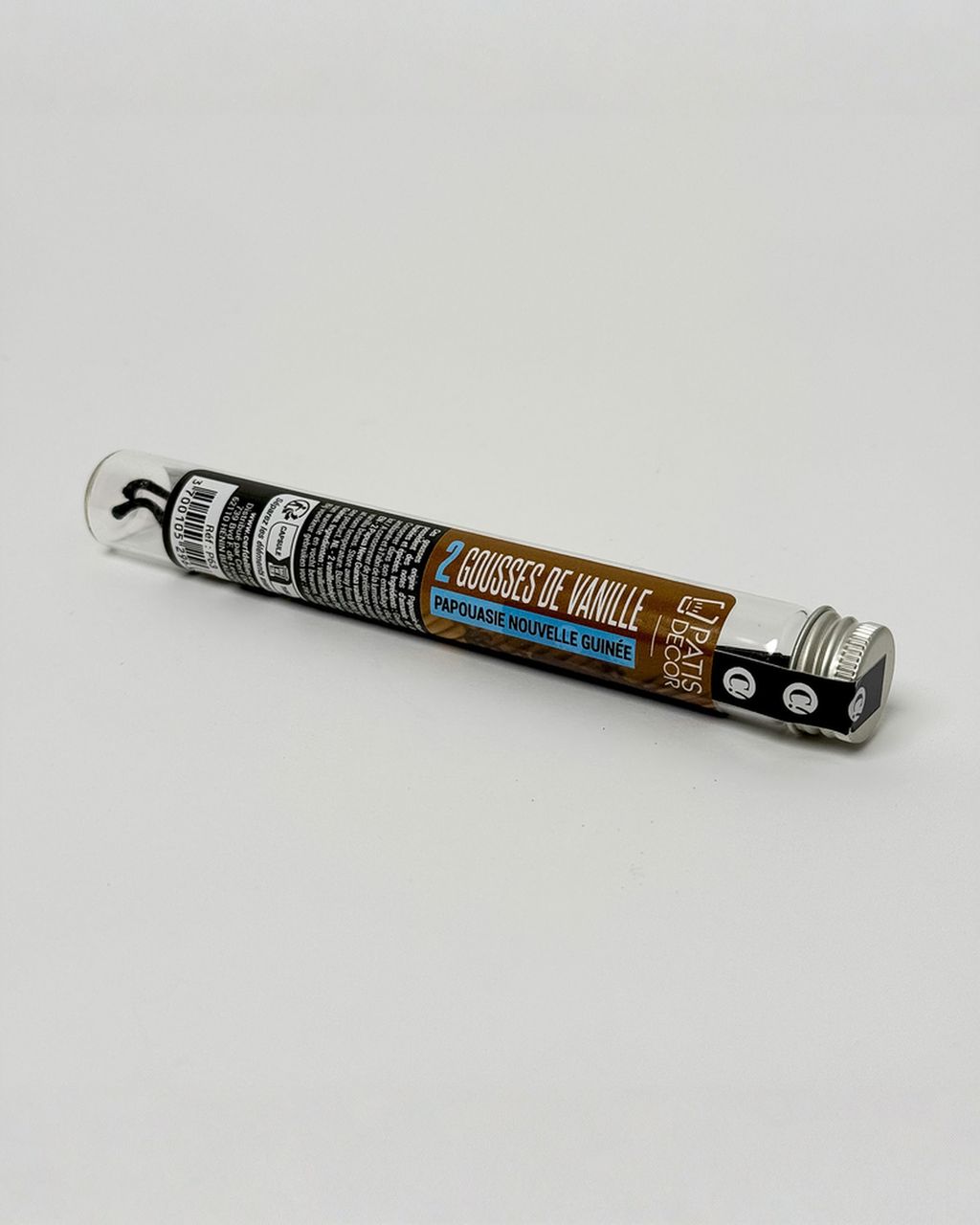
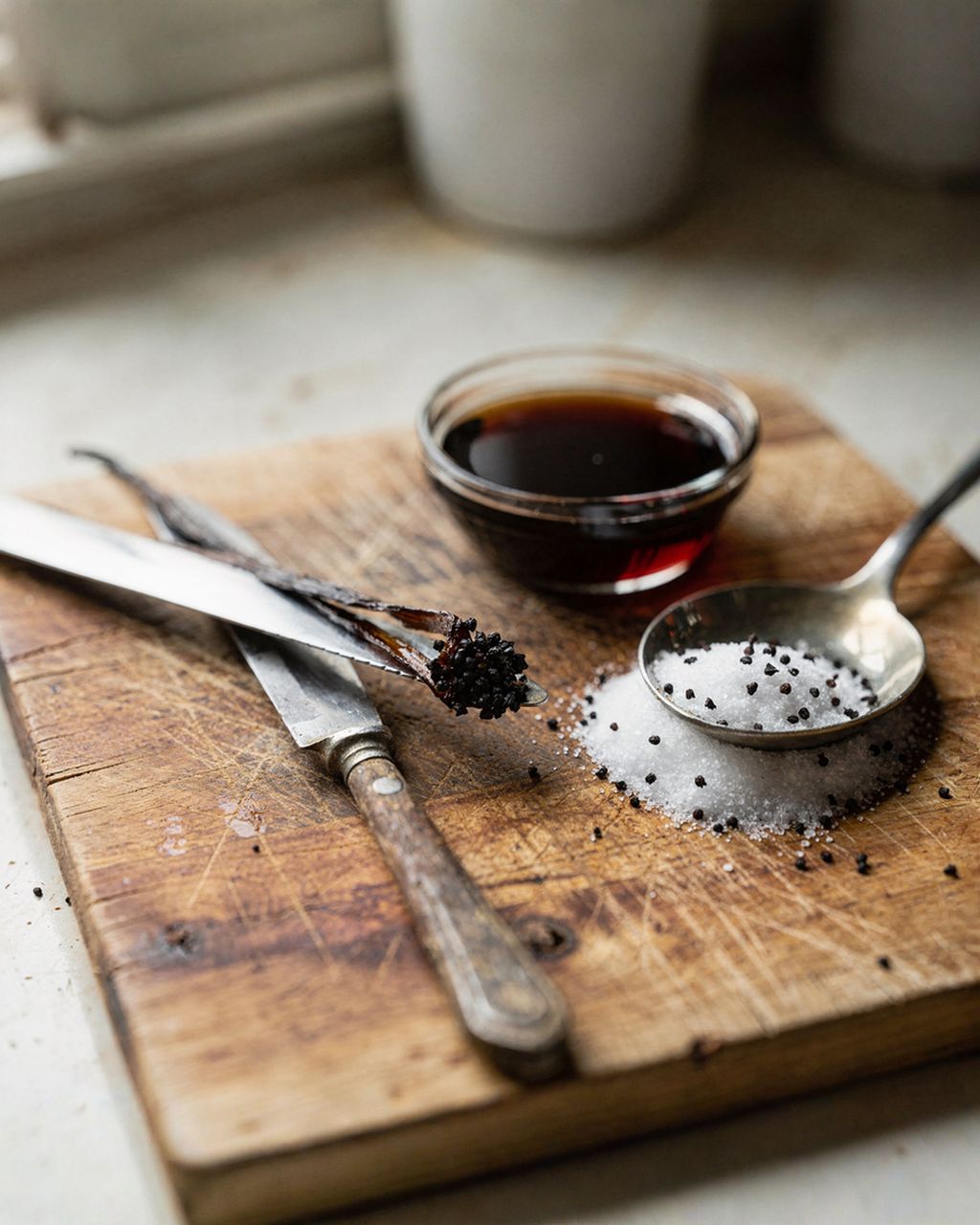
Coat it in sugar while it's still warm. Traditionally this is granulated or fine sugar with vanilla. Real vanilla is perfect here: bury a scraped-out pod in sugar for a week and you'll have vanilla sugar with far more fragrance than anything from a shop sachet.
Let it cool completely before wrapping — overnight is fine. A warm stollen sealed up while still hot would turn soggy.
Wrap it in baking paper, then tightly in foil, and if you like, add a bag or tin on top. The wrapping's main job is to stop it drying out and picking up other smells.
Store it somewhere cool: a pantry, cellar, unheated storeroom or cold hallway. Ideally 10–15°C (50–59°F), dark, and not too dry.
Before serving, brush off the old sugar coating and dust it with fresh icing sugar. It'll be snow-white again.
Once you've cut into it, slice from the middle and push the two cut halves back together, face to face. This keeps the cut surface from drying out, so the rest will keep for another week or two.
Dresden stollen is set apart by its protected designation of origin and its mandated minimum amounts of butter (50 parts) and fruit (85 parts) per 100 parts of flour. "Dresdner Stollen" is an EU-protected geographical indication, so only stollen baked in and around Dresden to a fixed recipe may use the name. According to the Dresden Stollen Protection Association's specification, per 100 parts of flour it must contain at least:
50 parts butter (no margarine),
65 parts sultanas,
20 parts candied orange and lemon peel,
15 parts almonds (sweet, with a touch of bitter almonds).
Artificial flavourings and preservatives are banned. This exact ratio is precisely why Dresden stollen matures so well: it contains half as much butter as flour, and almost as much fruit as flour. It's essentially fruit and butter held together by dough.
The tradition runs deep. The first documented mention of Dresden stollen ("Christbrot") dates back to 1474, in the accounts of Dresden's St. Bartholomew's hospital. The word "stollen" itself appears even earlier, in 1329, in Naumburg.
For home baking, the main takeaway is this: don't skimp on the butter and fruit. A stollen made with half the butter will still bake just fine, but it won't mature well, because it'll dry out before the flavours have a chance to come together.
Yeasted stollens rich in butter and fruit need to mature (Dresden, butter, almond, poppy seed and marzipan stollen); curd cheese stollen doesn't. In detail:
Butter, almond and poppy seed stollen are yeasted just like Dresden stollen, so they mature just as well — 2–4 weeks.
Marzipan stollen (with a roll of marzipan through the centre) also benefits from maturing. The marzipan holds in moisture, and the crumb around it ends up the most tender of all.
Curd cheese stollen is usually leavened with baking powder, and the curd cheese brings in more water. It doesn't need maturing — eat it within 1–3 days and finish it off within a week, or freeze it. It's a good option if you've missed your baking window and need something last-minute.
Alongside stollen, it's worth baking gingerbread cookies and linzer rounds ahead of time; vanilla crescent cookies, on the other hand, are best made just 1–2 weeks before Christmas. Here's why:
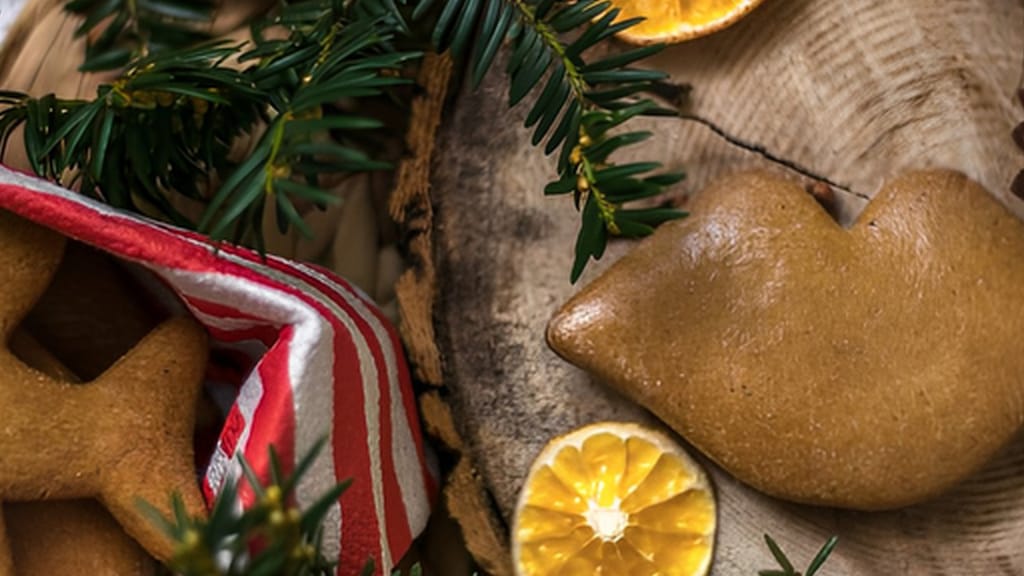
Gingerbread cookies: the honey in the dough draws moisture from the air, so hard gingerbread cookies in a sealed tin will soften up within 2–3 weeks. Find the recipe in our soft gingerbread cookies guide.
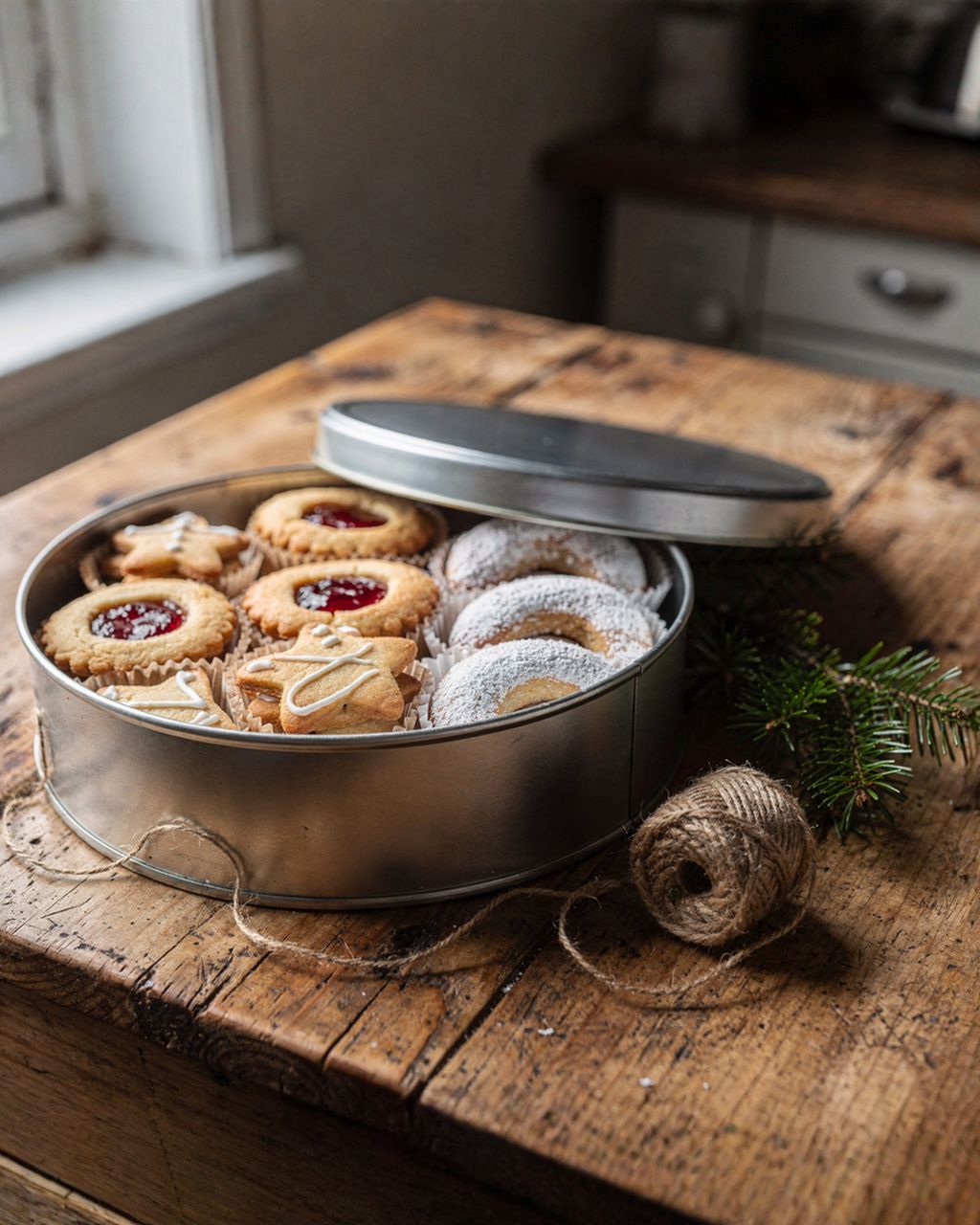
Linzer cookies: the plain rounds keep for weeks on their own. Sandwich them with jam just a few days before Christmas, so they soften without going soggy. Try our classic crumbly linzer cookies.
Vanilla crescent cookies taste best within a couple of weeks of baking, so save these for later. Try our recipe for the best vanilla crescent cookies.
Soft gingerbread cookies
Soft gingerbread cookies you can bake ahead alongside your stollen
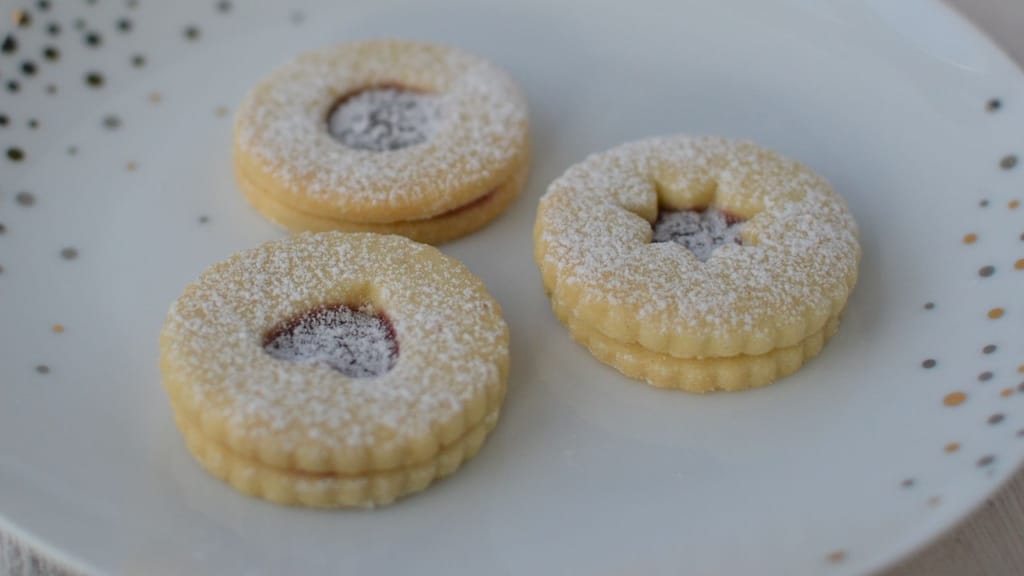
Classic christmas cookies: delicate linzer cookies
Classic crumbly linzer Christmas cookies
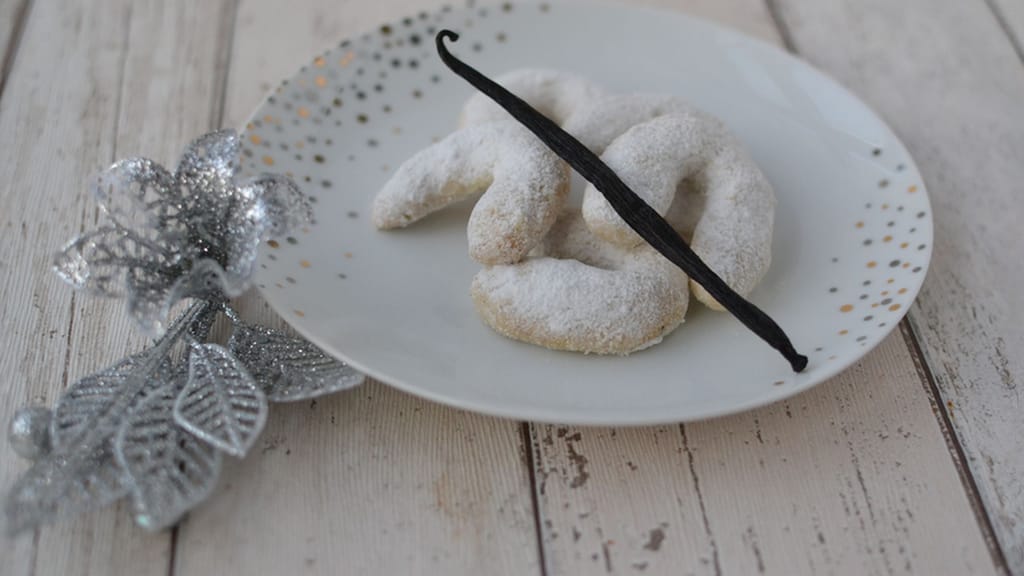
The best christmas cookies? vanilla crescents, of course!
Vanilla crescent cookies for the final weeks before Christmas
Yes, stollen freezes very well, ideally after it's matured for 2–3 weeks. Wrap it tightly in plastic film and a freezer bag, and it'll keep for 2–3 months. Thaw it slowly at room temperature while still wrapped, then dust it with fresh icing sugar before serving.
Yes, you can replace the rum with orange or apple juice, or strong black tea. Soak the fruit in it overnight just as you would with rum. The stollen will taste milder and keep for a slightly shorter time, so let it mature for about 2 weeks rather than 4.
Rescue a dry stollen by brushing it again with melted butter, rolling it in sugar, wrapping it tightly and letting it mature for at least a week. During maturing, moisture from the fruit redistributes into the crumb and much of the dryness evens out. Next time, check that you didn't skimp on the butter or bake it too long.
You'll mostly notice spoiled stollen by smell and taste: rancid butter smells and tastes bitter and sharp, like old fat. If you spot any mould on the stollen, throw the whole loaf away — don't just cut off the affected part.
Traditionally, stollen's folded shape represents the baby Jesus wrapped in swaddling clothes. Practically speaking, it also helps the dense loaf hold its shape instead of spreading out flat. The dough is rolled into an oval and folded lengthwise so the top half slightly overlaps the bottom.
One recipe worth heating the oven for, one tip, and one deal from the shop. Nothing else.