- Season
- Year-round (farmed)
- Price
- Medium
Calories and nutrition
per 100 g
158 kcal
Calories
13 g
Protein
0.4 g
Carbs
11.1 g
Fat
Quail Eggs
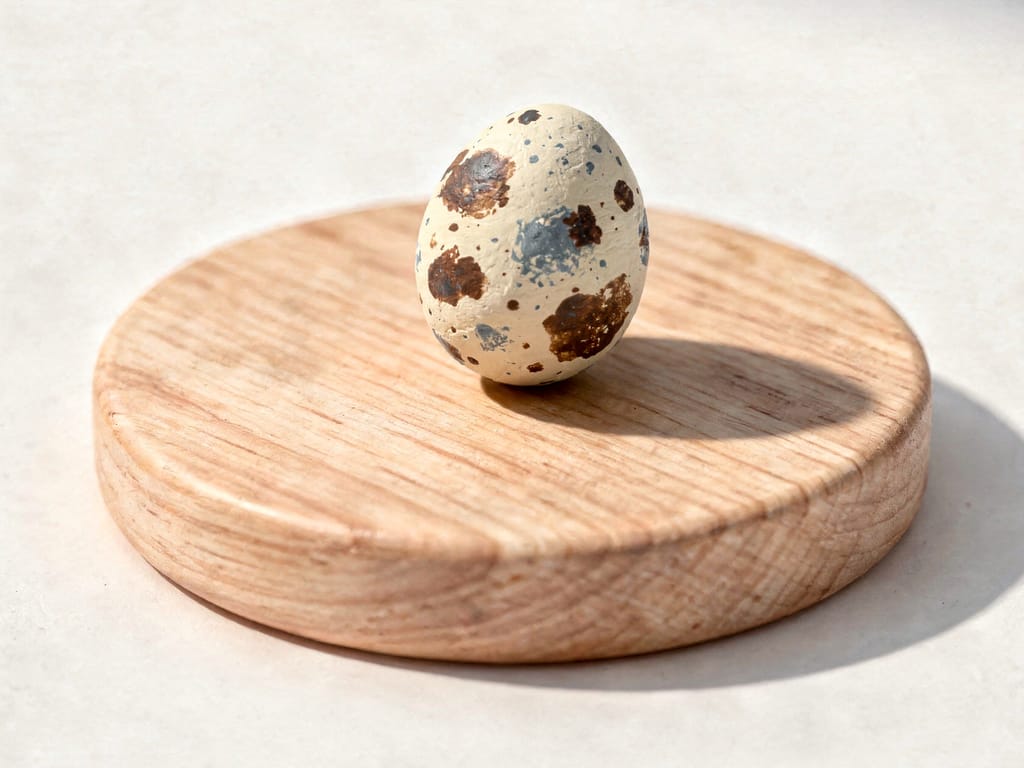
Quail eggs are small, speckled eggs from the Japanese quail; one weighs about 9–12 g, roughly a fifth of a hen's egg. They boil in 2–4 minutes, suit salads, canapés and pickling, and like all eggs they are a major allergen.
per 100 g
158 kcal
Calories
13 g
Protein
0.4 g
Carbs
11.1 g
Fat
Do not leave raw eggs out of the fridge for more than 2 hours. Producers label them for chilled storage, and eggs that have been in the fridge will sweat on the counter; moisture on the shell makes it easier for bacteria to get in.
Keep raw eggs in their original tray in the main part of the fridge, not the door, and use them by the best-before date on the pack. Hard-boiled eggs keep up to a week, in the shell or peeled in a closed container; refrigerate them within 2 hours of cooking. Store pickled eggs in the fridge as the recipe says.
Do not freeze eggs in the shell or hard-boiled: raw ones crack and cooked whites turn rubbery once thawed. Crack raw eggs, beat them lightly and freeze in a small tub or ice-cube tray for up to 12 months. Thaw in the fridge and use only in dishes that are cooked, such as batters or scrambled eggs.
Buy eggs with whole, clean shells and no cracks, from the chilled shelf. Check the best-before date on the pack: for quail eggs the producer sets it, because the EU rule of no more than 28 days from laying applies to hen's eggs. Discard cracked, damp or sticky eggs. For canapés pick eggs of the same size so they cook at the same rate.
Hen's egg: one medium hen's egg replaces 4–5 quail eggs. In batters, scrambled eggs and sauces it behaves the same; it just doesn't look as striking.
For canapés and salads, use quarters or slices of hard-boiled hen's egg instead of quail egg halves. A duck egg is even larger and richer, so it does not suit small portions.
Lower quail eggs into already boiling water on a spoon so they do not crack on the bottom. Soft-boiled with a runny yolk takes 2–2.5 minutes, jammy 3 minutes, hard-boiled 4 minutes. Cool them straight away in iced water. Peel under running water from the blunt end, where the air pocket is. To open a raw egg, cut off the top with a small serrated knife or quail-egg scissors. Crack them into a bowl first, not straight into the pan, so you catch any bits of shell.
Chop leftover hard-boiled eggs into egg spread, potato salad or a noodle broth. Crushed shells can go into the compost. Whole cooked eggs you will not eat within a week can be pickled in a vinegar brine and kept in the fridge.
Roughly what one piece weighs.
9 g
1 piece
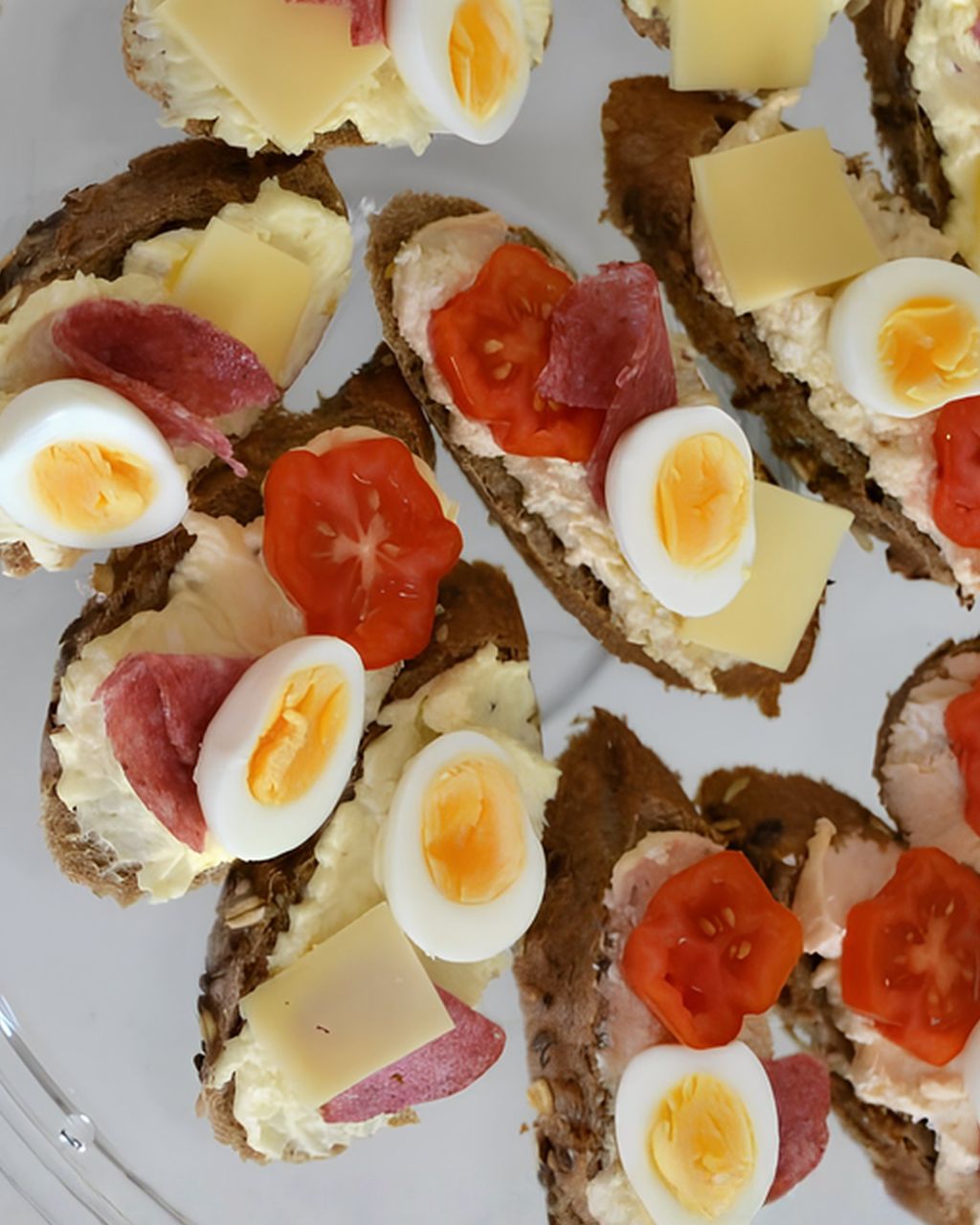
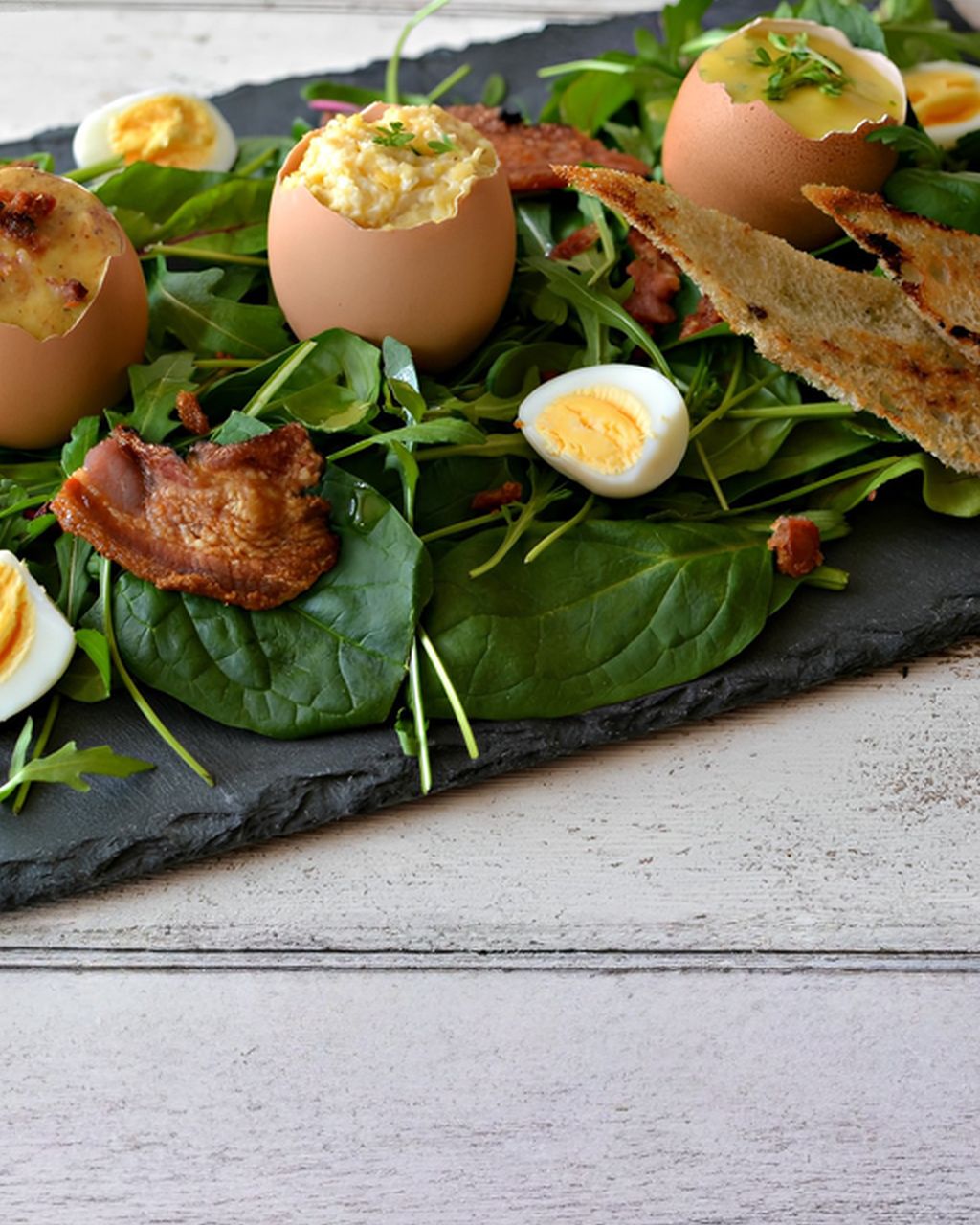
Most often they are boiled: soft for 2–2.5 minutes to top salads, ramen or asparagus, hard for 4 minutes for canapés, salade Niçoise or pickling. A fried quail egg is done in about a minute in hot butter and suits mini burgers or toast. Boiled, peeled eggs can be fried until crisp, dipped in batter like Filipino kwek-kwek, or wrapped in sausage meat for mini Scotch eggs. Poached eggs need about 1–1.5 minutes in water with a splash of vinegar.
Quail eggs are laid by the Japanese quail (Coturnix japonica), a small ground bird farmed for both eggs and meat. One egg weighs about 9–12 g, so 4–5 quail eggs equal one medium hen's egg. The cream-coloured shell is speckled brown to blue-grey, with a tough membrane underneath that makes them fiddly to peel. Shops sell them in small plastic trays, and you also find them from small farms and at farmers' markets.
They taste like hen's eggs, only a little richer, because the yolk is larger relative to the white. The cooked white is delicate and springy; the yolk is creamy when soft-boiled and velvety rather than crumbly when hard-boiled.
3 min read
One quail egg weighs about 9–12 g out of the shell; an EU medium hen's egg weighs 53–63 g. So count 4–5 quail eggs per hen's egg, or 5–6 for a large egg. For baking, the most accurate method is to crack and weigh them: one hen's egg without the shell is about 50 g.
Per 100 g, quail eggs have 158 kcal, 13 g of protein and 11 g of fat according to our nutrition table, so about 14 kcal per egg. They have a slightly larger share of yolk than hen's eggs, which makes them a little fattier weight for weight.
Take the eggs out of the fridge a little ahead and lower them with a spoon into water that is already boiling. Time them from when they go in: 2–2.5 minutes for a runny yolk, 3 minutes for jammy, 4 minutes for hard-boiled. Then move them to iced water for at least 2 minutes to stop the cooking and make them easier to peel.
Peel them under running water or in a bowl of water: tap the shell all round and pull it off with the membrane from the blunt end. More tricks that work for all eggs are in our guide to easy-peel eggs. Some people leave boiled quail eggs in vinegar for a few hours to dissolve the shell. It works, but the eggs end up tasting sour.
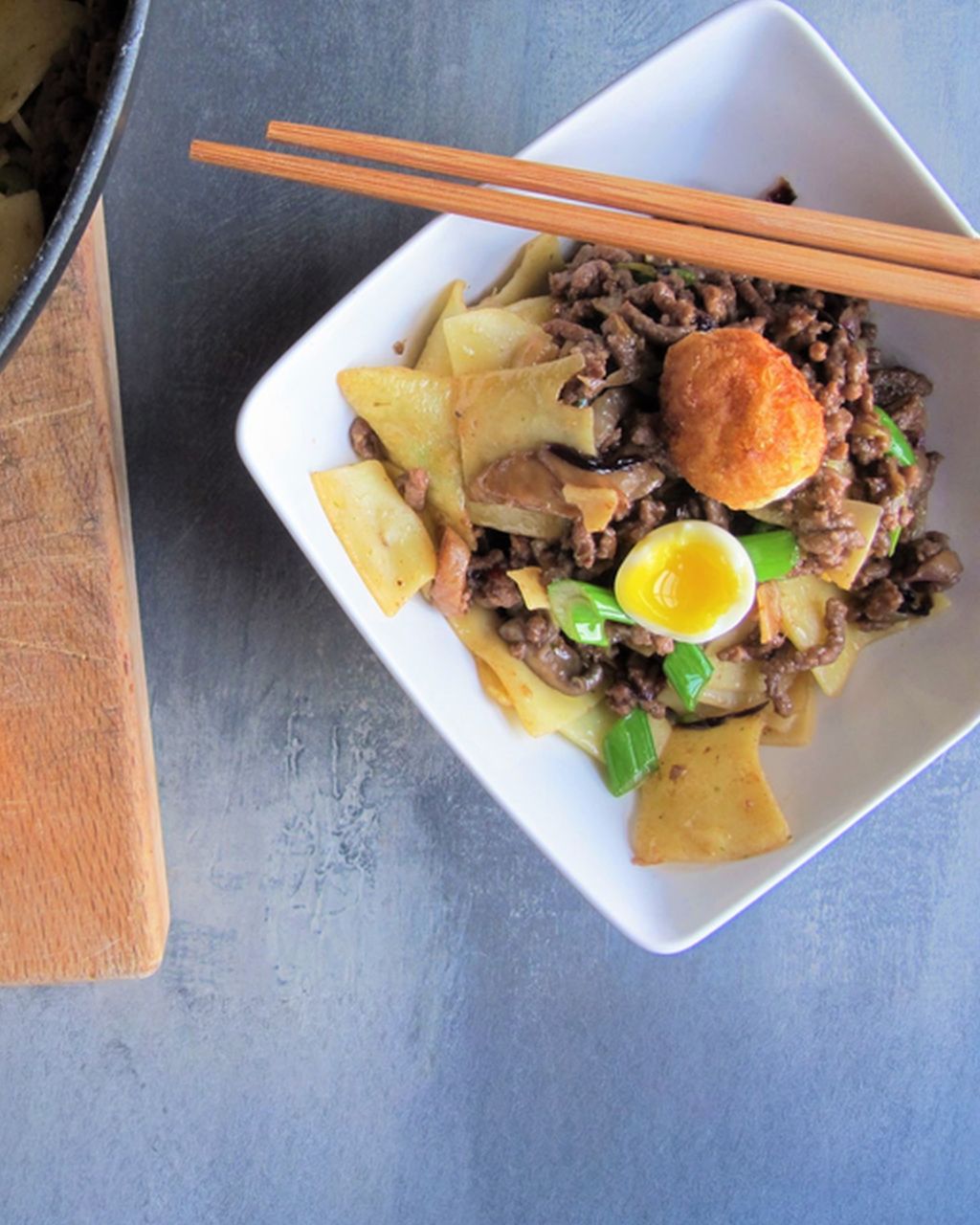
Try crisp fried quail eggs on noodles in the Asian noodle stir-fry with meat and crispy quail eggs.
Raw quail eggs keep in the fridge until the best-before date on the pack. Store them in the original tray in the main part of the fridge, not in the door, where the temperature jumps every time you open it. Hard-boiled eggs keep up to a week, peeled ones in a closed container.
For quail eggs the producer sets that date. The limit of 28 days from laying that you see on hen's egg cartons comes from the EU marketing rules for hen's eggs. How to read the dates and spot a bad egg is covered in how long eggs last in the fridge.
Quail eggs can carry salmonella just as hen's eggs can, including inside an intact egg. Studies from several countries have found it in a small share of samples. Their small size and speckled shells guarantee nothing.
So do not serve raw or lightly warmed eggs to pregnant women, young children, older people or anyone with weakened immunity; for them, cook eggs until both white and yolk are firm. A raw yolk on steak tartare or rice is a healthy adult's choice, at their own risk. How to lower the risk with raw eggs is explained in raw eggs and salmonella risk.
Egg is one of the 14 allergens that EU Regulation 1169/2011 requires to be emphasised on labels, and that includes quail eggs. Small studies show that some people allergic to hen's eggs also react to quail eggs, and occasionally the other way round. Anyone with an egg allergy should not try quail eggs without talking to an allergist.
The Japanese quail was domesticated in Japan, where it was first kept as a songbird. Breeding for eggs and meat began in the 20th century, and farming spread from there to Europe and the Americas. Eggs are sold year-round today because farms use artificial lighting, so laying does not depend on the season.
Shell codes and labels such as free range or barn are mandatory in the EU only for hen's eggs. For quail eggs, ask the seller about how the birds are kept, or buy from a farmer who will show you.