- Season
- All year; new-crop rice, harvested in Thailand in autumn and winter, is the most fragrant.
- Price
- Low
Calories and nutrition per 100 g
- 370 kcal
- 7 g protein
- 1 g fat
- 80.3 g carbs
Jasmine Rice
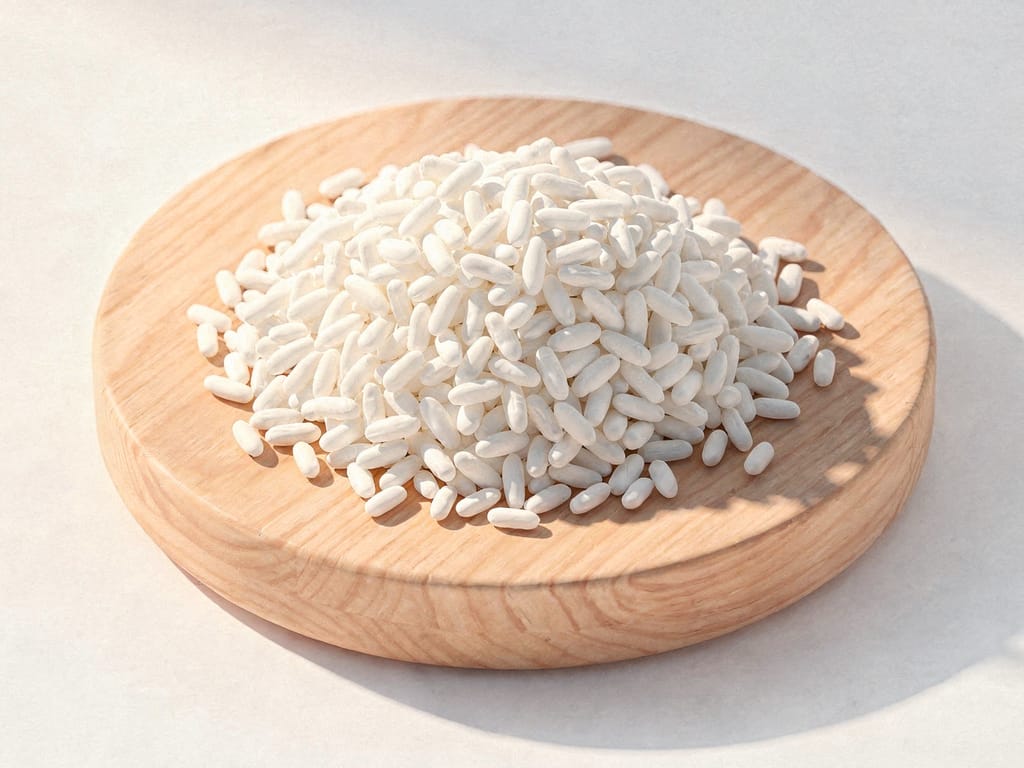
Jasmine rice is a long-grain aromatic rice from Thailand, where it is called hom mali. It smells of pandan and popcorn, cooks soft with grains that cling lightly together, and takes about 15–18 minutes.
Store raw rice dry in a well-sealed container at room temperature, away from the hob and oven, and go by the best-before date. The aroma fades over time, so it is best used within about a year. Cooked rice does not belong on the counter: cool it and refrigerate within an hour of cooking.
Refrigerate cooked jasmine rice no later than one hour after cooking, in a shallow covered container. Eat it within 24 hours and reheat only once, until piping hot throughout (at least 70 °C for 2 minutes).
Freeze cooled rice straight away, not after days in the fridge, in flat portions in freezer bags. It keeps best quality for about 3 months. Reheat it from frozen with a spoonful of water, or thaw it in the fridge, eat within 24 hours and reheat only once.
Look for „jasmine rice“ or „Thai Hom Mali“ on the pack. New-crop rice is the most fragrant. Grains should be whole and translucent, with few broken or chalky white grains. A musty smell, damp clumps or small insects mean poor storage. Brown jasmine rice keeps its bran, cooks longer and is chewier.
Basmati rice. It is also aromatic and long-grain, but cooks fluffier, with grains that stay separate and a nuttier aroma.
Ordinary white long-grain rice. The texture is close, but it lacks the aroma. For South-East Asian dishes you can add a piece of pandan leaf to the water.
Rinse the rice in 2–3 changes of water until the water runs almost clear. Use 2 parts water to 1 part rice by volume (cup) and salt it. Bring to the boil, turn the heat to the lowest setting, cover and leave for 15–18 minutes to absorb the water. Rest it for 5–10 minutes under the lid, then fluff with a fork. For firmer, more separate grains, cut the water to 1.5 parts.
Day-old jasmine rice is ideal for fried rice because the drier grains do not go mushy. Use it within 24 hours and reheat only once. Freeze whatever you will not eat as soon as it has cooled.
Roughly what one measure weighs, scooped the way you normally would in the kitchen.
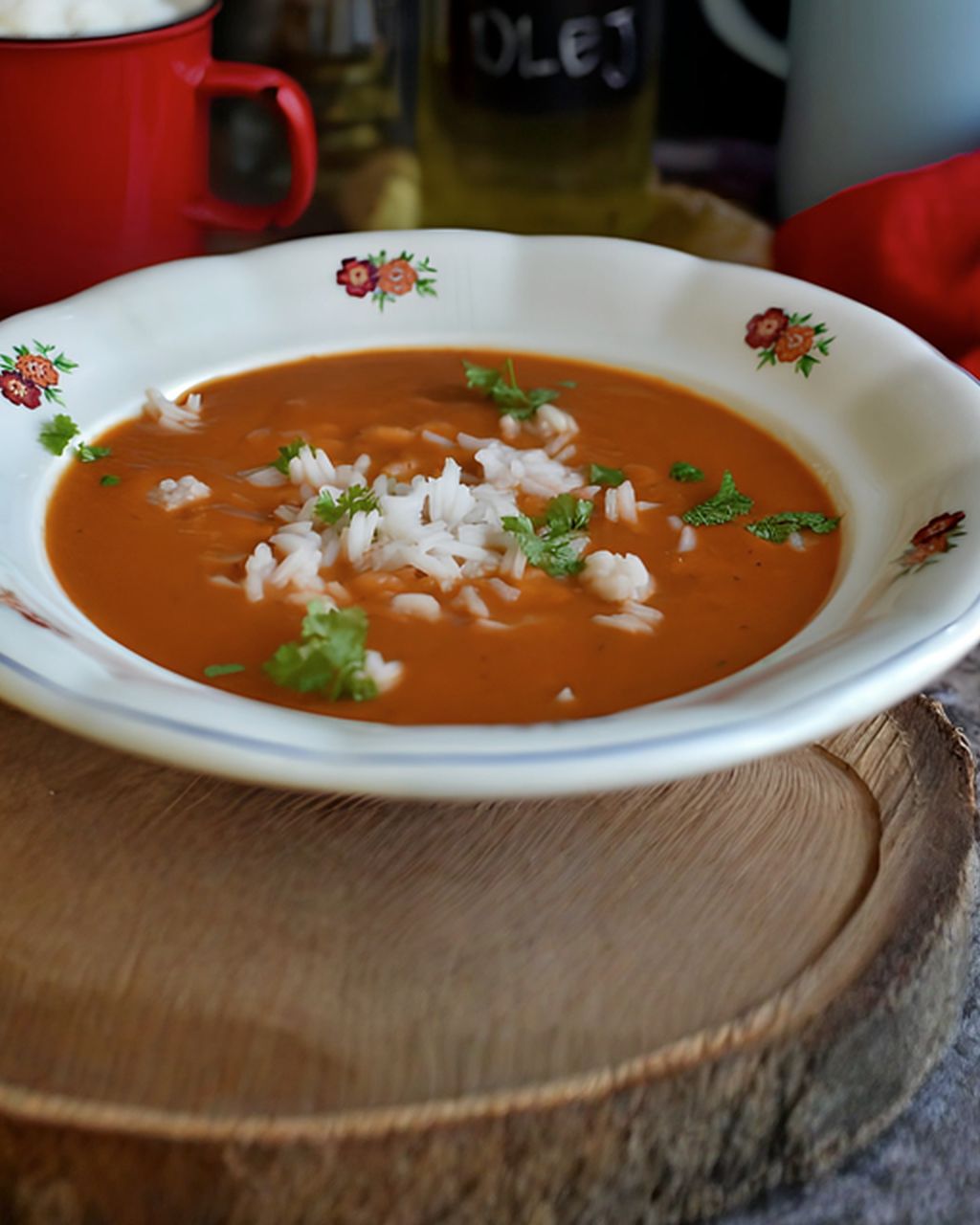
Jasmine rice is mostly cooked by the absorption method in a pan or in a rice cooker, using the white rice setting and the water line. It is served with Thai and Vietnamese curries, stir-fries and dishes braised in coconut milk. Chilled day-old rice is ideal for fried rice. In soup, add it for the last 15 minutes or it turns mushy.
Jasmine rice is a long-grain aromatic rice from Thailand, where it is called hom mali. It smells of pandan and popcorn, cooks soft with grains that cling lightly together, and takes about 15–18 minutes. The aroma comes from 2-acetyl-1-pyrroline, the same compound found in pandan leaves and fresh bread crust. The best-known variety is Thailand's Khao Dawk Mali 105. Rice sold as Thai Hom Mali must, under Thai rules, contain at least 92 % of the Khao Dawk Mali 105 or RD15 varieties. Jasmine rice is also grown in Cambodia and Vietnam. Shops sell mainly white jasmine rice and less often brown.
Strongly fragrant, most of all just after cooking: pandan, popcorn, a hint of jasmine. Mildly sweet and neutral in taste. The grains are soft and tender and stick together lightly, though far less than sticky rice. It soaks up curry and sauces well.
Seasonal baking plans, tested recipes and kitchen tricks that save you time. Unsubscribe in one click.
3 min read
Jasmine rice cooks like white long-grain rice: 2 parts water to 1 part rice by volume, 15–18 minutes covered on the lowest heat (per the USA Rice Federation). Then rest it for 5–10 minutes and fluff it with a fork. Do not stir it while it cooks, or the grains break and turn sticky.
Some recipes use less water, about 1.5 parts. The rice then comes out firmer and more separate. Brown jasmine rice needs more water and takes around 40 minutes. Ratios for other kinds and rice-cooker timings are in how to cook rice.
Rinsing in 2–3 changes of water washes off surface starch, so the rice is less sticky. You can skip it if you want the rice to hold together more, for example to eat with chopsticks. It is a matter of taste, not safety.
Both are aromatic long-grain rices. Thai jasmine is softer, slightly sticky and smells of pandan. Basmati from India and Pakistan has longer, slimmer grains, stays fluffy and separate and smells nutty. Jasmine suits Thai and Vietnamese dishes, basmati Indian curries and pilaf.
Do not confuse jasmine rice with sticky rice (glutinous rice). Sticky rice is soaked and steamed and is fully sticky once cooked. Jasmine rice is boiled in water like ordinary rice.
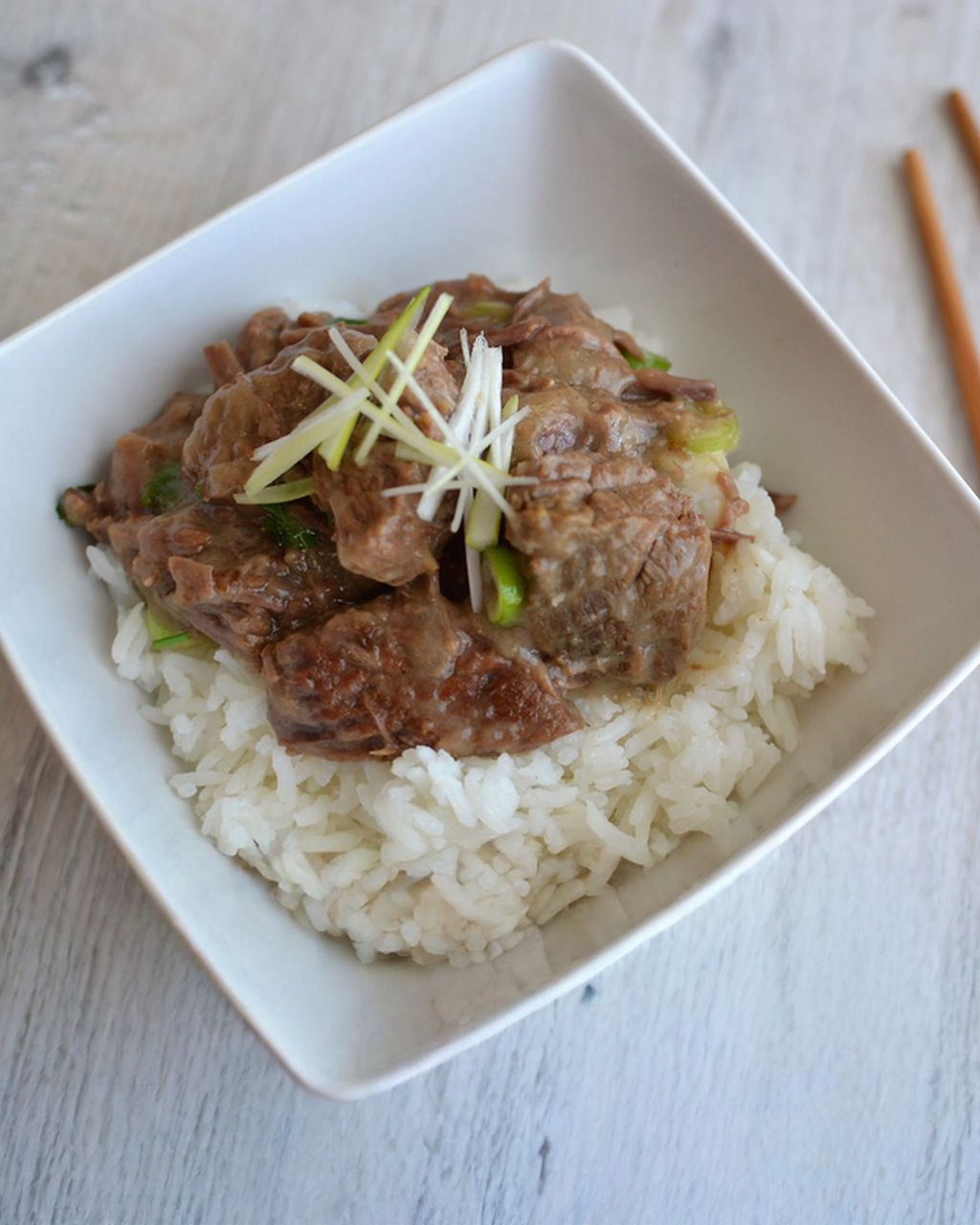
It goes with green and red curries, stir-fries, dishes made with coconut milk such as beef chunks braised in coconut milk, and grilled meat or fish with lime and coriander. Cold day-old rice makes the best fried rice.
Raw rice, jasmine included, commonly carries spores of Bacillus cereus that survive cooking. When cooked rice cools slowly or sits at room temperature, the spores germinate and the bacteria produce a toxin. According to the European Food Safety Authority (EFSA) this toxin is heat-stable, so reheating does not destroy it.
So spread cooked rice in shallow containers, cover and refrigerate within an hour. Eat it within 24 hours and reheat only once, until piping hot throughout, at least 70 °C for 2 minutes. Throw away rice left on the hob overnight. Details are in how long cooked rice lasts in the fridge.
Rice takes up more inorganic arsenic from soil and water than other cereals. For white rice, including ordinary jasmine, EU law (Regulation 2023/915) sets a maximum of 0.15 mg/kg inorganic arsenic, and 0.25 mg/kg for brown and parboiled rice. Rice on sale must meet these limits. To cut intake further, rinse the rice well and cook it in plenty of water that you drain at the end, though the rice will then be less fragrant.
Raw white jasmine rice has roughly 360–370 kcal per 100 g, mostly starch, with about 7 g protein and under 1 g fat. Cooked rice absorbs water and has around 130 kcal per 100 g. Brown jasmine rice keeps its bran and so has more fibre than white. Rice is gluten-free.