- Season
- Fresh from late June to August, frozen all year.
- Price
- Medium
Calories and nutrition
per 100 g
63 kcal
Calories
1.4 g
Protein
15.4 g
Carbs
0.4 g
Fat
Blackcurrants
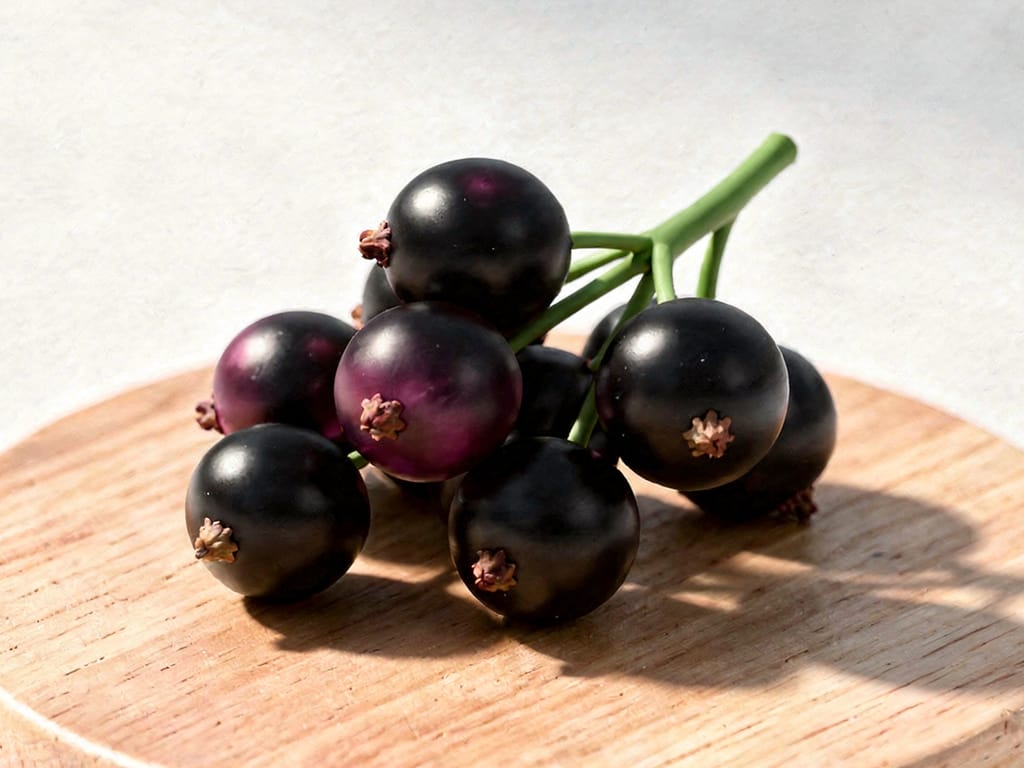
Blackcurrants are small, glossy, purple-black berries of the shrub Ribes nigrum, sharply tart and strongly aromatic. In Czechia they ripen from late June to August and are mostly cooked into jam, syrup and the liqueur crème de cassis.
per 100 g
63 kcal
Calories
1.4 g
Protein
15.4 g
Carbs
0.4 g
Fat
Do not leave currants at room temperature; they spoil quickly. Use them the same day or chill them.
Currants bruise easily, so store them loosely in a shallow container, unwashed and with their stalks. They keep three days at most in the fridge.
Strip the berries, rinse, dry and pre-freeze them spread on a tray, then tip them into a bag so they do not stick together. Berries keep 8–12 months in the freezer. Add them to cakes or compote straight from frozen.
Choose whole bunches with evenly black, glossy, firm berries. Skip dull, shrivelled, crushed or leaking ones and do not buy mouldy bunches at all. In the garden, pick ripe currants when dry, with their stalks.
Redcurrants with a handful of blackberries or blueberries. They give tartness and dark colour, though the aroma is milder.
Lingonberry compote or blackberry jam in sauces for meat, blueberries in cakes.
Rinse currants with their stalks and strip the berries off with your fingers or a fork just before use. For jam and syrup, cook them with sugar; for a clear jelly or syrup, press the cooked fruit through a sieve or strain it through muslin. Boil bought frozen currants for at least a minute before using them in uncooked dishes.
Stir the pulp left after straining syrup or jelly into yogurt, curd cheese or porridge. Freeze any handful of currants left over from baking and scatter it into a traybake straight from the freezer.
Roughly what everyday kitchen measures weigh.
2.4 g
1 teaspoon
3 g
1 piece
7.1 g
1 tablespoon
118 g
1 cup (250 ml)
Blackcurrants are most often cooked with sugar into jam, jelly, syrup or purée. Jam and jelly set readily because the berries are high in pectin and acid. They are made into crème de cassis, and in Britain most of the crop goes into juices and syrups. They are baked into cakes, muffins and Linzer cookies. In savoury cooking they add tartness and astringency to sauces and suit roast beef, grilled lamb, duck and venison.
The blackcurrant is a deciduous shrub of the gooseberry family, up to 1.5 m tall, with palmately lobed leaves. The berries are 8–11 mm, grow in bunches and are purple-black to black with glossy skins. It is probably native to north-eastern Europe and southern Siberia, possibly also to Bohemia and Moravia, and is grown in temperate regions worldwide. The whole plant, leaves and branches included, is strongly scented; some people like the smell, others find it unpleasant. Crossing blackcurrant with gooseberry produced the jostaberry. Finland also grows green-fruited varieties, which are sweeter and less aromatic.
Raw blackcurrants are sharply tart, astringent and resinous, green-smelling, almost like the crushed leaves of the bush. Cooked with sugar, the acidity softens and a dark fruity flavour comes through with an astringent, slightly bitter finish.
2 min read
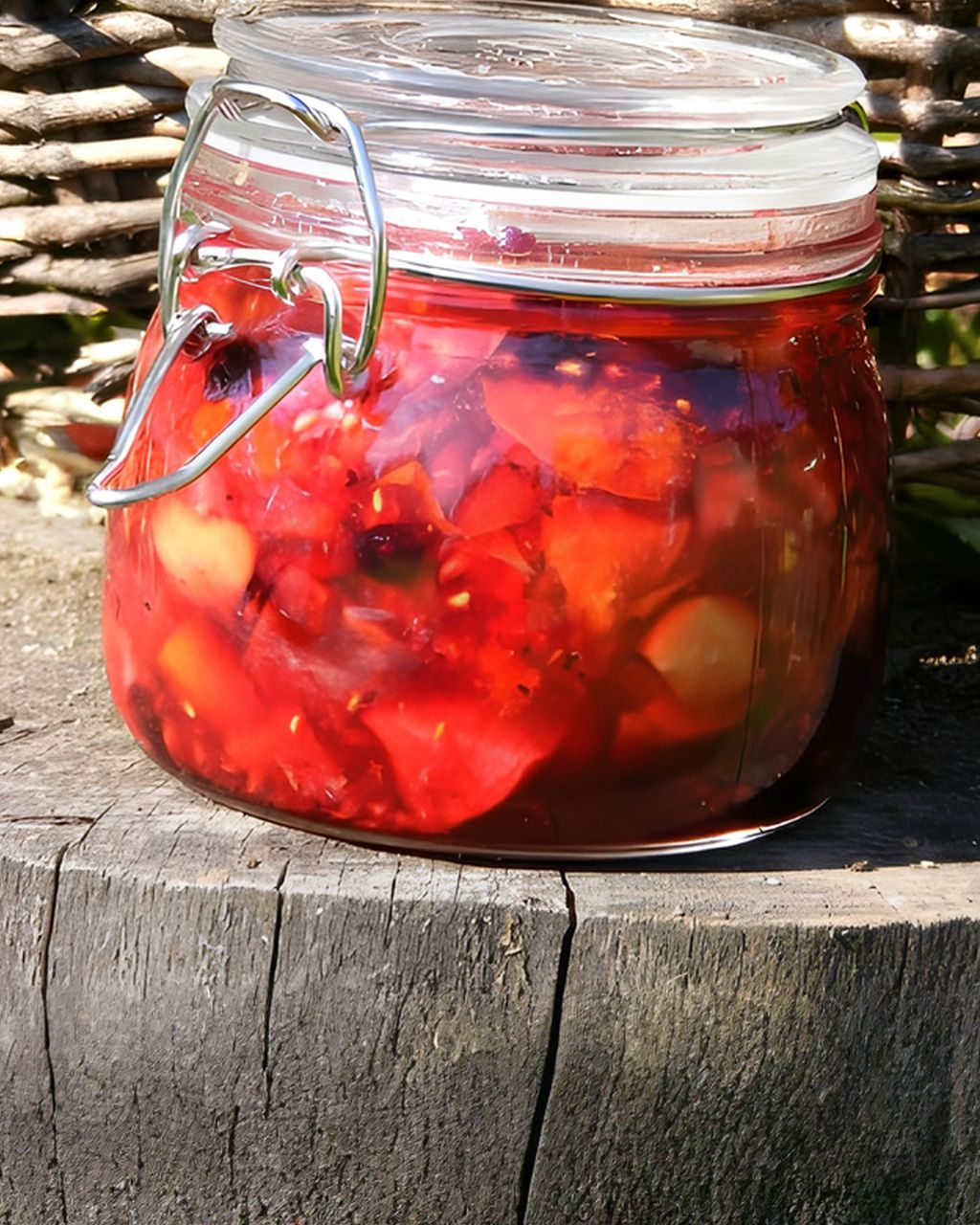
At home, blackcurrants are mostly made into jam and syrup. The jam sets well because the berries are rich in pectin and acid. Juice and drinks are on the blackcurrant juice page.
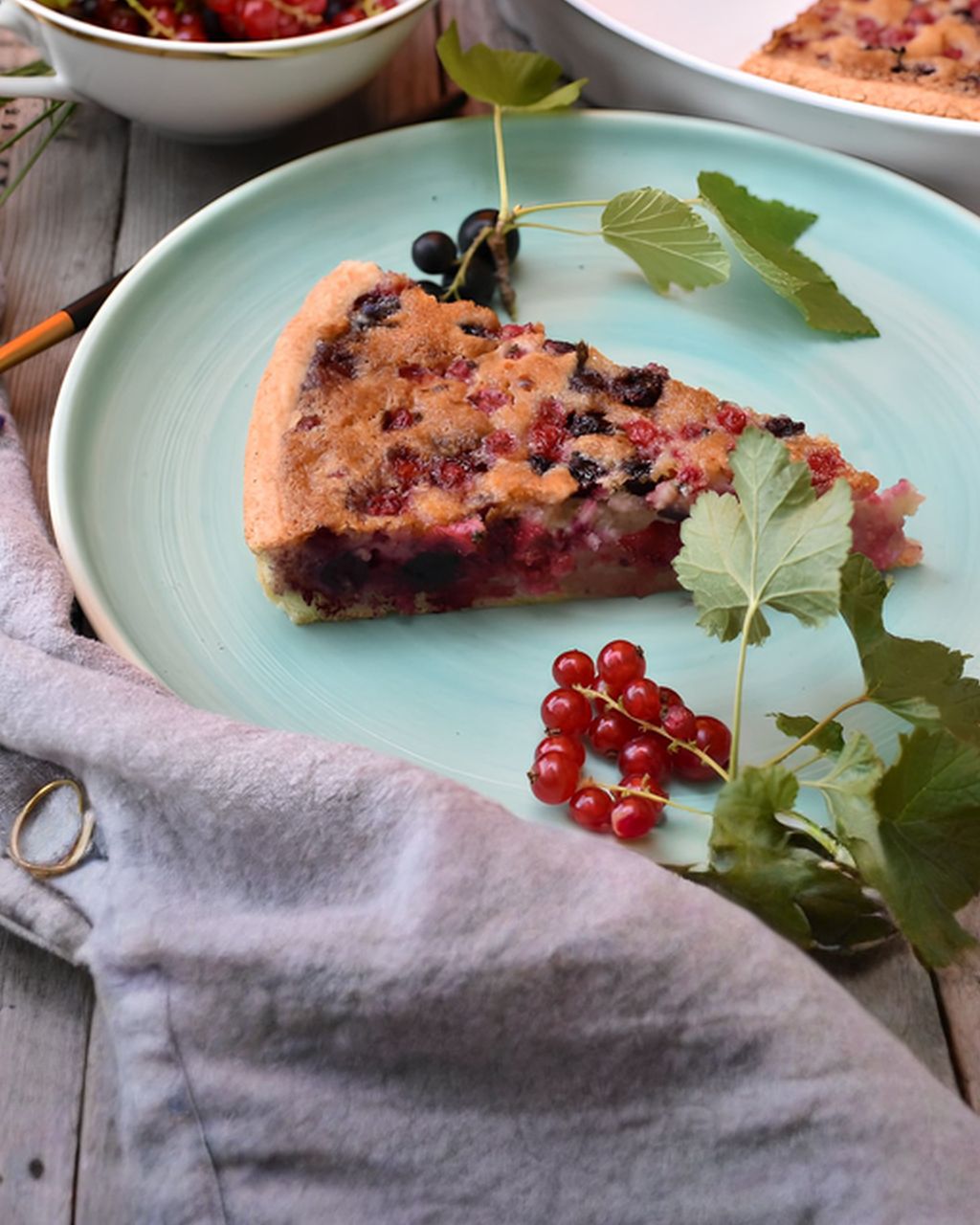
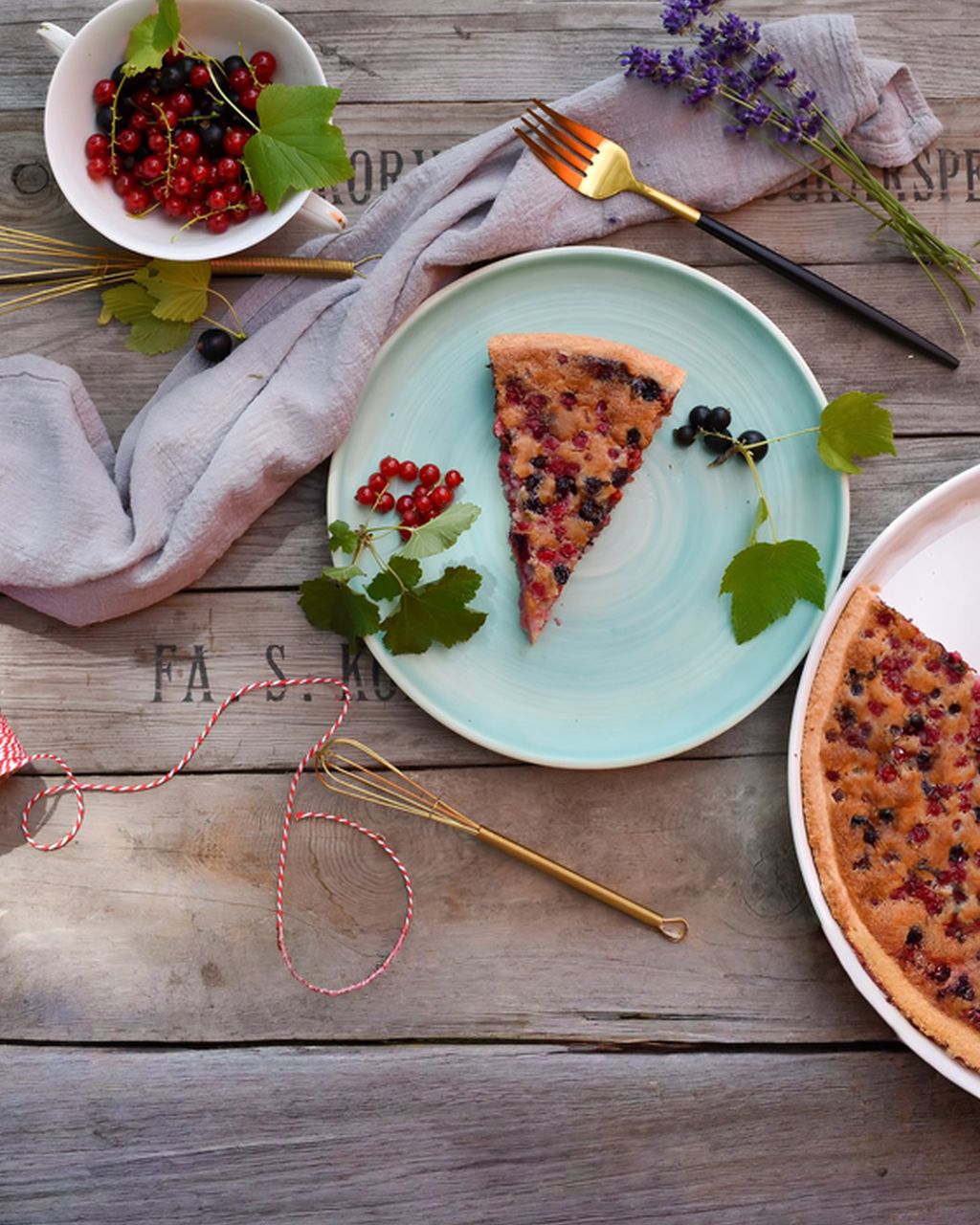
For baking, try the currant tart with almond filling or the brown butter Linzer cookies with tonka bean and blackcurrant.
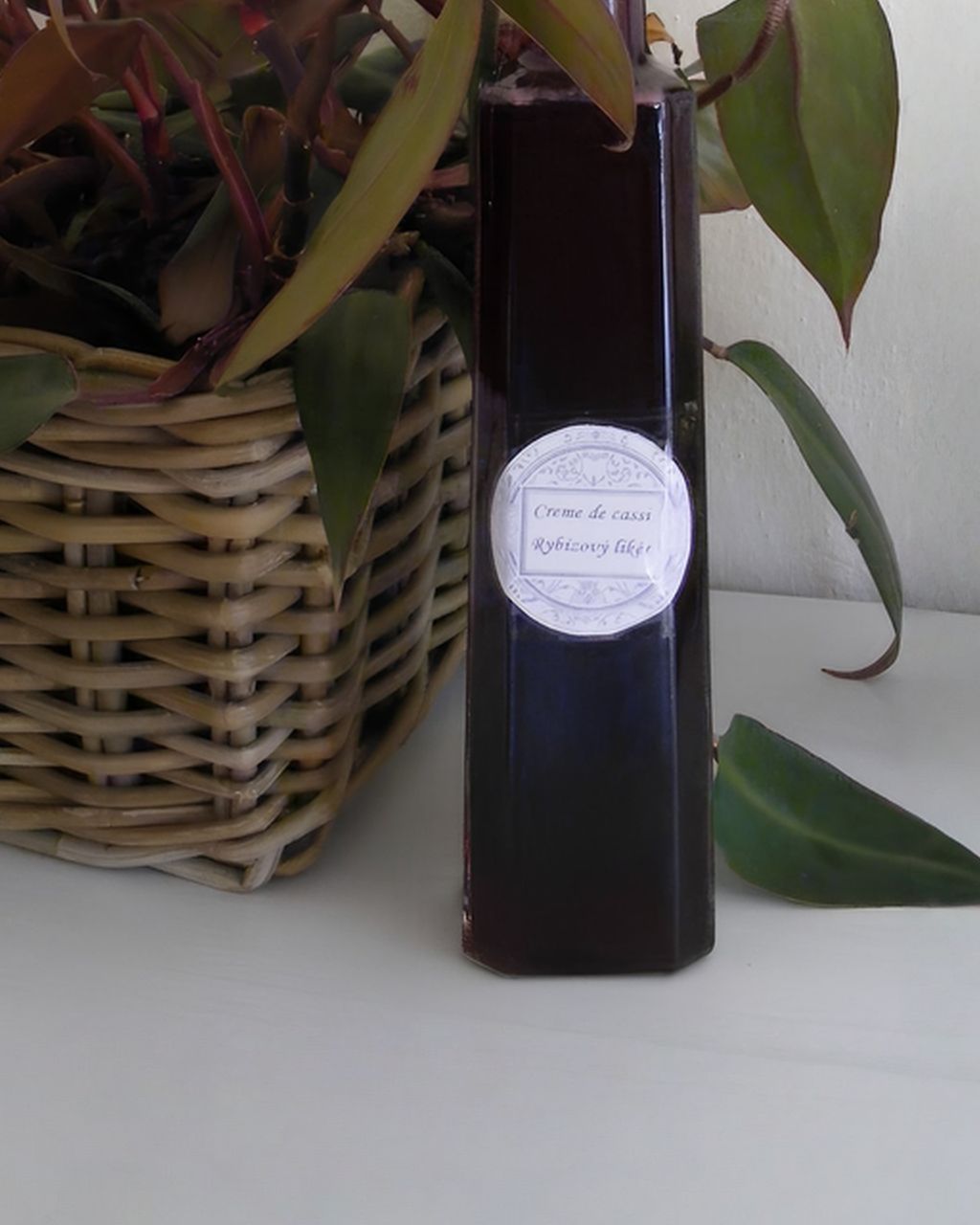
Crème de cassis is a sweet blackcurrant liqueur from Burgundy in France. Under EU rules it must have at least 15 % alcohol and more than 400 g of sugar per litre; more on the crème de cassis page. You can make it at home with the crème de cassis blackcurrant liqueur recipe.
Fresh currants are best eaten or cooked straight away; they keep three days at most in the fridge. Store them loosely with their stalks and strip the berries only before use.
Currants are among the fruits that stay loose after freezing: pre-freeze them on a tray, then tip them into a bag, as described in how to freeze fruit. Imported frozen berries can carry hepatitis A virus and noroviruses, so boil bought frozen currants for at least 1 minute before using them in uncooked dishes and smoothies, as the Food Safety Authority of Ireland (FSAI) advises.
Raw blackcurrants have 63 kcal per 100 g according to the USDA, with 15.4 g carbohydrate, 1.4 g protein and 0.4 g fat, and are 82 % water. They contain 181 mg of vitamin C per 100 g; the Czech health portal NZIP puts this at about four times as much as citrus fruit.
Currants are an alternate host of white pine blister rust, a disease of pines. In the early 20th century the United States therefore banned currant growing to protect its forests. In 1966 the federal ban passed to the individual states, and New York lifted it in 2003, which is why blackcurrants became less common in the US than they once were.