- Season
- All year, as packaged long-life biscuits.
- Price
- Low
Calories and nutrition per 100 g
- 389 kcal
- 9 g protein
- 5 g fat
- 75 g carbs
Sponge Fingers
Sponge fingers (ladyfingers) are long, dry, finger-shaped sponge biscuits made from eggs, sugar and flour and dusted with sugar, called savoiardi in Italian and boudoirs in French. They are bought mainly for tiramisu, charlottes and no-bake cakes because they soak up coffee or liqueur quickly yet hold their shape.
Keep unopened packs dry, away from heat and sun, until the best-before date. Tip opened fingers into a tin or lidded box, as they absorb moisture from the air and go soft.
Do not refrigerate the biscuits themselves; they go damp and pick up smells. Only the finished tiramisu or charlotte goes in the fridge.
There is no need to freeze them; dry, they keep for months in a box. At most, freeze the finished dessert if its cream can take it.
For tiramisu and charlottes, choose firm, dry, straight fingers that do not crumble in your hand; packs with broken pieces are fine only for crumbs. The ingredients are wheat flour, sugar and eggs; some brands add corn starch, glucose-fructose syrup and raising agents such as ammonium carbonate. Gluten-free savoiardi made with rice flour and starch are also sold. For rum balls and other recipes using ground biscuits, round Czech baby sponge biscuits work too.
Strips of dried sponge cake. They are made from the same whipped batter and absorb just as well, they are just less neat.
Round Czech baby sponge biscuits or thin Italian Pavesini work well for tiramisu in glasses. In a pinch, sliced pound cake will do, though it contains fat and absorbs more slowly.
Sponge fingers are ready to use. For tiramisu, dip each one only briefly in cooled coffee, about 1–2 seconds per side, and lay it straight in the dish; longer soaking makes them fall apart. For a charlotte, stand them in the tin with the rounded side out; you can trim the bottom ends straight so they stand up. For trifles and glasses, break them into pieces; for a cheesecake base, grind them into crumbs.
Grind broken or stale fingers into crumbs and keep them in a closed box. They work for no-bake cheesecake bases, in glasses with cream and fruit, or sprinkled over ice cream. Dry softened fingers for a few minutes in the oven at 100 °C and they will be crisp again.
Roughly what one measure weighs, scooped the way you normally would in the kitchen.
Sponge fingers are not baked again but dipped and layered. In tiramisu, layers of fingers dipped in espresso alternate with mascarpone cream; in a charlotte they form the wall of the tin around a quark or cream filling; in a trifle they are layered with fruit, custard and cream. Ground, they bind no-bake treats and cheesecake bases.
Sponge fingers are traditionally raised only by air whipped into the eggs: the whites and the yolks with sugar are beaten separately, then folded together with flour. The batter is piped into strips and dusted with icing sugar before baking, which forms a thin crisp crust. Czech Decree 18/2020 classes piškoty as long-life baked goods from whipped batters, with at most 10% water, which is why they keep for months and absorb so well.
Mildly sweet, tasting of baked egg and vanilla, with a slightly crunchy sugared top. Inside they are dry, porous and light. The flavour is deliberately neutral: they are meant to soak up espresso, liqueur or fruit juice and carry a cream, not compete with them.
Seasonal baking plans, tested recipes and kitchen tricks that save you time. Unsubscribe in one click.
3 min read
The base is wheat flour, sugar and eggs. Traditional fingers are raised only by air whipped into the eggs, contain more flour than an ordinary sponge cake and are dusted with icing sugar before baking. Factory-made fingers often also contain corn starch, glucose-fructose syrup and raising agents: Sedita Pafino lists sodium carbonates, ammonium carbonate and phosphates, and Alnatura spelt fingers list ammonium carbonates.
According to pack labels, sponge fingers have 380–414 kcal per 100 g, 4–7 g fat, 8.6–11 g protein and 70–82 g carbohydrate, of which 32–41 g sugars. They contain gluten and egg, two of the 14 allergens that must be highlighted on the label. Gluten-free savoiardi (for example Schär) are made from eggs, sugar, corn starch and rice flour.
Both are made from whipped egg batter; they differ in shape and use. Sponge fingers are long, sugar-dusted and firmer, so they keep their shape in tiramisu and charlottes. Baby sponge biscuits are small round discs eaten on their own or ground into no-bake treats. In Czech shops sponge fingers are also sold as "dlouhé piškoty", "savoiardi" or "ladyfingers".
Tiramisu comes from Treviso and appeared on the menu of the Le Beccherie restaurant in 1972; the original has just six ingredients, savoiardi among them. The fingers are dipped only briefly in cooled espresso so they do not turn soggy. For more on its origins, read the history of tiramisu.
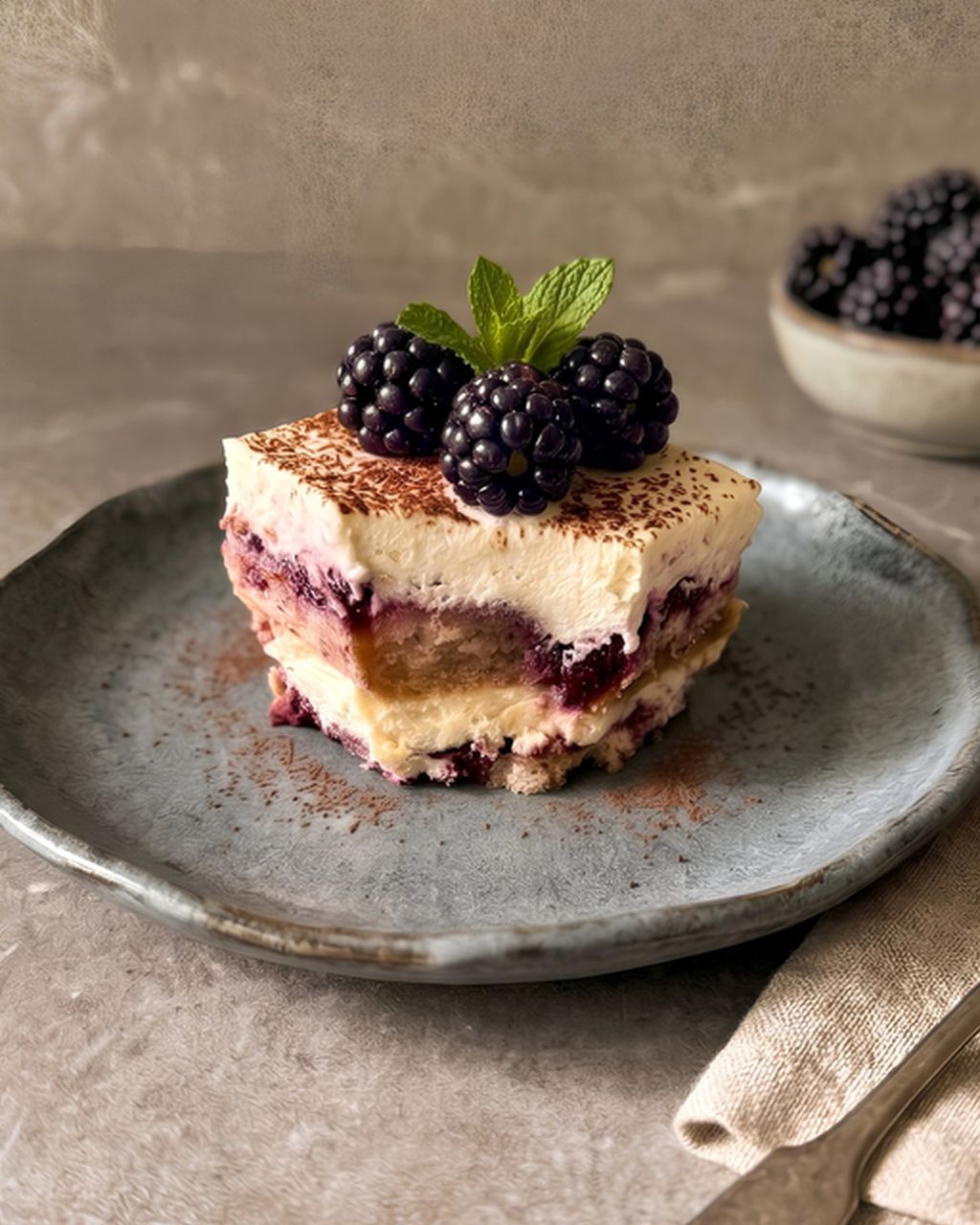
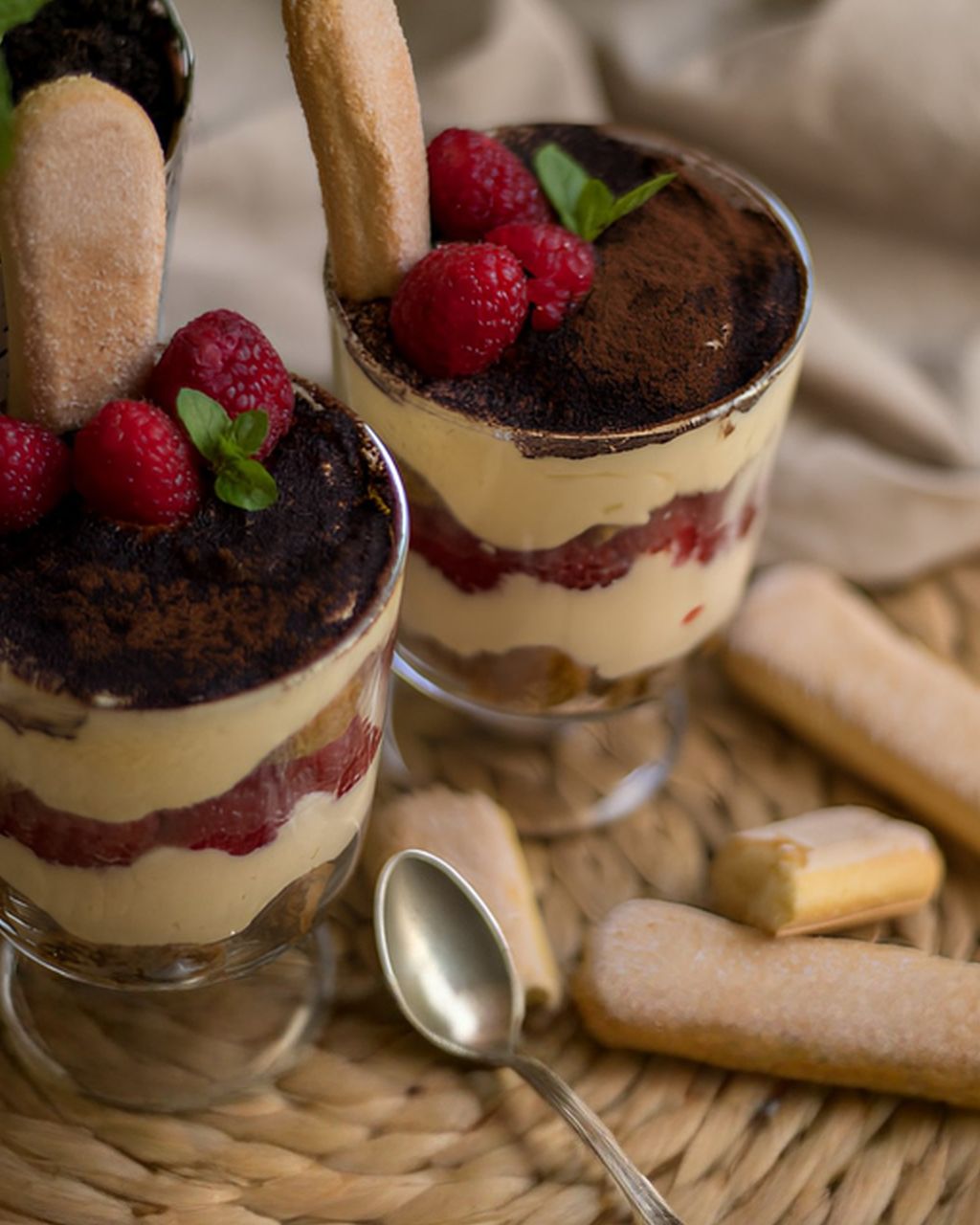
Recipes to try: raspberry tiramisu with 12 fingers in glasses, and mini tiramisu with blackberries and Earl Grey tea, where the fingers soak up tea instead of coffee. What to use instead of amaretto and how long tiramisu keeps are covered in tiramisu: what to use instead of amaretto and how long it keeps.
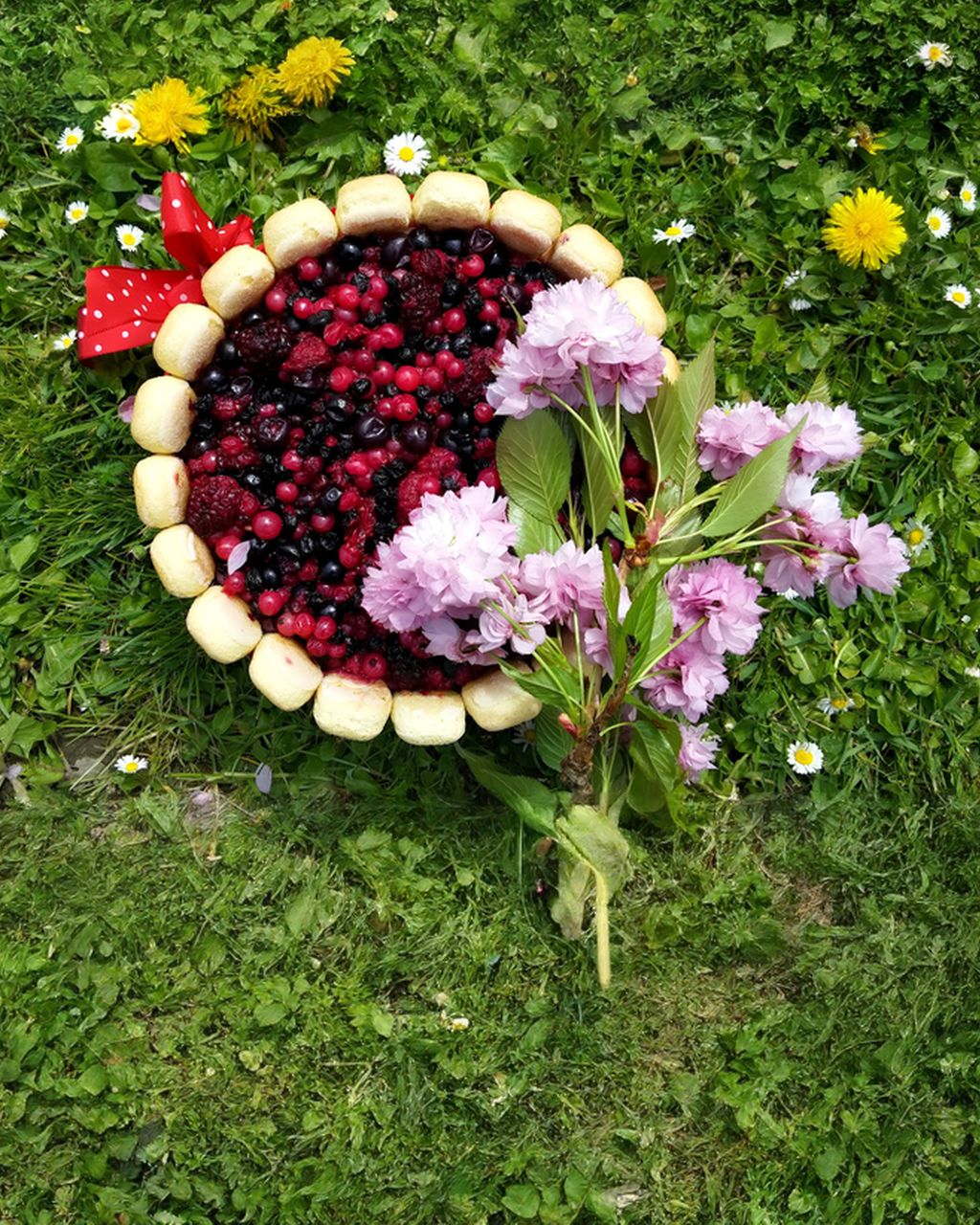
For a charlotte, the fingers stand tightly side by side around the wall of a cake tin, held by the filling; the first row is the trickiest until the filling sets. A quark cream and forest fruit version with 200 g of fingers is in the charlotte with cream cheese and forest fruits recipe. Leave the dessert in the fridge overnight; the fingers absorb moisture from the cream meanwhile.
The fingers are baked and pose no risk themselves, but classic tiramisu cream is made with raw yolks. Eat such a dessert the same day. For children, pregnant women, older people and anyone with weakened immunity, pasteurise the eggs or make an egg-free cream of mascarpone and whipped cream. Tiramisu with pasteurised eggs or without eggs keeps for 1–2 days in the fridge.
According to tradition, sponge fingers were created in the 14th century at the court of the County of Savoy, reportedly for a visit by the King of France; hence the Italian name savoiardi. English calls them ladyfingers or sponge fingers, French boudoirs. Beyond tiramisu, they are the basis of charlottes and English trifle.