- Season
- Peak season June to September; available year-round from greenhouse production
- Price
- Low
Calories and nutrition
per 100 g
14 kcal
Calories
0.6 g
Protein
3 g
Carbs
0.2 g
Fat
Cucumber
Cucumber (Cucumis sativus) is a creeping vine fruit belonging to the Cucurbitaceae family, alongside pumpkins, squash, and melons. Though botanically a fruit, it is universally treated as a vegetable in culinary contexts.
per 100 g
14 kcal
Calories
0.6 g
Protein
3 g
Carbs
0.2 g
Fat
Not recommended for extended storage. If used within 1-2 days, keep at cool room temperature away from direct sunlight and ethylene-producing fruits like bananas and tomatoes.
Wrap whole cucumbers in a dry paper towel and place inside a loosely sealed plastic bag in the crisper drawer, ideally at around 10 °C rather than the coldest part of the fridge, where they suffer chilling injury. Properly stored, they keep for about a week, at best up to 10 days. Cut cucumbers should be wrapped tightly and used within 2-3 days as they deteriorate quickly once sliced.
Not recommended for raw consumption due to high water content, which causes cellular breakdown upon thawing. For preservation, pickle or ferment cucumbers instead. Frozen cucumber puree can be used for smoothies or soups for up to 3 months.
Choose cucumbers that are uniformly dark green without yellow spots or streaks, which indicate overripeness. The fruit should feel firm and heavy for its size, with taut skin free of soft spots, wrinkles, or blemishes. For slicing varieties, select specimens 15-20 cm long; English cucumbers should be longer and slender. Avoid cucumbers with shriveled ends or a dull, matte appearance. The best cucumbers will have a slight sheen and spring back when gently pressed.
Zucchini—offers similar neutral flavor and crisp texture when raw, works in 1:1 ratio though lacks cucumber's cooling sensation
Jicama for raw applications requiring crunch; celery for salads; green apple for textural contrast with mild tartness
Rinse cucumbers thoroughly under cool running water. Peeling is optional—the skin provides additional fiber and nutrients but may be waxed on conventional varieties or bitter on some types. For salads and quick pickles, slice into rounds, half-moons, or spears. For Asian preparations, smashing cucumbers with the flat of a knife creates irregular surfaces that absorb dressings more effectively. Remove seeds from larger specimens by halving lengthwise and scraping with a spoon if desired.
Transform cucumber ends and peels into refreshing infused water, blend into green smoothies, or compost them. Overly soft cucumbers can be pureed into chilled soups like gazpacho or blended into face masks for a spa treatment. Pickle trimmings alongside whole cucumbers for tangy snacking.
Roughly what one piece weighs.
201 g
1 piece
Cucumbers are predominantly enjoyed raw—sliced into salads, layered in sandwiches, or cut into crudités for dipping. Pickling and fermenting are the most traditional preservation methods, creating everything from dill pickles to Korean oi-sobagi. Though less common in Western cuisines, cucumbers respond beautifully to gentle cooking: sautéed in butter with shallots until just tender, stir-fried in Thai and Chinese preparations, or simmered in light curries. Smashing cucumbers (pai huang gua) is a popular Chinese technique that creates jagged edges for better sauce absorption. Cucumbers also excel in cold soups, beverages, and as a refreshing garnish.
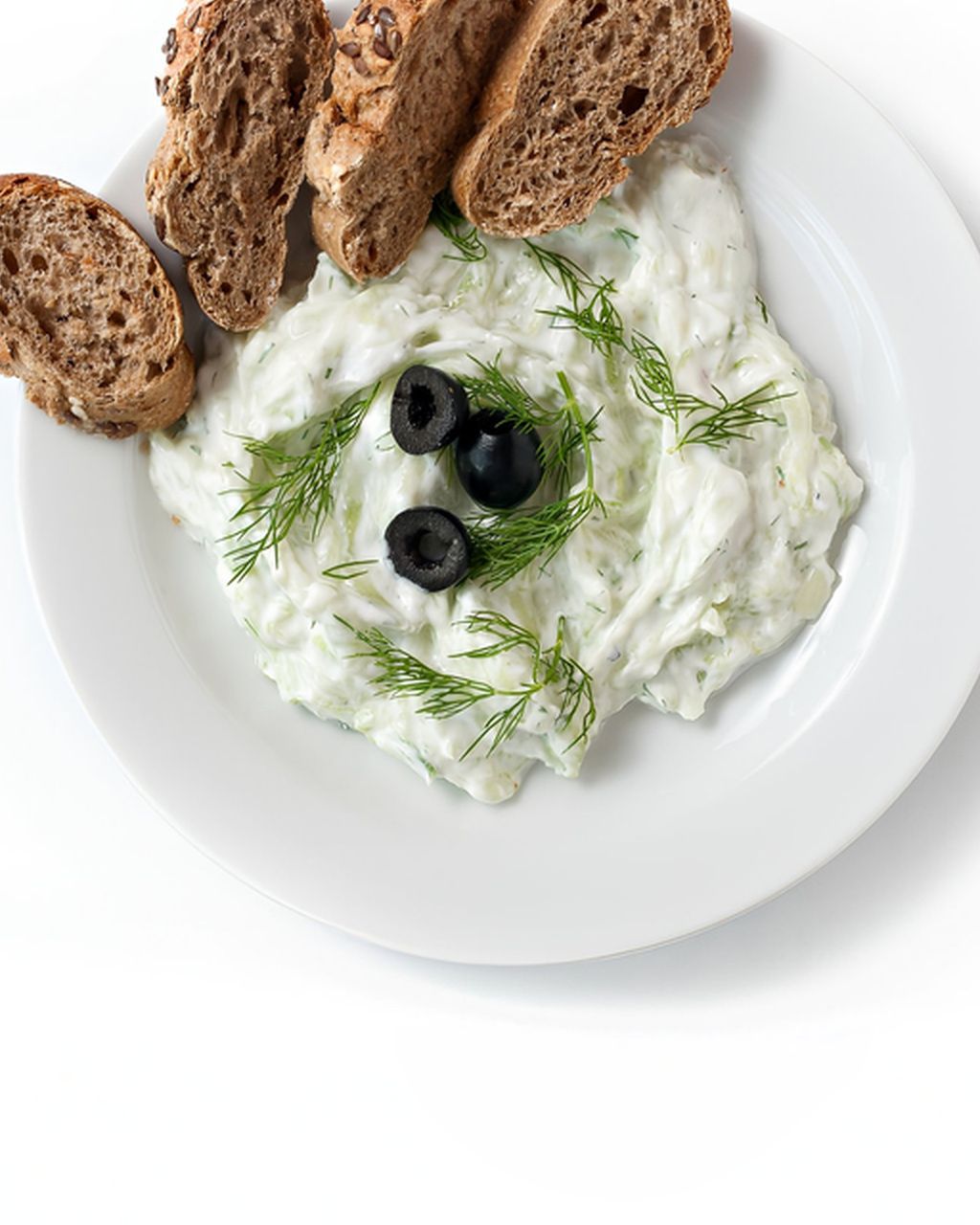
Tzatziki with 0% greek yogurt
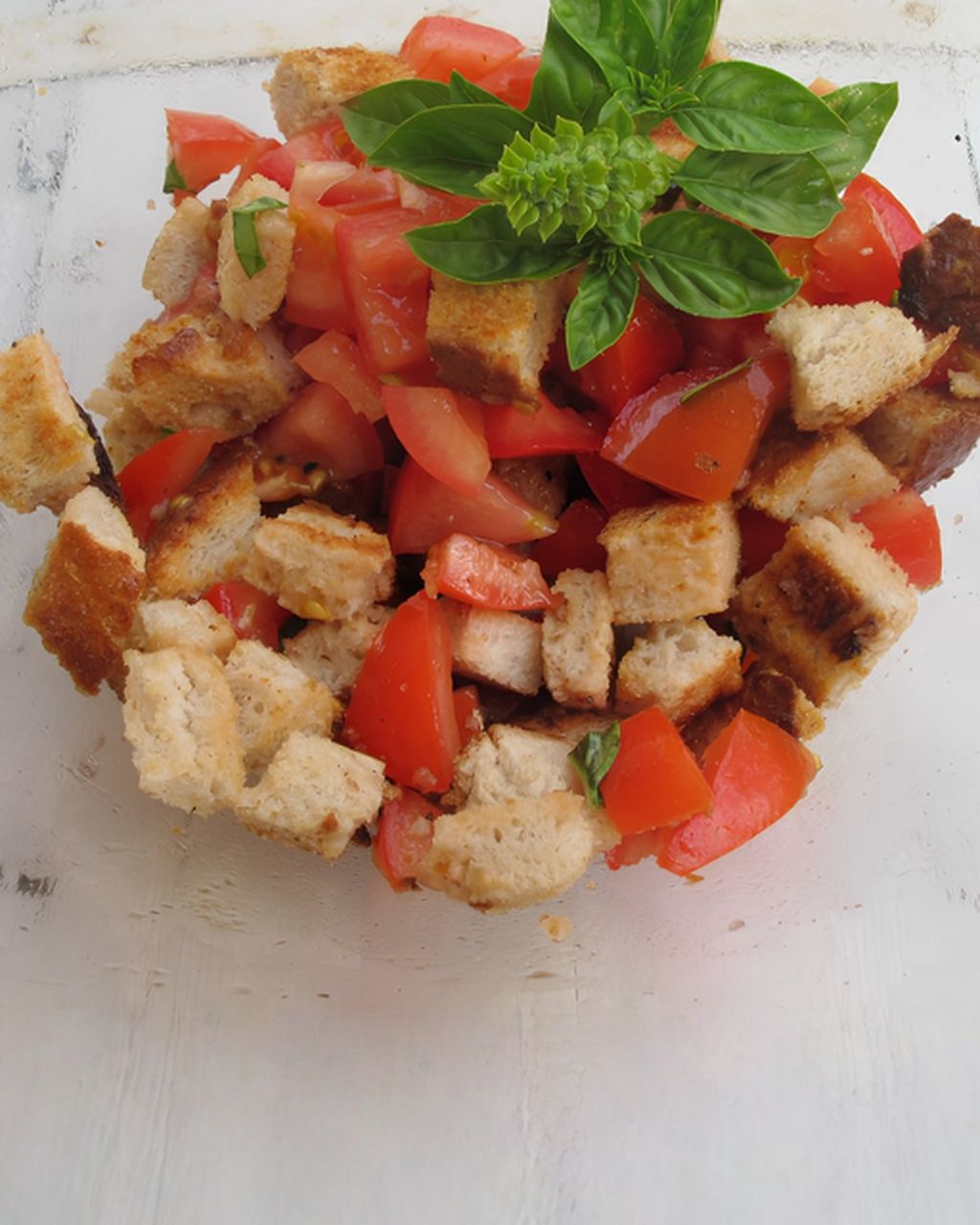
Panzanella – italian bread salad
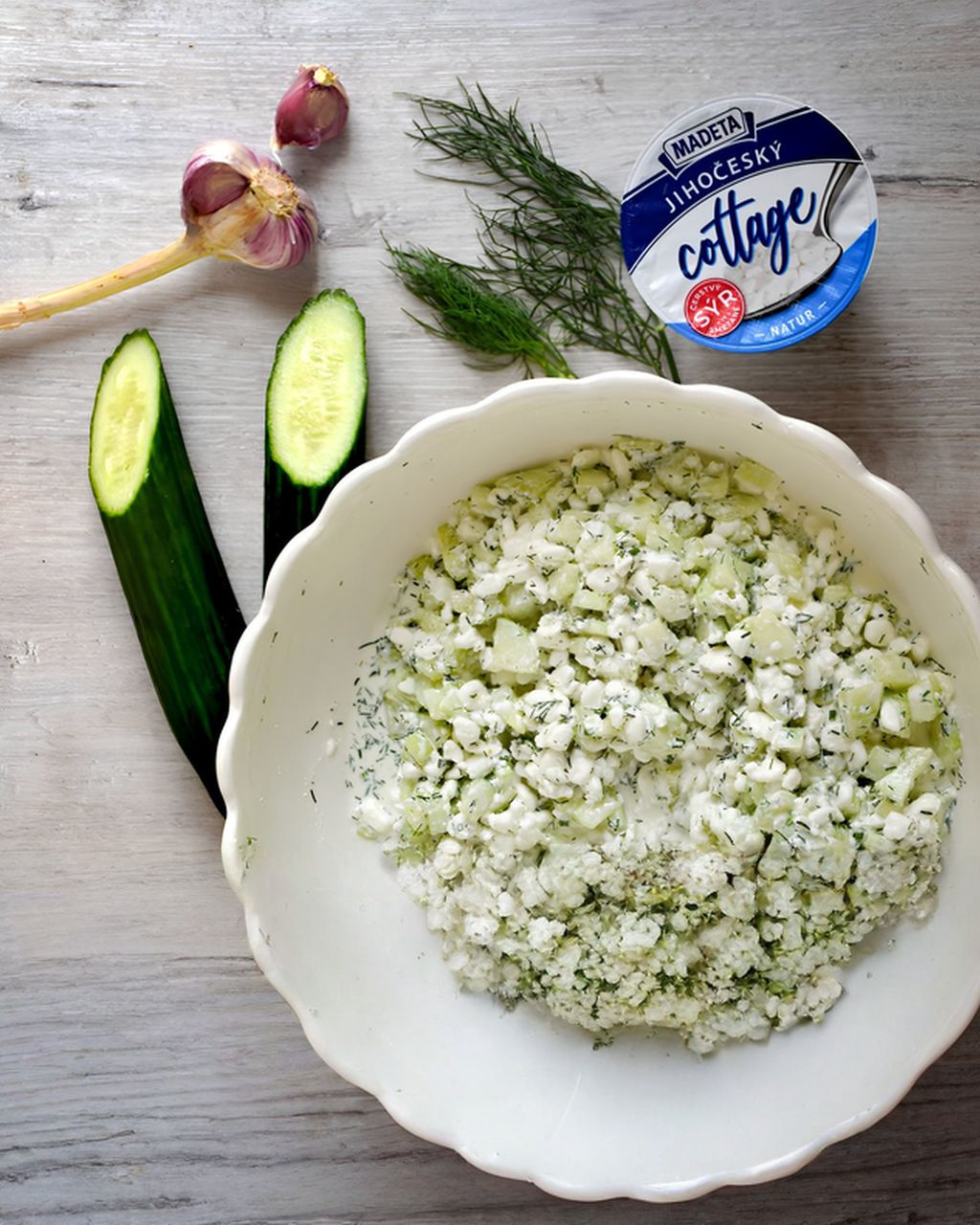
Fresh cucumber and dill salad
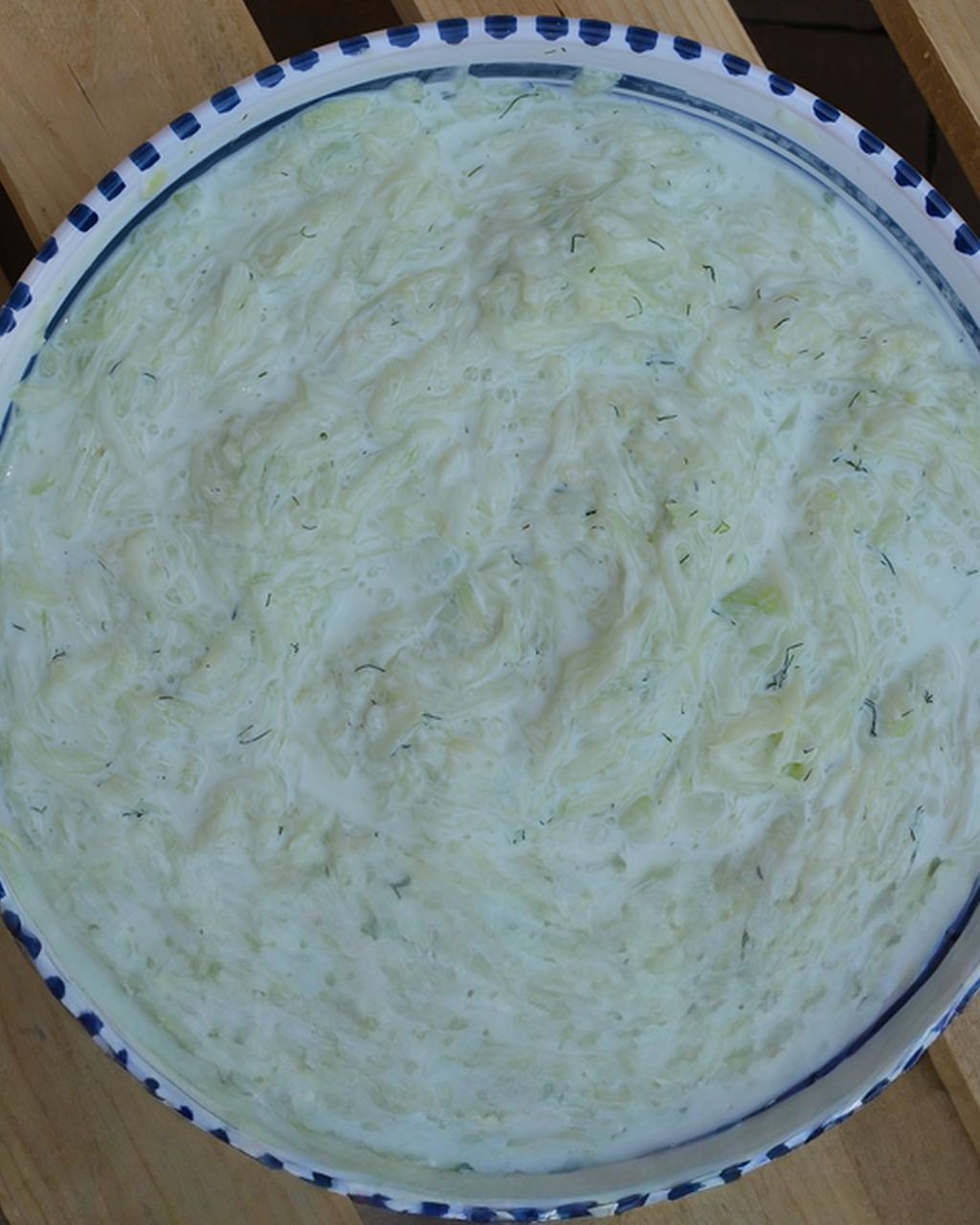
Tzatziki with valmez yogurt
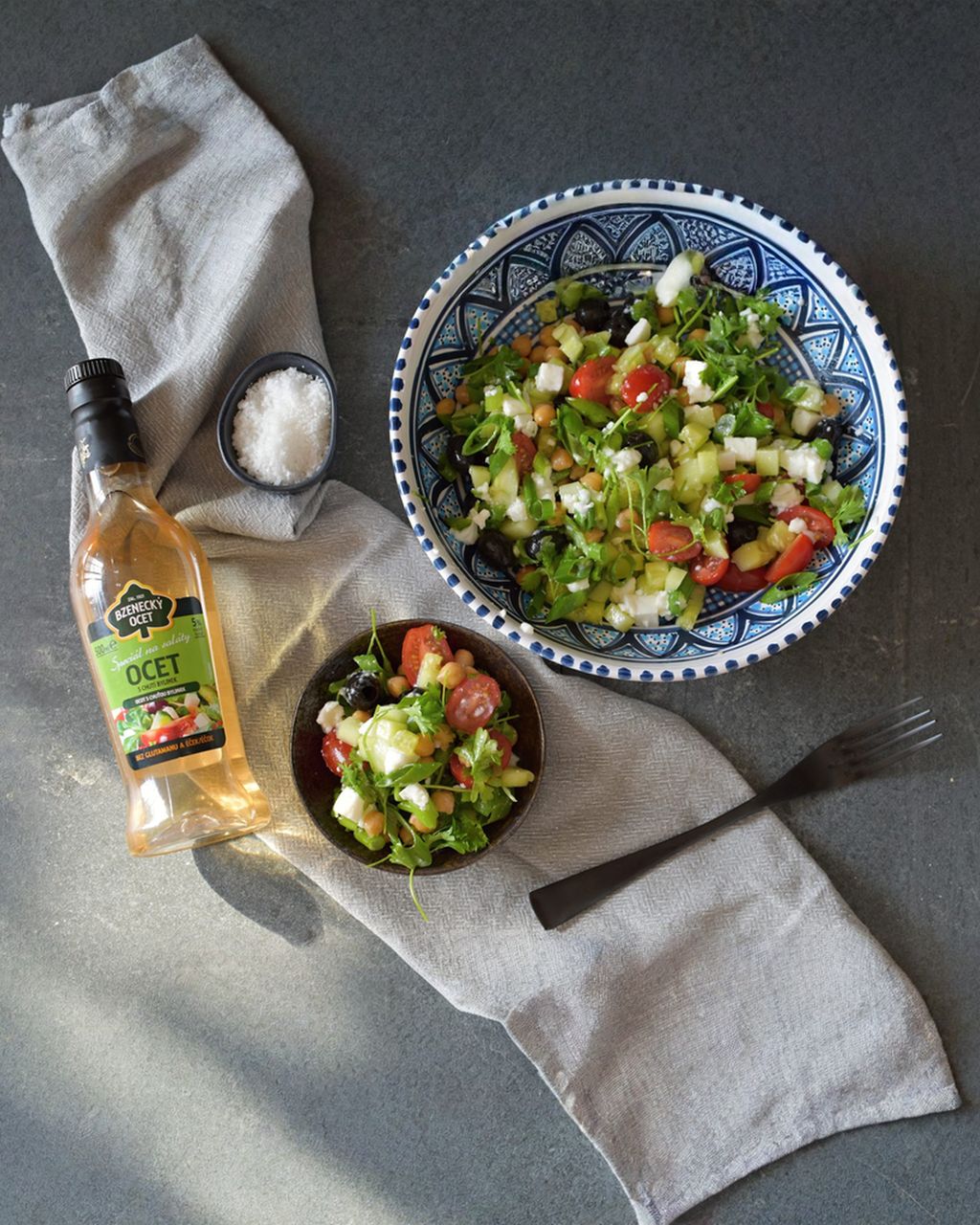
Mediterranean chickpea salad with goat cheese and vegetables
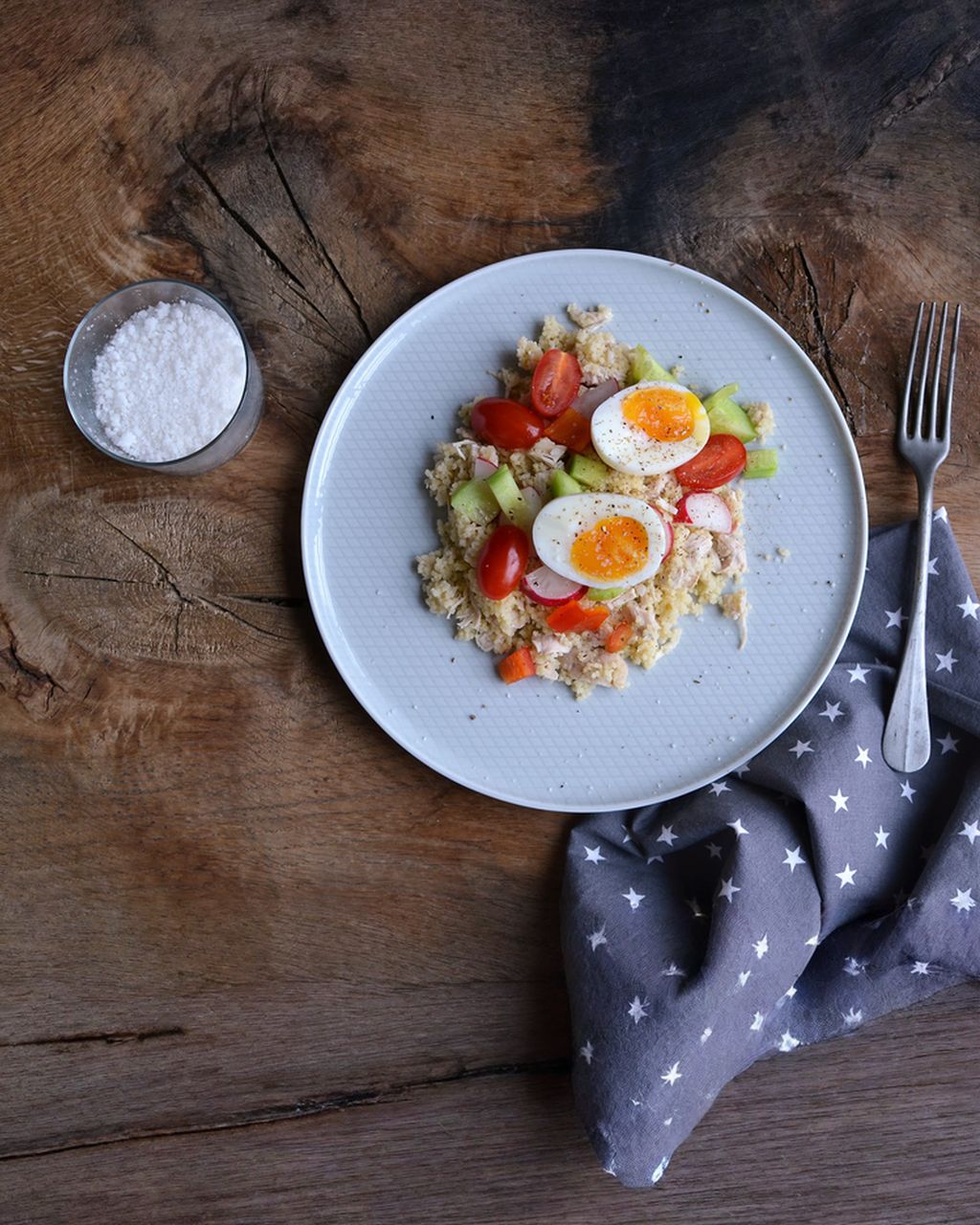
Couscous salad with pulled turkey and vegetables
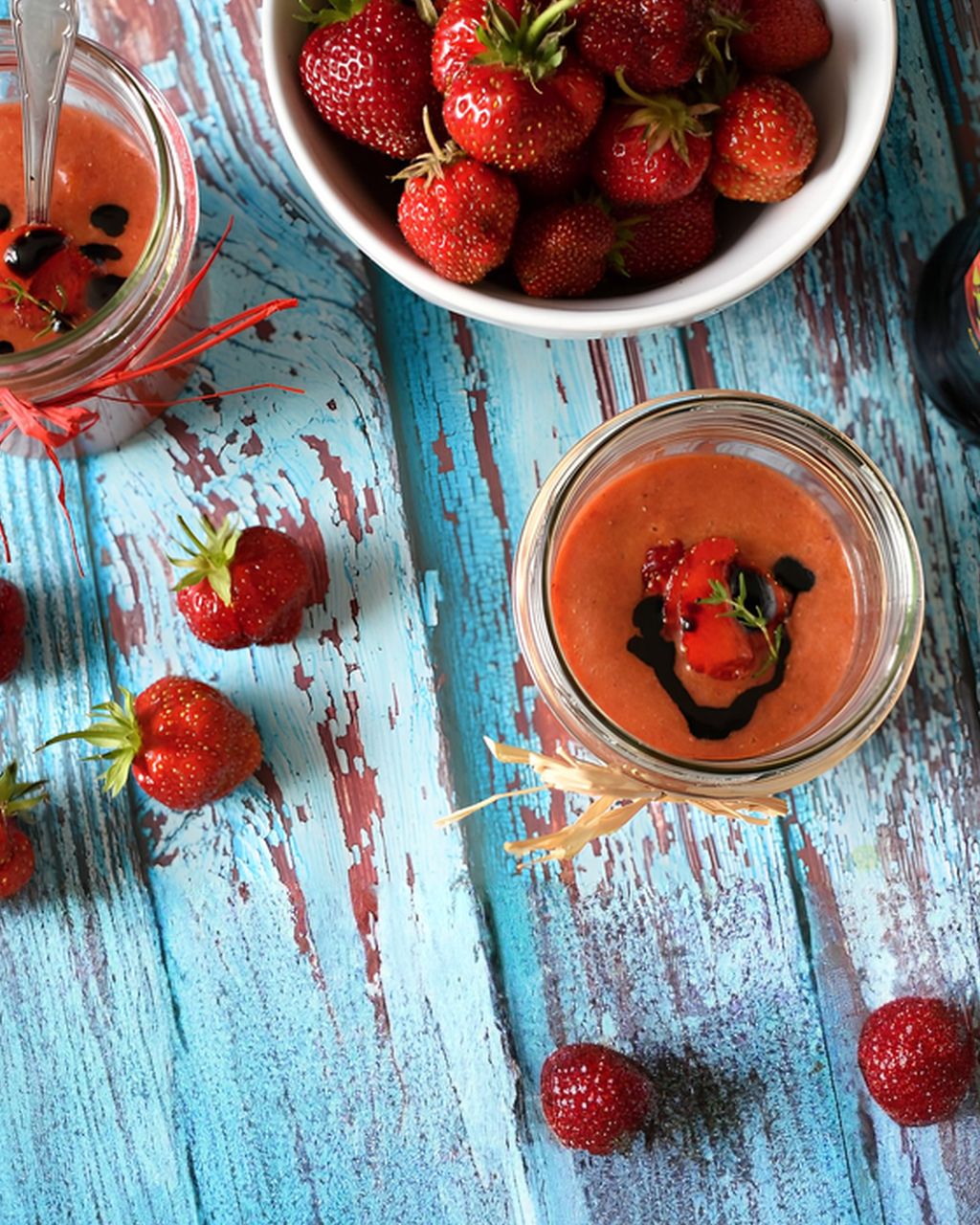
Strawberry gazpacho: a refreshing, unusual summer soup
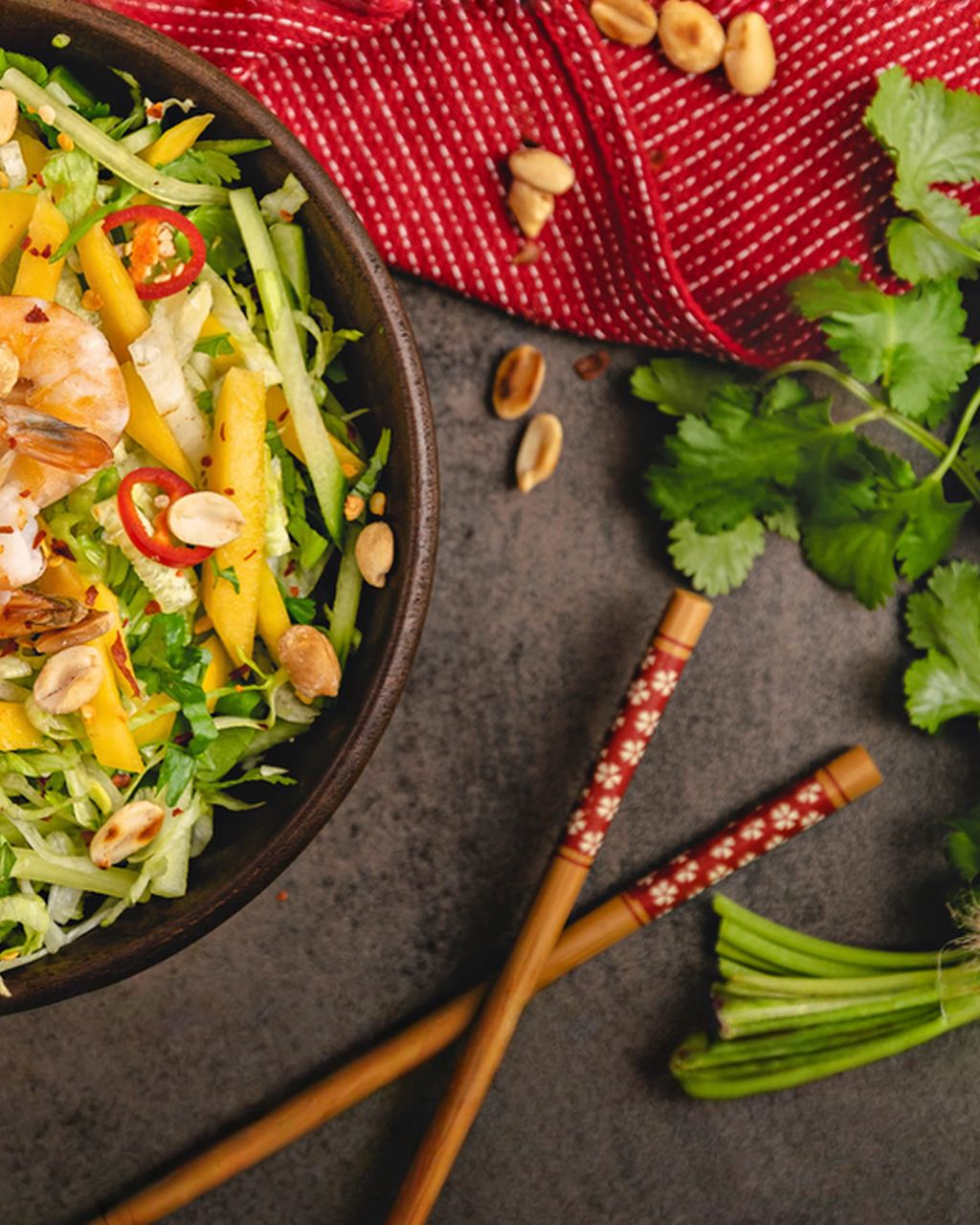
Asian mango and shrimp salad
Cucumber (Cucumis sativus) is a creeping vine fruit belonging to the Cucurbitaceae family, alongside pumpkins, squash, and melons. Though botanically a fruit, it is universally treated as a vegetable in culinary contexts. Characterized by its elongated, cylindrical shape and typically green skin, cucumbers range from smooth to slightly bumpy depending on variety, and contain a high water content (approximately 95%) that delivers their signature refreshing crunch.
Cucumber presents a clean, mild vegetal flavor with subtle grassy undertones and a whisper of melon-like sweetness. The flesh is delicately aqueous and neutral, making it an exceptional flavor carrier that readily absorbs dressings, marinades, and seasonings. The skin contributes a slightly bitter, more assertive vegetal note, while the seeds offer a soft, watery center. When pickled, cucumbers transform entirely, taking on tangy, briny, or sweet-sour characteristics depending on the pickling method.
Seasonal baking plans, tested recipes and kitchen tricks that save you time. Unsubscribe in one click.
5 min read
Cucumbers divide into two broad groups—slicing and pickling—with a number of distinct types within them: Slicing cucumbers are the common supermarket variety, typically 15-23 cm long with thicker skin and larger seeds, bred for fresh eating. English (hothouse) cucumbers are long, slender, and virtually seedless with thin, unwaxed skin that doesn't require peeling—ideal for elegant presentations and raw preparations. Persian cucumbers are compact, thin-skinned, and crunchy with minimal seeds, perfect for snacking and Middle Eastern dishes. Pickling cucumbers (sold as nakládačky in Czechia, Einlegegurken in German-speaking markets, and as Kirby in the US) are short, bumpy-skinned, and firm-fleshed, specifically bred for pickling though excellent fresh. Lemon cucumbers are round, yellow, and slightly sweet, named for their lemon-like appearance rather than any citrus flavour. Japanese cucumbers (kyuri) are slender with tender skin and crisp flesh, prized in sushi and sunomono. Armenian cucumbers are technically melons but used as cucumbers, with pale ribbed skin and mild flavor.
The cucumber's journey from wild vine to global pantry staple spans over three millennia. Domesticated in India from wild Cucumis sativus var. hardwickii, cucumbers were cultivated on the Indian subcontinent by roughly 1000 BCE, where wild relatives still flourish today. The fruit traveled eastward along the Silk Road, reaching China around 2,000 years ago where it underwent significant diversification. Contrary to long-held beliefs, cucumbers were likely absent from ancient Greek and Roman tables—historical confusion with vegetable melons created this misconception. Definitive evidence of cucumbers in the Mediterranean world emerges only around the 6th century CE, appearing in Syriac medical texts. Arab traders and conquests spread the cucumber westward through Persia, into Spain by the mid-9th century, and eventually throughout medieval Europe. Charlemagne's Capitulare de villis (c. 800) lists cucumeres among the plants to be grown on royal estates, but that Latin name then denoted the snake melon, so it is not firm evidence of true cucumbers in Frankish gardens; unambiguous European records begin in the later Middle Ages. Christopher Columbus introduced cucumber seeds to the Caribbean in 1494, and by the mid-16th century, the vegetable had established itself throughout the Americas.
The cucumber's defining characteristic—its extraordinary crispness—derives from its cellular architecture and remarkable 95% water content. Plant cells maintain their turgidity through osmotic pressure, and cucumber cells are particularly adept at retaining water within their vacuoles, creating that satisfying snap when bitten. The signature "cool" sensation comes from cucumbers' high water content combined with their thermal mass, which absorbs heat from the mouth. The distinctive fresh, green aroma of cucumber is primarily attributed to (E,Z)-2,6-nonadienal, an aldehyde compound that our olfactory system detects at extraordinarily low concentrations. Cucurbitacins—tetracyclic triterpenoid compounds—are responsible for bitterness in wild cucumbers and serve as the plant's defense against herbivores. Domestication selected for genetic mutations in two transcription factors that suppress cucurbitacin production in fruits and leaves. Nine genes govern cucurbitacin biosynthesis, and understanding this pathway has opened possibilities for producing these compounds through biotechnology. When cucumbers are pickled through lacto-fermentation, naturally occurring Lactobacillus bacteria convert sugars into lactic acid, creating the characteristic tang and leaving the finished pickles rich in live lactic acid bacteria.
Cucumber production carries a moderate environmental footprint, with fertilizer use identified as the primary contributor to environmental impacts including eutrophication and soil degradation. Greenhouse cultivation, while extending availability year-round, requires significant energy inputs for heating and lighting. Choosing locally grown, seasonal cucumbers reduces transportation emissions and supports regional agriculture. Organic certification means production without synthetic pesticides and mineral fertilisers; in the EU it is governed by Regulation (EU) 2018/848 and marked by the green leaf logo. The "dirty dozen"-style lists that rank cucumbers among high-residue produce are compiled from US market data; in EFSA's EU-wide monitoring, cucumber samples above the maximum residue limits are a small minority. Greenhouse-grown cucumbers can contribute to sustainable food systems when operations utilize renewable energy, water recycling, and integrated pest management. Supporting local farmers' markets and community-supported agriculture schemes (KPZ in Czechia, Solidarische Landwirtschaft in German-speaking countries) offers the most direct path to sustainably sourced cucumbers while reducing food miles and plastic packaging.