- Season
- Year-round
- Price
- Low
Calories and nutrition per 100 g
- 107 kcal
- 7.7 g protein
- 0.6 g fat
- 14.5 g carbs
Canned Red Kidney Beans in Brine
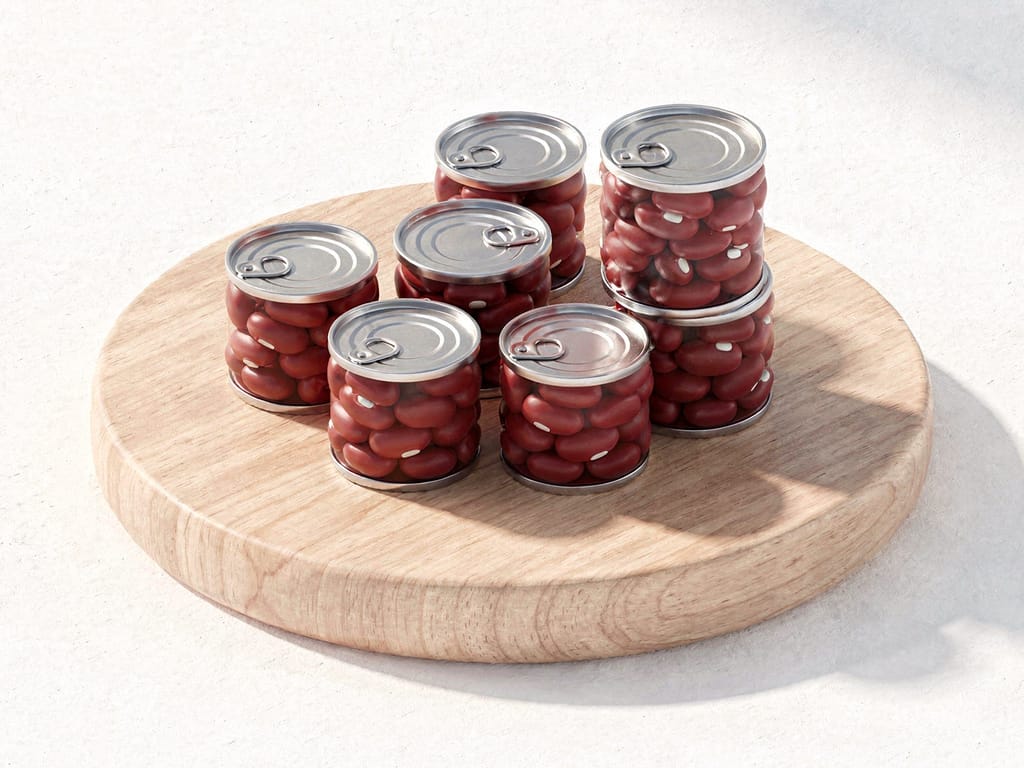
Canned red kidney beans in brine are cooked red kidney beans (Phaseolus vulgaris) in a can or jar with salted water, ready to drain, rinse and heat. Canning destroys the lectin phytohaemagglutinin, which is why dried red kidney beans must be soaked and boiled hard for at least 10 minutes.
Store unopened cans and jars in a cool, dry place until the best-before date. Do not open a can that is bulging, leaking or rusty; throw it away. Do not leave opened beans at room temperature for more than 2 hours.
Once opened, move the beans out of the can into a covered container, refrigerate and use within 2–3 days.
Spread drained, rinsed and dried beans on a tray, freeze, then tip into a bag so they do not freeze into a block. Use within 6 months at −18 °C. You can add them frozen straight to soup or chili.
Choose cans without bulges, rust or deep dents, especially on the seams and lid. Compare the drained weight, which varies between cans of the same size. If you watch your salt, look for no-added-salt or reduced-salt beans. Jars cost more, but you can see the beans.
Home-cooked dried red kidney beans: soaked for at least 5 hours (overnight is fine), then boiled hard in fresh water for at least 10 minutes. 1 part dried beans gives roughly 2–3 parts cooked.
Other canned beans: black, pinto, borlotti or white. They taste a little different but work similarly in chili, soups and salads.
Drain the beans in a sieve and rinse under cold water to wash off the starchy brine and some of the salt. Add them straight to salads; in hot dishes, add them for the last 10–15 minutes so they heat through and absorb the sauce without breaking up. To thicken a sauce, mash some of the beans with a fork.
Mash leftover beans with garlic, cumin and lime into a spread or a bean purée for tortillas. A spoonful of the brine thickens chili or soup.
Roughly what one measure weighs, scooped the way you normally would in the kitchen.
Canned beans are cooked, so they only need heating. Add them to chili con carne, stews and soups near the end so they do not break up. Use them cold in salads after rinsing, and mashed or whole in tortillas and burritos. Blended with garlic and spices they make a thick spread. Unlike dried kidney beans, they can go straight into a slow cooker.
Canned red kidney beans in brine are kidney-shaped dark red beans cooked inside the can or jar in water and salt. They are sterilised with heat under pressure, so they are soft, ready to eat, and keep for years unopened in the pantry. The label gives the total weight and the drained weight, i.e. how many beans are left after draining. The ingredients are usually beans, water and salt, sometimes sugar or a stabiliser. Red kidney beans also come in tomato sauce and seasoned for Mexican cooking.
They taste earthy and full, slightly sweet, and are creamy but hold their shape. The brine makes them salty and can leave a starchy or tinny note, which rinsing removes. In a sauce they quickly soak up spices and tomato.
Seasonal baking plans, tested recipes and kitchen tricks that save you time. Unsubscribe in one click.
2 min read
No. Canned red kidney beans are cooked during canning, and according to Health Canada the heat treatment reliably destroys the lectins, so they only need heating. You can eat them cold, for example in a salad. Long cooking makes them fall apart, so add them to a dish near the end.
Raw and undercooked dried red kidney beans contain the lectin phytohaemagglutinin, which causes nausea, vomiting, abdominal pain and diarrhoea. The Czech Toxicological Information Centre (TIS) handled almost 500 enquiries about poisoning from raw beans over ten years.
Health Canada therefore advises soaking dried red kidney beans for at least 5 hours (overnight is fine), draining them, then boiling them hard in fresh water for at least 10 minutes before simmering until tender. A slow cooker alone is not enough, because it does not reach a temperature that destroys the lectin. A soft bean is not proof that it is safe; the boil is what counts. The full method, times by bean type and the pressure cooker are in our article how to cook beans until tender. With canned beans you do not need any of this.
Rinsing is not about safety but about salt and flavour. It washes off the starchy, tinny brine, and draining and rinsing canned pulses has been measured to remove about 40 % of the sodium. Always rinse them for salads. In a thick chili or soup you can leave a spoonful of brine, which thickens the dish slightly.
An unopened can keeps until its best-before date, usually years. Move opened beans into a covered container, refrigerate within 2 hours and use within 2–3 days. For longer, drain, dry and freeze them: they keep for 6 months at −18 °C.
A bulging or leaking can, hissing when you open it, or cloudy, foaming brine means the contents may have spoiled. Do not taste such beans; throw them away.
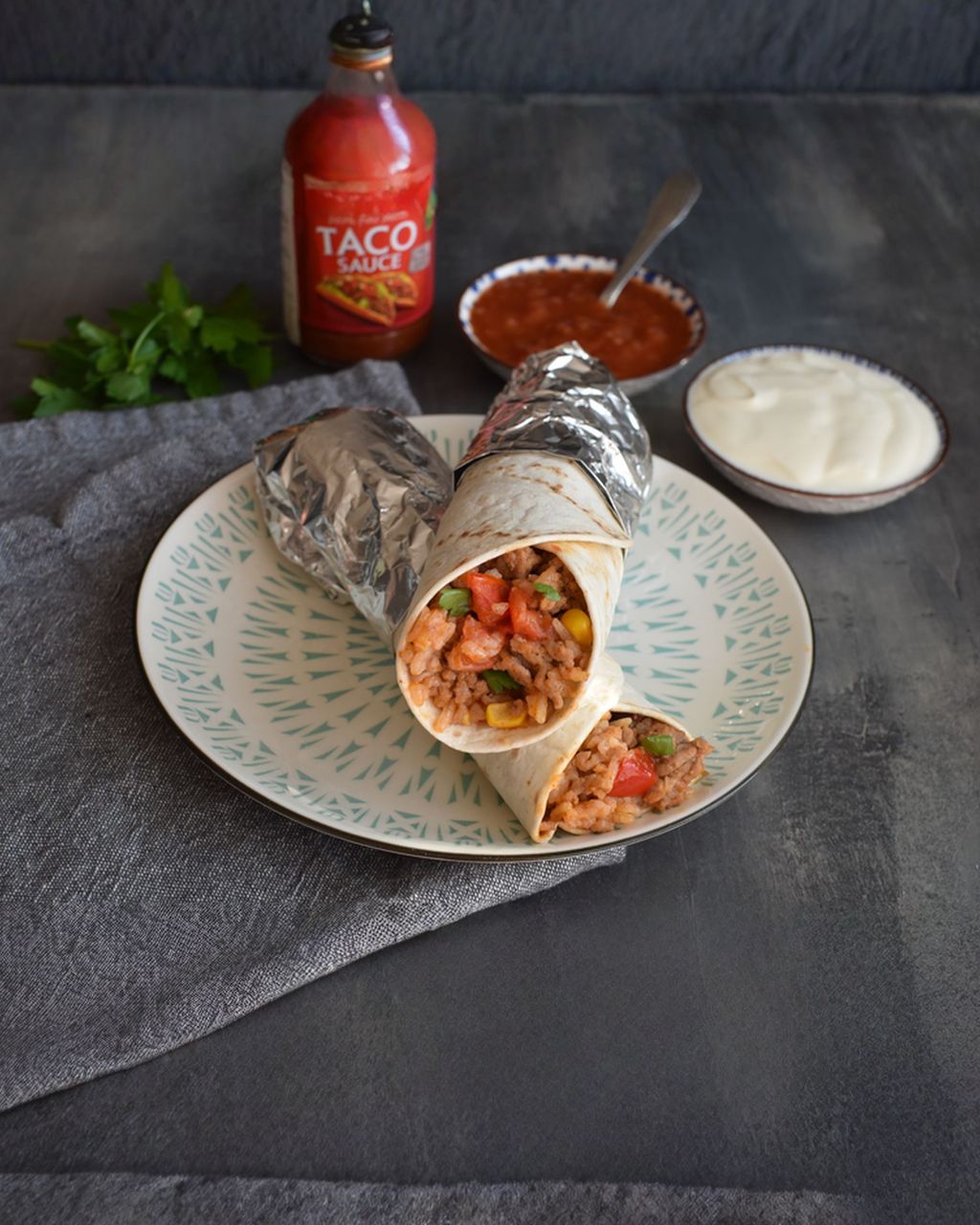
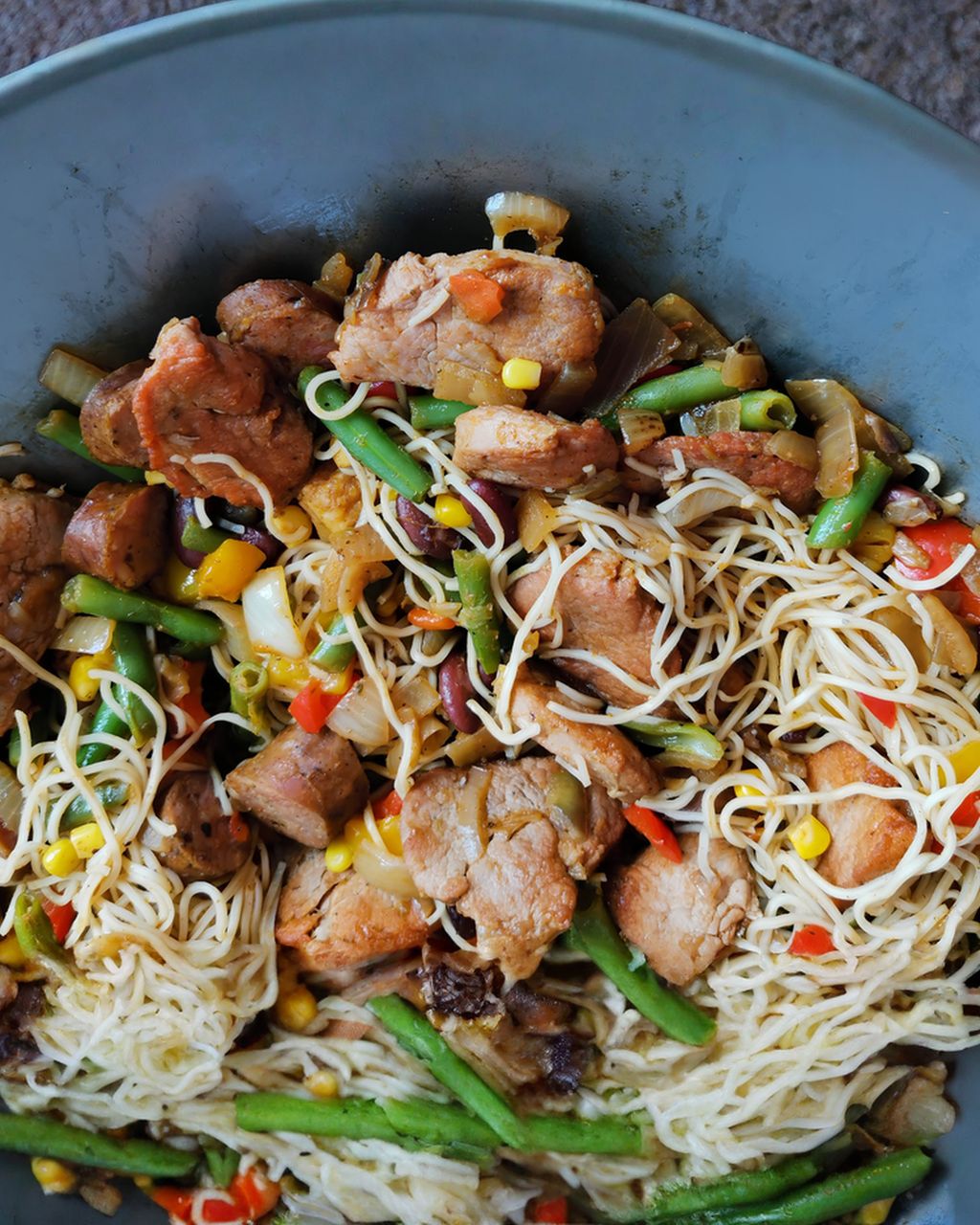
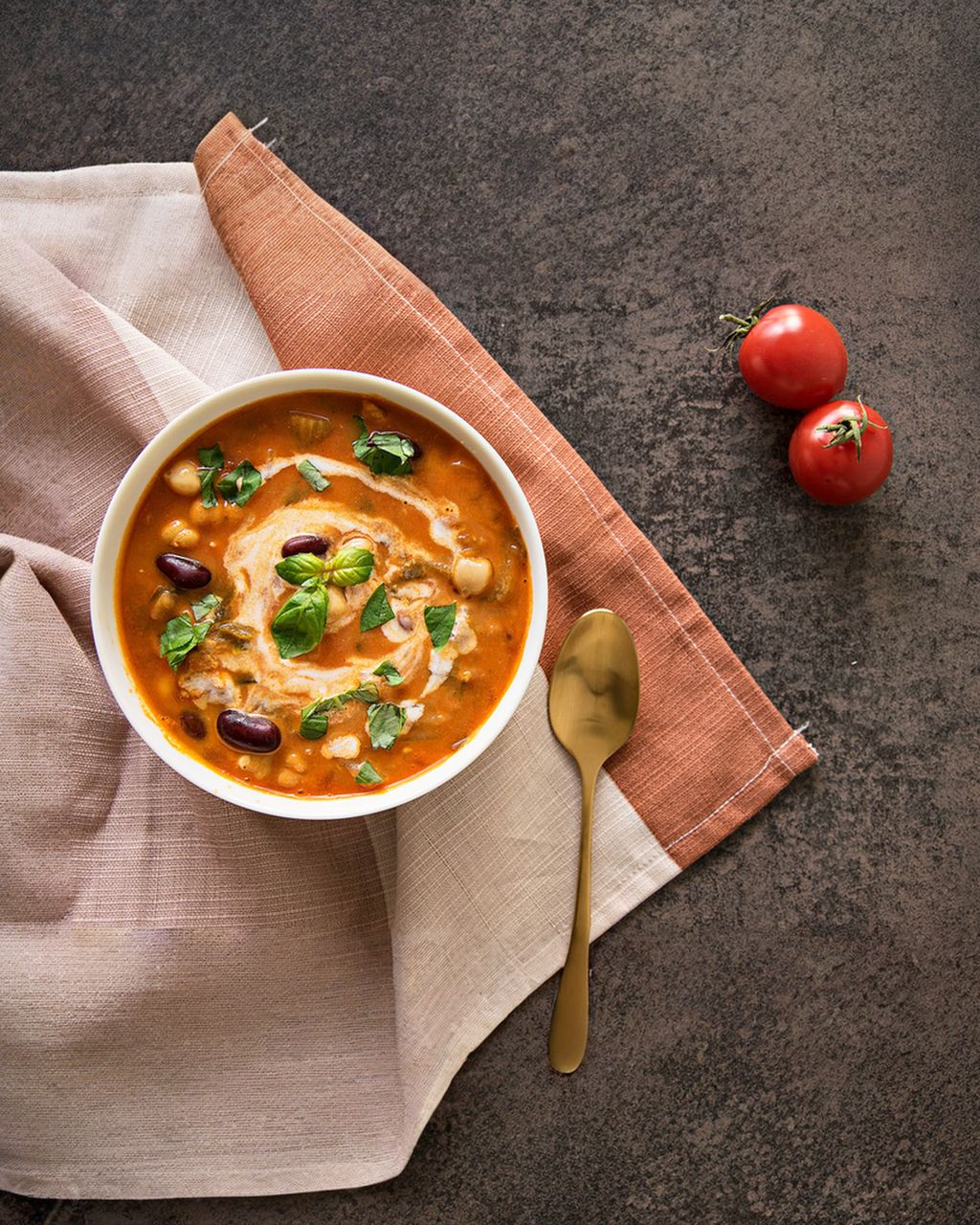
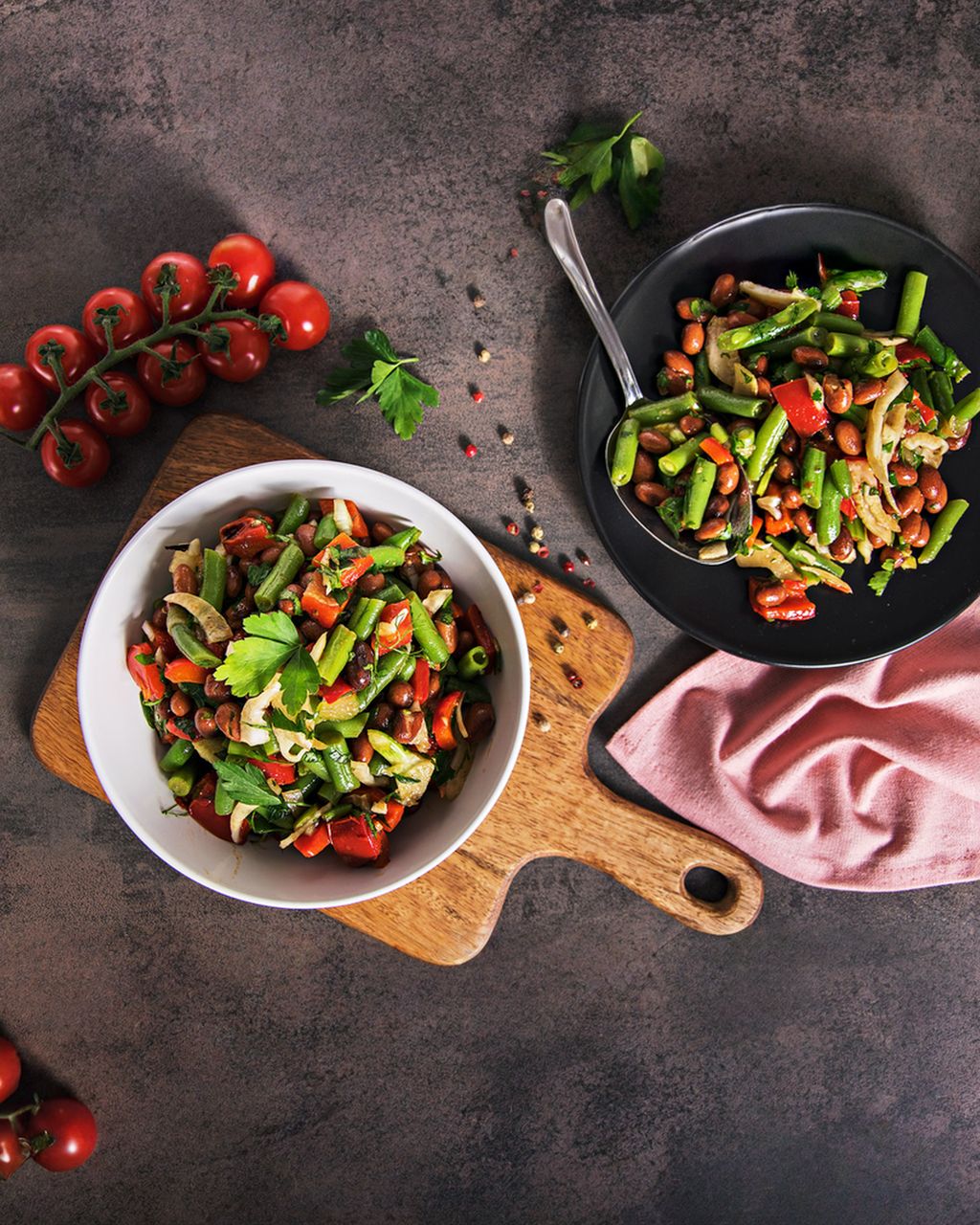
Mexican food is quickest: chili con carne, quesadillas or a Mexican burrito with beans and ground beef. The beans also suit pasta with meat and spices, such as noodles with pork and Mexican spice mix, and vegetable soups like Italian tomato soup with legumes. For salads, rinse them and add red onion, sweetcorn, coriander and a lime dressing.