- Season
- Year-round
- Price
- Medium
Calories and nutrition per 100 g
- 408 kcal
- 23.3 g protein
- 34 g fat
- 2.4 g carbs
Cheddar
Cheddar is a hard cow's milk cheese from the village of Cheddar in Somerset, England, that ranges from mild and buttery to sharp and tangy depending on how long it is aged. In Czech shops it is sold under its English name, often coloured orange as Red Cheddar; the Czech spelling is čedar.
Do not leave it out for more than 2 hours. For a cheese board, take it out of the fridge about an hour ahead; hard cheeses need the longest to open up.
Keep unopened packed cheddar as the label says and use it by the date on the pack. Wrap an opened piece in baking or wax paper, then loosely in a bag or box; it keeps for 3–4 weeks. For grated and sliced cheddar, follow the producer's time after opening.
Cheddar freezes well, best grated or cut into pieces. It keeps its quality for about 6 months. After thawing it crumbles, so use it for cooking and baking. Sprinkle grated cheddar straight from frozen onto the dish.
In Czech shops cheddar is sold mostly as Cheddar, in slices, grated or as a wedge, often as Red Cheddar or Irish cheddar. A figure such as 50 % or 51 % next to the name is fat in dry matter. The orange colour comes from added colouring and says nothing about quality or age. For strong flavour look for mature or extra mature; for melting, a younger cheddar is fine. The cheese should not be slimy or smell of ammonia.
Mature Edam, Gouda or Emmental, which melt just as smoothly. For a stronger, slightly nutty flavour use aged Gouda or Gruyère.
A mix of Edam with a little Parmesan in a sauce. On a burger, a slice of Gouda, Edam or processed cheese, which melts most smoothly but tastes the mildest.
Cheddar grates best cold; for a cheese board let it warm up for about an hour. If mould appears on a piece, cut it off with at least 2.5 cm around and below the spot, keeping the knife out of the mould. Throw away grated or sliced cheddar that has gone mouldy.
Grate hardened ends and cheese-board leftovers into cheese sauce, over baked pasta and potatoes or into toasties. You can freeze grated cheddar and sprinkle it on from frozen before baking.
Roughly what one measure weighs, scooped the way you normally would in the kitchen.
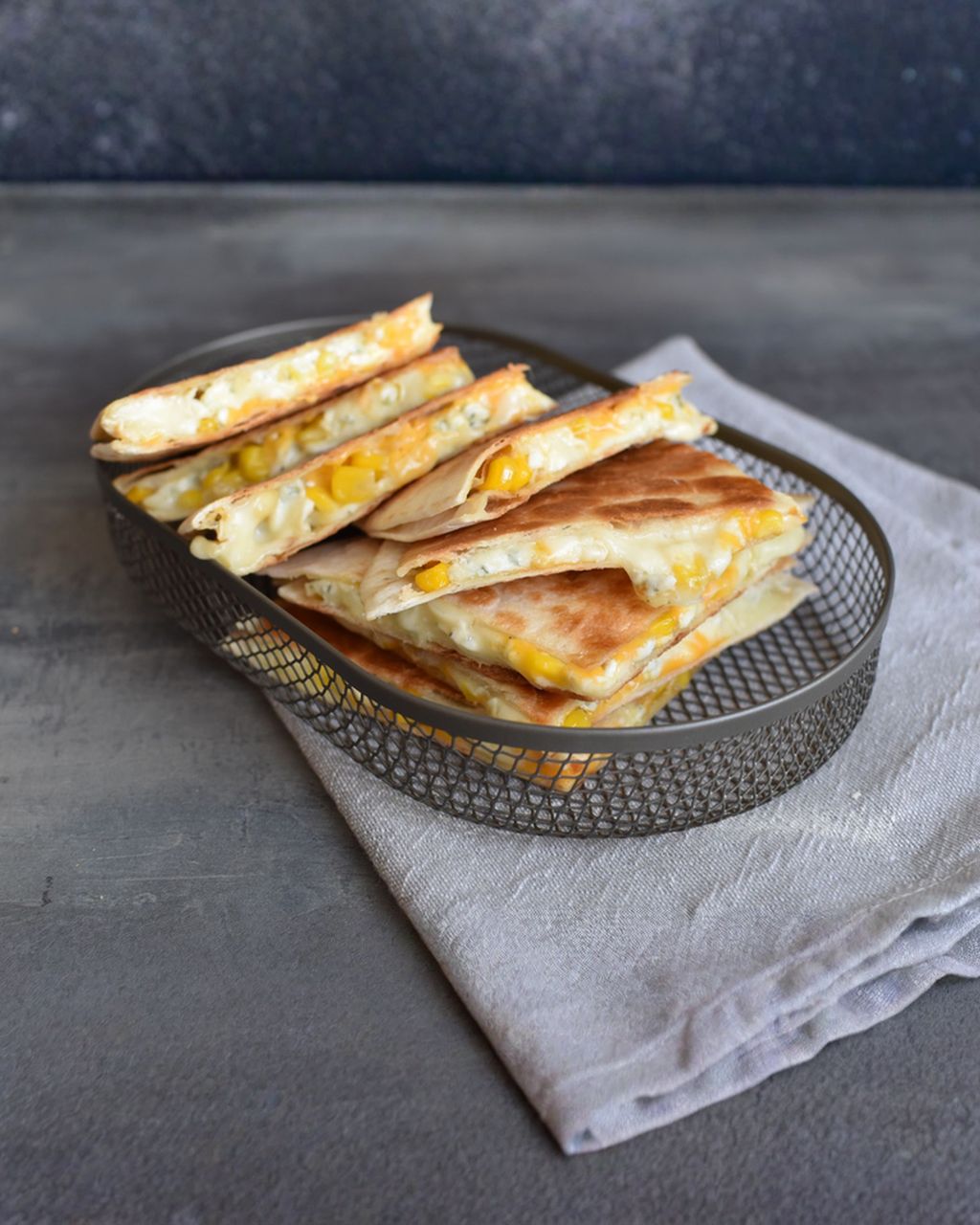
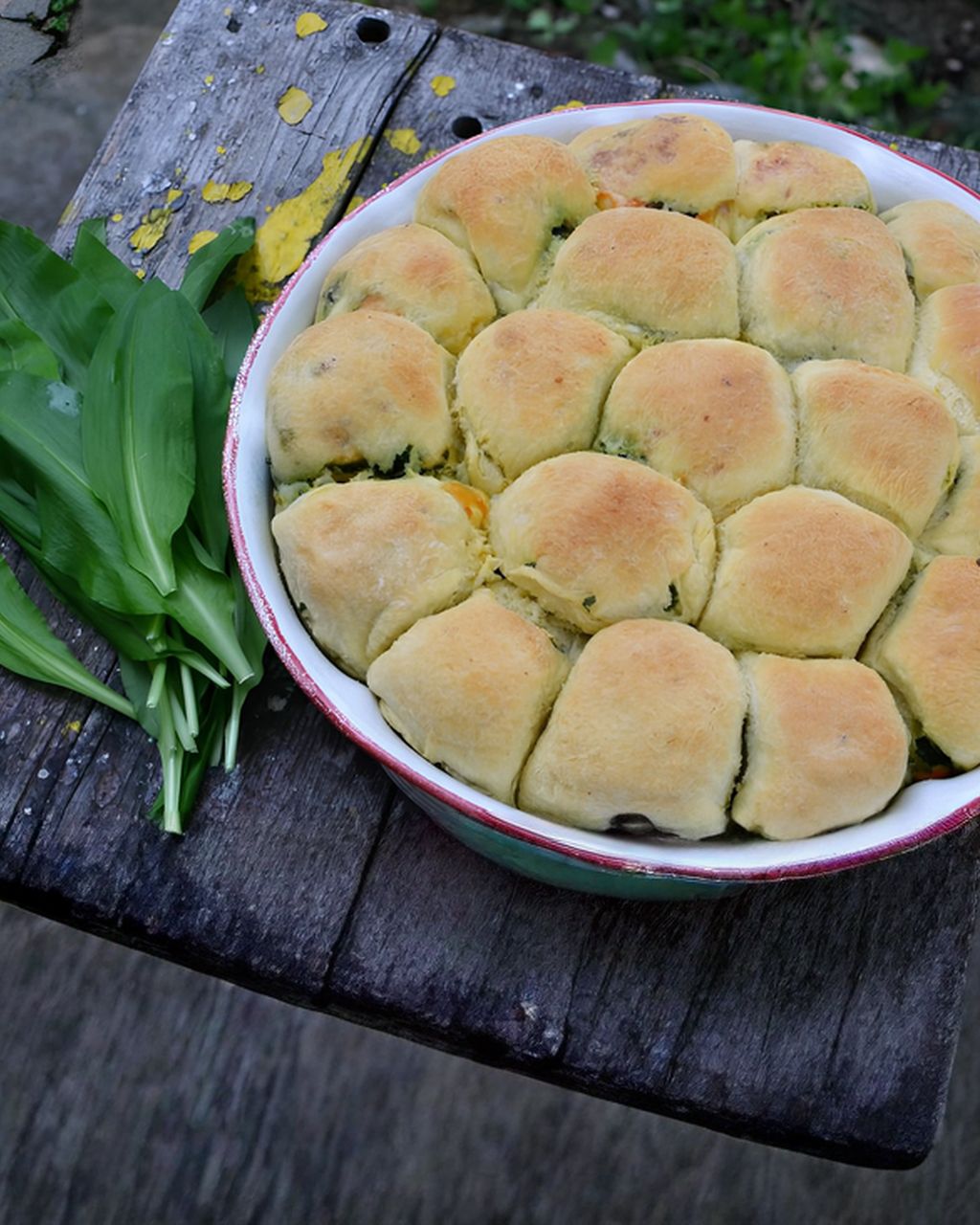
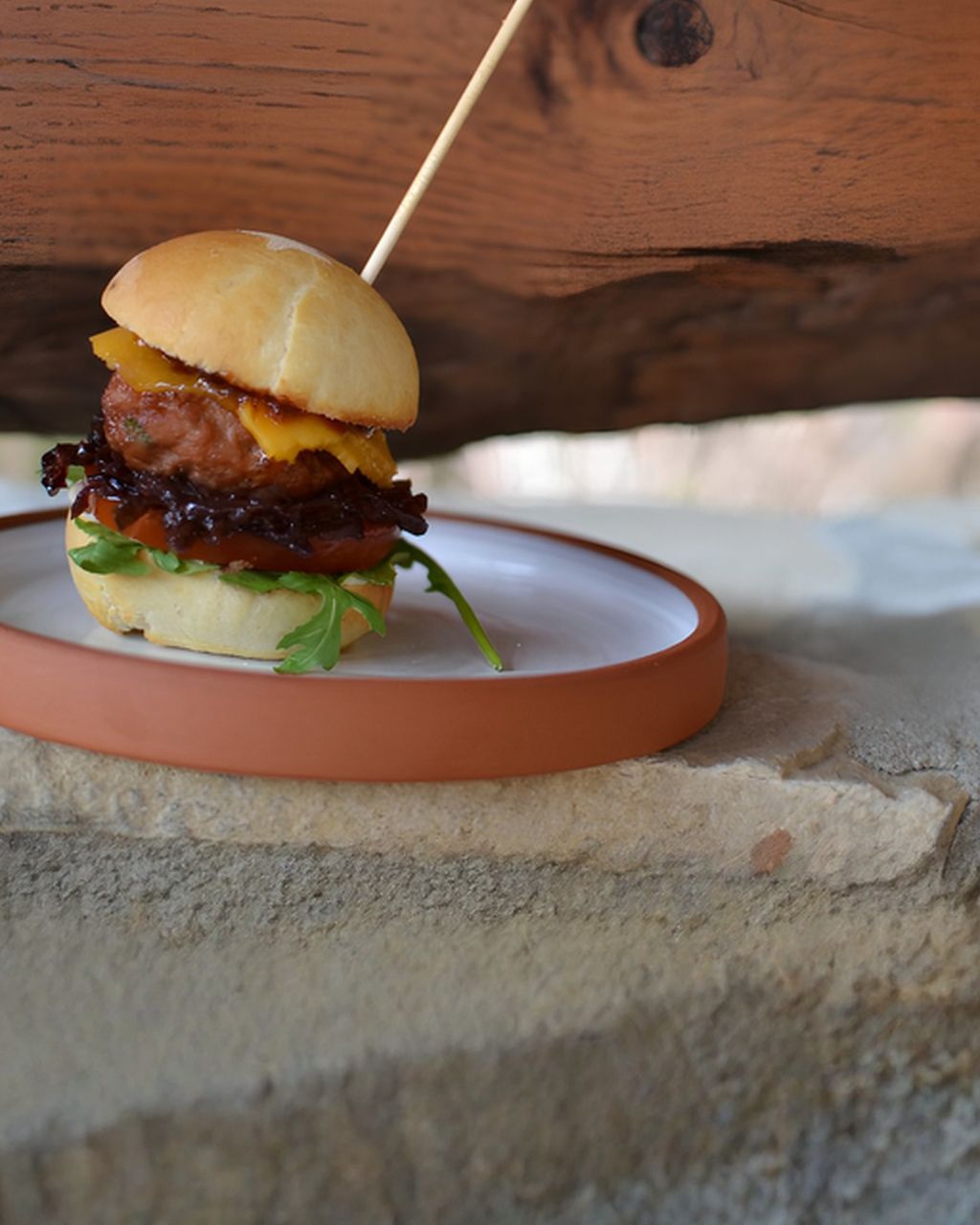
Cheddar melts well, so it belongs in cheese sauces, on baked pasta and potatoes, in toasties, quesadillas and on burgers. Lay a slice on the patty for the last minute and cover with a lid so the steam melts it. Mature cheddar gives a sauce more bite, and grated cheddar bakes well into savoury buns. On a cheese board, serve it with apple, mustard, chutney and dark bread.
Cheddar is a hard cow's milk cheese named after the village of Cheddar in Somerset, South West England. Its defining step is cheddaring: after heating, the curd is kneaded with salt, cut into cubes to drain the whey, then stacked and turned. The name cheddar itself is not protected, and the cheese is made all over the world. West Country Farmhouse Cheddar from Somerset, Dorset, Devon and Cornwall holds a protected designation of origin, and Orkney Scottish Island Cheddar a protected geographical indication.
Young cheddar is smooth, buttery and mild. With age it turns sharp, tangy and slightly earthy, a sharpness linked mainly to bitter peptides formed during ripening. Mature cheddar is firm and slightly crumbly and often contains crunchy calcium lactate crystals.
Seasonal baking plans, tested recipes and kitchen tricks that save you time. Unsubscribe in one click.
3 min read
Natural cheddar is white to pale yellow. The orange colour comes from added colouring, most often annatto (E160b) from the seeds of the tropical achiote tree, and in some products carotenes (E160a). Annatto was originally added so the cheese would look like it was made from rich milk from grass-fed cows. Colour does not affect taste or quality, so a pale cheddar or a pale substitute makes no difference in a recipe.
The Czech spelling is čedar, as listed in the language handbook of the Czech Language Institute. Packs in Czech shops mostly use the English Cheddar: Red Cheddar is the orange-coloured one, and you will also find Irish cheddar and cheddar in slices, grated or as a wedge. A figure such as 50 % or 51 % in the name is fat in dry matter, not in the whole cheese.
Yes. The NHS lists hard cheeses such as cheddar, Gruyère and Parmesan as safe in pregnancy, whether made from pasteurised or unpasteurised milk. Cheddar sold in Czech shops is also mostly made from pasteurised milk, which you can check in the ingredients on the pack.
The NHS advises care with soft mould-ripened cheeses with a white rind, such as brie or camembert, and with soft blue cheeses. In pregnancy these should only be eaten thoroughly cooked until steaming hot. The NHS advises avoiding unpasteurised milk, cream and yoghurt altogether.
Cheddar is sold mainly by maturity: mild, medium, mature and extra mature, also called vintage. Depending on the type it ages for roughly 3 to 24 months, and strong extra mature cheddar for at least 15 months. Young cheddar melts smoothly and tastes mild; mature cheddar is sharper and more crumbly and often has crunchy calcium lactate crystals, which form mainly when it ages for more than six months.
Wrap an opened piece of cheddar in baking or wax paper, then loosely in a bag or box; under paper the cheese breathes rather than sweats. That way it keeps in the fridge for 3–4 weeks, the time USDA FSIS gives for hard cheeses. In the freezer it keeps its quality for about 6 months, though it crumbles after thawing. More detail is in our article can you freeze cheese.
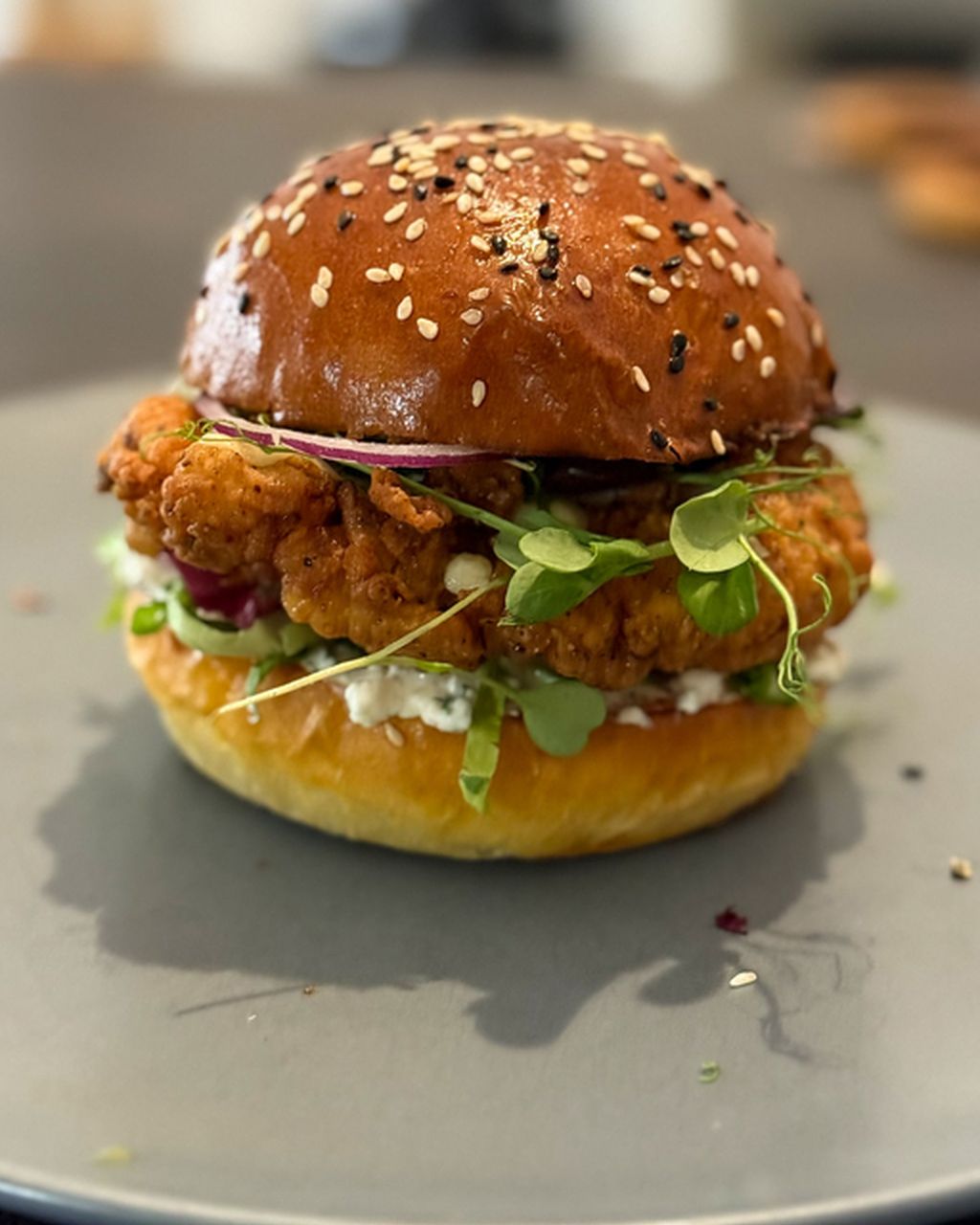
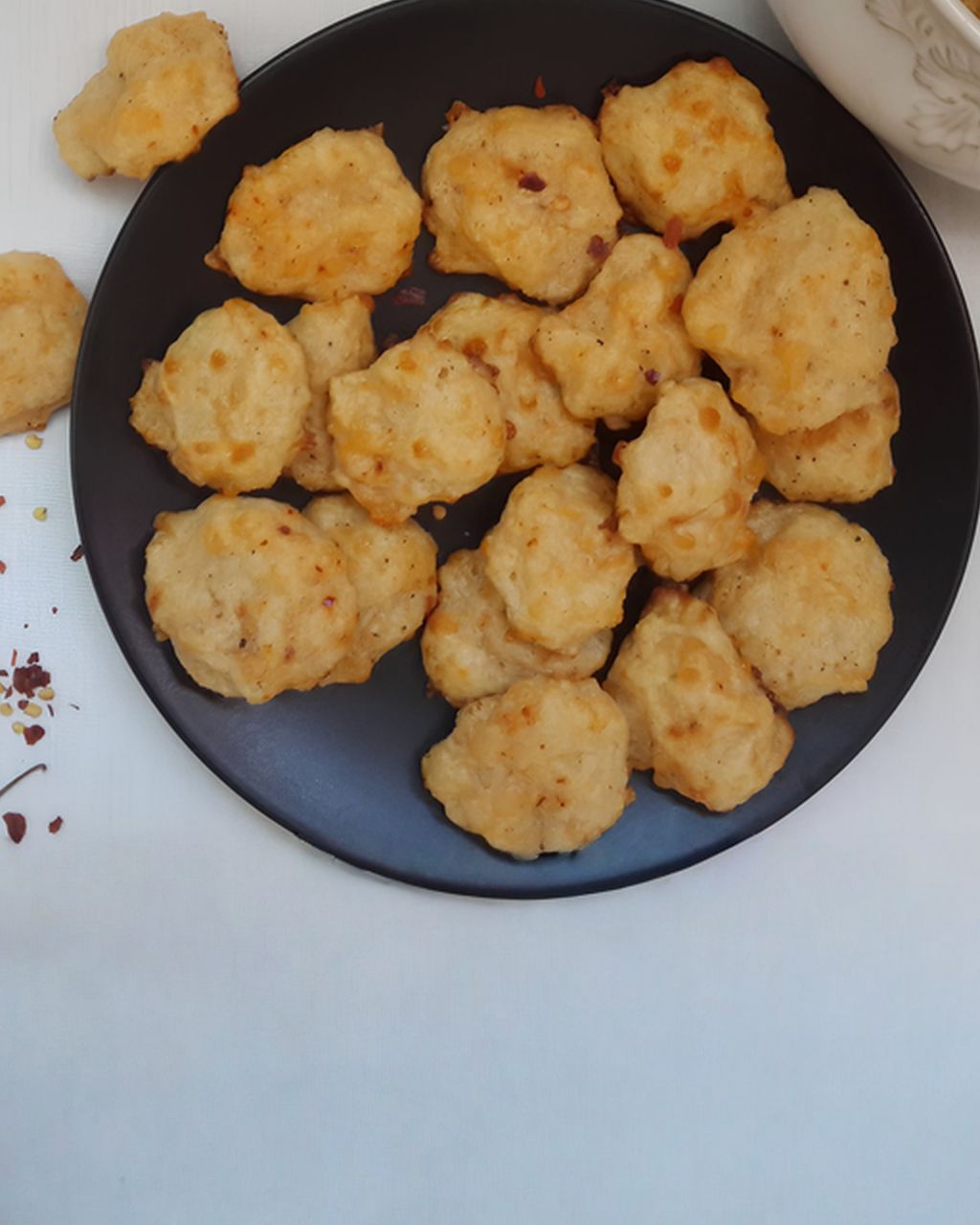
Cheddar melts beautifully, which is why it is a favourite on burgers, as in homemade cheddar and onion burgers. Mature cheddar also adds flavour to savoury baking; try cheddar and chilli bites.
If you have none, see substitutes for feta, brynza, cheddar and Parmesan. On a cheese board, cheddar works as the firmer cheese with apple, mustard and chutney; how much cheese to allow per person is in our cheese board guide.